



Silicone Roof Coating Maintenance Checklist for Texas Building Owners
Maintain a silicone-coated roof in Texas with a practical checklist for drainage, coating condition, flashing, cleaning, repairs, records, and recoating.
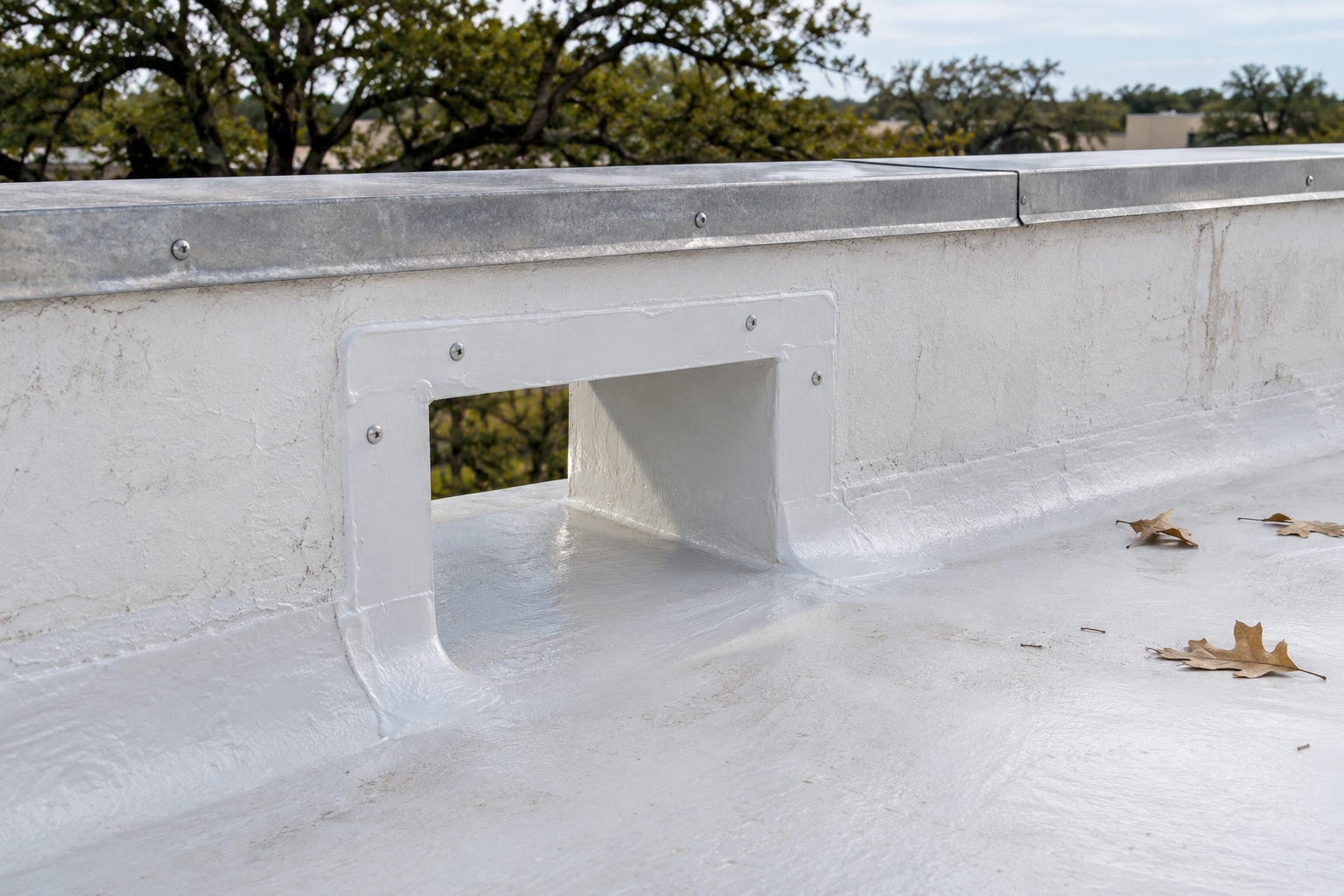
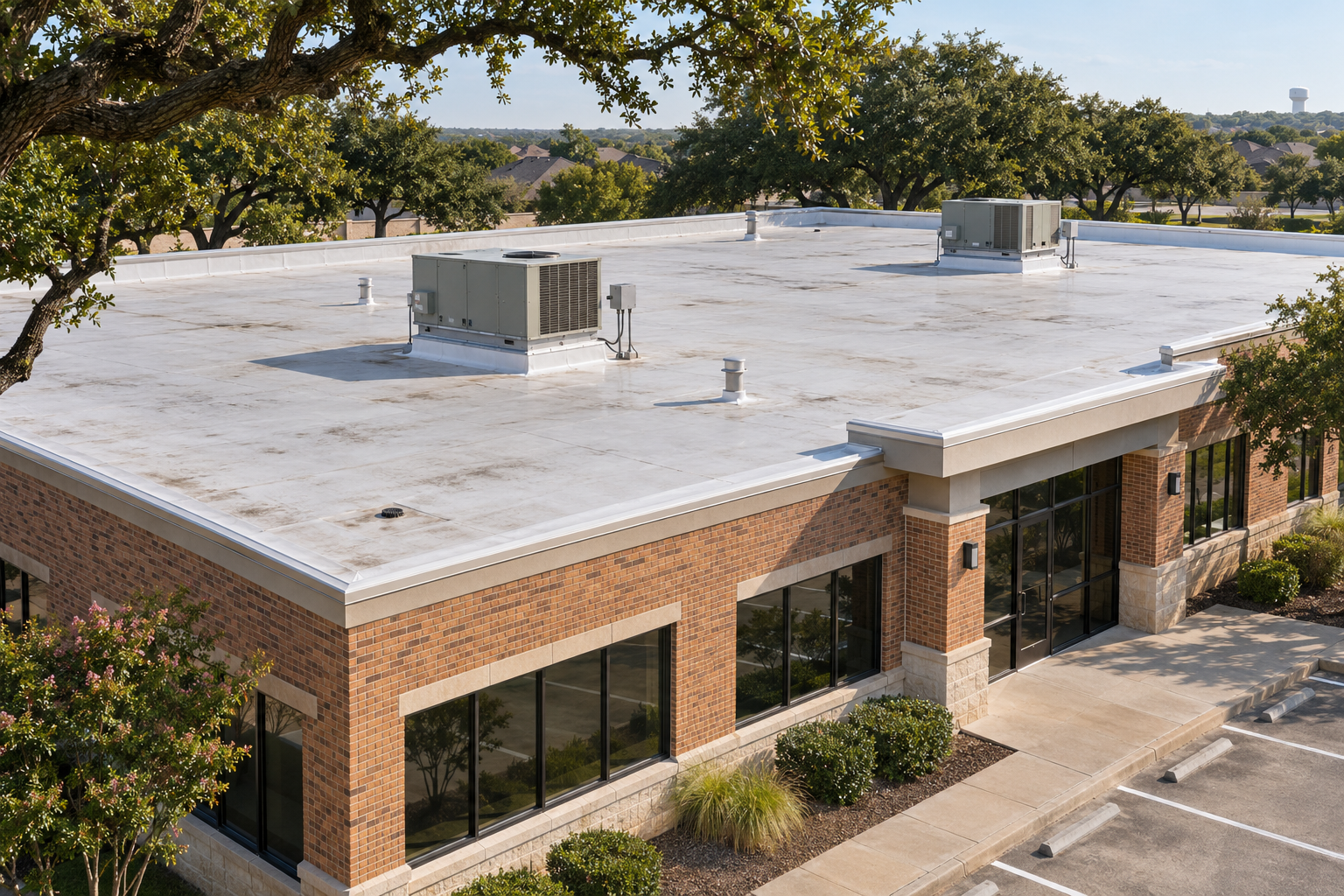
A silicone roof coating maintenance checklist should help a Texas building owner identify changes, arrange compatible repairs, keep drainage functioning, and preserve useful records. The plan needs to cover both the coating and the roof assembly beneath it.
Start by identifying the installed product and its maintenance requirements. A white roof may have silicone, acrylic, another coating, or a sheet membrane. Cleaning and repair decisions depend on that identification and the existing condition.
For a commercial property, assign a roofing contact and an owner representative who can authorize work. Showtime Exteriors provides commercial roofing services across Texas and can evaluate coating condition, drainage, details, and the next appropriate action.
Use this checklist at each scheduled review
Have a qualified roofing professional complete roof-level inspection and service. The owner or manager can organize documents, report interior symptoms, and track completed actions.
CheckRecordFollow-upProduct and warrantyCoating name, installation date, requirementsResolve missing informationInterior symptomsLocation, timing, photographsArrange leak assessmentDrains and outletsDebris, blockage, discharge concernsClear safely and investigate recurring problemsCoating surfaceCuts, openings, wear, lifting, changesDefine compatible correctionFlashing and transitionsCurbs, pipes, walls, edgesAssess affected detailEquipment areasTraffic, service activity, spillsCoordinate relevant tradesCleaning needsDirt, contamination, approved methodObtain product-specific instructionsCompleted repairsProducts, location, photographsUpdate roof planRecoat planningFindings and remaining questionsRequest a defined assessment
Assign each action a responsible person and target date. Close the item only after the work and documentation have been received.
Identify the coating before maintenance starts
Find the original proposal, final invoice, product data, warranty, and any installation photographs. Record the manufacturer, product name, application date, and known underlying roof type.
If records are missing, ask a qualified roofer how the existing system can be identified. Avoid assuming that color or surface appearance establishes the chemistry.
Gaco’s GR16 product data recommends periodic inspection of transitions, flashing, vents, and skylights, keeping drains clear, and using its specified product for recoating. It also warns about wet-surface slipperiness. Those are instructions for that product, so obtain the equivalent requirements for yours. GacoRoof GR16 product and maintenance information
Keep the current manufacturer documents accessible to anyone arranging roof work. Future service contractors need that information before selecting materials.
Set a schedule suited to the property
As a starting plan, arrange professional reviews before and after the property’s most demanding weather periods. Add checks after significant storms, reported leaks, and rooftop service work. Adjust the schedule to the product requirements and actual findings.
A roof under trees may need drainage attention more often than an open site. A restaurant or industrial building may need additional coordination around exhaust or contaminants.
Carlisle’s general commercial roof guidance recommends evaluations at least twice yearly and after major weather or service activity. It highlights drainage, flashing, perimeters, and penetrations. Use that as context alongside the installed coating’s specific requirements. Carlisle commercial roof maintenance guidance
Put visits on a calendar and name the person responsible for arranging them. A schedule works best when findings lead to assigned follow-up.
Plan safe roof access
Tell the contractor about hatches, ladders, skylights, equipment, restricted areas, and known structural concerns. Ask how access and protection will be arranged for the planned activities.
Wet silicone-coated surfaces can be slippery. Leave walking conditions and the suitability of roof access to the professional performing the work.
OSHA’s construction fall protection standard addresses surface integrity, openings, unprotected edges, and low-slope roofing activities. The contractor should evaluate and provide arrangements appropriate to the site and task. OSHA construction fall protection requirements
Coordinate ground-level work areas as well. Customer entrances, parking, loading routes, and occupied spaces below repairs may require a planned sequence.
Review the interior before the roof
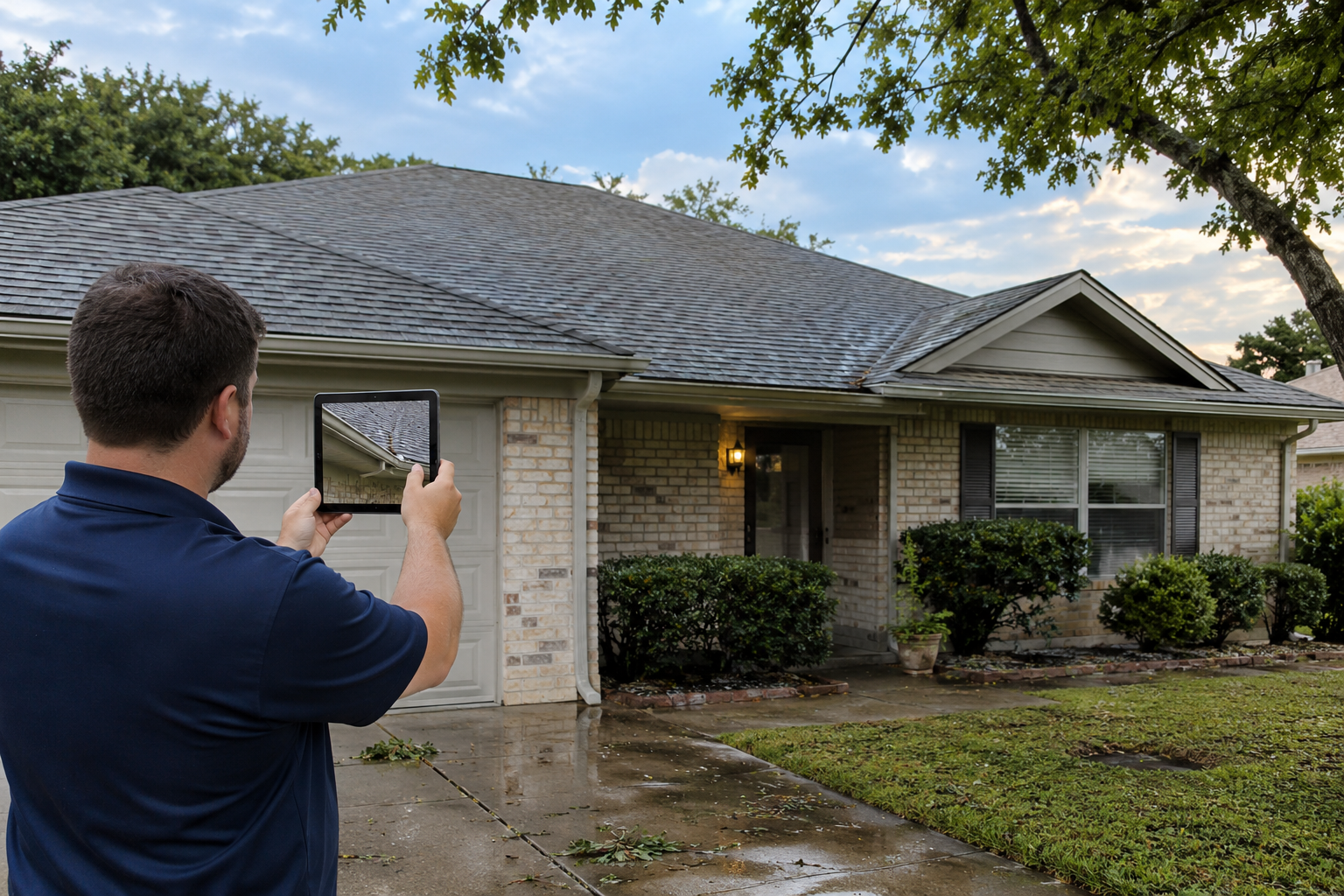
Ask occupants about new stains, dripping, damp materials, or changes after rain. Record the exact location and timing, with photographs taken from a safe position.
Note whether symptoms occur during every rain, only during wind-driven rain, or while mechanical equipment is operating. Include the history of earlier repairs.
A ceiling stain can guide the investigation, but the roofing team should assess possible sources. Roof connections, walls, equipment, and concealed paths may need review.
Keep interior observations separate from conclusions about cause until the assessment supports them. A clear log helps a contractor connect symptoms to the roof and determine whether further investigation is needed.
Keep drains, scuppers, and gutters functioning
Include primary drains, overflow outlets, scuppers, gutters, and downspouts in the inspection scope. Ask the contractor to document blockages, damaged connections, and discharge concerns.
Arrange safe removal of leaves, loose debris, and service materials using methods appropriate to the system. Confirm where the debris and wash water will go.
If water repeatedly collects in one area, ask why. An obstruction, slope issue, damaged outlet, or another condition may require a different correction.
Record the observation date and its timing relative to rainfall. That context helps the roofer assess a condition that may be absent during a later dry-weather visit.
Document ponding and investigate its cause
Some silicone products are formulated for ponding-water resistance. The drainage system still needs assessment and maintenance.
Map recurring water collection areas and ask the roofer to explain the extent, likely cause, and proposed action. Include drains and connected plumbing where relevant.
A coating follows the existing roof geometry. Ask whether a proposed correction involves outlet maintenance, roofing detail work, slope changes, or another professional’s assessment.
If you are comparing broader options on a metal building, review Showtime Exteriors’ metal roof retrofit and coating guide. The appropriate scope should follow the actual condition and objectives.
Inspect the coating surface systematically
Ask for a roof-level review organized by sections. The professional should document openings, cuts, areas of visible wear, lifting, exposed substrate, and other changes requiring evaluation.
Use location references so the next visit can compare the same areas. A detail photograph and a wider overview are more useful together.
Ask what each observation means for the roof’s function and what action it supports. A color change, surface mark, and open defect can require different responses.
If a concern cannot be interpreted confidently, have the contractor identify the additional information needed. The report should separate confirmed work from questions awaiting investigation.
Check flashing, penetrations, and transitions
Include pipes, curbs, walls, skylights, roof edges, expansion details, and material transitions. Ask which components are affected and how any repair will tie into retained materials.
Inspect previous repair locations as part of the same route. Record whether the concern has returned and whether the new findings change the scope.
Henry’s Pro-Grade 988 technical sheet addresses clean, dry preparation, adhesion verification, repair of defects, and product-specific detailing. It illustrates why repair materials and preparation need to match the installed system. Henry Pro-Grade 988 technical data
Have the contractor identify any wall, masonry, plumbing, or equipment work outside the roofing scope and coordinate responsibilities.
Review areas around rooftop equipment
Track the dates and locations of HVAC, exhaust, solar, and communications work. Ask service providers to report dropped materials, spills, disturbed flashing, or visible roof concerns.
Have the roofing professional review frequent access routes and equipment areas. Ask whether compatible protective surfacing or another traffic arrangement is appropriate.
For restaurants and process facilities, identify what reaches the roof. Request manufacturer review of important exposures before selecting cleaners, repairs, or a renewed coating system.
Assign responsibility for servicing grease containment and other collection equipment. A roofing maintenance plan should connect with those operational tasks so each trade understands its role.
Clean using the installed system’s instructions
Ask the coating manufacturer or qualified contractor whether cleaning is warranted and which method suits the product and condition. Confirm the cleaner, dilution, agitation, rinsing, and protection requirements.
Gaco identifies GacoWash as a cleaner for various roof surfaces and as part of preparing its silicone systems. That product information is a starting point for its specified applications. Check the requirements for your coating before choosing a cleaning product. GacoWash product information
Coordinate air intakes, occupied spaces, landscaping, and drainage before cleaning. The contractor should avoid damaging the roof or introducing water through vulnerable details.
Request photographs after completion and record the materials used. Keep cleaning separate from repair authorization when the inspection identifies defects.
Reflectivity and dirt accumulation
Record dirt patterns and contamination as part of the inspection. Ask whether the condition calls for cleaning, repair, exposure management, or another assessment.
If energy performance matters to your maintenance decision, use the exact product’s information and the building’s conditions. The Department of Energy explains that cool roof results depend on climate, insulation, building use, and heating and cooling systems. Department of Energy cool roof guide
Avoid assigning a utility saving to cleaning without an appropriate basis. Request the assumptions behind any estimate offered.
Compare similar photographs over time. A consistent record can help distinguish accumulating dirt from a localized change needing closer review.
Arrange compatible repairs promptly
For an identified defect, ask for the repair location, preparation, materials, boundary, and completion checks. Confirm the product’s compatibility with the existing coating and underlying assembly.
If the concern involves more than the surface, ask what further investigation is needed. Covering an area leaves underlying questions unresolved unless the scope addresses them.
Request written authorization before work and completion photographs afterward. Mark the repair on the roof plan and retain the invoice.
If another coating chemistry is proposed, request the applicable manufacturer-supported specification and evaluation. Showtime Exteriors’ coating repair and restoration guide discusses questions to resolve when considering changes between systems.
Respond after hail, wind, or unusual rooftop activity
Arrange an assessment based on observed concerns, event severity, and the roof’s requirements. Record the reported event date, inspection date, and areas reviewed.
Ask the inspector to evaluate the coating and relevant details, including edges, penetrations, and equipment connections. If underlying damage is suspected, define the investigation needed.
Keep photographs and temporary protection records. If a claim is involved, ask the insurer about its process while the roofer documents physical conditions and construction work.
Compare new findings with earlier records. Prior inspection photographs and repair locations help establish what changed and where follow-up should focus.
Plan recoating from documented conditions
Ask the contractor to evaluate remaining coating condition, adhesion, repairs, substrate suitability, moisture questions, and manufacturer requirements before proposing a recoat.
A calendar anniversary can prompt a review, while the actual scope depends on the system and findings. Request the basis for retaining existing materials.
The proposal should identify preparation, repairs, primer where needed, reinforcement, product, application requirements, and verification. Clarify any warranty process and future maintenance obligations.
For broader restoration context, review Showtime Exteriors’ commercial roof coatings guide. Ask the contractor to apply the discussion to your Texas property and installed system.
Know when broader work needs evaluation
Recurring leaks, widespread loss of adhesion, affected underlying components, unreliable attachment, or unresolved drainage can justify a more extensive assessment.
Ask what supports repair, restoration, partial replacement, recover, or replacement. Request clear boundaries and the evidence behind the recommended extent.
If moisture investigation is proposed, agree on the method, limitations, any sampling, and restoration of disturbed areas. Ask how the result would change the work.
Keep longer-term capital planning alongside immediate protection and repairs. A defined near-term scope and a documented future assessment can help the owner budget and schedule decisions.
Keep a maintenance record that another manager can use
Maintain a roof plan, product details, warranty documents, inspections, repairs, invoices, and photographs. Record service visits by other rooftop trades.
Each finding should include a location, date, observation, assigned action, responsible party, and completion status. Attach authorization and after-work photographs.
Showtime Exteriors’ guide to commercial roof maintenance records provides additional context for organizing that history.
Store an accessible digital copy and transfer it when management changes. Record the roofing service contact and any manufacturer notice requirements.
Budget and compare maintenance proposals
Ask for the inspection scope and included deliverables before booking. Cleaning, investigation, repairs, and recoating may require separate authorization.
Compare proposals using the same roof sections, products, preparation, and underlying assumptions. Ask which quantities are confirmed and which are allowances.
For concealed conditions, agree on a unit price or another clear change process. Request photographs and written approval when additional work becomes necessary.
Discuss access, tenant schedules, equipment coordination, and cleanup. Those items can affect the total even when the coating repair area is small.
Organize seasonal maintenance around the building
Before a demanding weather period, ask the roofing professional to review open maintenance items and any repairs awaiting authorization. Confirm that drainage concerns, loose service materials, and known flashing issues have an assigned response.
During hot periods, coordinate access and work timing with the contractor. Ask how conditions affect the planned inspection, cleaning, or repair and whether the product instructions change the schedule.
After leaves or other debris accumulate, review the need for drainage service. Properties under trees can experience a different debris pattern from open industrial sites. Use actual findings to adjust the next visit.
For a seasonal shutdown or holiday period, name a backup contact. A leak reported while the usual manager is unavailable still needs a clear route to assessment and authorization.
Treat the calendar as an organizing tool. If conditions change between scheduled visits, arrange the appropriate review instead of leaving the concern until the next routine appointment.
Use a simple maintenance log
A useful log can be short. Give each item an identifier tied to a roof location and record the observed condition without assuming the cause.
For example, an illustrative entry might describe leaves near the east scupper, identify the photograph, assign removal and outlet review to the roofing contractor, and record the date the work was completed. A follow-up image closes that entry.
Another entry might describe a tenant’s report of dripping near a mechanical room during rain. Keep the symptom, assessment findings, authorized repair, and later observations together. That sequence helps the next professional follow what was known at each stage.
Avoid replacing an earlier entry when new information arrives. Add the new findings with a date so the record shows how the decision developed.
At the end of each visit, ask the contractor to identify completed items, open items, and any question requiring further investigation. The manager can then update responsibilities and dates.
Give rooftop service providers clear instructions
Before HVAC, exhaust, solar, or communications work, share access requirements and relevant information about repaired or sensitive areas. Identify whom the service team should contact if it notices a roof concern.
Ask providers to record where they worked and whether anything was moved, attached, spilled, or left on the roof. The roofing team can review relevant changes afterward when appropriate.
If work requires a new penetration or attachment, have the roofing detail coordinated before installation. Confirm the manufacturer and warranty requirements and assign the responsible trade.
Discuss routes for moving tools and equipment. The professional planning the work should determine suitable protection and handling for the existing coating and assembly.
Keep the service invoice and any photographs with the roof records. That information helps establish the timeline if a later concern appears near the work area.
Review a proposed recoat as a complete project
Ask for a written description of the roof areas included, existing materials retained, and defects corrected before coating begins. Identify any exclusions, such as equipment, skylights, or sections with a different roof system.
The proposal should explain cleaning, surface preparation, adhesion verification, compatible repairs, and application requirements for the selected product. Have the contractor identify the completion checks and documentation.
If the estimate relies on assumptions about concealed components, ask what investigation supports them. Clarify how additional work will be priced and authorized.
Discuss the occupied building as well. Air intakes, customer entrances, parked vehicles, landscaping, and nearby properties may affect application methods and staging.
Before approving, compare the accepted scope with any warranty requirements and manufacturer review. Keep the final specification with the maintenance plan so later service follows the installed system.
Close the loop after work is completed
Review the completed service against the authorization. Ask for photographs showing the location and surrounding detail, along with the products and quantities documented by the contractor.
Record any follow-up instructions, including when a repaired area should be reviewed again. Identify the service contact and the information needed if the concern returns.
For a recurring interior symptom, continue the log after completion. Record subsequent rain observations so a later assessment can compare conditions before and after the correction.
Retain open questions separately from completed work. An item can be repaired while another part of the investigation remains unresolved.
This approach gives the owner a usable record of the roof’s condition, authorized spending, and the next action needed.
Questions Texas building owners commonly ask
How often should the roof be checked?
Follow the installed system’s requirements and adjust for the property. Scheduled reviews, significant weather, leaks, and rooftop work can each prompt assessment.
Should maintenance staff walk the roof?
Have access and tasks evaluated by qualified personnel. Wet surfaces, edges, skylights, and uncertain structural conditions require appropriate arrangements.
Can any silicone product repair my coating?
Ask for confirmation of compatibility and the manufacturer-supported method. Product identification and preparation belong in the repair scope.
Does ponding-water resistance eliminate drainage maintenance?
Keep outlets functioning and have recurring water collection evaluated. Ask what is causing the condition and what correction is appropriate.
Is a dirty coating ready for replacement?
Ask the roofer to assess the surface and underlying system. Cleaning, localized repair, further investigation, or broader work may be appropriate depending on findings.
What should I receive after service?
Keep the inspection findings, location references, photographs, products used, invoice, approved changes, and follow-up instructions.
Arrange a silicone-coated roof assessment
A useful maintenance plan turns inspection findings into assigned work and documented completion. It should address the coating, details, drainage, equipment activity, and any unresolved underlying concern.
Showtime Exteriors can assess your Texas commercial roof and discuss maintenance, repair, restoration, or replacement options based on its condition. Call 817-400-7663 or request a free roof assessment.