



Spray Foam Roofing in Texas: Benefits, Lifespan, and Best Uses
Explore spray foam roofing in Texas, including benefits, lifespan, maintenance, installation considerations, and the buildings it suits best.

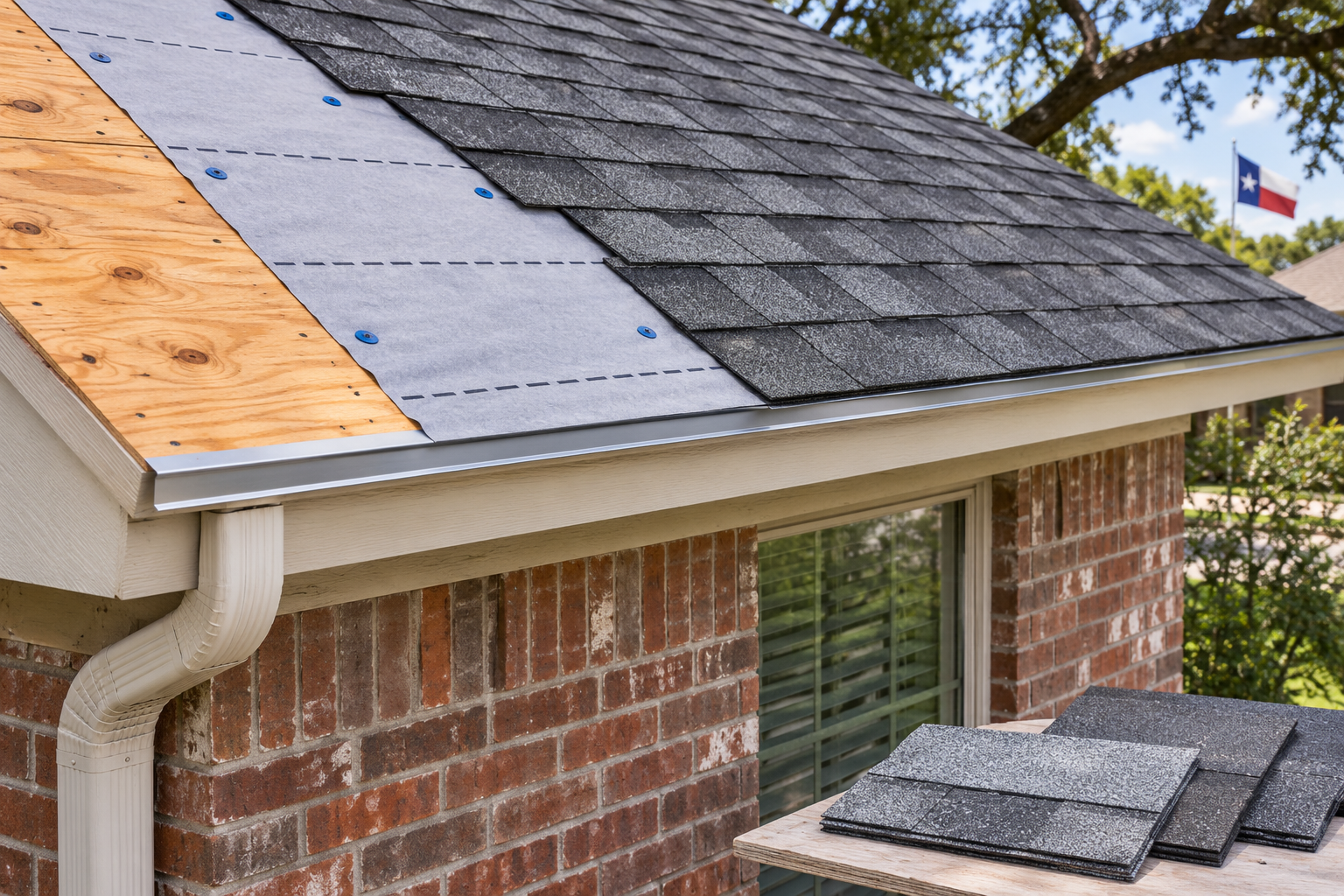
Spray foam roofing in Texas can appeal to commercial property owners who want roof insulation, a continuous roofing surface, and opportunities to renew a serviceable system. Those benefits matter when a warehouse becomes uncomfortable each afternoon, an aging roof needs attention, or a property manager wants to compare restoration with replacement.
The decision starts with the building. Roof condition, drainage, structural capacity, moisture, rooftop traffic, and daily operations all influence whether spray polyurethane foam belongs on the shortlist. A proposal should explain how the complete assembly will perform and how the owner will maintain it.
This guide covers what spray foam roofing is, where it can work well, what affects lifespan, and how Texas building owners can evaluate a project. Showtime Exteriors provides commercial roofing services for owners assessing repairs, restoration, and replacement options.
What Is Spray Foam Roofing?
Spray polyurethane foam roofing, commonly called SPF roofing, uses roofing-grade foam applied on the roof to create a continuous layer. A protective covering completes the system. The foam contributes insulation and follows the shape of an approved, properly prepared substrate.
Roofing foam differs from the canned foam used for small household gaps. A commercial roof requires specified materials, application equipment, trained installers, and details suited to exterior exposure. Thickness, adhesion, surface quality, protective covering, and connections to adjacent components all matter.
The Spray Polyurethane Foam Alliance installation overview describes evaluation and preparation of the roof deck, installation of specified foam thickness, and application of a protective covering. The practical lesson is that foam application forms one part of a roofing project. Preparation and finishing deserve equal attention.
Owners should expect a written assembly description. It should identify the foam, protective coating or other covering, required thicknesses, substrate preparation, flashing details, and inspection requirements. A line reading only “spray foam roof” leaves important decisions undefined.
Benefits for Texas Commercial Buildings
The strongest reason to consider SPF is its combination of functions. It can add insulation while forming a continuous roofing layer around an eligible roof's geometry. That combination can be attractive where a building needs both thermal improvement and roof rehabilitation.
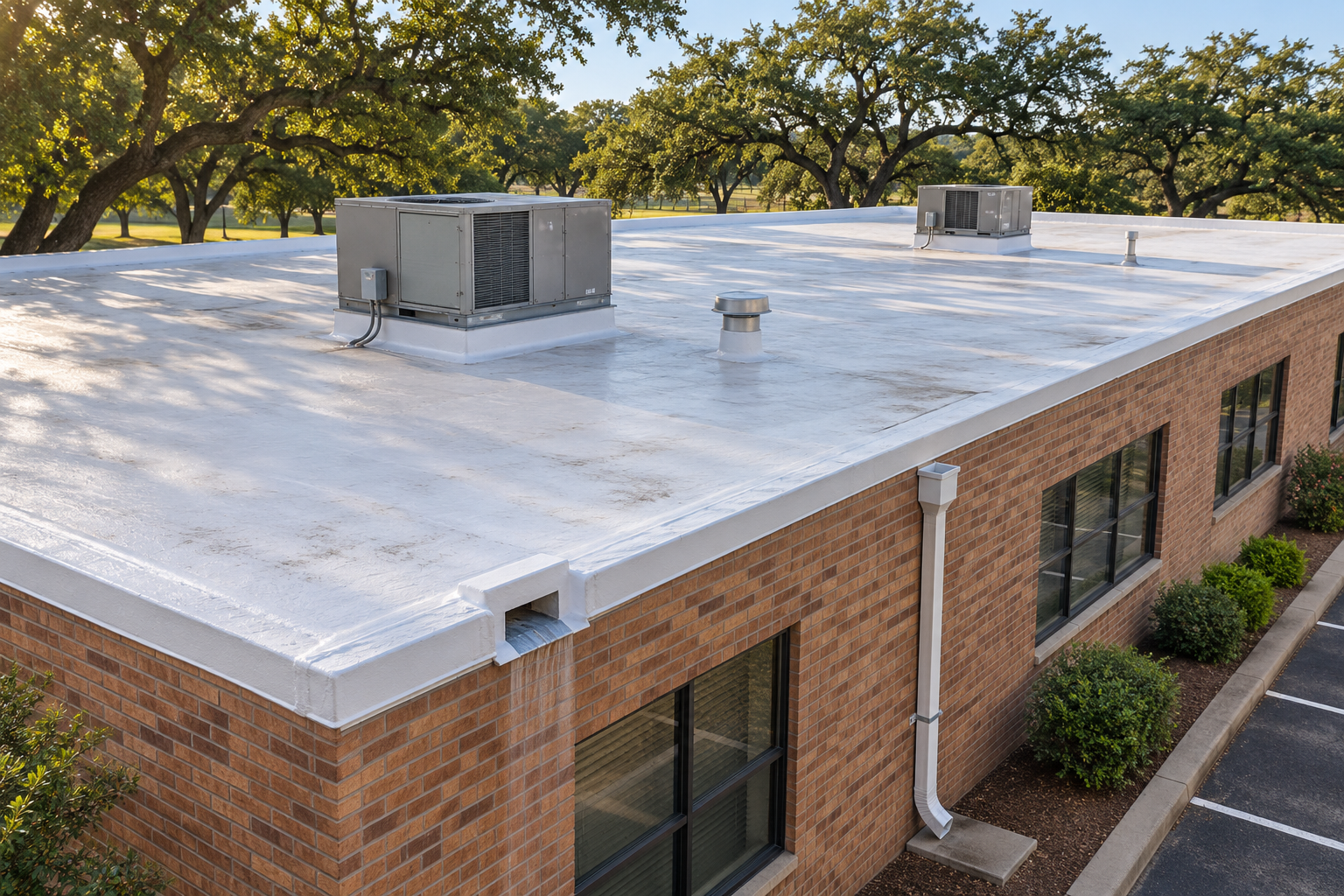
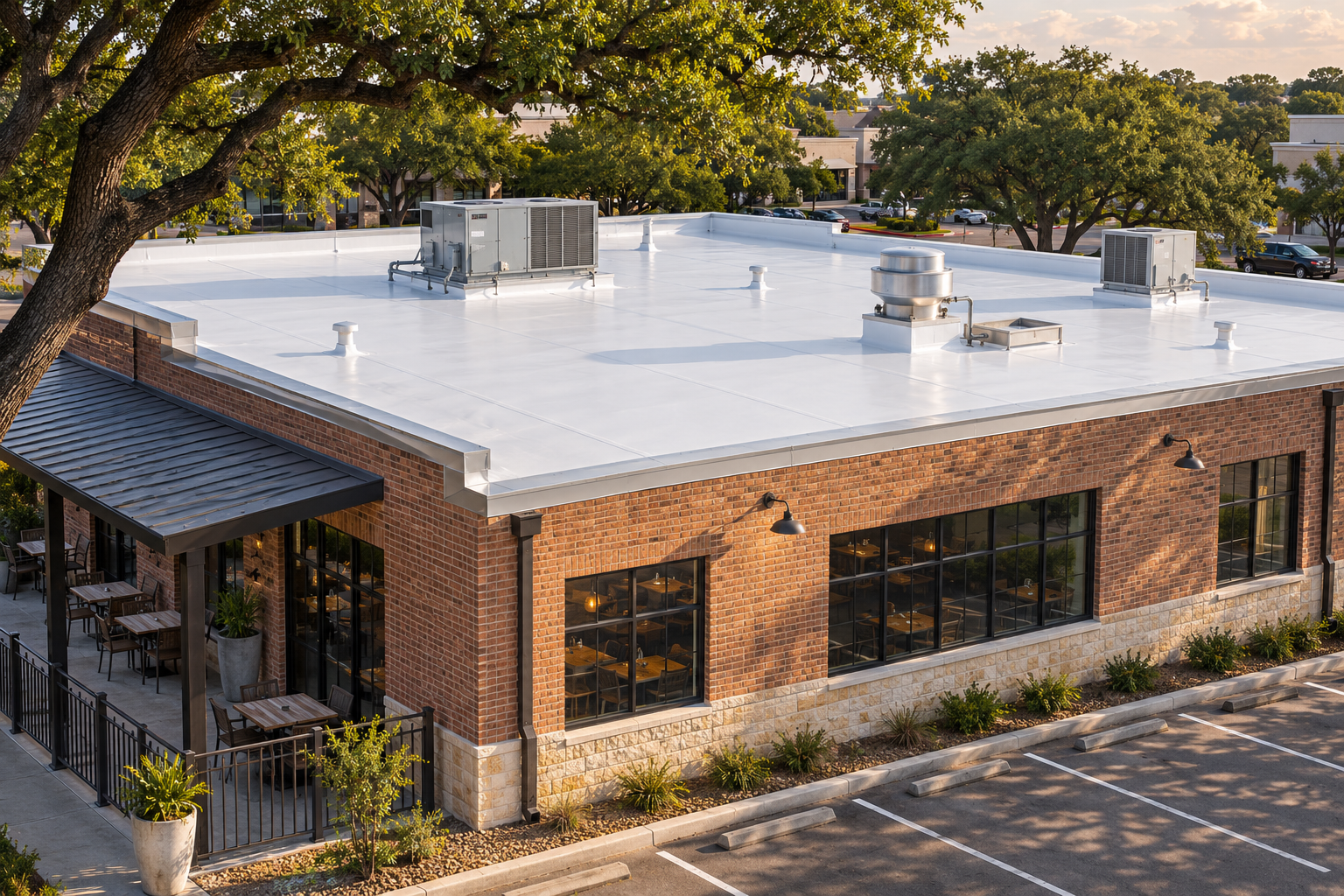
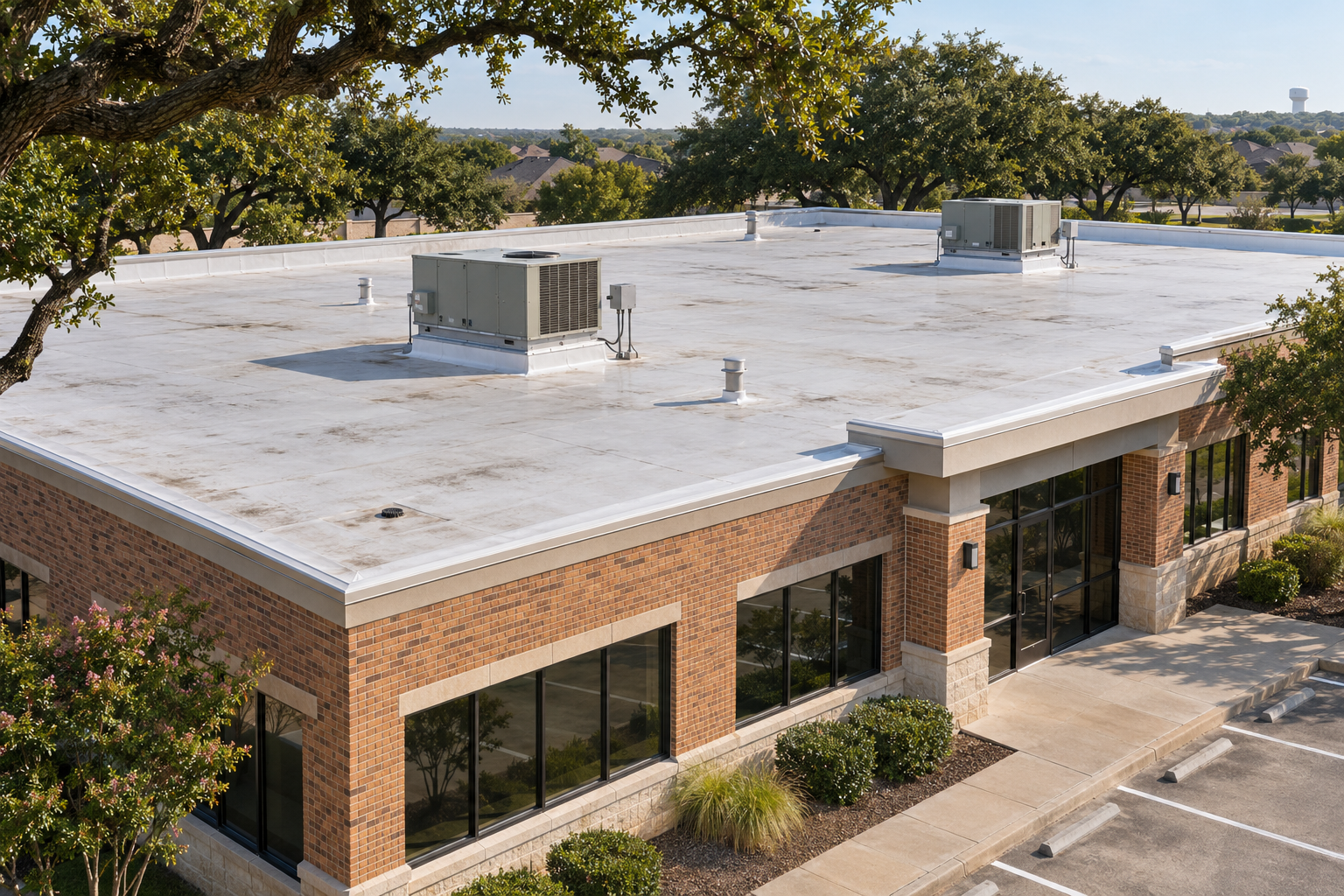
A continuous field reduces the number of sheet seams across the roof surface. Details remain important at drains, edges, equipment, walls, and joints. An owner comparing proposals should examine these connections rather than judging performance from a photograph of a smooth white roof.
Another potential advantage is retaining eligible existing materials. Where investigation confirms that an existing roof can remain, a recovery approach may reduce demolition and associated disruption. Any retained assembly must satisfy project requirements. Wet insulation, failed attachment, and deteriorated decking require an appropriate scope before installation proceeds.
An adaptable application can also help address complicated layouts. Multiple curbs and penetrations may make a continuous applied system worth evaluating. However, tight equipment clearances and inaccessible details can create challenges that the contractor must resolve before work begins.
Insulation and Reflective Surfaces Address Different Problems
Insulation slows heat transfer through the roof assembly. A reflective roof surface reduces the solar energy the roof absorbs. These are separate effects, and the value of each depends on the building.
The Department of Energy guide to selecting cool roofs explains the role of solar reflectance, thermal emittance, climate, and building characteristics. A reflective coating can support cooling goals, but its presence does not establish a particular electricity saving.
For an owner, useful starting information includes existing insulation, conditioned floor area, operating hours, thermostat settings, and HVAC condition. A warehouse with limited air conditioning has a different financial case from an office operating throughout the summer. A refrigerated facility needs a more specialized assessment of temperature and moisture conditions.
Request that any energy estimate disclose its assumptions. Compare alternatives using the same operating schedule and baseline roof condition. If a proposal promises unusually large savings without examining the property, ask for the calculation before including those savings in the budget.
How Long Does a Spray Foam Roof Last in Texas?
A well-designed, properly installed, maintained SPF roof can provide long service, but the foam and its protective covering do not necessarily follow the same renewal schedule. Treating them as one disposable layer can obscure the system's main maintenance opportunity.
The SPFA roofing FAQ describes the potential for long service with regular inspections and periodic recoating. Its broad industry guidance is not a prediction for a particular property. Coating selection, application quality, exposure, damage, and maintenance determine when a specific roof needs work.
For planning, separate three questions. How long is the written warranty? When should the coating first be evaluated for renewal? What conditions would require foam repairs or removal? These answers may differ substantially.
A ten-year warranty does not automatically mean replacement in year eleven. Equally, a longer warranty does not eliminate inspections, exclusions, or owner responsibilities. The useful expectation is a documented maintenance and renewal strategy supported by the actual condition of the roof.
Why the Protective Coating Matters
Exposed foam needs protection from sunlight and weathering. A coating provides a protective surface, and its suitability depends on the approved assembly. Silicone, acrylic, and other coverings have different product requirements and should be evaluated accordingly.
For example, GacoFlex S2100 product information identifies a silicone coating intended for specified roofing applications, including SPF. A product name alone does not establish compatibility with every existing layer or every site condition. The applicable technical documents and project specifications control selection and application.
An owner should understand what will be installed, why it was selected, and how its thickness will be checked. Coverage quantities are useful for purchasing, while the finished protective layer must satisfy the specified requirements throughout the roof.
Renewal involves assessing the existing surface and making necessary repairs before applying compatible materials. Coating over dirt, unstable material, or unresolved damage can conceal a problem briefly while leaving the cause in place. Successful renewal starts with diagnosis.
Best Uses for Spray Foam Roofing in Texas
SPF is worth considering for qualifying low-slope commercial roofs where insulation improvement and an applied roofing system fit the owner's objectives. Building type provides a starting point, while the condition assessment determines eligibility.
Warehouses and distribution buildings may offer large roof areas where thermal performance and long-term maintenance deserve attention. The proposal should account for loading areas, exhausts, access routes, and the timing of deliveries.
Office and retail properties may benefit from comparing options that limit unnecessary demolition. Their project plans also need to address tenants, customer entrances, air intakes, and work scheduling. Business continuity should be addressed in writing rather than left to daily improvisation.
Some eligible metal roofs may also be candidates, subject to investigation and assembly design. Corrosion, loose components, movement, condensation, and attachment need attention. Showtime Exteriors' guide to metal roof retrofit versus roof coating helps owners distinguish options before choosing a restoration approach.
When Another Roofing System May Be a Better Fit
A roof with widespread wet materials or substantial deck deterioration needs more investigation than a surface treatment proposal provides. The same applies where repeated leaks suggest unresolved assembly defects or where existing layers cannot reliably support the proposed work.
Frequent equipment access can also influence selection. If technicians routinely cross the roof carrying tools, the design must accommodate that traffic. A building with heavy service demands may require a different protective strategy or a different assembly altogether.
Upcoming renovations matter. An owner planning major HVAC replacement, new skylights, or extensive rooftop equipment should coordinate that work with the roofing scope. Installing a finished roof immediately before numerous new penetrations can create avoidable expense and disruption.
Compare complete systems against the same property requirements. Showtime Exteriors' overview of roofing materials and selection factors for Texas provides a broader starting point when SPF, single-ply roofing, metal, or another option remains under consideration.
Roof Assessment Before Installation
A useful evaluation identifies the existing assembly and documents visible defects. It also investigates questions that photographs cannot answer, including concealed moisture, attachment, and the condition of materials proposed to remain.
Depending on the property, the contractor may recommend moisture investigation, test cuts, adhesion evaluation, or additional professional review. The methods should match the question being answered. A surface that looks dry during a sunny inspection does not establish that all underlying insulation is dry.
Drainage deserves its own review. Identify drains, scuppers, overflow provisions, and areas where water remains. If slope correction is proposed, the scope should explain the intended result and how it integrates with the drainage system. Adding foam should not become a substitute for resolving a blocked or inadequate outlet.
Finish the assessment with a clear decision. The roof is eligible as proposed, eligible after defined corrective work, or unsuitable for the approach. That conclusion gives the owner a meaningful basis for comparing bids.
Texas Weather and the Installation Schedule
Outdoor application requires conditions appropriate to the selected materials. Wind, moisture, surface temperature, and forecast changes can affect the work. A responsible schedule includes weather contingencies and follows manufacturer limits.
Texas projects need a realistic plan for interrupted work. Ask which areas will be opened or prepared each day, how unfinished sections will be protected, and how the crew will respond if conditions deteriorate. The answers should reflect the actual roof layout.
Wind also influences overspray planning. Nearby vehicles, neighboring properties, outdoor inventory, and operating equipment need consideration. Parking restrictions or temporary work zones should be arranged before crews arrive.
Owners can make scheduling more reliable by identifying nonnegotiable operating periods early. Delivery deadlines, school events, church services, medical appointments, and tenant peak hours belong in the planning conversation. A workable sequence balances roofing conditions with the property's obligations.
Planning Work Around Occupants and Air Intakes
Application planning must consider workers and people using the building. Identify air intakes, exhaust outlets, openings, adjacent occupied areas, and routes between the roof and interior spaces before establishing controls.
The EPA guidance on safer SPF installation practices explains the need to manage exposure during installation. Project controls and any occupancy restrictions should follow the selected products' instructions and a qualified contractor's site plan.
Avoid assuming that a generic curing time applies to every material and job. Request written guidance identifying the relevant products, conditions, communication responsibilities, and any restrictions. Coordinate HVAC arrangements with the responsible building professional so protective measures do not create unrelated operational problems.
Property managers should designate one contact for tenant communications and another for contractor coordination if needed. Clear notices about access, parking, work hours, and affected equipment reduce confusion and help occupants understand what will happen each day.
Hail, Wind, and Storm Inspections
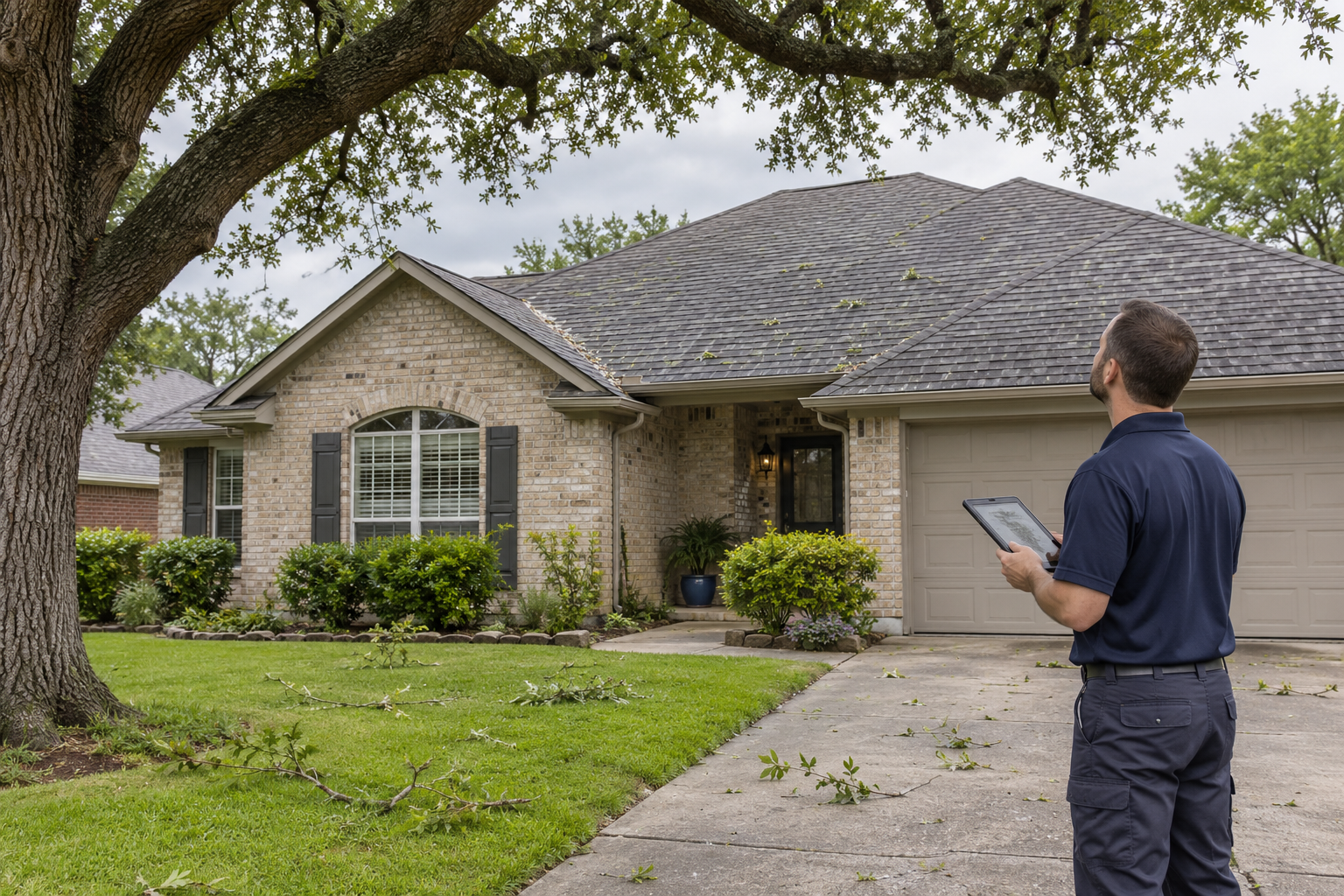
SPF roofs can sustain storm damage. The significance of an impact depends on the assembly, its condition, and the damage itself. A roof should be evaluated after a significant event rather than assumed sound because no interior leak appeared immediately.
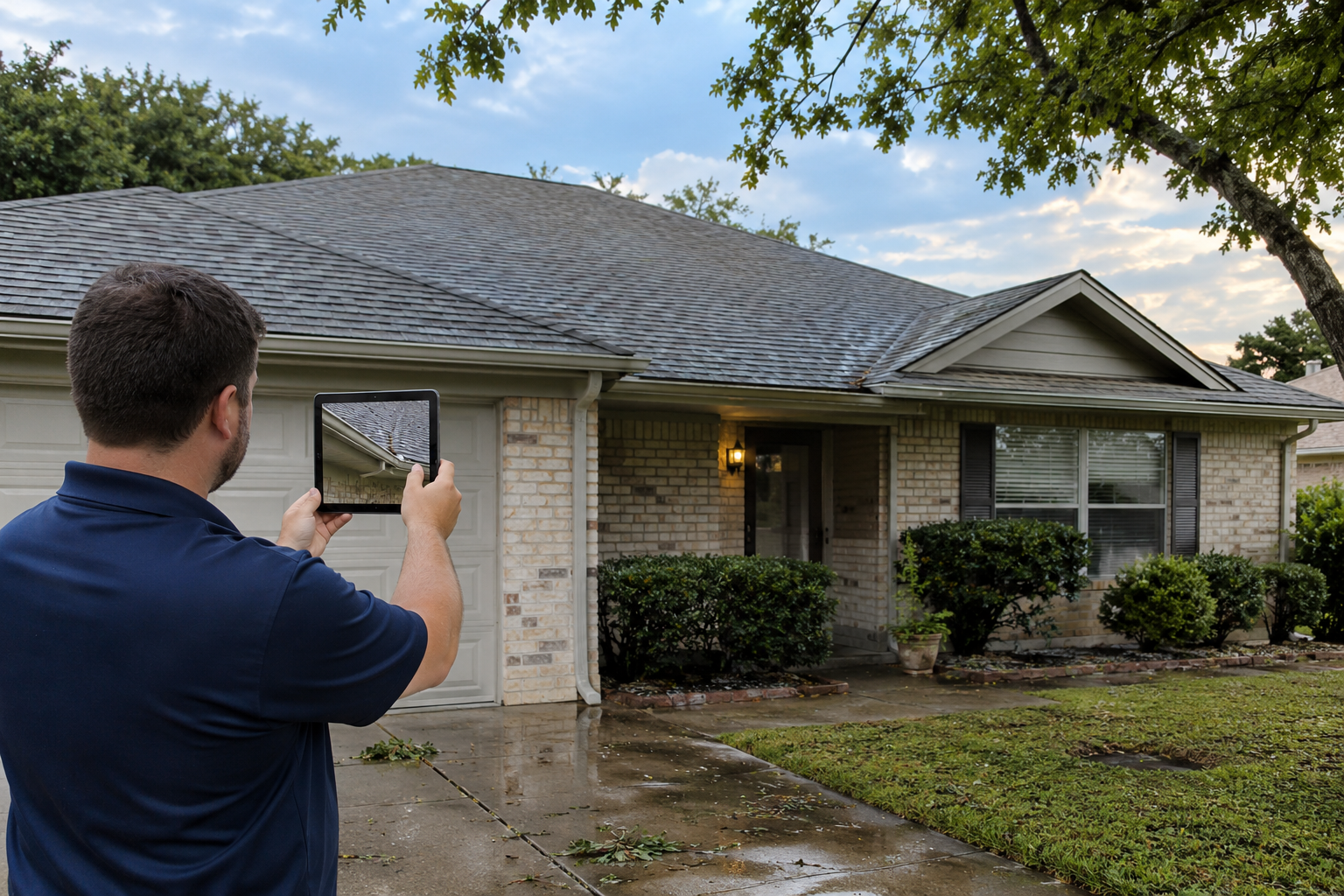
The IBHS spray foam roof guide describes SPF construction and damage considerations. For owners, the practical priority is prompt documentation and assessment of breaks, punctures, exposed foam, and damage around accessories or roof edges.
Ask the inspector to map findings and distinguish observed conditions from conclusions that need further testing. A visible impact mark, an opened protective layer, and concealed moisture are different findings with different repair implications.
Keep weather dates, photographs, inspection notes, and repair records together. Insurance coverage depends on the policy and claim circumstances. A roofing estimate should describe the work needed without treating coverage, claim approval, or premium reductions as guaranteed outcomes.
Maintenance That Supports Long Service
Set inspection intervals according to the system documentation, warranty, and site exposure. Many owners organize visits around spring and fall, then add inspections after significant storms or rooftop work. Assign responsibility so the plan survives staffing changes.
The inspection should address the protective surface, penetrations, flashings, edges, drains, and traffic routes. Document damage and changes from the previous visit. Clear drainage paths using methods suitable for the assembly, and arrange qualified repairs where necessary.
Rooftop contractors should understand where they may walk and how to report damage. Dropped tools, dragged equipment, discarded screws, and unapproved patches can create problems unrelated to the original installation. A simple roof access log helps connect later findings with recent work.
Keep a dedicated file containing product information, warranty documents, inspection reports, photographs, invoices, and completed repairs. Showtime Exteriors' guide to commercial roof maintenance records can help property managers organize that information for future planning and review.
What Affects Spray Foam Roofing Cost?
Installed cost depends on the work required to deliver a functioning assembly. Roof area matters, but preparation, removal, moisture remediation, thickness, access, detailing, and protective covering can materially change the project total.
Compare bids using a common scope. One price may include removal of wet materials and another may carry an allowance. One may include access protection and detailed transitions while another excludes them. The lowest headline price becomes less useful when the underlying assumptions differ.
Ask for quantities, exclusions, allowance procedures, and unit pricing for foreseeable concealed conditions. Identify who authorizes additional work and what evidence will accompany a change request. Written procedures help prevent rushed decisions once crews are on site.
Evaluate future costs alongside installation. Include scheduled inspections, likely repairs, coating evaluations, and possible renewal. Use conservative assumptions for energy savings and compare alternatives over the same ownership period. A useful budget shows what the owner expects to spend and when.
Questions to Ask Before Signing a Proposal
Request evidence of relevant SPF roofing experience, current insurance, and any manufacturer qualifications required for the proposed warranty. References should involve comparable building types, roof conditions, and operating constraints whenever possible.
Then review the assembly itself. Which materials will remain? How will wet or unsound areas be handled? What foam and coating are specified? How will thickness, adhesion, and workmanship be documented? Who performs the final inspection?
Clarify the warranty issuer and coverage. Read exclusions, maintenance obligations, reporting deadlines, transfer conditions, and any limitations concerning ponding, traffic, or third-party alterations. Keep a copy of the actual proposed warranty rather than relying on a short description in the bid.
Finally, agree on closeout documents. The owner should receive product identification, photographs, repair locations, maintenance instructions, warranty paperwork, and the contact for future service. Those records make the completed project easier to maintain and evaluate years later.
A Practical Comparison Example
Consider a building owner evaluating a low-slope warehouse roof with summer comfort complaints and recurring leaks near equipment. A useful comparison starts by investigating both issues. The leaks may involve details, while the comfort problem may involve insulation, air leakage, HVAC performance, or several factors together.
If testing confirms a sound, eligible substrate, an SPF proposal can be compared with a membrane replacement or another suitable assembly. Each option should address the same drainage corrections, equipment details, insulation objectives, and operational constraints.
If investigation instead finds extensive wet insulation or damaged decking, the comparison changes. Removal and corrective work become central to every viable proposal. The owner can then judge whether retaining limited sound sections creates meaningful value.
This approach keeps the decision tied to evidence. It also makes the final recommendation easier to explain to a business partner, board, lender, or future property manager who needs to understand why a particular system was selected.
Organizing the First Year After Installation
The first year is a useful time to establish a reliable baseline. Save completion photographs before routine traffic and weather change the appearance of the surface. Mark equipment locations and drainage outlets on a simple roof plan so future reports describe the same areas consistently.
At the first scheduled inspection, compare observations with the closeout documents. Record any new equipment, maintenance visits, leaks, or unusual weather since completion. If something has changed, send the information to the responsible roofing contact and document the response. This creates a practical history while details are still easy to verify.
Include the roof in ordinary property management meetings. Review open repair items alongside HVAC work orders, planned tenant improvements, and capital spending. Coordinating these activities can prevent a technician from making an unapproved penetration or installing equipment where future access becomes difficult.
Owners managing several buildings should give each roof its own file and budget. Different installation dates, coatings, and exposure conditions can require different actions even within one portfolio. A consistent reporting format helps management compare priorities without assuming every roof needs identical work.
Showtime Exteriors serves North Texas property owners evaluating roof needs. Share the completed roof file whenever requesting a future assessment so the next recommendation can build on documented conditions.
Frequently Asked Questions About Spray Foam Roofing
Can spray foam roofing go over an existing roof?
Sometimes. The existing assembly must be evaluated for moisture, soundness, compatibility, attachment, and applicable project requirements. An eligible recovery can reduce removal, but the decision requires more than identifying the visible roof material.
Is a spray foam roof maintenance-free?
It needs inspections, damage repairs, and evaluation of its protective covering. The maintenance plan should identify responsibilities and budget for future work. Timely attention to a small defect can help protect a much larger serviceable area.
Does a white SPF roof guarantee lower utility bills?
Results depend on the building, climate, existing insulation, equipment, and operating schedule. Request a property-specific estimate with disclosed assumptions when energy savings are part of the purchasing decision.
Can a damaged area be repaired?
Localized repair may be possible after assessment. The scope depends on damage depth, moisture, surrounding condition, and material compatibility. Extensive deterioration can require a broader approach.
Evaluate Spray Foam Roofing for Your Building
Spray foam roofing in Texas offers a useful combination of insulation, continuous application, and potential renewal when the building and assembly are suitable. Its long-term value depends on careful investigation, detailed installation, and consistent maintenance.
Start with the roof's condition and the property's operating needs. Request a proposal that connects the observed problems with specific corrective work, defined materials, documented quality checks, and a realistic maintenance plan.
Contact Showtime Exteriors or call 817-400-7663 to discuss a commercial roof assessment. Bring existing roof records, leak history, planned equipment changes, and your ownership goals so the evaluation can support a practical decision.