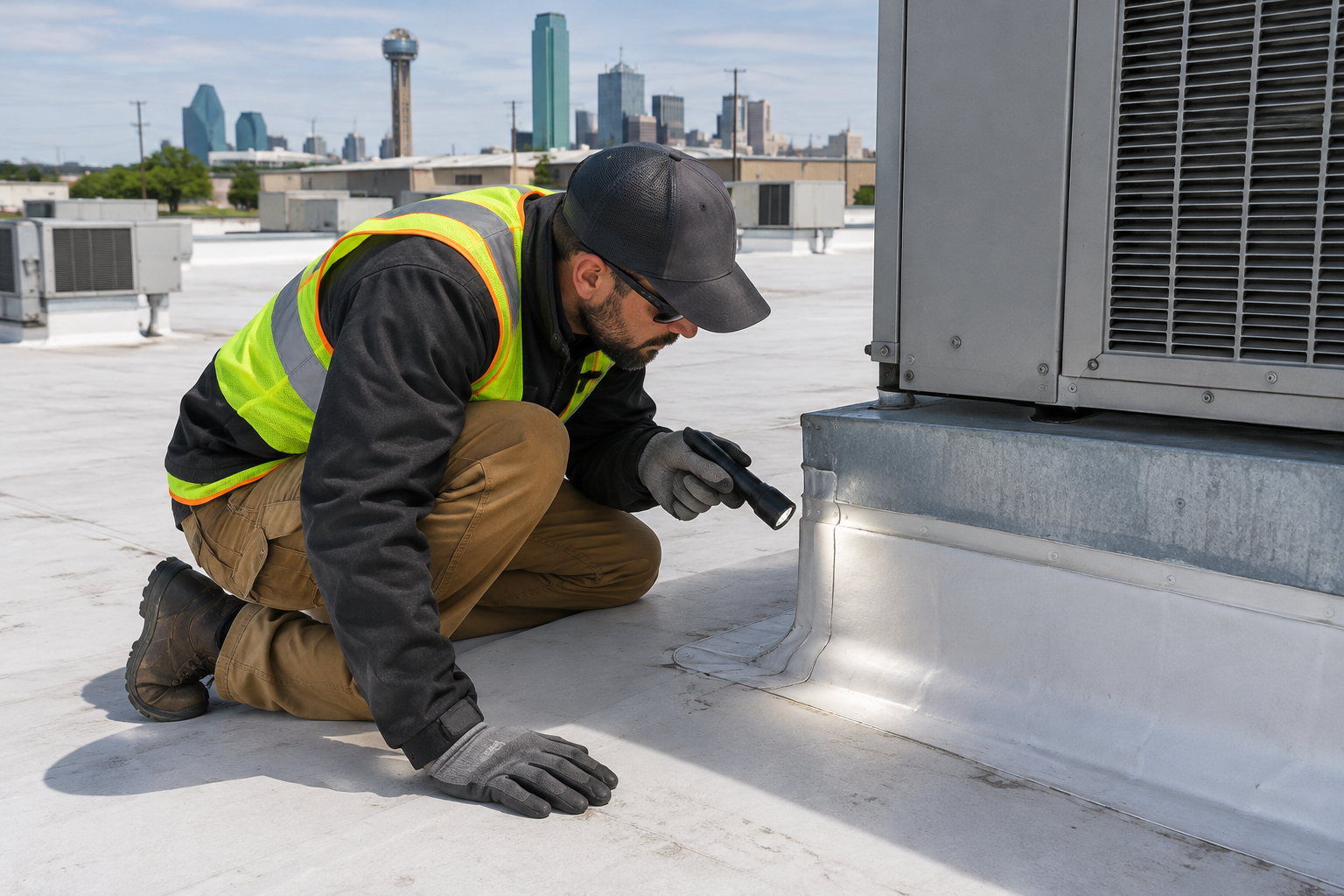


How Much Does an Impact-Resistant Roof Cost in DFW?
Compare impact-resistant roof costs in DFW, Class 4 shingle budget examples, upgrade pricing, insurance credits, installation details, and warranties.
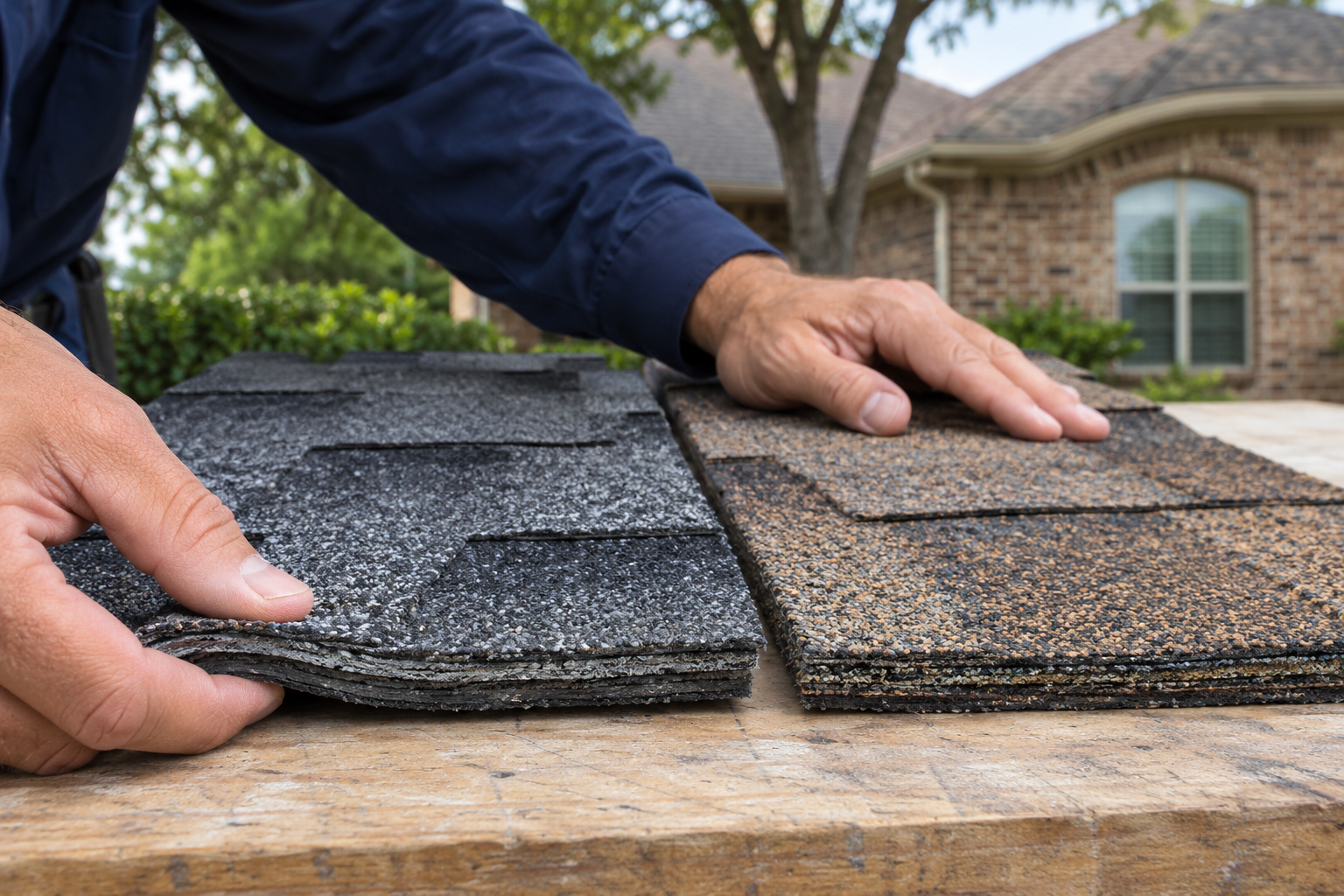
For an early budget, one Dallas–Fort Worth contractor’s published estimating model puts a Class 4 asphalt shingle replacement at approximately $5.60 to $8.10 per square foot of actual roof surface. Applied to a measured 2,000-square-foot roof, that gives a calculated example of $11,200 to $16,200. The model assumes a full tear-off with one existing layer, roughly a 6/12 pitch, and sound decking. Actual proposals depend on the property, product, and included work. Published DFW Class 4 pricing model from Peoples Construction
The most useful number for many homeowners is the upgrade difference. If you already need replacement, ask how much the impact-rated option adds to the same roof and construction scope. That comparison helps you evaluate the product without mixing its cost with decking, flashing, or other changes.
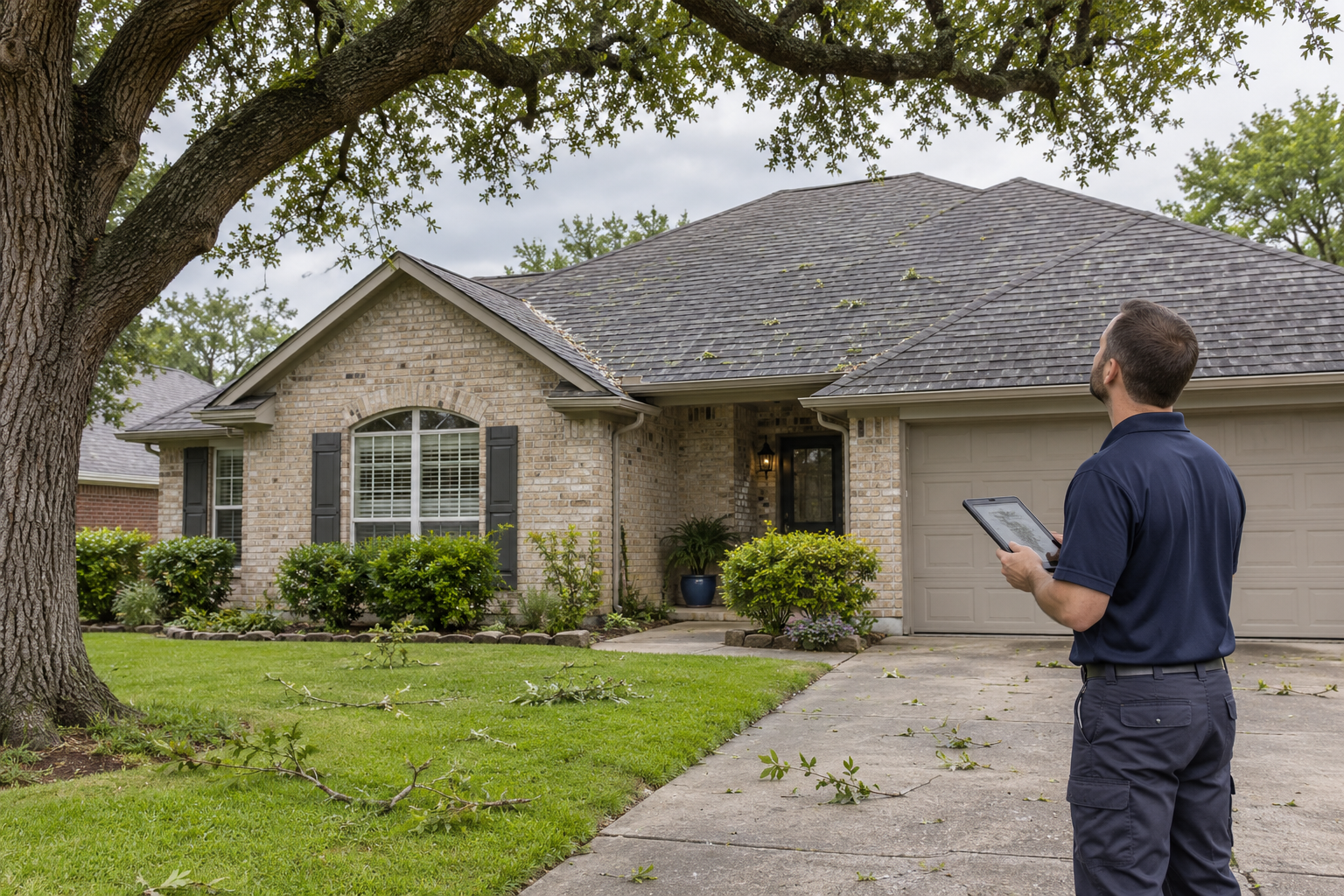
Showtime Exteriors can assess the existing roof and discuss suitable options. Start with the Showtime Exteriors team and request written alternatives based on measured roof area.
Impact-resistant roof cost examples by size
The following table multiplies measured roof surface by the published $5.60 to $8.10 estimating range. These are calculated planning examples based on that model. Additional roof complexity, underlying repairs, or different products can change the price.
Actual roof surfaceRoofing squaresCalculated Class 4 planning budget1,200 sq. ft.12$6,720–$9,7201,600 sq. ft.16$8,960–$12,9602,000 sq. ft.20$11,200–$16,2002,400 sq. ft.24$13,440–$19,4402,800 sq. ft.28$15,680–$22,6803,200 sq. ft.32$17,920–$25,920
One roofing square equals 100 square feet of roof surface. Ask the contractor which work its price per square includes and whether any items are priced separately.
Your home’s living area can differ from roof area. Garages, porches, overhangs, roof slope, and multiple stories affect the relationship. Request a roof measurement before applying a unit price to your property.
What does impact-resistant roofing mean?
Impact resistance refers to performance under a specified test. Ask for the exact product name, test standard, classification, and supporting documentation. The phrase alone leaves important details unresolved.
IBHS explains that UL 2218 uses steel-ball impacts and assigns Classes 1 through 4. Class 4 is the highest classification in that test, associated with a two-inch steel ball under the specified laboratory procedure. Real hail varies in its properties and conditions, so discuss the rating as test information when comparing products. IBHS explanation of roofing impact tests
Impact, wind, and fire classifications address different performance questions. Ask about each category relevant to your purchase. The contractor should identify any installation or assembly requirements associated with the proposed product.
Keep the product specification with your estimate. A general reference to “premium” or “storm” shingles does not identify the exact test documentation you need for an informed comparison.
Why two Class 4 products can be priced differently
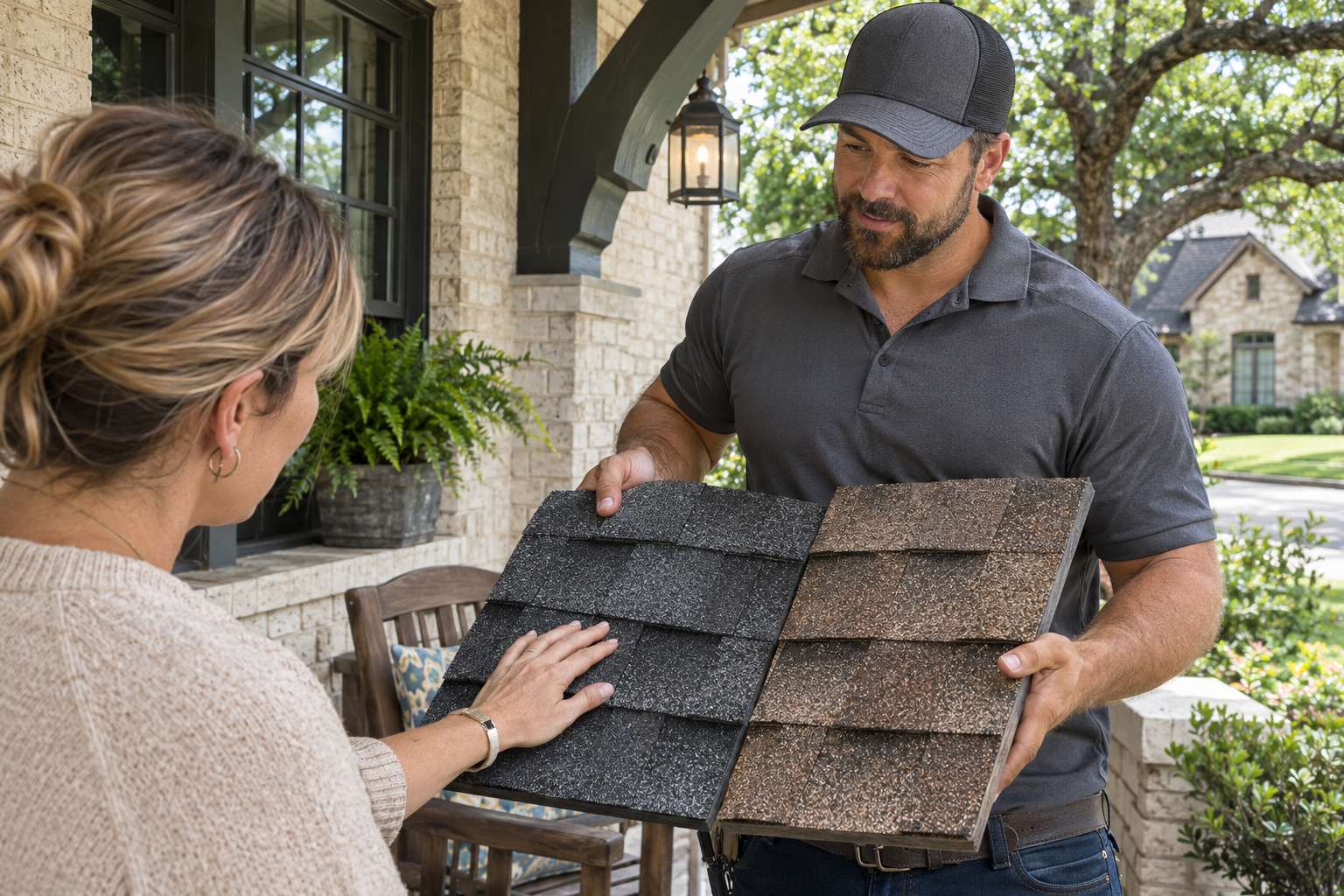
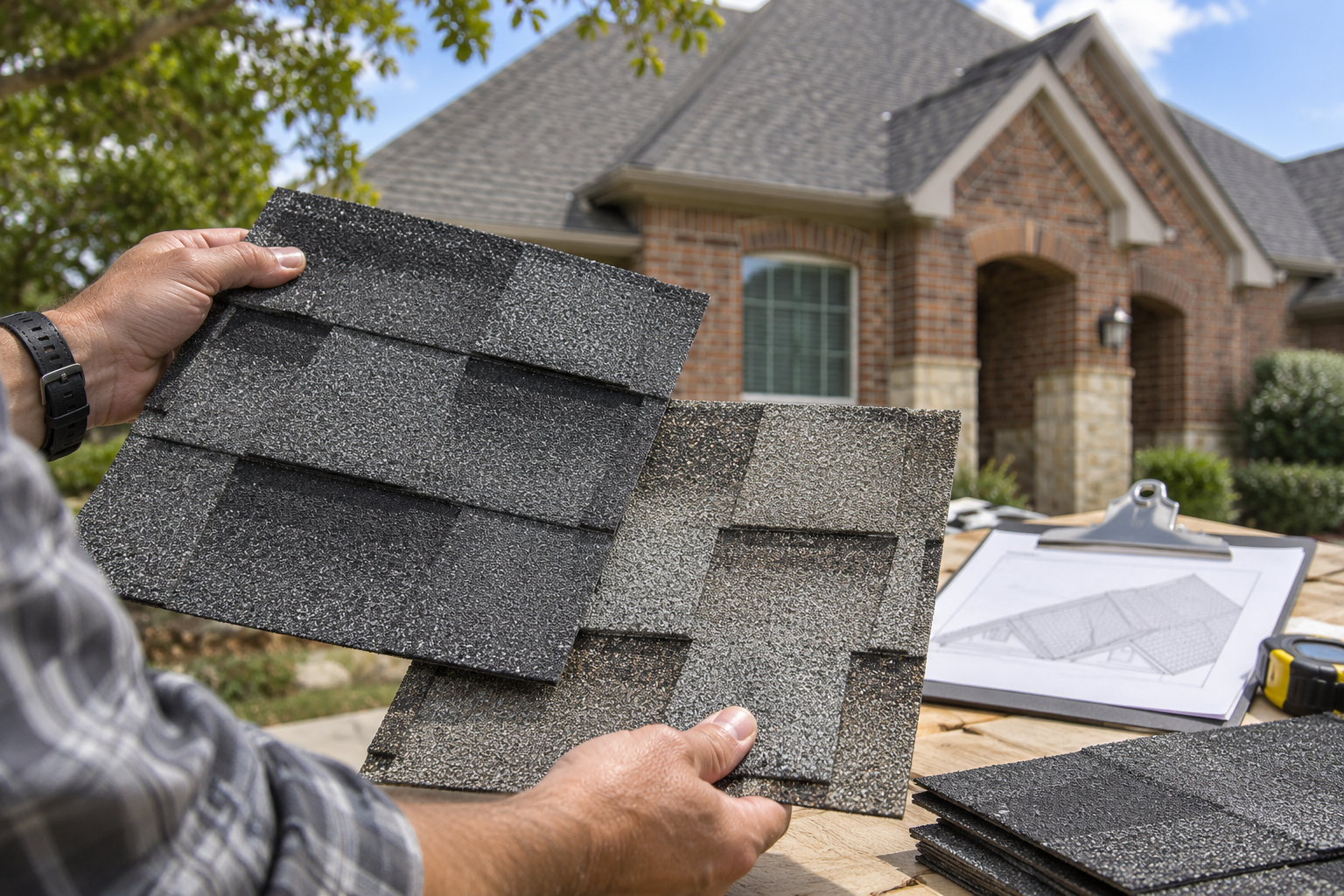
The same classification can appear on products with different construction, profiles, colors, accessories, and warranty terms. Ask the contractor to name the complete product line and explain its installed specification.
Some products use modified asphalt or other design features to improve impact performance. Evaluate the documented product information and the full installed price instead of assuming a visible thickness or familiar name tells the whole story.
IBHS also publishes performance ratings based on its own testing with laboratory hail designed to represent natural hail characteristics. Those ratings provide another way to compare tested asphalt shingle products. Check the exact model and relevant product information. IBHS impact-resistant shingle performance ratings
If two proposals name different products, request the price of the same option from both contractors where practical. That helps you understand whether the difference comes from the material or the construction scope.
Calculate the upgrade cost using matching proposals
Ask for a base roof option and an impact-rated option with the same roof measurement, tear-off assumptions, decking treatment, flashing, and other work.
For illustration, suppose a base proposal is $14,000 and the Class 4 alternative is $17,000. The upgrade difference is $3,000. Those illustrative totals become meaningful only after you confirm what each option includes.
Ask whether the alternate changes accessories, ridge products, starter, or warranty eligibility. If it does, have those differences identified so you know what the extra cost covers.
For additional context on the underlying replacement project, review Showtime Exteriors’ asphalt shingle roof cost guide. Your written comparison should still use the measured property and named products.
What drives the total installed price?
Roof area is the starting quantity. Pitch, height, complexity, access, removal, decking, flashing, and accessories influence the work required.
A simple one-story roof with sound decking presents different installation conditions from a two-story home with steep planes, several valleys, and a chimney. Both may use the same impact-rated shingle while requiring different labor and materials.
Ask which features explain the price on your property. A roof diagram can help connect the estimate to hips, ridges, valleys, penetrations, and separate roof sections.
Also ask what remains uncertain. Concealed decking or earlier layers can affect the final scope after removal. The contractor should define how added work is documented, priced, and authorized.
Tear-off, disposal, and existing layers
Confirm how many layers the base price includes removing. Additional layers can change labor and disposal requirements. Ask what happens if the crew finds more than expected.
Discuss where materials and debris containers will be placed. Limited driveway access, landscaping, a pool, or nearby structures can affect staging and hauling.
If a recover is proposed, ask the contractor to verify the suitability of the existing roof and applicable requirements. The work description should identify retained materials and explain how the new system connects to existing details.
Compare the same removal scope when evaluating prices. A lower bid that retains more material can represent a different project with different assumptions.
Decking and structural concerns
Ask what the inspection suggests about the deck and which areas remain concealed. Accessible attic observations and roof history may guide the assessment, while tear-off can reveal further conditions.
Request a unit price or another defined method for additional decking replacement. Confirm the material specification and whether the charge includes removal, installation, labor, and disposal.
If an allowance appears in the proposal, ask how actual quantities are measured and whether unused amounts are credited. Structural concerns involving supporting members should have their own evaluation and scope.
An impact-rated covering depends on a suitable installation beneath and around it. Have the contractor explain the substrate requirements for the exact product and the corrections included in the estimate.
Flashing and accessories belong in the comparison
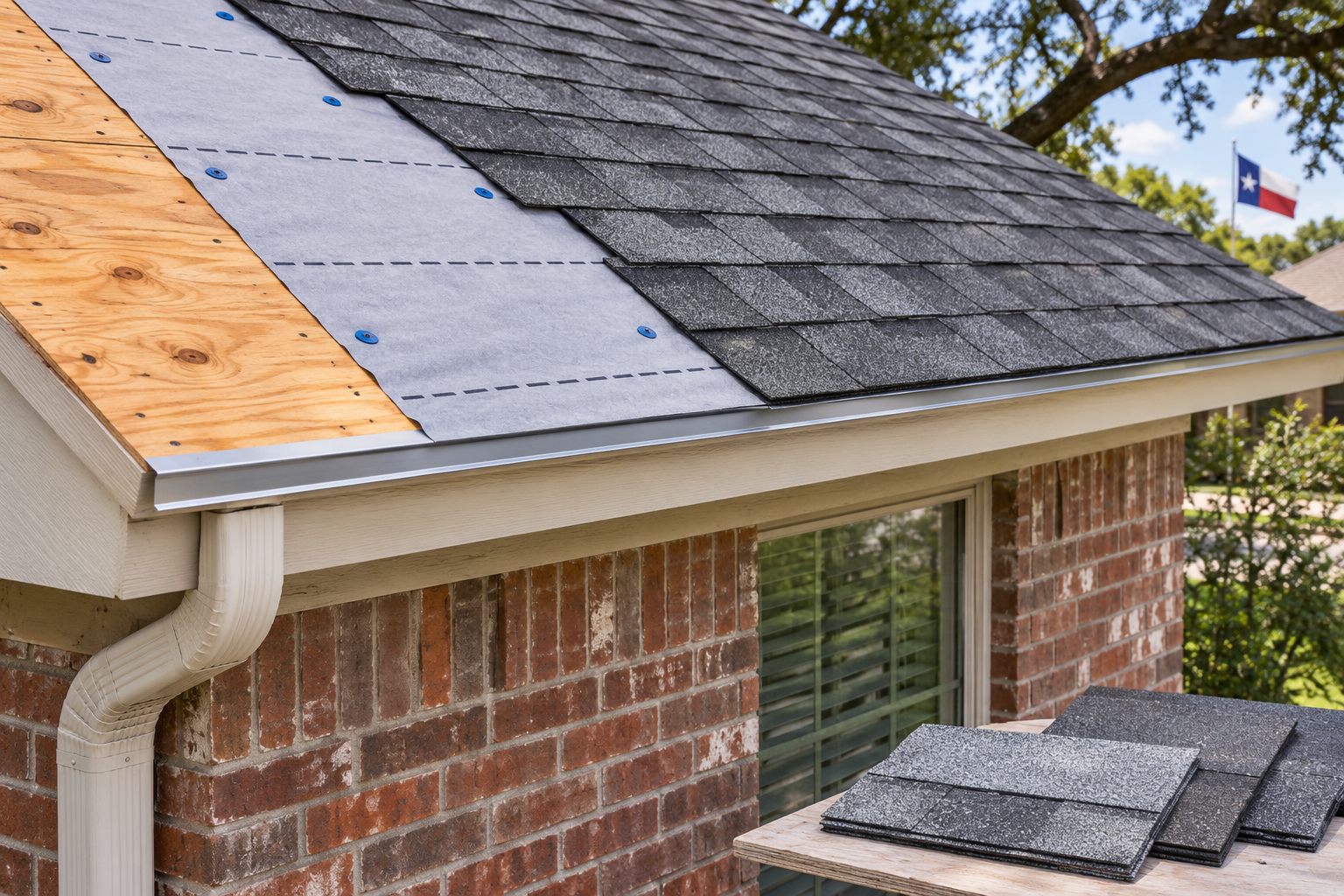
Ask which flashing will be replaced and which, if any, will be reused. Chimneys, walls, skylights, and pipe penetrations can require work beyond installing field shingles.
Confirm the starter, hip and ridge products, underlayment, and edge details specified for the roof. Ask which accessories have their own documented ratings and which are required by the proposed system.
For gutters, determine whether they stay in place, need temporary removal, or will be replaced. The proposal should explain the connection between the roof edge and drainage.
Review Showtime Exteriors’ residential roof installation services when discussing how those components fit into the complete project.
Insurance credits and required documentation
Before ordering, give your insurer the exact manufacturer, product name, test standard, and classification. Ask whether the roof qualifies for a credit under your policy.
TDI explains that insurers determine discount amounts, accepted testing criteria, verification labels, and required paperwork on a company-by-company basis. Request the annual dollar effect on your own policy and any associated changes in terms. TDI impact-resistant roofing credit guidance
Ask who supplies the installation documentation and when you will receive it. Retain product labels or other records requested by the insurer, along with the final invoice and installation date.
Keep the insurer’s written response with the product proposal. That lets you evaluate a confirmed policy effect alongside the actual upgrade cost.
An illustrative premium-credit calculation
Use the difference between matching roofing proposals and the insurer’s confirmed annual credit.
If an upgrade costs $3,000 and the confirmed credit is $300 per year, simple arithmetic gives ten years to equal the upgrade expense. At $500 per year, the same calculation gives six years.
These examples assume the annual credit stays unchanged. They leave financing costs and other potential benefits outside the calculation. Ask your insurer how the credit may change at renewal and compare the result with your ownership plans.
The product decision can also involve appearance, documented performance, warranty terms, and the inconvenience of future work. Consider those factors separately from the premium arithmetic instead of assigning an unsupported dollar saving to a future storm.
Impact-resistant asphalt versus other materials
Impact-rated products can exist in several roofing categories. A different material may bring different appearance, weight, installation, accessory, and maintenance requirements.
OptionWhat to compareImpact-rated asphaltExact product, classification, installed scope, accessoriesSynthetic shake or slateProfile, assembly requirements, documentation, detailed installed priceMetalPanel system, finish, attachment, impact information, policy termsOther specialty productsSuitability for roof design and complete assembly requirements
If you are considering a cedar-like or slate-like appearance, ask about Showtime Exteriors’ DaVinci roofing options. Request current documentation for the exact product and installation rather than applying an asphalt shingle budget to it.
Compare full installed alternatives. A material switch can change more than the visible covering and may require additional assessment.
Replacing a roof during an insurance claim
Keep the construction estimate and insurer’s explanation together. Ask about differences in roof sections, quantities, materials, or work categories before approving the project.
Your policy determines coverage, deductibles, valuation, exclusions, and payment conditions. Ask whether the proposed upgrade adds an amount you must pay and request that difference in writing.
TDI explains that replacement cost and actual cash value coverage can produce different payments and that roof age and condition can affect coverage. Ask your insurer how those provisions apply to your property. TDI roof insurance guide
Understand your obligations if the insurer approves less work than anticipated. The construction agreement should clearly identify the price, scope, and handling of any later changes.
Keep construction and claim roles clear
A roofer can document physical conditions, measure the roof, prepare a construction estimate, and record completed work. Coverage and settlement questions belong with the insurer or an appropriately licensed professional.
Texas prohibits a contractor from acting as a public insurance adjuster on a claim while providing contracting services on that property. It also prohibits offers to waive, rebate, or absorb a property insurance deductible. Texas roofing and insurance law guidance
If additional construction work is identified during removal, ask for photographs and itemized pricing. Keep the authorization and copies of information provided to the insurer.
For an optional product upgrade, request a clearly identified price difference. That helps you distinguish the selected improvement from other work the roof requires.
Local approvals and project planning
DFW includes several municipalities with different permitting procedures. Have the contractor verify current requirements for your address and exact scope before installation.
If an HOA or architectural review applies, ask about material and color approval before placing a special order. Designated historic properties may involve additional review.
Assign responsibility for permits, fees, inspections, and closeout information in the agreement where applicable. If hidden damage changes the work, ask how the company will coordinate any changed approvals.
Discuss staging, access, landscaping protection, cleanup, and weather decisions. An organized installation plan supports the project regardless of the selected shingle.
Read the product and workmanship warranties
Ask for the manufacturer warranty and contractor workmanship terms before choosing the option. Review what each covers and how a service request is handled.
An impact classification and a warranty answer different questions. Ask which events or damage types the warranty addresses and what expenses may be excluded.
Check registration, accessory, installation, and transfer requirements. If a broader warranty package changes the price, request that difference separately.
Keep the complete specification, final invoice, photographs, and registration confirmation where required. A long advertised warranty term becomes easier to evaluate when you understand the actual coverage.
Choose the contractor using the complete scope
Ask who installs and supervises the work, how changes are communicated, and whom you contact after completion. Verify the business and relevant insurance information.
Request examples involving the proposed material and roof design. Ask references about communication, cleanup, change authorization, and service after the job.
Homeowners can review Showtime Exteriors’ residential roofing services and discuss which options fit the property. Request written alternatives that preserve required work while making product differences visible.
Before signing, confirm the accepted version of the proposal and all attachments. The agreement should identify the product, total, payment milestones, schedule assumptions, and procedure for concealed conditions.
A checklist for comparing the final estimates
Put the proposals side by side and begin with the roof diagram. Confirm that both include the same garage, porch, addition, and other sections. If the measurements differ, ask the contractors to identify the reason before calculating a price difference.
Next, compare removal and the deck assumptions. A proposal with one included layer and no decking allowance differs from one that includes additional removal or known substrate correction. Ask each company to price the same work where practical.
Review the product names carefully. A manufacturer may sell several lines with similar branding, and a broad description can leave the exact selection uncertain. Have the proposed classification and supporting product information attached or clearly identified.
Check accessories separately. Ask which starter, ridge, flashing, underlayment, and ventilation components are included. If one product option requires a different package, request an explanation of the work and price change.
Then compare administrative and site costs. Permits where applicable, hauling, equipment handling, property protection, and cleanup should be assigned clearly. A low initial total can leave more questions when several of those items appear outside the base agreement.
Finally, review payment timing and the change procedure. Ask what each milestone represents and what documentation you receive for additional work. Keep the accepted specification and any approved revisions together.
When the roof is still serviceable
If your roof is functioning and the inspection supports continued service, ask what a replacement would accomplish now and what maintenance or targeted repair is appropriate. A product upgrade decision can be considered alongside the condition of the existing roof.
Ask the contractor to document the findings behind its timing recommendation. The discussion should identify current concerns, repairability, and what information might change the next decision.
For a limited repair, request the area, materials, price, and limitations. If matching products are difficult to obtain, ask how that affects the proposed work. If broader replacement is recommended, have the contractor connect that scope to the observations.
Your ownership plans matter as well. Tell the roofer about an upcoming sale, planned addition, equipment replacement, or other work that could affect the roof. Coordinating the sequence can help avoid disturbing newly installed materials later.
Keep any longer-term budget separate from the immediate authorization. You can request an upgrade estimate for planning while approving only the work supported by the present assessment.
Organize the installation and insurance records
Before material delivery, ask which documents you will receive at completion. Identify who provides product information, installation dates, invoices, photographs, and any warranty registration confirmation.
If the insurer requires labels or an installation form, arrange that before packaging is discarded. Ask your agent exactly what is needed for your policy and give the contractor those requirements in writing.
After completion, review the invoice against the accepted proposal and authorized changes. Confirm the exact installed product and retain documentation for accessories where relevant.
Submit requested records to the insurer and ask for confirmation that they were received. If a credit is approved, check the policy documentation for the effective date and terms.
Keep originals in one property folder with a digital copy. The records can help with future service, renewal questions, and a later sale.
Record the contractor’s service contact as well. If a concern develops after a storm, provide the installation details and describe what you observed. A clear record makes it easier to plan an assessment suited to the roof and its history.
Frequently asked questions
How much does a Class 4 roof cost per square?
The published model used for these examples is approximately $560 to $810 per roofing square installed under its stated assumptions. One square equals 100 square feet of roof surface. The property estimate depends on the actual scope.
Does a Class 4 rating guarantee performance in every hailstorm?
The classification records performance under a specified test. Ask about the exact product, test documentation, and installation requirements when comparing options for your roof.
Can I identify the rating by looking at the shingle?
Use the manufacturer’s documentation and product identification. Appearance alone leaves the precise model and classification unresolved.
Is an insurance credit automatic?
Ask your insurer about the exact product and policy before ordering. Confirm the amount, required documents, and any change in terms.
Can I upgrade only part of the roof?
Ask the contractor and insurer how a partial project would be evaluated. Roof boundaries, transitions, appearance, product suitability, and credit eligibility all need consideration.
What should I compare first?
Start with measured roof area and matching construction scopes. Then compare the named products, upgrade difference, documented performance, warranty, and confirmed policy effect.
Request an impact-resistant roof estimate in DFW
A useful estimate explains both the full replacement price and the cost of the selected upgrade. It should identify the product, measured area, included work, and procedure for concealed conditions.
Showtime Exteriors can assess your Dallas–Fort Worth property and discuss suitable roofing options. Call 817-400-7663 or request a free roof inspection.