

Hail Damage Roof Inspection in Waxahachie: What to Expect
Learn what to expect from a hail damage roof inspection in Waxahachie, including photos, roof findings, repair options, and insurance documentation.
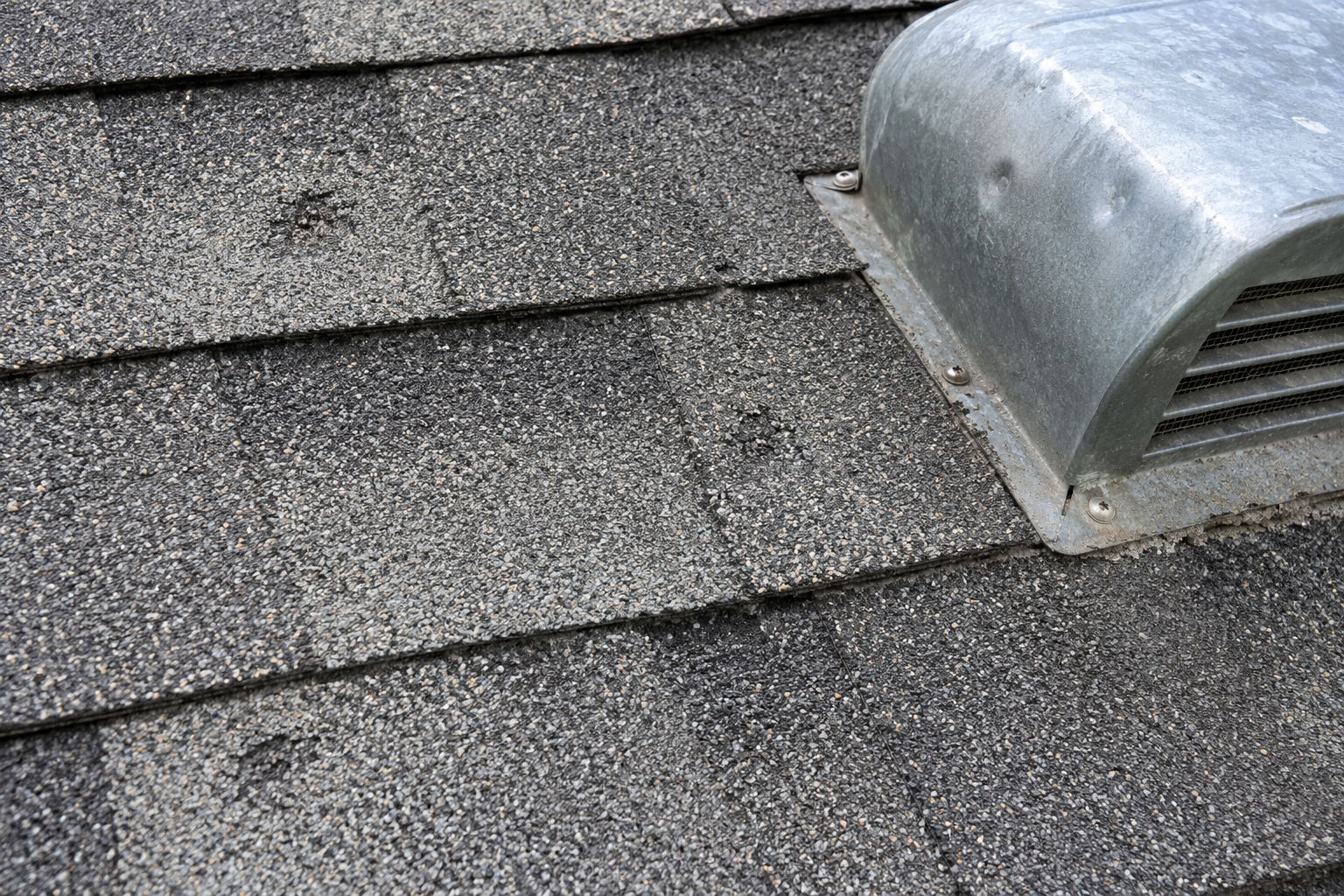
A hail damage roof inspection in Waxahachie should give you a clear record of the roof’s condition and a practical next step. You should learn which areas were inspected, what the contractor observed, whether immediate protection is needed, and what repair or further investigation is recommended. Photographs and a written explanation make those findings easier to understand.
After a storm, it’s tempting to judge the roof from the driveway. A few dented gutters can look alarming, while an apparently undisturbed roof can seem reassuring. Both observations give the inspector useful information, but the roof covering, flashing, drainage, and accessible interior areas need their own assessment.
For homeowners in Waxahachie and surrounding Ellis County communities, preparing for the appointment helps the contractor focus on the right questions. Bring your observations, roof history, and any photographs taken safely after the storm. The Showtime Exteriors team can discuss your property and arrange a roofing assessment.
What to do before scheduling the inspection
Begin by checking for immediate concerns from a safe location. Active water entry, broken windows, fallen limbs, and damaged utilities can require attention before a routine roof inspection. If the building appears unsafe or power lines are down, keep your distance and contact the appropriate emergency or utility service.
Continue monitoring weather information after the first storm passes. Another storm can follow before cleanup begins. The National Weather Service advises waiting until the severe weather threat has ended before checking the property and staying out of damaged buildings. National Weather Service guidance after severe weather
Leave roof access to a qualified professional. From the ground, you can photograph visible roof sections, gutters, siding, and debris without handling the roof surface. Tell the contractor about any suspected electrical, structural, or access hazards when you call.
If water is entering, ask about prompt temporary protection. Discuss how the conditions will be photographed before covering them when safe and practical. Keep the work authorization, description, invoice, and receipts together so you have a record of what happened and when.
Information to have ready for the roofer
You don’t need a complete property file to book an inspection. A few details can make the appointment more productive.
- Storm timing. Record the date and approximate time you observed hail or first noticed damage.
- Interior symptoms. Note new stains, dripping, damp surfaces, or changes that occur during rain.
- Roof history. Share the approximate installation date, known material, previous repairs, and warranty information.
- Access details. Mention locked gates, pets, steep slopes, solar equipment, and available attic access.
- Existing records. Gather photographs, invoices, inspection reports, and any insurance correspondence.
- Your questions. Explain whether you want an assessment, a repair estimate, replacement options, or documentation for an existing claim.
Be precise about what you personally observed. If a neighbor reported large hail several streets away, record that separately from what fell at your house. If you’re unsure when a stain appeared, say so. A reliable timeline can include uncertainty.
The roofer can then explain what can be assessed during the visit and whether additional access, equipment, or a separate appointment may be needed.
How the inspection typically begins
The contractor will usually discuss the reported problem and review relevant history before examining the roof. Expect questions about when you noticed the concern, whether the roof leaked before, and whether any temporary work has already been performed.
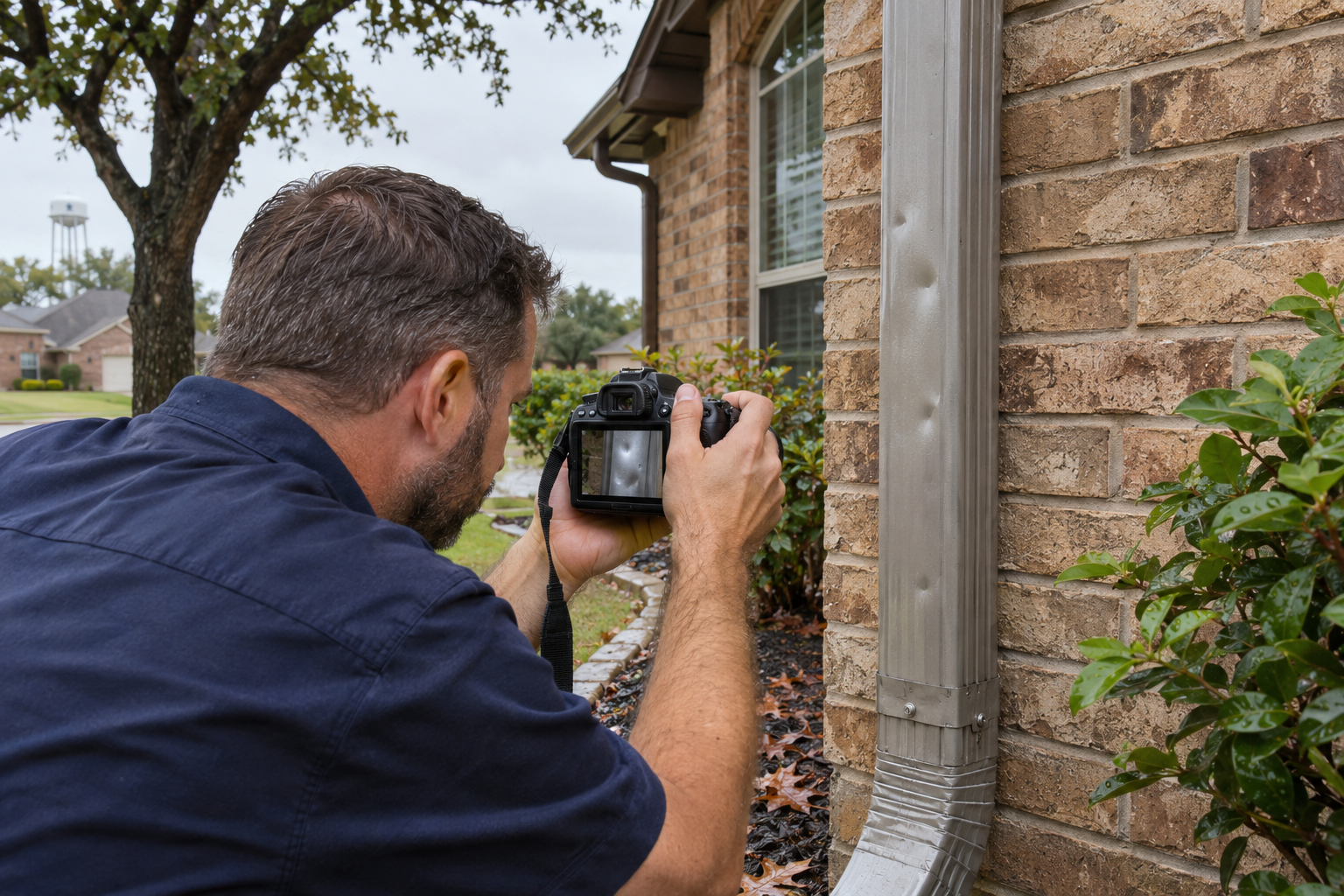
A ground-level review can help identify the roof layout, access points, visible exterior damage, and areas needing closer attention. The inspector may document gutters, downspouts, vents, screens, siding, or other components that show signs of impact. These observations help build context for the roof findings.
Ask which roof sections will be included. A detached garage, porch, addition, or outbuilding can be missed if everyone assumes a different scope. If those structures are relevant to your concern, identify them before the inspection begins.
The appointment should also establish whether attic or interior access is appropriate. For a reported leak, the room location and an accessible view of the underside of the roof may help direct the investigation. Ask how photographs of occupied interior spaces will be handled.
What the inspector looks for on the roof
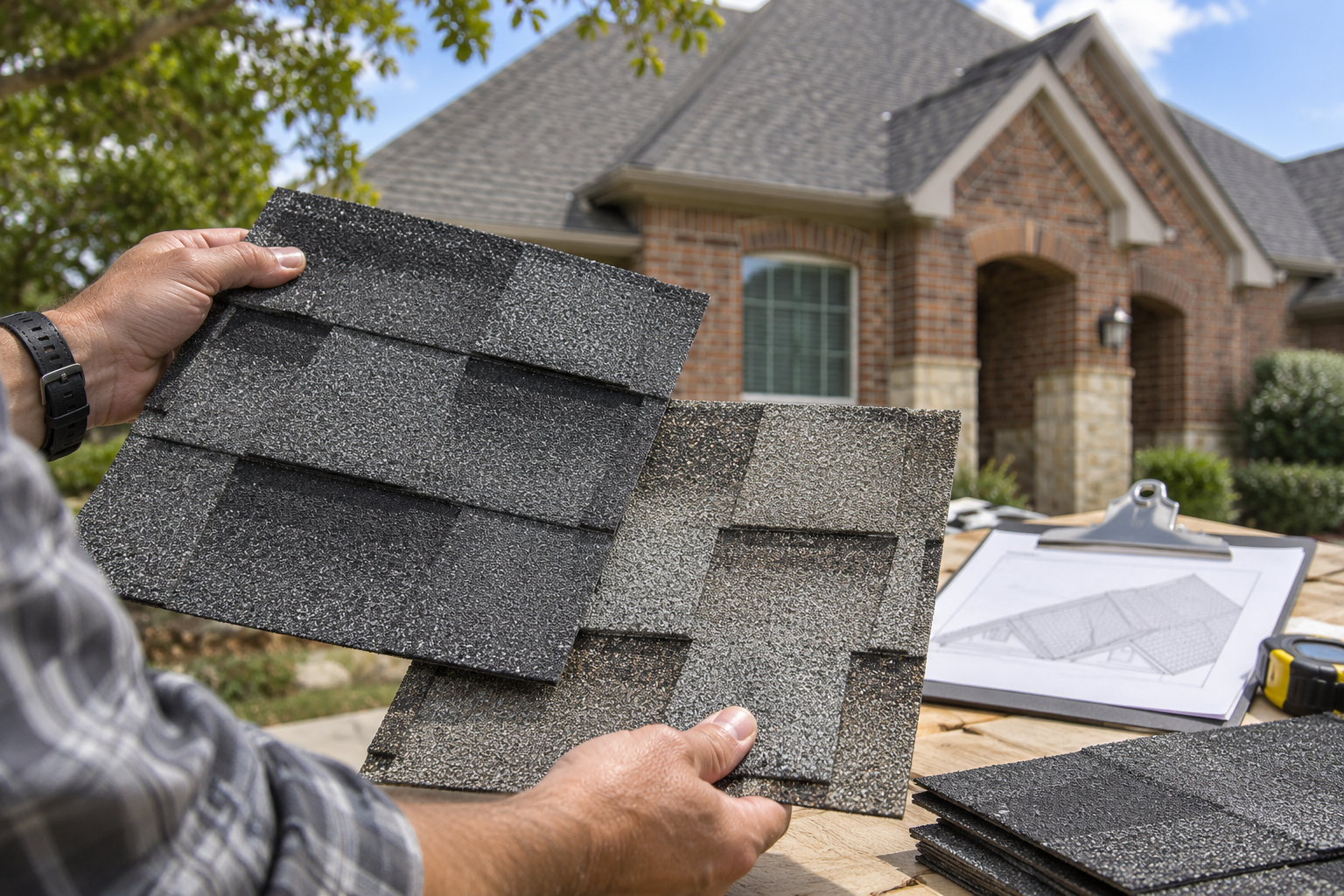
A hail inspection evaluates the roof system and the condition of individual components. On an asphalt shingle roof, the inspector may assess impact-related surface changes, cracks, damaged edges, exposed areas, and the overall condition of the surrounding shingles.
The pattern, location, and material response matter. An isolated mark should be evaluated alongside nearby conditions and the rest of the roof. Age, prior repairs, installation issues, debris contact, and maintenance conditions can complicate interpretation. Ask the contractor to explain the basis for any conclusion about cause.
Flashing and penetrations deserve attention as well. A roof can have a problem around a pipe boot, chimney, skylight, or wall connection even when the field shingles appear serviceable. The inspector should identify concerns found in those details and explain how they relate to the proposed scope.
For a metal, tile, synthetic shake, or low-slope roof, the inspection approach should fit that system. Tell the contractor the roof type when booking if you know it. Ask what experience the inspector has with that material and whether the manufacturer needs to be involved in further evaluation.
Homeowners can review Showtime Exteriors’ residential roofing services when discussing the appropriate assessment for the property.
How collateral damage helps the assessment
Dents on soft metal components, damaged screens, or fresh impact marks on exposed items may help the inspector understand where hail struck. These components can also have damage from earlier events, handling, or unrelated contact, so the inspection should consider their condition and history.
Ask the roofer to identify which photographs show roof covering damage and which show supporting observations. That distinction helps you follow the reasoning in the report. For example, a photo of a dented gutter documents that gutter’s condition. A separate roof photo is needed to explain an observed shingle concern.
A useful report connects the evidence by location. If one elevation shows more impact indications, the contractor can explain what was found on the adjacent roof planes. If a protected area differs from an exposed area, photographs can help illustrate the comparison.
Keep any photographs taken before the event. An older real estate image, service photograph, or prior inspection may help establish that a visible condition already existed or that an area has changed. Share the original file when possible.
Why a roof can need attention without a visible leak
A dry ceiling tells you about what you can currently see inside. It leaves other questions about surface damage, concealed conditions, and the performance of individual roof details open for inspection.
Ask the contractor what the roof observations mean for serviceability and whether they support a repair, monitoring, or further investigation. If additional testing is proposed, request a specific explanation of the question it will answer and how the result could change the recommendation.
For commercial buildings and other low-slope systems, underlying layers and moisture conditions may require a different investigation from a residential shingle roof. Owners of those properties can review Showtime Exteriors’ discussion of hidden hail damage before asking which evaluation methods suit their system.
Avoid accepting a prediction of imminent failure without an explanation tied to the observed condition. Equally, ask what supports a recommendation to leave the roof as it is. The assessment should give you a reason for the next step.
What drones and photographs can establish
A drone can help document roof geometry, visible surface conditions, and sections that are difficult to photograph from the ground. Ask whether its use is included and whether the operator can obtain images detailed enough for the stated purpose.
Aerial photographs have practical limits. They may show an area requiring closer review while leaving questions about material condition, concealed layers, or water entry unresolved. The contractor should explain which conclusions come from images and which require other methods.
The same applies to close-up photos. Ask for enough context to identify where the image was taken. A roof diagram, annotated overview, or consistent naming system can connect the detail shots to the property.
If access is restricted by slope, weather, fragile material, or equipment, the report should identify those sections and explain what remains uncertain. You can then decide whether a later visit or specialized access is justified.
What you should receive after the inspection
Before the appointment, ask what documentation is included and when it will arrive. A free initial assessment and a detailed standalone report may have different deliverables. Clarifying that distinction helps you book the service you need.
A useful written summary should cover the property, inspection date, roof type, inspected areas, observations, relevant photographs, access limitations, and recommended next steps. If the contractor recommends repair or replacement, ask for a scope that connects the work to those findings.
Report elementWhat it helps you understandRoof overviewWhich structures and roof sections were reviewedDated photographsWhat was observed at the time of inspectionLocation referencesWhere each concern appears on the roofCondition explanationWhy the observation mattersAccess limitationsWhich areas need additional reviewWork recommendationWhat action the contractor proposesEstimate assumptionsWhat is included and what could change
If you’ll use the records when talking with your insurer, ask for the original photographs and an itemized estimate. Showtime Exteriors’ guide to roof insurance claim evidence explains how property records, photographs, and construction documentation can be organized.
How the inspector considers repair versus replacement
A recommendation should account for the extent and location of the concern, the surrounding roof condition, and whether a reliable repair can be integrated. A focused repair might address a limited damaged area or a specific flashing detail. A broader scope may be appropriate when the assessment finds problems across multiple sections.
Ask what repair would involve. The contractor should identify the affected area, removal required, compatible materials, and any limitations. If an existing product is difficult to obtain, ask how that affects the proposed work.
For replacement, ask which findings support the larger scope. The answer should describe the roof condition and construction requirements. Ask how the proposal treats decking, ventilation, flashing, connected roof sections, and disposal.
Commercial owners can also consult Showtime Exteriors’ hail repair versus replacement guide. A commercial membrane assessment and a residential shingle inspection involve different system details, so have the contractor explain how the recommendation applies to your building.
If the inspection leaves an important question unresolved, an additional investigation can be a reasonable next step before selecting permanent work.
How weather records fit into the timeline
Weather reports can provide context for when hail occurred in the area. Keep the source, location, event date, and reported time with your records. If you saved a warning or radar image, retain the original information identifying where it came from.
A regional observation gives the inspector a lead to evaluate alongside the property evidence. Hail varies over distance, and a report from another location leaves questions about conditions at your address. Ask the contractor to explain how any weather information relates to the roof observations.
The National Weather Service describes severe thunderstorms as capable of producing hail at least one inch in diameter or qualifying damaging winds. That weather classification helps communicate a hazard. Roof recommendations still require assessment of the property and its materials. National Weather Service severe thunderstorm information
If you photographed hail safely after the event, preserve the files and note the location. Be clear about whether the photograph shows hail at your property or elsewhere.
What happens if you decide to contact your insurer
If hail or wind damaged your home, contact your insurance company promptly to ask about the claim process and applicable deadlines. Have the event information, photographs, and description of observed damage available.
The Texas Department of Insurance recommends photographing damage, taking reasonable steps to prevent additional damage, saving receipts, and keeping a record of insurance conversations. Ask your insurer how to coordinate necessary temporary protection and its inspection before permanent work. TDI steps after hail or wind damage
Keep the contractor’s inspection appointment and the insurer’s adjuster appointment on your calendar. Each may produce a different document serving a different purpose. Review the construction scope alongside the insurer’s explanation so you can identify any questions about quantities, materials, or coverage.
Ask your insurer how your policy treats the roof, including valuation, wind and hail deductibles, exclusions, and depreciation. TDI explains that replacement cost and actual cash value coverage can lead to different payments, and that an old or worn roof alone does not establish a covered loss. TDI roof insurance guide
Understand the contractor’s role in an insurance project
A roofing contractor can assess physical conditions, document observations, and prepare an estimate for construction work. Coverage and settlement questions belong with the insurer or an appropriately licensed professional.
Texas prohibits a contractor from acting as a public insurance adjuster on a claim when also providing contracting services on the property. It also prohibits offers to waive, rebate, or absorb the homeowner’s deductible. Ask for clear written pricing and an explanation of your obligations before signing. Texas roofing and insurance law guidance
If a contractor identifies additional construction work after tear-off, ask for photographs and an itemized change order. Confirm how the proposed work affects your agreement and keep copies of any information provided to the insurer.
If you choose an upgraded material, request its additional cost separately. That makes it easier to understand the work you’re authorizing and the amount you may need to budget.
Read the inspection paperwork before signing
Ask whether any document presented at the appointment authorizes an inspection, temporary protection, a paid report, or a construction contract. Read the complete form and request a copy. If someone describes it as permission to inspect, confirm that the written terms match that description.
The Federal Trade Commission recommends checking contractors, obtaining written estimates, and reviewing agreements carefully. It also identifies pressure for an immediate commitment and demands for full payment upfront as concerns. FTC advice on hiring a home improvement contractor
Before comparing companies, ask each what its appointment includes. One visit may produce a short assessment and estimate, while another may include a roof diagram, extensive photographs, and a detailed condition report. If you need documentation for a property transaction or another specific purpose, describe that need at booking.
Clarify whether temporary work requires separate authorization and payment. An inspection appointment can reveal an opening that deserves attention, but the contractor should explain the proposed protection, price, and limitations before starting. Keep that authorization with the inspection records.
If two inspectors reach different conclusions, ask each to identify the specific roof sections and observations behind the recommendation. Share relevant photographs and prior reports, then ask what additional information could resolve the disagreement. Sometimes the difference involves the repair boundary or assumptions about concealed conditions. Understanding that distinction helps you decide whether a focused follow-up assessment is needed.
Keep the original reports even if a later visit changes the proposed scope. A dated sequence makes it easier to follow what was observed, what became accessible, and why the construction recommendation developed.
Questions to ask before authorizing repairs
Once the inspection is complete, take time to connect the findings with the proposal. Ask which concerns need prompt action, which can be scheduled, and what remains uncertain.
Confirm the exact product and repair area. Ask whether the work includes new flashing, underlayment, decking, or other components. For concealed damage, request a unit price or another clear method for pricing additional work.
Discuss permit requirements with the contractor and the authority responsible for your property. Have the agreement assign responsibility for applications, fees, inspections, and any required closeout.
Ask who will supervise the project and how the crew will protect landscaping, driveways, gutters, and attached equipment. For temporary work, request follow-up instructions and the expected next step toward a permanent solution.
Read the workmanship and product warranty terms before choosing the scope. Keep copies of the inspection, signed agreement, approved changes, final invoice, and completion photographs together.
Common questions about hail inspections in Waxahachie
How long does a hail inspection take?
The appointment depends on roof size, material, access, complexity, and the questions being investigated. Ask for an estimated appointment window when booking and explain whether interior or attic access may be needed.
Is an inspection worthwhile if I haven’t noticed a leak?
An inspection can assess visible roof conditions and help you understand whether further action is needed. Tell the contractor what prompted the concern and ask for findings tied to the roof itself.
Will every mark on my roof be attributed to hail?
A careful assessment considers potential causes and the surrounding conditions. Ask the inspector to explain which observations support a hail-related conclusion and which may involve age, installation, maintenance, or another cause.
Will my entire roof need replacing?
That depends on the findings and whether a dependable repair can be integrated. Ask for the physical basis of the recommended scope and a clear explanation of available options.
Should I wait for several estimates before protecting an opening?
An opening or active leak can require prompt temporary attention. Ask a qualified contractor about protection, document the work when safe, and retain receipts. Coordinate further work with your insurer when a claim is involved.
Can I use my neighbor’s report for my house?
A nearby report can help establish context for the storm. Your roof still needs its own assessment because materials, exposure, age, and condition can differ even between adjacent homes.
Schedule a hail damage roof inspection in Waxahachie
A useful inspection turns a concern after a storm into an understandable record and a practical decision. You should leave knowing what was reviewed, what the findings mean, and whether the next step is protection, repair, replacement planning, or further investigation.
Showtime Exteriors can discuss your Waxahachie property and help you assess the roofing work indicated by the conditions. Call 817-400-7663 or request a free roof inspection. Share the storm date, any leak symptoms, and the roof history you have available.