

Commercial Roof Repair in Mansfield: A Building Owner’s Guide
Plan commercial roof repair in Mansfield with clear inspection findings, cost factors, permit questions, tenant coordination, and maintenance records.
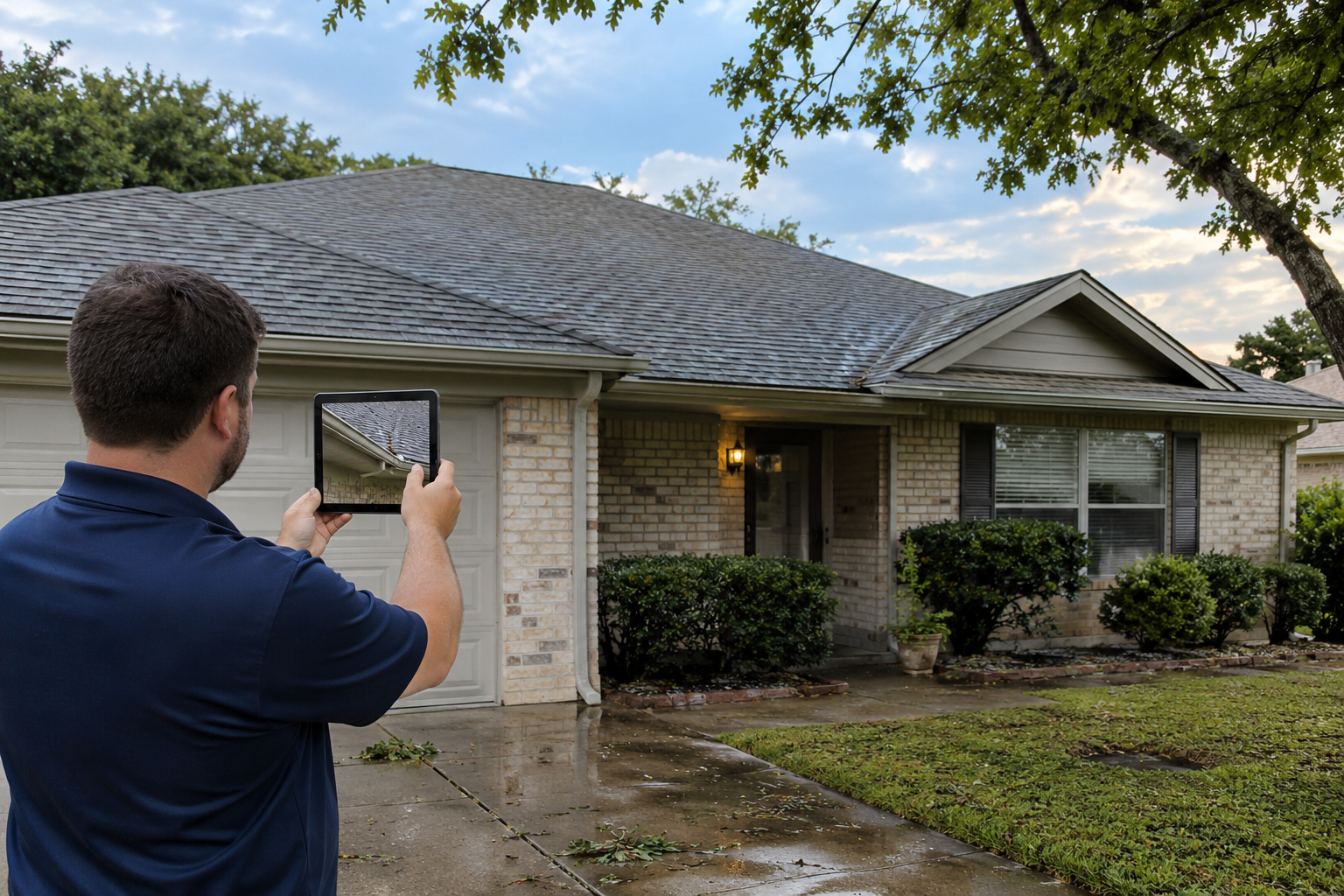
Commercial roof repair in Mansfield should start with a clear explanation of the problem and a scope that addresses the affected roof system. You should understand where water may be entering, what the contractor observed, which components need correction, and whether additional investigation is necessary before permanent work.
For a building owner, the decision also involves operations. A medical office may need work planned around appointments. A retail center may have several tenants reporting symptoms under the same roof. A warehouse may need to protect inventory and maintain loading access while the assessment proceeds.
A useful proposal connects the roofing findings to the practical needs of the building. Showtime Exteriors is based in Mansfield and provides commercial roofing services, including repair, maintenance, restoration, and broader roofing options.
What to do when a commercial roof starts leaking
Begin by identifying immediate concerns inside the building. Keep people away from affected electrical equipment, unstable ceiling areas, and visibly damaged components. Bring in the appropriate emergency, electrical, or structural professional when conditions require it.
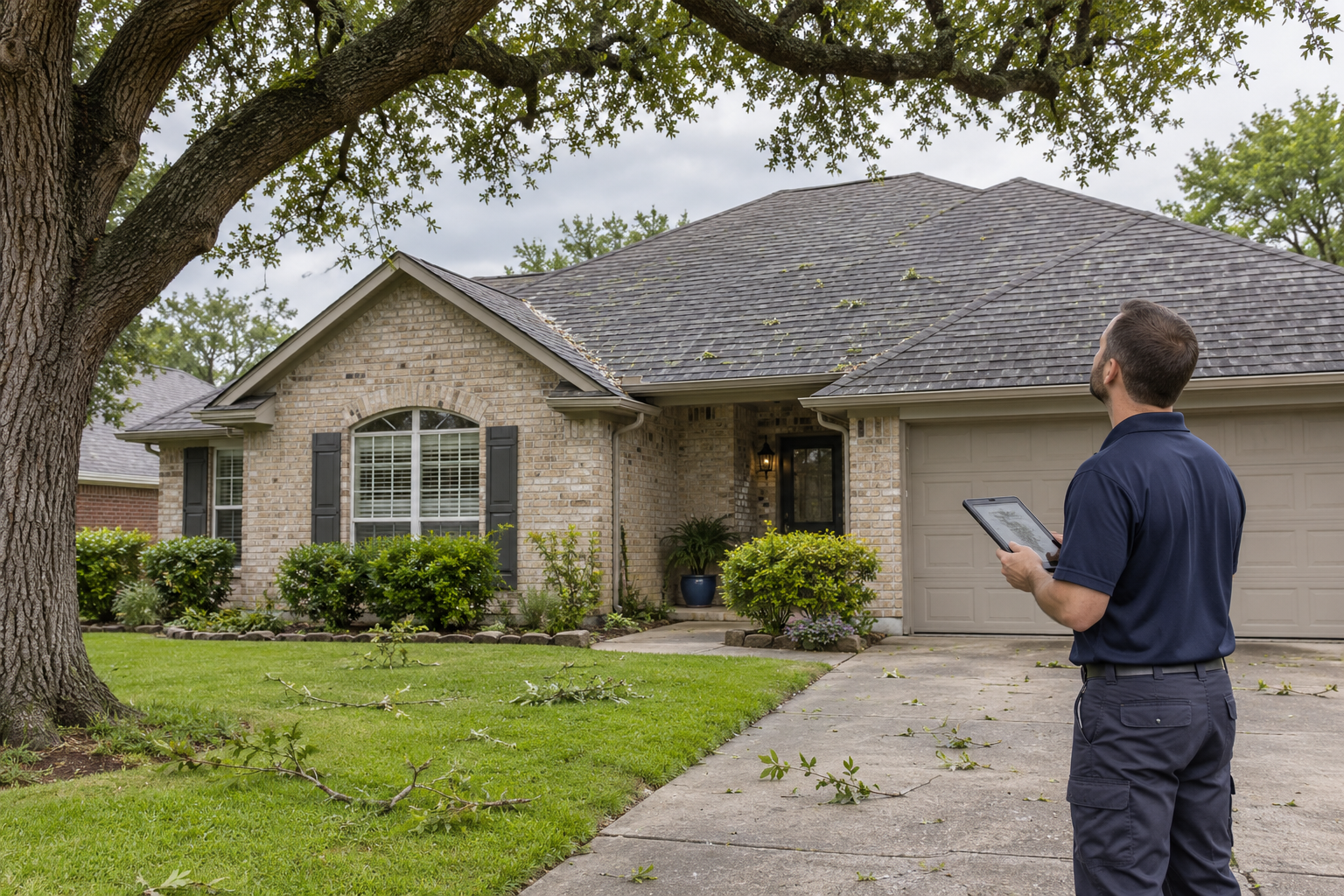
From a safe location, record the room, timing, and pattern of water entry. Note whether the leak occurs during rain, afterward, or while equipment is operating. Photographs with recognizable interior reference points help connect the report to the roof layout.
Notify the owner or property manager and the roofing company. Move vulnerable inventory or equipment when safe, and identify any occupied area that needs protection or restricted access.
If temporary roofing protection is needed, ask for the proposed scope, price, and limitations. Keep the authorization, photographs, and receipts. The permanent repair can then be planned with a record of the original condition and the protective work already performed.
Gather records before the inspection
Send available roof documents before the appointment. Installation information, manufacturer details, drawings, warranty paperwork, and prior repair invoices can help establish the existing assembly.
Include a leak history. A simple log with dates, locations, weather conditions, and earlier work can be especially useful when a problem returns. Ask affected tenants to describe what they observed without assuming the cause.
Mention recent rooftop activity, including HVAC service, equipment replacement, exhaust work, or installation of communications equipment. The timing can help the investigation while leaving the physical cause to be evaluated.
Identify who can authorize access, temporary protection, investigation, and permanent work. On a managed or leased property, those responsibilities may belong to different people. Establishing the contact chain early can prevent a delay when a decision is needed.
What the inspection should establish
The contractor should identify the roof system and review accessible conditions around the reported concern. Ask for findings that connect the interior symptoms to the roof assessment and explain any remaining uncertainty.
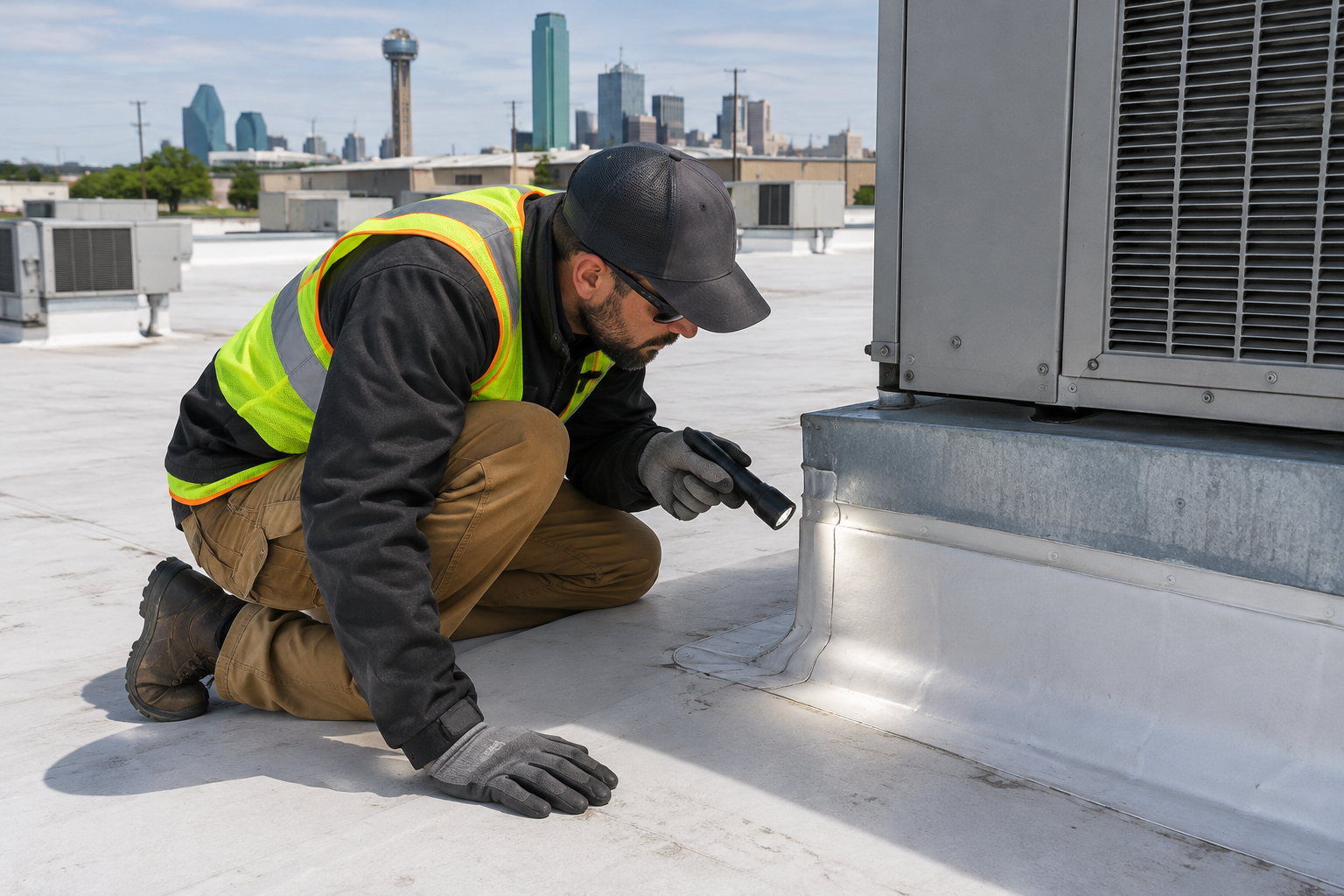
Relevant areas may include field membrane or panels, seams, flashing, penetrations, roof edges, and drainage. A leak near equipment can require review of both the roof connection and the equipment. A wall above the roof may require another trade’s input.
Ask which sections were inspected and which were inaccessible. Concealed insulation, cover board, and deck conditions may need further investigation. The report should explain what additional information could change the scope.
Carlisle’s maintenance guidance recommends reviewing interior symptoms, perimeters, penetrations, drains, flashing, loose components, and areas of ponding. Those topics provide a useful framework for discussing the inspection with your contractor. Carlisle commercial roof maintenance guidance
Identify the actual roof system
White roofs can include different membranes or coatings. Ask the contractor to establish the installed product using records and professional assessment before selecting repair materials.
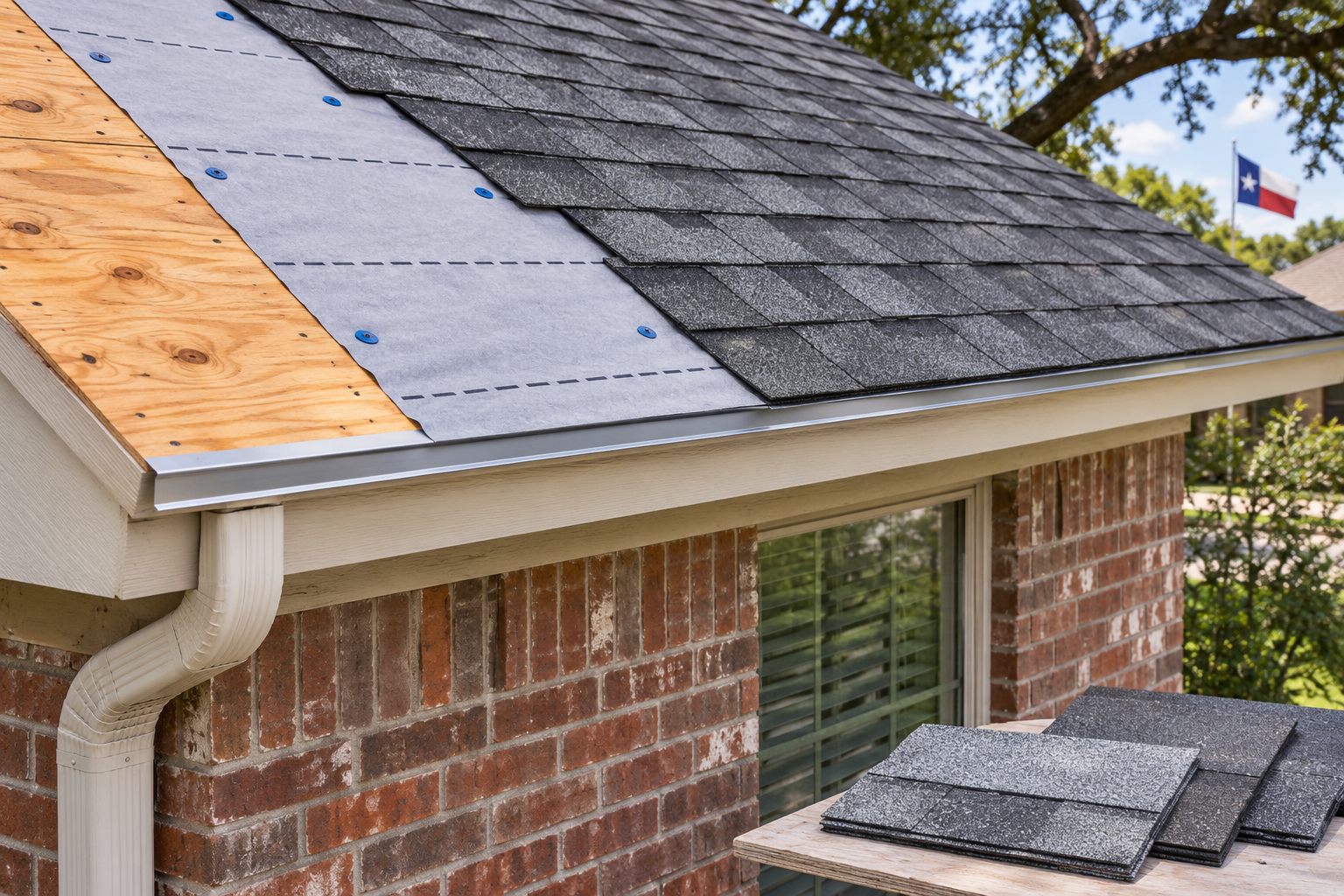
The assembly beneath the surface matters as well. Insulation, cover board, attachment, deck type, existing layers, and flashing details can affect the appropriate work. Ask which components are involved in the proposed correction.
Previous patches and coatings also belong in the evaluation. The contractor should explain how the existing surface will be prepared and how the repair will connect to suitable retained material.
GAF’s TPO/PVC manual includes product and field requirements addressing preparation, welding, seam repair, and quality control. Ask the roofer to follow current instructions applicable to your specific system. GAF TPO and PVC roofing system manual
TPO and PVC repair considerations
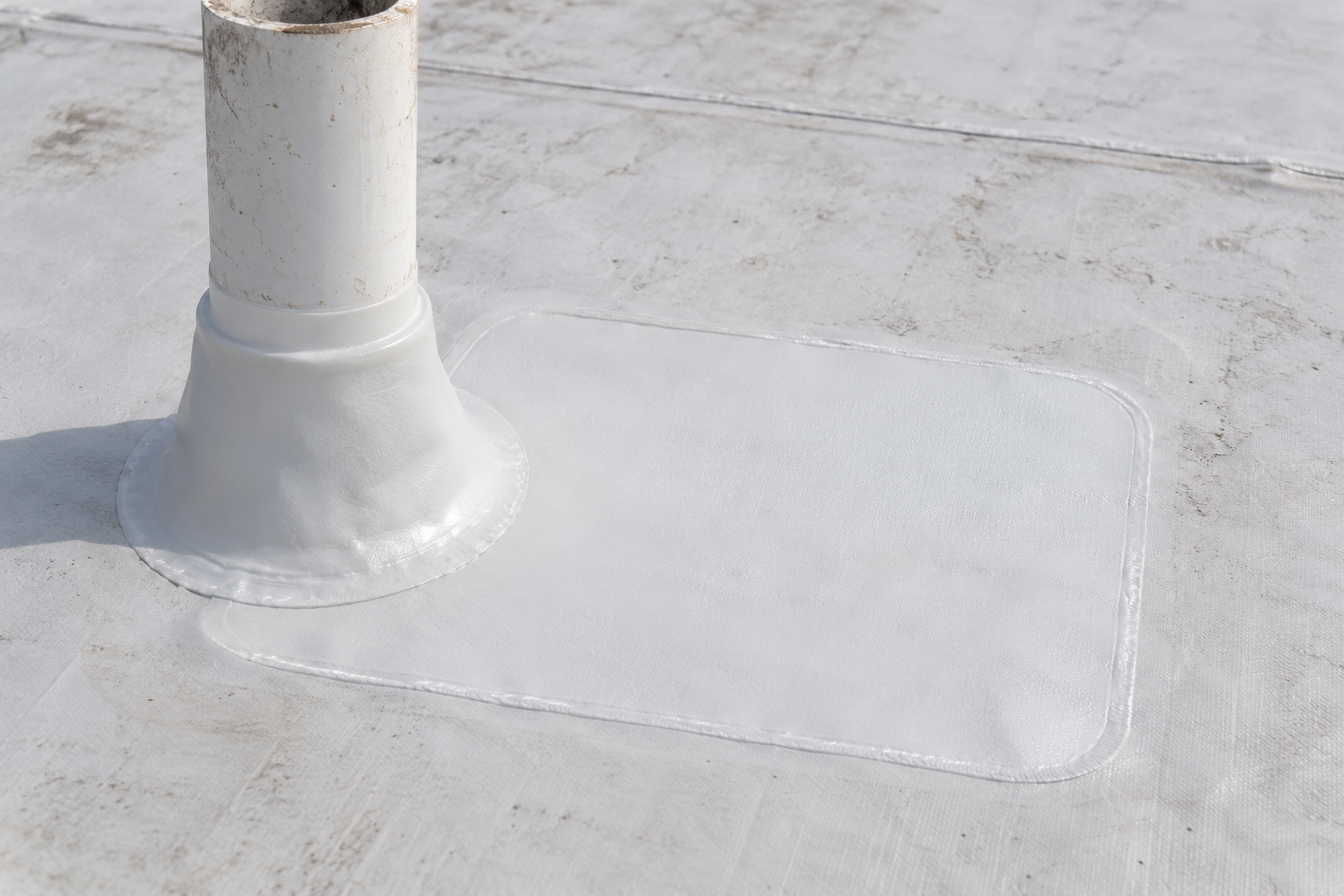
For a defined puncture, seam concern, or flashing defect, a localized repair may be appropriate when the surrounding materials can support reliable work. Ask for the repair boundary, preparation, product, and completion checks.
If the area contains several patches, discuss what each earlier repair was intended to address. Repeated work at the same location can call for a different investigation from separate isolated incidents across the roof.
Ask whether the inspector found concerns beneath the membrane and how any affected components will be handled. The visible opening may leave the underlying extent unresolved until further assessment.
For a broader comparison, review Showtime Exteriors’ TPO repair, restoration, and replacement guide. Have the contractor explain which findings support the option recommended for your building.
EPDM and asphaltic roof repairs
EPDM repairs need products and preparation suitable for the rubber membrane and its condition. Ask how the contractor will treat the actual seam, penetration, flashing, or surface concern.
Modified bitumen and built-up roofs can contain several layers and different surfacings. The contractor should identify those components before describing the repair method and its connection to retained roof areas.
For either system, ask about the condition surrounding the defect. A roof’s age alone leaves important questions about repairability unanswered. Documented observations help determine how much work is appropriate.
If the proposal includes a broader area, ask what establishes its boundary. The scope should explain removal, underlying correction, replacement components, and transitions rather than leaving those decisions until the crew arrives.
Commercial metal roof concerns
Metal roof leaks can involve seams, fasteners, closures, penetrations, roof edges, or other transitions. Ask the contractor to identify the detail and explain why the proposed correction suits the installed system.
If corrosion, movement, or prior sealant work affects the area, have those conditions included in the assessment. A repair should consider the surrounding system and the connections it depends on.
For a coating or retrofit proposal, request the evaluation supporting it. Panel condition, attachment, substrate preparation, drainage, and the treatment of details belong in the discussion.
If a repair requires equipment handling or work by another trade, assign responsibility clearly. The estimate should identify which company disconnects, lifts, restores, or tests the affected equipment when those tasks are required.
Recurring leaks need a documented investigation
A recurring leak benefits from a review of previous reports and invoices. Ask where earlier work was performed, what it was designed to correct, and whether the current symptoms align with that location.
Water appearing inside can require review beyond the point directly above the stain. Roof geometry, walls, penetrations, and concealed paths can affect the investigation. Ask the contractor to explain its reasoning and remaining questions.
For illustration, a tenant might report water only when rain is driven toward one exterior wall. That observation can guide attention toward particular connections, while the physical assessment establishes the appropriate work.
If a diagnostic step is proposed, define its purpose before authorizing it. Ask what the method can establish, what it cannot resolve, and how the result would change the permanent repair scope.
Moisture investigation and underlying materials
Inspection findings or leak history may support investigation beneath the roof surface. Ask whether insulation, cover board, or decking needs assessment and why.
Clarify the proposed method, areas included, limitations, and any destructive sampling. If material will be disturbed, the authorization should explain how those locations will be restored.
Request a clear record of any findings used to define removal boundaries. Ask how suspect areas will be verified and how the contractor will decide what can remain.
Johns Manville discusses moisture analysis and warns that coating moisture-laden systems can result in premature failure. Its guidance also addresses drainage and rooftop conditions relevant to restoration planning. Johns Manville roof design and maintenance guidance
Drainage and roof-to-wall connections
Ask how water is intended to leave the roof and what the inspection found at drains, scuppers, gutters, and downspouts. Blockages and damaged components can need attention even when the field covering appears serviceable.
A repeated low area deserves its own explanation. Clearing debris may address an obstruction while leaving a slope or structural question unresolved. Ask what supports the proposed correction.
Internal drains can involve both roofing connections and plumbing. Roof-to-wall conditions may involve masonry, siding, or other exterior components. Identify the responsible trade for each part.
Record observations relative to rainfall when it is safe to do so. Photographs and timing can help a contractor evaluating the property on a dry day decide whether further observation is needed.
Choosing the appropriate scope
The assessment should explain why a localized repair, broader restoration, recover, or replacement is suitable. Ask how the proposed option addresses documented conditions and what remains outside it.
OptionWhat the contractor should establishLocalized repairDefined defect and suitable surrounding materialsRestoration or coatingEligible substrate, preparation, and specified systemRecoverSuitability of retained layers, attachment, drainage, and applicable requirementsPartial replacementClear boundaries and dependable transitionsFull replacementExtent of deterioration and new assembly requirementsFurther investigationSpecific unresolved question and a method to answer it
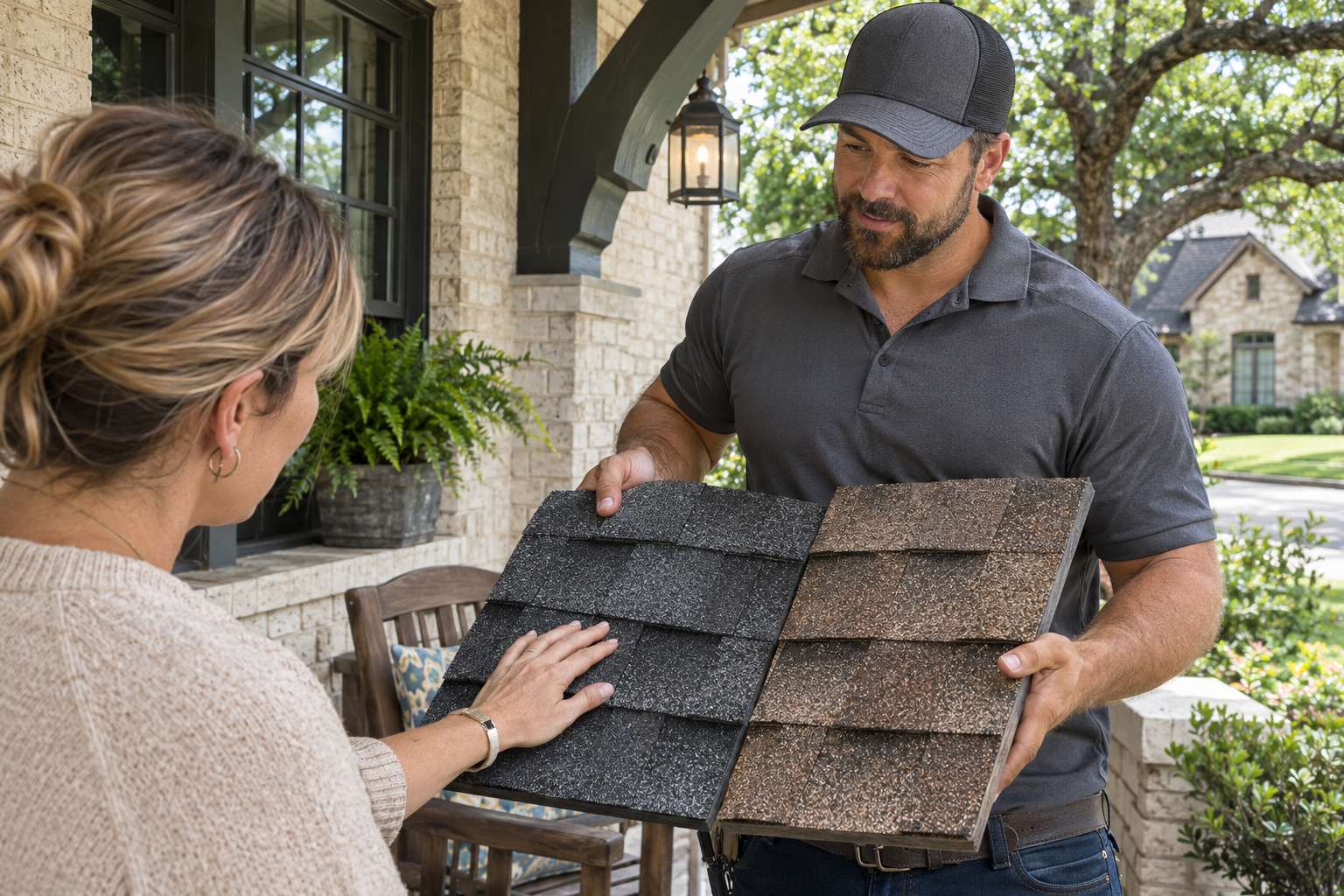
For a coating, request the product, preparatory repairs, application requirements, and warranty terms. For a recover, ask how the existing components were evaluated for retention.
Discuss your ownership plans and upcoming building changes. Equipment replacement or a tenant renovation can affect the sequence of roofing work and the value of different options.
What affects commercial roof repair cost?
Repair area is one factor. Access, mobilization, roof height, system identification, preparation, underlying damage, and coordination with occupied space can also influence the price.
A small repair beneath equipment can require more work than a similarly sized accessible patch. Ask whether lifting, disconnection, or another trade’s service is included.
The estimate should distinguish confirmed work, allowances, optional improvements, and unresolved conditions. Request a method for authorizing additional work when concealed damage becomes visible.
Owners can review Showtime Exteriors’ guide to commercial membrane punctures when preparing questions about a focused repair. The property findings should determine the actual scope and price.
Mansfield permit and inspection coordination
Mansfield’s Building Safety FAQ states that commercial buildings require a permit to re-roof. Have the contractor confirm current requirements for your address and exact repair or replacement scope before work begins. Mansfield Building Safety roofing FAQ
Ask who submits documents, pays fees, schedules inspections, and provides closeout information. If work includes removal of insulation or changes to other systems, discuss the additional requirements with Building Safety.
Include the permit sequence in the project schedule where applicable. A required review or inspection can affect when the crew proceeds with later stages.
If concealed damage expands the work, ask how the contractor will coordinate any changed approvals. Keep the permit information with the accepted proposal and subsequent changes.
Safe access and site arrangements
Tell the contractor about roof hatches, ladders, skylights, equipment, restricted areas, and known concerns. Ask how access and protection will be arranged for the proposed work.
OSHA’s construction fall protection standard addresses surface integrity, openings, edges, and low-slope roofing work. The contractor should evaluate the site and provide the arrangements applicable to its activities. OSHA construction fall protection requirements
Discuss where materials and debris will be staged and how ground-level work areas will be managed. Customer entrances, walkways, parking, and delivery access should be considered.
Choose a site contact who can communicate access changes and operational needs. The roofing supervisor should know how to reach that person throughout the project.
Coordinate repairs with tenants and rooftop trades
Describe normal building activity before scheduling. Medical appointments, customer traffic, loading operations, or production processes can influence work hours and methods.
Ask about noise, odors, dust, air intakes, and any temporary restrictions. Determine whether affected tenants need advance notice or a specific work window.
If HVAC, solar, exhaust, or communications equipment is involved, identify the service contractor and sequence. Assign responsibility for handling equipment and restoring service.
For warehouse operations, review inventory and traffic below affected areas. Showtime Exteriors’ warehouse roof repair guide can help owners prepare an operational discussion with the roofing team.
Insurance documentation after a storm
Keep photographs, event information, temporary protection records, measurements, and the construction estimate together. Ask the contractor to explain which conditions it observed and the work those findings support.
Coverage and settlement questions belong with the insurer or an appropriately licensed professional. The construction estimate should still identify the price and scope you are authorizing.
Texas prohibits a contractor from acting as a public insurance adjuster on a claim while also providing contracting services on the property. It also prohibits offers to waive, rebate, or absorb a policyholder’s deductible. Texas Department of Insurance roofing law guidance
If added work appears during construction, request photographs and written pricing. Retain the change authorization and copies of information provided to the insurer about construction costs.
Warranty terms and completion records
Review the existing roof warranty before permanent work. Ask whether notice, manufacturer review, or an approved repair arrangement is required.
For the new work, request written workmanship terms and any product coverage. Identify the repair boundary and what remains outside the scope.
At completion, ask for photographs, product details, a final invoice, and applicable inspection records. Record the location on a roof plan so the next service contractor can understand the work.
Showtime Exteriors’ guide to commercial roof maintenance records provides additional context for organizing a building’s roofing history. Keep the records available to future property managers and owners.
Compare proposals using the same assumptions
Give each bidding contractor the same drawings, leak history, warranty information, and access details. Ask each company to identify the roof sections included in its visit and which conditions remain uncertain. Consistent information makes different recommendations easier to evaluate.
For illustration, two bids may both describe a repair near an HVAC curb. One could include opening the area, replacing affected insulation, and rebuilding the flashing. Another could address only the visible surface. Ask what each inspection established and how the price changes if additional underlying work is required.
Compare the product, preparation, removal boundary, retained materials, and verification method. Then review mobilization, temporary protection, cleanup, permits, and follow-up. A proposal that includes more of those tasks may have a higher initial total.
If an allowance appears, ask how actual quantities are documented and whether unused amounts are credited. If a diagnostic visit is billed separately, ask how that charge relates to later construction work.
Also compare schedule assumptions. A proposed work window may conflict with appointments, deliveries, or equipment service. Request the price and practical effect of an alternative before selecting the company.
Keep the final accepted proposal separate from earlier drafts. Attach approved changes to that version so the property manager, contractor, and owner can follow the same authorized scope.
Set a follow-up plan after the repair
Ask the contractor whether the completed work needs any specific observation or maintenance. Record the service contact and the information to provide if a concern develops. For a recurring leak, continue the log so later observations can be compared with the repair date and location.
A post-repair review should have a defined purpose. It might confirm that a particular detail remains sound, check an area after subsequent rain, or review conditions that were outside the repair scope. Ask what the visit includes and whether it carries a separate charge.
Coordinate future rooftop work with the roofing records. Give service providers the access instructions and relevant information about recently repaired areas. Ask them to report any roof condition they notice and document their work locations.
For a building with several tenants, choose one person to collect reports. Record the exact location, time, and conditions of each symptom. A consistent reporting process helps the roofer distinguish a new concern from an earlier issue.
Use the findings for capital planning
A repair assessment can help you prepare for later work even when the immediate scope is small. Ask the contractor to identify which items need prompt action, which warrant further investigation, and which can be considered during a future project.
Keep any longer-term recommendation tied to documented conditions. Request the assumptions behind a restoration, recover, or replacement option and what additional design or evaluation would be needed before pricing it fully.
Tell the contractor about planned tenant changes, equipment replacement, or building renovations. Those projects may affect penetrations, access, drainage, or the sequence of roofing work.
Review the plan when new information becomes available. A completed repair, later inspection, or change in building use can alter the next decision. Updating the record gives the owner a clearer basis for scheduling work and comparing future proposals.
Frequently asked questions
Can a commercial roof be repaired while the business stays open?
That depends on the scope, methods, access, and occupancy. Discuss operational constraints and agree on notifications and any temporary restrictions before work begins.
Does a leak mean replacement is necessary?
A defined defect may be repairable when surrounding components are suitable. Ask which findings support the recommendation and what additional investigation could affect it.
Will a coating solve the problem?
Ask whether the roof qualifies for the proposed system, which repairs come first, and how underlying materials and drainage were assessed.
What should the estimate include?
Look for the roof system, locations, preparation, materials, removal, underlying work, access, price, change process, and warranty terms.
How should I handle repeat water entry?
Keep a dated log and contact the roofing company. Share the conditions and earlier repair records so the next assessment can address the remaining questions.
Schedule commercial roof repair in Mansfield
A useful repair plan connects the findings, construction work, building operations, and budget. It should explain what needs correction, what remains uncertain, and how completion will be documented.
Showtime Exteriors can assess your Mansfield commercial property and discuss repair, maintenance, restoration, or replacement options. Call 817-400-7663 or request a free commercial roof assessment.