



Preventive Maintenance Plan for an Apartment Complex Roof
Build an apartment complex roof maintenance plan with inspection schedules, drainage checks, leak response, vendor coordination, and replacement budgeting.

An apartment complex roof maintenance plan gives property managers a repeatable way to inspect roofs, address defects, coordinate vendors, and budget for future work. It connects everyday maintenance with the larger responsibility of protecting residents and buildings.
That connection matters across a multifamily property. One community may have pitched shingle roofs over apartments, low-slope roofing over a clubhouse, metal carports, and numerous exhaust vents. These areas need different inspection methods, repair materials, and spending priorities. A single annual work order labeled “check roofs” rarely explains enough.
A practical plan identifies every roof, assigns responsibilities, sets inspection triggers, and tracks each problem through completion. This guide explains how Texas owners and managers can build that process. Showtime Exteriors provides commercial roofing services for properties evaluating maintenance, repairs, restoration, and replacement.
Start With a Roof Inventory for Every Building
Give each building a permanent identifier that matches the leasing office map and maintenance system. Include apartment buildings, offices, clubhouses, laundry facilities, storage buildings, garages, and covered parking. Consistent names prevent invoices and inspection photographs from becoming difficult to match later.
For each roof, record the visible material, approximate area, installation date if known, warranty information, repair history, and access restrictions. Note gutters, downspouts, roof drains, overflow outlets, penetrations, rooftop equipment, and adjacent trees. Mark sections with different materials or installation dates separately.
Keep unknown information visible. Writing “installation date unconfirmed” is more useful than guessing from appearance. Obtain old invoices, permit records, warranty paperwork, and available construction documents when possible. Ask the roofing contractor which missing details materially affect the maintenance recommendation.
An inventory becomes the foundation for decisions. Management can identify buildings with repeated leaks, roofs approaching a planning milestone, and areas requiring closer attention without treating the entire community as one uniform asset.
Establish a Baseline Condition Assessment
Schedule a professional assessment before defining the recurring scope. The baseline should explain present condition, visible defects, unresolved questions, and recommended next steps. It should distinguish urgent repairs from routine maintenance and longer-term capital needs.
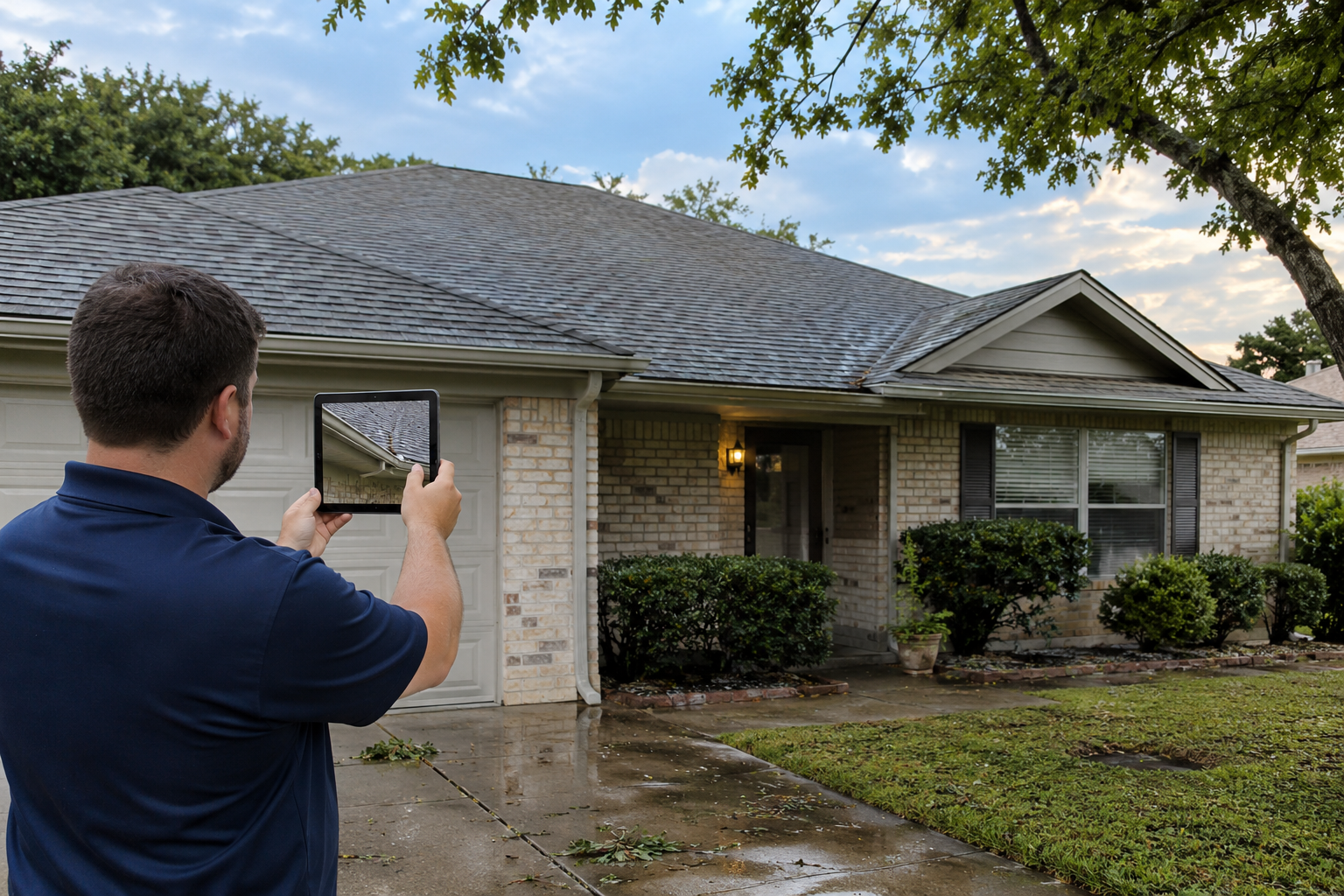
Photographs should show both overall context and close details. A close-up of damaged flashing is difficult to use without a building identifier and location. Ask for a marked roof plan or a consistent location description that another contractor could follow.
Existing leaks deserve investigation rather than another unexplained patch. Depending on the findings, the contractor may recommend additional moisture investigation, selective openings, or specialist review. Agree on the question each investigation is intended to answer before approving it.
Use the baseline to create an initial repair list. Assign an owner, target date, and status to each item. The first assessment has limited value if the report is filed without scheduling the corrective work it identifies.
Set Inspection Intervals and Event Triggers
Build the calendar around the actual roof systems, manufacturer instructions, warranty requirements, and property exposure. Spring and fall are useful planning windows for many communities, while heavily wooded sites or buildings with frequent rooftop work may need additional visits.
Routine scheduling should be supplemented by event triggers. Significant hail, strong winds, falling branches, reported leaks, and equipment installation can justify an additional assessment. The purpose is to evaluate a changed condition while the circumstances remain clear.
Sika's commercial roof maintenance guidance emphasizes an organized inspection and recordkeeping approach. For an apartment manager, that means deciding how observations will be recorded and followed up before the first recurring visit.
Write the inspection interval into the service agreement and management calendar. Specify who schedules it and who reviews the report. If a visit is delayed, record the reason and replacement date so the plan remains active through staffing or contractor changes.
Use a Seasonal Maintenance Calendar
A seasonal calendar helps management reserve time and funding. It should remain flexible enough to accommodate the property's materials, exposure, and operating schedule. The following structure is a planning example rather than a substitute for system-specific requirements.
TimingManagement prioritiesExpected recordSpringReview winter issues, inspect roof condition, address drainage and outstanding repairsInspection report and approved work listSummerCoordinate equipment vendors, monitor recurring complaints, review project schedulingAccess logs and work ordersFallReview debris exposure, schedule drainage service, prepare emergency contactsUpdated inspection and response recordsWinterTrack weather-related complaints and review capital planningIncident log and budget updatesAfter significant eventsAssess reported damage when safe and arrange necessary protectionDated photographs, findings, and repair status
Review upcoming activities at monthly property meetings. A scheduled HVAC project or tree service visit may change the roof inspection sequence. Coordination helps prevent recently completed work from being damaged or overlooked.
Inspect Pitched Shingle Roofs by Their Details
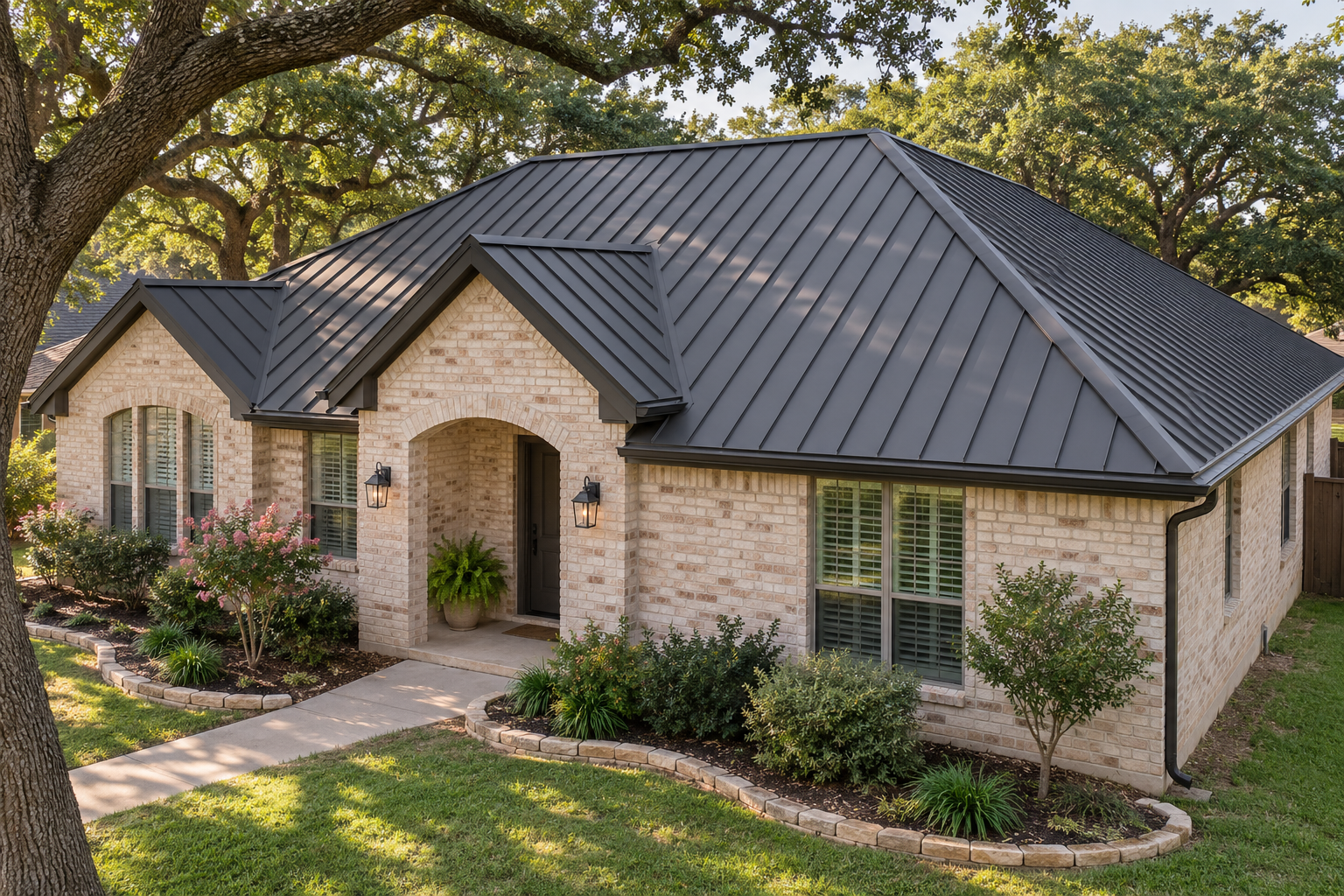
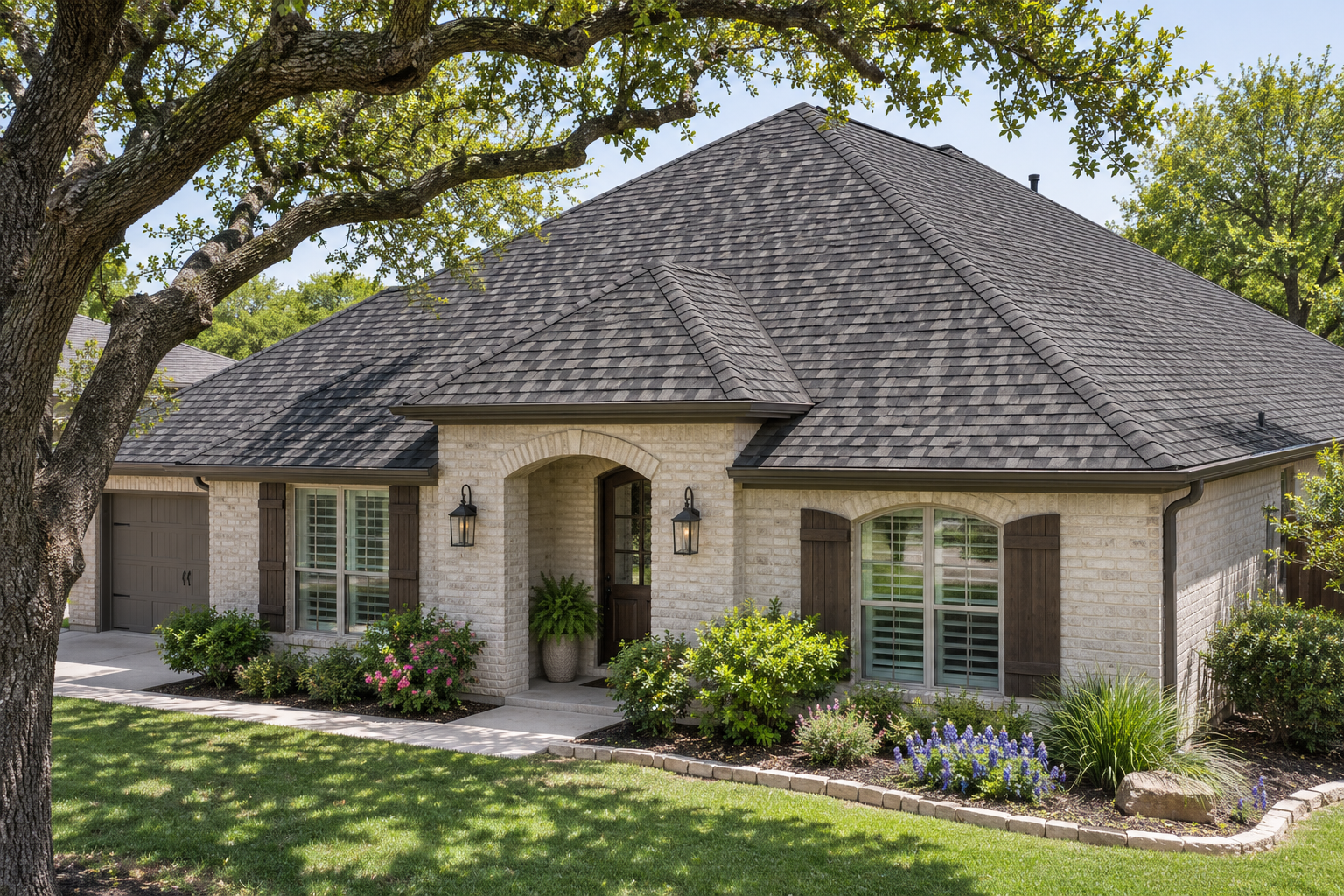
On pitched apartment roofs, the inspection should address more than the appearance of the shingle field. Valleys, roof-to-wall transitions, pipe flashings, ridge areas, and roof edges deserve attention because they connect different components.
Document missing, displaced, damaged, or visibly deteriorated materials and explain the recommended response. Include gutters, fascia, soffits, and relevant wall interfaces in the assessment scope where these affect water management. A ceiling stain near an exterior wall may require investigation beyond the nearest shingle.
Avoid sending general maintenance staff onto steep slopes for a quick photograph. A contractor should select appropriate inspection and access methods. Management can often contribute useful ground observations and interior reports without performing roof work.
Ask repair proposals to identify the affected location and compatible materials. “Seal roof” does not explain whether flashing, underlayment, shingles, or another component requires attention. A precise scope is easier to approve, verify, and evaluate if the symptom returns.
Maintain Low-Slope Roofs as Separate Systems
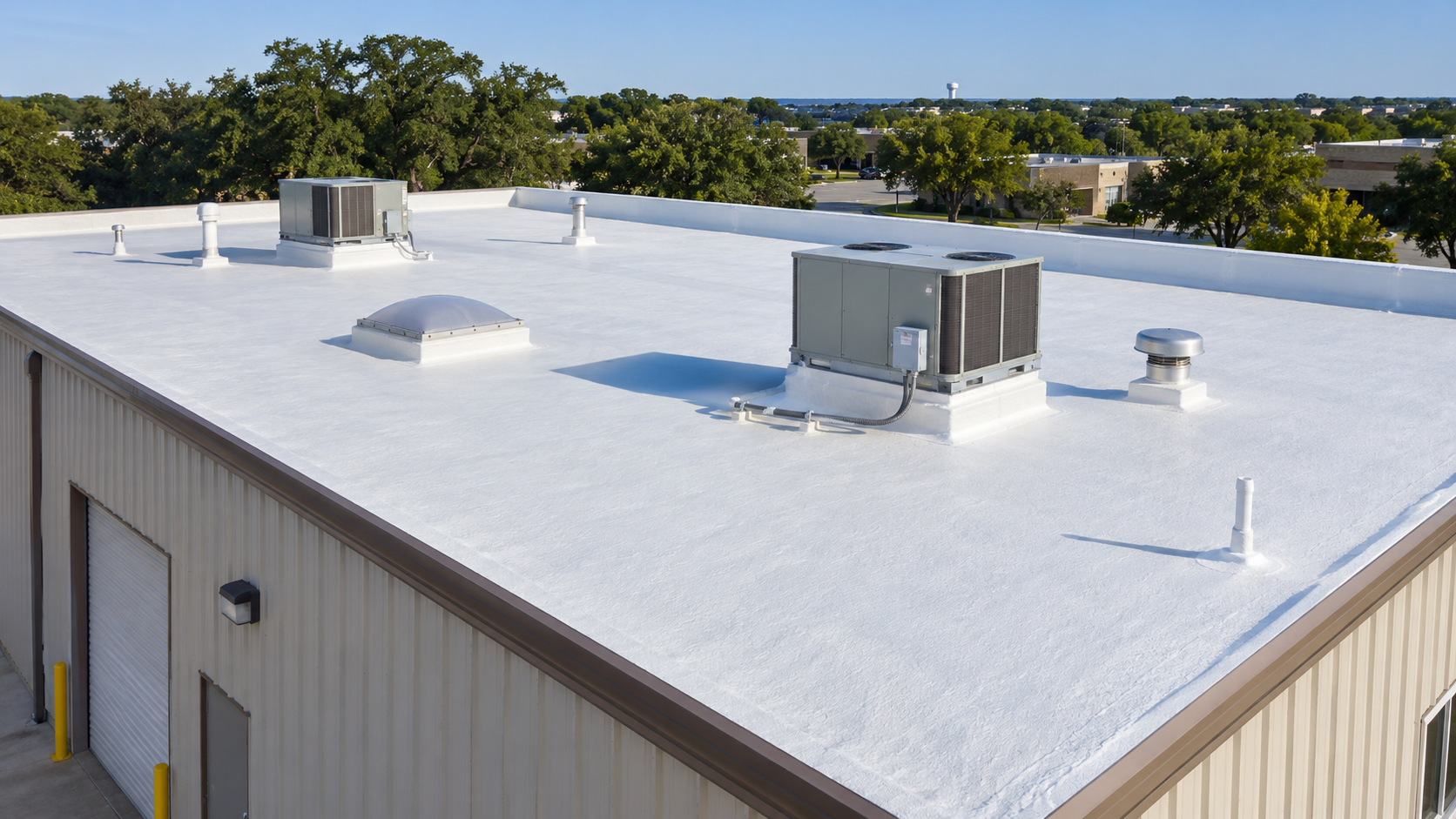
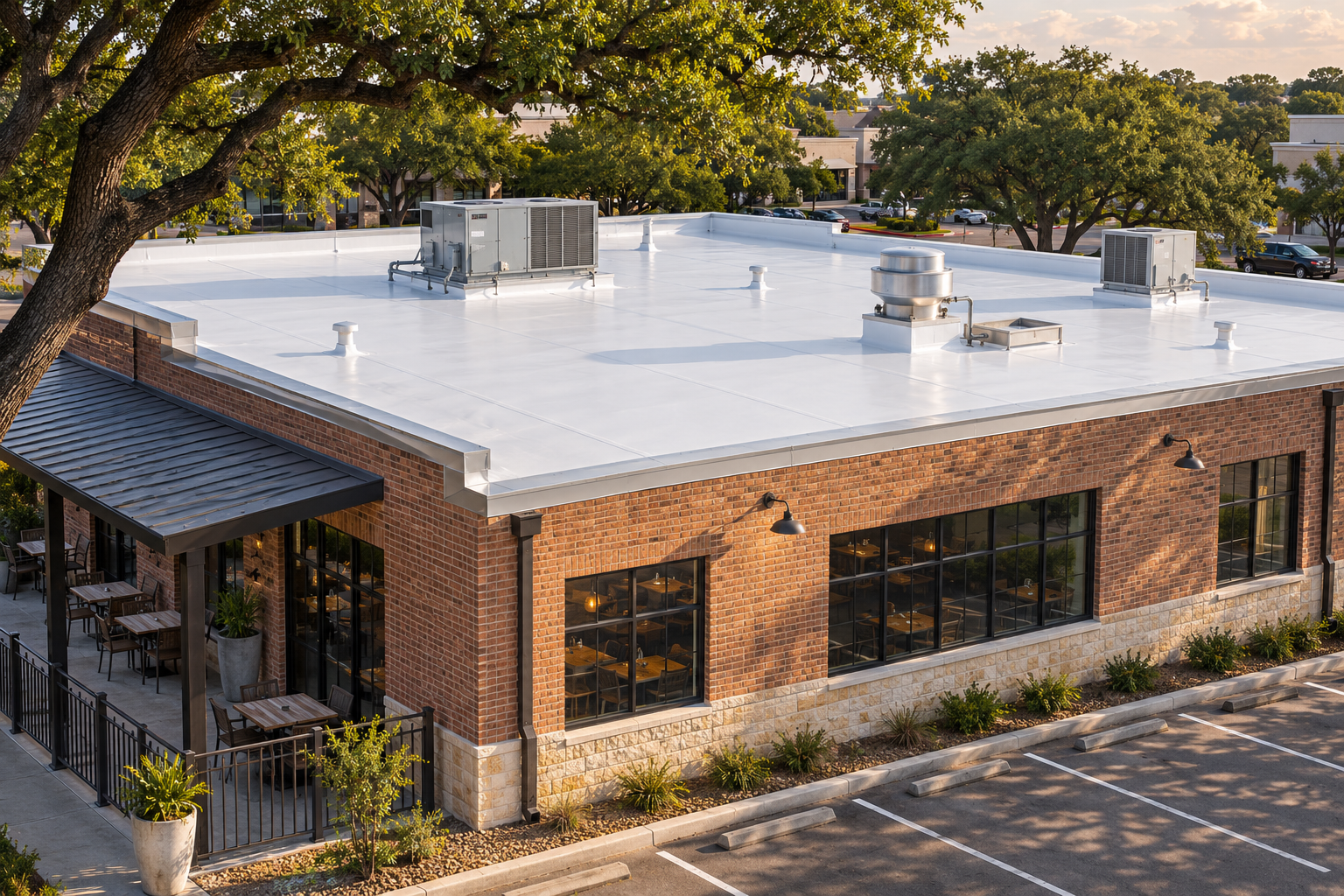
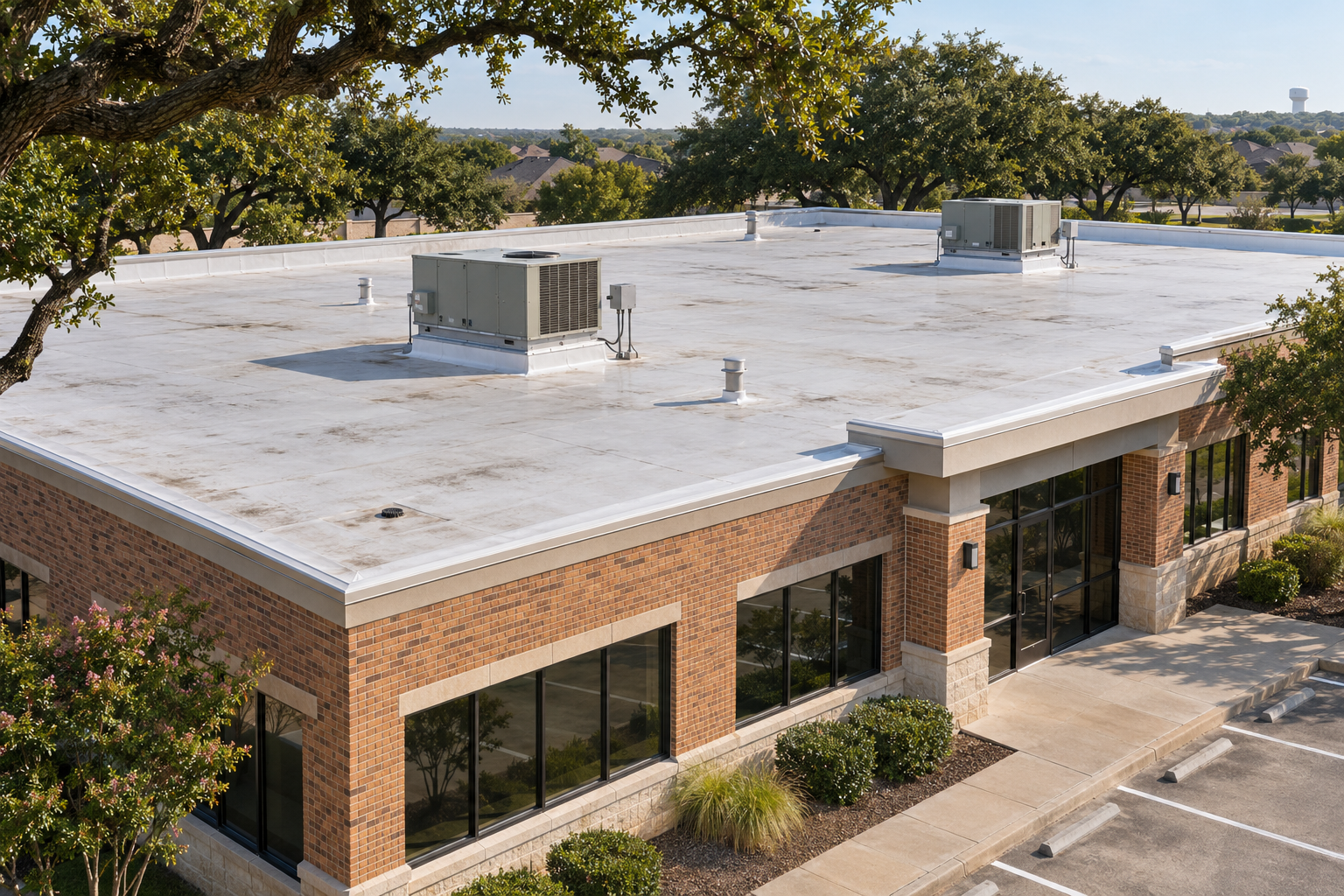
Clubhouses, offices, and some apartment buildings may have TPO, PVC, modified bitumen, coated roofing, or other low-slope assemblies. Record the actual system before specifying repairs. Similar-looking white surfaces can require different products and procedures.
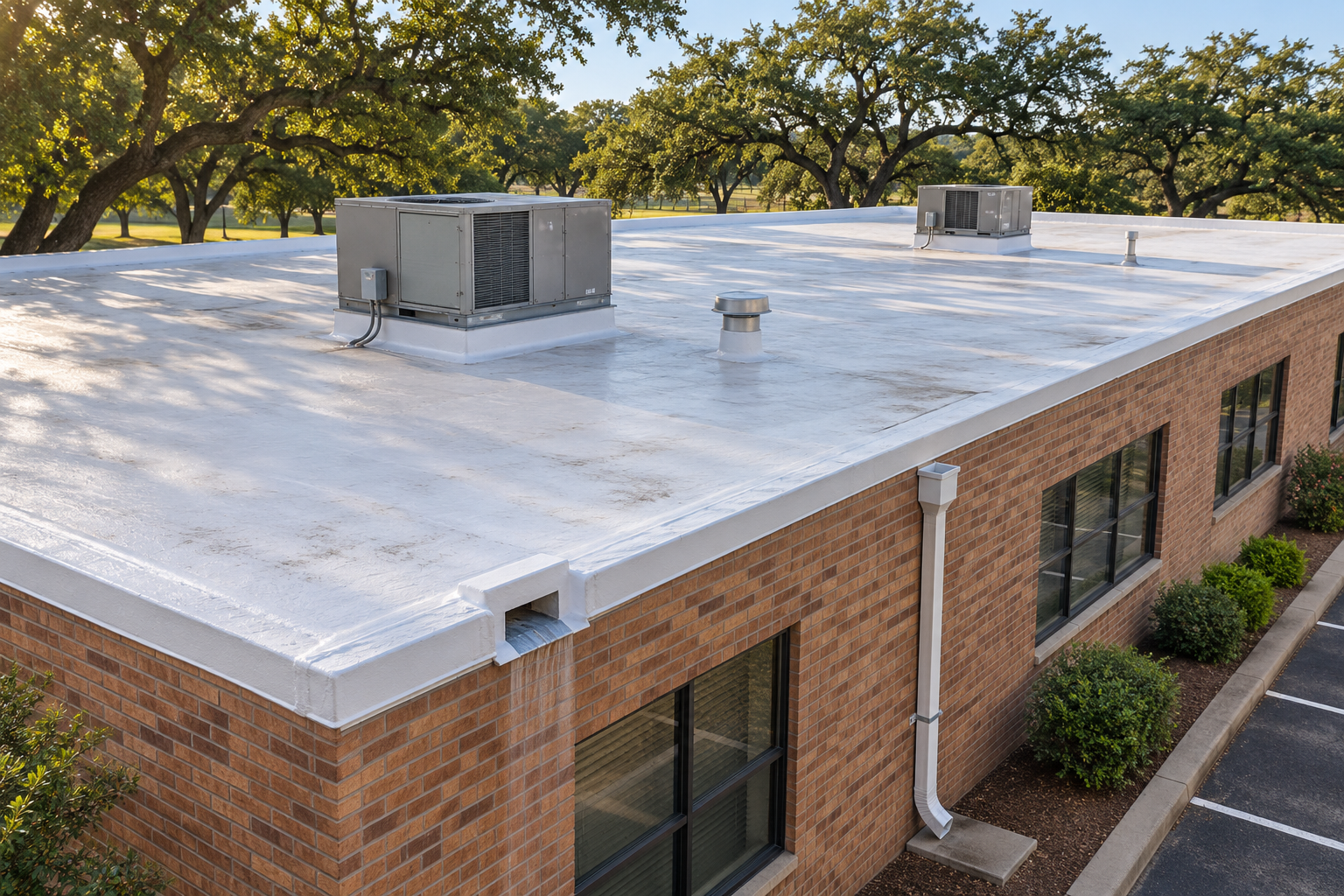
Inspection reports should address the roof covering, seams where applicable, flashings, penetrations, edges, drainage, and previous repairs. Include damage associated with equipment service or foot traffic. Identify locations needing further investigation rather than assuming every visible irregularity represents the same problem.
GAF's roof asset management and maintenance resources provide owners with a starting point for understanding maintenance programs. Any program selected for the community should fit the installed system and its specific warranty conditions.
Where an opening or puncture is found, arrange prompt assessment. Showtime Exteriors' guide to responding to a punctured commercial membrane explains why urgency depends on the opening, weather, and building conditions.
Give Drainage Its Own Work Order
Treat drainage service as a defined activity with documented completion. Gutters, downspouts, roof drains, scuppers, and overflow outlets should be identified on the building record. The contractor should explain which components are included and where another trade is needed.
GAF's discussion of commercial drain maintenance describes the importance of keeping drainage functioning. At an apartment complex, the practical task is to connect roof-level observations with discharge locations and conditions below.
Document debris accumulation and recurring trouble spots. A building beneath mature trees may need a different service interval from one in an open courtyard. If water continues to remain after cleaning, request evaluation of the cause rather than repeatedly ordering the same cleaning work.
Include resident areas in planning. Downspout discharge, wet sidewalks, and water near entrances may require coordination among roofing, drainage, landscaping, and management personnel. Assign responsibility across those interfaces so the concern does not disappear between vendors.
Coordinate HVAC, Plumbing, and Other Rooftop Vendors
A maintenance plan should control access by every trade working on or near the roof. HVAC technicians, plumbers, satellite installers, and communications contractors can all affect roofing components. Management needs to know who accessed each building and what work occurred.
Require advance approval for new penetrations, equipment supports, and changes to existing details. Establish which roofing contractor will review or perform associated flashing work. Coordinate the sequence before equipment arrives so temporary arrangements do not become permanent defects.
Use a short access log with the date, vendor, building, work description, and reported damage. For larger projects, request before-and-after photographs of the relevant roof area. Keep vendor records connected to the roof file rather than only to the equipment work order.
Walkway protection and approved traffic routes should follow the roof system's requirements. Explain these expectations during vendor onboarding. Clear instructions are easier to enforce than a general request to “be careful on the roof.”
Create a Resident Leak Reporting Process
Residents often notice the first interior symptom. Make reporting straightforward and ensure leasing staff know which information to collect. Record the building, apartment, room, exact location, time observed, and whether water is actively entering.
Ask whether the symptom occurs during rain, after rain, or while equipment operates. Photographs can help establish the initial condition, but residents should not be asked to access roofs or investigate hazardous areas. Route reports through the property's established maintenance channel.
A report should create a work order with a responsible person and response status. Distinguish acknowledgment from resolution. “Contractor notified” means the next step has begun, while a completed repair requires a record of what was found and done.
Keep residents informed about inspection appointments and follow-up arrangements. If interior access is needed, coordinate it through established property procedures. Clear communication reduces repeated calls and helps management gather observations that may be useful to the investigation.
Define Emergency Escalation Before a Storm
Maintain current contacts for property management, the roofing contractor, plumbing, electrical service, and other relevant responders. Identify the person who can authorize emergency work after office hours and the person responsible for resident communications.
The response plan should address active water entry, unsafe interior conditions, and temporary protection where appropriate. Staff should follow established emergency procedures and keep people away from affected hazards. Roof access and exterior repair should wait until conditions permit qualified crews to work safely.
Set an approval process for temporary measures and subsequent permanent repairs. A temporary repair needs an inspection date and a clearly assigned follow-up. Without that step, emergency protection can remain in place long after the original incident is forgotten.
Travelers' commercial roof inspection planning guidance supports including roof inspection and drainage in broader facility maintenance. Incorporate the roof response process into the community's existing operations plan rather than creating an isolated document nobody uses.
Separate Roof Leaks From Other Moisture Sources
An interior stain identifies a symptom. It does not establish the entry point or responsible system. Plumbing, HVAC condensate, exterior walls, windows, and roof components may require consideration depending on the location and timing.
Give contractors access to the history instead of only the latest photograph. Note prior repairs, weather conditions, nearby equipment, and whether the stain is growing or recurring. On buildings with multiple levels, identify the affected floor and the spaces above it.
Where different trades disagree, request an agreed investigation sequence. Define who will test or inspect each possible source and how findings will be documented. Repeatedly patching the nearest roof detail without resolving uncertainty can consume the maintenance budget while leaving residents frustrated.
Close the work order only after recording the findings, corrective action, and any follow-up needed. Interior restoration may have a separate scope and schedule. Keeping those activities connected helps management distinguish a repaired source from unfinished cosmetic work.
Set Repair Priorities Across the Community
Use a simple priority framework so staff can compare needs consistently. Active water entry and conditions affecting occupied areas require prompt evaluation. Open roof defects, compromised details, and developing drainage problems should receive scheduled corrective attention based on assessed urgency.
Routine maintenance includes planned cleaning, minor approved work, and recurring inspections. Capital planning covers broader restoration or replacement that requires investigation, design, bidding, or funding. These categories support decisions without replacing contractor judgment about a specific condition.
Give every recommendation a location, reason, proposed action, estimated cost, and target date. Record whether it is approved, scheduled, completed, deferred, or awaiting investigation. A deferred item should retain an accountable owner and a review date.
Review the list monthly. New leaks may change priorities, while completed work may release funds for the next building. A visible community-wide list helps management explain why one project proceeds before another and prevents quiet buildings from receiving no attention.
Protect Access and Keep Roof Work Qualified
Limit roof access to authorized people with appropriate training and equipment. Access hatches, ladders, steep slopes, roof edges, and openings create different hazards. The contractor or employer must determine the applicable precautions for the work.
OSHA's guidance on falls around roof edges and skylights highlights hazards that also matter when planning rooftop service. Management should verify that contractors address site access and protection rather than assuming a short visit requires no planning.
Keep residents and visitors away from work zones below. Coordinate parking, entrances, pedestrian routes, and material storage before repairs begin. The site plan should account for children, pets, delivery drivers, and people using the property throughout the day.
For management staff, useful participation often means providing records, arranging access, and documenting interior symptoms. Assign physical roof inspection and repairs according to qualifications and site conditions. A practical maintenance program makes responsibilities clear before an urgent situation develops.
Organize Warranties and Maintenance Records
Maintain a separate roof file for each building or distinct system. Include installation documents, warranty numbers, product information, contractor contacts, inspection reports, photographs, invoices, and correspondence about unresolved conditions.
Read warranty obligations directly. Reporting procedures, authorized repair requirements, maintenance responsibilities, and coverage exclusions can differ. A service agreement does not automatically change a manufacturer's warranty, and a warranty does not replace ordinary property maintenance.
Carlisle's care and maintenance guide identifies records such as inspection, traffic, and service logs. Use the actual documents for the installed system to determine what the property must retain.
Showtime Exteriors' guide to commercial roof maintenance records can help organize the broader file. Keep insurer requests and claim communications with the relevant incident records while recognizing that coverage depends on the policy and circumstances.
Build an Operating Budget and Replacement Reserve
Separate routine service, corrective repairs, emergency contingencies, and capital projects. Combining everything into one small repairs allowance can hide developing replacement needs. A useful budget shows both expected annual spending and larger future decisions.
Start with the baseline assessment and known work list. Request estimates that identify scope, assumptions, exclusions, and investigation allowances. Reserve figures should be updated as evidence improves rather than treated as precise predictions years in advance.
Compare buildings using condition, leak history, roof area, access, and expected work. Age helps frame the conversation but does not establish remaining service life by itself. A newer roof with unresolved defects may need more immediate attention than an older serviceable roof.
When replacement becomes a realistic option, compare complete assemblies and operating implications. Showtime Exteriors' guide to roofing systems and selection factors in Texas offers a starting point for discussing materials, drainage, maintenance, and building requirements.
Specify What the Maintenance Agreement Includes
A useful agreement lists covered buildings, visit frequency, inspection scope, drainage service, reporting format, and repair authorization limits. It should distinguish included work from separately quoted repairs. Ask how storm visits and emergency calls are handled.
Clarify response commitments and their limits. A promised callback differs from arrival, temporary protection, diagnosis, or permanent repair. Weather, access, materials, and the condition found may affect completion. Clear definitions help management communicate accurately with residents.
Require documentation of completed work, including location photographs where appropriate. Invoices should match the approved scope and identify additional authorized work. Agree on how concealed conditions will be reported before approving changes.
Showtime Exteriors serves North Texas owners evaluating roofing needs. When discussing an ongoing program, provide the building inventory, existing records, leak history, and property access requirements so the proposed service can reflect the actual community.
Review Performance and Keep the Plan Current
Track a few useful measures instead of collecting numbers nobody uses. Record completed inspections, outstanding repairs, repeat leak locations, emergency spending, and work orders awaiting resident access. Review the reasons behind changes in these measures.
A repeated leak at one location deserves investigation even if the total number of calls declines. Similarly, higher planned spending may reflect completion of overdue work rather than worsening performance. Interpret the figures alongside contractor findings and completed scopes.
Update the plan after major repairs, ownership changes, equipment projects, or replacement. Archive superseded documents while keeping current contacts and procedures easy to find. Train incoming staff on the building identifiers and reporting process.
The goal is a maintenance program that remains useful between inspections. When records, responsibilities, and budgets stay current, management can act on developing problems and explain decisions with evidence rather than reconstructing the history during an emergency.
First-Month Implementation Checklist
Use the first month to turn the plan into assigned work. Confirm building names, gather available records, and designate the manager responsible for the roof program. Schedule the baseline assessment and collect recurring leak reports before the visit so the contractor can investigate the most useful locations.
After receiving the report, approve the first repair priorities and enter remaining recommendations into the maintenance system. Add inspection dates to the shared calendar, confirm emergency contacts, and distribute the vendor access procedure. Make sure staff know where the current roof files are stored.
End the month with a short review of open decisions. Identify missing estimates, pending access arrangements, and items awaiting ownership approval. Set dates for each outstanding action. A modest plan with clear assignments is easier to maintain than a comprehensive document without scheduled follow-through.
Put the Apartment Roof Maintenance Plan Into Action
Begin with a complete inventory and professional condition assessment. Establish the inspection calendar, complete urgent corrective work, and connect roof records with resident reports and vendor activity. Then review progress regularly and revise the budget as conditions become clearer.
A consistent apartment complex roof maintenance plan helps owners organize spending and address problems while they are manageable. Its value comes from completed inspections, documented repairs, and accountable follow-up across every building.
Contact Showtime Exteriors or call 817-400-7663 to discuss an apartment property roof assessment and maintenance needs. Share your building list, roof records, recurring concerns, and project priorities to support a practical next step.