

How to Choose a Roofing Contractor in Fort Worth, TX
Choose a roofing contractor in Fort Worth with clear questions about inspections, permits, estimates, decking, warranties, and project supervision.
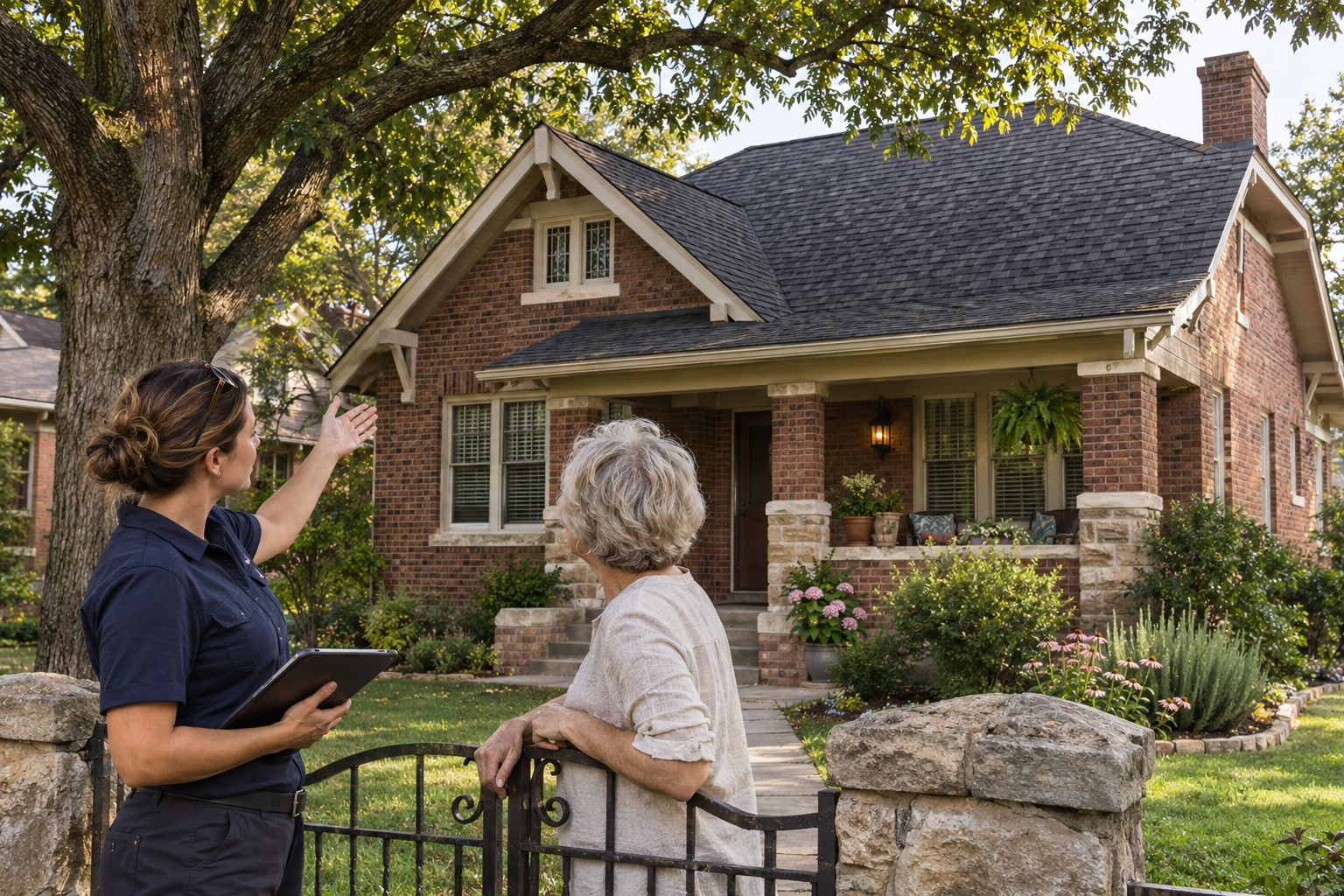
Choosing a roofing contractor in Fort Worth, TX, becomes easier when you compare how each company evaluates the property and defines the work. You should understand the roof’s condition, the reason for the recommendation, the price and scope, and who will handle questions during installation and afterward.
That starts before you choose a shingle color. A contractor working on an older bungalow may need to assess several generations of repairs and a porch connection. A newer two-story home may present different access, flashing, and ventilation questions. The right proposal should reflect those conditions.
Ask for an inspection, documented findings, and a written estimate that names the materials and explains any uncertainties. Homeowners can begin with Showtime Exteriors’ Fort Worth roofing services to discuss the property and arrange an assessment.
Define what you want the inspection to answer
Write down what prompted the call. You might have a new stain near a chimney, missing shingles after a storm, or a roof approaching the point where you want replacement options. Explain the concern without feeling you need to diagnose it.
Record when you first noticed the problem and what happened afterward. Does water appear only during rain from a particular direction? Did an earlier repair help temporarily? Have you recently had equipment or exterior work performed near the roof?
Gather any available installation records, invoices, photographs, and warranty documents. If the roof includes an addition or a porch installed later, mention that history. A roof diagram or simple sketch can help identify the areas you mean.
Tell each contractor the same goals. If you want both a repair assessment and replacement pricing, say so when booking. Consistent information helps you compare the recommendations on a fair basis.
Look for experience relevant to your roof
Ask about projects involving your material, roof design, and type of concern. A contractor experienced with straightforward shingle replacements may need a different crew or approach for specialty materials, complicated wall connections, or low-slope sections.
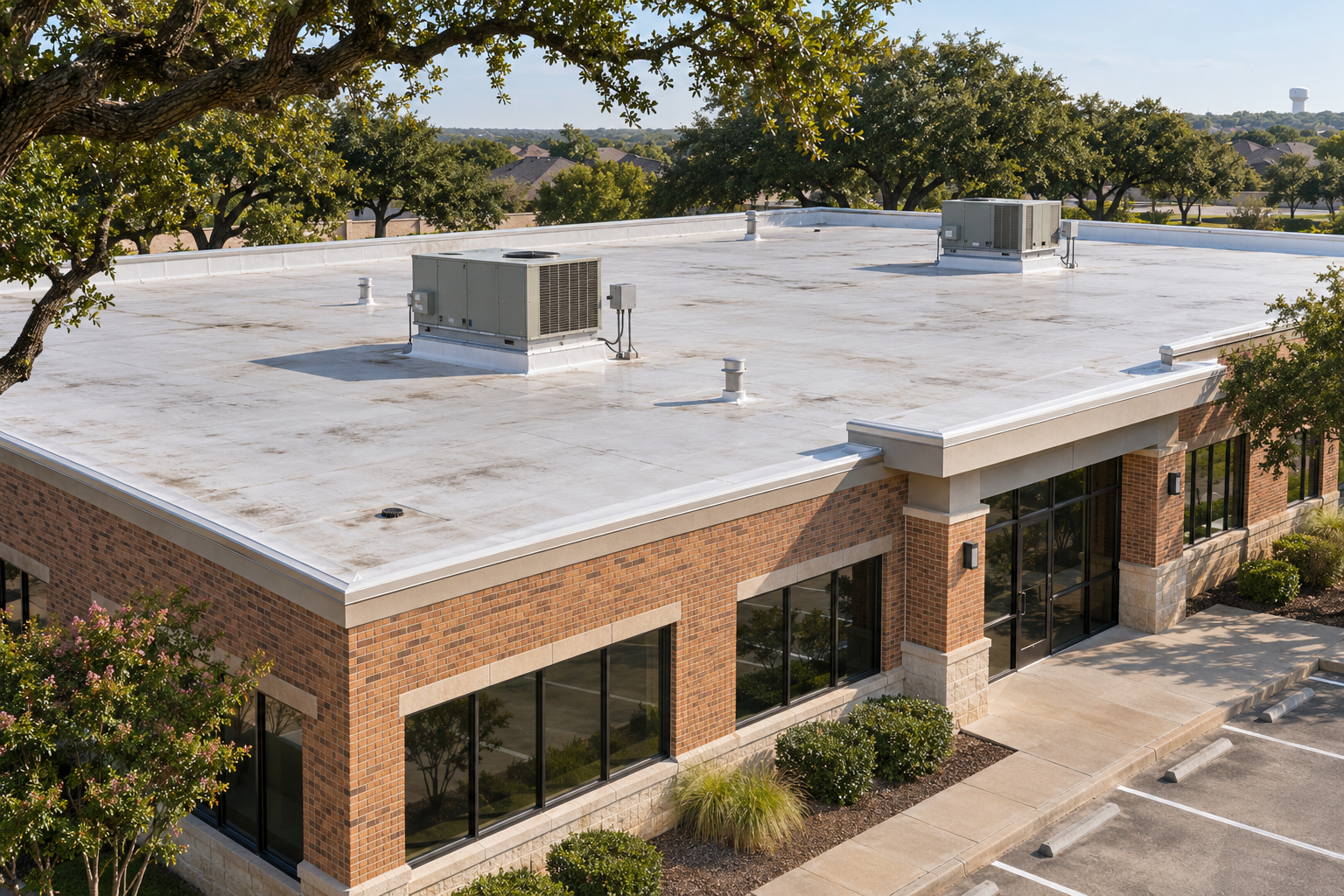
For an older home, discuss the deck, existing layers, and previous alterations. For a steep roof, ask how access and staging will be handled. If you have skylights, a chimney, or roof-mounted equipment, make those details part of the conversation.
Ask who will perform the work and who will supervise it. Companies may use employees, subcontractors, or both. You should understand who is responsible for installation, communicating changes, and returning for service.
Request examples that resemble your project. Photographs can help you discuss appearance and detailing. References from similar work can help you evaluate communication, handling of surprises, and follow-through.
Verify the business and insurance information
Confirm the business name, address, phone number, and the name that will appear on your agreement and invoice. If a trade name is used, ask how it relates to the contracting business.
Request current insurance information and verify relevant coverage with the issuing agent or insurer. Ask how the proposed work and any subcontractors are addressed. Keep the documentation with your estimate.
Check references directly. Ask what work was completed, whether changes were explained before being performed, and how the company responded to concerns. A reference for a comparable roof can be particularly helpful.
TDI recommends checking contractors, getting written bids, and reading documents before signing. Its guidance also warns about blank agreements and documents presented as inspection releases that actually contain contractual obligations. Texas Department of Insurance contractor guidance
Read reviews across different dates and projects. Detailed descriptions of communication and service provide more context than a star rating alone.
Understand Fort Worth roofing permits
Ask the contractor to identify permit requirements for the actual scope. Fort Worth’s residential guidance states that shingle work does not require a permit, while replacement of decking, lathing boards, sheathing boards, rafters, or ridge boards does. The city also notes limits on shingle layers. Confirm the current requirements with Development Services before work begins. Fort Worth residential permitting guidance
That distinction matters if the deck is concealed until tear-off. Ask how the contractor will handle permit coordination if damaged decking is discovered after removal. The plan should address the situation before the crew reaches it.
Put responsibility for applications, fees, inspection scheduling, and closeout in writing when applicable. Ask how required inspections affect the construction sequence and when you will receive the permit information.
Avoid applying another city’s roofing rules to your Fort Worth address. Confirm the jurisdiction as well as the work description, especially when the property is near a municipal boundary.
Check applicable contractor registration
If the work requires a permit, ask the company about the registration needed to obtain it. Fort Worth states that businesses obtaining permits related to its building and certain trade codes generally need a valid contractor registration, subject to listed exceptions. Fort Worth contractor registration information
Ask the company to identify the registration relevant to the proposed project. If another trade is involved, such as electrical or mechanical work, clarify which contractor will handle that portion and its required credentials.
Keep registration, insurance, and product credentials in context. They answer different questions. Ask what each document establishes and verify the information with the appropriate issuer when necessary.
For a project involving several trades, identify a lead contact. You should know who coordinates the schedule, who verifies the permits, and which company is responsible for each connection or transition.
Historic properties may need additional review
If your property is designated historic or lies within an applicable historic district, check review requirements before ordering materials or beginning exterior work.
Fort Worth lists roofing among exterior changes addressed through its Certificate of Appropriateness process. The city explains that approval for applicable historic-property changes is needed before permits or construction. Ask Historic Preservation staff how the process applies to the address and proposed scope. Fort Worth Historic Preservation guidance
Discuss material profile, color, visible details, and the documentation needed for review. Have the contractor help identify a suitable proposal before special-order products are purchased.
An HOA approval, where applicable, adds another coordination step. Ask which approvals you need, who submits the information, and how decisions affect material ordering and installation timing.
Expect an inspection that explains the recommendation
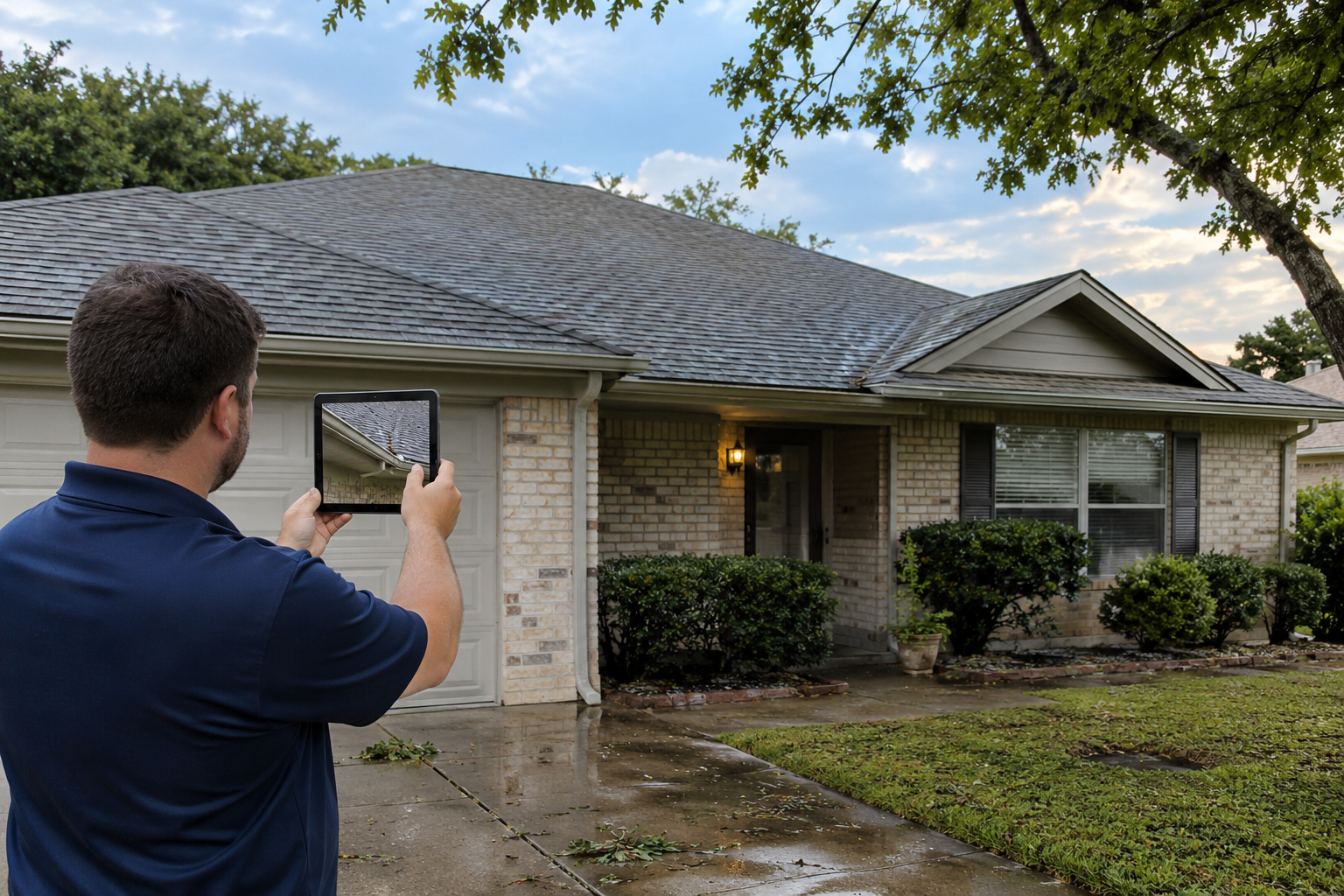
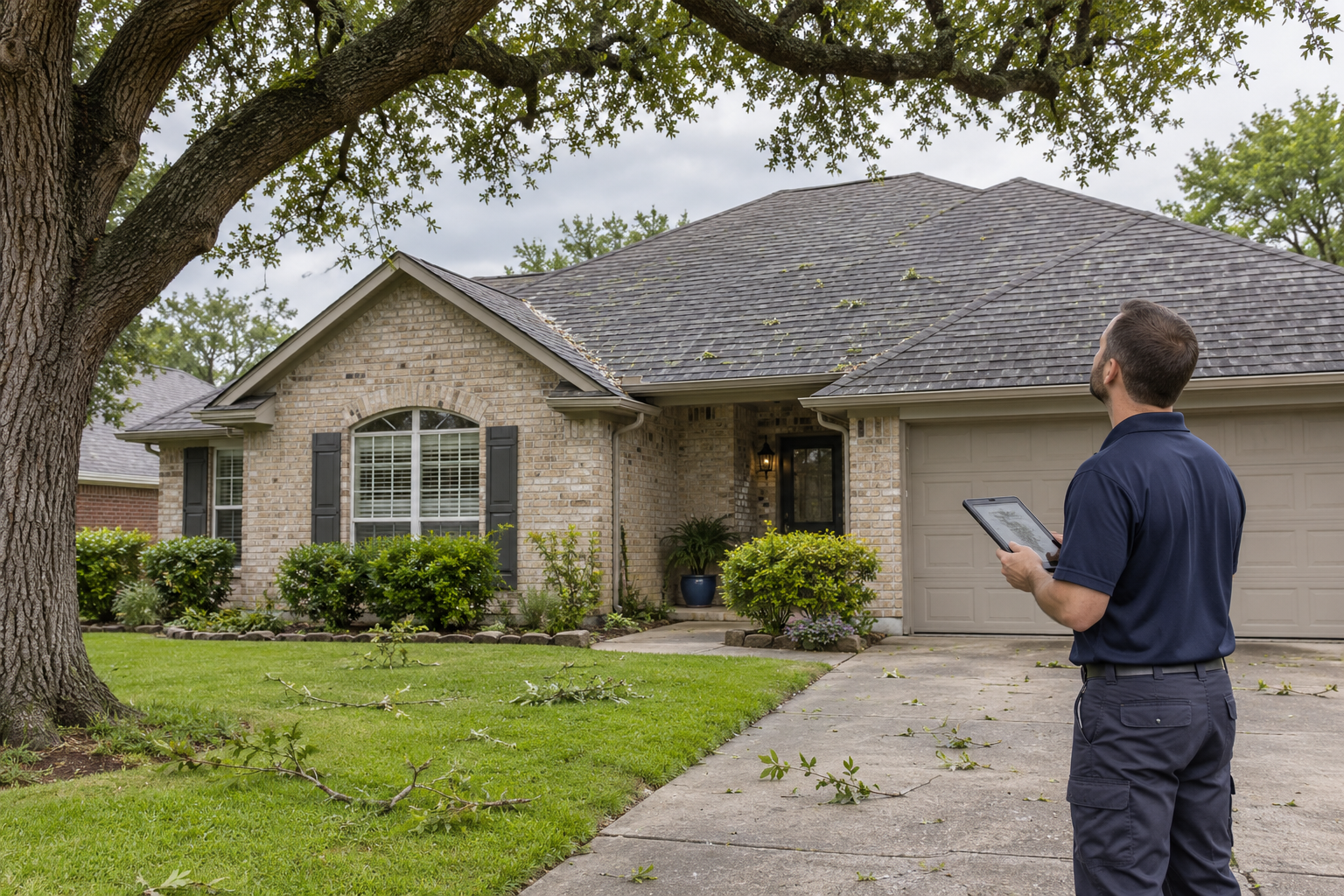
A useful inspection connects observations to proposed work. Request photographs identifying the roof area and the detail involved. A close-up can show a concern, while an overview helps you locate it.
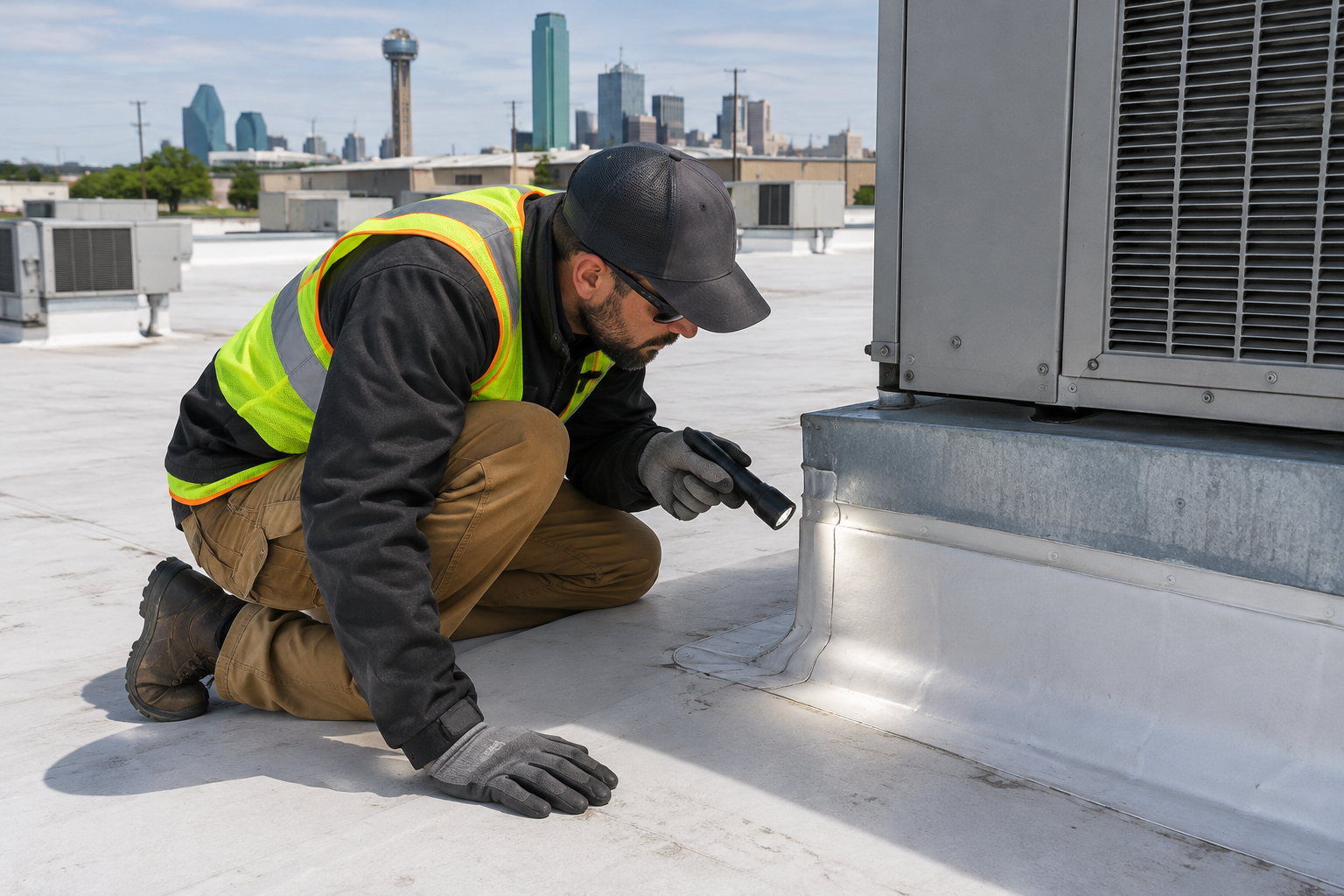
For a leak, ask how the contractor evaluated possible entry points. Roof surfaces, flashing, penetrations, walls, and accessible interior conditions may all be relevant. If the cause remains uncertain, ask what additional investigation would clarify it.
The report should identify limitations, including inaccessible sections or concealed components. Those limits help you understand which conclusions can be reached now and which depend on later access.
If repair is recommended, ask for the boundaries and method. If replacement is recommended, ask which conditions support the broader scope. Showtime Exteriors’ residential roof repair services offer a starting point for discussing a focused concern.
Compare measurements and included roof sections
Roofing measurements follow the actual roof surfaces. They can differ substantially from the living area in a property listing because of slope, garages, overhangs, porches, and multiple stories.
Ask for a diagram or report showing included sections. Confirm whether the garage, addition, patio cover, and detached structures are part of the quote.
One roofing square equals 100 square feet of roof surface. Material orders may also include extra quantity for cutting and waste. Ask which quantity the contractor uses when describing a rate per square.
If two bids have different measurements, request an explanation before comparing unit prices. One company may have included a section that another omitted. Resolving that difference can change your understanding of the totals.
Get an exact product and component specification
A proposal should name the manufacturer, product line, color, and accessories. “Architectural shingles” alone leaves several choices unresolved.
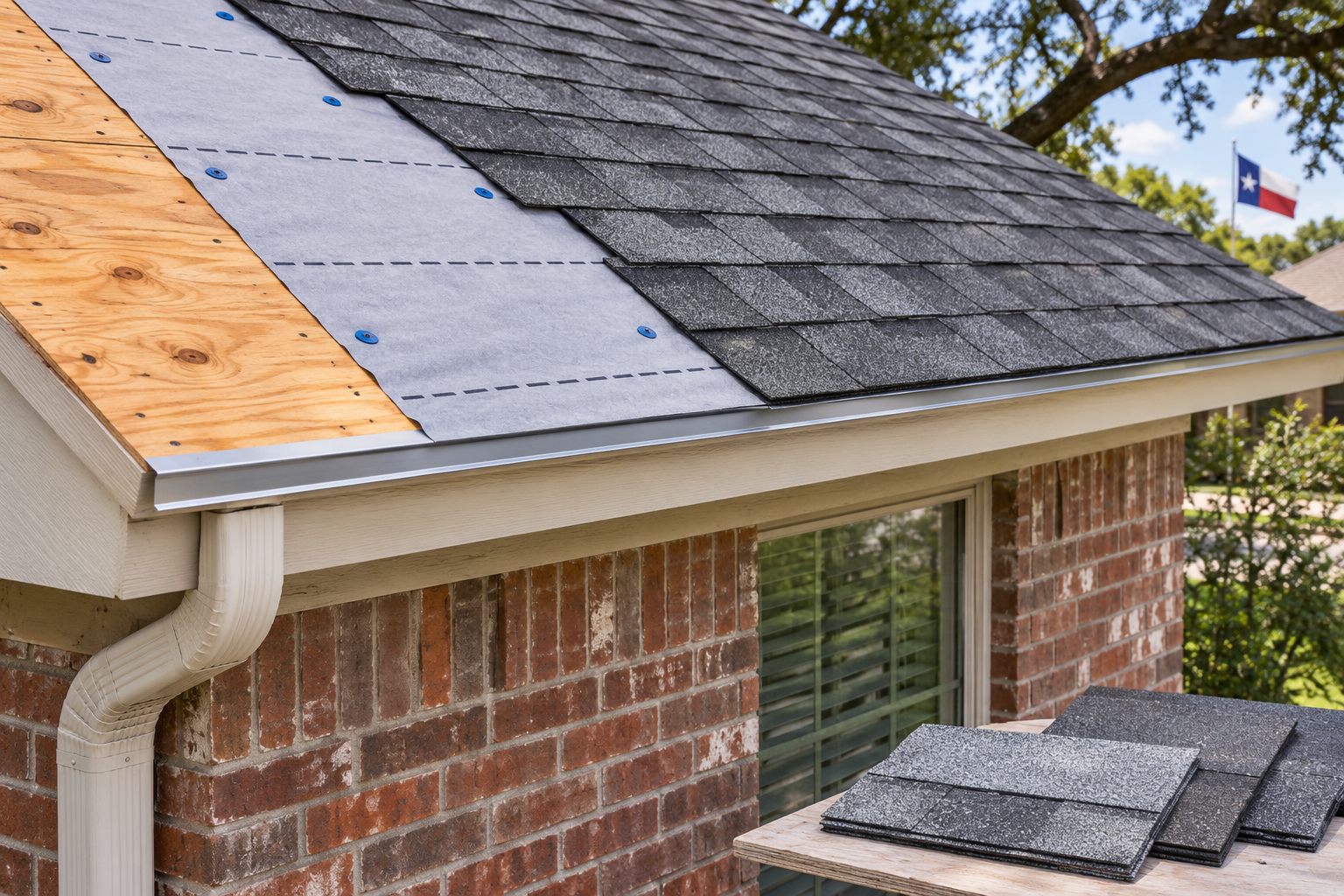
Ask about starter, underlayment, ridge components, pipe boots, edge metal, flashing, and ventilation changes. Confirm which existing components will remain and how the new roof will connect to them.
For a specialty material or mixed roof, ask which system applies to each section. A porch may have a different slope and product requirement from the main roof. Those transitions should appear in the scope.
If you are exploring replacement, review Showtime Exteriors’ roof installation services and ask for alternatives priced with the same underlying work where practical.
Plan for decking and hidden conditions
Ask what the inspection suggests about the deck and which areas remain concealed. Older leaks, prior repairs, or visible deterioration can influence the likely work, but tear-off may reveal more information.
Request a unit price for additional decking replacement. Confirm the material and whether the charge includes removal, installation, labor, and disposal. If an allowance appears in the bid, ask how actual quantities and credits are handled.
Discuss how concealed damage will be photographed and authorized. If you will be unavailable, choose a person who can respond and define their authority.
Structural concerns need appropriate evaluation. Ask who assesses supporting members and how work outside the roofing scope will be coordinated. A clear change process helps you understand the added work before approving it.
Review flashing and connected exterior work
Ask which flashing will be replaced and which may be reused. The contractor should explain the condition of retained pieces and how they connect to the new roof.
For a chimney, distinguish roofing work from masonry correction. For a wall connection, ask whether siding or trim needs to be removed and restored. If another trade is involved, identify who handles it and where the cost appears.
Discuss gutters and roof edges together. Ask whether gutters remain, need temporary removal, or require replacement. Confirm how the edge details will direct water into the drainage system.
These items can explain why two bids using the same shingle still have different totals. Review the actual work before deciding that both proposals deliver the same project.
Use a consistent estimate comparison
Build a simple comparison using the same categories for each proposal.
ItemWhat to compareMeasurementsIncluded structures, roof area, material quantityProductExact model, color, accessoriesRemovalIncluded layers, disposal, retained materialsDeckAllowance, unit price, authorization procedureDetailsFlashing, edges, penetrations, transitionsAdministrationPermit responsibility and required inspectionsSite workAccess, protection, cleanup, supervisionWarrantyCoverage, registration, service contactPaymentMilestones and final completion requirements
For illustration, one bid may be $1,500 lower while excluding chimney flashing that the other includes. Ask the lower bidder to price the same flashing scope, then compare the revised proposals.
If an upgrade explains the difference, ask for a product alternate while keeping the work constant. That gives you a clearer decision about what the additional money buys.
Read payment and contract terms carefully
The agreement should identify the price, work, materials, schedule assumptions, and payment milestones. Ask what each payment corresponds to and what must be complete before the final balance is due.
Read every attachment and fill in unresolved items before signing. If a verbal promise influenced your decision, have it included in the agreement. Keep a complete signed copy.
The FTC recommends checking contractors, obtaining multiple written estimates, and reviewing contracts carefully. It also identifies pressure for an immediate decision and demands for full payment upfront as concerns. FTC advice on avoiding home improvement scams
If financing is involved, review the lender’s terms separately. Ask about interest, fees, promotional conditions, and how a change in the construction price affects the financing arrangement.
Understand insurance-related roofing work
If a storm prompted the project, ask the contractor for photographs, measurements, and a written construction estimate. Keep those records alongside the insurer’s documents.
Your insurer or an appropriately licensed professional can answer coverage and settlement questions. Texas prohibits a contractor from acting as a public insurance adjuster on a claim while also providing contracting services on that property. It also prohibits offers to waive, rebate, or absorb a property insurance deductible. Texas roofing and insurance law guidance
Ask what your agreement requires if the insurer approves a smaller scope or denies coverage. If you choose an upgraded product, request its additional cost in writing.
When the contractor identifies added construction work, request photographs and an itemized change order. Confirm any communications about those costs and keep copies with your project records.
Ask about supervision and installation day
Get the project supervisor’s name and contact information. Ask when that person will be on site and how you will receive updates.
Discuss staging, debris containers, parking, landscaping, outdoor furniture, pets, and access needs. Identify anything attached to the roof that requires another contractor’s attention.
Ask how weather decisions are made and how exposed areas will be protected if work pauses. Confirm daily cleanup and the process for reporting a concern during installation.
The supervisor should know who can authorize changes. A short conversation before material delivery can prevent confusion when the crew discovers something that needs a decision.
Read warranties before choosing the company
Ask for the manufacturer warranty and the contractor workmanship terms. Check what each covers, what documentation is required, and how a service request is made.
Discuss labor, removal, disposal, and related expenses where relevant. Ask whether coverage changes over time and whether transfer requirements apply if the home is sold.
For a repair, identify the covered area and the limitations of the work. A focused correction can leave other sections outside the scope.
Keep product details, photographs, the final invoice, and registration confirmation where required. A clear service contact helps if you need to discuss a concern later.
References should match the work you are considering
Ask for references from projects with a similar material, design, or construction challenge. A customer with a comparable roof can describe how the company handled access, changes, and communication.
Ask whether the final price reflected the approved work and whether the crew left the property as agreed. Find out how the company responded when the owner had a question after completion.
You can review Showtime Exteriors’ roofing references when preparing your own questions. References are most helpful when you connect their experience to the work on your property.
If a project photo interests you, ask which product and scope it represents. That can help you discuss a realistic option instead of relying on appearance alone.
Compare material options against your actual priorities
Tell the contractor why you are considering a change. You may want a different appearance, a documented impact rating, easier coordination with an addition, or a product that fits an architectural review. Each goal leads to different questions about suitability and cost.
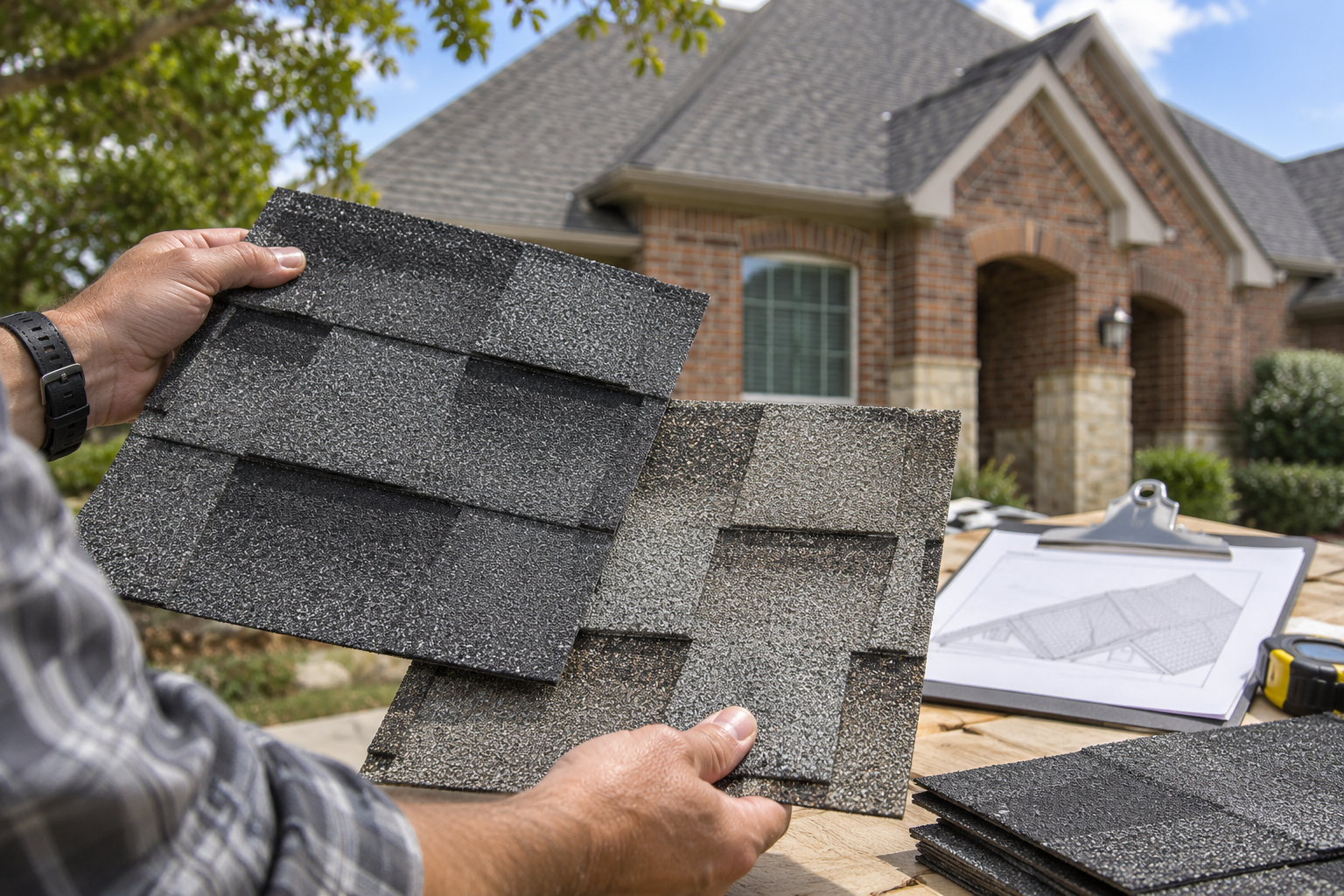
Ask for samples and examine them outdoors against the house. Brick, trim, shade, and the angle of the roof can change how a color reads. If a particular texture matters to you, look at it from the distances where you normally see the home.
Request an installed price for the full option. A product upgrade can involve accessories or details as well as the visible covering. Ask what changes in the specification and whether the rest of the scope remains comparable.
Homeowners can explore Showtime Exteriors’ residential roofing options and discuss which products suit the existing roof. Have the contractor explain any slope, deck, or transition requirements before placing a special order.
Keep the decision connected to your budget. If the premium exceeds what you planned, ask for an alternative that preserves the required construction work. The roof’s edges, flashing, and underlying corrections still need to be addressed in the selected scope.
Make the final choice with a written project record
Before accepting a proposal, review the latest version and all attachments together. Check that the product, price, included areas, change procedure, and schedule assumptions match the decisions you made during the consultation.
If two contractors still recommend different scopes, ask each to identify the observations supporting the difference. A repair boundary, concealed condition, or assumption about retained flashing can explain much of the disagreement. Ask whether further investigation would resolve an important uncertainty.
Write down who is responsible for ordering, approvals, permits where applicable, supervision, and service questions. One person may handle several tasks, but you should know whom to contact at each stage.
For an occupied home, confirm access arrangements and any needs that could affect work hours. A household member who works nights, a shared driveway, or scheduled equipment service can change practical planning even when the roofing specification is settled.
Finally, keep the accepted proposal separate from earlier drafts so everyone works from the same version. Retain later changes with it. A complete project record helps you follow what was authorized, evaluate the completed work, and provide useful information if the property is sold or serviced in the future.
Questions Fort Worth homeowners commonly ask
Do I need to get several estimates?
Several written proposals help you compare approaches, included work, and pricing. Give each contractor the same information and resolve scope differences before comparing totals.
Does a small leak mean I need a new roof?
The answer depends on the inspection. Ask which condition caused the concern, whether a dependable repair can be integrated, and what supports any replacement recommendation.
What if decking damage appears during installation?
Follow the procedure agreed upon before tear-off. Ask for photographs, quantities, pricing, and applicable permit coordination before authorizing the additional work.
How do I know which material is suitable?
Ask the contractor to consider the roof design, slope, existing assembly, applicable approvals, and your goals. Request an exact specification and installed price for each option.
What should I receive at completion?
Keep the final invoice, approved changes, product details, warranty documents, completion photographs, and applicable permit records. Compare the completed work with the agreement.
Schedule a Fort Worth roofing assessment
A useful consultation leaves you understanding the roof’s condition, available options, and the work behind the price. Bring your questions about repairs, replacement, hidden damage, permits, and scheduling.
Showtime Exteriors can discuss your Fort Worth property and prepare recommendations based on its condition. Call 817-400-7663 or request a free roof inspection.