

Hail Damage Roof Inspection in Arlington: What to Expect
Learn what to expect during a hail damage roof inspection in Arlington, including preparation, photographs, findings, repair options, and insurance records.
A hail damage roof inspection in Arlington should leave you with an understandable record of the roof’s condition and a practical next step. You should know which areas were reviewed, what the contractor observed, whether temporary protection is needed, and what supports any repair or replacement recommendation.
The appointment is also a chance to resolve uncertainty. A dented gutter, a new ceiling stain, and an aging roof can raise different questions. The inspector should evaluate the roof and relevant details, connect findings to locations, and explain anything that requires further investigation.
For Arlington homeowners, preparing a short history of the property can make that assessment more productive. Share the storm date, your observations, prior repairs, and available photographs. The Showtime Exteriors team provides North Texas roofing assessments and can discuss the concern before scheduling a visit.
Start with safe observations after the storm
Continue monitoring local weather information after the first storm passes. More severe weather can follow, and the end of rainfall alone leaves other hazards unresolved. The National Weather Service recommends waiting until the severe weather threat has ended before assessing property damage and staying out of damaged buildings. National Weather Service guidance after severe weather
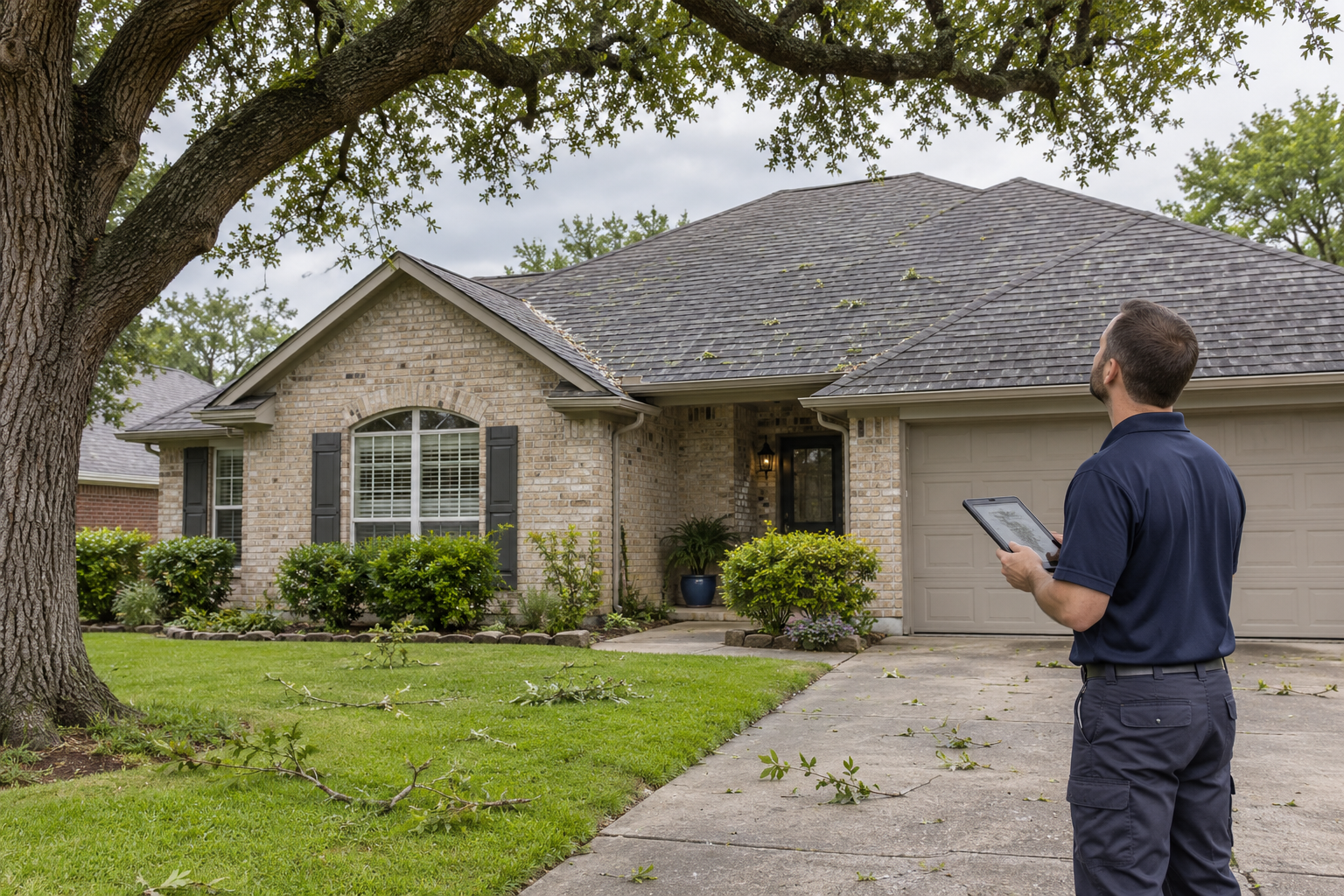
From a safe location, look for broken windows, fallen limbs, damaged exterior components, or active water entry. Keep clear of downed power lines and contact the appropriate authorities or utility service if you see them.
Leave rooftop access to a qualified professional. Ground-level photographs can document the property without requiring you to climb onto a wet or damaged surface. Tell the roofing contractor about any access or structural concern when booking.
If water is entering, ask about prompt temporary protection. Request a description of the work, its limitations, and the price before authorizing it. Keep photographs and receipts with your records.
What to have ready before the inspection
Begin with the information you already know. An approximate roof age, material, installation invoice, or earlier inspection can help the contractor understand the existing system.
Write down when you first noticed a leak or exterior change. Record whether symptoms occur during every rain, only during wind-driven rain, or after water has been present for a while. If a previous repair helped temporarily, include the date and location.
Identify all structures you want assessed. A detached garage, patio cover, addition, or outbuilding may need to be included expressly in the appointment. Describe any roof-mounted equipment or difficult access.
Tell the company what documentation you need. An initial assessment and estimate may differ from a detailed standalone report prepared for another purpose. Ask what is included and when you will receive it.
How the appointment usually begins
Expect the inspector to discuss your concern, roof history, and any temporary work before examining the property. This conversation helps direct attention to the areas that need answers.
A ground-level review can establish the building layout, access points, visible exterior conditions, and sections requiring closer observation. The inspector may photograph gutters, vents, screens, siding, or other exposed components.
If you reported a leak, ask whether interior or attic access would be useful. Show the room location and explain when water appeared. An accessible view beneath the roof may help the investigation, while inaccessible areas should be recorded as limitations.
Confirm the scope before the inspection proceeds. Ask which roof sections and exterior details are included and whether any area needs a separate visit or equipment.
What the roofer evaluates on an asphalt shingle roof
The contractor should review the condition of the covering and relevant details. Questions may involve surface changes, cracks, displaced material, damaged edges, previous repairs, flashing, and penetrations.
Ask the inspector to explain the observations that support a hail-related conclusion. The pattern, location, surrounding condition, and roof history can all matter. A visible mark needs interpretation in the context of the material and the rest of the roof.
Age, installation conditions, maintenance issues, debris contact, and earlier events may also affect the appearance. The report should explain which conditions are attributed to the reported event and where the cause remains uncertain.
The purpose is to define a useful construction recommendation. If an observed condition requires action, ask what function is affected and how the proposed work addresses it.
Flashing, vents, and roof connections
A hail inspection should also consider roof interruptions and connections. Chimneys, skylights, pipe penetrations, valleys, and wall transitions can require attention independently of the field shingles.
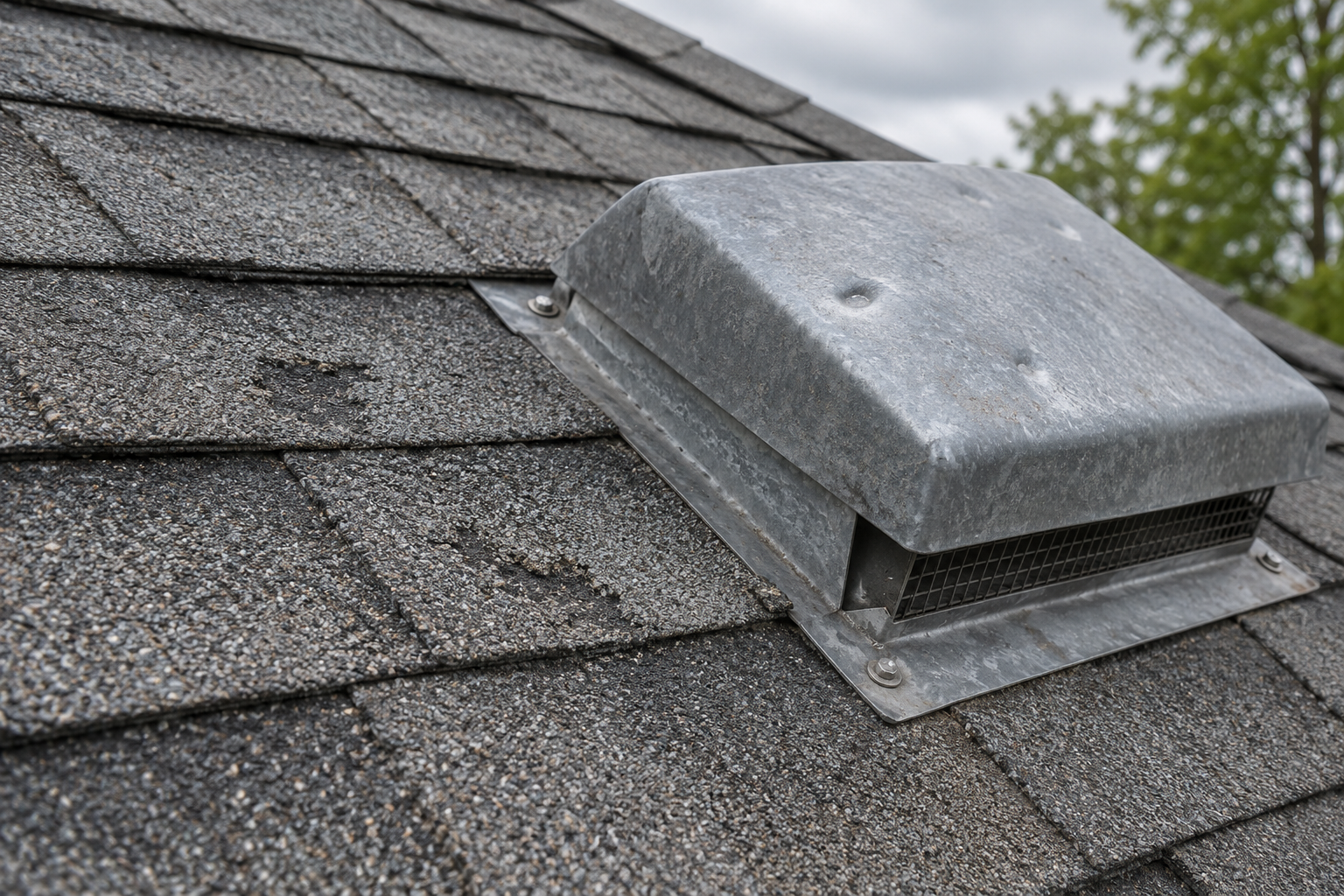
If the contractor identifies a concern at a vent, ask whether the issue involves the vent housing, its flashing, the surrounding covering, or more than one component. The estimate should define the work accordingly.
For a chimney or wall connection, clarify whether the correction includes roofing only or another trade’s work. Masonry, siding, and window conditions can create questions that need coordination.
Ask for photographs showing the detail and its location. Homeowners can review Showtime Exteriors’ residential roof repair services when discussing a focused concern and the boundaries of a potential correction.
How dents and other exterior marks fit the findings
Dents on soft metal components or damage to screens can help document exposure around the building. The inspector should consider those observations alongside the roof covering and the history of the affected items.
Ask which images document collateral components and which show roof concerns. A gutter photograph records the gutter’s condition. A separate explanation is needed to connect the roof recommendation to observations on the roof itself.
Location helps make the record understandable. If one elevation shows more indications of impact, ask what the inspector found on adjacent roof planes. Wider photographs and a roof diagram can provide that context.
Share older photographs if you have them. A prior inspection or service image can help establish whether a visible condition changed. Preserve original files where possible and identify the date and source.
What a drone can add to the inspection
Drone images can help document roof geometry and visible conditions in sections difficult to photograph from the ground. Ask whether aerial work is included and what question it will help answer.
A photograph can identify an area needing closer review while leaving other details unresolved. Ask the contractor to distinguish conclusions supported by imagery from questions requiring access, material assessment, or other investigation.
Close-up images should be linked to a location. An overview, diagram, or consistent photograph naming system makes it easier to understand how the report fits together.
If slope, material fragility, equipment, or weather prevents access, ask for those limitations in writing. The next decision may involve a follow-up visit or another assessment method.
If the roof is dry inside
The absence of a ceiling stain gives you one observation about current interior conditions. Ask what the exterior findings establish and whether the contractor recommends repair, further evaluation, or a documented follow-up.
An inspector should explain the condition behind the recommendation. If hidden components may be involved, ask why that is suspected and what investigation could change the scope.
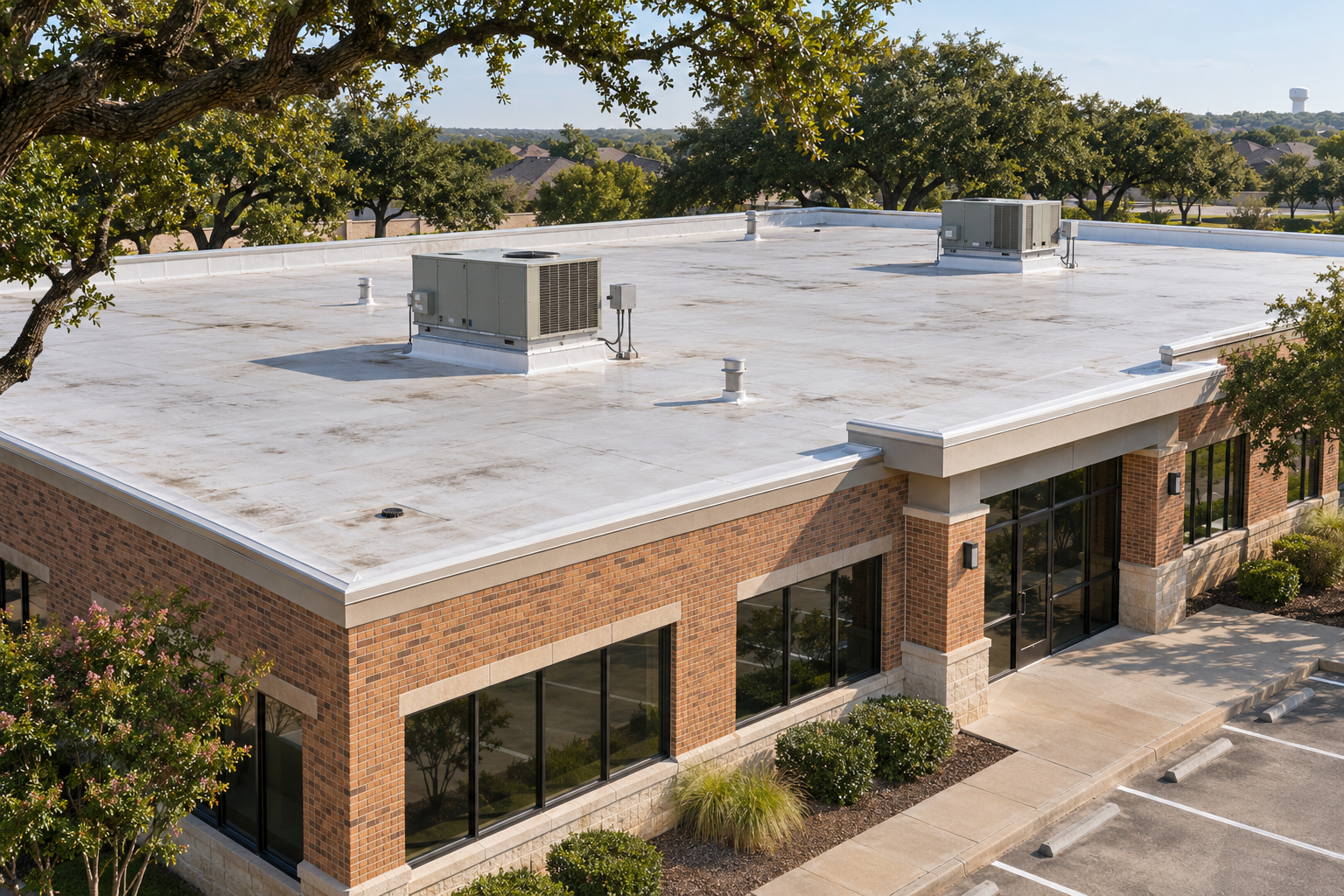
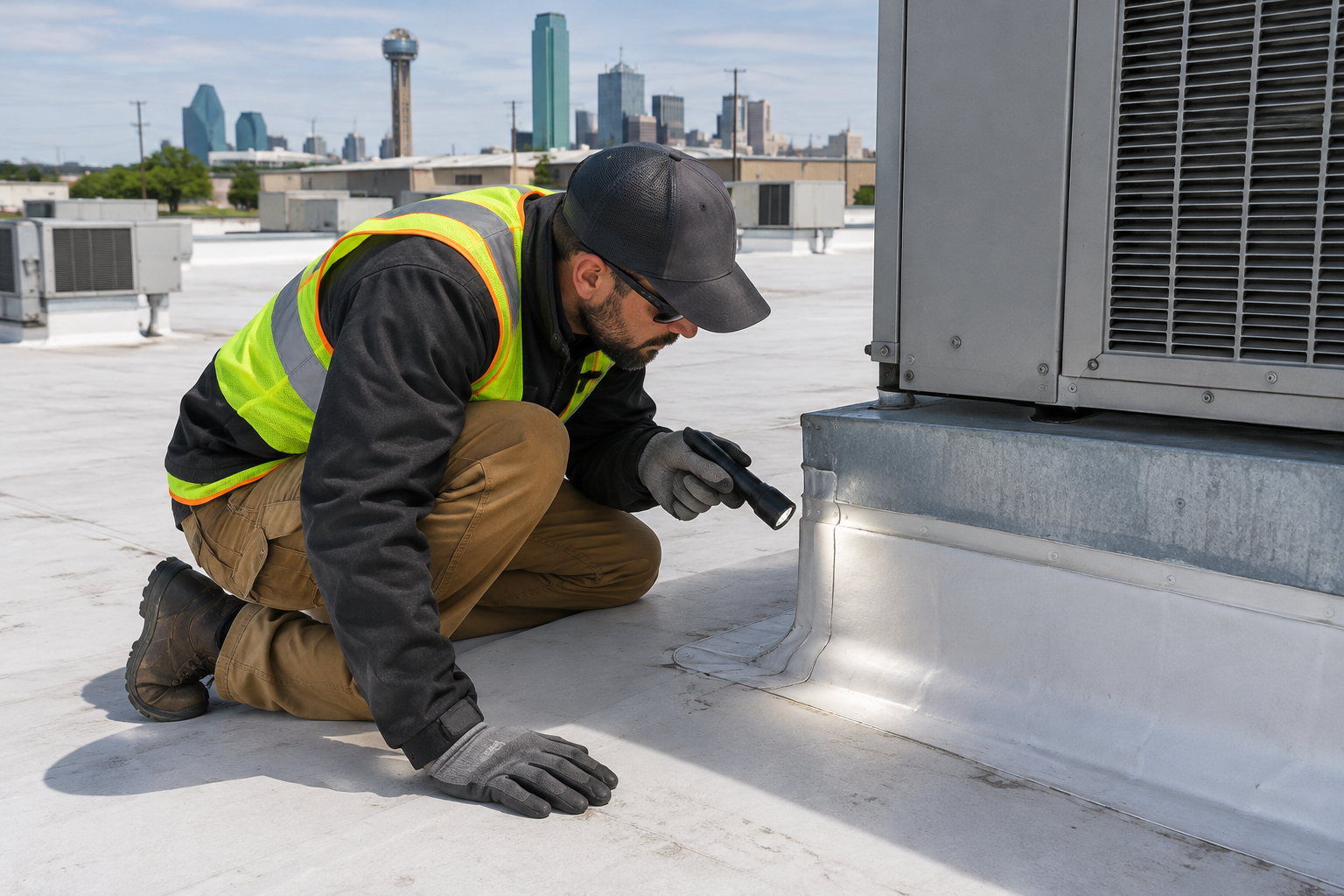
For commercial or low-slope roof sections, the assembly may involve membrane, insulation, cover board, and other concealed layers. Those properties need an assessment suited to the system. Showtime Exteriors discusses these considerations in its guide to hidden hail damage on Texas roofs.
Tell the roofer if the property includes a low-slope addition or another roof type. Different sections may require different methods and a separate explanation in the report.
What the inspection report should contain
Ask in advance whether you will receive a written summary, photographs, an estimate, or a more detailed report. The deliverables should match the service you are booking.
A useful summary identifies the property, inspection date, roof type, areas reviewed, observed conditions, limitations, and recommended action. Photographs should support the written findings and show where concerns are located.
Report itemWhat it helps you understandRoof overviewStructures and sections includedDated photographsConditions observed during the visitLocation referencesWhere each finding belongsCondition explanationWhy the observation mattersInspection limitationsQuestions requiring further access or reviewRecommended workAction supported by the findingsEstimate assumptionsIncluded work and potential changes
Keep the original photographs and the final version of the report. If you are preparing records for an insurer, review Showtime Exteriors’ roof claim evidence guide and ask which construction documents the contractor can provide.
How repair and replacement recommendations are developed
Ask the contractor to explain the extent, location, and condition behind the proposed work. A focused defect may support a localized repair when a reliable connection to surrounding materials can be made.
For a repair, request the affected area, materials, preparation, and limitations. Ask what remains outside the scope and whether additional work could become necessary after opening the area.
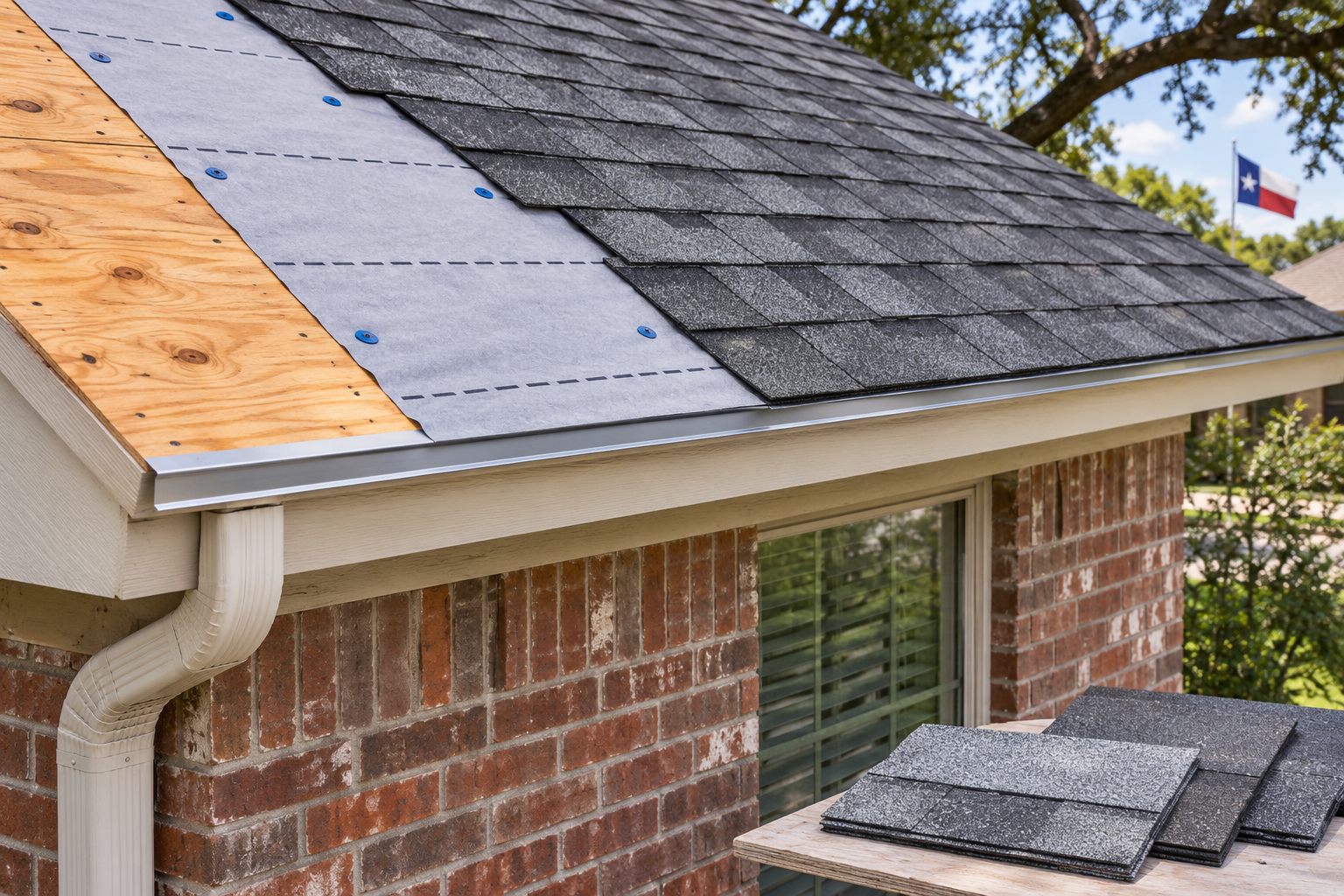
For replacement, ask which findings support the larger project. The proposal should address removal, deck assessment, flashing, underlayment, accessories, and any connected roof sections.
Owners of commercial systems can also consult Showtime Exteriors’ hail repair and replacement guide. Ask the inspector to explain the reasoning for your particular assembly.
How Arlington permit rules can affect resulting work
An inspection can lead to a repair or replacement proposal with local requirements to consider. Arlington’s roofing bulletin states that a permit is required to replace roof covering except when the replacement area is 10 percent or less of the roof area. It also addresses contractor registration and applicable construction requirements.
Have the contractor verify current requirements for your address and exact scope before work begins. Ask who obtains any required permit, pays fees, schedules inspections, and provides closeout records. City of Arlington roofing permit and inspection bulletin
If concealed damage changes the work, ask how the company will coordinate any additional approvals. Decking or structural concerns should have a defined evaluation and change process.
Keep the permit information with the accepted construction proposal. Inspection findings, construction authorization, and city approvals each contribute different information to the project record.
Using weather information responsibly
Keep the date and approximate time of the event you observed. If you saved a weather warning, local report, or photographs of hail, preserve the source information as well.
Separate observations at your house from reports elsewhere. A neighbor’s photograph can provide context, but it leaves questions about conditions at your address and how your roofing responded.
Ask the contractor how weather records relate to the physical observations. The report should explain any reliance on nearby information and identify uncertainty in the timeline.
Avoid assigning a precise cause or event date to a mark solely from a regional weather report. Property photographs, prior records, and professional assessment help build a more complete explanation.
Talking with your insurer after hail damage
If hail or wind damaged the home, contact your insurer promptly about the claim process and applicable deadlines. Have your observations and available records ready.
TDI recommends photographing damage, preventing further damage, retaining receipts, and keeping a record of insurance conversations. Ask how necessary temporary protection and permanent work should be coordinated with the insurer’s inspection. TDI guidance after hail or wind damage
The contractor’s report and adjuster’s documents may serve different purposes. Review them together and ask about any differences in roof sections, quantities, material descriptions, or proposed work.
Ask your insurer how your policy addresses roof valuation, depreciation, exclusions, and the wind and hail deductible. TDI explains that replacement cost and actual cash value coverage can produce different payments. TDI roof insurance guide
The contractor’s role in an insurance project
A roofing contractor can document physical conditions, measure the roof, prepare a construction estimate, and record completed work. Coverage and settlement questions belong with the insurer or an appropriately licensed professional.
Texas prohibits a contractor from acting as a public insurance adjuster on a claim while also providing contracting services on the property. It also prohibits offers to waive, rebate, or absorb a property insurance deductible. Texas roofing and insurance law guidance
Before signing, understand the construction price and your payment obligations. Ask what happens if coverage differs from expectations and request separate pricing for optional upgrades.
If additional work is found during construction, request photographs and an itemized change order. Keep a copy of information provided to the insurer about the added construction work.
Read inspection and repair paperwork carefully
Ask whether a document authorizes an inspection, temporary protection, a paid report, or a construction agreement. Read the terms and retain a complete copy.
TDI recommends written bids and careful review before signing. Its contractor guidance warns about blank agreements and documents described as inspection releases that contain contractual commitments. TDI advice on avoiding contracting scams
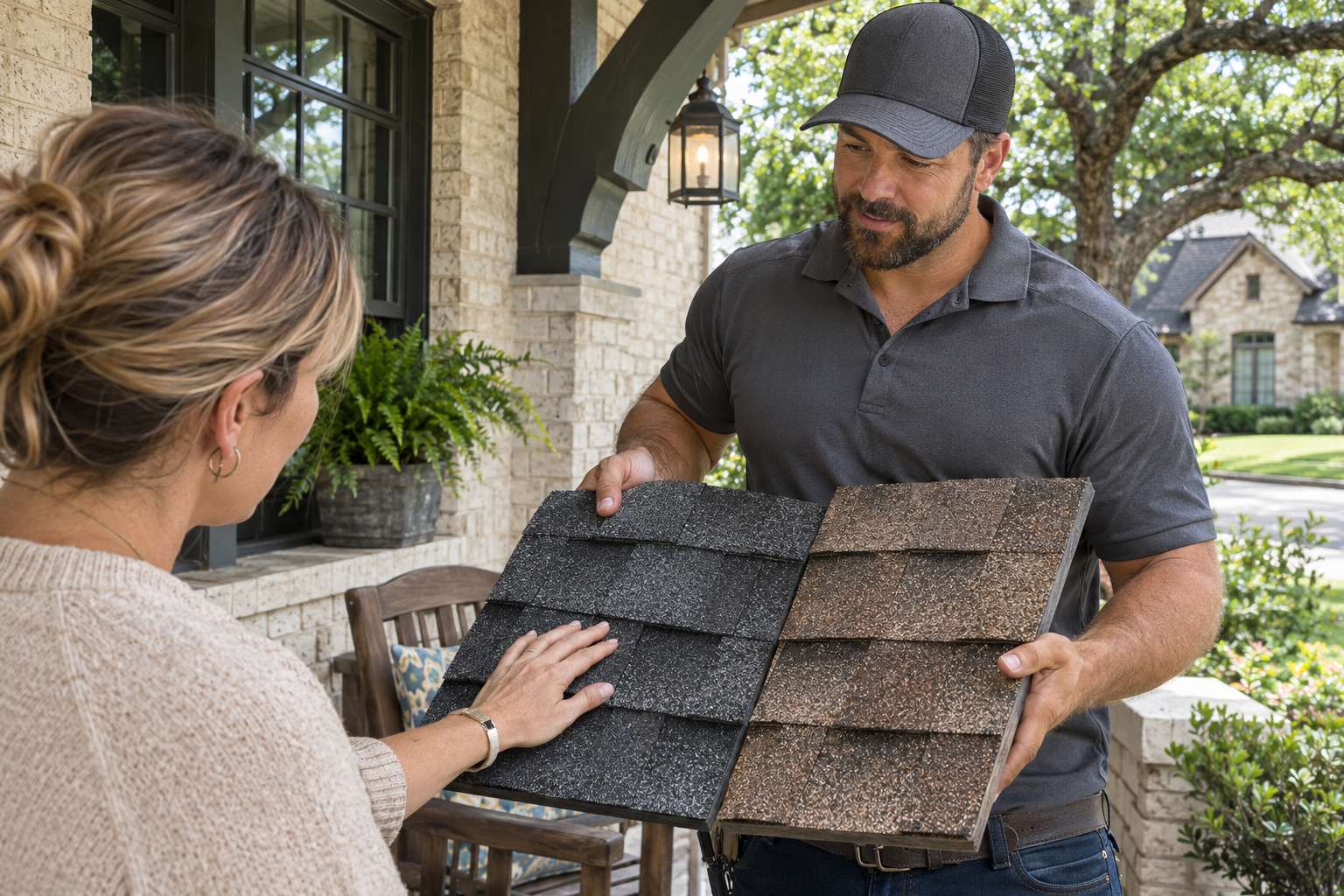
Compare the deliverables when choosing a company. One appointment may include a short assessment, while another provides extensive photographs and a detailed standalone report. Explain your intended use before booking.
If temporary work becomes necessary during the visit, ask for the scope, price, and follow-up plan. Keep that authorization with the inspection records so you can track both the condition and the work performed.
Questions to resolve before authorizing permanent repairs
Start with the exact area and product. Ask which components will be removed, which will remain, and how the repair will connect to the surrounding roof.
Discuss concealed conditions. Request the method for pricing added decking or other underlying work and agree on who can authorize a change.
Confirm access and property protection. Ask where equipment and debris will go, how the crew will communicate, and who supervises the project.
Read the workmanship terms and product warranty information. Ask what is covered, what remains outside the scope, and how service questions will be handled after completion.
If two inspectors reach different conclusions
Ask each inspector to identify the roof sections and observations behind the recommendation. The difference may involve the extent of the repair, assumptions about concealed materials, or the interpretation of a particular mark.
Compare photographs in context. A detailed image without a location can leave an important question unresolved. Ask for an overview that shows where it was taken.
Share relevant prior reports and records, then ask what additional information would help clarify the disagreement. A focused follow-up can be useful when an uncertain condition could materially change the scope.
Retain both reports and any later revision. A dated sequence shows what was observed, what became accessible, and how the recommendation developed.
Organize the follow-up so findings lead to action
After the inspection, create a short list of the decisions you need to make. Separate immediate protection, further investigation, permanent construction, and routine maintenance. Ask the contractor which items depend on another decision or additional information.
For example, a report might identify a damaged vent, an unrelated older flashing concern, and an inaccessible roof section. Those findings can lead to different next steps and schedules. Ask for each item’s location, proposed action, and estimated cost where available.
If further investigation is recommended, agree on its purpose before authorizing it. Find out what the method can establish, whether any material will be disturbed, and how the area will be restored. Ask how the result would affect the repair or replacement decision.
Keep one contact list for the roofer, insurer, property manager where applicable, and any connected trade. Record appointment dates and the latest version of each estimate. This helps avoid confusion when several people are reviewing the same property.
Build a useful photographic record
Preserve the original inspection images in addition to any annotated report. Ask for filenames or references that connect the close-ups to the roof overview. A diagram showing the front, rear, and side roof sections can make later conversations much easier.
Include the date and location for photographs you take yourself from a safe position. If a ceiling stain changes after rain, document the change and note the conditions. Avoid handling roof materials to create a closer photograph.
When temporary protection is installed, request images of the condition before and after the work when safe and practical. At permanent completion, ask for photographs showing the repaired detail and its surrounding area.
These records can help the next professional understand what changed over time. They can also make it easier to compare a later service question with the work originally authorized.
If you receive an updated report, keep the earlier version and label the final document clearly. Ask what changed and why. A concise revision note can explain newly accessible conditions or a corrected measurement without leaving you to infer the reason.
Give the same records to each contractor if you seek a second opinion. Consistent information helps the next assessment focus on the remaining questions and provides a clearer basis for comparing recommendations.
Common questions from Arlington homeowners
How long does the inspection take?
Timing depends on roof size, material, access, complexity, and the questions being investigated. Ask for an appointment window and explain whether interior or attic access may be needed.
Does a dented vent mean the whole roof needs replacing?
The vent’s condition needs to be assessed alongside the roof covering and surrounding details. Ask what findings support the recommended scope.
Can a contractor inspect a roof from photos alone?
Photos can help with an initial conversation and documentation. Ask which conclusions require measurements, access, or further evaluation before a permanent scope can be defined.
Should I include my detached garage?
Tell the company which structures you want reviewed when booking. Confirm the included areas before the appointment so the report and estimate reflect your request.
What if there is active water entry?
Ask about prompt temporary protection and document the work when safe. Retain receipts and coordinate the next steps with your insurer when a claim is involved.
What should I keep after repairs?
Save the report, original photographs, accepted proposal, approved changes, invoices, product details, warranty documents, and applicable permit records.
Schedule a hail damage roof inspection in Arlington
A useful inspection turns uncertainty after a storm into documented findings and a practical decision. You should understand what was reviewed, what remains uncertain, and why the next step is appropriate.
Showtime Exteriors can discuss your Arlington property and assess the roof’s condition. Call 817-400-7663 or request a free roof inspection. Share the storm date, any leak symptoms, and the roof history you have available.