



Roof Depreciation: A Step-by-Step Guide for Texas Property Owners
How age, condition, roof systems, ACV, RCV, recoverable depreciation, deductibles, documentation, and policy terms can affect a commercial roof claim
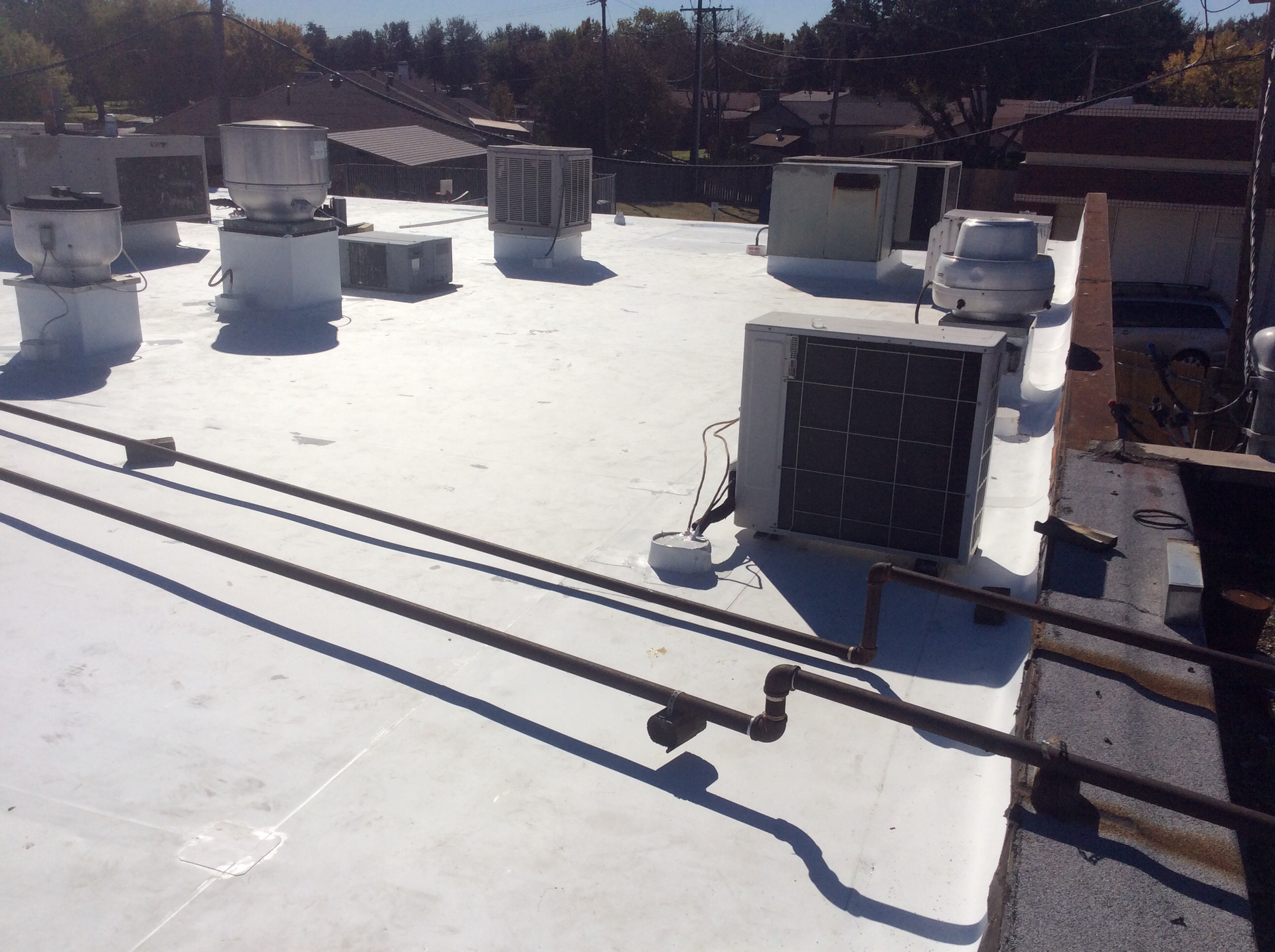
Quick answer: Roof depreciation is the reduction an insurer may apply to the replacement cost of damaged roofing based on factors allowed by the policy and applicable law, often including age, condition, expected service life, materials, and wear. Under actual cash value (ACV), depreciation may reduce the settlement. Under qualifying replacement cost value (RCV) coverage, some depreciation may be withheld initially and later recovered after covered work is completed and documented on time. The exact calculation, recoverability, deductible, covered cause of loss, limits, endorsements, and deadlines depend on the issued policy and claim facts.
Depreciation is not a contractor discount and should not be confused with the deductible. The deductible is the owner’s contractual share of a covered loss. Depreciation is a valuation adjustment. A policy may initially pay an ACV amount, withhold recoverable depreciation, and release additional funds only after qualifying repairs are completed and documented within the required time. Commercial policies vary substantially, so this is an educational process guide—not insurance, legal, adjusting, engineering, or coverage advice.
RCV versus ACV: understand the starting point
Replacement cost and actual cash value are valuation methods, not causes of loss. RCV generally does not subtract depreciation from the covered repair or replacement cost, while ACV commonly reflects replacement cost less depreciation. Both remain subject to the deductible, policy limit, covered cause of loss, exclusions, conditions, and the amount required to repair or replace. A building can carry replacement cost coverage and still have a roof endorsement that settles roof surfacing differently.
Texas Department of Insurance consumer guidance explains the basic distinction: replacement cost coverage pays based on current repair or replacement prices, while actual cash value subtracts depreciation related to age and wear. Commercial owners should use that principle only as an introduction. Their controlling contract is the issued commercial policy, including declarations, schedules, endorsements, exclusions, and state-specific forms.
The most important habit is to stop asking only, “Is this an RCV policy?” Ask, “Show me every form that changes how this roof is valued and paid after wind, hail, fire, water entry, collapse, or another covered event.”
Roof depreciation in plain language
Start with replacement cost: the estimated cost to repair or replace covered damaged property with materials of like kind and quality at current prices, subject to the policy. Depreciation may then be applied to reflect age, condition, wear, and other factors recognized by the policy or valuation method. The result is often called actual cash value. A simplified expression is replacement cost minus depreciation equals ACV, but real claim calculations can also include line-item quantities, tax, overhead, policy limits, code coverage, deductibles, exclusions, and prior payments.
A roof estimate contains components rather than one universal roof-life number. Membrane, insulation, cover board, edge metal, flashings, gutters, coatings, fasteners, labor, and accessories may be treated separately. A single depreciation total can hide assumptions applied across many line items. Texas owners should request the detailed estimate and depreciation worksheet rather than relying on the net payment alone.
Showtime Exteriors can identify roof systems, document physical conditions, measure quantities, explain construction requirements, and provide a roofing scope. The insurer controls its valuation and coverage position. A licensed public adjuster, insurance agent, or attorney may have a different role. Keeping those responsibilities separate prevents a roof report from being mistaken for a coverage promise.
Step-by-step roof depreciation process
Step 1: Find the policy that applied on the loss date
Obtain the complete policy, declarations, building schedule, forms list, and endorsements. Locate the building valuation provision, roof-surface forms, wind and hail deductible, cosmetic-damage language, limits, coinsurance, ordinance-or-law coverage, and claim conditions. Confirm whether the roof is RCV, ACV, scheduled value, functional replacement cost, or subject to an age-based payment schedule.
A policy can broadly advertise replacement cost while an endorsement changes roof surfacing to ACV. Ask a licensed insurance professional to identify every controlling form and explain the result in writing.
Step 2: Confirm the covered cause of loss
Depreciation matters only after covered damage is established. Record the reported event date, weather, leak history, emergency work, affected areas, interior conditions, maintenance, and observed changes. Preserve original photographs and invoices.
Weather data alone does not prove damage to a specific roof. Wear, deterioration, faulty work, and long-term leakage may be treated differently from sudden wind, hail, fire, or another event. A contractor should document conditions without promising coverage.
Step 3: Identify the actual roof assembly
Map each roof area and identify TPO, PVC, EPDM, modified bitumen, metal, coating, spray foam, built-up roofing, or a recover system. Document surfacing, apparent attachment, insulation, cover board, deck where verified, flashings, drainage, penetrations, previous repairs, and layers.
An incorrect system description can distort age and depreciation assumptions. A coating date is not necessarily the membrane installation date, and a metal retrofit can contain retained components of different ages.
Step 4: Establish age using records
Collect contracts, paid invoices, warranties, permits, manufacturer records, prior reports, roof plans, and dated photographs. Separate original construction, additions, partial replacements, coatings, overlays, and repairs.
If the age is unknown, state that directly. Ask what date the insurer used and what evidence could support a correction. Do not convert an appearance-based estimate into a verified installation date.
Step 5: Document pre-loss condition and maintenance
Organize inspections, leak logs, drain cleaning, repair tickets, warranties, equipment changes, and photographs. These records can help distinguish prior conditions from event-related changes, although they do not guarantee coverage or eliminate depreciation.
Record open seams, ponding, corrosion, punctures, coating loss, loose fasteners, temporary patches, and other problems accurately. A credible file includes unfavorable facts as well as completed maintenance.
Step 6: Treat gravel-surfaced BUR as difficult to verify
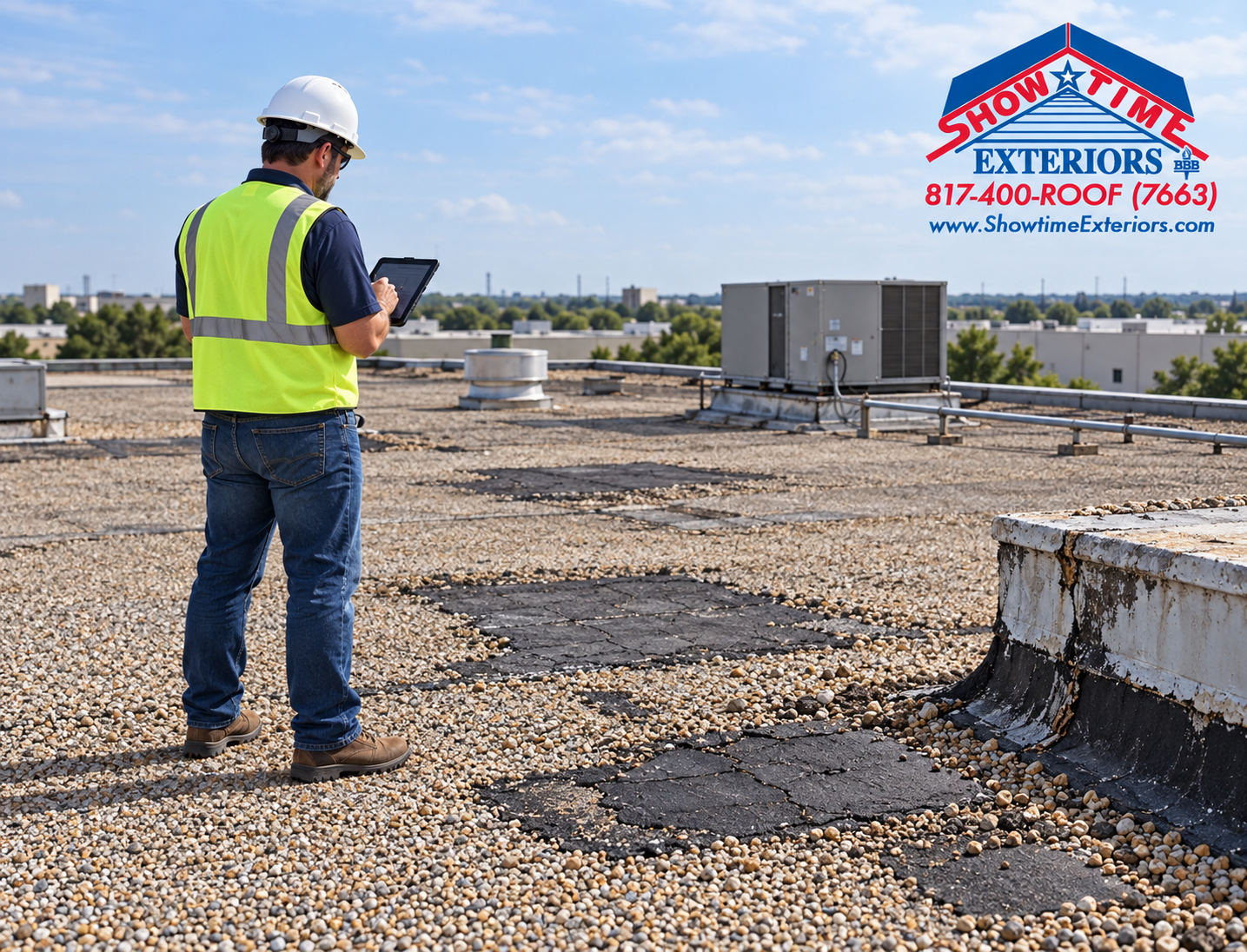
Aging gravel-covered built-up roofs require caution because aggregate can conceal the membrane, flood coat, splits, blisters, deterioration, moisture, and repairs. The visible gravel does not establish that the waterproofing below is sound. This uncertainty can affect inspection, underwriting, valuation, and replacement planning.
Map gravel distribution, drainage, visible defects, leak history, repairs, moisture findings, and authorized test locations. Showtime Exteriors should not present aging gravel as a benefit. The campaign position is to expose the concealed risk and develop a more inspectable, maintainable replacement path when justified.
Step 7: Obtain a location-mapped inspection report
The report should state the property, date, inspector, weather, scope, limitations, system, age evidence, roof areas, interior observations, findings, photographs, maintenance, and recommendations. Connect each finding to a roof plan.
A folder of unlabeled images does not establish location or extent. Separate directly observed facts, owner-reported information, interpretation, and concealed unknowns.
Step 8: Compare replacement-cost estimates line by line
Review dimensions, membrane, insulation, cover board, attachment, tear-off, disposal, deck, edges, flashings, penetrations, drains, access, equipment, permits, code, tax, and warranty requirements. Compare the insurer estimate with the construction proposal.
The documents serve different purposes. A difference does not automatically establish bad faith or contractor error. Identify missing quantities or scope requirements and support them with photographs, measurements, manufacturer information, code input, or testing as appropriate.
Step 9: Request the depreciation worksheet
Ask for depreciation by line item, the age used, expected-life or valuation basis, condition factor, percentage, dollar amount, and whether each amount is recoverable. Confirm how labor, material, tax, overhead, and profit were handled.
Review inconsistent ages, incorrect roof classifications, duplicated depreciation, and line items marked nonrecoverable. Direct policy interpretation questions to the appropriate licensed professional.
Step 10: Separate depreciation from the deductible
The deductible is the owner’s contractual participation in a covered loss. Depreciation is a valuation adjustment or an amount withheld pending eligible replacement. They are separate even when both reduce the initial payment.
For percentage wind or hail deductibles, request a dollar example using the scheduled building value. Confirm whether the deductible applies per building, location, occurrence, or another unit.
Step 11: Determine what can be recovered
Under qualifying RCV provisions, some depreciation may become payable after covered repair or replacement. Other amounts can remain nonrecoverable because the roof is ACV, an endorsement limits payment, work is incomplete, spending is lower, a deadline passes, or an item is not covered.
Ask for a written breakdown of recoverable and nonrecoverable depreciation and the supporting policy provision. Do not assume that every withheld dollar will be released.
Step 12: Build a documented construction scope
Use the inspection, testing, manufacturer requirements, code, and operations to define the work. Address wet insulation, deck, attachment, drainage, perimeters, penetrations, equipment, temporary protection, access, permits, and closeout documents.
Separate covered repair, code-required work, elective upgrades, maintenance, and unrelated capital improvements. This makes contracts, invoices, supplements, and depreciation requests easier to reconcile.
Step 13: Calendar every deadline
Track notice, proof of loss, inspections, estimates, supplements, repairs, replacement, depreciation recovery, and dispute deadlines. Commercial work may require design, testing, permits, procurement, tenant coordination, lender review, and safe weather.
Ask who can grant an extension and obtain it in writing. Do not rely on an informal statement when the policy or claim letter identifies a date.
Step 14: Preserve construction evidence
Keep the signed contract, scope, material invoices, delivery tickets, daily logs, change orders, progress photographs, tests, permits, inspections, proof of payment, lien releases, warranties, and final roof plan. Photograph concealed deck or moisture discoveries before covering them.
The file should show what was completed, where, when, with which materials, and for what price. A generic completion statement may not support all withheld line items.
Step 15: Submit and reconcile the depreciation request
Follow the insurer’s stated process and submit the final invoice, itemized scope, completion photographs, permits, proof of payment, and other required records on time. Retain a complete copy and request a revised payment statement.
Compare the released amount with the depreciation worksheet. Ask for written reasons for any remaining difference, including actual spending, incomplete work, excluded items, limits, deductible, prior payments, or missing documentation.
Step 16: Maintain the new roof record
Store assembly information, warranty, permits, invoices, final photographs, roof plan, inspection records, and maintenance requirements. Document storms, drain cleaning, repairs, rooftop traffic, and equipment work.
A strong file cannot control future insurance decisions, but it can establish age and condition and reduce avoidable uncertainty at renewal, financing, sale, or the next loss.
Questions that can change a roof depreciation calculation
1. Is the building—and the roof specifically—valued at RCV?
Confirm that replacement cost applies to the building and not merely to selected property. Ask whether roof membrane, insulation, cover board, deck, edge metal, flashings, gutters, rooftop equipment, solar components, coatings, and interior damage are included in the same valuation provision. The declarations page may use a broad label while an endorsement changes roof settlement.
Request the declarations, building schedule, valuation clause, roof endorsement, and every form referenced by number. Ask the agent to identify any component paid at ACV, stated amount, functional replacement cost, market value, or another basis. Keep the written explanation with the policy file.
2. Does a roof-surface endorsement override RCV?
Some policies use endorsements that change payment for roof surfacing based on age, condition, material, or cause of loss. A building may otherwise have replacement cost coverage while the roof membrane or surfacing is settled at ACV. Do not assume the headline policy type controls every component.
Ask whether there is a cosmetic-damage limitation, roof-surface payment schedule, age-based depreciation schedule, metal-roof appearance exclusion, hail limitation, windstorm limitation, or endorsement that applies only to roof coverings. Ask for the actual form, not only a verbal summary.
3. Which causes of loss are covered?
RCV affects valuation only after a covered cause of loss is established. Ask whether the policy is written on special, broad, named-peril, or another form and review exclusions and limitations for wind, hail, flood, surface water, wear and tear, deterioration, faulty installation, repeated leakage, neglect, collapse, equipment breakdown, and ordinance enforcement.
Ask how concurrent causes, resulting damage, water entering through openings, and deterioration discovered during storm repair are treated. A roofing contractor can document physical conditions; the insurer interprets coverage. Avoid asking the contractor to promise that a condition is covered.
4. What deductible applies to wind and hail?
Commercial policies may apply a flat deductible, percentage deductible, per-building deductible, per-location deductible, or separate wind and hail deductible. A percentage may be calculated from the insured value rather than the repair estimate, creating a much larger owner contribution than expected.
Ask for a dollar example using the scheduled value of each building. Confirm whether multiple roof areas, buildings, or occurrences trigger separate deductibles and whether named-storm, windstorm, hail, flood, or equipment-breakdown deductibles differ.
5. How is depreciation calculated and released?
Many replacement cost claims begin with an ACV payment. The insurer may withhold depreciation and treat it as recoverable after covered repairs or replacement are completed. The method, eligible amount, proof required, and deadline can materially affect cash flow.
Ask which roof components are depreciated, what age and useful-life assumptions are used, whether labor is depreciated where permitted, when supplemental amounts are considered, and exactly what documents trigger release. Request a sample claim-payment timeline.
6. How long do I have to complete the work?
Policies, endorsements, statutes, claim letters, and extensions may establish deadlines to provide notice, submit proof of loss, repair or replace, recover depreciation, file supplemental documentation, or bring a dispute. A large commercial roof project may need testing, design, permits, procurement, tenant coordination, and weather windows.
Ask for every applicable deadline in writing and who can grant an extension. Do not wait until the end of the period to investigate the roof. If a deadline is unclear or disputed, consult the appropriate licensed professional or attorney.
7. Must I spend the full replacement cost?
Replacement cost provisions often tie additional payment to the amount actually and necessarily spent on qualifying repair or replacement. If the owner changes systems, improves insulation, relocates equipment, completes only part of the work, or chooses a lower-cost method, the settlement may differ from the estimate.
Ask how like kind and quality is defined, whether a different roof system is permitted, how betterments are treated, and whether payment is limited to the least costly compliant repair. Confirm how invoices, contracts, proof of payment, permits, and completion photographs will be evaluated.
8. Are code upgrades covered?
Replacing a commercial roof can trigger current code requirements for insulation, attachment, drainage, edge securement, fire classification, ventilation, access, or structural work. Standard replacement cost coverage may not pay all increased costs caused by enforcement of an ordinance or law.
Ask about ordinance-or-law coverage limits for demolition, increased construction cost, and undamaged portions. Confirm whether the limit is a percentage or dollar amount and whether roof-specific code upgrades fall within it. Have the project team separate damage repair from code-required changes.
9. Are matching and undamaged areas addressed?
A covered loss may damage only part of a membrane, metal system, coating, elevation, or roof area. Existing products may be discontinued, weathered, incompatible, or impossible to tie into without broader work. Policies vary on whether and when undamaged material is included.
Ask how the policy handles reasonable uniform appearance, discontinued products, incompatible assemblies, manufacturer requirements, tie-in zones, warranty impact, and undamaged roof sections. Do not rely on a general statement that the policy “matches.”
10. What are the policy limits and coinsurance requirements?
RCV cannot exceed applicable limits, sublimits, or the amount payable under the policy. Commercial property policies may also contain coinsurance provisions that penalize underinsurance when the insured value is below the required percentage of replacement value.
Ask how the building value was developed, when it was last updated, whether inflation guard or agreed value applies, and how additions or renovations are reported. Compare the scheduled value with a current replacement-cost estimate that includes roofing, insulation, deck, equipment coordination, code, demolition, and professional fees as appropriate.
11. Is there a margin clause, blanket limit, or per-location cap?
Portfolio policies may use blanket limits, scheduled limits, margin clauses, catastrophe caps, or occurrence limits that change the amount available to one building. A broad portfolio number can create false confidence if a location-specific restriction applies.
Ask the broker to demonstrate the maximum payable for the specific building and roof under a realistic loss scenario. Confirm whether debris removal, pollutant cleanup, emergency work, code upgrades, professional fees, and business-income losses reduce or sit outside the building limit.
12. How are emergency repairs handled?
After a storm or active leak, the owner generally needs to protect the building from further damage while preserving evidence. Emergency dry-in, water extraction, temporary membrane, tarping, interior protection, and equipment work can be necessary before the final scope is agreed.
Ask what notice and authorization are required, which emergency costs are covered, what documentation must be retained, and whether there are preferred vendors. Photograph conditions before and after temporary work when safe, record labor and materials, and label temporary repairs for permanent correction.
13. What documentation is required before and after a loss?
A strong roof file can reduce uncertainty. It should include installation records, roof plans, warranties, inspections, maintenance, repairs, invoices, product data, permits, storm dates, leak logs, moisture findings, photographs, and equipment changes. The absence of records does not determine coverage by itself, but it can make age and condition harder to establish.
Ask for the carrier’s preferred proof-of-loss, estimate, photo, invoice, completion, and depreciation-release requirements. Confirm whether measurements, moisture testing, core cuts, engineer reports, tax documents, contracts, canceled checks, or lien releases may be requested.
14. Does the policy require inspections or maintenance?
Some policies, warranties, risk-control programs, and protective-safeguard endorsements impose inspection, maintenance, drainage, heat, alarm, or reporting duties. General wear, deterioration, and long-term leakage are commonly treated differently from sudden covered damage.
Ask whether the policy requires periodic roof inspections, documented maintenance, drain cleaning, repairs within a stated time, or notice of vacancy, renovation, impairment, or roof replacement. Build a calendar and permanent roof file rather than trying to reconstruct records after a loss.
15. How does roof age affect the policy?
As roofs age, insurers may alter eligibility, premium, deductible, inspection requirements, valuation, exclusions, or renewal terms. The threshold can vary by carrier, material, location, condition, loss history, and market. A policy can change at renewal even when the building has not changed.
Ask what roof age is recorded, what evidence supports it, and what will happen at the next age threshold. Confirm whether a coating date, recover date, or partial replacement changes the carrier’s recorded age. Review renewal forms for new endorsements rather than assuming last year’s terms continue.
16. How is an aging gravel-surfaced BUR treated?
Aging built-up roofs with gravel surfacing deserve direct questions because gravel can conceal the membrane, moisture, deterioration, and previous repairs. That inspection uncertainty may affect underwriting, valuation, inspection requirements, renewal, or the feasibility of documenting storm conditions. Do not frame gravel as a positive feature simply because it covers the surface.
Ask whether the carrier accepts the roof type, requires a professional inspection or moisture survey, limits payment, excludes the roof, applies ACV, or requires replacement by a stated date. Ask what evidence could satisfy underwriting, but remember that no inspection or contractor can guarantee acceptance.
17. Are cosmetic damage limitations included?
Metal panels, coatings, membranes, edge metal, gutters, and rooftop components may show visible storm effects without immediate loss of water-shedding function. A cosmetic-damage exclusion or limitation can affect payment even when replacement would otherwise be preferred for appearance or uniformity.
Ask how cosmetic damage is defined, which materials are affected, who determines whether function is impaired, and whether corrosion, coating fracture, seam distortion, or warranty concerns are considered functional. Review the endorsement language and not merely the label.
18. Are coatings, recover systems, and overlays treated differently?
A roof may consist of an older membrane beneath a coating, recover board, single-ply overlay, or metal retrofit. The insurer’s system description may not match the actual assembly, and age may be recorded from the oldest or newest layer depending on underwriting rules.
Provide records and ask how the complete assembly is classified, valued, and inspected. Confirm whether hidden wet insulation, multiple layers, deck condition, recover eligibility, and manufacturer requirements affect coverage or renewal. A surface photograph alone does not establish the concealed assembly.
19. What happens if only part of the roof is damaged?
Commercial buildings often contain multiple roof areas, additions, elevations, drainage zones, or construction dates. A claim may involve one area while other areas remain serviceable or contain unrelated deterioration. Repairability and tie-in conditions can become central.
Ask how the policy defines the damaged property, whether limits and deductibles apply by building or area, and how access, staging, warranty, code, and tie-in work are handled. Require the roof report and estimate to separate covered damage observations from maintenance and capital work.
20. Are debris removal and tear-off fully addressed?
Roof replacement can generate substantial cost for gravel removal, membrane and insulation tear-off, deck debris, dumpsters, cranes, street permits, environmental controls, and disposal. Some costs may fall within the building limit or a separate debris-removal provision.
Ask about limits, time requirements, hazardous-material exclusions, pollutants, landfill surcharges, and whether removal of undamaged layers needed to reach covered damage is included. Verify whether gravel loading and disposal assumptions match the actual roof.
21. What about water mitigation and interior damage?
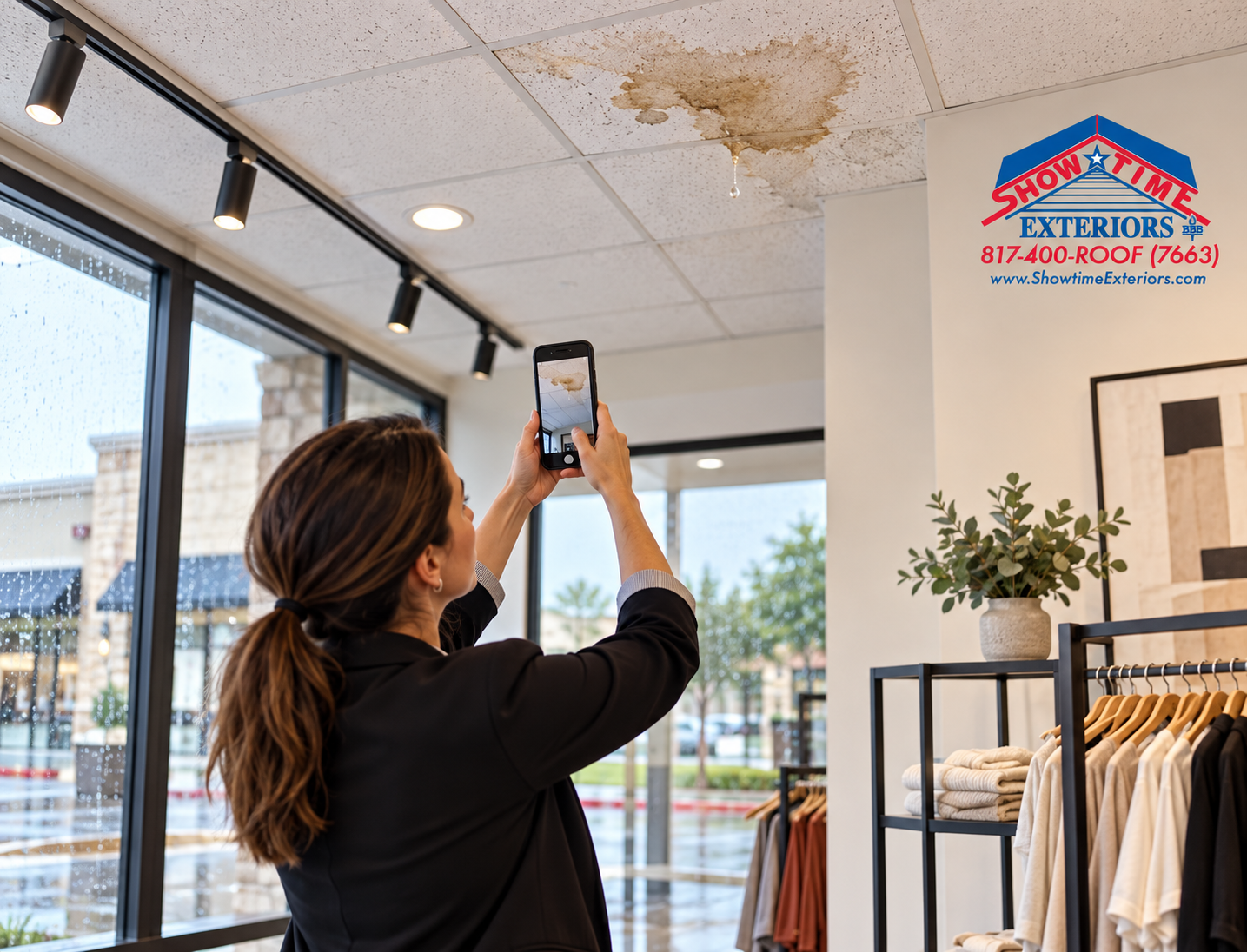
A roof opening can affect ceilings, walls, insulation, electrical systems, inventory, equipment, finishes, and operations. The roof settlement method does not automatically describe coverage for all resulting interior damage or mitigation expense.
Ask how emergency drying, testing, demolition, contents handling, mold limitations, electrical inspection, temporary climate control, and tenant spaces are addressed. Create separate location-mapped evidence for roof conditions and interior effects.
22. Does business-income coverage fit the roof risk?
Even a repairable roof loss can interrupt tenants, manufacturing, retail, medical services, storage, or access. Business-income and extra-expense coverage has its own limits, waiting periods, restoration period, definitions, and documentation requirements.
Ask how the period of restoration is determined, whether dependent properties or civil authority apply, and what records are required to establish loss. Review whether the limit reflects the time needed for investigation, design, materials, permitting, construction, and tenant restoration after a major Texas storm.
23. Who controls the repair scope and contractor selection?
Policies may describe the insurer’s right to inspect, repair, replace, appraise, or request estimates. Managed-repair or preferred-vendor programs may exist. Owners still need a technically sound scope that addresses moisture, deck, attachment, drainage, perimeters, penetrations, equipment, and occupied-building safety.
Ask whether contractor choice is restricted, whether competitive bids are required, how disagreements are handled, and who approves supplements. Keep insurance decisions separate from the contractor’s role in documenting roof conditions and pricing roofing work.
24. How are supplements and concealed conditions handled?
Initial estimates may not reveal wet insulation, deteriorated deck, extra layers, unsafe substrates, hidden fasteners, structural issues, or code requirements. The project needs a process for discovery, notification, measurement, photographs, unit prices, and authorization.
Ask what documentation and timing apply to supplements, whether work must pause, and who can approve changes. Include allowances or unit prices in the contract where appropriate, but do not assume the insurer will pay every construction change.
25. What changes at renewal?
Commercial policies are not static. The carrier may change forms, limits, values, deductibles, roof valuation, exclusions, inspections, or eligibility at renewal. A prior RCV claim does not guarantee future RCV terms.
Ask the broker to compare expiring and renewal policies form by form. Specifically request a list of changed roof, wind, hail, water, valuation, coinsurance, ordinance, cosmetic damage, and protective-safeguard provisions. Review early enough to obtain inspections or alternative quotes.
26. What information should be obtained in writing?
Important explanations should identify the policy form and endorsement, not merely summarize a sales conversation. Written answers create a clearer record for the owner, broker, risk manager, lender, and future staff, but they do not replace the policy language.
Request the complete policy, declarations, schedules, endorsements, forms list, deductible examples, valuation explanation, roof classification, inspection requirements, deadlines, and renewal changes. If an answer is material and unclear, consult a licensed insurance professional or attorney familiar with the policy and Texas law.
Documents to collect for a roof depreciation review
Complete quote and binder, not only a premium summary.
Declarations and building schedule for every insured location.
All policy forms and endorsements, including roof, wind, hail, cosmetic, valuation, coinsurance, ordinance, and protective-safeguard provisions.
A deductible example using the actual scheduled building value.
Written confirmation of roof system, installation year, condition, and valuation method recorded by underwriting.
Explanation of withheld depreciation and requirements for recovering it.
Claim notice, proof-of-loss, repair, supplement, and depreciation deadlines.
Current replacement-cost valuation and coinsurance calculation.
Inspection and maintenance requirements.
Renewal comparison identifying every changed form or endorsement.
A practical RCV claim example
Consider a simplified example in which a covered storm damages a commercial roof and the accepted replacement cost is $500,000. If the applicable deductible is $50,000 and the insurer calculates $150,000 of depreciation, the first payment may be based on the $350,000 ACV amount less the deductible, or $300,000. The remaining depreciation may be recoverable only after the owner completes qualifying work and submits the required documentation. This illustration is not a prediction of any claim; taxes, limits, coinsurance, code coverage, prior payments, excluded work, actual spending, and policy language can change the result.
The owner therefore needs more than the phrase “replacement cost.” The questions are whether the loss is covered, which estimate is accepted, which deductible applies, how depreciation was calculated, how much is recoverable, what must be repaired, how quickly the work must be completed, what proof is required, and whether the building limit and ordinance coverage are sufficient. A contractor’s proposal and the insurer’s coverage estimate may also contain different scopes. The owner should reconcile quantities and construction requirements without assuming every legitimate roofing cost is automatically insured.
Cash flow matters. Deposits, material procurement, engineering, permits, temporary protection, deck allowances, and progress billing may arise before recoverable depreciation is released. Owners should discuss the likely payment sequence with the broker, insurer, lender, and contractor before signing a contract. Financing or reserves may be needed even when the final covered settlement uses replacement cost valuation.
Frequently asked questions about roof depreciation
Does RCV mean the insurer pays for an entirely new roof?
Not automatically. RCV describes a valuation approach for covered damage, subject to the policy. The insurer may determine that repair rather than full replacement restores the covered property, or that only one roof area was damaged. Deductibles, limits, exclusions, code coverage, matching provisions, actual spending, and roof endorsements still matter.
Is recoverable depreciation guaranteed?
No. Depreciation may be recoverable only when the policy provides replacement cost treatment and the insured satisfies repair, replacement, documentation, and timing requirements. Some components or endorsements may be ACV only. Ask for the amount, conditions, and deadline in writing.
Can an old roof still receive RCV coverage?
Possibly, depending on the carrier, policy, roof material, condition, records, inspection, location, and market. Other carriers may require ACV, impose a payment schedule, exclude the roof, increase deductibles, demand repairs, or decline the risk. There is no universal age rule that guarantees an outcome.
Does a roof coating reset the roof age?
Not necessarily. A coating can be a maintenance or restoration component when installed over a suitable roof, but underwriting may record the underlying membrane age, coating date, or another classification. Provide the complete assembly records and ask the carrier how it will be treated.
Why does gravel BUR create extra concern?
Gravel can conceal much of the membrane, moisture, deterioration, and prior repairs. That limits what a surface inspection can verify and can complicate underwriting or loss documentation. A professional assessment, moisture testing, records, and representative authorized investigation may reduce uncertainty, but cannot guarantee RCV eligibility.
Does RCV cover poor maintenance or wear and tear?
RCV is not a maintenance contract. Wear, deterioration, faulty work, long-term leakage, and neglect may be excluded or limited, although resulting damage and other provisions depend on the policy. Maintain the roof and document work before a loss.
Can I choose a different roof system after a covered loss?
Sometimes, but payment may be limited to the covered cost of like kind and quality, and upgrades may be the owner’s responsibility unless code or other coverage applies. The replacement assembly must also satisfy code, manufacturer, deck, wind, drainage, fire, and building-operation requirements.
What if the insurer and contractor estimates differ?
Differences can arise from measurements, quantities, material specifications, damage scope, labor, access, insulation, deck, code, overhead, or excluded capital work. Ask both sides to identify the difference line by line. Follow the policy’s supplement and dispute procedures and obtain professional advice where appropriate.
Should I select the lowest deductible to get the best policy?
A lower deductible may reduce out-of-pocket cost after a covered loss but can increase premium. Policy breadth, roof endorsements, limits, coinsurance, code coverage, business income, insurer service, and financial strength also matter. Compare the total risk, not one number.
Can Showtime Exteriors tell me whether a policy is good?
Showtime Exteriors can explain the roof’s physical condition, likely roofing scope, system options, documentation needs, and construction considerations. A licensed insurance professional should compare coverage and an attorney should address legal interpretation. Keeping those roles separate produces more reliable decisions.
Roof depreciation review table
Review item
Question
Risk if unclear
Evidence to keep
Roof valuation
RCV or ACV after endorsements?
Unexpected depreciation
Forms, written explanation
Deductible
Flat or percentage; per building or occurrence?
Large owner contribution
Dollar example
Depreciation
How and when is it recovered?
Cash-flow gap or forfeiture
Claim timeline, invoices
Age and system
What does underwriting record?
Restriction or non-renewal
Warranties, permits, inspection
Gravel BUR
Accepted, limited, or replacement required?
Hidden condition and underwriting uncertainty
Photos, plan, moisture evidence
Code upgrades
What ordinance limits apply?
Unfunded required work
Code scope and endorsement
Deadlines
Notice, proof, repairs, depreciation?
Lost rights or payment delay
Written dates and extensions
Renewal
What forms changed?
Assuming expired terms continue
Side-by-side comparison
How Showtime Exteriors supports the roof side of the conversation
Showtime Exteriors helps Texas commercial property owners document roof type, apparent age, roof areas, visible condition, maintenance needs, leak locations, drainage, perimeters, penetrations, repairs, storm-related observations, and replacement or restoration options. The company evaluates TPO, PVC, EPDM, modified bitumen, metal, coatings, overlays, and aging built-up roofs.
The role is intentionally limited to roofing conditions and roofing work. Showtime Exteriors does not write insurance policies, interpret coverage, adjust claims, guarantee RCV payment, promise renewal, or determine whether a cause of loss is covered. Property owners should direct policy questions to licensed insurance professionals and legal questions to qualified counsel.
For aging gravel-surfaced BUR, the documentation should be particularly direct: gravel can conceal membrane condition, moisture, deterioration, and prior repairs. A professional assessment can reduce uncertainty, but it cannot make concealed conditions disappear or force an insurer to offer a particular policy.
Need the roof documented before an insurance renewal or capital decision? Call Showtime Exteriors at 817-400-ROOF (7663), or schedule a commercial roof assessment.
Helpful Showtime Exteriors resources
Commercial roof inspection for insurance renewal
Commercial roof maintenance records insurers may request
Why gravel can hide commercial roof damage
What to do when a commercial roof causes non-renewal
How roof age affects commercial property insurance
North Texas post-storm roof inspection
817-400-ROOF (7663) • showtimeexteriors.com
SHOWTIME EXTERIORS | TEXAS COMMERCIAL ROOFING
Independent insurance and technical resources
Texas Department of Insurance: replacement cost or actual cash value
Texas Department of Insurance: insurance and your roof
Texas Department of Insurance commercial resources
Insurance Information Institute: settlement amounts
National Roofing Contractors Association technical resources