



Roof Replacement Cost in Waxahachie, TX
Understand roof replacement cost in Waxahachie, TX, including roof size, materials, hidden repairs, permits, insurance, and comparing estimates.

Roof replacement cost in Waxahachie, TX depends on the roof's measured area, material, slope, condition, and installation scope. A homeowner looking for a useful starting point can review broad Texas pricing, then narrow the budget with a property-specific inspection and written estimate.
HomeAdvisor's Texas roof replacement cost guide reports that many homeowners spend between $6,000 and $20,000, while noting a wider range of possible costs. That statewide guidance is a starting reference, not a verified Waxahachie average or a quote from Showtime Exteriors. Large, complex, premium-material, or repair-intensive projects can fall outside it.
The most reliable budget comes from defining what the roof needs. This guide explains the major cost factors, provides clearly labeled calculation examples, and shows how to compare proposals. Showtime Exteriors offers residential roofing services for North Texas homeowners evaluating repairs and replacement.
Start With Roof Area Rather Than Living Space
A home's advertised square footage does not tell you its roof area. Roof slope, overhangs, garages, porches, additions, and the building footprint affect the measurement. A two-story home and a single-story home with similar living space may have very different roof sizes.
Roofers commonly use a roofing square to describe 100 square feet of roof area. A roof measuring 2,500 square feet contains 25 squares before the contractor accounts for purchasing quantities and waste. Ask whether the estimate's quantity describes measured area, ordered material, or another basis.
Roof geometry affects material usage. Valleys, hips, dormers, and short roof sections can require more cutting and detailing than a simple layout. The contractor should explain the measurement and allowance approach instead of presenting an unexplained square count.
Request a measurement summary with the proposal. It gives you a consistent starting point when comparing bids and helps clarify why a price based on house size alone may be inaccurate.
Use Price Calculations as Budget Scenarios
A calculation can help you understand a proposal without pretending to establish a local market rate. Multiply the measured roof area by a quoted installed rate, then review separately priced items, allowances, and exclusions.
The following figures are hypothetical arithmetic examples. The rates are selected only to illustrate the calculation. They are not current Waxahachie pricing, material-specific averages, or advertised offers.
Measured roof areaExample quoted rateCalculated base amount2,000 square feet$5 per square foot$10,0002,500 square feet$6 per square foot$15,0003,000 square feet$7 per square foot$21,000
A proposal might express the same calculation per roofing square. For example, $600 per square equals $6 per square foot. Compare the included work before comparing rates. An apparently lower rate may exclude removal, deck repairs, flashing, or other necessary items.
Material Selection Changes the Installed Budget
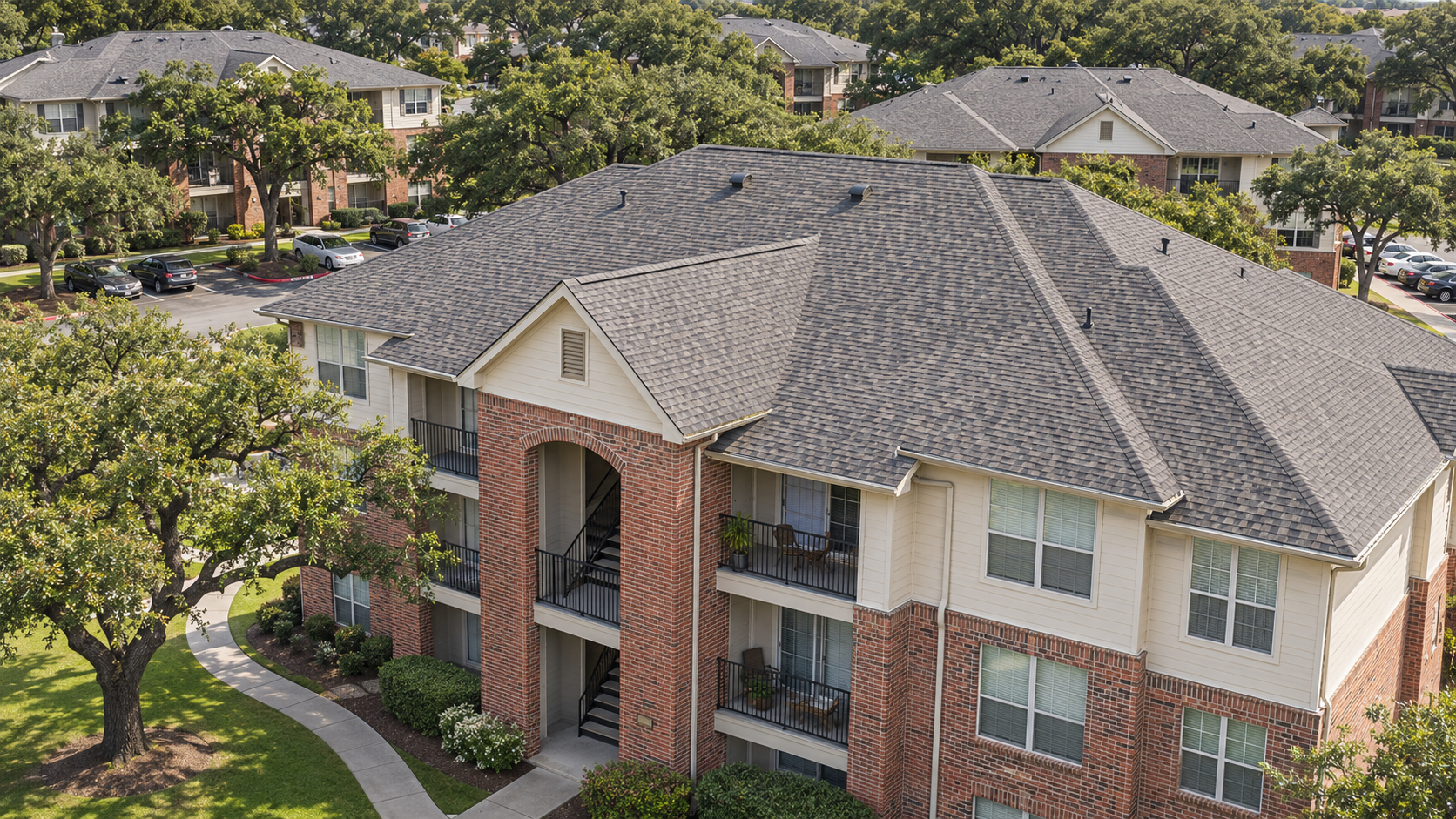
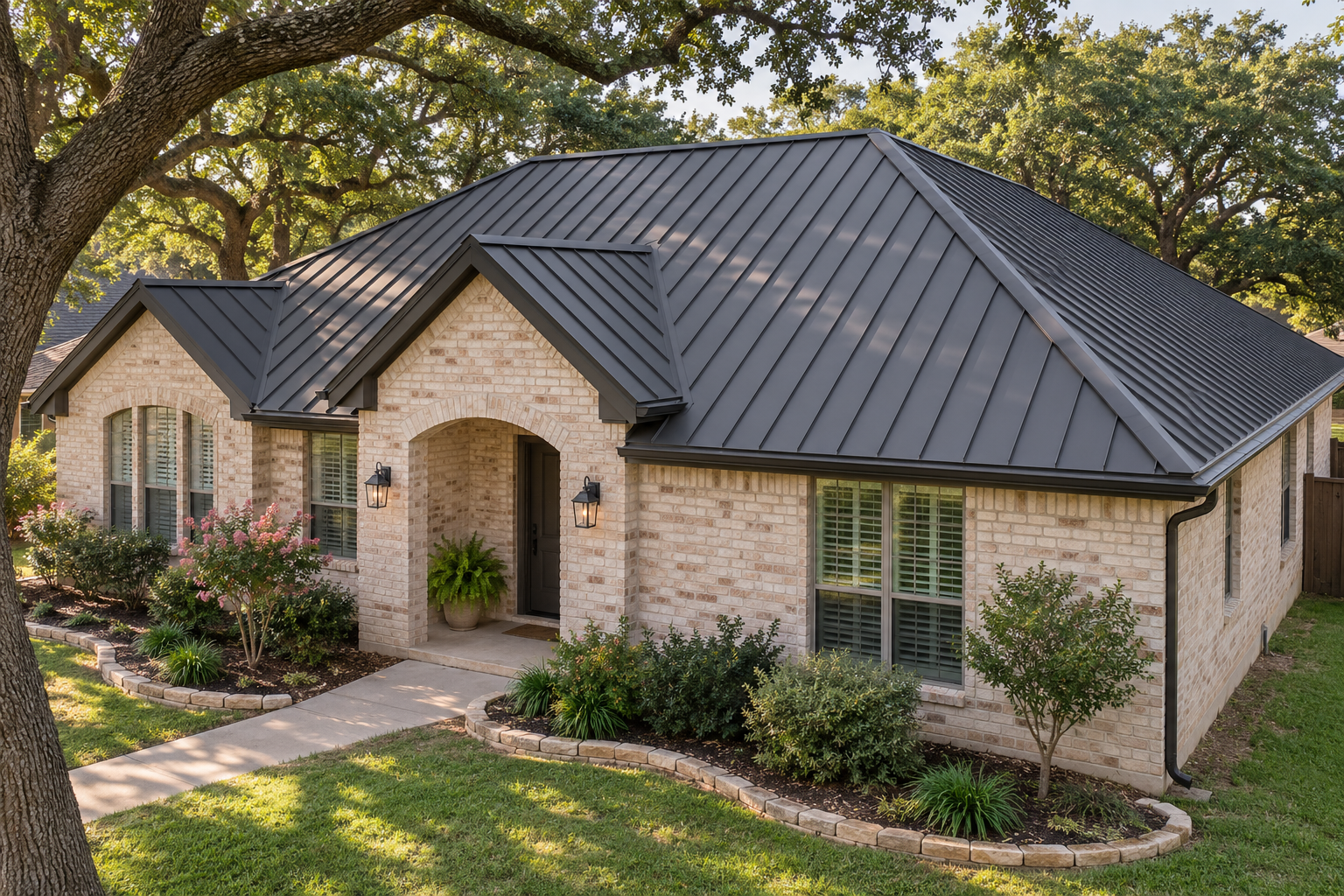
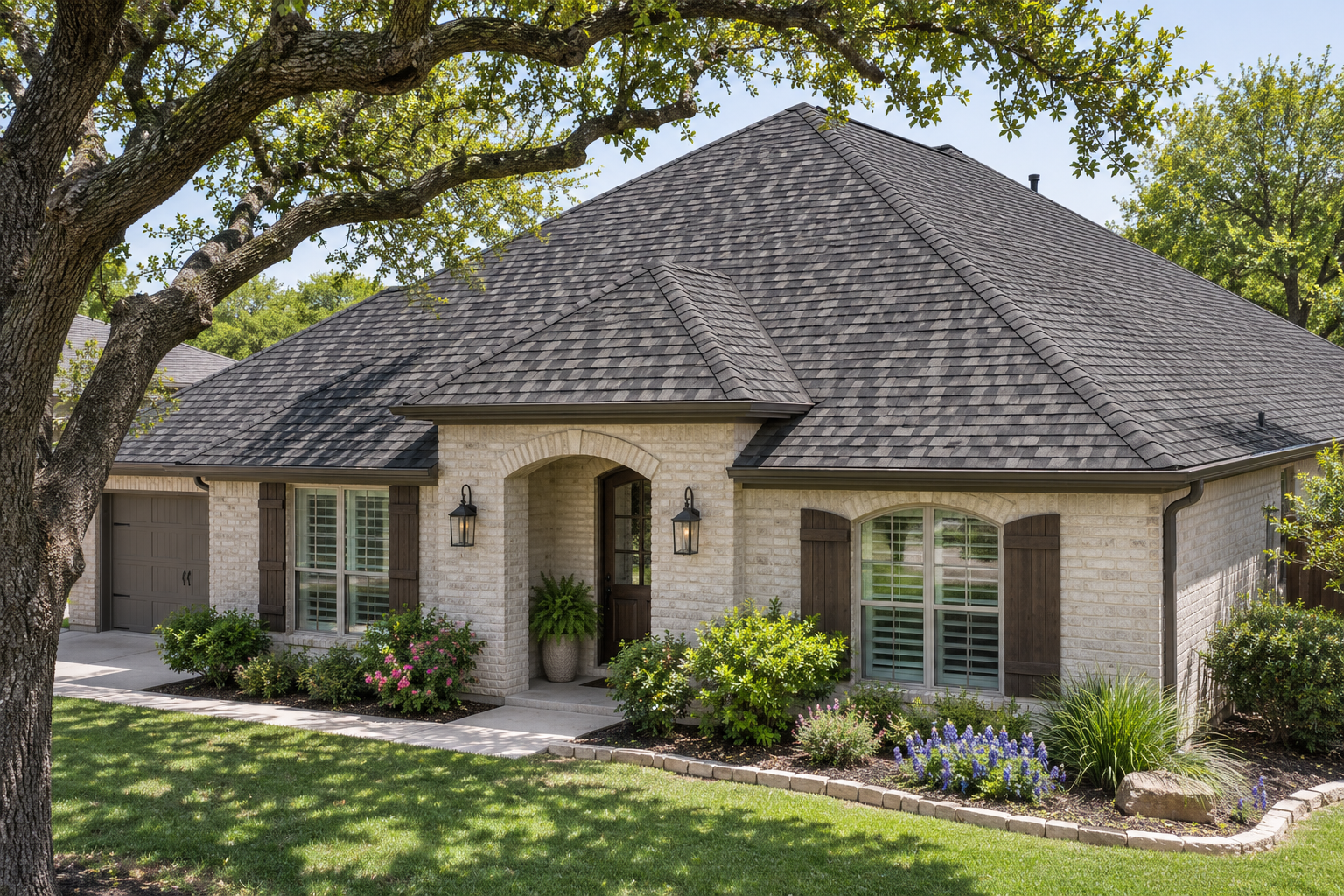
Architectural asphalt shingles are a common option to evaluate for eligible pitched residential roofs. Metal, tile, slate, and synthetic specialty products create different material, installation, accessory, and structural considerations. Their costs should be quoted for the actual property.
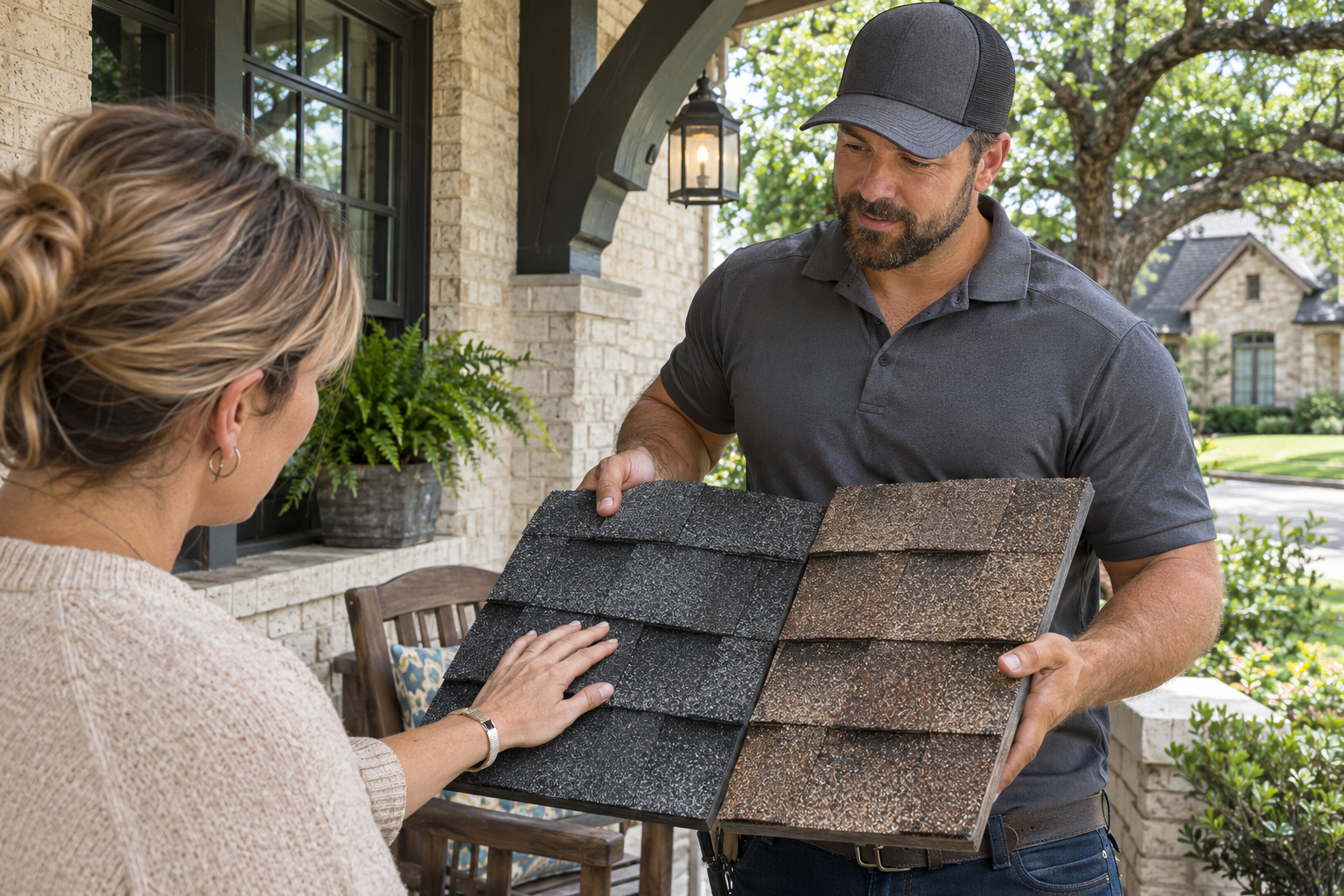
Choose samples in the context of the complete roof. Color and profile affect appearance, while underlayment, flashings, ventilation where applicable, attachment, and compatible accessories affect the assembly. A premium covering does not remove the need for careful detailing.
GAF's roof replacement cost overview identifies roof characteristics, location, and material selection as pricing factors. Use broad educational guidance to frame questions, then request a written scope for each material you are seriously considering.
If changing material, ask whether the proposal includes any necessary structural evaluation or design work. The cost of the covering alone cannot establish whether the conversion makes sense for the house or what the complete project will require.
Roof Slope, Height, and Complexity Affect Labor
A straightforward roof with convenient access presents a different installation task from a steep roof with numerous valleys and dormers. Height, roof layout, protection requirements, staging, and the movement of materials can all affect the estimate.
Two homes with the same measured roof area may therefore receive different prices. A contractor working around a tall entry, narrow side yard, covered patio, or delicate landscaping may need additional equipment and planning. Those conditions should be reflected in the proposal.
Ask how complex details are included. Chimneys, roof-to-wall intersections, skylights, and multiple roof levels can require more work than an open roof field. An estimate that names only the shingle quantity may leave these important connections unclear.
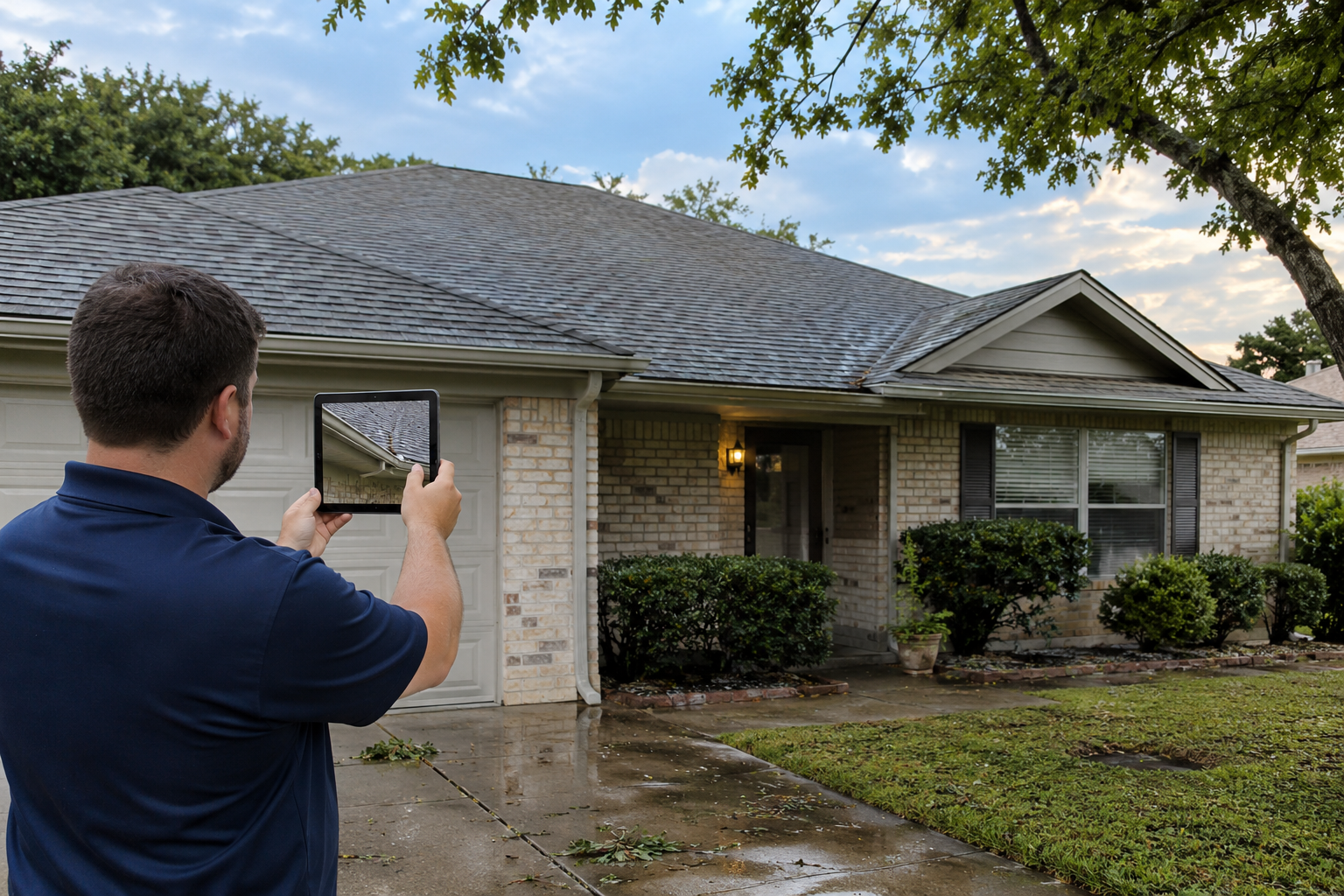
Photographs and a roof plan help explain the scope. They also give the homeowner a way to understand why an estimate differs from a neighbor's project, even when the homes look similar from the street.
Tear-Off and Disposal Need a Defined Scope
The proposal should explain which existing materials will be removed and how disposal is handled. The number of existing layers, their condition, and access for removal can affect the work. Confirm the contractor's findings rather than assuming the visible surface tells the full story.
Ask where the container or trailer will sit and how driveways, walkways, landscaping, and nearby property will be protected. Some sites require more handling or a different staging arrangement. Those logistics belong in the planning discussion.
A replacement proposal should state how the exposed substrate will be inspected before new materials are installed. Removal can reveal conditions that were concealed during the original estimate, so the contract needs a process for documenting and approving additional work.
Cleanup should also be defined. Include debris collection, nail pickup methods, and a final walkthrough. Clear expectations help prevent disagreements about whether the project is complete after the last roof covering is installed.
Deck Repairs Can Change the Final Price
Deteriorated or otherwise unsuitable decking may need repair or replacement before the new roof is installed. The extent can be difficult to establish fully before tear-off. A thorough inspection can reduce uncertainty without eliminating every concealed condition.
Request the pricing basis in advance. The contract might specify a unit price for a defined type and thickness of decking, with separate treatment for framing or other conditions. The homeowner should understand what that unit price includes.
Require photographs and written authorization for additional work, subject to the agreed contract procedure. Identify who will approve changes if the homeowner is unavailable during the day. This helps crews address necessary work without leaving financial decisions ambiguous.
Budget a contingency based on the uncertainty identified during inspection. A roof with recurring leaks or a poorly documented repair history may require a different allowance from one with accessible, well-recorded construction. Ask the contractor to explain the reasoning.
Flashings and Ventilation Deserve Separate Attention
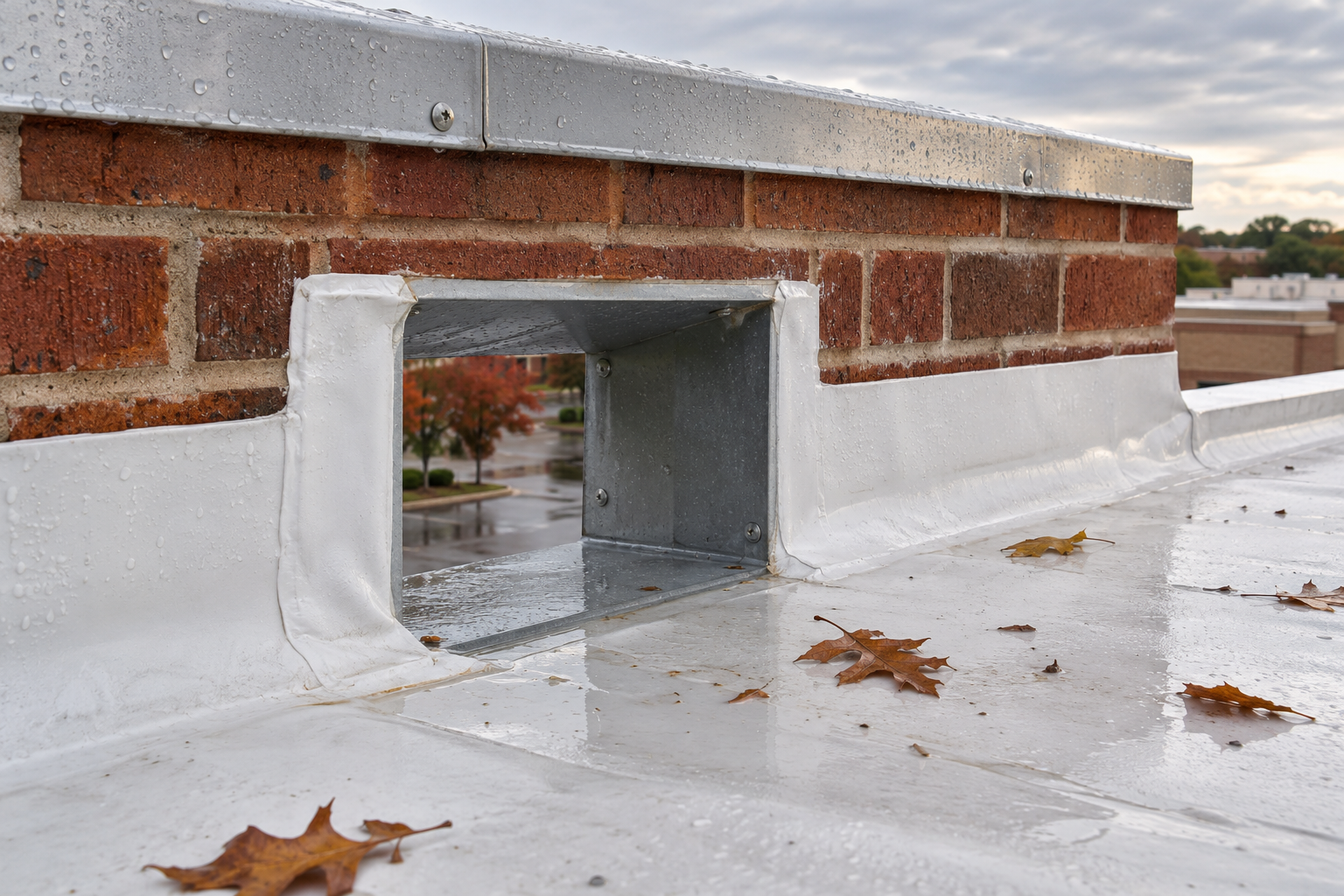
Roof replacement should address the details that manage water at transitions. Pipe penetrations, walls, chimneys, valleys, skylights, and edges need a defined scope. Replacing the roof covering while leaving unresolved detail problems can limit the value of the project.
Ask which flashings will be replaced, repaired, or retained and why. If an item is excluded because another trade is responsible, identify who will coordinate that work. A small gap between scopes can become a recurring leak investigation later.
Ventilation should be evaluated where relevant to the roof assembly. Request an explanation of the proposed intake and exhaust arrangement rather than choosing components by appearance. Changes should suit the building's construction and applicable requirements.
These details can make proposals look different in price. Compare the finished assembly rather than only the visible material. A complete scope gives you a better basis for assessing value and understanding what the contractor has agreed to deliver.
Confirm Waxahachie Permit and Review Requirements
The City of Waxahachie permitting page provides the official starting point for applications and building information. Confirm current requirements for the property and proposed work directly with the city or through the contractor handling the application.
The proposal should identify who determines the necessary approvals, submits documents, pays applicable fees, and arranges inspections. If fees are included, say so in writing. If they are an allowance or exclusion, understand how the final amount will be handled.
Some properties may also need review related to architectural restrictions, association rules, or historic status. Verify what applies before ordering materials or announcing a construction date. Do not assume that a neighbor's approval process establishes the requirements for your address.
Include review time in the schedule. A proposal can be financially complete while the start date still depends on approvals, material availability, and weather. Clear scheduling assumptions help the homeowner plan without confusing an estimate with a confirmed construction date.
Understand What a Roof Estimate Includes
Ask for an itemized description that identifies removal, disposal, substrate preparation, roof covering, underlayment, flashings, accessories, ventilation work, and site protection. Include permits, inspections, cleanup, warranties, and closeout documents where applicable.
The estimate should also identify what is excluded. Interior repairs, gutters, painting, chimney work, skylight replacement, structural work, and equipment modifications may be separate. An exclusion can be reasonable when it is clear and the necessary coordination is arranged.
GAF's explanation of roof estimates versus final prices discusses why the final bill can differ from the initial estimate. For the homeowner, the important step is agreeing on how uncertainty and changes will be handled before work begins.
Check the estimate's validity period, payment schedule, and change procedure. A detailed proposal makes the price easier to assess and reduces reliance on verbal explanations that may be remembered differently later.
Compare Bids With the Same Assumptions
When requesting multiple proposals, provide the same information about leaks, planned upgrades, material preferences, and known problems. Ask each contractor to identify recommendations beyond the requested scope so you can compare them separately.
Create a simple comparison sheet with roof area, specified products, removal scope, repair allowances, flashing work, permits, warranties, and total price. Mark missing information rather than assuming a low bid includes everything listed elsewhere.
If one estimate is substantially different, ask what accounts for the difference. The explanation may involve measurements, labor, materials, access, allowances, or omitted work. The number becomes more useful when you understand the assumptions behind it.
Avoid choosing solely by payment size or headline discount. Evaluate the completed project, contractor qualifications, documented scope, and future responsibilities together. The strongest proposal is one you can understand well enough to explain to another decision-maker in the household.
Insurance Changes Your Payment, Not the Roof's Scope
An insurance claim and a construction proposal answer different questions. The contractor describes the work and price. The insurer determines coverage and payment under the policy. A storm-related replacement is not automatically fully paid simply because damage is documented.
The Texas Department of Insurance explains roof insurance coverage and claims, including differences that can affect payment. Review the applicable deductible, coverage basis, exclusions, and any recoverable depreciation procedures with the insurer.
Calculate your expected personal expense using the approved claim information and actual contract. It may include the deductible, selected upgrades, and work the policy does not cover. Payment timing can also matter when the contractor's schedule and insurer's disbursement process differ.
Do not sign based on an assumption that every allowance or upgrade will be reimbursed. Keep coverage questions with the insurer or an appropriately licensed professional, and keep the roofing scope clearly documented so all parties can distinguish the work from the claim decision.
Budget for the Deductible Honestly
Texas Department of Insurance guidance on roofing and insurance law states that contractors cannot offer to waive, rebate, or absorb a policyholder's deductible. Treat promises of a free insured roof with caution.
A percentage deductible can represent a significant dollar amount. Check how your policy calculates it and request the amount from your insurer. Do not assume it is a percentage of the repair bill.
For illustration only, if a policy applies a two-percent deductible to a $350,000 insured dwelling limit, the calculation is $7,000. This example does not describe your policy. Your declarations, endorsements, and insurer's explanation determine the applicable amount.
Keep proof of payments and copies of the contract. The same TDI guidance distinguishes a contractor's role from acting as a public adjuster on a project where the contractor provides the work. A clear division of responsibilities helps homeowners evaluate statements made during the claims process.
Evaluate Upgrades Separately From Necessary Work
Ask the contractor to separate required corrective work from optional selections. A necessary deck repair and a preferred premium color or material are different purchasing decisions. Clear pricing allows the homeowner to prioritize without losing essential work in a package comparison.
An impact-rated product, upgraded underlayment, improved detail, or different material may be worth considering when it suits the roof and budget. Request the exact specification, installed price difference, and practical reason for the recommendation.
Showtime Exteriors' overview of roofing materials and selection factors for Texas can help frame those comparisons. Verify insurance discounts, warranty changes, and eligibility requirements with the relevant provider before treating them as financial benefits.
A useful upgrade decision balances immediate cost with appearance, maintenance, and ownership plans. Avoid assuming that the most expensive covering automatically solves drainage, installation, or concealed-condition problems elsewhere in the assembly.
Financing and Payment Scheduling
If financing is needed, compare the total amount paid, interest rate, fees, payment term, and conditions of any promotional offer. A manageable monthly payment can still carry a higher overall cost. Read the agreement independently of the roofing proposal.
The construction contract should define deposits, progress payments if any, final payment conditions, and change-order billing. Confirm how receipts and invoices will be supplied. If insurance funds are involved, discuss timing without assuming the insurer will follow the contractor's payment schedule.
Keep your contingency accessible for approved concealed repairs. Decide beforehand which optional upgrades you would defer if necessary work increases the total. That reduces pressure to make hurried choices during tear-off.
Record all agreed changes in writing. A financing approval establishes borrowing terms, while the roofing contract establishes the work. Review both so the combined commitment matches your budget and the project you intended to purchase.
Commercial Roof Replacement Uses a Different Budget
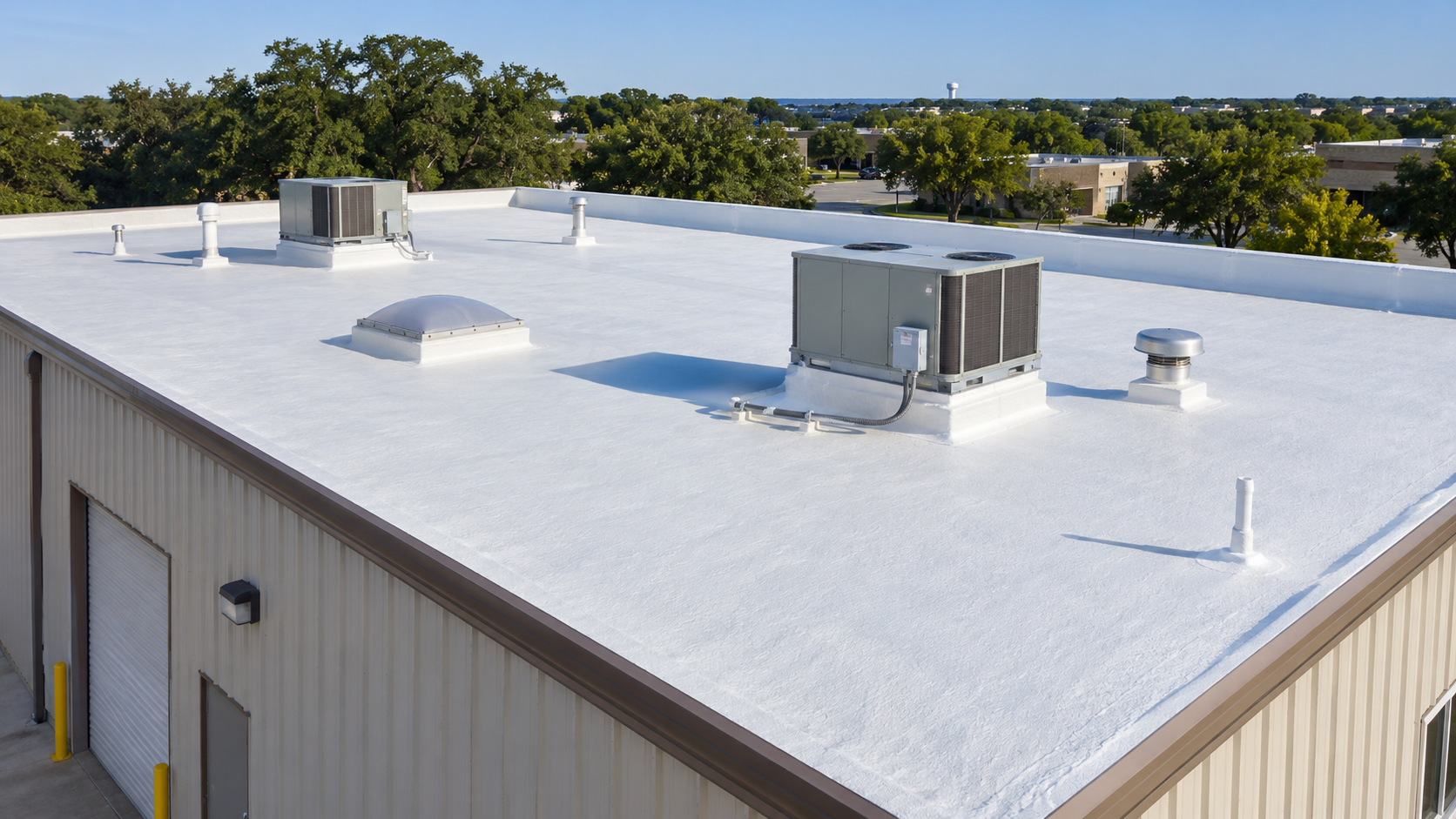
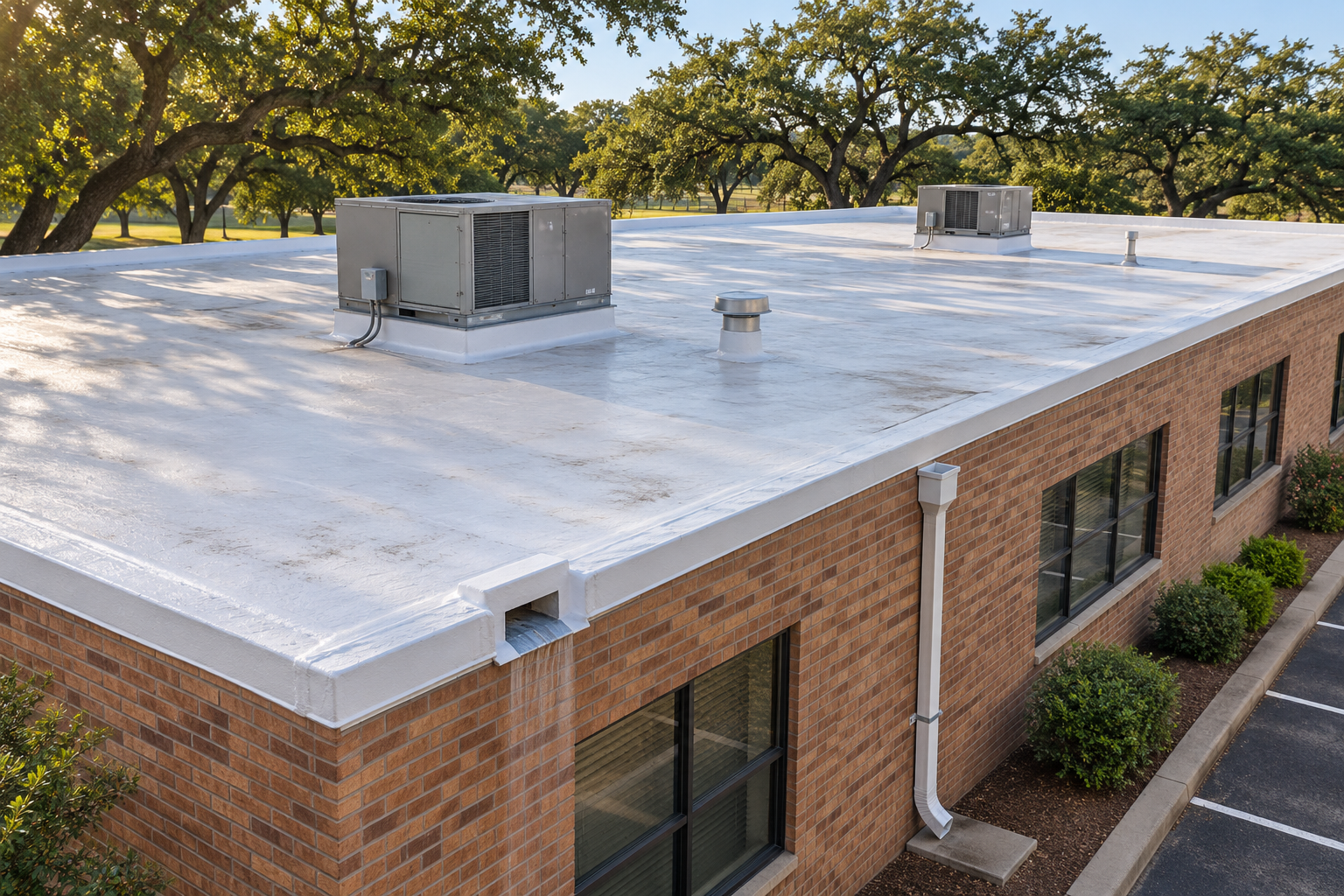
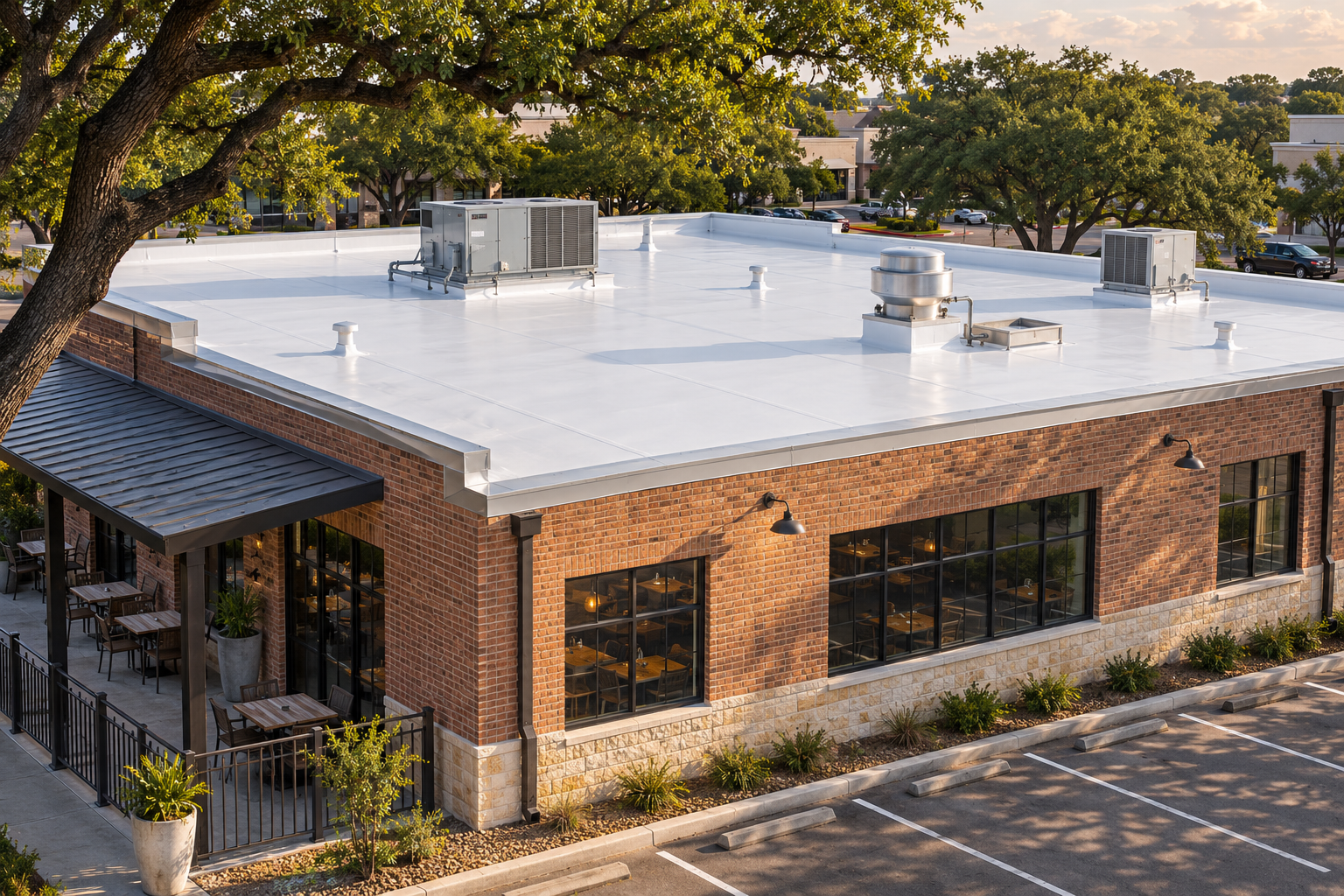
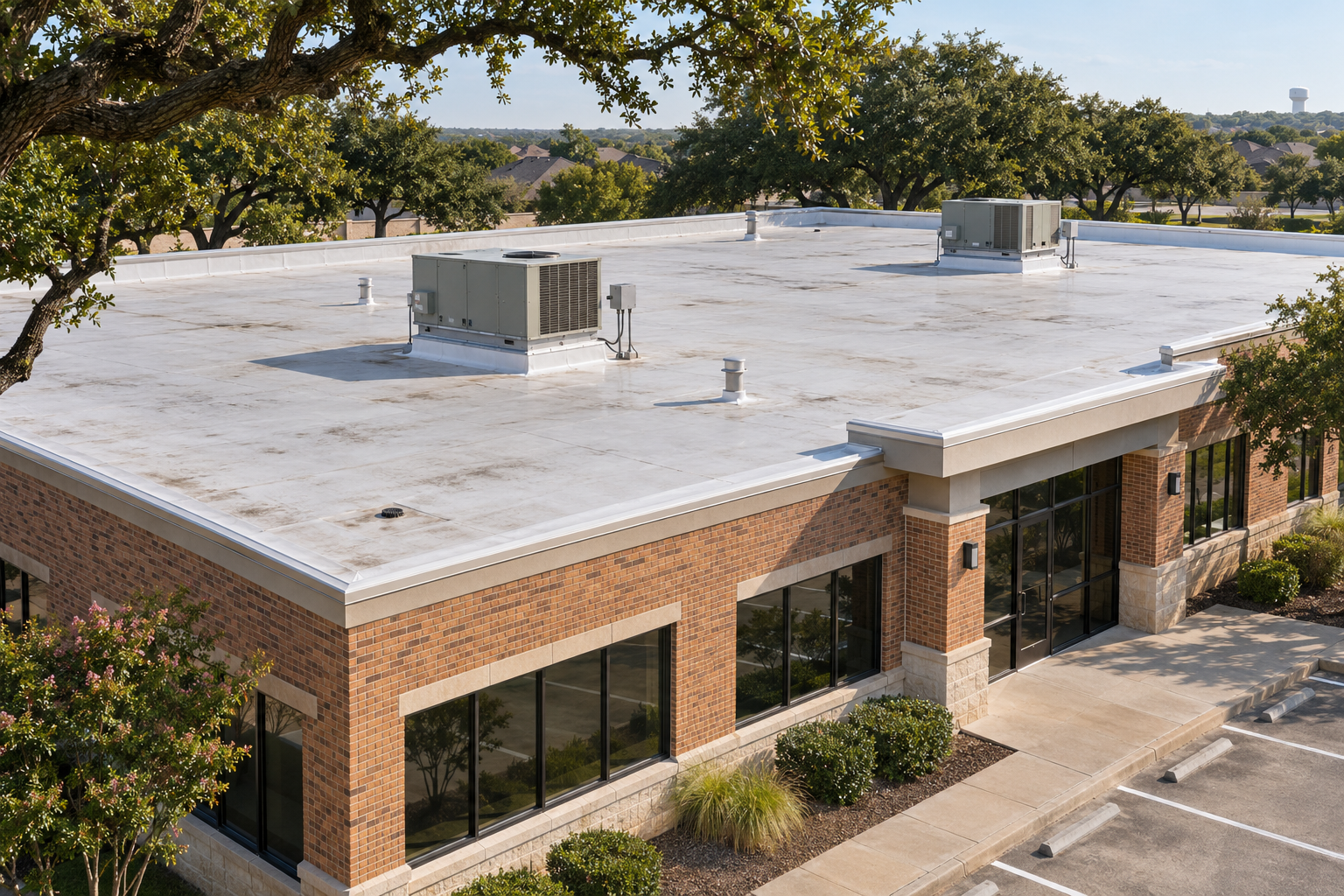
A residential shingle estimate is not a useful pricing model for a low-slope retail building, warehouse, church addition, or apartment clubhouse. Those roofs may involve different insulation, drainage, attachment, equipment, and operating requirements.
Showtime Exteriors' commercial roofing services address evaluations involving repairs, restoration, and replacement. The appropriate scope starts with the existing assembly and the building's needs.
For an occupied business, include scheduling, access, air intakes, equipment coordination, and temporary protection in the proposal. The effect on operations can influence project planning even where roof areas appear straightforward.
Request a commercial assessment before applying residential cost ranges. A measured area remains important, but the complete assembly and required corrective work determine whether replacement, eligible recovery, or another approach belongs in the comparison.
Prepare for the Inspection and Keep Your Records
Before the visit, gather available installation records, warranty documents, repair invoices, photographs, and leak dates. Note planned solar, gutter, skylight, or exterior work so the contractor can identify coordination needs.
Explain where symptoms occur and when they appear. The location of an interior stain may not identify the source by itself. A clear history helps the contractor decide what needs inspection or further investigation.
Showtime Exteriors is based in North Texas and works with owners evaluating roof repair and replacement needs. Share the property address, known concerns, and preferred timing when requesting an assessment.
After completion, retain the contract, approved changes, payment receipts, product information, inspection records, and warranties. Showtime Exteriors' guide to roof maintenance records offers a framework for organizing project documents, especially for owners managing multiple buildings. Follow the specific maintenance instructions supplied for your installed roof.
Frequently Asked Questions About Waxahachie Roof Costs
Can I get an accurate price from the house square footage?
House size can support an initial conversation, but roof measurements and condition are needed for a useful proposal. Garages, porches, overhangs, slope, and multiple stories can make living area a misleading substitute for roof area.
Why is my estimate higher than the broad Texas range?
A broad range combines different properties and project scopes. A large roof, complex access, premium materials, extensive corrective work, or specialized details can change the total. Ask the contractor to identify the specific drivers in your estimate.
Should I repair the roof instead of replacing it?
That depends on the cause and extent of the problem, the surrounding roof's condition, and whether a durable repair is practical. Request findings that support the recommendation. Repeated leaks deserve investigation before either another patch or full replacement is approved.
Does a new roof automatically include new gutters?
The contract determines the scope. Ask whether gutters will be protected, detached and reinstalled, repaired, or replaced. Clarify responsibility for existing damage and any coordination needed with a gutter contractor.
How much should I reserve for hidden damage?
Use the inspection findings to discuss an appropriate contingency. There is no single amount that fits every roof. Agreed unit prices and a written authorization process make an allowance more useful than an unexplained percentage.
Can the final price change after signing?
The contract and approved changes govern the price. Clarify concealed-condition provisions, allowances, owner-selected upgrades, and authorization requirements before work starts. Keep copies of supporting photographs, written approvals, and revised totals.
What should I review before making the final payment?
Review completed scope, approved changes, cleanup, required inspection documentation, and warranty delivery against the contract. Raise unresolved questions through the agreed process and keep a final invoice showing the work and payments clearly.
Request a Roof Replacement Estimate in Waxahachie
A useful roof replacement budget begins with verified measurements and a defined scope. Broad Texas cost references help establish context, while the actual roof, material selection, repairs, access, and approvals determine the proposal.
Compare complete bids, understand allowances, and calculate your payment responsibilities separately from insurance expectations. Clear documentation makes the project easier to approve and the final bill easier to review.
Contact Showtime Exteriors or call 817-400-7663 to discuss roof replacement in Waxahachie, TX. Request an assessment and written estimate that explains the recommended work, included materials, pricing assumptions, and next steps for your property.