



Questions to Ask Before Starting a Roof Claim Supplement
A property owner's guide from Showtime Exteriors

An insurance estimate arrives, but the roofing proposal describes more work than the estimate includes. Perhaps the roof measurements differ. Perhaps the original inspection could not reveal insulation damage. Or perhaps the scope does not address the flashing details needed to complete the proposed repair. Before assuming that either estimate is correct, ask what explains the difference.
A roof claim supplement is generally a request for the insurer to review additional information or costs connected to an existing claim. It may concern an omitted item, a corrected quantity, a documented price difference, or damage discovered after the first inspection. Submitting a request does not establish coverage or guarantee another payment.
For commercial property owners, preparation matters because a roofing decision also affects tenants, operations, budgets, and building maintenance. A supplement should make a specific issue easier to evaluate. A larger estimate without an explanation leaves important questions unanswered.
This guide explains what to ask before starting that process. It focuses on practical preparation for Texas commercial properties, while recognizing that each policy and claim has its own requirements. Your insurer determines its coverage position; qualified insurance or legal professionals can advise you on disputed policy issues. Your roofing contractor supplies construction observations, measurements, and repair estimates.
1 What exactly are we asking the insurer to reconsider
Start by naming the issue in ordinary language. Is a damaged component absent from the insurer's estimate? Is the roof area incorrect? Does the proposed repair require additional construction work? Is the disagreement about the cause of damage rather than its repair cost?
These questions lead to different kinds of supporting information. A quantity correction needs measurements. A missing component needs identification and an explanation of its relationship to the repair. A disagreement about causation may need specialist evaluation and a different response from the owner or their authorized representative.
Ask for a short description of each requested change before reviewing the total price. If nobody can explain the difference clearly, the file probably needs more preparation.
A useful starting statement might be: The original estimate includes membrane replacement in roof area A, but does not include the damaged insulation documented beneath that area. That statement identifies a location, an omission, and the evidence needed to examine it.
2 Do we have the latest estimate and coverage correspondence
Work from the current claim documents. An initial estimate may have been revised after a reinspection, and an old spreadsheet can create a disagreement that no longer exists.
Gather the latest insurer estimate, relevant correspondence, claim number, inspection dates, and any written explanations of accepted or disputed damage. Include the contractor's current proposal and identify its revision date. Keep older versions, but label them so they are not mistaken for the documents currently under review.
Ask whether the claim involves multiple buildings, separate roof areas, or more than one loss event. A warehouse campus may contain several structures with different roofing systems and separate damage observations.
Use consistent building names and addresses throughout the file. A request describing the north warehouse should not attach photographs labeled building two without explaining the connection. Clear identification helps the reviewer follow the evidence and prevents the owner from approving work for the wrong location.
3 What does our specific policy say about this roof
Find the policy in effect on the relevant loss date, including its declarations, forms, and endorsements. A summary page alone may not describe every roof condition, limitation, or settlement provision.
Ask your insurer or insurance professional which provisions apply to the disputed items. Check whether there are roof-specific endorsements, exclusions, sublimits, or separate wind and hail terms. Commercial policies can vary substantially; another owner's claim is not a reliable guide to yours.
The Texas Department of Insurance explains that commercial property coverage depends on the policy's covered causes of loss and exclusions. It also identifies replacement cost, actual cash value, and optional ordinance or law coverage as matters owners should understand. [1]
Make a list of the policy questions that need answers. Keep those questions separate from construction questions such as roof area or flashing dimensions. A contractor can explain a proposed repair without making a legal determination about whether the policy pays for it.
4 Is the disagreement about scope pricing or coverage
A scope disagreement concerns the work being proposed. A pricing disagreement concerns the amount estimated for particular work. A coverage disagreement concerns whether the policy applies to a loss or expense. A claim can involve all three, but they should be identified separately.
For example, the parties might agree that a roof section is damaged but disagree about its measured size. Alternatively, they might agree on the measurements but disagree about the labor allowance. Another dispute might involve whether an exclusion applies.
Ask the person preparing the construction information to identify which category each issue belongs to. This keeps a measurement report from being used as though it resolves a policy question.
A clear file might contain three separate questions: Which roof area is included, which repair method is proposed, and which policy provision is being applied? Answering them individually makes the next step more focused and helps the owner choose the right professional support.
5 Who will prepare the documents and who may represent us
Before signing an agreement, ask each participant to describe their role. Who inspects the roof? Who writes the construction estimate? Who submits the owner's request? Who is authorized to advise on coverage or negotiate a settlement?
Texas places important limits on contractors acting as public adjusters for properties where they provide or may provide contracting services. State guidance also warns against advertising claim negotiation or promising to recover every amount allegedly owed. [2]
A roofing contractor's practical contribution is identifying conditions, measuring affected areas, explaining repair methods, and documenting construction costs. Claims representation is a separate service with separate rules.
If you consider hiring a public adjuster, verify licensing and review the agreement carefully. Ask what services are included, how fees are calculated, and which decisions remain yours. Public adjusters involved in a claim cannot also act as the contractor on that claim under Texas guidance. [3]
6 Which documents support each requested change
Avoid treating the supplement as one large attachment. Build a connection between every requested change and the information supporting it.
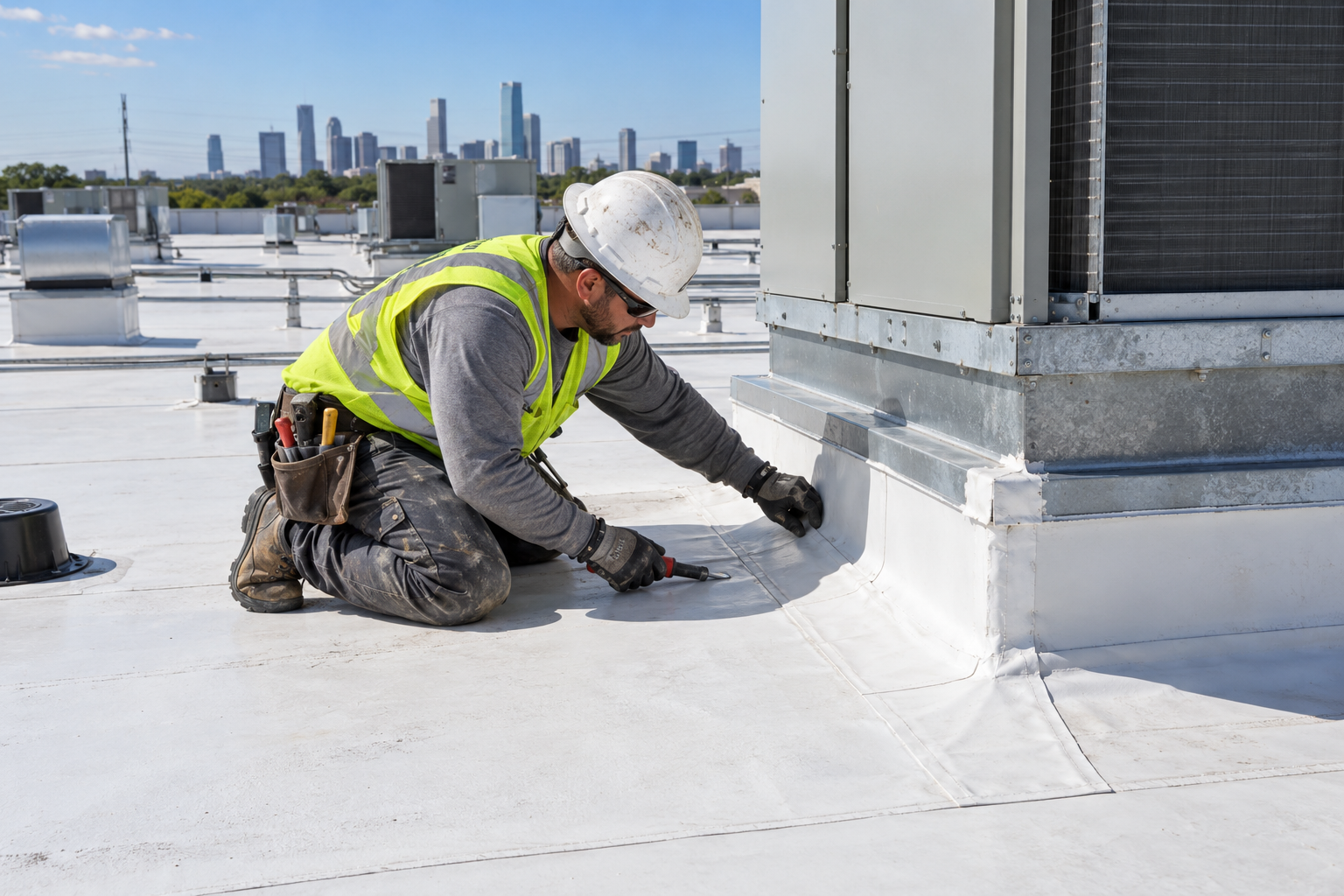
For a measurement issue, include a roof plan and the relevant measurements. For a damaged flashing item, include a location photograph, a closer image, and an explanation of the proposed work. For a price difference, identify the material or labor item being compared and attach the relevant quote where available.
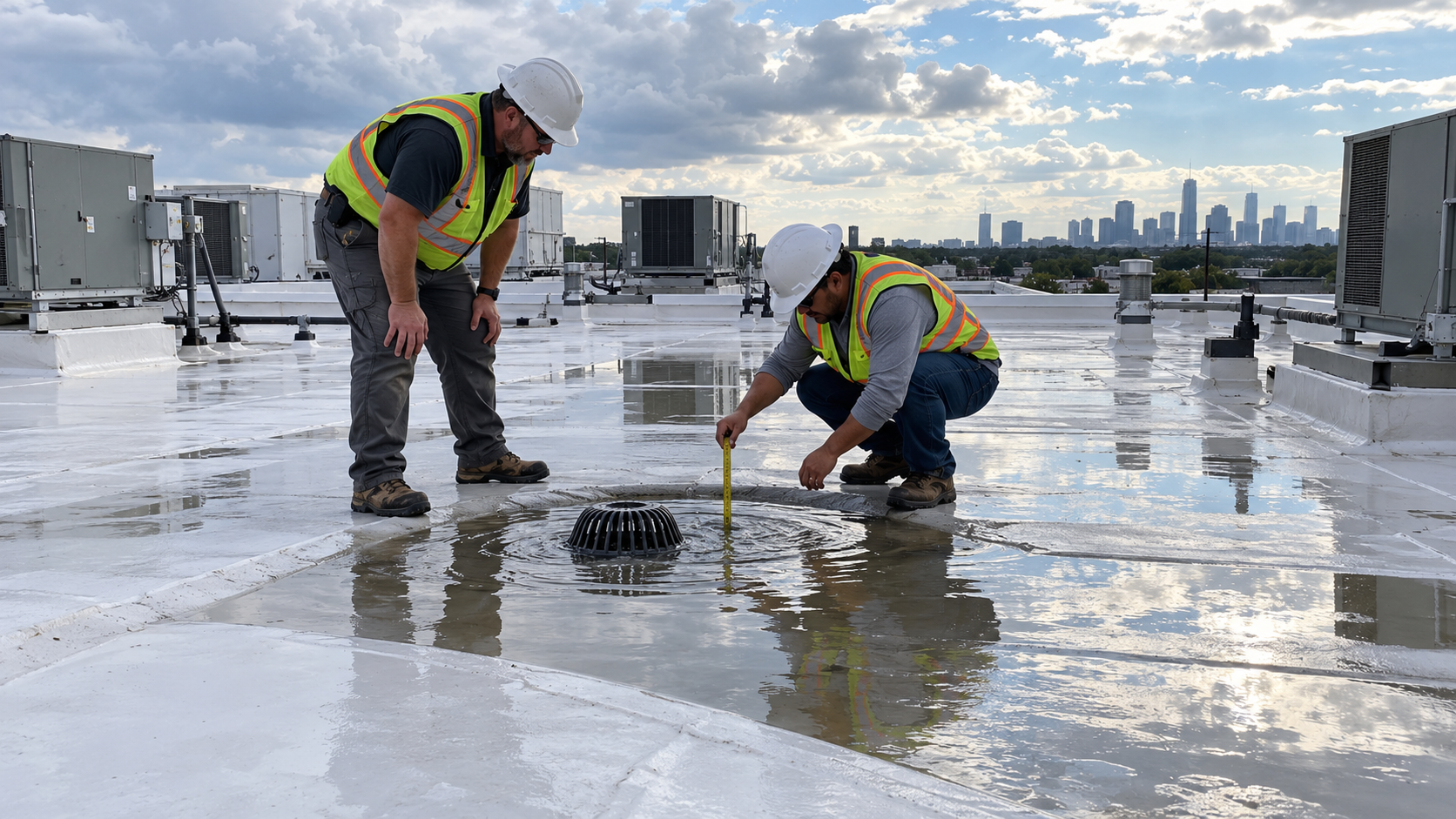
Ask whether the evidence actually answers the question. A photograph of standing water does not, by itself, explain when insulation became wet or whether a particular policy covers replacement. A supplier quote establishes a quoted price, but not automatic entitlement to reimbursement.
Use an evidence index with straightforward labels. A reviewer should be able to locate the supporting material without guessing. Organizing the file this way also helps the owner spot requests that are incomplete before anything is submitted.
7 Do the photographs show both location and detail
Close-up damage photographs are useful, but they need context. Ask for wider views that show the relevant building and roof section, followed by closer views of the condition being discussed.
Use a simple photo sequence: building overview, roof area, component location, and condition detail. Where appropriate, add a scale reference or an annotated roof plan. Keep original photographs as well as marked copies, and distinguish the inspection date from any date when damage is believed to have occurred.
Describe observations accurately. A caption should identify what is visible rather than announce an unsupported cause. A split seam, damaged metal edge, or stained ceiling can be described without claiming that a particular storm caused it.
Ask how photographs will be stored and shared. Commercial properties may have sensitive security equipment, tenant information, or operational details. Include what the claim review needs while keeping unrelated business information out of the submission.
8 Have roof measurements been checked against the proposed work
A roof measurement should describe more than a total square footage number. Ask how individual sections, parapets, edges, penetrations, and adjoining systems were counted.
For a commercial building, identify whether the estimate concerns one roof area or the whole property. Check that the same units are used in the documents being compared. Linear feet of flashing cannot be compared directly with square feet of membrane.
Ask how waste, laps, and project-specific quantities were calculated. A standard percentage should have a reasonable construction basis rather than being applied automatically to every item.
If an aerial measurement is used, ask which details were confirmed during the site inspection. Equipment screens and overhangs can complicate interpretation. Record any unresolved measurements as assumptions rather than presenting them as verified facts. That makes later revisions easier to understand and reduces the risk of paying for quantities that were never checked.
9 How are existing conditions being separated from reported damage
Maintenance history deserves attention before a supplement is prepared. Ask whether the inspection distinguishes observed damage from aging, prior repairs, installation concerns, and other existing conditions.
Collect previous inspection reports, leak records, maintenance invoices, roof installation information, and photographs taken before the reported event where available. These records may help explain when a condition was first noticed, even when they do not resolve its cause.
Be careful with timelines. A tenant reporting a leak after a storm does not establish that every deteriorated component on the roof was damaged by that storm. Conversely, a roof's age does not explain every new condition automatically.
Ask what conclusions are supported and which remain uncertain. If causation is disputed, an appropriately qualified professional may need to assess it. Honest distinctions produce a more credible record than labeling every deficiency as claim-related damage.
10 Could concealed conditions change the construction scope
The first inspection may not reveal every layer of a roof assembly. Ask what the contractor can observe now, what remains concealed, and how discoveries will be documented if work proceeds.
Where roof openings, sampling, or other investigative work are proposed, confirm authorization, locations, safety arrangements, and how openings will be restored. Do not assume that every investigation is necessary or that the insurer will pay for it.
Agree on a discovery procedure before demolition begins. If unexpected conditions appear, who photographs them, records dimensions, prepares a revised construction estimate, and notifies the owner? Does the insurer want an opportunity to inspect before material is removed?
A procedure might require immediate photographs and written owner approval for a change order. That protects project communication even if the insurance review is still pending. It also prevents a verbal conversation from becoming the only record of an important discovery.
11 Why is each proposed material or component necessary
Illustration Construction scope review with a property owner
Ask the contractor to connect each material to the proposed repair method. The explanation should identify its function and why the specific detail is relevant to this roof.
Commercial estimates may include membrane, insulation, cover board, edge metal, flashing, attachment materials, or other components. Their inclusion should follow the observed condition and the proposed system, rather than a generic list copied into every estimate.
Request the relevant product information or manufacturer detail when it helps explain the work. Confirm that the reference applies to the actual material and assembly being proposed. A brochure for a different system can make a submission less clear.
Also ask whether the scope contains an elective upgrade. An owner may choose a different system or specification for business reasons, but that choice should be identified separately. Construction suitability and insurance reimbursement are different questions, and both deserve a clear answer before approval.
12 Are code related costs supported by a specific requirement
When an estimate describes an item as code-required, ask which requirement applies and why. Identify the relevant authority, applicable code edition, project condition, and written confirmation where needed.
A general statement that codes have changed is not enough to explain a specific cost. The owner should understand which part of the planned work triggers the requirement and whether it concerns the affected repair or a broader building issue.
Then ask a separate policy question: Does the insurance contract provide coverage for the additional expense? The commercial insurance guide identifies ordinance or law coverage as an option intended for certain costs of meeting current building codes. [1]
Keep required work, policy-covered work, and elective improvements distinguishable in the estimate. They may overlap, but they are not automatically identical. That distinction helps the owner budget realistically and prevents a legitimate construction requirement from being mistaken for a guaranteed supplemental insurance payment.
13 Are labor equipment and access costs explained
A commercial roofing job can involve access conditions that are not obvious from a roof photograph. Ask which project conditions affect the estimate and how the costs were calculated.
Examples to discuss include material delivery, lifting arrangements, occupied entrances, work-hour restrictions, equipment coordination, and disposal logistics. These are questions to evaluate for the actual property, not items that belong automatically in every supplement.
If a crane or specialized lift is proposed, ask what it will move, how long it is needed, and whether a quotation is available. If restricted work hours affect labor, document the building requirement and the proposed schedule.
Check for overlapping charges. A cost already included elsewhere should not appear again under a different label. The goal is a transparent construction estimate that explains the work and its price. The insurer still evaluates whether each requested expense is payable under the claim.
14 Are the price comparisons based on the same specification
Two prices are meaningful only when they describe comparable work. Ask whether the estimates use the same material specification, thickness, quantities, attachment approach, and project conditions.
A quoted price for one roofing product may not explain the cost of a different product. Similarly, a subcontractor quotation may include tasks already priced in another section of the estimate. Identify inclusions and exclusions before treating the difference as an omitted allowance.
Where supplier pricing is relevant, record the quotation date, material description, freight assumptions, and availability. Ask whether the quote is still valid and whether the proposed purchasing schedule affects it.
Do not rely on a broad claim that local roofing costs are higher. Explain the actual item and provide the information available for that project. A precise comparison makes it easier to see whether the disagreement concerns price, specification, or work that one estimate simply does not include.
15 How do depreciation deductibles and limits affect our budget
A requested construction amount is not the same as an expected insurance payment. Ask for a budget that separates the repair estimate, approved amounts, payments received, deductible, disputed items, and owner-selected work.
Replacement cost and actual cash value are different settlement approaches. Actual cash value generally reflects depreciation; commercial policies may use one approach or a combination. Your specific forms and endorsements govern the claim. [1]
Ask the insurer which conditions apply to any recoverable depreciation and what documentation it requires. Do not assume that depreciation is recoverable merely because the estimate shows it.
Texas guidance says contractors cannot offer to waive, rebate, or absorb a property policyholder's deductible. [2] A supplement should therefore document legitimate costs, not disguise the deductible through inflated charges or misleading credits.
Build the project budget around confirmed information. Mark pending amounts clearly so the owner understands the financial exposure before authorizing additional work.
16 What must happen before work starts
Ask which decisions need to be completed before scheduling the project. These may include reviewing the construction scope, clarifying payment terms, arranging building access, and giving the insurer an opportunity to review disputed conditions.
Separate urgent protection from the permanent project. If there is active water entry, ask the insurer what immediate protective steps and documentation it expects. Keep records of temporary measures and associated costs without assuming those costs are covered.
For permanent work, understand who bears the cost if a proposed supplement is not approved. A contractor's schedule reservation or change order does not create an obligation for the insurer to pay.
Review the construction agreement carefully. Ask how scope revisions are approved, when payments become due, and what happens if insurance review takes longer than expected. Clear terms give the owner a basis for making decisions while the claim and construction processes move at different speeds.
17 What deadlines apply to this claim and this request
Do not work from an assumed universal deadline. Ask the insurer or qualified adviser to identify the applicable dates under your policy, claim correspondence, and any relevant procedures.
Topics to clarify include notice requirements, requested documents, proof of loss, repair completion, depreciation recovery, appraisal, and legal action. Different policy types and claim systems can have different rules. A deadline for one step does not necessarily control another.
Put confirmed dates on a shared calendar and record who is responsible for each task. If an extension is needed, request it promptly and keep any response in writing. Do not assume that ongoing discussions automatically extend a deadline.
For the owner's internal workflow, use earlier target dates for obtaining photographs, finalizing the estimate, and reviewing the submission. This creates time to correct missing information. If the significance of a deadline is uncertain, seek advice before letting it pass.
18 How will the supplement be organized and delivered
Ask the insurer which submission channel it wants used and how it identifies additional documents for an existing claim. The correct claim number and contact information should appear on the request.
A practical package can include a short owner cover note, the revised construction estimate, a comparison of requested changes, a roof plan, photographs, and relevant quotations or technical references. Include only materials that help explain the issues under review.
Use clear filenames and an attachment index. Label an estimate with its date and revision rather than calling every version final. Avoid sending several inconsistent versions without explaining which one controls.
After delivery, keep the submitted package and evidence of receipt. Record any request for more information. Good organization makes follow-up easier because the owner can identify what was sent, when it was sent, and which question remains unanswered instead of reconstructing the file from scattered emails.
19 What happens if the insurer approves only part of the request
Ask how a partial response will be reconciled with the construction proposal. Which items are accepted, which remain disputed, and which additional documents does the insurer want?
Request a written explanation that identifies the relevant items rather than relying only on a revised total. Then compare the response against the owner's request and the contractor's current scope.
A further review may involve correcting factual information, requesting a reinspection, or providing a more specific estimate. If the dispute concerns policy interpretation or rights, obtain appropriate insurance or legal advice. Appraisal, where available, has its own terms and should not be treated as an automatic answer to every disagreement. [4]
Keep the project decision separate from the review outcome. The owner may need to choose among delaying particular work, funding it independently, or revising the scope where technically appropriate. That decision requires a clear explanation of both construction needs and financial responsibility.
20 How will the work and final costs be documented
Ask what closeout records the contractor will provide. A useful set may include the signed scope, approved change orders, project photographs, invoices, payment records, and applicable warranty documents.
Make sure final invoices describe the work actually performed. If quantities or materials change, record the reason and reflect the change consistently. An estimate describes proposed work; the closeout file should describe the completed project.
Ask the insurer what records it requires for any further payment under the policy. Keep a list of outstanding requirements and identify who will supply each document. Submission of invoices does not guarantee payment for every charge.
For a commercial property, also retain the maintenance information and any instructions relevant to the installed system. The claim may close, but the owner still needs reliable roof records. A well-organized project file supports later maintenance, future budgeting, and informed conversations when the building changes hands.
An illustrative warehouse supplement scenario
Consider a hypothetical warehouse with a reported storm loss. The insurer's estimate describes work on a defined membrane area. The roofing contractor's proposal includes that area plus insulation replacement and additional flashing work.
The owner should first ask whether the estimates concern the same location and repair method. Next, the contractor should identify the insulation condition being reported, how it was observed, and the measured extent. The flashing request should identify the affected components and explain why the proposed repair includes them.
The owner or authorized claims representative then asks the insurer to review those specific issues with the supporting documents. Coverage questions remain for the insurance process. The construction agreement should explain what the owner owes if all or part of the additional work is not covered.
This example does not predict an outcome. It shows a disciplined sequence: establish the difference, document it, request review through the appropriate channel, and make construction decisions with an accurate understanding of the budget.
A practical checklist before submission
Before starting a roof claim supplement, confirm that you can answer the following questions:
Which estimate revision are we comparing?
What specific items are being reconsidered?
Which roof areas and quantities are involved?
What evidence supports each item?
Which conditions remain uncertain?
Who is responsible for construction documents and claims representation?
What policy questions need a written response?
Which deadlines have been confirmed?
What will the owner owe if additional payment is not approved?
How will the submission, response, and completed work be recorded?
If several answers are missing, focus first on filling those gaps. A submission is more useful when it gives the reviewer a clear route from the observed condition to the proposed work and estimated cost.
Frequently asked questions about roof claim supplements
Does a higher contractor estimate mean the insurer must pay more
No. A higher estimate identifies a difference to investigate. The scope, measurements, price basis, policy terms, and claim facts need review. Ask for itemized explanations rather than treating the price difference alone as proof of an additional amount owed.
Can a supplement include damage discovered during roofing work
It can request review of newly documented conditions, but acceptance depends on the claim and policy. Ask about inspection opportunities and documentation before affected materials are removed. Follow the agreed discovery and change-order procedure so the owner has a clear record.
Should every commercial roof claim include a supplement
No. If the current estimate already addresses the relevant documented work and the owner has no unresolved issue, an additional request may serve no purpose. Prepare one because there is a specific question to resolve, not because supplements are considered a standard sales step.
Can Showtime Exteriors guarantee supplemental insurance payment
No roofing contractor can promise an insurer's decision. The useful starting point is a roof inspection and an understandable construction scope. Policy interpretation, settlement representation, and legal disputes require the appropriate insurance or legal professional.
Start with a clear assessment from Showtime Exteriors
Before making a major roofing decision, understand the condition of your building and the work being proposed. Contact Showtime Exteriors to discuss your commercial roof, schedule a free inspection, and request a construction estimate for the identified needs.
Bring your available roof records, the relevant estimate, and questions about the proposed scope. A clear construction discussion can help you decide what additional information belongs in your claim review and what belongs in your property maintenance plan.
Call 817-400-ROOF (7663) or visit showtimeexteriors.com.
This article provides general information. Coverage, deadlines, and payment obligations depend on the applicable policy and claim; seek qualified advice for your specific dispute.
Sources
[1] Commercial property insurance guide. Texas Department of Insurance. https://tdi.texas.gov/pubs/consumer/cb021.html
[2] Roofing and insurance Know the law. Texas Department of Insurance. https://www.tdi.texas.gov/consumer/storms/roofing-and-insurance-know-the-law.html
[3] Public adjusters What to know before you hire one to help with your claim. Texas Department of Insurance. https://www.tdi.texas.gov/tips/public-adjusters.html
[4] What if my insurance is not paying enough. Texas Department of Insurance. https://www.tdi.texas.gov/tips/disagree.html