



Tornado-Damaged Roof: Inspection Checklist for Home and Building Owners
Use this tornado roof damage checklist to organize safe observations, professional inspections, structural concerns, temporary protection, repair records, and next steps.

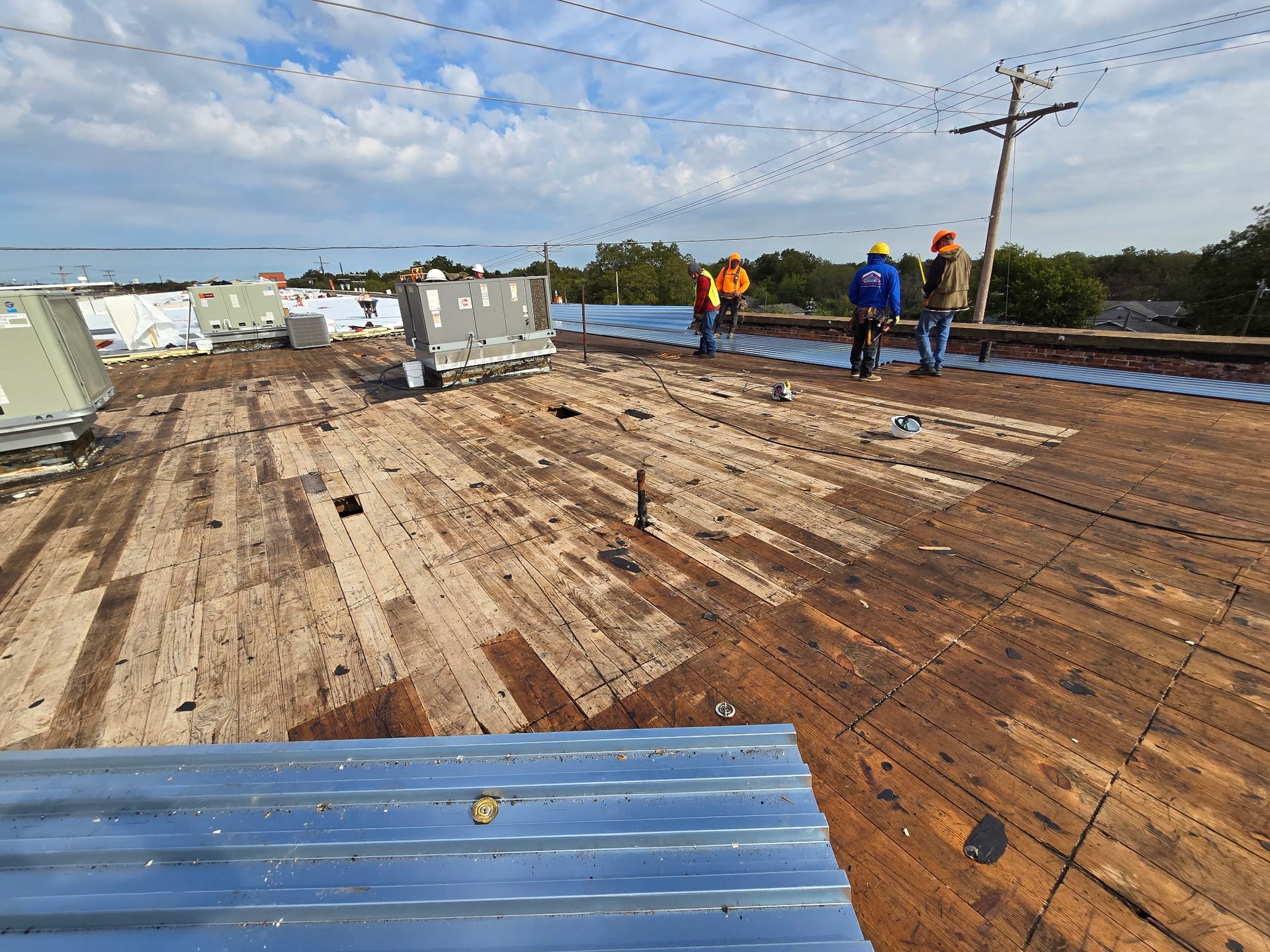
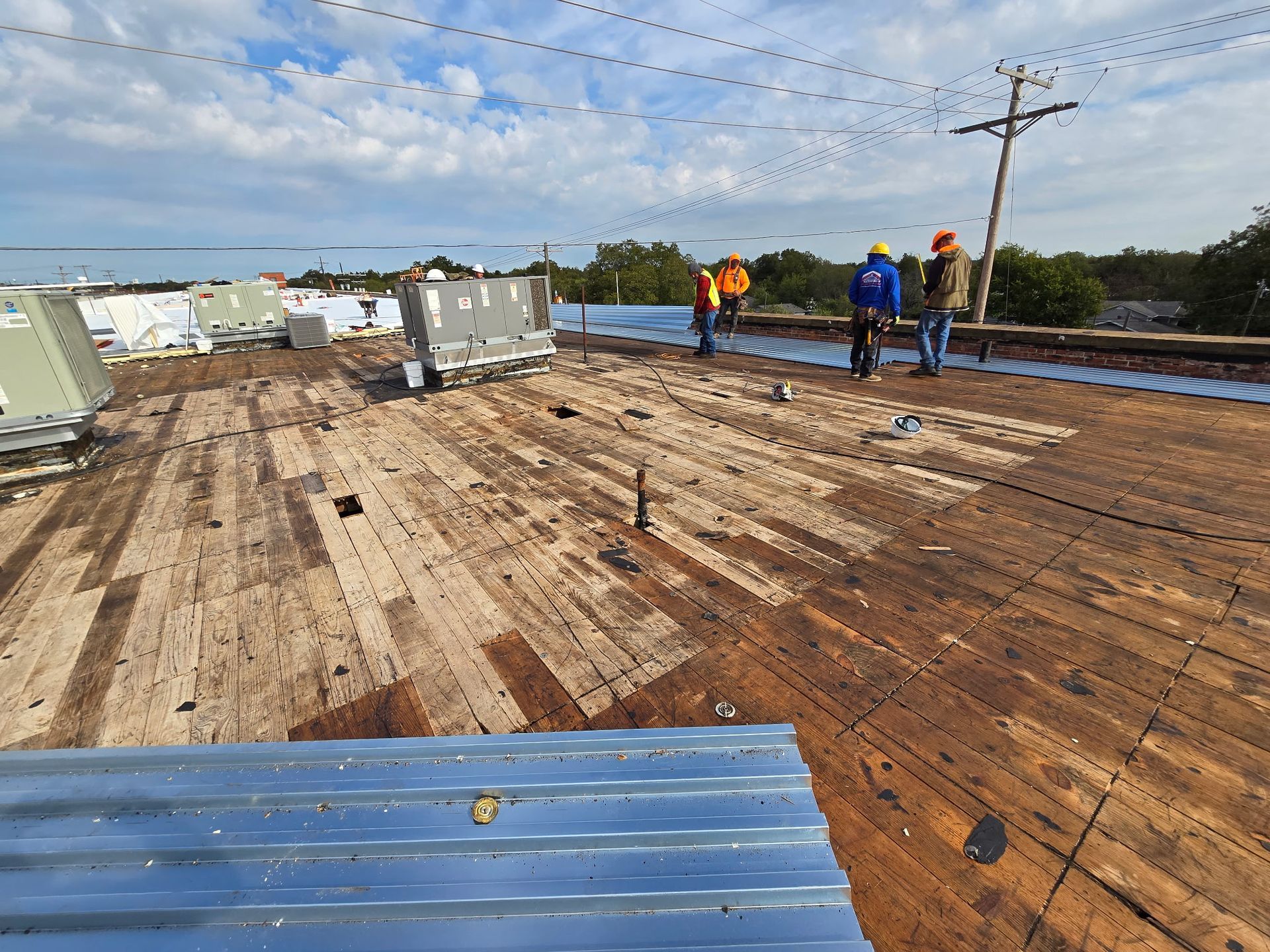
After a tornado, a roof inspection begins with deciding whether anyone should approach the property. Missing shingles may be visible, but damaged framing, unstable walls, loose equipment, and utility hazards can be harder to recognize. A roof that remains in place is not automatically safe to enter or walk on.
Owners can help by collecting information from safe locations and arranging the right professional assessments. They should not climb onto the roof, enter a damaged building, or attempt repairs to complete a checklist.
Showtime Exteriors can discuss roofing assessments and construction needs for Texas properties after access is appropriate. This guide separates owner observations from professional inspection and explains how to organize findings, temporary protection, and repair decisions. It does not establish structural safety or permission to reoccupy a damaged property.
First Checklist: Confirm the Threat Has Passed
Continue monitoring official alerts and follow local emergency instructions. A severe weather outbreak can produce additional storms after the first tornado passes.
The National Weather Service's after-tornado guidance advises staying informed, avoiding damaged buildings, and contacting authorities about downed power lines. Do not treat a break in rainfall as confirmation that every hazard has ended.
If there is an immediate threat to life, injury, fire, or suspected utility emergency, contact emergency services or the appropriate utility from a safe location. Stay away from fallen lines and anything they may contact.
An initial photograph is never more important than avoiding a hazardous area. Wait for appropriate guidance before approaching a damaged building, and respect barricades and access restrictions.
Do Not Begin with a Ladder
A ladder and a clear view of the roof do not establish safe access. Tornado-related forces and debris impacts may affect roof decking, framing, edges, walls, and attachments.
A qualified contractor must assess access and work conditions before proceeding. OSHA's fall protection standard includes the need to determine whether working surfaces have the strength and structural integrity to support workers safely.
A contractor may need structural input, equipment isolation, or another specialist before a roof-level inspection. Drone or remote observations can support documentation where appropriate, but they do not by themselves verify concealed conditions or structural adequacy.
Owners, employees, and volunteers should keep their observations to locations confirmed appropriate for access. Do not walk beneath hanging material or attempt to retrieve roof debris from an unstable area.
Owner Checklist: Record Safe Observations
From a safe location, record the property address, affected building, date of discovery, and visible conditions. Use plain descriptions without assuming the extent or cause of every defect.
- Note missing roof covering visible from the ground.
- Record displaced gutters, edge metal, or hanging components.
- Identify debris on or near the building without approaching it.
- Note visible changes in the roofline or exterior walls.
- Preserve available photographs taken before the event.
- Record reports of interior water only from areas cleared for access.
- Identify occupants and areas that may need access restrictions.
Do not move debris simply to improve a photograph. Do not pull on loose material or test whether a wall or ceiling moves. Those actions can change the condition or create additional hazards.
Separate Discovery from Confirmed Cause
A tornado report in the area provides context, but it does not independently establish that every roof defect resulted from the tornado. Straight-line winds, debris impacts, hail, earlier deterioration, and other conditions may be relevant.
Record the date the problem was discovered separately from the event date. If the timing is uncertain, state that rather than selecting a date based on an assumption.
Preserve weather information and official notices with the property file. Ask qualified professionals to explain the evidence supporting their conclusions and any limitations.
Avoid describing the entire roof as destroyed when only limited observations are available. Equally, do not describe damage as cosmetic without an appropriate assessment of the material and assembly.
Arrange the Right Assessments
A roofing contractor evaluates roofing materials and details within its scope. A structural engineer or other appropriate professional may be needed to assess framing, connections, deformation, or building stability.
Electrical, gas, mechanical, restoration, and other specialists may also be required. Keep responsibilities clear rather than assuming one roof inspection covers every building system.
Showtime Exteriors' residential roofing information provides service context for homes. Ask what the proposed inspection includes, what is excluded, and whether other assessment is needed before access or repair.
For commercial properties, identify the person authorized to approve investigation and communicate with tenants. The inspection plan should reflect the building's condition and use, not simply the urgency of reopening.
Professional Checklist: Roof Geometry and Structure
The assessment should identify roof sections, slopes, covering types, access limitations, and visible deformation. Any suspected structural movement should be referred for the appropriate evaluation.
Potential concerns include changed rooflines, displaced decking, damaged framing, and altered connections where accessible and within the assessor's competence. A roofing surface inspection should not be represented as a structural clearance.
Ask the report to distinguish observations from conclusions and explain what remains concealed. Further investigation may be needed before the extent of repair is known.
Do not accept a simple statement that the roof is safe solely because someone walked across it. Access decisions and structural evaluation require more than an absence of immediate visible failure.
Shingle Roof Checklist
Qualified personnel should document missing, displaced, creased, or damaged shingles and relevant changes at ridges, hips, valleys, edges, and penetrations. Photographs should identify the roof section and detail location.
Review flashing, vents, pipe boots, gutters, and roof-to-wall junctions. A visible missing shingle may not be the only opening or the only source of water entry.
The scope should address the condition of the substrate where necessary and explain whether localized work is feasible. Material compatibility and the ability to complete the proposed repair matter.
Do not assume that every remaining shingle is serviceable simply because it is still attached. Conversely, one damaged area alone does not establish that the entire roof requires replacement.
Metal Roof Checklist
Inspect panel displacement, distorted seams, damaged fasteners or clips where relevant, edge conditions, penetrations, and debris impacts. Identify the actual panel system rather than treating all metal roofs as identical.
Suspected movement or damage in supporting structure may require separate evaluation. A panel repair does not establish that framing and connections below are adequate.
Ask how the proposed work accommodates movement and restores the intended water-shedding or waterproofing details. Repeated surface sealant is not a substitute for understanding the assembly.
Document changes at equipment, canopies, and adjoining sections. Tornado-related debris can affect areas outside the most obvious damage path, so inspection boundaries should follow evidence and safe access.
Commercial Membrane Checklist
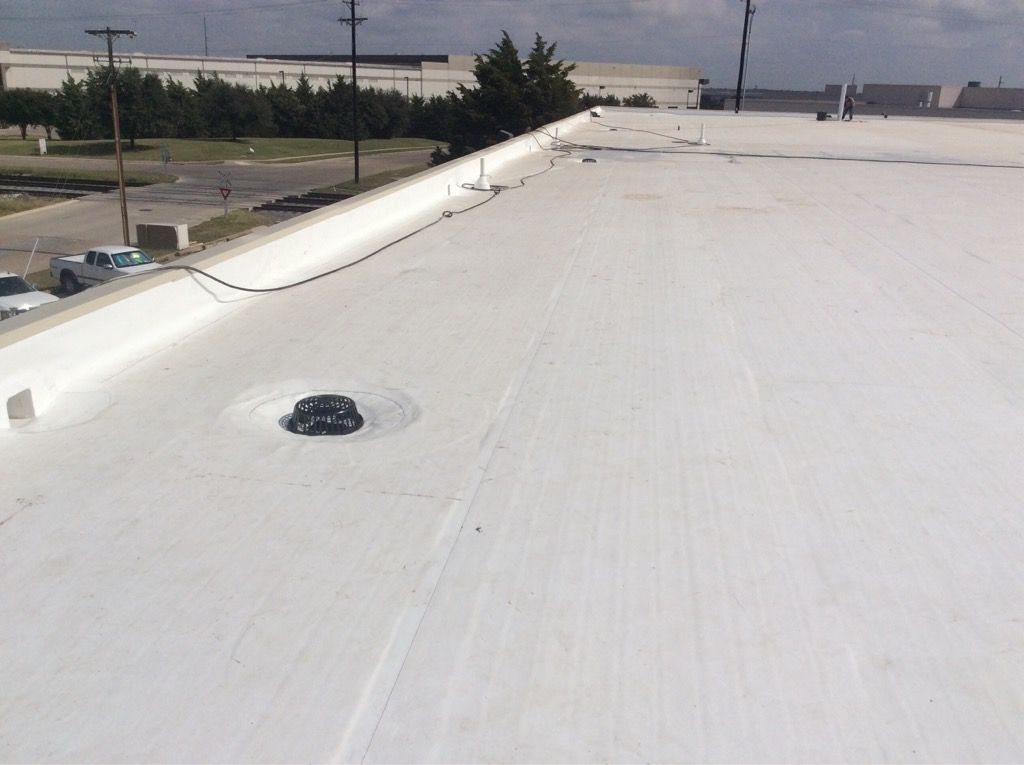
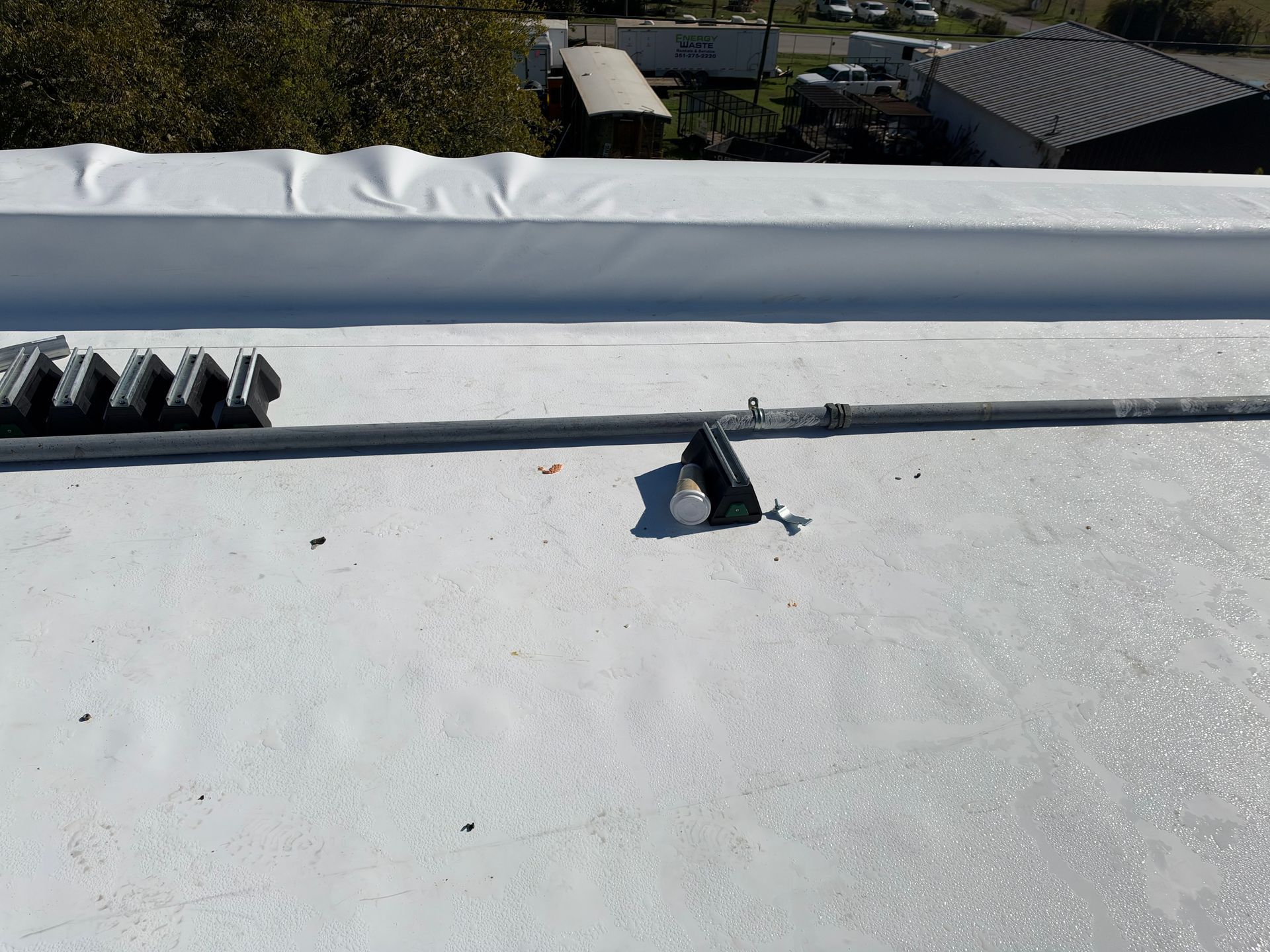
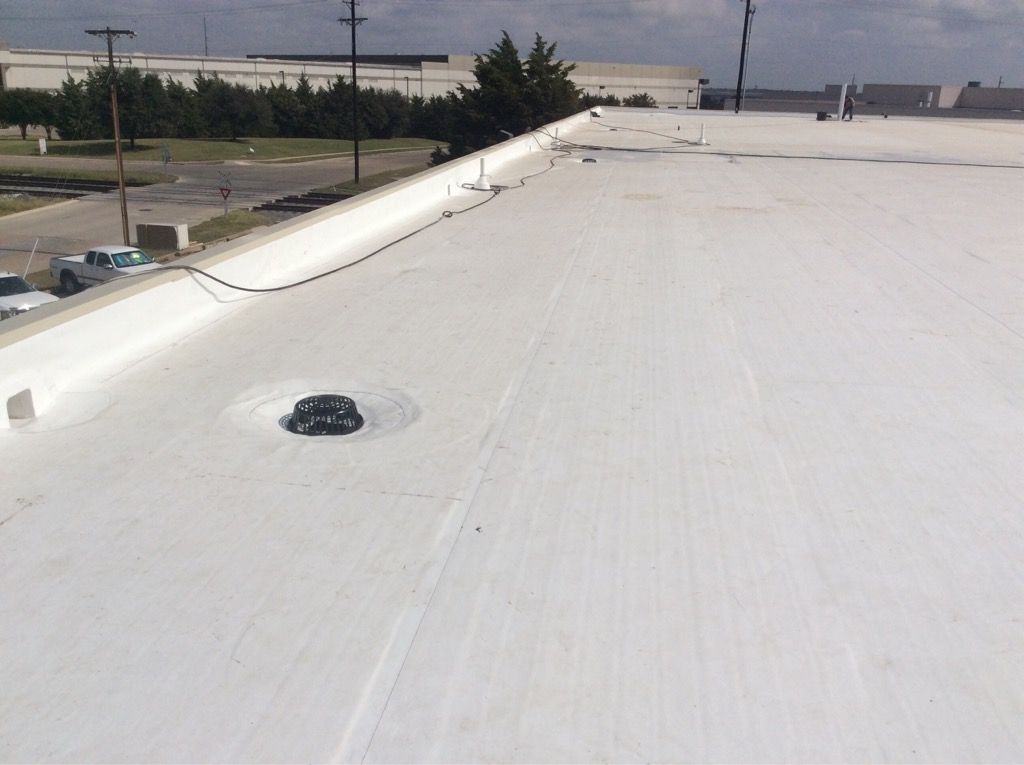
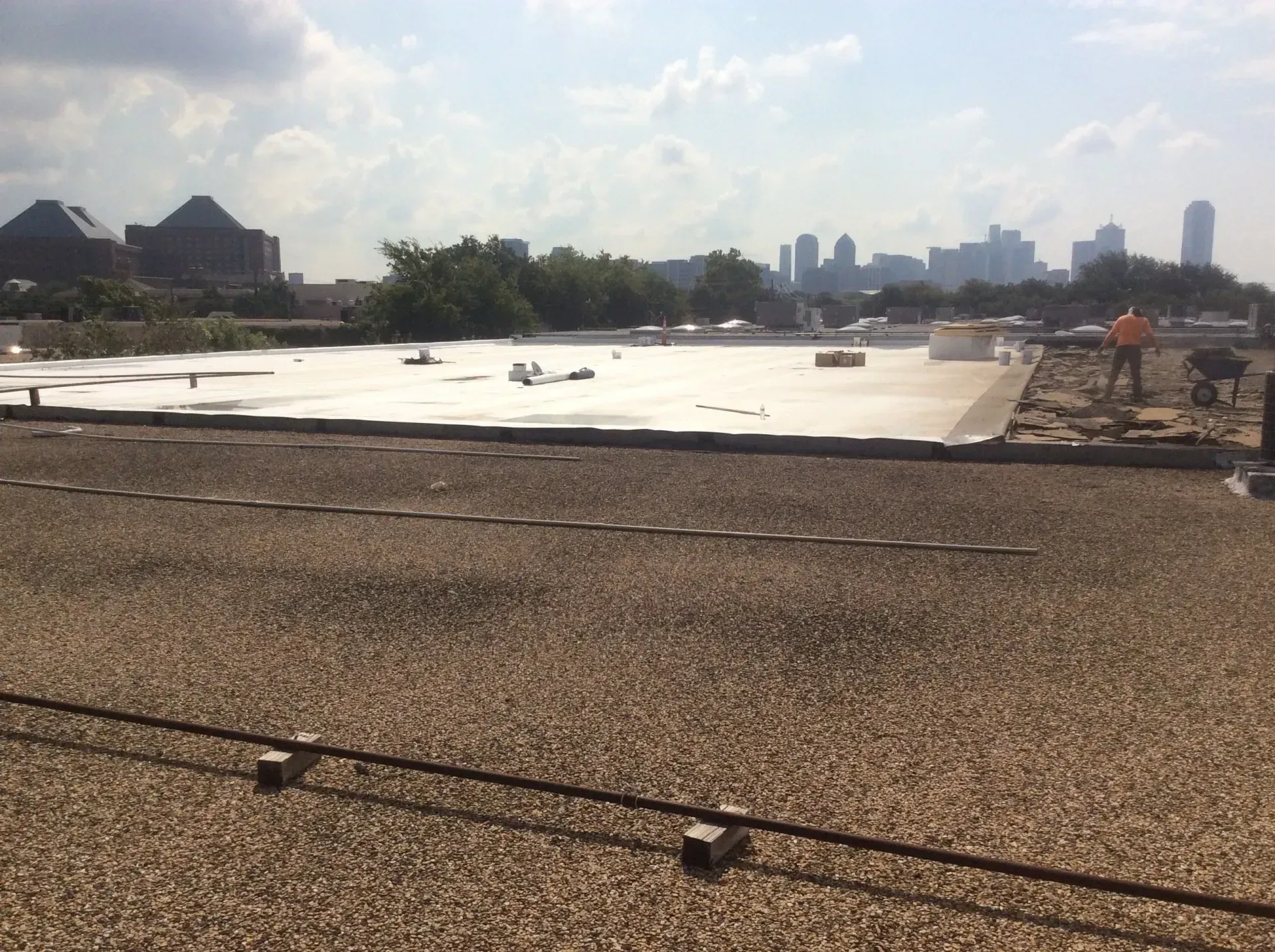
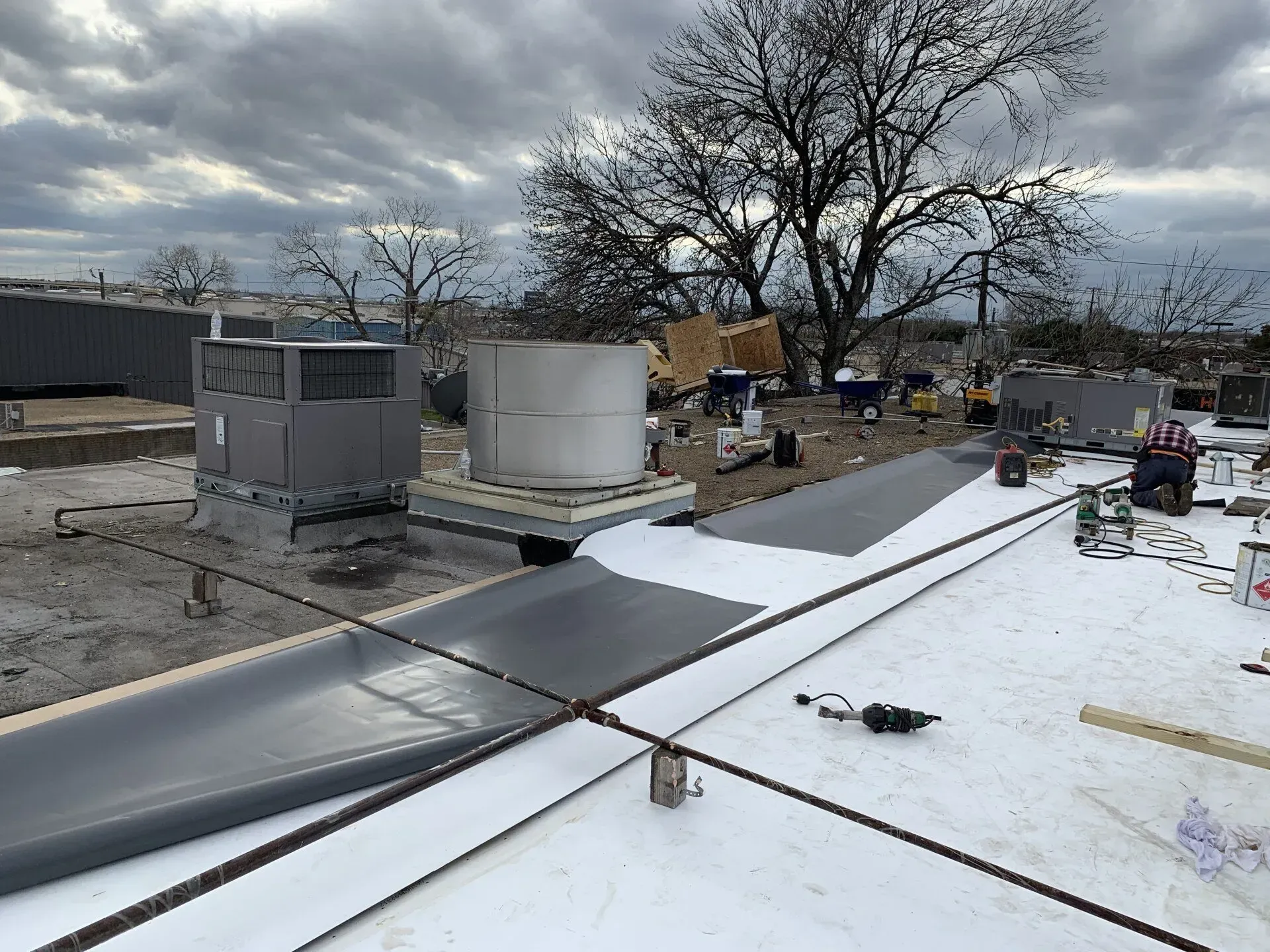
On low-slope roofs, inspect membrane displacement, punctures, tears, suspect seams, flashings, roof edges, and equipment curbs. Wind-related damage may involve the assembly and attachments as well as the surface.
The commercial roofing overview provides context for discussing a defined assessment. Ask the contractor to identify the membrane and explain what can be verified without destructive investigation.
Review insulation, cover board, and deck conditions where investigation is warranted and authorized. A membrane patch does not automatically address moisture or damaged materials below.
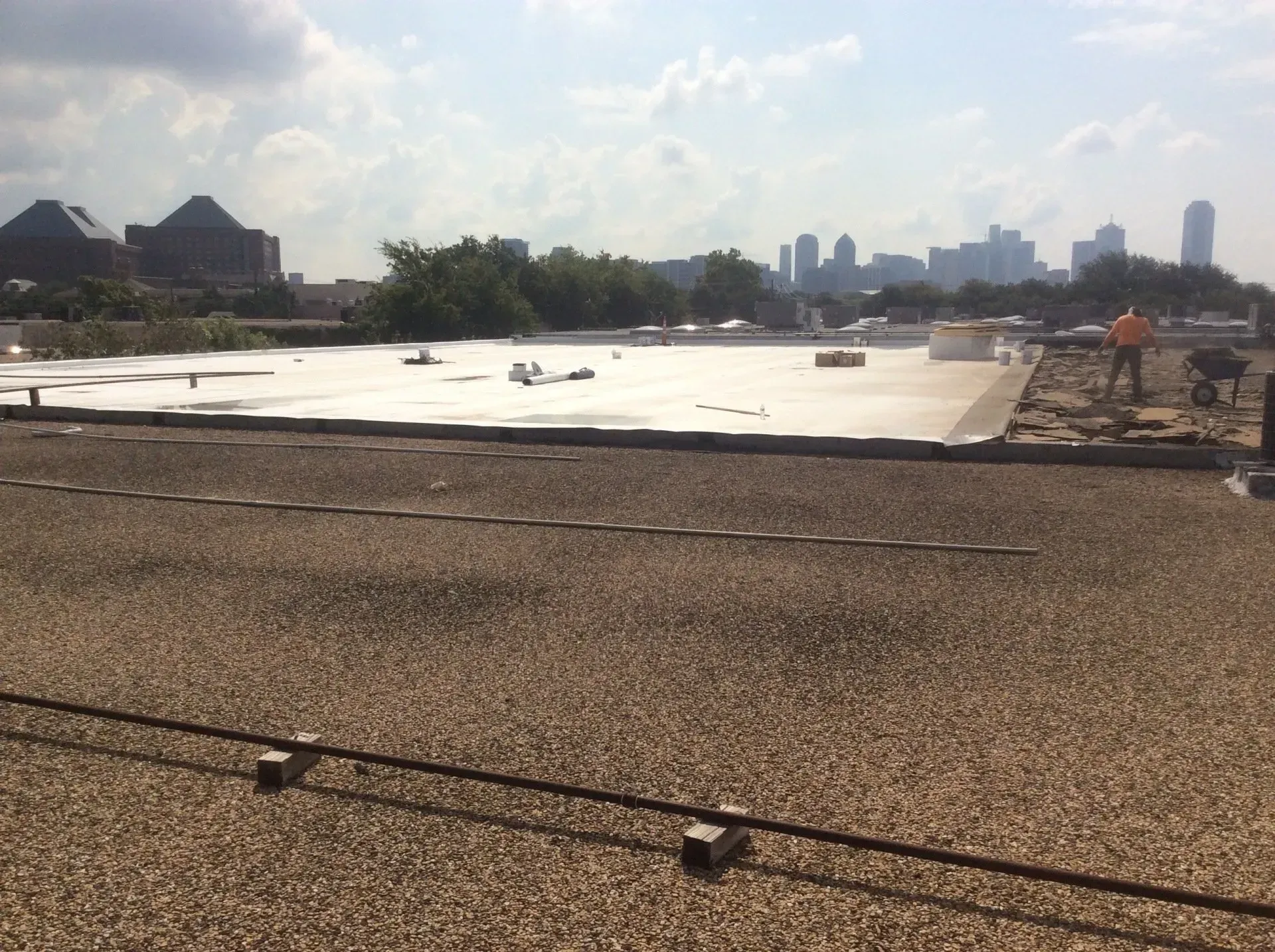
Aging gravel-surfaced built-up roofs require careful deterioration assessment and leak tracing. Do not assume gravel coverage establishes that concealed layers are intact or that the assembly can be repaired without further review.
Edge Metal, Parapets, and Rooftop Equipment
Loose coping, displaced flashing, damaged parapets, and shifted equipment can present hazards beyond water entry. Restrict affected access and involve the appropriate professionals.
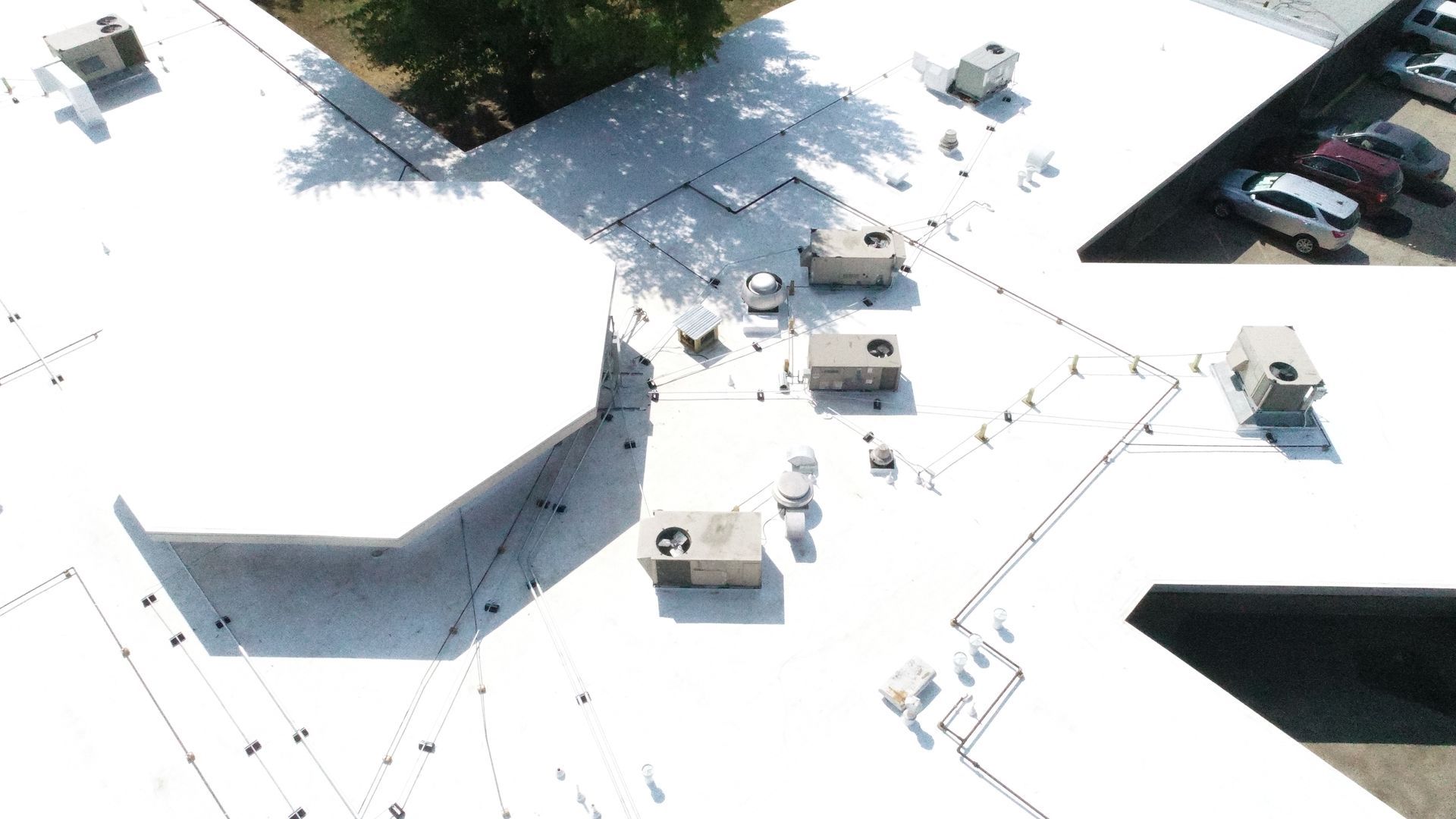
Record conditions from safe positions without pulling components back into place. Equipment may involve electrical, gas, refrigerant, or other systems that a roofer should not handle outside its role.
Coordinate mechanical and roofing work around curbs, penetrations, and supports. Replacing a unit does not automatically restore the roof details surrounding it.
Ask who is responsible for each part of the repair and how completion will be verified. An equipment invoice and a roofing repair record should identify their respective scopes rather than imply that one covers the other.
Drainage Checklist
Inspect drains, scuppers, strainers, gutters, downspouts, and overflows when access is appropriate. Debris or displaced components may obstruct drainage after a storm.
Do not send staff onto the roof to clear a suspected blockage while structural or utility hazards remain unresolved. Cleaning must be planned around safe access.
Record water accumulation and evidence of changed flow paths. The cause may involve debris, damaged components, altered slope, or underlying movement that requires more than cleaning.
A new membrane or temporary covering should not block drainage or create another unreviewed load. Ask qualified personnel to explain how temporary and permanent work preserve the intended drainage functions.
Interior Observations Require Access Clearance
Stay out of damaged buildings until the appropriate authorities or professionals determine access is suitable. Do not enter an attic or ceiling space to look for daylight after a tornado.
Once access is authorized, record visible water, staining, damaged finishes, and affected rooms without disturbing unstable materials. Sagging ceilings, displaced structural components, and wet electrical equipment require prompt appropriate attention.
Keep people away from affected areas and follow the site-specific access plan. Do not use a dry floor or the absence of a visible leak as evidence that the building is safe.
A roof report may help explain exterior conditions, but return-to-use decisions can involve structural, electrical, fire, moisture, and other requirements beyond roofing work.
Temporary Protection Checklist
Temporary protection may limit further exposure once qualified personnel determine the work can be performed safely. The method should fit the damage and building conditions.
Do not attempt owner-installed tarping on a potentially unstable roof. Do not place heavy materials or improvised anchors on an assembly whose condition is unknown.
The National Weather Service's lightning guidance reinforces the need to seek suitable shelter during thunderstorms. Emergency work still requires weather awareness and appropriate safety decisions.
Record the temporary measure, date, location, installer, limitations, and planned follow-up. Temporary protection is not structural clearance, permanent repair, or confirmation that affected interior areas can reopen.
Moisture and Interior Recovery Checklist
When water has entered, coordinate appropriate restoration and building assessment alongside roof work. Identify affected materials and arrange suitable evaluation rather than assuming they will dry on their own.
The EPA's commercial building moisture guidance discusses prompt response and the importance of early drying, including the first 24–48 hours. That period is a response priority, not a guarantee that all materials can be retained.
Do not disturb suspect materials without appropriate advice. Contamination, hidden moisture, damaged electrical systems, and structural conditions can affect the recovery plan.
Track exterior protection, permanent roof work, and interior recovery separately. Completion of a roof patch does not establish that concealed materials are dry or all building concerns have been resolved.
Documentation Checklist: Make the Record Traceable
Pair close-up photographs with wider views and label building, elevation, roof section, and detail location. Preserve original files separately from annotated copies.
Collect inspection findings, access limitations, proposed investigation, estimates, emergency invoices, and completed repair records. Keep dates and document versions clear.
Showtime Exteriors' guide to commercial roof maintenance records insurers may request provides additional organization ideas. Earlier records can help distinguish prior concerns from newly observed changes.
Avoid unsupported statements about timing, cause, or extent. A useful file identifies what is known, who observed it, and what still needs assessment. Its purpose is accuracy rather than assembling the largest possible collection of photographs.
Insurance Coordination Checklist
Notify the insurer through its designated process and ask about reporting requirements, inspection, mitigation, and documentation. Keep the policyholder responsible for tracking requested actions.
TDI's claim filing tips emphasize records, receipts, and inspection coordination. Discuss necessary temporary protection and permanent work with the insurer without delaying urgent safety actions.
A roofer can provide physical findings and explain construction estimates. TDI's roofing and insurance law guidance explains Texas restrictions on a contractor acting as a public adjuster for the same property and on deductible waivers.
Direct coverage interpretation, settlement representation, and legal questions to the appropriate professionals. A roofing recommendation does not guarantee an insurance decision or payment amount.
Repair Scope Checklist
Scope questionWhat the owner should understandSafe accessWho evaluates restrictions and prerequisites?Roofing damageWhat conditions were verified and where?Structural concernsWhat separate evaluation is required?Concealed conditionsWhat investigation is proposed and authorized?Temporary protectionWhat is installed and what follow-up remains?Permanent workWhich materials and details are included?Other tradesWho handles equipment, utilities, and interiors?CompletionWhat evidence and inspections are required?
If replacement is proposed, review the Texas roofing system selection guide for broader assembly questions. The scope should address the damaged building rather than only select a new surface material.
Coordinate Occupants and Project Decisions
For commercial properties, designate one owner representative to coordinate tenants, contractors, insurers, and relevant professionals. Keep access restrictions visible and update them through the appropriate process.
Identify who can authorize investigation, temporary protection, and construction changes. Unexpected findings should be documented with their cost and schedule implications before additional work proceeds, except where an appropriately authorized emergency response is required.
For homes, keep family members informed about restricted areas and approved access. Do not let an informal volunteer cleanup bypass decisions made by qualified professionals.
The goal is a consistent plan. Conflicting instructions can create unsafe access, duplicated work, or uncertainty about whether a temporary condition has been addressed.
Keep One Action Log through Recovery
Create a short log that follows each condition from discovery to assessment, authorization, repair, and verification. Assign a unique reference to important locations so reports from different professionals can be connected without guessing.
For each open item, identify the responsible contact and next action. A roofing inspection, engineering review, utility assessment, and interior restoration visit may all be needed, but they should not be treated as interchangeable appointments.
Record access limitations and changes to them. If an area remains restricted, keep that status clear until the appropriate person changes it. An appointment being completed does not automatically remove every restriction at the property.
When new findings change the proposed work, retain the original report and the revised scope. Explain what additional information became available and why the recommendation changed. This creates a more reliable history than replacing earlier documents without context.
Verify Repairs and Preserve the Handoff
Before closing a roofing work order, collect photographs, materials information, invoices, and the contractor's completion record. Ask which items remain temporary and what follow-up is planned.
Where separate professionals are responsible for structural, electrical, mechanical, or interior work, obtain their relevant documentation through the recovery coordinator. Do not infer completion of those scopes from the roofing contractor's final invoice.
If a later rainfall produces new symptoms, report them promptly and identify the affected location. Continued water entry may require further investigation rather than an assumption that the nearest visible patch explains everything.
Keep the recovery file accessible to future owners or managers. Include warranty documents, maintenance instructions, and any recommended monitoring. A clear handoff helps prevent temporary conditions and unfinished actions from being lost when the immediate response team leaves.
Finally, schedule an appropriate maintenance review for the completed roof. The repaired assembly will still need care, and changes made during recovery should be reflected in the roof map and service procedures used afterward.
Frequently Asked Questions
Can I inspect my roof after a tornado?
Keep owner observations to safe locations and follow local instructions. Do not climb onto the roof or enter a damaged building. Arrange qualified assessment and any necessary structural or utility review first.
Does a roof inspection establish that the building is safe?
No. Roofing observations and structural or occupancy clearance are different matters. The appropriate authorities and professionals should determine access and return-to-use requirements for the actual conditions.
Is a roof with only a few missing shingles lightly damaged?
Not necessarily. Visible covering loss does not establish the condition of decking, framing, connections, or other systems. Have the scope evaluated without assuming either minor damage or total loss from appearance alone.
Can a tarp solve the immediate problem?
Temporary protection can reduce exposure when safely installed using an appropriate method. It does not replace structural assessment, permanent repair, or interior recovery. Keep its limitations and follow-up documented.
Does a tornado report prove my roof claim is covered?
No. Weather information provides context, while the policy, property findings, cause, timing, and other facts affect the insurer's evaluation. Keep documentation accurate and seek appropriate advice about coverage questions.
Arrange a Documented Roofing Assessment
A tornado roof checklist should begin with people, access, and building hazards, then move to qualified inspection, clear records, and an appropriate repair plan. Safe observation and defined professional roles help owners understand what is known and what needs further evaluation.
Once access is appropriate, contact Showtime Exteriors or call 817-400-7663 to discuss a Texas property's roofing assessment needs. Share available records, observed conditions, and any access restrictions so the roofing work can be coordinated with the broader recovery plan.