



What a Roofing Contractor Can and Cannot Do During a Roof Claim Supplement
Learn what a Texas roofer can document and explain for a roof claim supplement, from revised estimates and concealed findings to coverage boundaries and records.
A roof project can reveal information that was not included in an earlier estimate. Measurements may need correction, a flashing detail may require explanation, or authorized removal may expose affected decking. Owners often hear the word supplement when additional information is provided for an insurer's review of an existing claim.
The word does not change anyone's professional role. A Texas roofing contractor can document physical conditions, prepare a revised construction estimate, and explain technical information. It cannot use a supplement process to act as the policyholder's public adjuster while providing or potentially providing the contracting work.
Showtime Exteriors can discuss roof assessments, construction estimates, and project records for Texas properties. This guide explains useful contractor support and the boundaries owners should understand. Coverage interpretation, claim representation, and legal questions should go to appropriately qualified professionals.
What Does a Roof Claim Supplement Mean?
In ordinary project discussions, a supplement means additional information or a request for review associated with an existing claim. The insurer may have its own process, terminology, and submission requirements.
A revised estimate, newly documented condition, corrected measurement, or completion record may be relevant. None of those documents automatically establishes coverage or an additional amount payable.
Ask the insurer what it needs and how the information should be submitted. Keep the claim number, property address, current estimate version, and specific question clear.
Do not assume every contractor price increase is an insurance supplement. A construction change order, optional upgrade, and request for additional claim payment serve different purposes even when they appear during the same project.
Texas Allows Technical Construction Discussions
A roofer can explain its observations, measurements, proposed materials, methods, and prices. Those contributions can help an insurer understand the physical work being proposed.
TDI's roofing and adjusting bulletin recognizes that contractors may provide estimates and discuss them and other technical information with insurers or adjusters. It also restates restrictions on a contractor acting as an adjuster for property where it provides or may provide roofing services.
The practical distinction is between explaining construction and representing the insured in adjusting the claim. A document title does not determine which role someone is performing.
Calling a coverage argument a supplement does not make it a construction explanation. Clarify what service is actually being offered before authorizing it.
Start with the Current Documents
Collect the insurer's current estimate, relevant correspondence, contractor proposal, inspection report, photographs, and authorized changes. Identify which version each party is discussing.
If an item appears to be missing, first determine whether it is described elsewhere or included within another scope item. Avoid treating different wording as proof that the work was omitted.
Ask the contractor to identify the specific construction difference and its supporting evidence. Ask the insurer to explain its own estimate and any request for additional information.
Keep the homeowner or authorized owner representative informed. A technical exchange should not leave the person purchasing construction unaware of a revised price or a condition that affects the project.
What the Roofer Can Do: Correct Measurements
A contractor can explain how it measured the roof and correct an error in its estimate. The explanation should identify affected sections, quantities, and the basis for the revision.
For example, a scope may need clarification about separate roof areas or the length of a particular flashing. A drawing or location-labeled photograph can make the issue easier to understand.
Do not add unsupported quantities or use unexplained allowances to reach a target total. The revision should reflect actual proposed construction.
Showtime Exteriors' residential roofing services provide context for a home assessment. Share additions and mixed roof sections so measurements do not silently exclude an area relevant to the project.
What the Roofer Can Do: Document Newly Visible Conditions
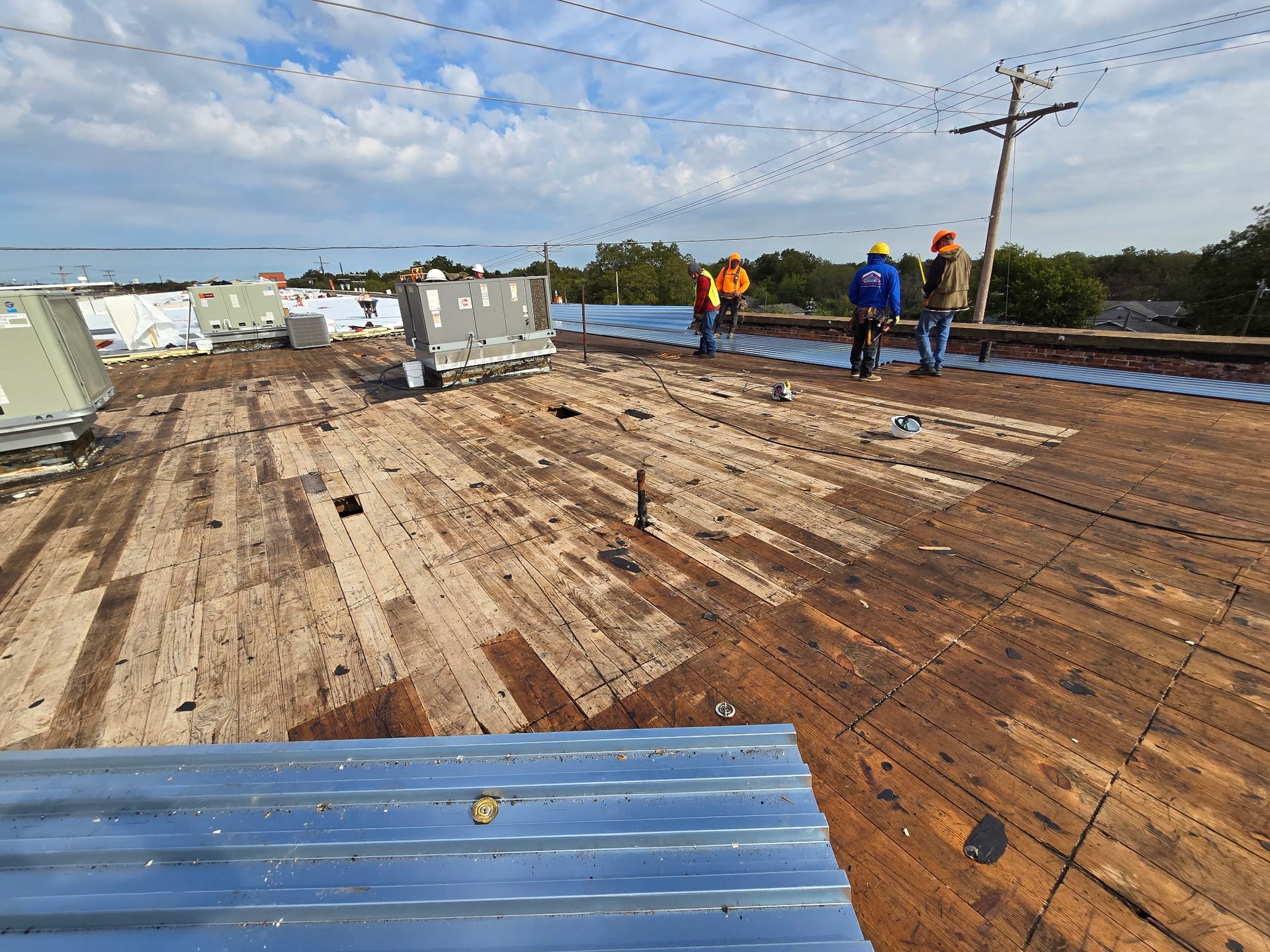
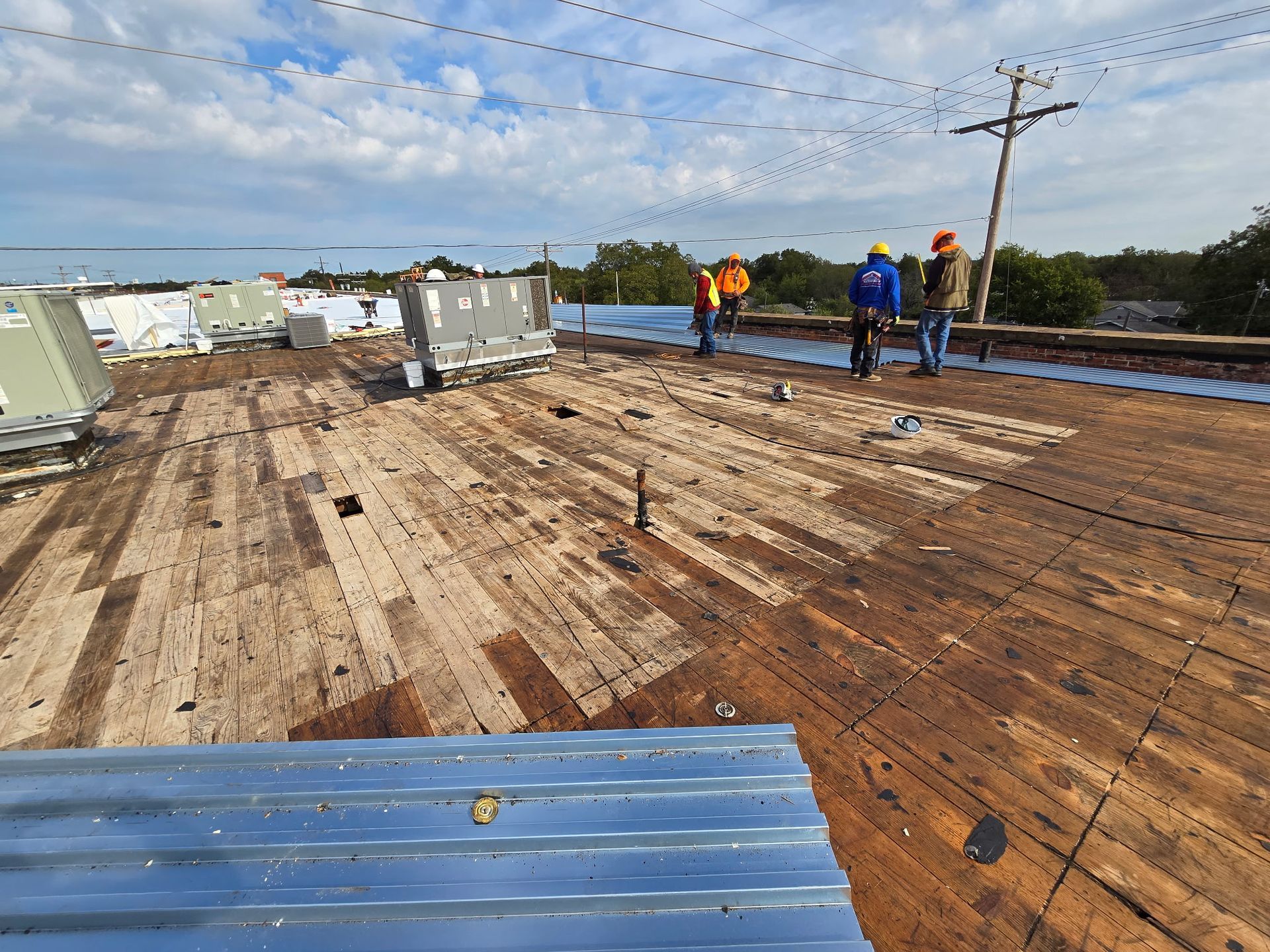
Authorized removal or investigation may reveal affected decking, wet insulation, damaged flashing, or another condition not visible during the initial inspection. The contractor can document what was found and explain the construction response.
Record the location, discovery date, photographs, and limits of the finding. Distinguish observed deterioration from an unsupported conclusion about when or why it occurred.
A concealed condition does not automatically establish storm causation or coverage. Keep those questions separate from the need to understand the building's physical condition.
Agree beforehand on how unexpected findings will be communicated and authorized. An owner should know how the contractor will maintain appropriate protection while additional work and pricing are being considered.
What the Roofer Can Do: Explain Flashing and Detail Work
Roof estimates can differ in their treatment of valleys, wall junctions, chimneys, pipe boots, edges, and transitions. A contractor can identify the proposed detail and explain how it relates to observed conditions and installation requirements.
Ask for enough specificity to understand whether the work involves repair, replacement, or a redesigned connection. A general phrase such as additional flashing does not describe the location or method.
Photographs should connect the detail to the building and the estimate item. If the condition cannot be fully evaluated until removal, state that limitation.
The explanation can support a technical review without promising that the insurer must pay. Required construction and insured reimbursement remain distinct questions.
What the Roofer Can Do: Provide Relevant Product Information
Manufacturer instructions may explain substrate preparation, accessories, fastening, laps, or other installation details relevant to the proposed system. The contractor can identify the applicable product and information.
Do not submit a generic manual without showing which part addresses the actual work. Confirm that the product, assembly, and conditions match the reference being used.
Similarly, a code-related construction explanation should identify the relevant requirement and project applicability. A broad statement that code requires everything does not establish the necessary scope.
The insurer evaluates policy coverage for associated costs. If that interpretation is disputed, the owner should seek the appropriate advice rather than expecting the contractor's product literature to resolve the policy question.
What the Roofer Can Do: Issue a Revised Estimate
A useful revision identifies added, removed, or corrected work and explains why it changed. Keep quantities, materials, price, assumptions, and exclusions clear.
Distinguish the new proposal from earlier versions. A revision date and short change summary can prevent a reviewer from comparing the wrong documents.
If optional improvements are added at the owner's request, price and describe them separately. A change in owner preference should not be presented as newly discovered damage.
For commercial assemblies, Showtime Exteriors' commercial roofing information provides context for defining a scope. Membranes, coatings, metal, and asphaltic roofs may require different investigation and documentation.
What the Roofer Can Do: Answer Technical Follow-Up
An insurer may ask for clearer photographs, a measurement explanation, or information about a proposed repair method. The contractor can provide factual construction responses within its role.
TDI's claim filing guidance recognizes discussions between contractors and adjusters about repair or replacement costs and emphasizes useful records. Keep the exchange focused on the actual construction question.
If a request changes into a coverage dispute, identify that transition rather than assuming the contractor handles every issue in the same conversation.
Track what information was provided and any limitations. A contractor should not state that a condition was verified if the requested area was inaccessible or the necessary investigation was not performed.
What the Roofer Cannot Do: Negotiate as the Policyholder's Adjuster
Texas prohibits a contractor from acting as a public adjuster or advertising to adjust claims for property where it provides or may provide contracting services. A supplement does not create an exception.
TDI's roofing and insurance law guidance identifies problematic conduct including settlement negotiation and speaking for the policyholder on coverage. Homeowner permission does not remove the underlying restriction.
A contractor should not promise to recover every dollar, determine the owner's settlement entitlement, or handle a policy dispute as part of the roofing job.
Ask exactly what is meant by handling supplements. Preparing accurate construction documents is different from representing the owner in negotiations with the insurer.
What the Roofer Cannot Do: Guarantee Approval
An itemized estimate and detailed photographs can support review but cannot guarantee additional payment. The insurer still evaluates the claim under the policy and relevant facts.
Do not assume that a new total, a software-generated estimate, or a contractor's confidence makes the requested amount payable. Evidence and applicable requirements matter.
Likewise, a request for more information is not necessarily approval or denial of the proposed work. Ask the insurer for a clear explanation of the current status.
The owner should understand construction obligations before proceeding. A promise that insurance will take care of the difference should not replace an agreement explaining the price, payment schedule, and responsibility for unresolved amounts.
What the Roofer Cannot Do: Inflate or Alter the Record
Every estimate and invoice should reflect genuine proposed or completed work. Do not add fictional quantities, misstate material costs, or describe an owner upgrade as damage repair simply to increase a request.
Preserve original photographs. Annotations may identify a location but should not manufacture or exaggerate the condition.
Keep discovery dates and cause descriptions accurate. Damage found during removal is not automatically damage caused by the claimed storm.
If an earlier estimate contained an error, correct it openly and explain the change. A credible revision can acknowledge mistakes. Quietly replacing documents or altering another party's records can make the file harder to trust and understand.
What the Roofer Cannot Do: Waive the Deductible
Texas restricts offers to waive, rebate, or absorb an insurance deductible. A supplement process does not permit an inaccurate invoice or payment arrangement.
Ask the insurer or agent to explain the applicable deductible. Ask the contractor for a clear contract price and legitimate records of payments and work.
Do not assume an increased estimate makes the deductible disappear. Optional improvements, excluded work, and unresolved differences may also remain the owner's responsibility.
If the final scope changes, review how that affects the agreement and funding. Keep insurer payments, lender releases, and contractor invoices identifiable rather than combining them into a vague promise of no out-of-pocket cost.
What the Roofer Cannot Do: Supply Legal Advice
A contractor's construction expertise does not make it the owner's lawyer. Questions about legal remedies, policy enforceability, dispute deadlines, or legal strategy should go to an appropriate attorney.
If claim representation is needed, understand the professional role and engagement. TDI's public adjuster guidance explains licensing, fees, and limitations, including the separation from contracting on the same claim and from legal advice.
Ask who represents whom and what services are included. Keep written agreements and understand costs before hiring another professional.
Do not allow an unresolved deadline to pass because someone informally says the supplement is being handled. Confirm responsibility with the person qualified and engaged to address that requirement.
Construction Changes and Claim Review Need Separate Tracking
Document or actionMain purposeImportant distinctionInspection reportDescribe observed conditionsDoes not decide coverageRevised estimateExplain proposed construction and priceDoes not guarantee reimbursementOwner change orderAuthorize a change to purchased workMay include owner-funded workProduct or code referenceExplain applicable construction requirementsDoes not establish policy benefitsClaim submissionProvide information for insurer reviewMust follow the appropriate processFinal invoiceState actual work and chargesMust remain accuratePayment explanationDescribe insurer calculationSeparate from contractor pricing
An owner may need several of these records at the same time. Keeping their purposes clear reduces confusion about what has been approved and what remains under review.
Example: A Flashing Item Missing from an Estimate
Suppose a contractor proposes replacing damaged flashing at a particular wall junction, but the insurer's estimate appears not to include that work.
The contractor can identify the location, provide photographs, explain its method, and state the associated price. The owner can ask the insurer to review that specific construction difference through its process.
If the insurer explains that the disagreement concerns coverage, the owner should direct that question to the appropriate adviser. The contractor can continue supplying physical facts without becoming the owner's coverage representative.
The result may be further review, a request for information, or a maintained decision. Clear construction evidence makes the question concrete but does not predetermine the outcome.
Example: Affected Decking Found during Removal
Consider a project where authorized removal exposes deteriorated decking that was not visible earlier. The contractor should document the actual area and explain why the proposed construction needs to change.
The owner must understand the change authorization and cost. The insurer may require additional information before deciding whether associated costs are covered.
These two decisions should not be blurred. Construction necessity does not by itself establish insured causation, and an unresolved payment question does not make unsafe or unsuitable substrate acceptable.
Agree on the process for temporary protection and further assessment. If specialist input is required, identify it clearly rather than expecting a revised roof estimate to answer structural or other questions outside the contractor's scope.
Organize a Reviewable Information Packet
Use the property address and claim number consistently. Include a short explanation of the specific construction issue, the current estimate, relevant photographs, and applicable references.
Avoid sending every project document without an index. A reviewer should be able to identify the location and understand why the estimate changed.
Showtime Exteriors' commercial roof maintenance records guide provides organization ideas owners can adapt to residential projects. Keep earlier reports and prior repairs distinguishable from newly documented findings.
Confirm who submits the packet and how receipt will be recorded. Giving the homeowner an estimate and sending information to the insurer are separate actions with different responsible people.
Keep the Owner in Control of Project Decisions
The owner should receive revised construction documents and understand what changes in scope, price, and schedule. Do not let a technical exchange leave the purchaser unaware of new obligations.
The Office of Public Insurance Counsel's residential claims overview provides general context for records and professional options. Apply the actual policy and project requirements to your situation.
Track open questions with a responsible contact and next action. Identify whether each question belongs to the roofer, insurer, lender, owner, or another professional.
Keep available funds and contract obligations clear while the review is pending. An owner should not assume an additional payment will arrive by the contractor's next invoice date without confirmation of the relevant process.
If a Difference Remains Unresolved
Ask for a written explanation of the insurer's position and identify whether the disagreement concerns facts, construction scope, amount, or coverage. Different issues may need different responses.
TDI's complaint and appraisal guidance explains that appraisal addresses amounts rather than deciding coverage and describes the complaint process's limitations. Neither should be presented as a guaranteed route to payment.
Seek appropriate advice about applicability, timing, costs, and consequences before choosing a dispute process. The roofer can provide construction records without directing legal strategy.
Do not keep resubmitting an unchanged estimate without understanding what remains disputed. Ask a specific question and provide information relevant to it.
Choose Materials for the Building, Not the Expected Payment
A supplement discussion may occur alongside owner-selected improvements or a revised system recommendation. Separate those decisions from the physical damage being evaluated.
Review substrate, drainage, insulation, attachment, maintenance, and operating needs. The Texas roofing system selection guide offers broader questions for comparing construction options.
A useful upgrade may still be owner-funded. Describe it honestly and keep its price identifiable.
If the roof contains several materials or sections, explain transitions and scope boundaries. A revised estimate should help the owner understand the complete project rather than merely generate a larger total for insurance review.
Frequently Asked Questions
Can my roofer prepare a supplement?
A roofer can prepare revised construction estimates and supporting technical documents. It cannot use that process to act as your public adjuster for property where it provides or may provide contracting services.
Can the contractor discuss its estimate with the adjuster?
Yes, technical construction discussions are permitted. Explaining measurements, methods, and costs differs from representing the owner on coverage or negotiating a settlement.
Is every newly discovered condition covered?
No. Document the finding and ask the insurer about its evaluation. Discovery during removal does not establish when the condition developed or whether the policy covers the associated work.
Does a supplement change my construction contract?
Not automatically. Review the actual agreement and any proposed change order. Understand the revised work and payment obligations separately from the insurer's review.
What should the final invoice show?
It should accurately identify actual work and charges, including legitimate authorized changes. Do not alter records to match an expected payment or conceal owner-funded improvements.
Request Accurate Construction Support
A roof claim supplement is most useful when construction facts, revised scope, owner authorization, and insurer review remain clear. The contractor contributes roofing expertise while coverage representation and legal advice stay with the appropriate professionals.
For a Texas roof assessment or construction estimate, contact Showtime Exteriors or call 817-400-7663. Share current records and unresolved physical questions so the roofing discussion can focus on the building and proposed work.