



Modified Bitumen Roofing in Texas: Benefits, Lifespan, and Best Uses
Compare modified bitumen roofing benefits, lifespan factors, installation methods, maintenance, and best uses for Texas commercial and low-slope buildings.
Modified bitumen roofing is one option for Texas buildings with low-slope roofs. Its reinforced asphalt sheets can be assembled into layered systems, with installation methods and surface finishes selected for the project. The right choice depends on the complete roof assembly and the building's needs.
For an owner comparing systems, the useful questions go beyond whether modified bitumen is durable. What is below the membrane? How does the roof drain? Which application method fits an occupied building? What maintenance will be needed, and what evidence supports an estimate of remaining service life?
Showtime Exteriors can discuss roofing assessments and project needs for Texas properties. This guide explains modified bitumen's benefits, limitations, lifespan factors, and practical uses so owners can compare a defined assembly rather than a material name alone.
What Is Modified Bitumen Roofing?
Modified bitumen combines asphalt with polymers and reinforcement to produce manufactured roofing sheets. The sheets form part of a low-slope waterproofing assembly, often including a base or ply layer and a cap sheet.
The Asphalt Roofing Manufacturers Association's roofing FAQ describes asphalt modified with materials such as SBS and APP. These modifiers affect physical properties, but the installed system also depends on reinforcement, surfacing, attachment, and detailing.
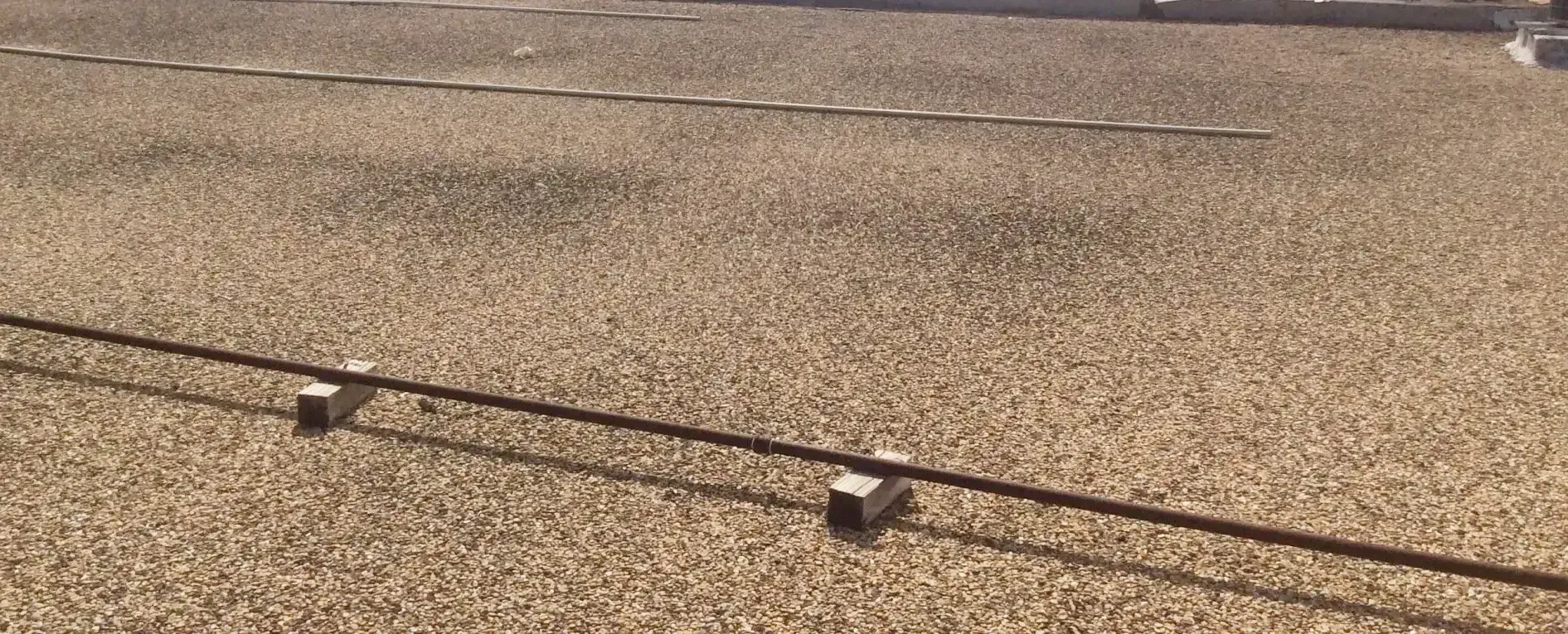
A granulated cap sheet has mineral surfacing bonded to the sheet. It should not be confused with loose gravel placed over an aging built-up roof. The two conditions involve different inspection and maintenance considerations.
Do not identify a roof only by a gray surface or visible roll laps. Have a qualified contractor verify the material and available assembly information before specifying repair or replacement work.
SBS and APP: Know What Is Being Proposed
SBS stands for styrene-butadiene-styrene, a rubber modifier. APP stands for atactic polypropylene, a plastic modifier. Both are used in modified asphalt roofing products, but individual membranes and installation instructions differ.
Johns Manville's SBS system resources show examples of membranes, adhesives, and associated components. A proposal should identify the specific product and assembly rather than simply stating that SBS will be installed.
The manufacturer's APP roofing resources illustrate another product family. Do not assume an APP sheet accepts the same installation or repair method as an SBS sheet.
Ask why the proposed product fits the substrate, building operations, and project conditions. Broad claims that one modifier is always best for Texas leave important design questions unanswered.
Evaluate the Complete Assembly
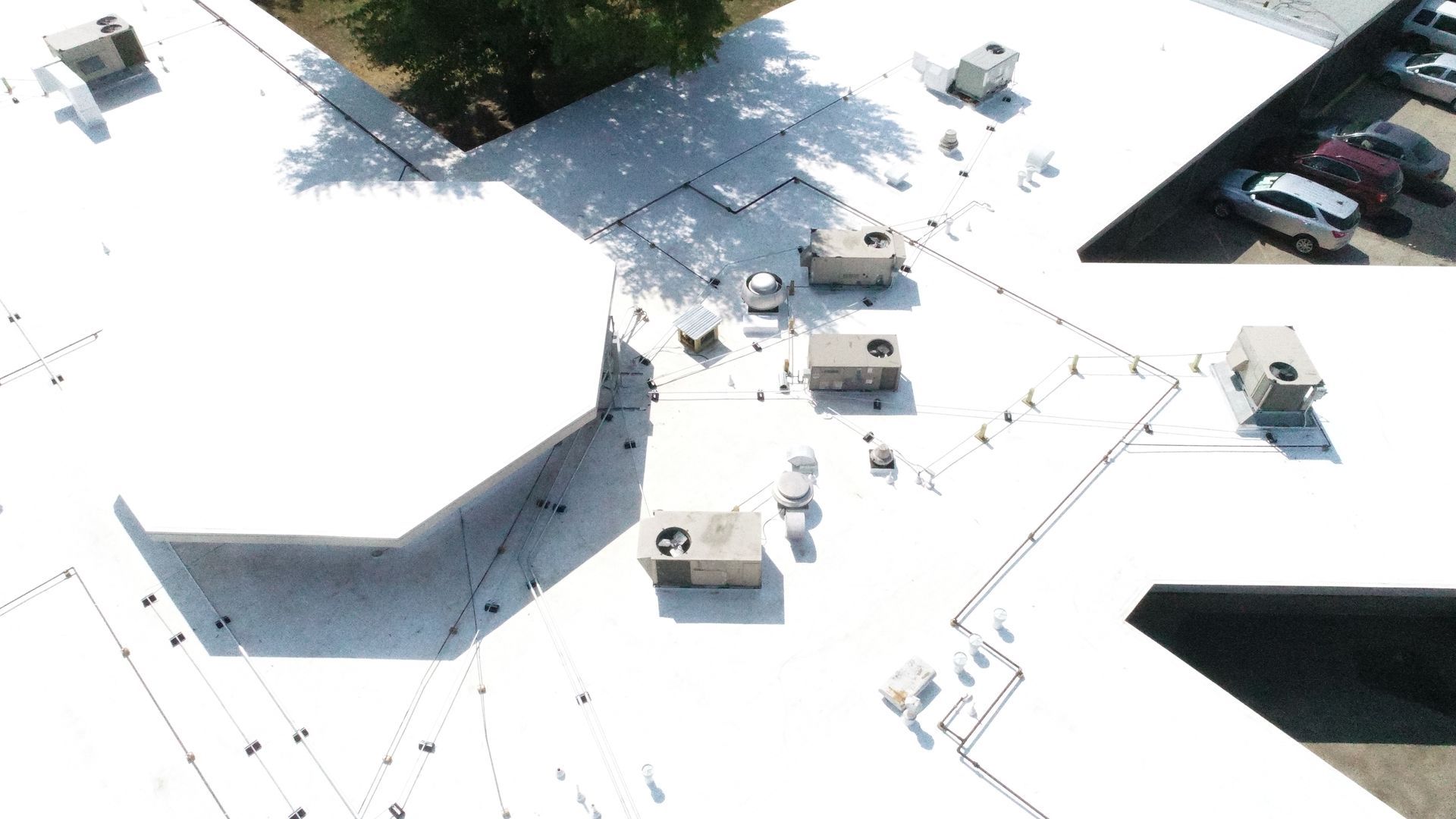
The membrane is the visible waterproofing layer, but it is supported by other components. Deck condition, vapor control where needed, insulation, cover board, attachment, and drainage affect the finished roof's performance.
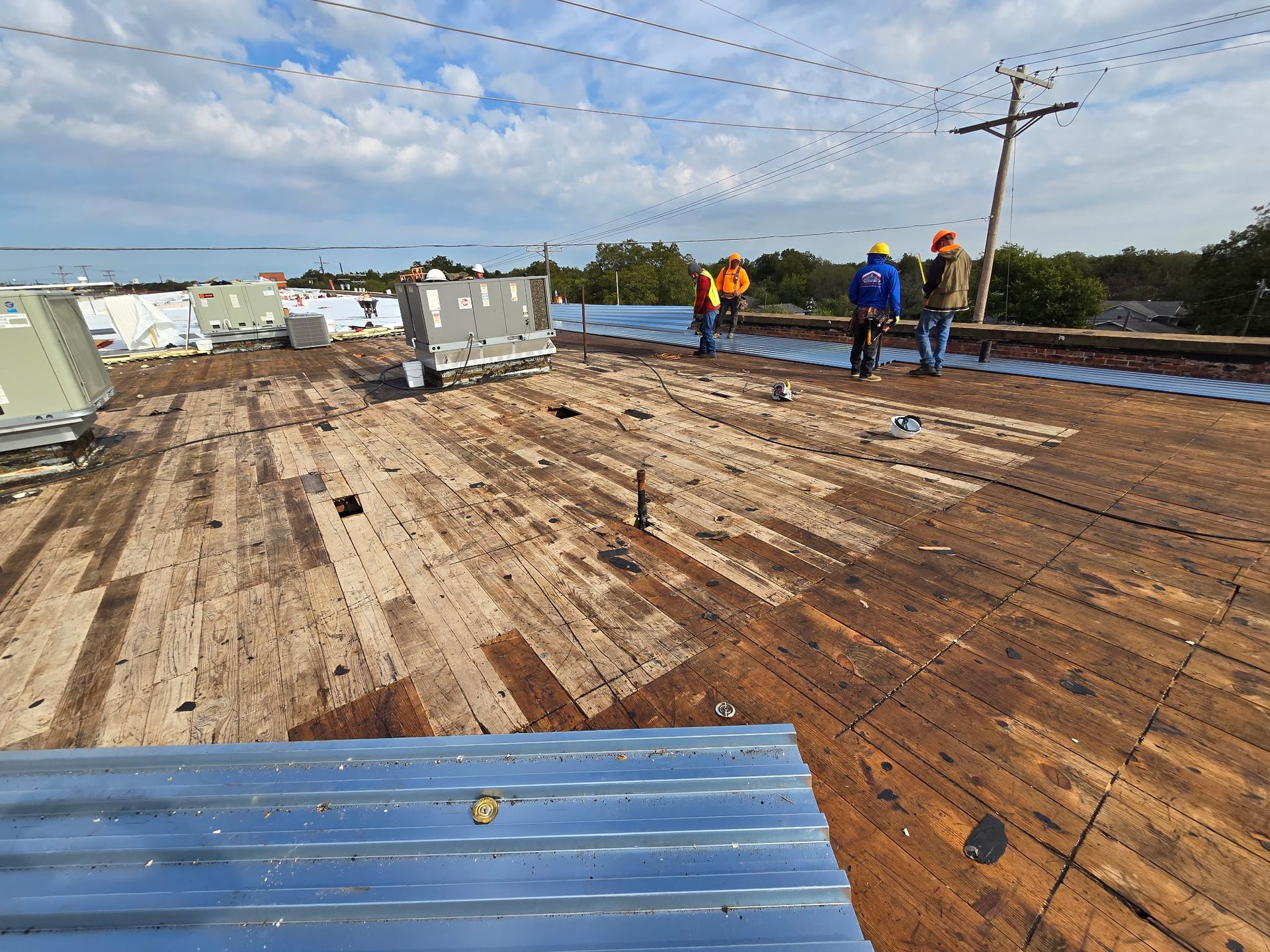
A sound cap sheet cannot compensate for deteriorated decking or trapped moisture below. Similarly, adding layers without reviewing loads, attachment, and applicable requirements can create problems that are not apparent from the surface.
Ask the contractor to identify what is verified, what remains unknown, and what investigation is recommended. Selective openings or other assessment may be needed before a reliable scope can be prepared.
The commercial roofing service overview provides context for beginning that discussion. A useful assessment connects observed conditions with a specific recommendation and states the limits of the inspection.
Benefit: Layered Waterproofing Options
Modified bitumen systems can use multiple layers designed to work together. The layer arrangement provides an owner with several assembly choices rather than one universal sheet configuration.
That benefit depends on correct installation. Base layers, laps, staggered joints where required, and flashings must follow the selected system's details. More material does not automatically produce better performance if attachment or workmanship is deficient.
Ask the proposal to state the number and type of layers and how they will be installed. A description such as two-ply should be supported by product names and the intended assembly.
Compare alternatives on the same basis. A price for one undefined membrane layer cannot be meaningfully compared with a fully specified assembly that includes insulation and related work.
Benefit: Reinforcement and Serviceability
Reinforcement and the assembled system can provide useful physical strength for low-slope applications. This can be relevant where a roof has equipment and planned service activity.
It does not make the surface immune to punctures, abrasion, or damage from sharp objects. Service routes, compatible protection, and control of other trades remain important.
A qualified contractor may be able to repair localized defects in a serviceable modified bitumen assembly. The appropriate repair depends on the material, condition, existing treatments, and underlying layers.
Do not assume that a dark patch or a layer of roof cement is an acceptable solution to every defect. A repair should have a defined purpose, compatible materials, suitable preparation, and a method for checking completion.
Benefit: Several Installation Approaches
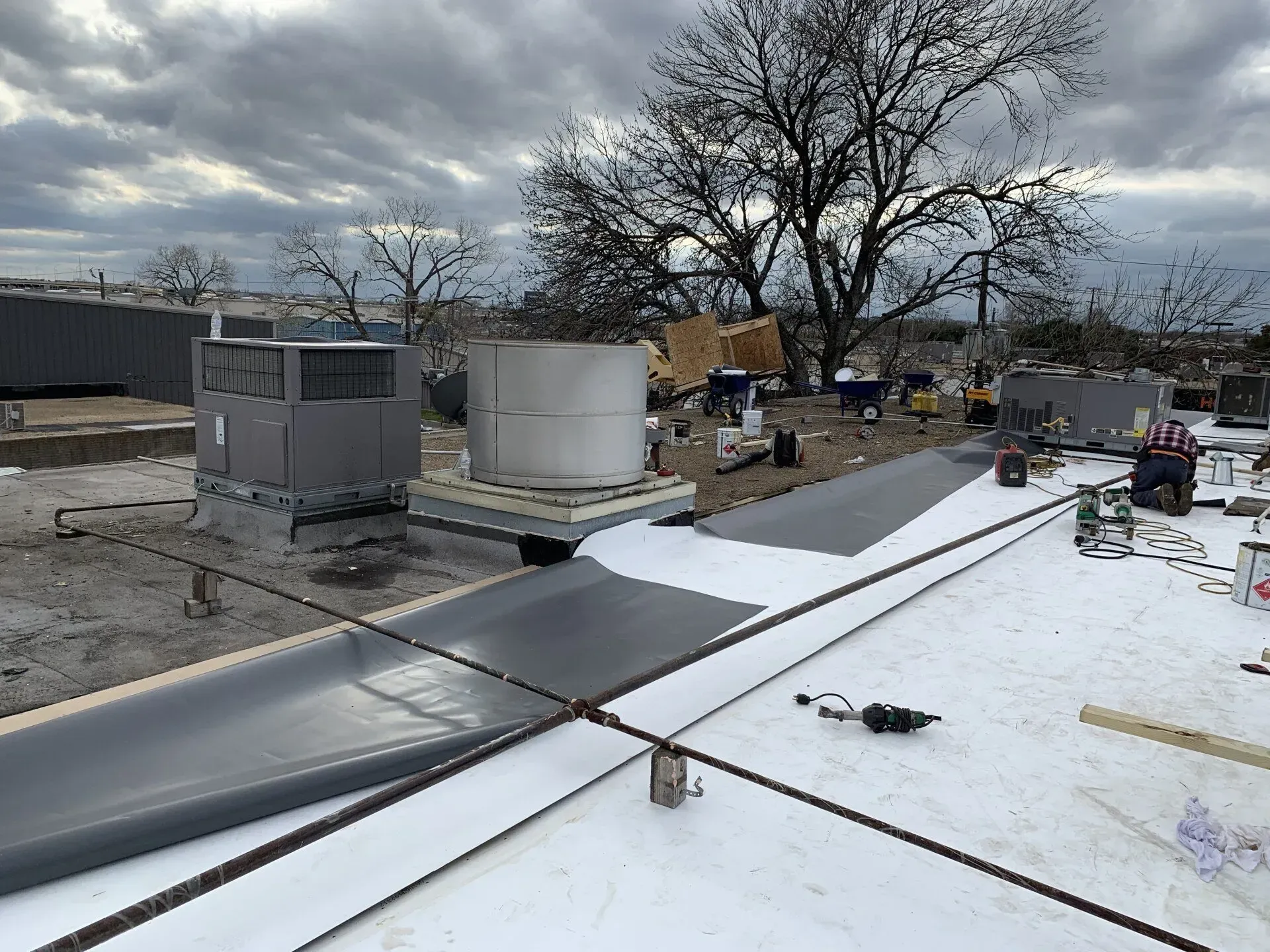
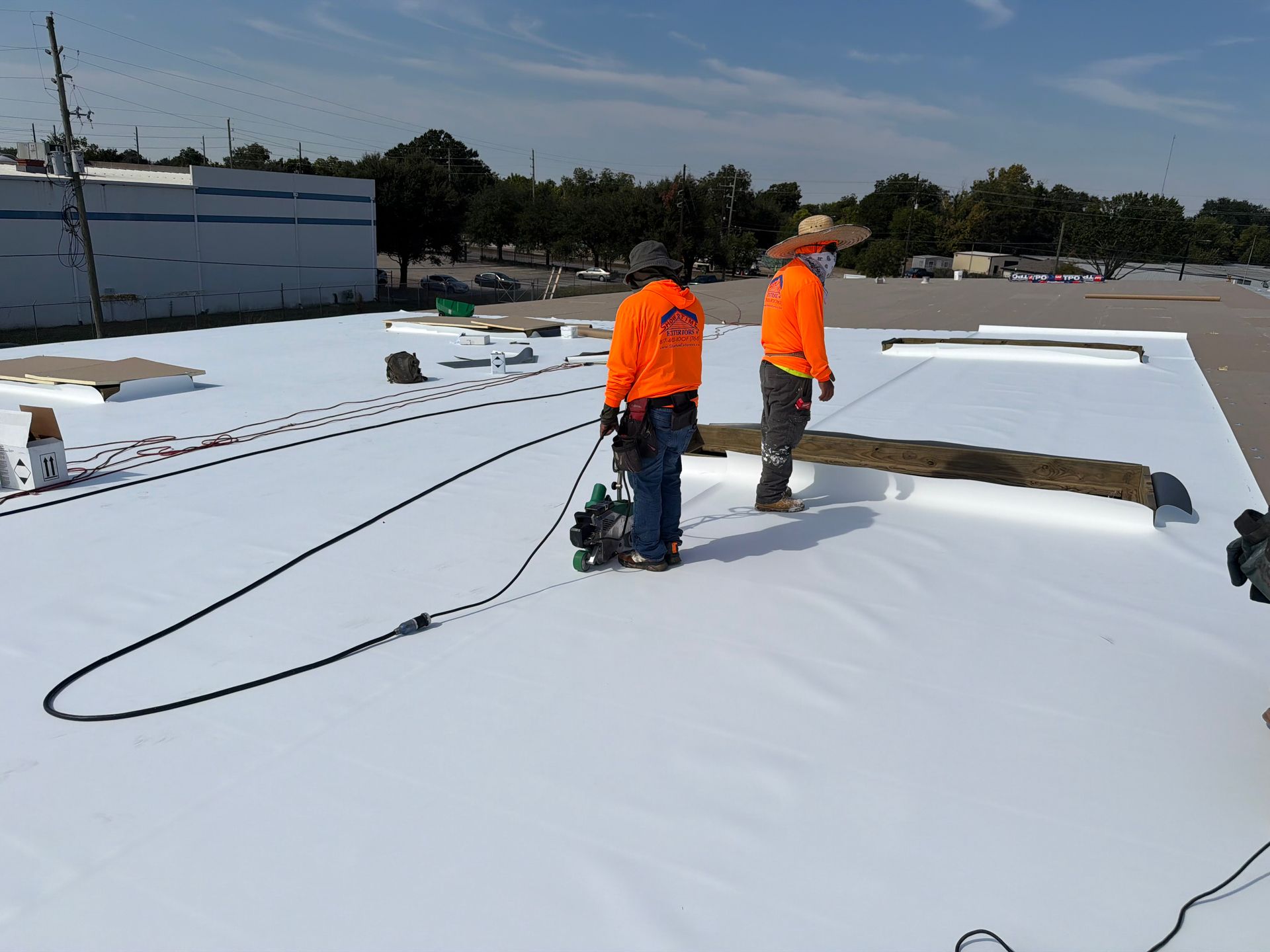
Depending on the product and assembly, modified bitumen may be installed using self-adhered, cold-applied, heat-welded, or other specified approaches. The selected method should fit the actual materials and project conditions.
GAF's modified bitumen system overview describes application options, including factory-applied adhesive on self-adhered products. Availability of an option does not mean every membrane can be installed by that method.
For occupied buildings, discuss odors, noise, access, staging, and equipment air intakes. Any hot work requires appropriate procedures and qualified personnel; an open flame should never be treated as an ordinary owner maintenance tool.
Self-adhered installation also has requirements. Surface preparation, temperature, substrate suitability, pressure, and details still matter. It is not simply a matter of peeling backing off a roll.
Benefit: Useful Surface Choices
Modified bitumen roofs can have different cap-sheet surfaces and finishes. Some products offer reflective surfacing, while others use darker mineral granules or require specified protection.
Do not select a surface solely by appearance. Ask about the actual product's documented properties, maintenance instructions, and suitability for the assembly.
A reflective finish may be part of an energy strategy, but roof color alone does not establish building savings. Insulation, building use, climate, equipment, and the existing condition also influence the result.
If a coating is proposed later, verify compatibility, substrate condition, preparation, and system requirements. A coating should not conceal unresolved splits, wet materials, or defective flashings simply to make the surface look uniform.
Lifespan: Use a Building-Specific Estimate
Modified bitumen does not have one guaranteed service life that applies to every Texas roof. Assembly quality, installation, drainage, weather exposure, rooftop traffic, maintenance, and underlying conditions all influence performance.
A published warranty duration is not a prediction that an existing roof will perform for exactly that period. Warranty eligibility and coverage also depend on specified products, installation, and other terms.
Ask the assessor to explain the basis for any remaining-life estimate. The useful answer connects observed condition, repair history, and assembly information with a planning range and its uncertainty.
If records are missing or moisture conditions are unknown, that uncertainty should be explicit. Avoid precise retirement dates based only on a roof's apparent age or a photograph of its surface.
Factors That Can Shorten Useful Service
Repeated water accumulation, unresolved open details, damaged surfacing, poorly coordinated equipment changes, and recurring leaks can increase maintenance needs. Some conditions require more than a localized surface repair.
Damage from other trades can also matter. Dropped fasteners, dragged panels, unapproved penetrations, and obstructed drainage should be addressed through access procedures and follow-up inspections.
An owner should not assume every blister is identical or every split has the same cause. Document the location and have qualified personnel evaluate significance and appropriate action.
A history of repeated repair at one location is useful evidence. Ask whether the underlying cause has been identified rather than authorizing another similar patch without an explanation.
Best Use: Low-Slope Commercial Buildings
Modified bitumen can be considered for offices, retail buildings, small commercial properties, and other low-slope applications when a suitable assembly is selected.
Equipment density, drainage layout, deck type, access, occupancy, and construction restrictions should shape the recommendation. A smaller roof with several penetrations may need different details and staging than a large open roof area.
Do not treat the material as a solution for a drainage design problem. The roof still needs a workable water path and properly integrated outlets and overflows.
For an occupied property, include daily protection and communication in the scope. The best material decision still requires a construction plan that fits how the building is used.
Best Use: Some Residential Low-Slope Sections
Homes can have low-slope additions, porch roofs, garages, and transitions where ordinary steep-slope shingles may not be suitable. A specified modified bitumen assembly may be an option for some of these areas.
Evaluate slope, drainage, roof-to-wall junctions, adjoining materials, and the substrate before making a selection. A small area does not make detailing unimportant.
Showtime Exteriors' residential roofing information provides service context for homes with mixed roof types. Ask the contractor to explain where each system begins and how transitions will be completed.
Do not assume the low-slope section can be covered with the same material as the main roof merely to achieve a matching appearance. Product suitability and installation requirements should come first.
When Another System May Be More Appropriate
Modified bitumen should be compared with other assemblies when weight, installation restrictions, chemical exposure, geometry, or operational needs create competing priorities.
Single-ply membranes, metal, or another approach may offer a better fit for a particular building. That decision requires the same attention to substrate, attachment, flashings, and drainage.
The Texas roof materials and selection guide provides broader questions for comparing systems. Focus on the complete project rather than broad claims that one material always outperforms another.
If a contractor recommends changing materials, ask what specific problem the change solves and what new maintenance or detailing requirements come with it. A different surface alone may not address the building's existing issues.
Texas Weather: Look at the Tested Assembly
Texas buildings face different combinations of heat, wind, hail, heavy rain, and freezing conditions. Performance claims should refer to the actual assembly and relevant requirements rather than a generic material reputation.
Ask how the proposed roof addresses attachment, edges, flashings, and penetrations. A membrane's properties do not independently establish the performance of every component around it.
Johns Manville's roofing codes resources provide examples of assembly approvals and technical references. Confirm which information applies to the proposed deck and system, and involve appropriate design expertise where needed.
No roof should be described as hailproof or immune to wind damage. Inspections after significant events should identify observed changes and their significance without assuming every mark has the same cause.
Drainage and Moisture Must Be Addressed
Before reroofing, inspect the drainage layout and document areas of recurring accumulation. Determine whether debris, blocked components, slope, or underlying conditions contribute to the problem.
Clarify how the project addresses confirmed wet insulation or deteriorated materials. A new membrane installed over unresolved moisture is not equivalent to a dry, suitable substrate.
If the scope proposes retaining an existing roof, ask how suitability will be evaluated and which limitations apply. Re-cover decisions need to consider applicable requirements, attachment, loads, moisture, and system compatibility.
Aging gravel-surfaced built-up roofs deserve careful deterioration assessment and leak tracing. Do not assume the visible surfacing establishes the condition of concealed layers or that a new cap can be added without investigation.
Maintenance: Keep the Program Practical
Plan professional inspections around the manufacturer's requirements and the property's exposure. Spring and fall visits can be a starting point, with additional checks after significant weather or rooftop work where appropriate.
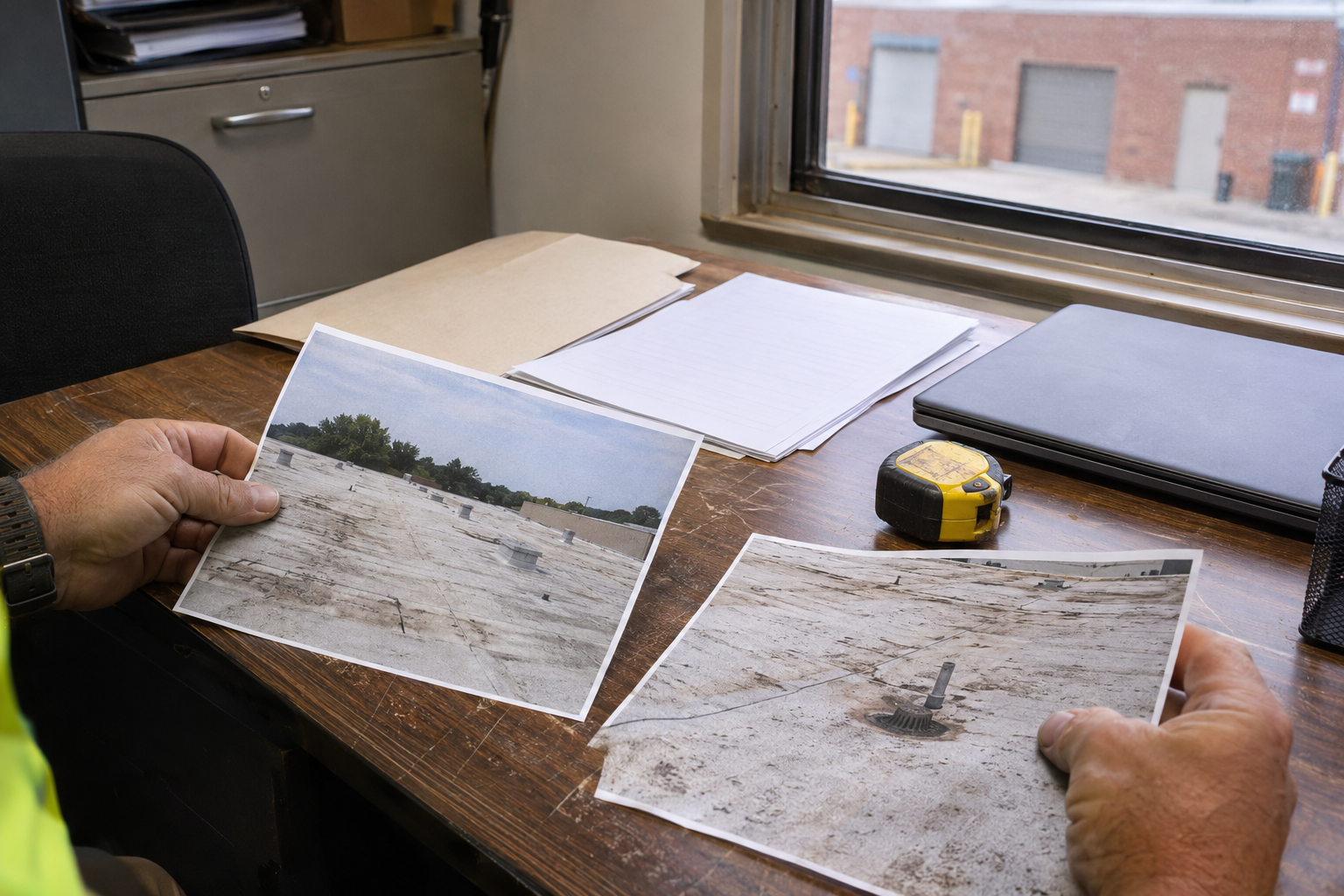
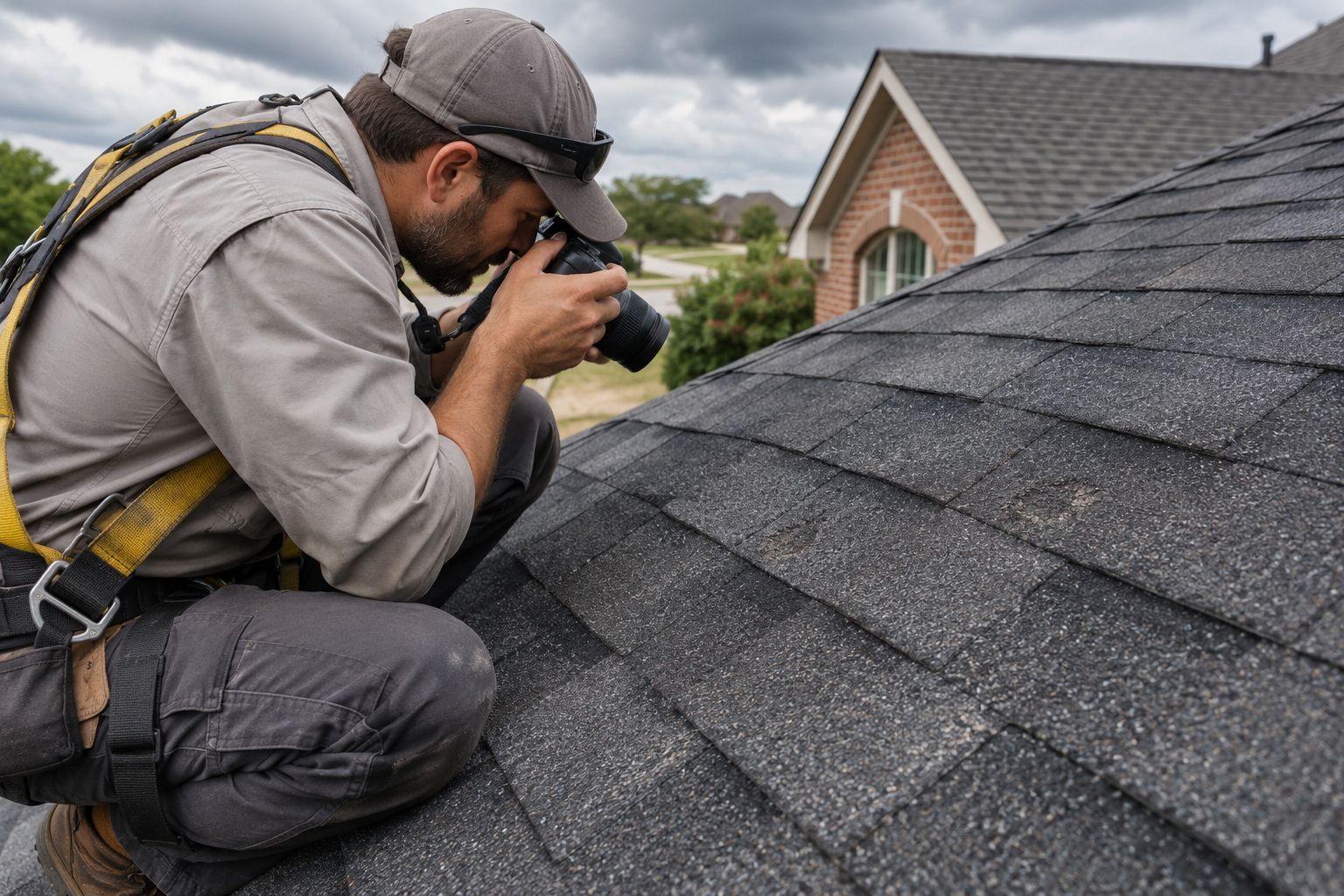
Keep drains and discharge routes clear through qualified maintenance. Record open laps, splits, damaged flashings, unusual surface changes, and service damage with location-specific photographs.
GAF's roof asset management resources provide manufacturer context for organizing ongoing care. The actual schedule and repair procedures should follow the installed assembly.
Owners and staff should keep their observations to safe accessible areas. Qualified personnel should manage roof access, appropriate safety measures, and material-specific inspection methods.
Compare Proposals Using the Same Questions
Proposal itemWhat the owner should understandExisting conditionWhat has been verified and what remains unknownSystem descriptionSpecific sheets, layers, insulation, and related componentsInstallation methodWhy it suits the products and occupied siteDrainageWhich observed issues are addressedUnderlying materialsHow wet or damaged components will be handledFlashings and edgesWhat is replaced, retained, or redesignedConstruction logisticsAccess, staging, protection, cleanup, and communicationWarrantyProvider, scope, exclusions, and owner requirementsCompletion recordsPhotos, product information, and unresolved items
A short material description does not establish an equivalent scope. Compare the same work and assumptions before treating a price difference as a better value.
Budget Beyond the Membrane Price
Project cost depends on size, access, removal, substrate repairs, insulation, drainage changes, detail complexity, labor, and operating restrictions. A universal price per square foot can hide major differences.
Separate routine maintenance, corrective repairs, and capital work in the owner's plan. Include the cost of investigation where it is needed to define a reliable scope.
Clarify how concealed findings will be authorized and priced. A written change process is more useful than a vague promise to work everything out after the roof is opened.
Keep optional improvements separate from necessary construction. This allows owners to compare the base proposal and make deliberate choices about additional work.
Preserve Records from Installation Onward
Keep product names, drawings, warranties, inspection reports, repair invoices, and photographs in one accessible file. Label roof sections consistently so later work can be traced.
Showtime Exteriors' guide to commercial roof maintenance records insurers may request offers practical documentation ideas. Records help describe the property accurately; they do not guarantee an insurance or warranty decision.
Record who accessed the roof and what changed after equipment service. New penetrations and repairs should be added to the roof map rather than left only in an email exchange.
At project completion, confirm that temporary measures and unresolved items have a responsible person and a follow-up date. An invoice alone does not establish that every planned action is finished.
Use a Preconstruction Meeting to Resolve Open Questions
Before installation begins, review the approved assembly with the owner, contractor, and other relevant participants. Confirm the roof sections included, retained components, planned removals, and areas where additional investigation may change the work.
Discuss how the building will remain protected each day. The contractor should explain staging, material handling, temporary weather protection, and the process for responding to an unexpected condition. These arrangements should reflect the size and occupancy of the property.
Coordinate rooftop equipment work before the membrane details are finalized. If an HVAC replacement or new penetration is planned soon, address that sequence now rather than disturbing a recently completed roof unnecessarily.
For occupied buildings, identify entrances, deliveries, accessible routes, sensitive equipment, and air intakes. Agree on who communicates schedule changes and how occupants report concerns. A suitable installation method still needs a practical site plan.
Confirm how completion will be documented. The owner should receive the final product information, applicable warranty documents, photographs, and any maintenance instructions. Note items that require future attention rather than assuming the handoff is complete when materials leave the site.
Review Performance Over Time
After installation, establish a baseline record and compare later inspections with it. Look for patterns in leak reports, repeated repairs, drainage concerns, or damage associated with service activity.
A maintenance visit should lead to a clear action list. Assign responsibility and a target date for each unresolved finding, then retain completion evidence. If the same problem returns, ask whether its cause has been adequately investigated.
This ongoing record helps an owner refine capital planning as the roof ages. A remaining-life estimate can be updated when new evidence becomes available rather than treated as a permanent promise made at installation.
Frequently Asked Questions
How long does modified bitumen roofing last in Texas?
There is no single service-life promise for every assembly. Ask for a condition-based estimate that considers installation, drainage, exposure, maintenance, and underlying materials. Treat warranty duration and predicted performance as different subjects.
Is SBS always better than APP?
No universal ranking answers the project question. Compare specific products, installation methods, assembly requirements, and building conditions. The contractor should explain why the proposed system fits the property.
Does modified bitumen always require a torch?
No. Some systems use self-adhered or cold-applied methods, while others have different requirements. The selected products and current manufacturer instructions determine the appropriate approach.
Can an existing modified bitumen roof be coated?
Possibly, but compatibility and condition must be assessed first. Confirm that the substrate is suitable and that defects and affected underlying materials are addressed. Coating should not replace necessary investigation or repairs.
Can localized damage be repaired?
A compatible repair may be appropriate for an otherwise serviceable assembly. The scope depends on the defect, surrounding condition, and any underlying damage. Repeated failures can justify a broader assessment.
Choose the Assembly That Fits the Building
Modified bitumen can be a practical low-slope roofing option when the products, substrate, installation method, drainage, and maintenance plan work together. Its value comes from a defined system installed and maintained for the actual property.
To discuss a Texas roof assessment or compare repair and replacement options, contact Showtime Exteriors or call 817-400-7663. Share the roof history and operating needs so the recommendation can address the building as a whole.