



Post-Storm Roof Inspection: Inspection Checklist for Home and Building Owners
Organize a post-storm roof inspection with safe owner observations, professional checks for shingles and commercial systems, documentation, repairs, and follow-up.
A storm can leave obvious roof damage, subtle changes, or no damage at all. Missing shingles, displaced edge metal, new interior staining, and debris near drains deserve attention, but none of those observations alone explains the complete condition of a roof.
A useful post-storm inspection connects safe owner observations with a qualified assessment. It identifies what changed, where the concern is located, what has been verified, and which next steps are appropriate. It should not begin with a homeowner or employee climbing onto the roof.
Showtime Exteriors can discuss roof inspection and construction needs for Texas properties. This checklist helps owners prepare for an assessment, understand the report, and track necessary work. It does not establish structural safety, insurance coverage, or permission to enter a damaged building.
Start with Weather and Immediate Hazards
Continue monitoring official alerts and follow local instructions. Additional thunderstorms can arrive after an initial storm, and damage can leave hazards even after skies brighten.
The National Weather Service's outdoor lightning guidance emphasizes seeking appropriate shelter during thunderstorms. Do not go outside to collect roof photographs while lightning remains a threat.
Stay away from fallen power lines, hanging material, unstable trees, and visibly damaged structures. Contact emergency services or the appropriate utility from a safe location when an immediate hazard exists.
If a building has suspected structural damage, do not enter or send someone into the attic to investigate. Arrange the appropriate assessment and follow access restrictions before proceeding with ordinary roof documentation.
Understand the Owner's Role
Owners can record information from safe accessible locations, preserve earlier records, and arrange qualified inspection. They should not attempt roof-level testing, lift shingles, probe seams, or remove embedded debris.
A contractor should determine access arrangements and suitable inspection methods. OSHA's fall protection requirements provide construction safety context, including evaluation of working surface strength and structural integrity.
Drone imagery or photographs from the ground can help document conditions, but they do not automatically establish concealed moisture or structural adequacy. Each method has limits.
Ask what the inspection includes and how limitations will be reported. A clear statement that an area could not be evaluated is more useful than an apparently complete report that silently omits it.
Owner Checklist: Gather the Basic Information
Create a simple record before the inspection appointment. Identify the property, affected building, person reporting the concern, and date the condition was discovered.
- Note visible missing or displaced roof material from safe ground locations.
- Record new interior symptoms only where access is appropriate.
- Save photographs showing the property before and after the concern.
- Gather roof installation, warranty, maintenance, and repair records.
- List recent rooftop equipment work or other relevant activity.
- Identify known leaks or defects that predate the storm.
- Explain access restrictions and current operating needs.
Keep observations specific. Water dripping near a ceiling vent is an observation; a conclusion that the storm damaged a particular roof seam requires investigation.
Do not wait for a complete file to report an urgent concern. Provide the information available and identify what is still being collected.
Record the Event without Assuming Cause
Save available weather information and note what occupants experienced. Strong wind, hail, heavy rainfall, and debris can affect a building differently.
Separate the event date from the discovery date. If the timing is uncertain, state that rather than assigning every condition to a convenient storm.
An area weather report provides context but does not establish damage at a specific property. Similarly, a neighbor's roof replacement does not prove that your roof needs the same work.
Ask the assessor to distinguish observed physical conditions from conclusions about cause or timing. Earlier deterioration, previous repairs, equipment issues, and other contributors may need to be considered alongside the weather history.
Ground-Level Exterior Checklist
From a safe location, look for missing material visible on roof slopes, displaced gutters or downspouts, hanging edge components, and debris on the ground. Photograph the building context as well as the specific concern.
Observe visible changes around chimneys, wall junctions, canopies, and roof-mounted equipment without approaching hazardous areas. Do not stand below loose components to obtain a better angle.
A clear roofline from the street does not prove there is no damage. Small punctures, flashing openings, and defects on hidden slopes may require a professional assessment.
Avoid moving debris or pushing components back into place before they are documented, unless qualified personnel determine action is needed for safety or mitigation. Do not handle electrical or unstable materials yourself.
Interior Checklist: Report Symptoms Safely
Where access is appropriate, record new stains, dripping, damp finishes, and the rooms affected. Note whether symptoms appear during rainfall, afterward, or under other conditions.
Photograph visible concerns without opening ceiling cavities or disturbing suspect materials. Keep occupants away from sagging ceilings, wet electrical equipment, and other hazards requiring professional attention.
Water can travel along structural members, insulation, or other assemblies before appearing inside. The entry point may not be directly above the visible stain.
Do not assume roofing is the only possible source. Plumbing, condensation, walls, windows, and equipment may also contribute. A useful inspection follows the evidence rather than treating every post-storm symptom as proof of one roof defect.
Professional Checklist: Identify the Assembly
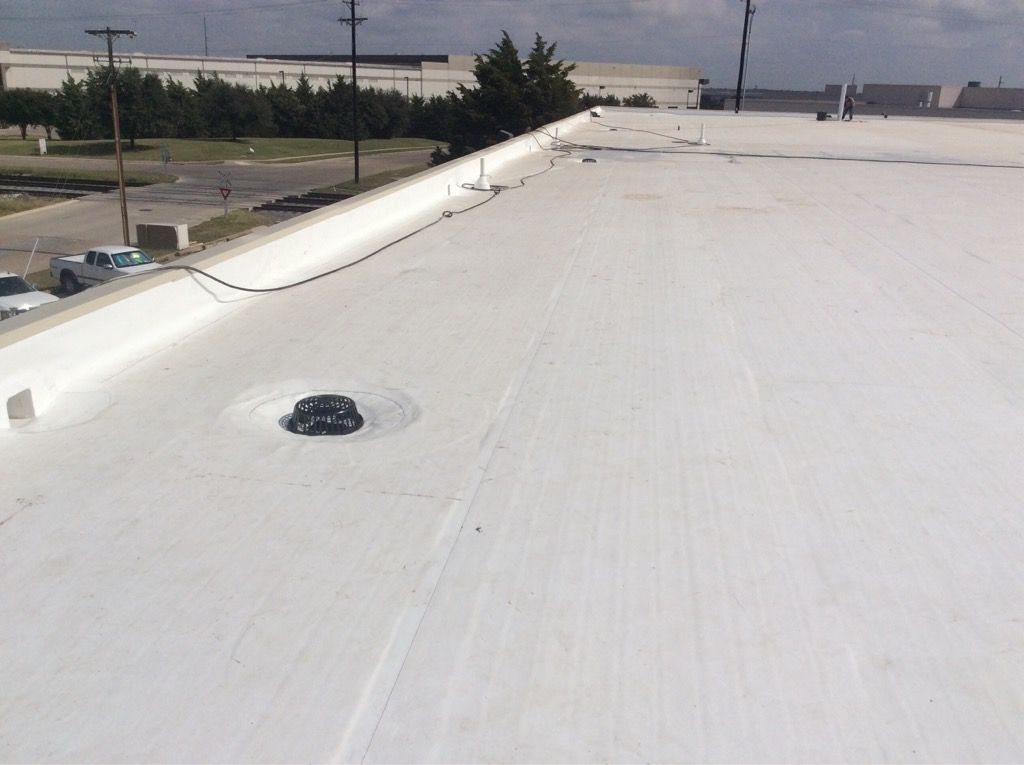
Before proposing repairs, the inspector should identify the roof materials and relevant sections. Similar-looking white membranes, coated roofs, and asphaltic surfaces can require different methods.
Record installation information where verified, attachment or assembly details where known, previous repairs, and visible condition. Mark unknowns clearly.
For homes, Showtime Exteriors' residential roofing information provides service context. A property with a low-slope addition may need more than a shingle-only assessment.
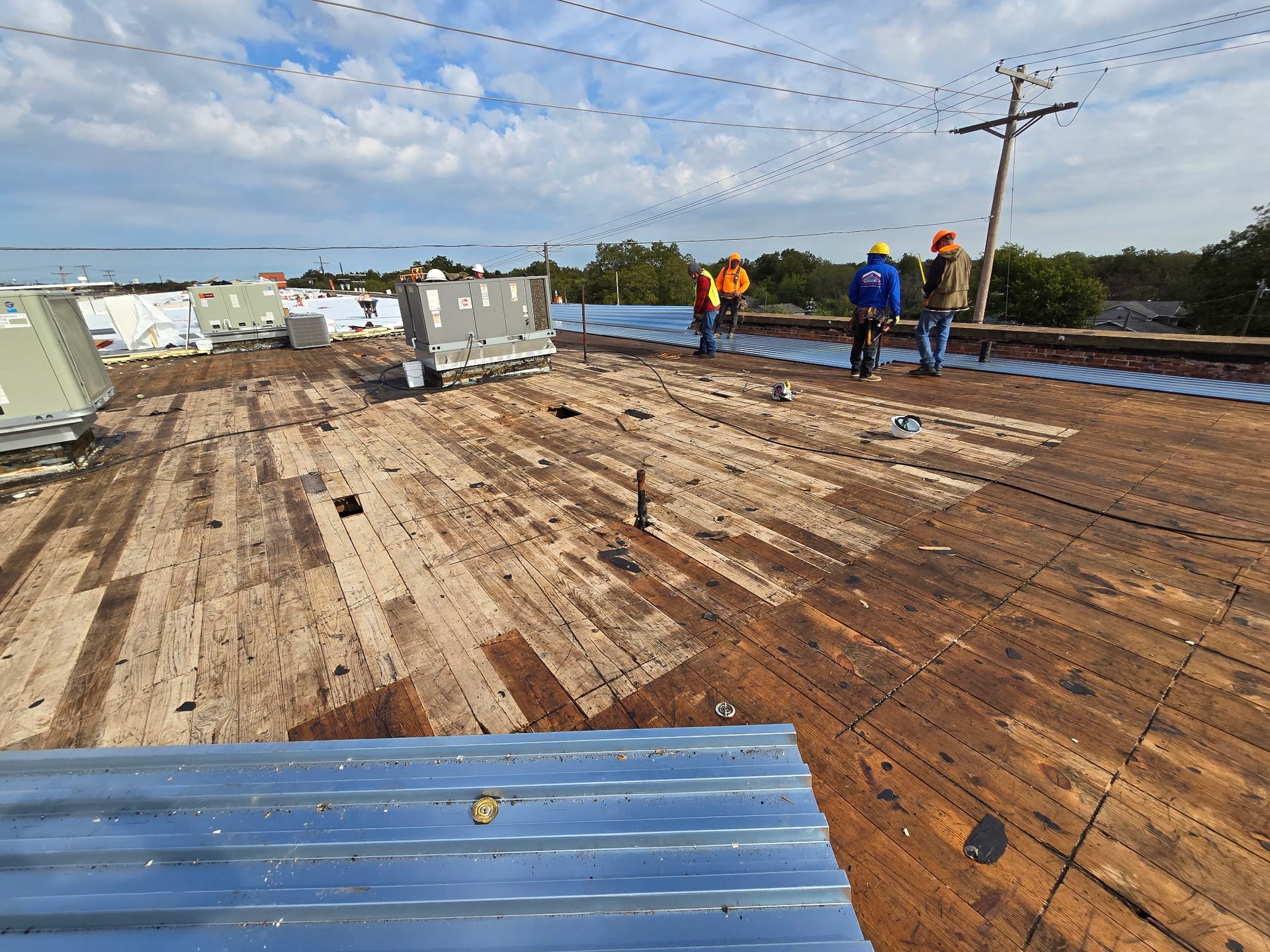
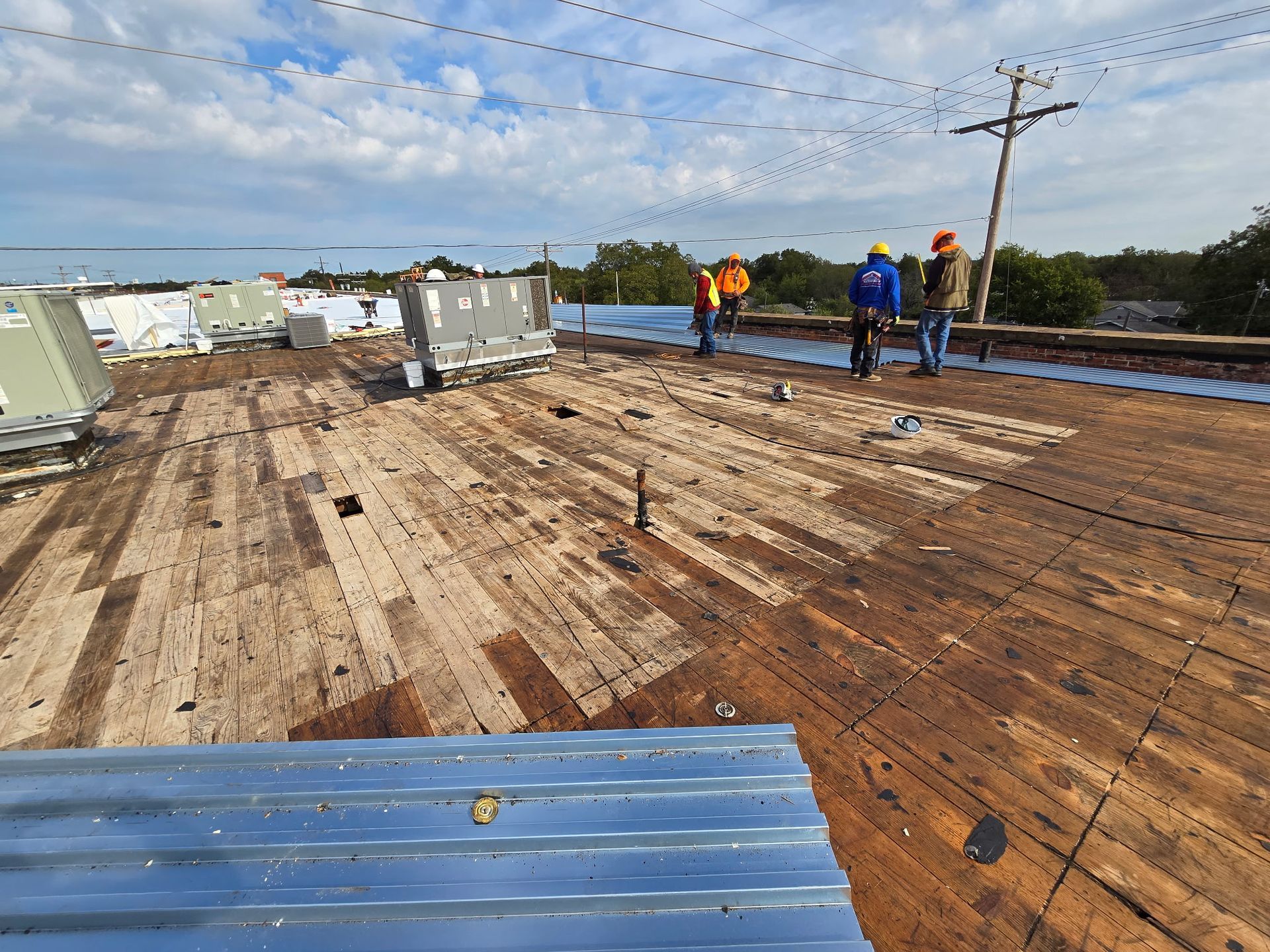
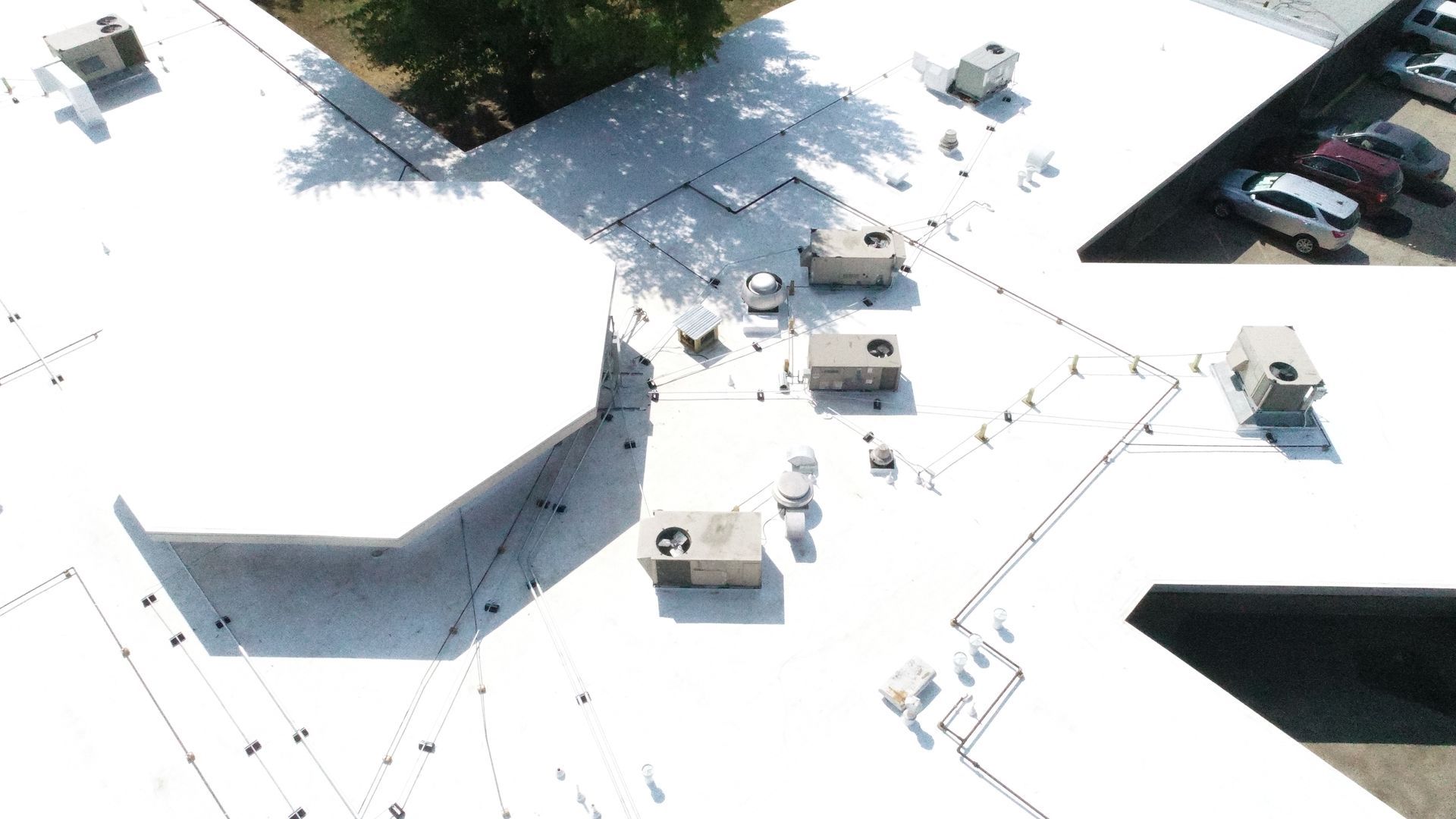
For commercial properties, prepare a roof map using consistent section and equipment identifiers. Connect each finding to a location so the report can support an accurate scope rather than a general statement that the roof has storm damage.
Asphalt Shingle Checklist
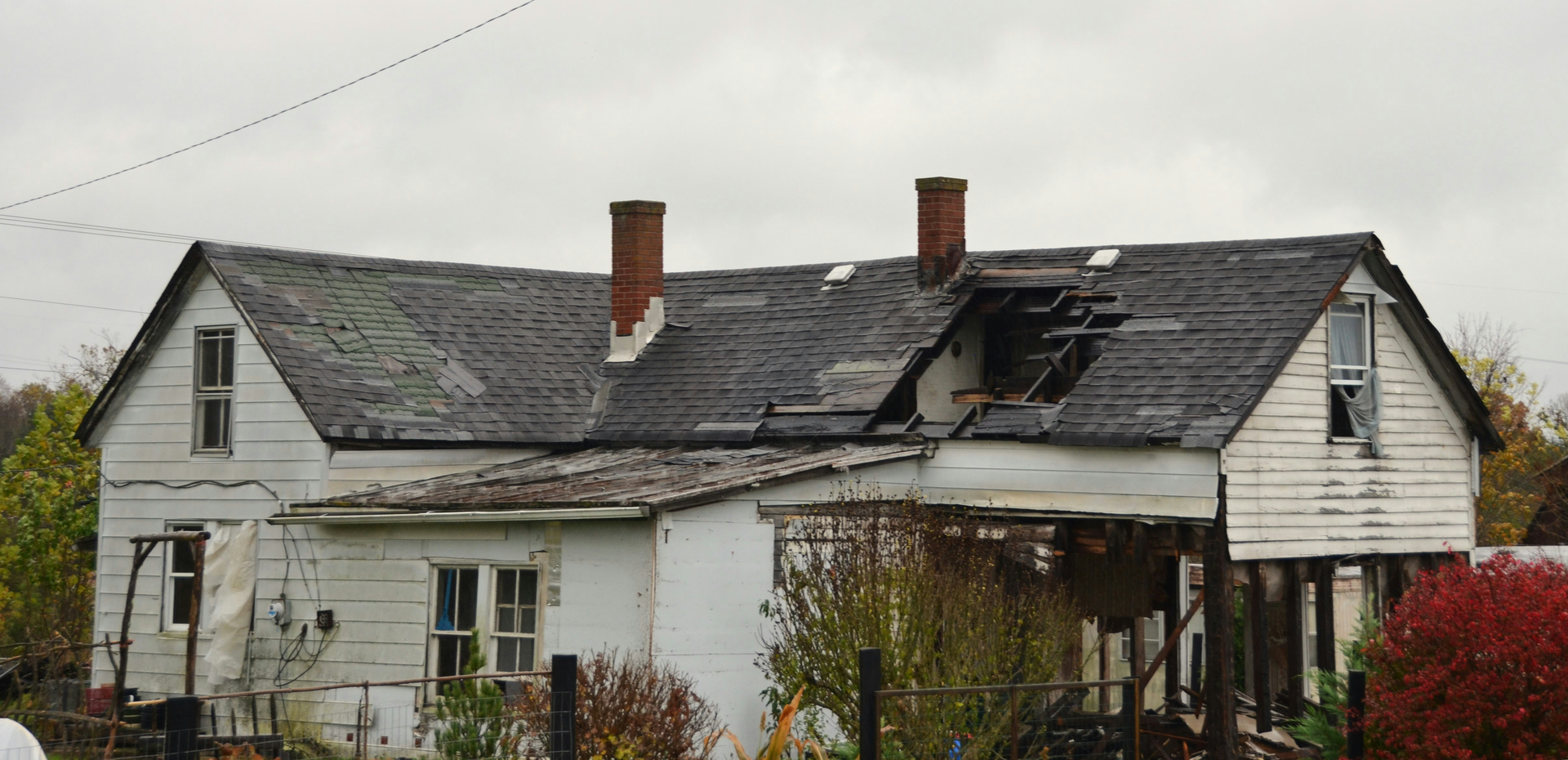
Document missing, displaced, creased, torn, or otherwise suspect shingles. Review accessible ridges, hips, valleys, roof edges, penetrations, and roof-to-wall junctions within the inspection scope.
Granule loss or dark marks should be evaluated in context. Appearance alone may not establish hail damage, the date of a condition, or whether the waterproofing function is affected.
Ask whether the proposed work can be completed compatibly and what substrate conditions need investigation. A visible missing shingle does not establish the condition of every layer below.
Do not assume a few affected shingles prove either that the damage is minor or that replacement is necessary. The recommendation should explain the findings, repairability, and relevant limitations.
Metal Roof Checklist
Identify the panel system and inspect for displacement, damaged seams, impact-related conditions, affected attachment, and changes at flashings or penetrations. Review edges and drainage components too.
A dent and a water-entry defect are not automatically the same thing. The significance depends on the actual panel, seam, coating, detail, and observed condition.
Suspected movement in supporting structure should be referred for appropriate evaluation. A surface repair does not establish that framing and connections are sound.
Ask how the proposed repair restores the intended assembly and accommodates movement. Repeated sealant applications should not substitute for understanding why a detail is leaking or has changed after the event.
Commercial Membrane Checklist
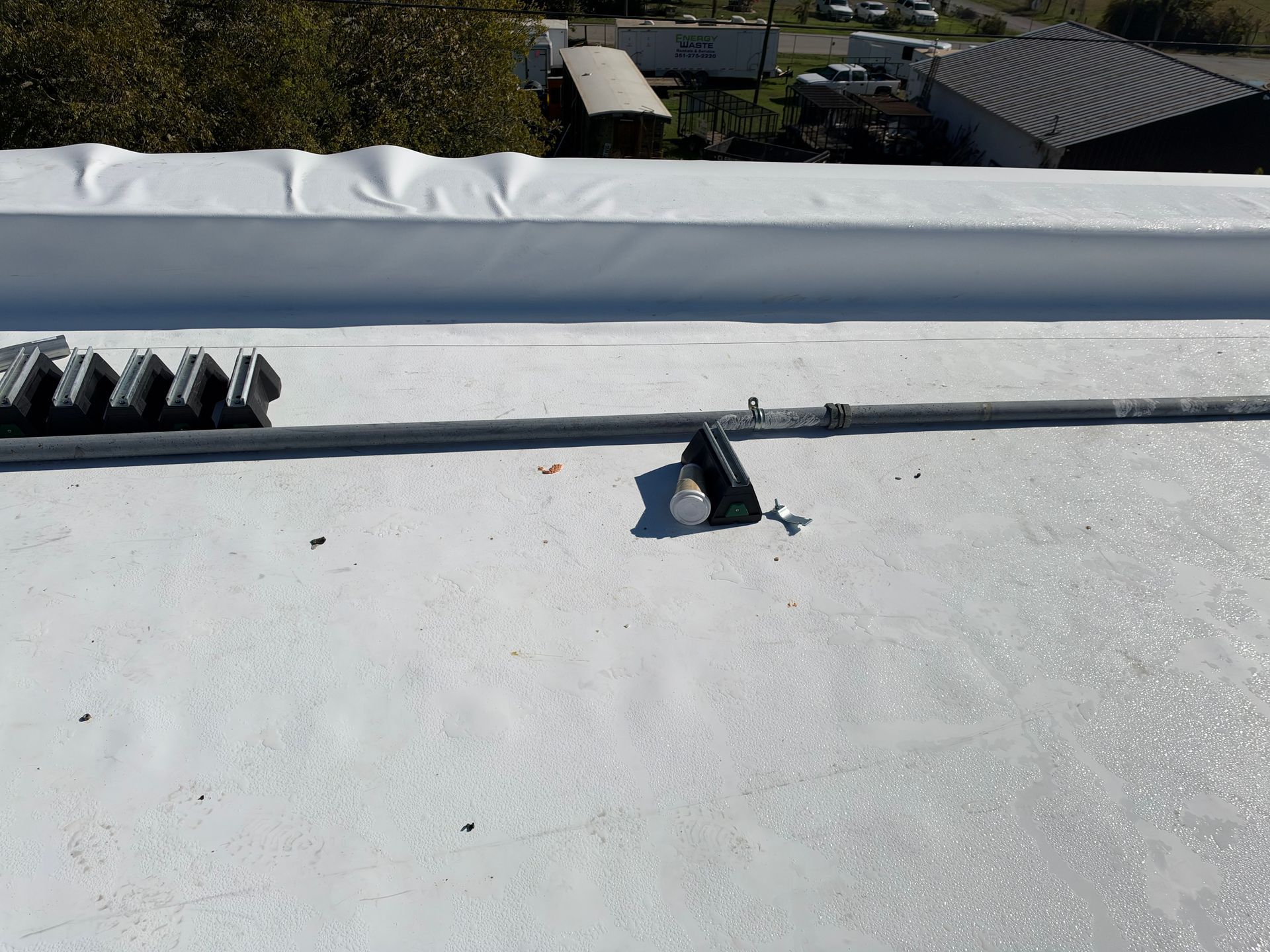
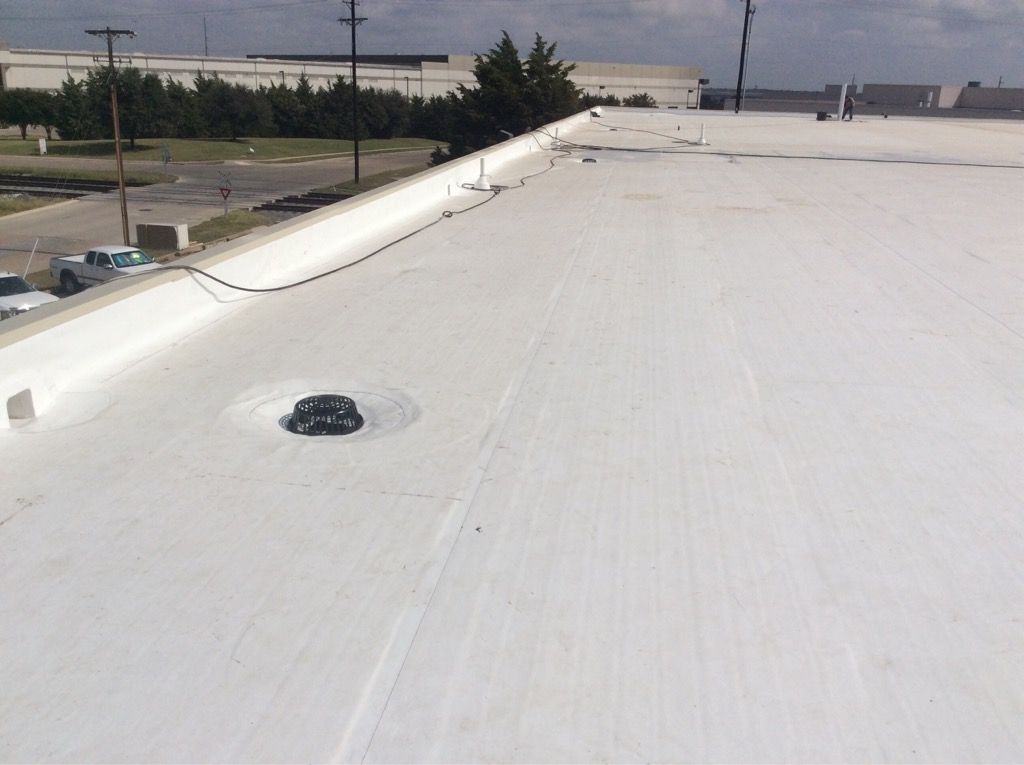
Inspect for punctures, tears, displaced areas, suspect seams, damaged flashings, and changes around curbs or roof edges. Identify the actual membrane before specifying materials.
The commercial roofing service overview provides context for discussing a defined inspection. Ask how the contractor will evaluate the reported concern and surrounding details.
A surface patch does not automatically resolve wet insulation, damaged cover board, or deck deterioration. Additional investigation may be needed to define the scope.
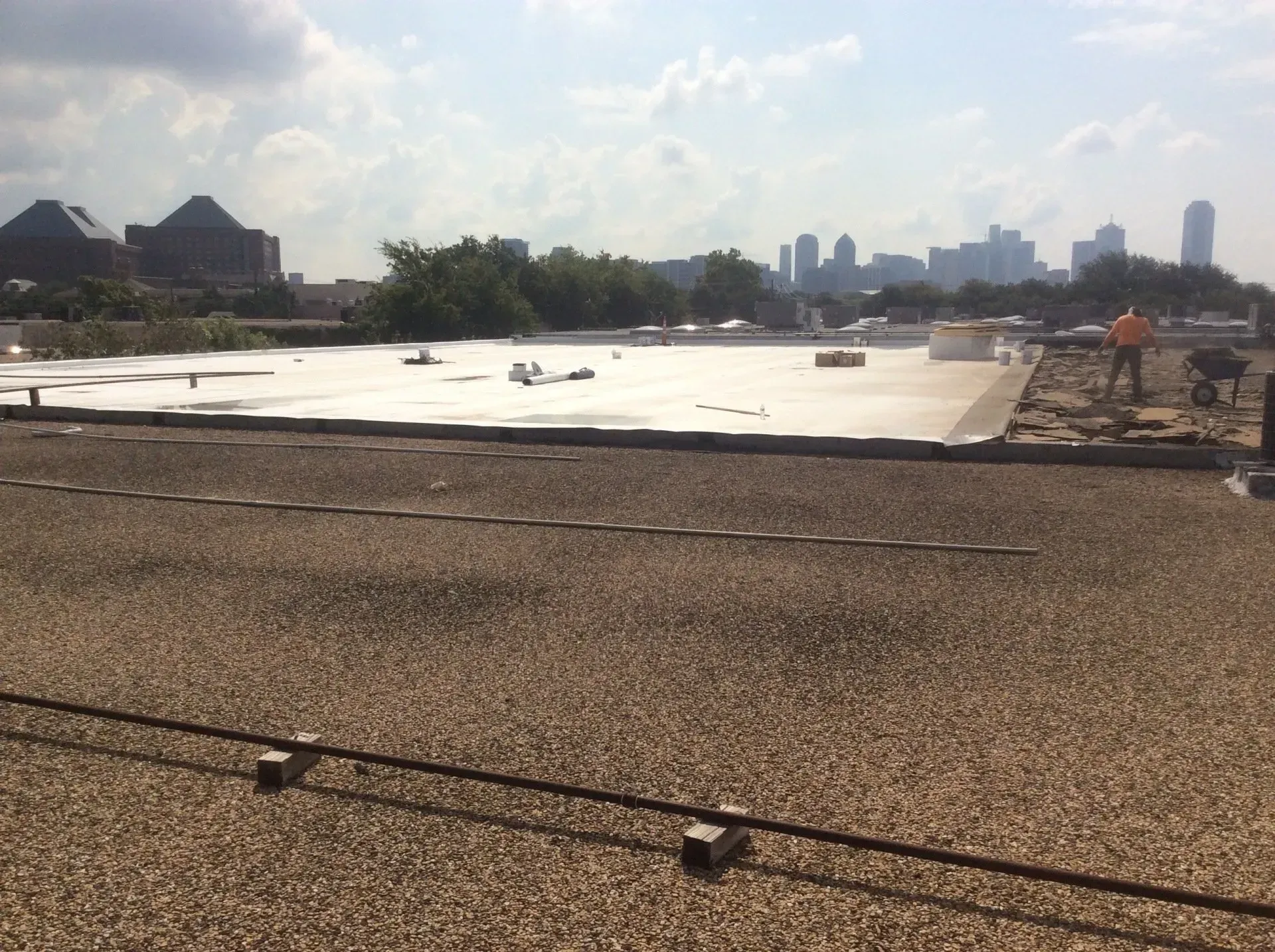
On aging gravel-surfaced built-up roofs, concealed conditions and leak tracing can complicate the assessment. Do not assume surfacing coverage establishes that the assembly below is intact or suitable for another layer.
Coated Roof and Spray Foam Checklist
Record cracks, peeling, exposed substrate, impact marks, and changes in protective surfacing. Identify the underlying assembly and coating where possible.
A bright white surface does not establish adhesion, protective thickness, or moisture conditions below. Likewise, dirt alone does not prove failure.
For coated spray foam, localized exposure or damage should be evaluated using system-appropriate procedures. Do not attempt repairs with general-purpose household foam or an unidentified bucket of coating.
Ask whether the recommendation is a repair, maintenance treatment, restoration, or replacement. Each serves a different purpose and requires evidence that the substrate and assembly are suitable for the proposed work.
Flashings, Edges, and Equipment Checklist
Inspect accessible roof-to-wall transitions, pipe boots, curbs, terminations, expansion joints, gutters, and edge metal. Storm-related movement or debris may affect these details separately from the main roof surface.
Shifted equipment can involve electrical, gas, refrigerant, or other hazards. Coordinate with the appropriate specialists before treating the condition as a routine roofing repair.
Record who is responsible for equipment work and who completes the surrounding roofing details. Installing a replacement unit does not automatically restore curb flashing or adjacent membrane.
Ask for photographs and location references before and after authorized work. Consistent documentation helps prevent a temporary seal or unfinished detail from disappearing between trades.
Drainage Checklist
Review drains, strainers, scuppers, gutters, downspouts, overflows, and visible discharge routes when access is suitable. Leaves, branches, displaced components, and service materials can obstruct water paths.
Do not remove strainers permanently or modify overflows to make maintenance easier. Those components have intended functions that require appropriate review before alteration.
If water repeatedly remains in an area, investigate the cause rather than assuming a single cleaning resolves it. Slope, insulation, deck conditions, or drainage layout may contribute.
A blocked drain and a punctured membrane may require separate actions. The inspection report should identify each condition and explain how the proposed work addresses it.
Moisture Investigation Checklist
A visual inspection can identify exterior damage but may not establish the extent of moisture below. Ask what additional assessment would provide useful information and why.
Infrared surveys and other instruments have limitations based on assembly and conditions. Ordinary drone photographs do not show concealed moisture, and thermal anomalies require qualified interpretation and appropriate verification.
Distinguish confirmed wet materials from suspected areas and untested locations. Obtain authorization for destructive investigation and clarify how openings will be restored.
For interior recovery, the EPA's commercial building moisture guidance discusses prompt response and drying, including the importance of the first 24–48 hours. That timeframe does not guarantee that every affected material can be retained.
Decide Which Findings Need Prompt Action
FindingAppropriate next stepImmediate life or utility hazardContact emergency services or the relevant utility from safetySuspected structural instabilityRestrict access and arrange appropriate evaluationActive water entryCoordinate safe assessment and suitable protectionConfirmed opening or damaged detailObtain a compatible repair scopeUncertain concealed conditionsConsider appropriate investigationCosmetic or unclear observationRequest an explanation and documented recommendationRepeated pre-existing problemReview the history and underlying cause
These categories support communication; they do not replace professional judgment. A small visible condition can have important consequences depending on its location and the building use.
Temporary Protection Checklist
Where needed and safe, qualified personnel can assess temporary measures to limit further exposure. The method should fit the roof and observed damage.
Record the location, date, installer, materials, limitations, and follow-up. Do not let temporary work become an undocumented permanent condition.
Coordinate with the insurer about mitigation and inspection requirements where a claim is involved, without delaying urgent safety actions. Preserve useful records rather than risking access to collect additional photographs.
Temporary roofing protection is separate from structural clearance and interior recovery. A tarp or patch does not establish that a damaged room is ready for occupancy or that electrical concerns have been resolved.
Documentation and Insurance Checklist
Keep original photographs, weather context, roof history, inspection reports, estimates, receipts, and correspondence together. Use dates and descriptive filenames.
TDI's claim filing guidance emphasizes records and inspection coordination. Ask your insurer which reporting, mitigation, and documentation requirements apply to the actual policy and claim.
A roofer can document physical conditions and explain construction work. TDI's roofing and insurance law guidance explains Texas restrictions on a contractor acting as a public adjuster for the same property and on deductible waivers.
Direct policy interpretation, settlement representation, and legal questions to the appropriate professionals. Inspection findings and weather reports do not guarantee coverage or a particular payment.
Evaluate the Proposed Repair Scope
Request an explanation linking each proposed action to a documented condition. Identify materials, affected areas, preparation, exclusions, and any remaining investigation.
Clarify whether underlying wet or deteriorated materials will be addressed. A surface repair should not be presented as resolving an unverified condition below.
If replacement or restoration is proposed, review the Texas roofing system selection guide for broader assembly questions. Compare complete scopes and the evidence supporting each option.
Separate optional improvements from work needed to address the assessed damage. A useful proposal states what the owner is purchasing without relying on promises about insurance reimbursement or indefinite future performance.
Verify Completion and Plan Follow-Up
Collect completion photographs, invoices, product information, and any applicable warranty documents. Match the finished work to the approved locations and scope.
Keep temporary measures, unresolved findings, and recommended monitoring on an action list with responsible contacts and target dates. An invoice alone does not establish that every item is complete.
Where appropriate, review performance after later rainfall and report continued symptoms promptly. Multiple contributors can exist, so a recurring leak may need further investigation.
GAF's roof asset management resources provide manufacturer context for ongoing inspection and care. Use the requirements for the actual system rather than treating a post-storm visit as the end of maintenance.
Preserve a Baseline for the Next Event
Update the roof map with completed repairs and equipment changes. Keep earlier and later photographs distinguishable so future reviewers can identify what changed.
Showtime Exteriors' commercial roof maintenance records guide offers organization ideas that owners can adapt to homes or larger properties.
Record access by other trades and arrange condition checks after significant rooftop work where appropriate. Damage discovered after a storm may have a more complicated history than the event alone suggests.
A maintained record reduces guesswork. It helps future inspectors describe the property accurately and gives owners a clearer basis for repairs and capital planning.
Review the Report before Authorizing Work
Read the findings alongside the photographs and roof map. Each important recommendation should have enough context for the owner to understand the location, observed condition, and proposed response.
Ask about unclear terms rather than assuming that damage, wear, moisture, and failure mean the same thing. A report should distinguish the current observation from a prediction or a condition that requires further evaluation.
Check whether the inspection addressed the original concern. If the owner reported water near a particular room, the report should explain what was evaluated in relation to that symptom and whether the source was established. A collection of unrelated roof photographs does not answer that question.
Review limitations carefully. An inaccessible area, covered detail, or unknown assembly can affect how complete the recommendation is. Ask what additional information is needed before a final scope can be prepared.
For properties with several decision makers, designate one person to collect questions and maintain the current documents. This prevents competing versions of the scope and helps contractors understand who can authorize work.
Finally, confirm the next action in writing. That may be a compatible repair, additional investigation, specialist assessment, or scheduled monitoring. Give the action a responsible contact and target date so the report becomes a working plan rather than an attachment that is never revisited.
Frequently Asked Questions
Should I inspect the roof immediately after every storm?
Begin with safety and accessible observations. Arrange qualified inspection when there are reported changes, significant exposure, active symptoms, or system-specific requirements. Do not climb onto the roof to look for damage yourself.
Does no interior leak mean there is no damage?
No. Some exterior defects may not produce visible interior symptoms immediately. Conversely, an interior stain does not establish a particular roof defect without investigation.
Can drone pictures show wet insulation?
Ordinary photographs cannot verify concealed moisture. Thermal surveys may identify anomalies under suitable conditions, but they require qualified interpretation and appropriate verification before conclusions about wet materials are made.
Is every dent or granule mark storm damage?
No. Marks need material-specific evaluation and context. Ask the inspector to distinguish cosmetic observations, functional damage, uncertainty, and any recommended investigation.
Does a post-storm inspection mean I need a new roof?
No. The assessment may support repair, monitoring, further investigation, restoration, or replacement depending on verified conditions. The recommendation should explain why the proposed action fits the property.
Arrange a Clear Post-Storm Assessment
A useful post-storm roof inspection moves from safe observations to verified findings, appropriate repairs, and documented follow-up. It avoids assumptions about cause, concealed conditions, and coverage while giving owners a practical action plan.
To discuss a Texas property's roofing concerns, contact Showtime Exteriors or call 817-400-7663. Share available records, observed changes, and any access restrictions so the assessment can address the building accurately.