
How to Choose a Roofing Contractor in Midlothian, TX
Choosing a roofing contractor in Midlothian, TX? Compare inspections, permits, insurance, written estimates, warranties, and project details before hiring.
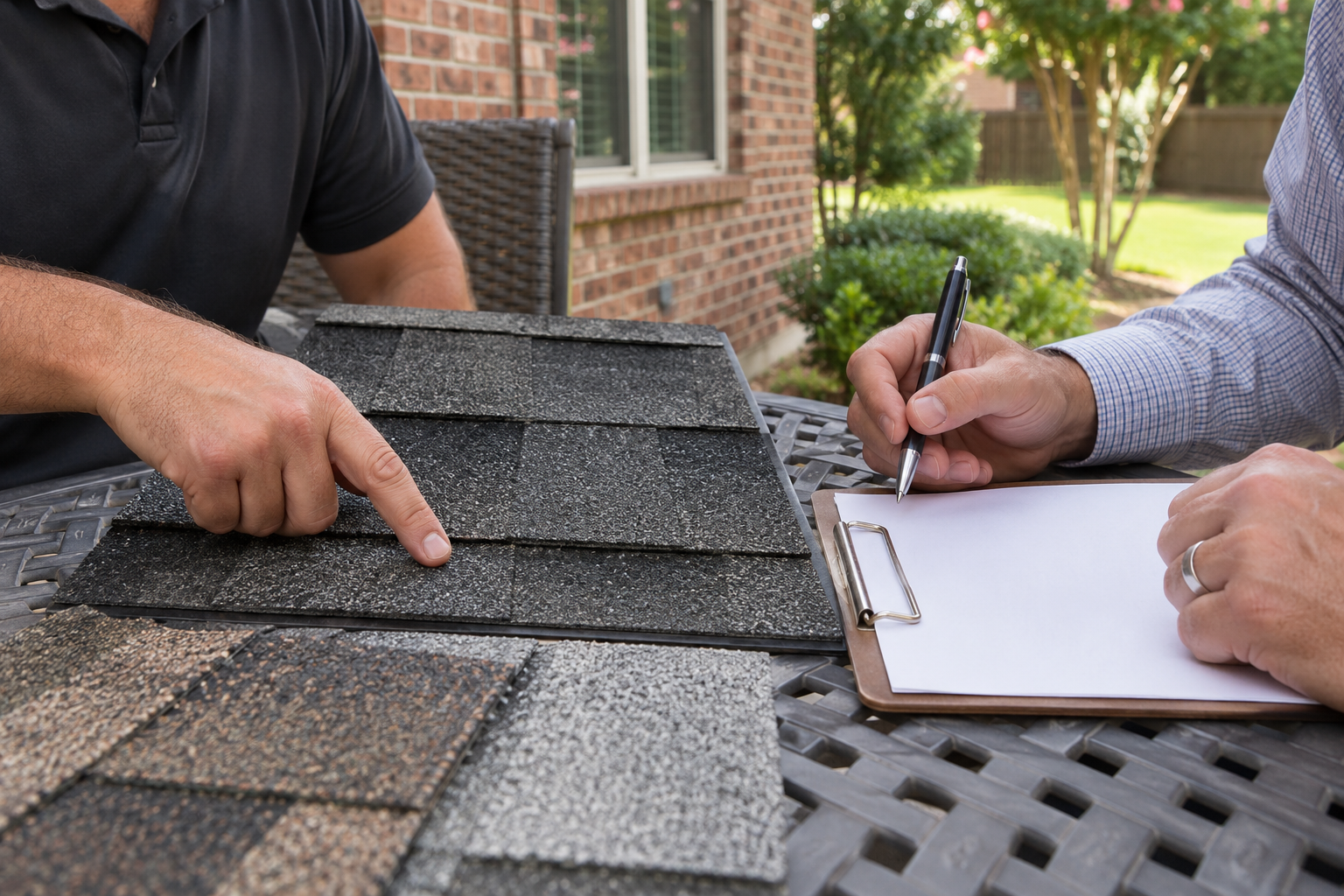
Choosing a roofing contractor in Midlothian, TX starts with checking the company, understanding the roof’s condition, and comparing clearly defined work. A useful proposal explains what the contractor found, what needs correction, and how the work will be completed. A low price, polished presentation, or confident sales pitch does not answer those questions by itself.
For homeowners and commercial property owners, the goal is to select a contractor whose experience matches the roof and whose commitments can be reviewed in writing. Repairs, full replacement, specialty materials, and low-slope commercial systems present different requirements. The right comparison begins with the actual property.
Showtime Exteriors serves North Texas owners evaluating roofing needs. This guide explains what to verify before hiring, which questions produce useful answers, and how to compare estimates without losing important work in the price discussion.
Start With the Problem You Need Solved
Describe the concern before requesting a particular solution. A recurring leak, missing roof covering, suspected storm damage, or deteriorated material may lead to different recommendations. Share when the problem started, where symptoms appear, and what previous repairs were attempted.
A contractor should investigate enough to explain the recommendation and its limitations. An interior stain does not identify the entry point by itself. Likewise, age alone does not establish whether a particular roof needs immediate replacement. Ask what findings support the proposed work.
Tell each bidder the same history and priorities. Include planned solar, skylight, gutter, or rooftop equipment work. Consistent information helps contractors prepare comparable proposals and identify coordination needs before you commit to a schedule or material order.
Confirm the Company You Would Be Hiring
Ask for the contractor’s complete business name, physical contact information, primary phone number, and the name that will appear on the contract and invoices. The sales representative’s name may differ from the contracting business. Understand which company will be responsible for delivering the work.
Check that the information is consistent across the proposal, insurance documentation, payment instructions, and warranty. If there are differences, request an explanation before paying. A trade name can be legitimate, but the relationship should be understandable and documented.
Ask who handles problems after installation and how to reach that person. A company’s willingness to provide clear contact and service procedures matters throughout the project. Local familiarity is useful when paired with verifiable experience and a practical plan for returning if follow-up is needed.
Understand What Licensing and Registration Mean
The Roofing Contractors Association of Texas explains in its consumer guidance that Texas does not require a state-issued roofing contractor license. Its voluntary licensing program is a separate credential. Ask anyone advertising a license to identify the issuer and explain what the credential represents.
City registration, manufacturer credentials, association participation, and insurance are also different checks. None should be used as shorthand for all the others. Verify each claim with the organization that maintains the relevant record.
For work involving separately regulated trades, confirm who will perform those portions and what credentials apply. A roofing proposal that includes electrical, mechanical, or other specialty work should identify the responsible parties. The absence of a state roofing license requirement does not remove project-specific obligations.
Check Midlothian Permit Requirements Early
The City of Midlothian’s building permit information lists roofing among projects that may require a permit and states that contractors must be registered with the city to obtain one. Confirm the requirements for your address and proposed scope before work starts.
A Midlothian mailing address does not, by itself, establish the permitting jurisdiction. The contractor should determine the applicable authority and explain the approval process. Ask who applies, who pays fees, and who arranges any required inspections.
Include these responsibilities in the proposal. If fees are allowances or exclusions, understand how the final cost will be handled. Avoid relying on a general statement that permits are unnecessary without an explanation tied to the property and the actual work.
Ask About Experience With Your Roof Type
A contractor experienced in residential asphalt shingles may have a different background from one specializing in metal, tile, or commercial membranes. Ask for examples that resemble your building’s roof type, slope, complexity, and intended work. Similarity matters more than a large collection of unrelated project photographs.
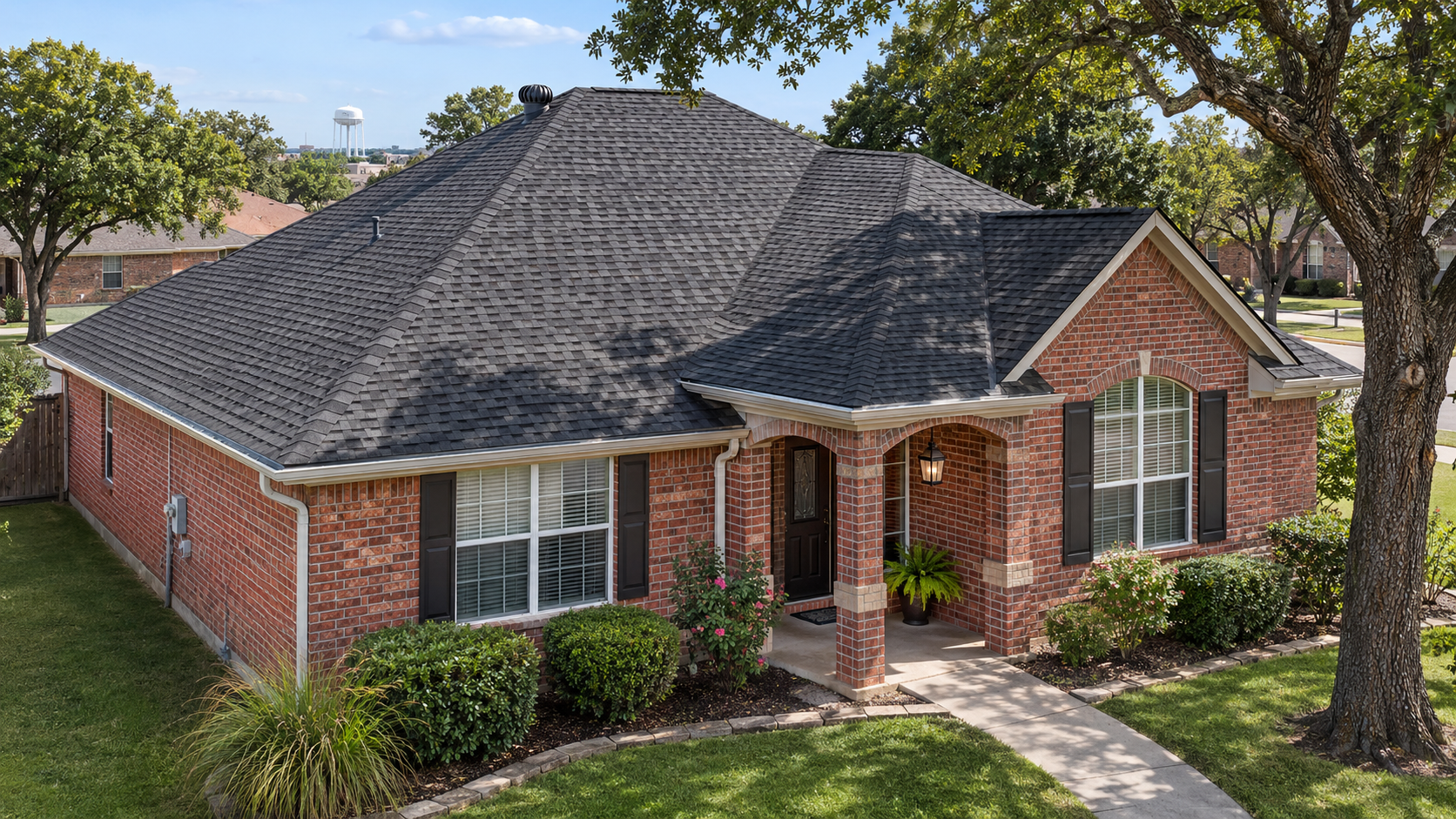
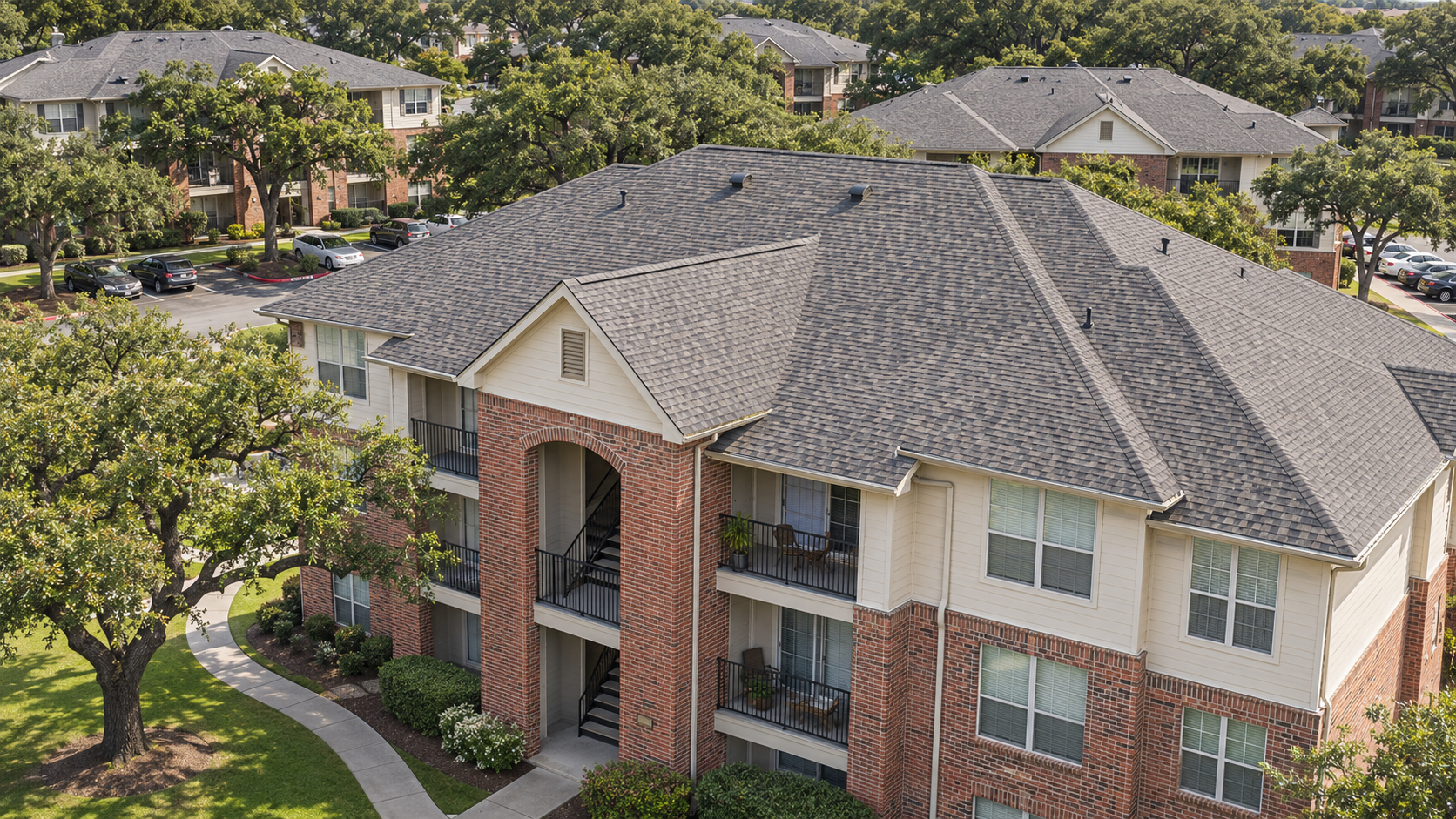
For a house, ask about valleys, roof-to-wall transitions, ventilation where applicable, and any specialty details. Showtime Exteriors’ residential roofing services provide a starting point for discussing repairs, replacement, and material options for North Texas homes.
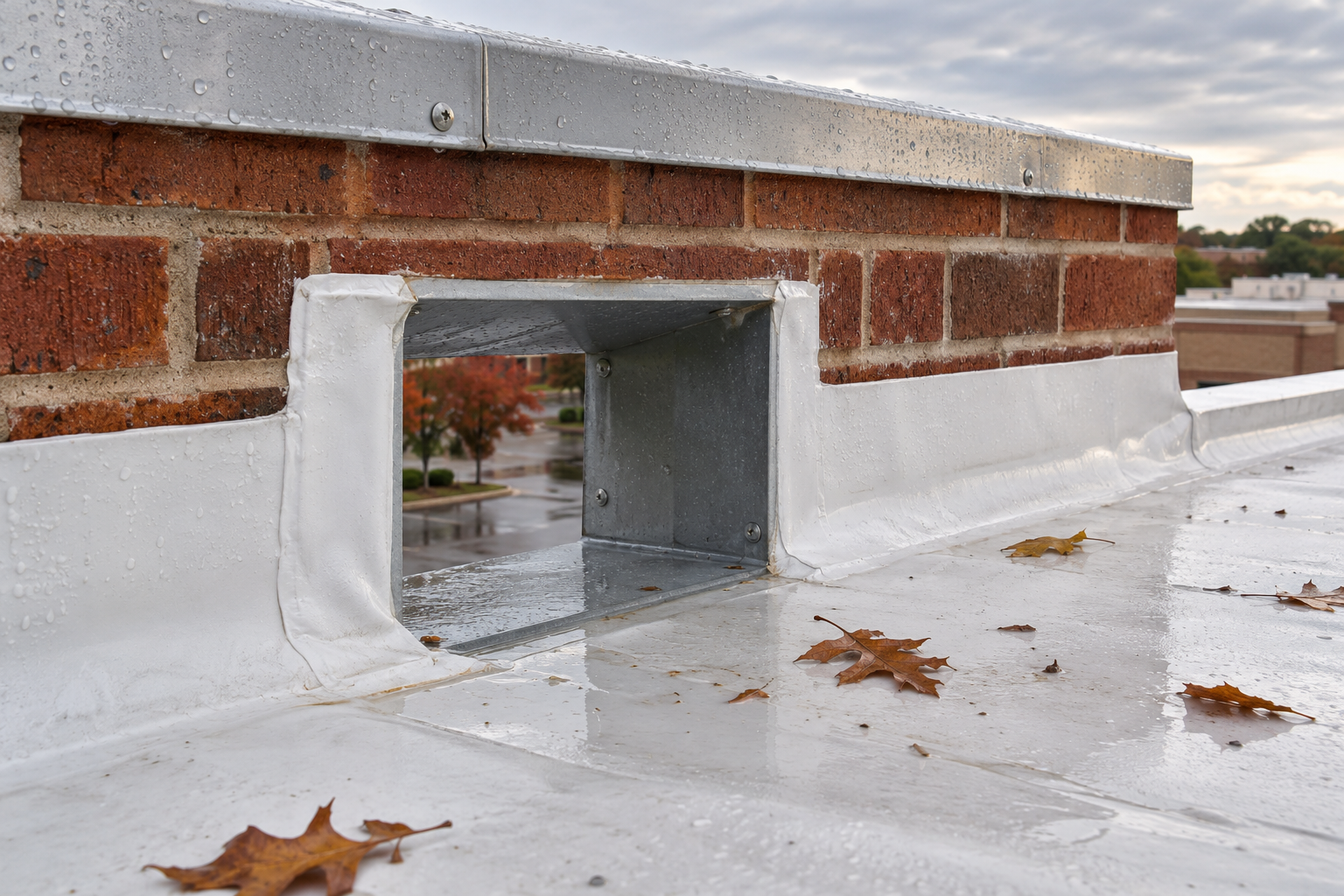
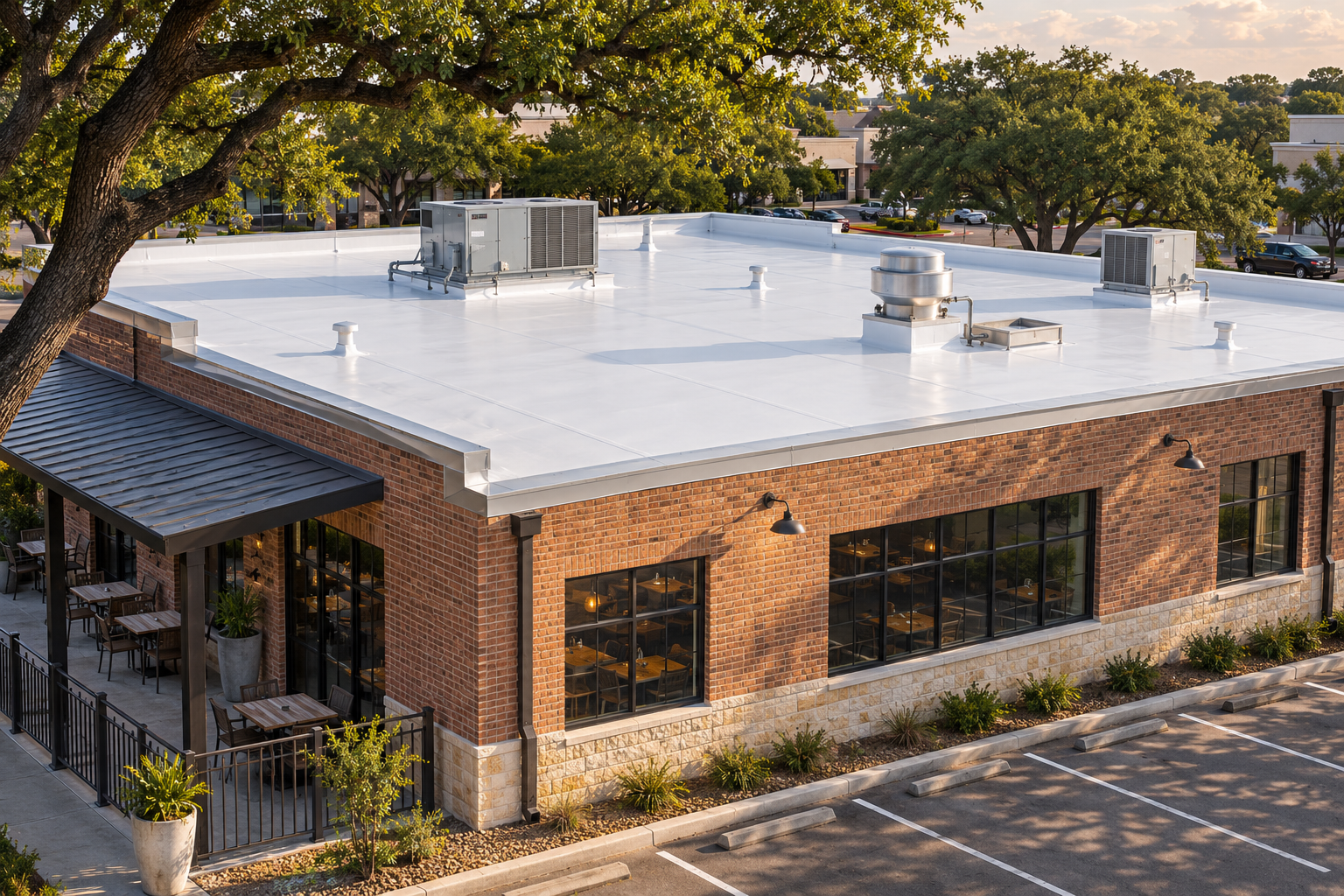
For a commercial property, ask about the existing assembly, drainage, equipment coordination, and occupied-building logistics. The contractor should be able to explain its relevant experience without treating every material or building as the same installation task.
Verify Insurance Documentation
Request current insurance documentation identifying the contracting business and the applicable coverage. Discuss general liability and how worker injuries are addressed, including the arrangements for subcontracted crews. Do not infer all coverage from the phrase “fully insured.”
Where appropriate, verify documentation with the insurance agent using independently confirmed contact information. Ask questions if the named business, dates, or work description appear inconsistent. A certificate is useful information, but it is not a blanket promise that every possible loss is covered.
The contractor should explain its site-protection and incident-response procedures as well. Insurance and careful project management serve different purposes. Understand how property damage would be reported, who would coordinate the response, and how the agreed process appears in the contract.
Request an Inspection You Can Understand
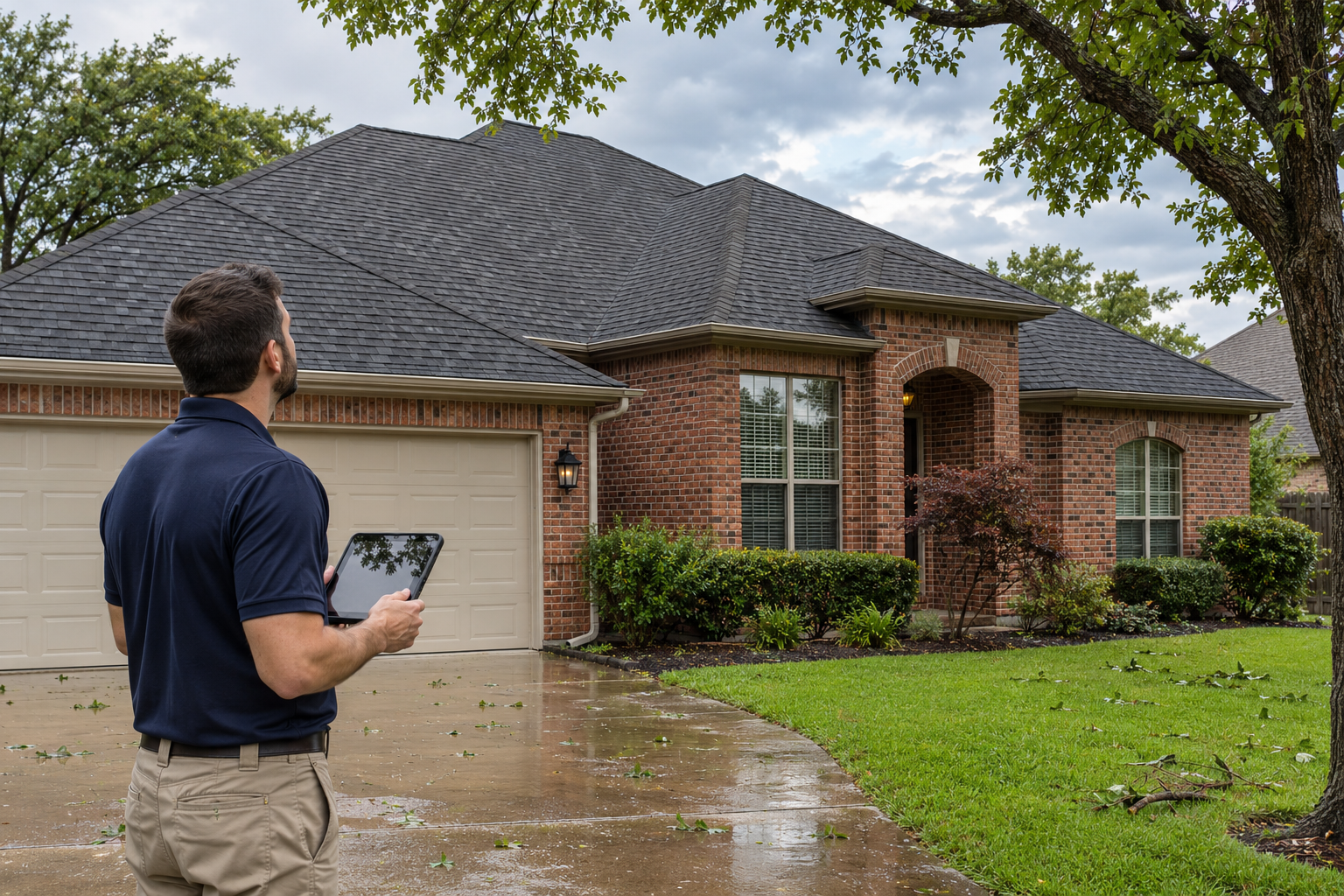
A useful roof inspection produces specific findings, identifiable locations, and a recommendation. Ask for photographs and an explanation of what they show. If parts of the roof or attic could not be accessed, the report should identify those limits.
The contractor should distinguish observed damage from suspected concealed conditions. A photograph of the roof covering cannot establish everything about decking, insulation, or framing underneath. Ask what further investigation may be needed and how uncertainty affects the estimate.
Look for an explanation that connects the proposed work to the concern you reported. A recommendation for replacement should explain why repair is insufficient or impractical. A repair recommendation should identify what it addresses and what broader issues, if any, remain.
Compare Written Scopes Before Comparing Totals
Two proposals can name the same roof covering while describing substantially different projects. Compare removal, disposal, substrate preparation, underlayment, flashings, accessories, ventilation work, permits, protection, cleanup, and closeout documentation. Mark missing information rather than assuming it is included.
Ask whether quantities refer to measured roof area, ordered materials, or another basis. The roof’s area differs from the house’s living space. Complex layouts, slope, and overhangs can affect measurements and material needs, so unexplained square counts deserve clarification.
Request a revised written proposal when important details change during discussion. Verbal explanations are easier to misunderstand later. The final agreement should describe the project you intend to buy, including the assumptions and exclusions that affect its price.
Evaluate Materials as Part of the Complete Assembly
Ask for the manufacturer, product line, color, and relevant accessory specifications. “Architectural shingles” or “commercial membrane” alone leaves substantial room for interpretation. The proposal should identify enough detail to support product and warranty questions.
Showtime Exteriors’ guide to roofing materials and selection factors for Texas can help frame the comparison. The contractor should explain how the recommended assembly suits the roof’s slope, drainage, condition, and ownership plans.
Discuss optional upgrades separately from necessary corrective work. A premium appearance and a damaged substrate are different decisions. Clear pricing lets you prioritize while preserving essential work and avoids confusing a material upgrade with correction of a detail problem.
Ask How Concealed Damage Will Be Handled
Tear-off may expose deterioration that was not visible during the initial inspection. A sound contract explains how additional work will be documented, priced, and authorized. Ask about the process before the roof is open and the crew needs a decision.
Where unit pricing is offered, understand the unit and included work. Deck replacement pricing should identify relevant material specifications and whether removal, installation, and disposal are included. Framing or other conditions may require a separate scope.
Choose the person authorized to approve changes and establish a reliable contact method. Request supporting photographs and written confirmation of approved amounts. A contingency is more useful when it is connected to identified uncertainty and an agreed procedure rather than an unexplained percentage.
Verify Manufacturer Certification Claims
If a contractor advertises manufacturer certification, verify the current credential directly. GAF provides a contractor certification verification tool. Other manufacturers maintain their own procedures. Check the specific business and credential being represented.
Ask what the credential means for your proposed roof. Eligibility to offer a particular warranty may depend on products, assembly, installation, registration, and other requirements. A logo in a proposal does not establish that every advertised warranty applies to your project.
Manufacturer credentials are one part of the evaluation. They do not replace review of the actual scope, references, insurance, scheduling, and workmanship commitments. Request the proposed warranty documents so you can assess what is being offered before signing.
Separate Product and Workmanship Warranties
A product warranty and a contractor’s workmanship warranty can cover different issues and involve different claim procedures. Request written terms identifying the issuer, covered conditions, exclusions, duration, and any maintenance or notice requirements. Ask who registers applicable coverage.
Clarify how a reported leak will be investigated and who you contact first. Some concerns may involve roofing materials, installation, adjacent walls, equipment, or other building components. The contractor should explain its service process without promising that every future leak will qualify for coverage.
Ask whether transfer provisions matter if you expect to sell the property. Keep the actual documents rather than relying on a headline warranty length. A longer term is useful only when you understand what the coverage includes and what responsibilities continue after installation.
Check References With Specific Questions
Request references for comparable projects and ask permission before contacting them. Useful questions include whether the written scope matched the work, whether changes were explained, how cleanup was handled, and how the company responded to concerns.
Ask about communication during weather delays or unexpected repairs. A project does not need to have been effortless to provide a useful reference. The contractor’s response to a problem can reveal more than a general statement that the finished roof looks good.
Read online reviews for recurring patterns and the company’s responses. Consider timing, detail, and relevance. A star average alone provides limited insight into whether a contractor has handled a roof like yours or maintained a dependable follow-up process.
Understand the Insurance Claim Boundaries
When storm damage is involved, separate the construction proposal from the insurer’s coverage decision. The contractor can document roofing conditions and describe its work. Ask coverage and payment questions of your insurer or an appropriately licensed professional.
The Texas Department of Insurance’s roofing and insurance guidance explains that a contractor cannot act as a public adjuster on a claim when also providing the work. It also states that offering to waive, rebate, or absorb the policyholder’s deductible is illegal.
Calculate your expected payment using your actual policy, claim information, and contract. Do not choose a contractor based on a promise of a free insured roof. Keep upgrades, uncovered work, deductible obligations, and payment timing clear before committing.
Review Payment Terms and Sales Documents Carefully
Understand the deposit, any progress payments, and the conditions for final payment. Ask what each payment corresponds to and how invoices and receipts will be provided. A financing agreement deserves its own review alongside the roofing contract.
The Texas Attorney General’s guidance on avoiding home improvement scams encourages written bids, references, careful contract review, and caution around pressure tactics. Use those principles when evaluating any document presented as an estimate, authorization, or agreement.
Do not sign a document with blanks or unresolved terms. If a contract ties payment or scope to insurance proceeds, understand the commitment before signing. Ask for time to review material obligations and obtain professional advice when a significant term remains unclear.
Clarify Who Manages the Crew and Property Protection
Ask who supervises the job and who will communicate with you during installation. Determine whether crews are employees, subcontractors, or a combination, and how quality and accountability are managed. The contracting company should explain its role throughout the project.
Discuss driveway protection, debris containers, landscaping, outdoor furniture, attic concerns, pets, and access to the property. Clarify how the crew will manage removal and cleanup. The plan should reflect your site rather than relying on a generic promise to be careful.
Ask how weather affects scheduling and temporary protection. A tentative start date should identify dependencies such as approvals, material availability, and conditions suitable for the work. Clear expectations make delays easier to manage without confusing a preliminary schedule with a guaranteed date.
Use a Simple Contractor Comparison Table
Create a comparison using the same categories for each bidder. It helps expose unanswered questions and keeps the discussion focused on delivered work. A missing detail should trigger clarification rather than an automatic assumption that the contractor has included or excluded it.
Comparison itemWhat to requestBusiness identityContracting name, contact details, project contactRelevant experienceComparable roof types and completed projectsInsuranceCurrent documentation and explanation of coverage arrangementsLocal requirementsJurisdiction, registration, permits, inspection responsibilitiesInspection findingsPhotos, locations, limitations, supported recommendationInstallation scopeProducts, removal, preparation, flashings, accessoriesPricingIncluded work, exclusions, allowances, change procedureWarranty and closeoutWritten terms, registration, records, service process
When a bid differs substantially, ask the contractor to explain the reason. Measurements, materials, access, repair allowances, and omitted work can all affect the total. The explanation should be understandable before you make the final selection.
Prepare Five Questions for the First Conversation
Begin with the questions that reveal how the contractor approaches your project: What did the inspection establish? What remains uncertain? Which details are included in the price? Who manages approvals and changes? What will you receive when the work is complete? Record the answers alongside the proposal.
If the roof is actively leaking, distinguish the immediate protection request from the larger project decision. Ask what temporary work is proposed, how it will be documented, and whether further evaluation will follow. Authorizing a clearly described emergency service should not leave you uncertain about what else you have committed to purchase.
Finally, notice whether explanations remain consistent when you ask for written clarification. A useful contractor conversation leaves you better able to understand the roof and the agreement. If an important answer is still missing, keep that item open until the contractor provides enough information for a decision.
Add Commercial Building Requirements Where Relevant
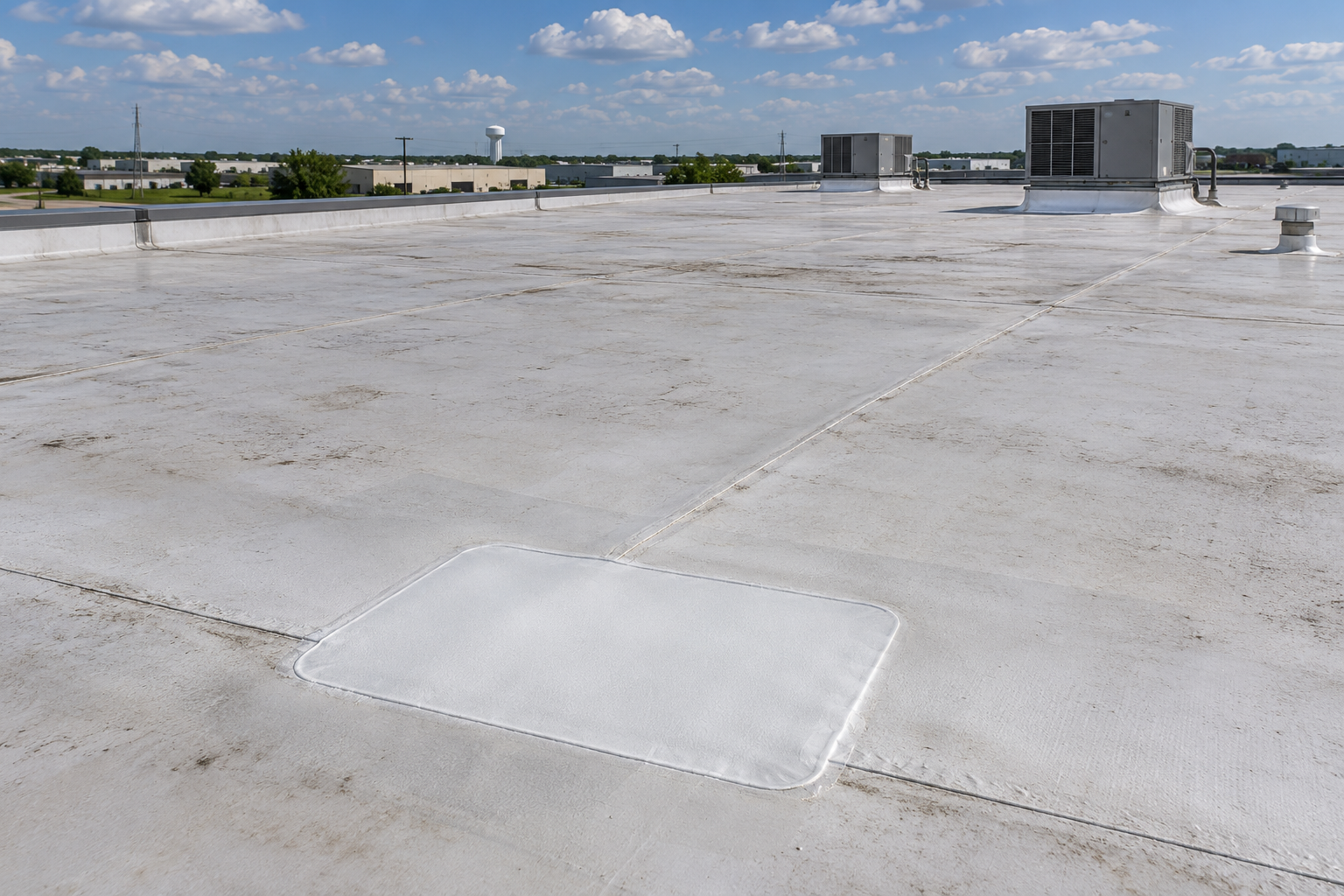
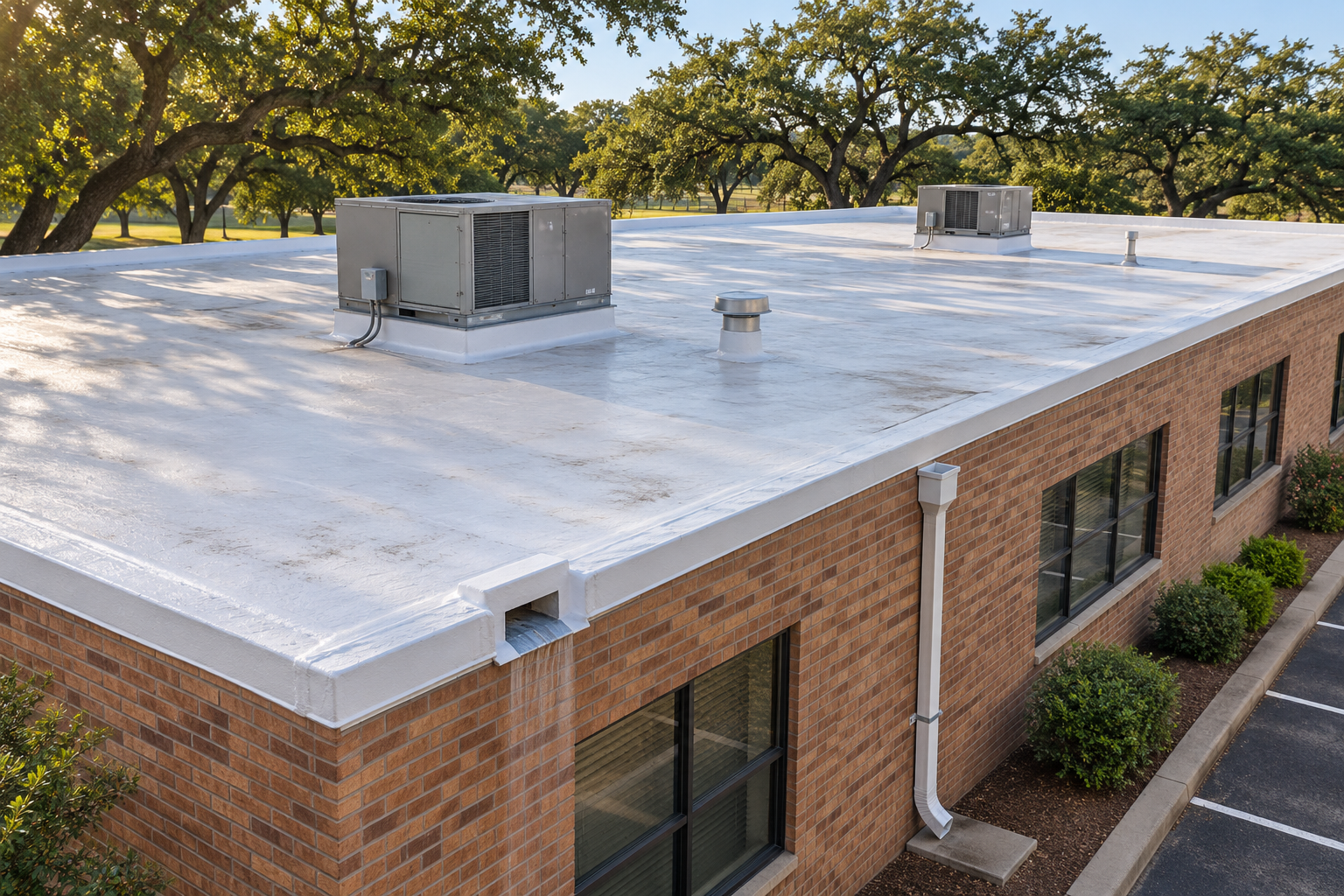
Commercial owners should evaluate assembly experience, drainage, rooftop equipment, access, tenant coordination, and operating constraints. A residential bid comparison may miss important insulation, attachment, substrate, and transition issues on a low-slope building.
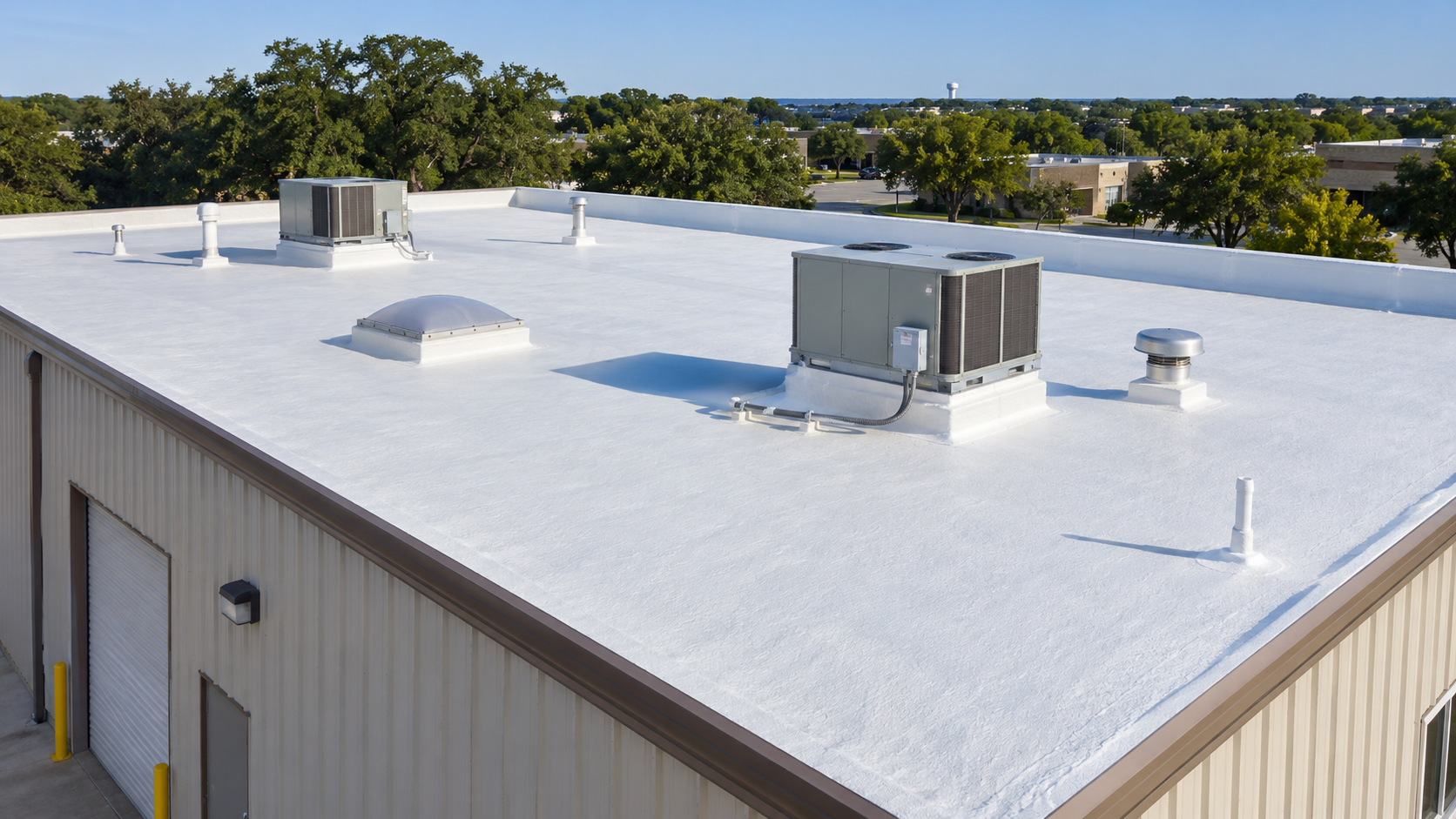
Showtime Exteriors’ commercial roofing services provide a starting point for discussing maintenance, repairs, and replacement needs. Ask for a scope that fits the occupied property and identifies work requiring other trades or design input.
Keep the completed report, repairs, invoices, warranties, and maintenance information together. The guide to commercial roof maintenance records offers an organizational framework. Good records support future decisions without guaranteeing an insurer’s coverage or underwriting response.
Confirm the Final Review and Closeout Process
Before signing, agree on how completion will be reviewed. Ask what the final walkthrough covers, what documents will be delivered, and how unfinished items are tracked. Include cleanup, approved changes, warranty information, and applicable inspection records.
The Midlothian Building Inspections Department is the official contact for questions about city inspections. Confirm required steps through the applicable authority. A contractor’s walkthrough and a municipal inspection have different roles and should be documented accordingly.
Retain the final agreement and payment records after the project. Know how to report a concern and what maintenance the installed roof requires. A contractor selection is more useful when it produces a clear plan for both construction and ownership afterward.
Frequently Asked Questions
How many roofing estimates should I get?
Obtain multiple written proposals when practical so you can compare recommendations, scope, and price. Give bidders consistent information. The purpose is to understand differences and identify a qualified contractor, rather than to collect increasingly low numbers for unspecified work.
Should I automatically choose a Midlothian-based company?
A verifiable service presence and a dependable return process matter. Ask about experience in your area, comparable projects, and follow-up arrangements. A business address alone does not establish installation quality or whether the proposal suits your roof.
Can a contractor give a firm price without inspecting?
An initial figure may help begin a conversation, but its assumptions and limitations should be clear. Roof measurements, details, access, and concealed conditions affect the scope. Understand what has been verified before treating a preliminary amount as a complete project price.
Is the cheapest proposal necessarily a bad choice?
No. Ask why it differs and compare included work, products, allowances, and responsibilities. A lower price may reflect a different scope or assumptions. Resolve the differences in writing before deciding whether the value is comparable.
What if I only need a small repair?
Request an assessment and a defined repair recommendation. Ask what the repair is expected to address and whether the surrounding roof presents additional concerns. A small project still benefits from clear pricing, materials, access arrangements, and documentation.
Talk With a Roofing Contractor About Your Midlothian Property
A roofing contractor in Midlothian, TX should be able to explain the roof’s condition, the recommended scope, and the responsibilities behind the price. Verify the business, credentials, insurance, and local requirements, then compare complete proposals before signing.
Contact Showtime Exteriors or call 817-400-7663 to discuss your roofing project. Share the property address, roof concerns, available records, and preferred timing so the assessment can focus on your building’s needs.