



Hail Damage Roof Inspection in Cedar Hill: What to Expect
Learn what to expect from a hail damage roof inspection in Cedar Hill, including photos, roof findings, repair options, permits, and insurance questions.
A hail damage roof inspection in Cedar Hill should give you a documented assessment of the roof’s accessible condition, an explanation of the findings, and practical next steps. The visit may identify storm-related concerns, existing wear, maintenance needs, or conditions that require further investigation. It should not begin with an assumption that every roof needs replacement.
For homeowners, the uncertainty often starts after the weather clears. The roof may look unchanged from the driveway while a neighbor is arranging repairs. Alternatively, visible marks on gutters or vents may raise concerns without establishing what happened to the roof covering. A professional assessment helps separate observations from conclusions.
Showtime Exteriors serves North Texas owners evaluating roofing concerns. This guide explains how to prepare for an inspection, what a useful report includes, and how to keep the roofing recommendation clear when insurance and repair decisions follow.
Start With Safety and Immediate Protection
Wait until conditions are suitable before assessing the property outdoors. Downed lines, damaged trees, unstable materials, and additional storms can remain concerns after hail stops. The National Weather Service’s guidance on what to do after severe weather provides a starting point for checking conditions and avoiding hazards.
Keep your own observations at ground level or inside accessible, safe areas. Photograph what you can without climbing onto the roof. Wet surfaces, damaged materials, and unknown structural conditions are reasons to leave roof access to appropriately equipped professionals.
Report active leakage when scheduling the visit. Ask whether immediate protection is needed and whether it can be provided separately from the full assessment. If there is visible structural distress or an electrical hazard, keep people away from the affected area and arrange an appropriate emergency response.
Record What Happened Before Details Fade
Write down the approximate storm date and time, what you observed at the property, and when any interior symptoms appeared. Include photographs taken safely during or after the event. Label the location rather than leaving the inspector to infer which side of the building a picture shows.
Gather roof installation records, warranties, repair invoices, and previous inspection photographs. These can provide a useful comparison with current conditions. Tell the contractor about earlier leaks, known patches, and any rooftop work performed before the storm.
Distinguish direct observations from information about nearby properties. A neighbor’s photograph or a weather report may provide context, but it does not establish the condition of your individual roof. The inspection needs evidence tied to the building being assessed.
Understand What the Inspection Covers
Ask the contractor to explain the visit’s scope before arrival. A ground-level overview, a drone survey, a hands-on roof assessment, and an investigation involving openings are different services. Understand which methods are planned and what each can establish.
The scope should identify whether accessible gutters, flashings, vents, skylights, attic areas, and reported interior symptoms will be reviewed. If the building has multiple roof types or additions, make sure those areas are discussed rather than assumed to be part of one uniform system.
Request a clear account of limitations. Roof height, slope, surface condition, weather, access, and concealed components may restrict the assessment. A professional report should say what could not be inspected and what follow-up would be needed to resolve an important uncertainty.
Expect a Ground-Level Exterior Review
The inspector may begin by reviewing the building’s elevations and accessible exterior components. Gutters, downspouts, vent covers, screens, siding, and other surfaces can provide useful observations. The review should document locations and distinguish visible concerns from assumptions about their cause.
Damage to one component does not automatically establish damage to another. A dented gutter is a finding about that gutter. It can help guide the roof investigation without proving that shingles, underlayment, or decking require replacement.
Ask whether exterior findings belong in the roofing proposal or need another trade. A complete damage discussion can involve several building components, but responsibilities should remain clear. Otherwise, an owner may approve roofing work while assuming that unrelated exterior repairs are included.
Know What a Shingle Assessment Can Show
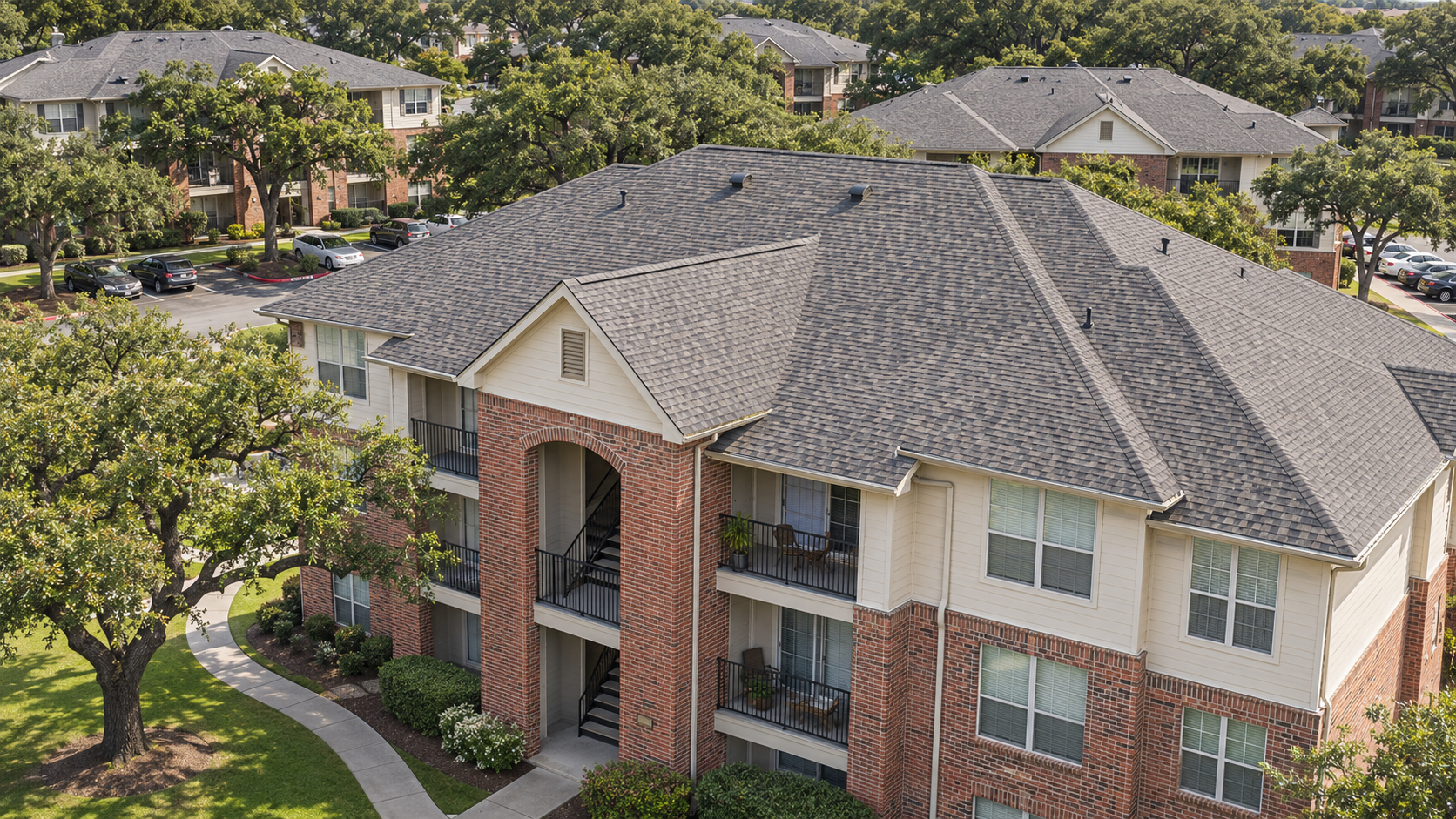
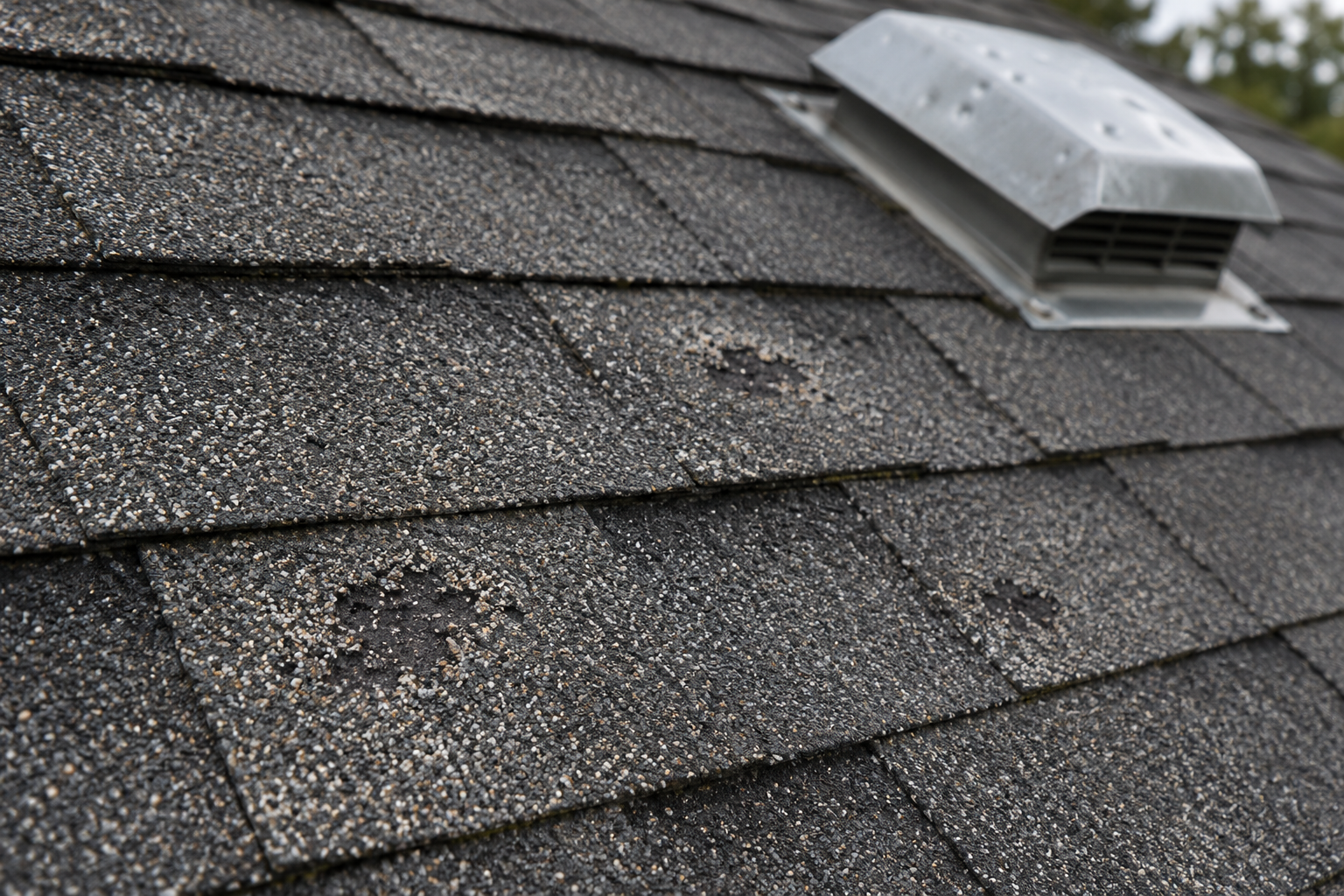
For asphalt shingles, the inspector should examine accessible surfaces for relevant impact-related conditions and distinguish them from other forms of deterioration. GAF’s technical bulletin on damage to shingles caused by hail describes possible signs such as localized granule loss, depressions, and fractures. It also notes that some effects may not be immediately apparent.
A mark in a photograph still needs interpretation in context. Request an explanation of the observed condition, its location, and why it supports the recommendation. A single close-up should be accompanied by an overview that connects it to the roof area.
Do not attempt to recreate a contractor’s assessment by pressing, scraping, or lifting shingles yourself. The inspection should preserve the roof’s condition and record findings using suitable professional methods.
Separate Hail Findings From Wear and Other Damage
A roof may have multiple conditions at the same time. Existing repairs, installation issues, weathering, foot traffic, and wind-related concerns can complicate the picture. The report should distinguish what the inspector observed from what remains uncertain about cause or timing.
Ask for specific explanations rather than a blanket description that the roof is “bad.” Which areas appear affected? Are there different conditions on different slopes? What supports the proposed treatment? Clear answers help you understand whether the scope addresses hail concerns, broader maintenance, or both.
The contractor should also identify when another opinion or investigation would be appropriate. Uncertainty does not need to be concealed to make a report useful. A defined next step is more helpful than an unsupported conclusion about an entire roof.
Include Flashings, Vents, and Roof Transitions
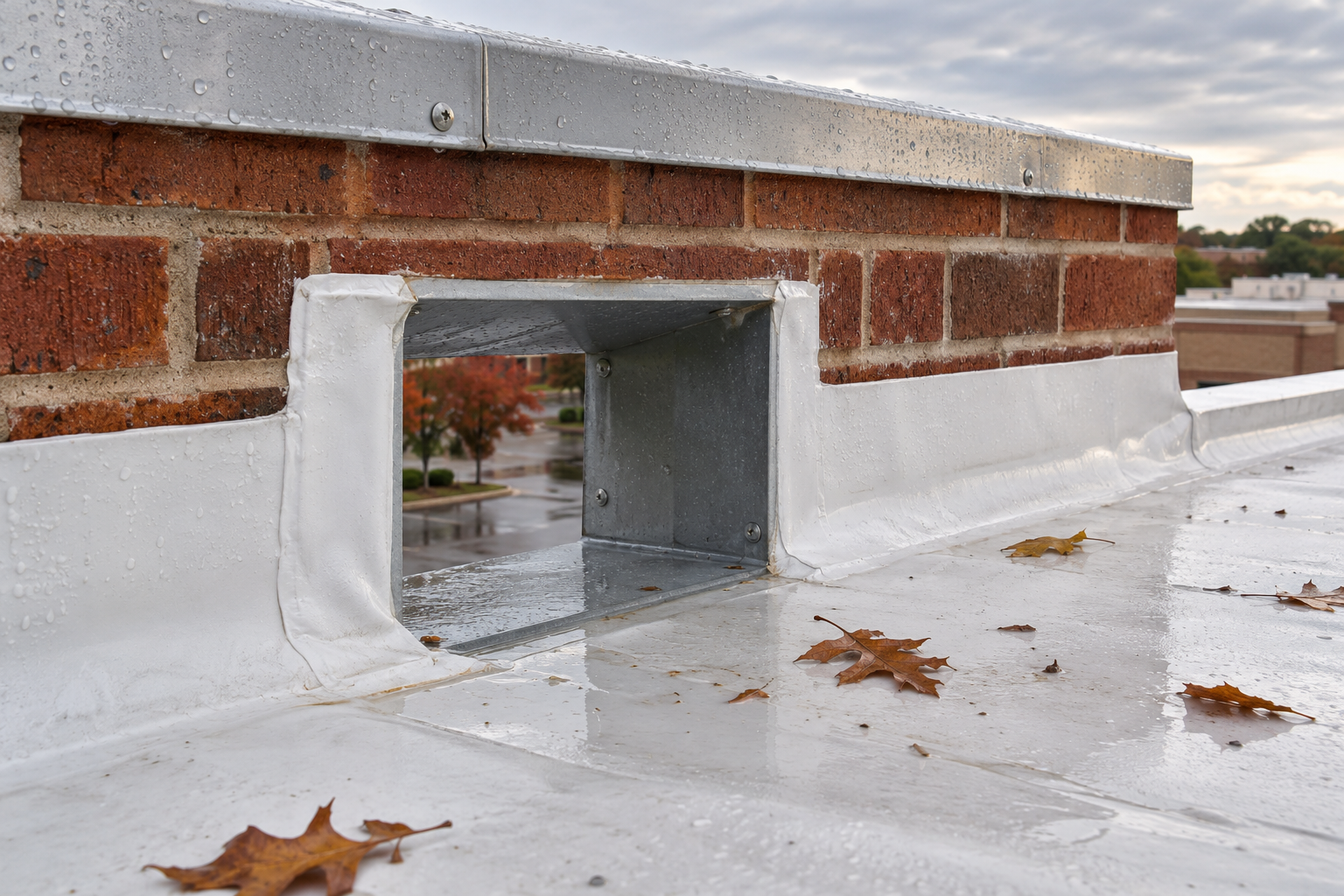
The roof covering is only part of the water-shedding assembly. Review accessible valleys, wall intersections, pipe penetrations, vents, skylight connections, and roof edges as appropriate. These details can present concerns that need attention regardless of whether the main covering is replaced.
Document the component and the condition separately. An observed metal dent, a deteriorated connection, and an active opening are different findings. Ask the contractor to explain whether the recommendation addresses appearance, waterproofing, attachment, or another issue.
Where an item is excluded from the proposed work, identify who will handle it. Gutters, masonry, skylights, and equipment may involve separate contractors. Coordination should be established before roofing begins so that one trade’s work does not leave another important connection unfinished.
Connect Interior Symptoms With the Roof Investigation
Show the inspector where stains, dampness, or dripping appeared and explain the timing. Water may travel before becoming visible indoors, so the room location alone may not identify the entry point. A useful assessment connects the interior history with observations above.
If attic access is appropriate and available, ask what will be reviewed and what limits apply. Insulation, stored belongings, restricted access, and concealed framing can affect visibility. A visual visit should not be described as confirming the condition of every hidden component.
Separate roof work from interior restoration. The proposal should clarify whether ceilings, insulation, paint, or other interior items are included. Even where multiple contractors participate, the owner needs a clear plan for stopping the source and addressing resulting damage.
Understand Drone and Photograph Limitations
Drone imagery can help document roof layout and areas that are difficult to view from the ground. It may also support an overview of reported concerns. Ask how the imagery will be used and whether closer examination is needed for particular findings.
A remote image does not automatically establish concealed damage or resolve every question about surface condition. The report should identify conclusions supported by the available images and explain where access or another method is needed.
Similarly, photographs taken after a storm do not necessarily establish when every condition developed. Installation records, earlier reports, and observations from the property can help provide context. Keep original files and dates where available so the inspection record remains understandable later.
Request a Report With Identifiable Locations
A useful report includes the property, inspection date, relevant history, methods, inspected areas, limitations, photographs, findings, and recommendations. Roof slopes or sections should be labeled consistently. Anyone reviewing the report should be able to connect a close-up to a specific area.
Report itemWhat to expectProperty and timingAddress, inspection date, reported storm historyInspection scopeMethods used and accessible areas reviewedRoof descriptionCovering type and relevant available recordsObserved conditionsSpecific findings with labeled photographsLimitationsInaccessible areas and unresolved questionsRecommendationsRepairs, additional assessment, maintenance, or replacementNext stepsResponsible parties and any immediate protection needs
A photo gallery without a written explanation may leave the owner unsure what to approve. Ask for an action list that separates immediate concerns, planned corrective work, and optional improvements. Each recommendation should have a reason tied to the findings.
Learn What Happens if No Clear Hail Damage Is Found
An inspection may not establish hail damage on the accessible areas. That is a useful result when the report explains the methods and limits. Ask whether maintenance issues were found and whether any areas still require further review.
Avoid interpreting the result more broadly than the assessment supports. An inaccessible slope is different from an inspected slope with no observed concern. If follow-up is recommended, understand what would trigger it and what information it is intended to establish.
Keep the report with the roof records. It can provide a baseline for future inspections and help explain changes over time. Continue to report new leaks or visible changes rather than assuming that one visit settles every possible future roofing issue.
Compare Repair and Replacement Recommendations
A repair proposal should identify the affected locations, materials, preparation, and intended result. Ask what surrounding conditions remain and whether matching or compatibility issues affect the approach. The contractor should explain why a localized solution is practical for the actual roof.
A replacement proposal should explain why the recommended scope extends beyond repair. The discussion may involve the extent of observed conditions, the existing assembly, repair feasibility, or other documented factors. Request the reasoning rather than relying on a general statement that a storm means a new roof.
Showtime Exteriors’ residential roofing services provide a starting point for discussing those options. Compare the completed assembly and necessary details, not only the visible roof covering or a headline total.
Keep the Roofing Assessment Separate From Coverage
A roofing report describes conditions and recommended work. The insurer reviews coverage and payment under the policy. A contractor’s opinion that work is needed does not guarantee that the policy will pay for the full recommendation.
The Texas Department of Insurance’s guide to roof insurance and claims explains differences such as replacement cost and actual cash value coverage and the possibility of a separate wind-and-hail deductible. Review your actual declarations, endorsements, and insurer’s explanation before estimating personal expense.
Ask the insurer about applicable reporting requirements, deadlines, exclusions, and documentation. Avoid applying a deadline or payment example from someone else’s policy to your property. Keep the roofing scope and coverage questions clear so each decision is based on the correct information.
Document Temporary Work and Claim Communications
If storm damage is reported, preserve photographs, written findings, temporary-work invoices, and communications. The Texas Department of Insurance’s after-hail guidance recommends documenting damage, preventing further damage, saving receipts, and keeping track of insurer conversations.
Ask what your insurer needs before damaged materials are discarded, when practical and consistent with necessary protection. Do not delay appropriate measures needed to prevent additional damage while waiting for a routine appointment. Record what was done, where, when, and why.
Temporary protection and permanent repair are separate scopes. Understand the authorization and price for each. Keep contractor invoices distinct from the insurer’s payment documents so the final record shows the work performed and the funds received without ambiguity.
Understand the Contractor’s Role in the Claim
A contractor can provide an estimate and discuss its technical scope. That role should not be confused with representing you on coverage or negotiating an insurance settlement. Ask who is answering each question and what authority they have to do so.
TDI’s 2026 claims-handling bulletin discusses contractor estimates, adjusting responsibilities, and conflicts of interest. It also reiterates that contractors may not offer to waive a deductible or promise a rebate for all or part of it.
Treat an offer of a free insured roof as a reason to examine the proposal carefully. Calculate your obligations using the actual contract and policy information. Keep upgrades, uncovered work, and the deductible visible in the budget rather than assuming they disappear into claim proceeds.
Confirm Cedar Hill Requirements Before Work Begins
The City of Cedar Hill’s permit process information states that permits are required for construction, alterations, and repairs involving roofing among other building work. Confirm how the requirements apply to your property and proposed scope before permanent work starts.
A contractor’s condition inspection and a city inspection of permitted work serve different purposes. Ask who handles applications, fees, scheduling, and completion records. If a contractor excludes permits from the price, understand how that responsibility will be fulfilled.
Also check any applicable association or architectural review requirements before ordering replacement materials. The approval process for a neighbor’s house may differ from yours. A clear schedule should account for required reviews, material availability, and weather suitable for installation.
Review the Proposed Assembly and Optional Upgrades
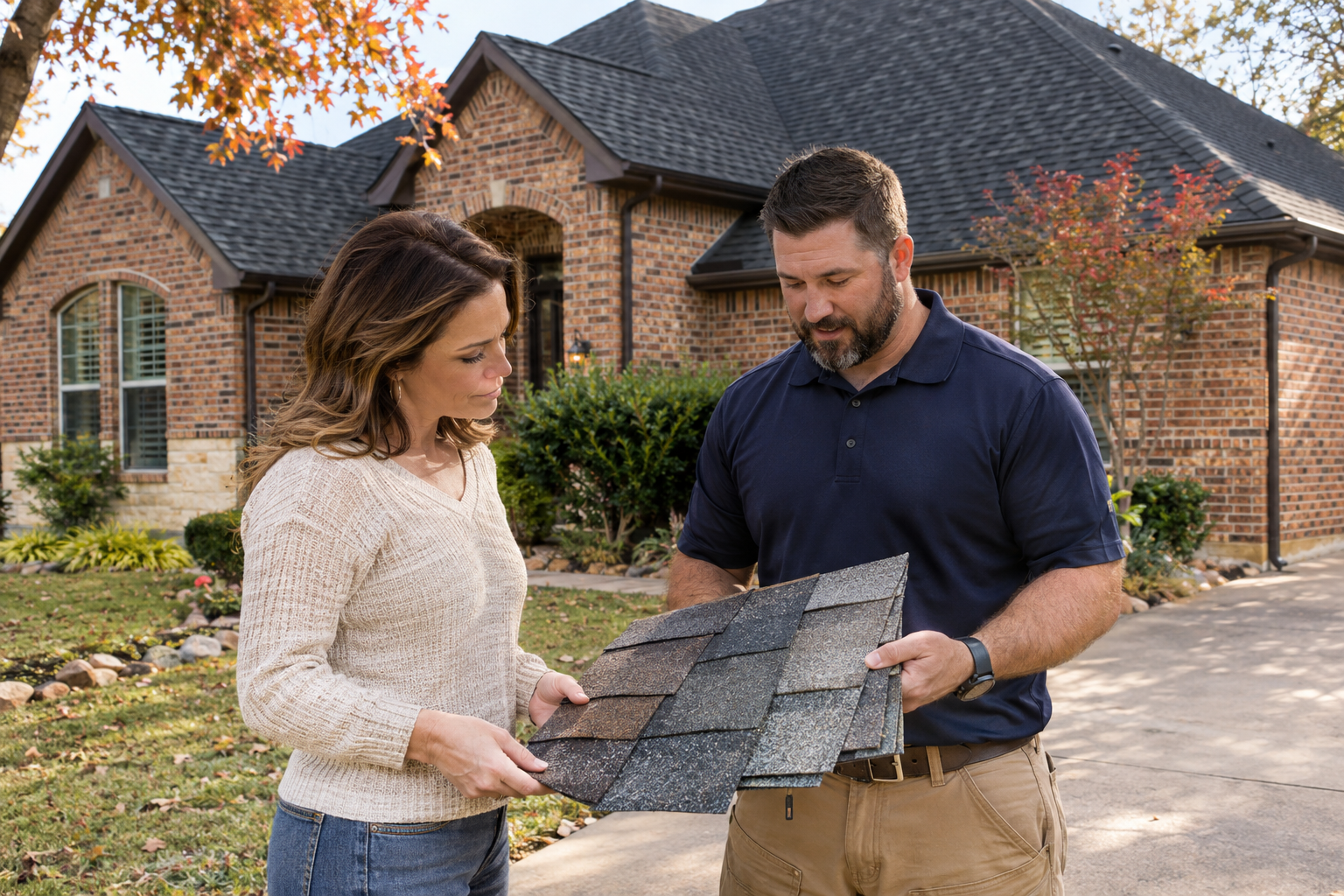
If replacement is recommended, ask for the product line, accessories, underlayment, flashing scope, substrate provisions, and ventilation work where relevant. A material name alone does not describe a complete installation. The contract should identify what will be removed, replaced, retained, or excluded.
Showtime Exteriors’ guide to roofing materials and selection factors for Texas can help organize those questions. Material selection should fit the building’s construction, slope, conditions, and ownership plans.
Price optional upgrades separately from necessary repairs. If impact-rated products or insurance discounts are discussed, request the exact product information and confirm eligibility directly with the insurer. Avoid treating a rating as a promise that future hail damage cannot occur.
Address Commercial Roofs With the Right Scope
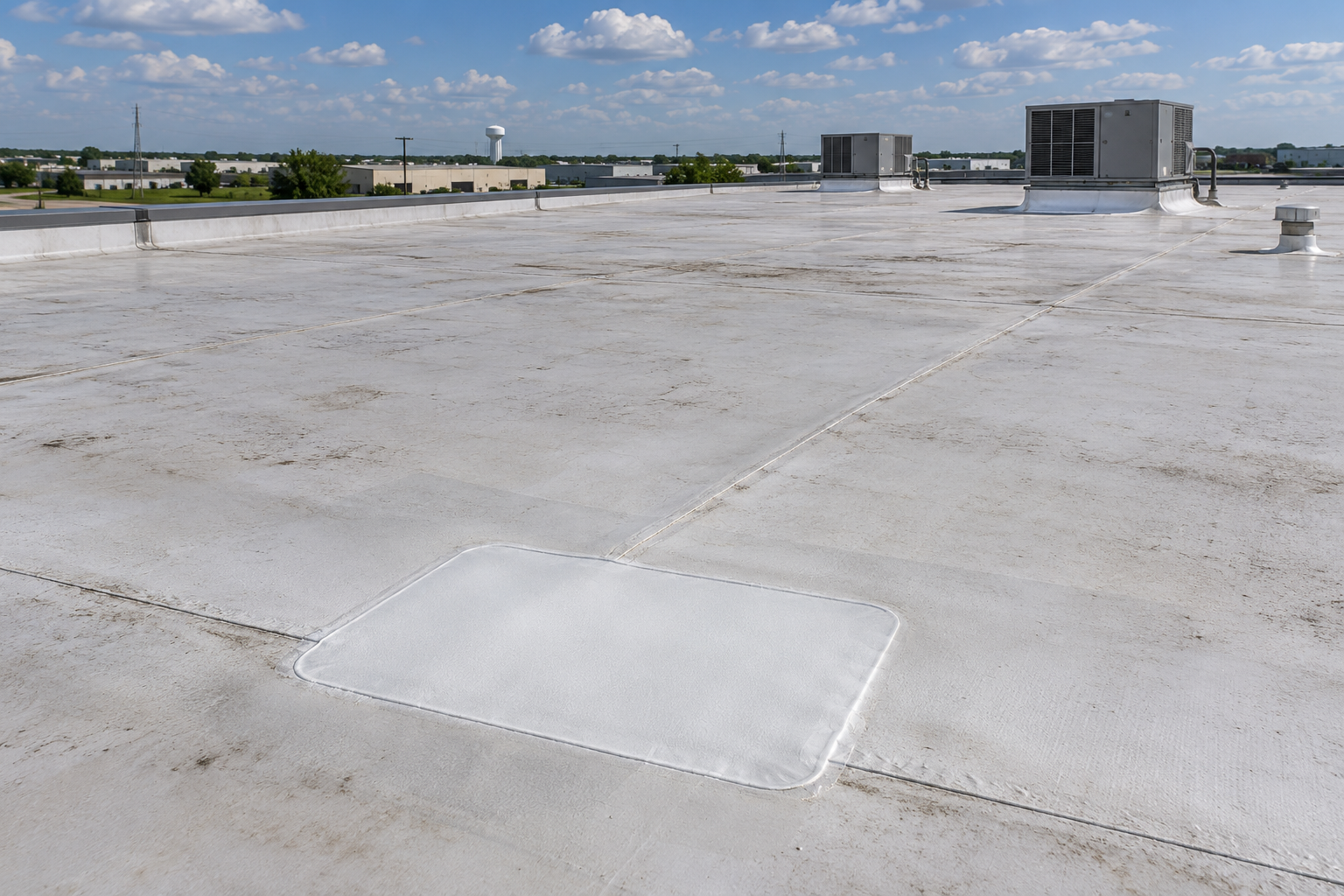
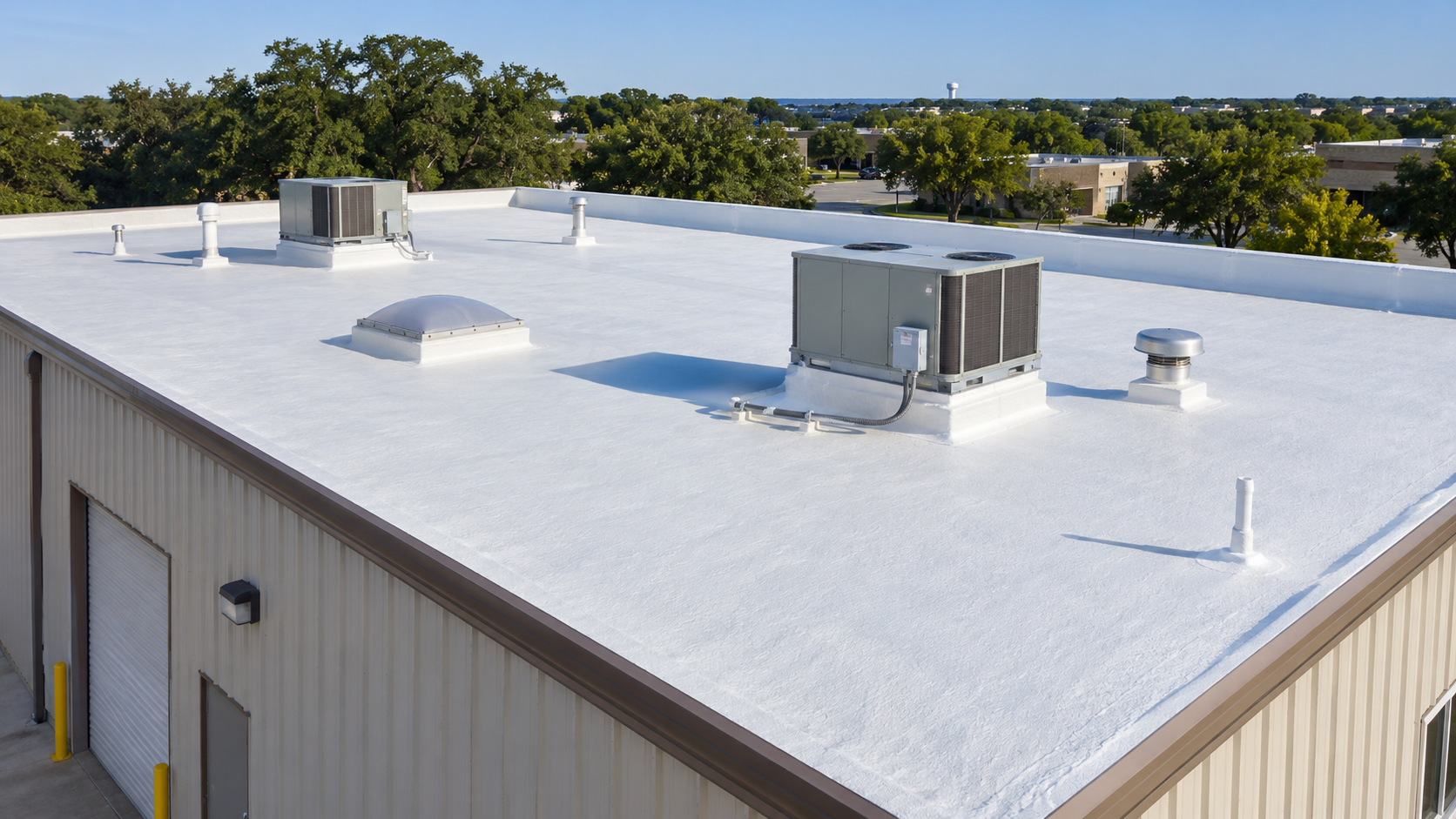
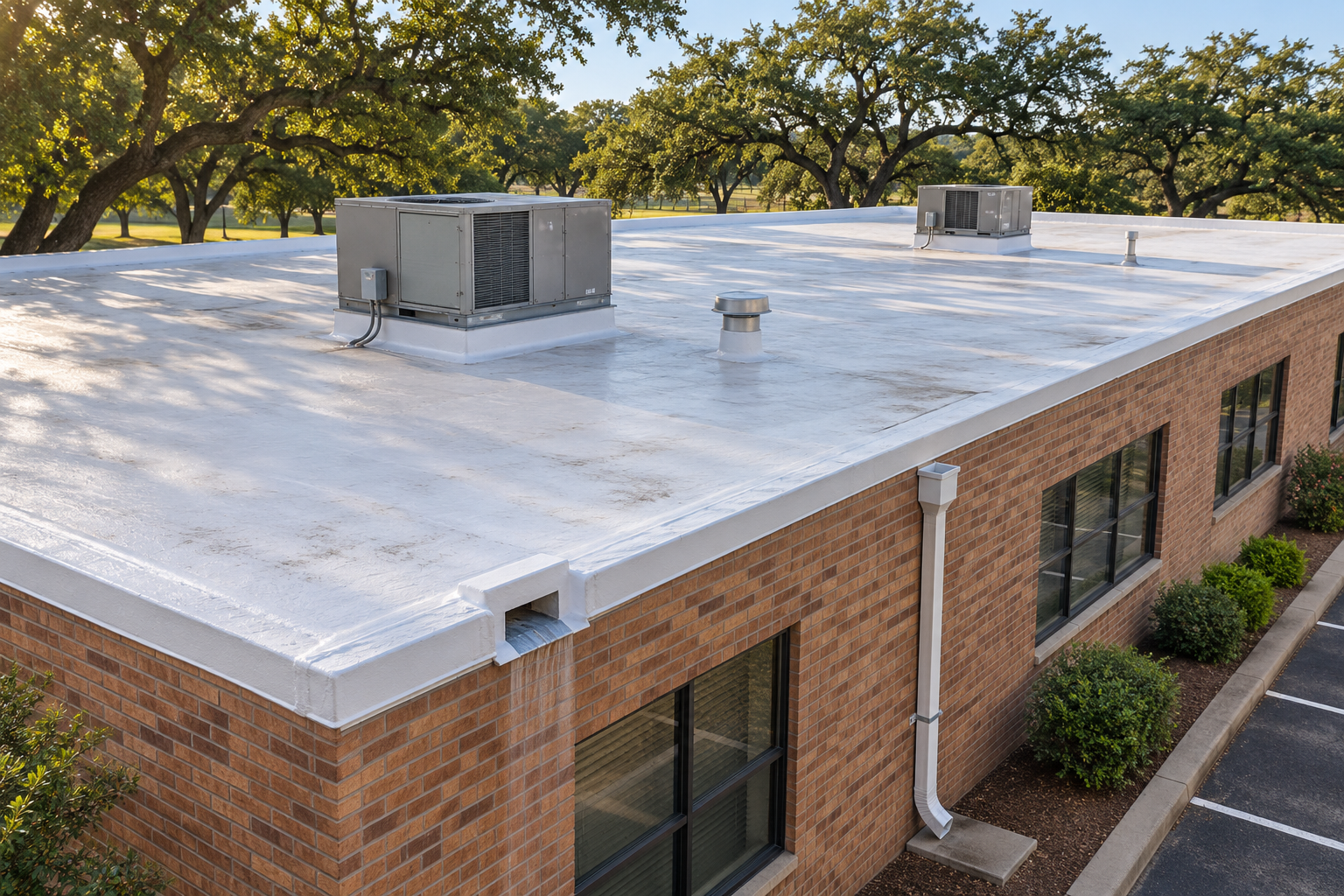
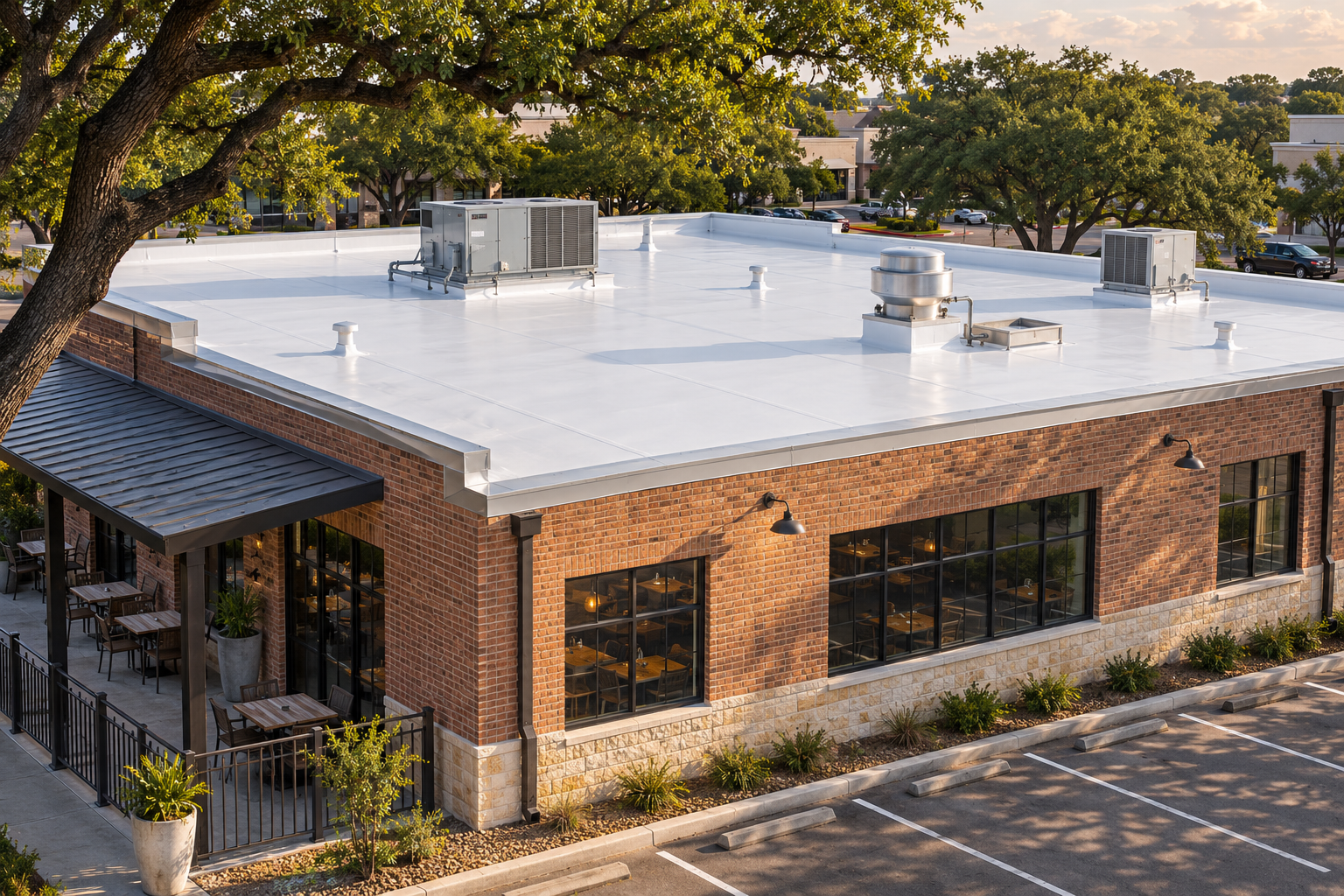
A commercial membrane roof, coated assembly, metal system, or gravel-surfaced roof needs an assessment suited to its construction. A residential shingle checklist should not be treated as a complete inspection method for every building. Tell the contractor about equipment, tenant operations, and access restrictions.
Showtime Exteriors’ commercial roofing services support discussions about inspections, repairs, and larger projects. Request findings that distinguish surface observations from questions about concealed materials and identify when additional investigation is necessary.
For an occupied commercial property, include operational coordination in the proposed work. Loading areas, sensitive inventory, equipment service, and tenant access can affect scheduling. The owner should understand both the roofing recommendation and the practical requirements for carrying it out.
Keep the Record After the Inspection
Create one project folder containing the inspection report, original photographs, estimates, approved changes, invoices, and relevant communications. Label temporary protection and permanent repairs separately. A clear file helps future contractors understand what was observed and what work followed.
Showtime Exteriors’ guide to commercial roof maintenance records provides a framework that can also inform residential recordkeeping. Documentation supports an understandable history; it does not guarantee insurance coverage, claim acceptance, or a particular repair recommendation.
If work is completed, obtain closeout photographs and applicable warranty and inspection records. Continue the maintenance required for the installed roof. The value of the hail inspection extends beyond the visit when its findings are connected to completed actions and retained records.
Frequently Asked Questions
How soon should I arrange a hail damage roof inspection?
Arrange an assessment promptly after conditions are safe, especially if there are active leaks or visible openings. Tell the contractor about urgent concerns when scheduling. Separately check your policy’s reporting requirements and deadlines with the insurer rather than waiting for a routine roofing appointment.
Can my roof be damaged if it is not leaking?
The absence of an interior leak does not establish that every roof component is unaffected. An inspection evaluates accessible conditions and identifies what requires attention. Ask the contractor to explain the specific findings rather than assuming either that the roof is fine or that replacement is necessary.
Does hail in the neighborhood prove my roof needs replacement?
No. Nearby reports provide context, but the recommendation should follow an assessment of your individual property. Materials, exposure, existing condition, and observed findings can differ. Request photographs and reasoning tied to your roof.
How long does an inspection take?
The duration depends on roof size, complexity, access, methods, and reported concerns. Ask the contractor what is included and when the written findings will be available. A fixed time promise is less useful than a clearly defined inspection scope and deliverable.
Will the roofer decide whether my insurance pays?
No. The roofer can document conditions and estimate its work. The insurer determines coverage and payment under the policy, subject to applicable processes. Keep technical roofing questions with the contractor and direct coverage questions to the insurer or an appropriately licensed professional.
What if two contractors disagree?
Compare their inspection methods, accessible areas, photographs, and explanations. Ask each to address the specific difference. A disagreement about cause or extent may justify further assessment. Avoid deciding solely by which recommendation produces the larger project or more optimistic insurance expectation.
Schedule a Hail Damage Roof Inspection in Cedar Hill
A useful hail damage roof inspection in Cedar Hill gives you identifiable findings, clear limitations, and practical next steps. Prepare the property history, request a documented assessment, and compare any proposed work with the conditions actually observed.
Contact Showtime Exteriors or call 817-400-7663 to discuss an inspection. Share the property address, approximate storm date, roof type if known, and any active leaks so the visit can focus on your building’s needs.