

Comprehensive Commercial Roof Leak Repair in Houston: A Guide for Facility Managers and Building Owners
A active roof leak in a commercial building requires immediate attention.
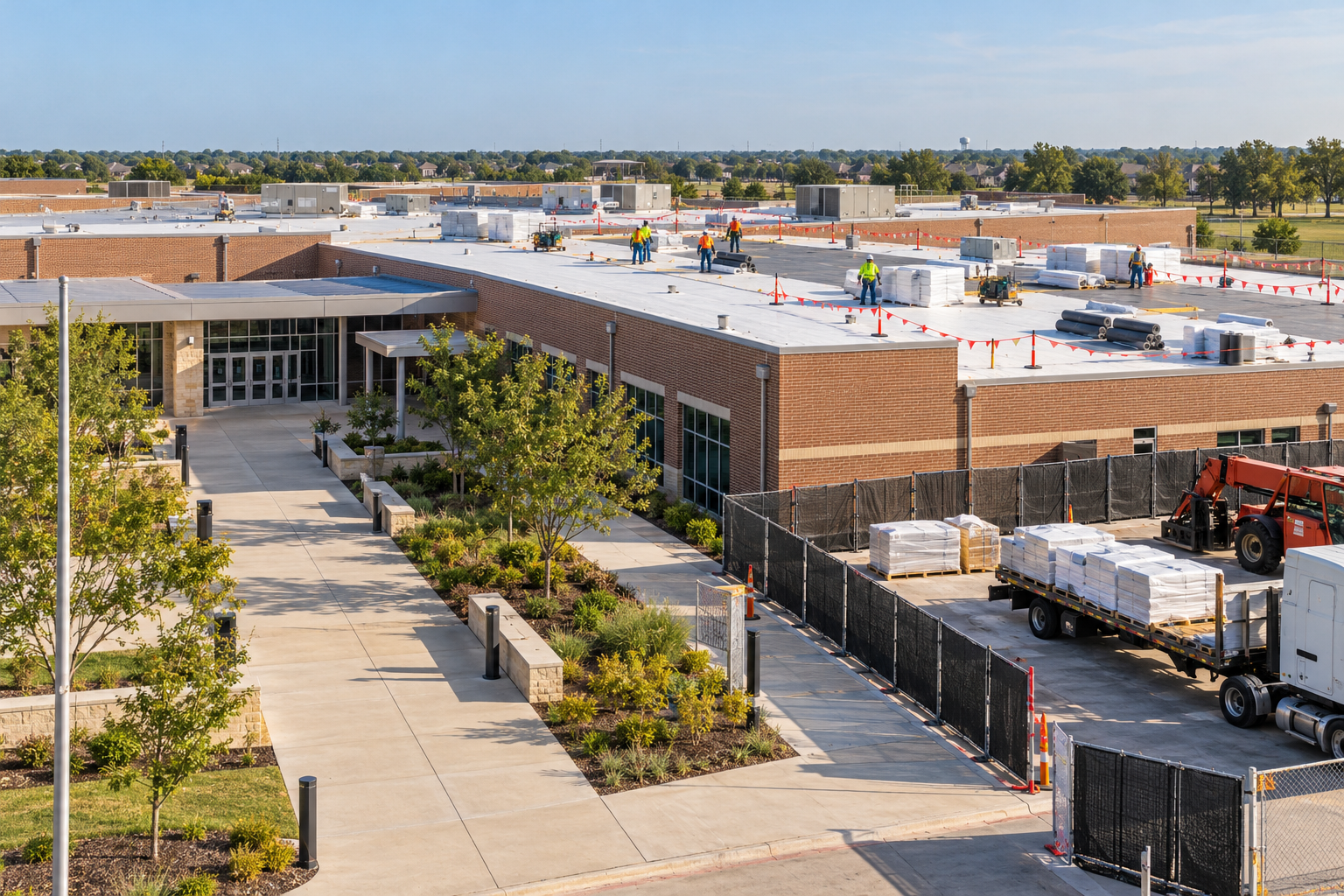
A active roof leak in a commercial building requires immediate attention. A minor drip inside a warehouse or office building can quickly cause structural damage, ruin inventory, disrupt operations, create safety hazards, and lead to expensive repairs.
Houston’s climate presents distinct challenges for commercial roofs. Between intense UV exposure, sudden downpours, severe weather, and high humidity, roofing systems undergo continuous thermal expansion and moisture stress.
When moisture breaches your roof membrane, locating the source and applying a lasting repair requires an inspection-led approach. Showtime Exteriors provides commercial roof leak repair, restoration, and maintenance services across the greater Houston area.
Showtime Exteriors
This detailed guide breaks down everything commercial property managers, facility directors, and asset managers need to know about identifying, diagnosing, repairing, and preventing roof leaks on commercial buildings in Houston.
Why Houston Commercial Roofs Leaks: Climate & Architectural Factors
Houston’s weather patterns subject commercial low-slope and flat roofing assemblies to demanding conditions:
1. Thermal Shock and Extreme UV Exposure
During hot summer months, rooftop temperatures in Houston frequently exceed 150°F. Afternoon thunderstorms can instantly drop rooftop temperatures by 30°F to 40°F. This rapid contraction—known as thermal shock—strains field seams, flashings, and mechanical attachments over time.
2. High Humidity and Moisture Saturation
Houston’s average annual humidity creates high vapor pressure differentials between interior conditioned spaces and exterior environments. When vapor retarders or roof membranes develop microscopic punctures, moist air penetrates the insulation layer, accelerating decay from the inside out.
3. Torrential Rain and Drainage Stress
Severe downpours and tropical systems can overwhelm roof drainage systems. Standing water (ponding) places thousands of pounds of static load on structural decks and rapidly degrades seam adhesives, sealants, and asphaltic compounds.
4. Severe Storms and High Winds
Strong wind events create uplift pressures along perimeter parapet walls, edge metal, and corners. Wind-driven rain can force water upward under flashing laps and around HVAC curb terminations.
The Common Culprits: Where Commercial Roof Leaks Start
Water rarely enters directly beneath the ceiling stain seen inside the building. Liquid travels along deck flutes, structural steel beams, slope gradients, and vapor barriers before finding an interior pathway down.
Membrane Punctures and Tears
Foot traffic from HVAC technicians, dropped tools, sharp debris, or windblown branches can puncture single-ply membranes like TPO, PVC, and EPDM.
Open Seams and Lap Failures
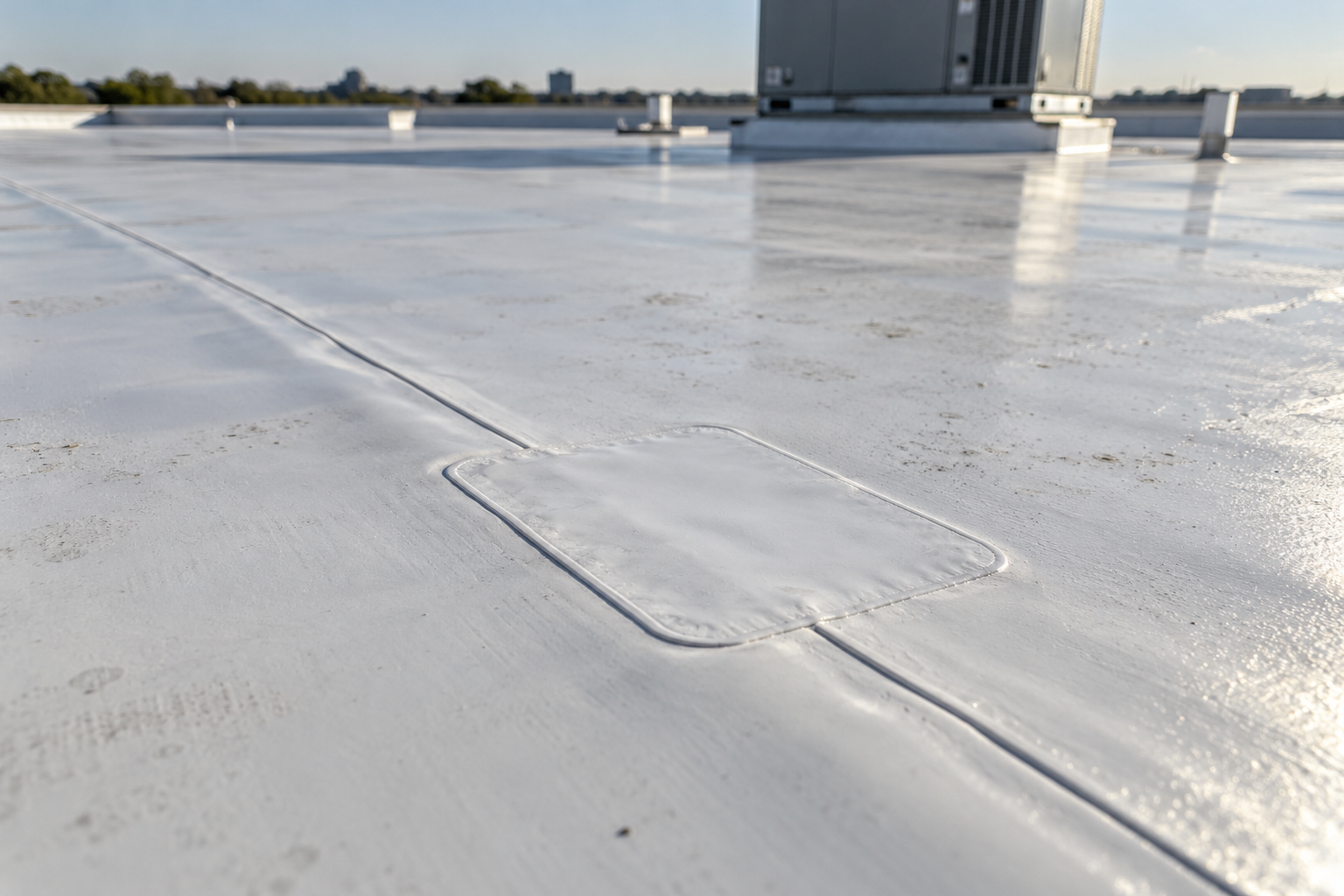
Single-ply seams welded improperly—or older glued EPDM seams—can separate due to constant thermal movement and age. Modified bitumen and built-up roof (BUR) lap joints can also delaminate under ponding water.
Flashing Deterioration
Flashings surround vertical penetrations, wall terminations, expansion joints, skylights, and roof drains. Because these areas join dissimilar materials with varying expansion rates, sealants, counterflashings, and pitch pockets often experience early degradation.
Clogged Drains, Scuppers, and Gutters
Debris accumulation blocks primary drainage pathways, forcing water to pool. Water depth above membrane lap lines increases hydrostatic pressure, accelerating leaks at structural weakest points.
Rooftop Equipment and HVAC Curbs
HVAC units, condensation lines, exhaust fans, and conduit penetrations are frequent points of water entry. Unsealed pitch pans, loose equipment housing, or improperly flashed ductwork allow wind-driven rain into interior air ducts.
Aging Gravel-Surfaced Built-Up Roofs (BUR)
Older multi-ply BUR systems covered in flood coats of asphalt and gravel present unique diagnosis challenges. The gravel ballast hides fatigue cracks, blistering, and moisture entrapment, making targeted repairs difficult without systematic inspection.
Showtime Exteriors
The Showtime Exteriors Approach to Leak Diagnosis
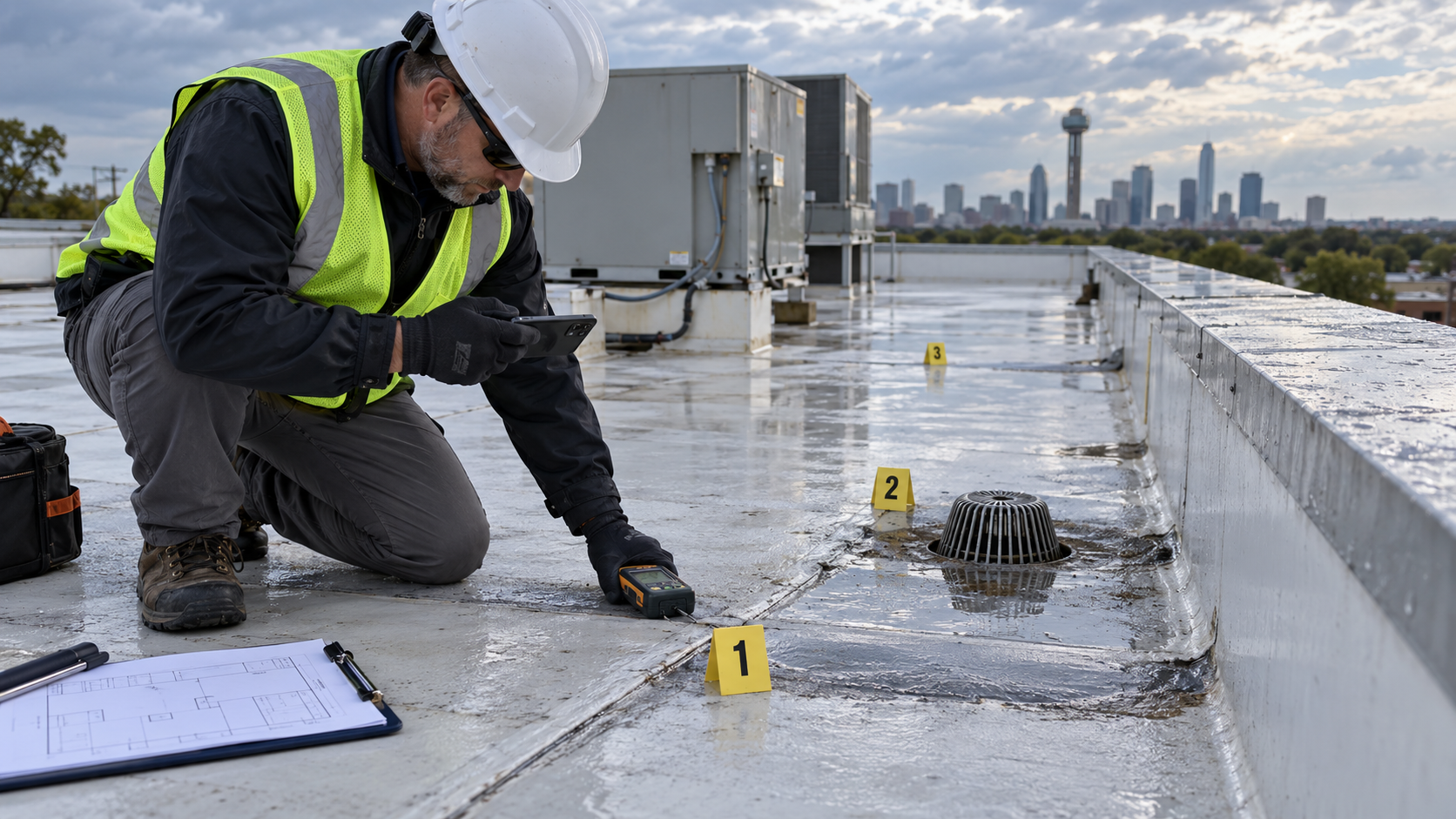
Applying caulk or silicone over a visible wet spot without identifying the entry point creates a temporary seal that often traps moisture, causing undetected rot and deck degradation. Showtime Exteriors follows an inspection-driven methodology to locate water entry pathways and restore system integrity.
Showtime Exteriors
[ Step 1: Emergency Stoppage & Mitigation ]
│
▼
[ Step 2: Comprehensive Visual Inspection ]
│
▼
[ Step 3: Non-Destructive Moisture Tracing ]
│
▼
[ Step 4: System-Specific Repair Execution ]
│
▼
[ Step 5: Verification & Quality Closeout ]
1. Interior and Exterior Tracing
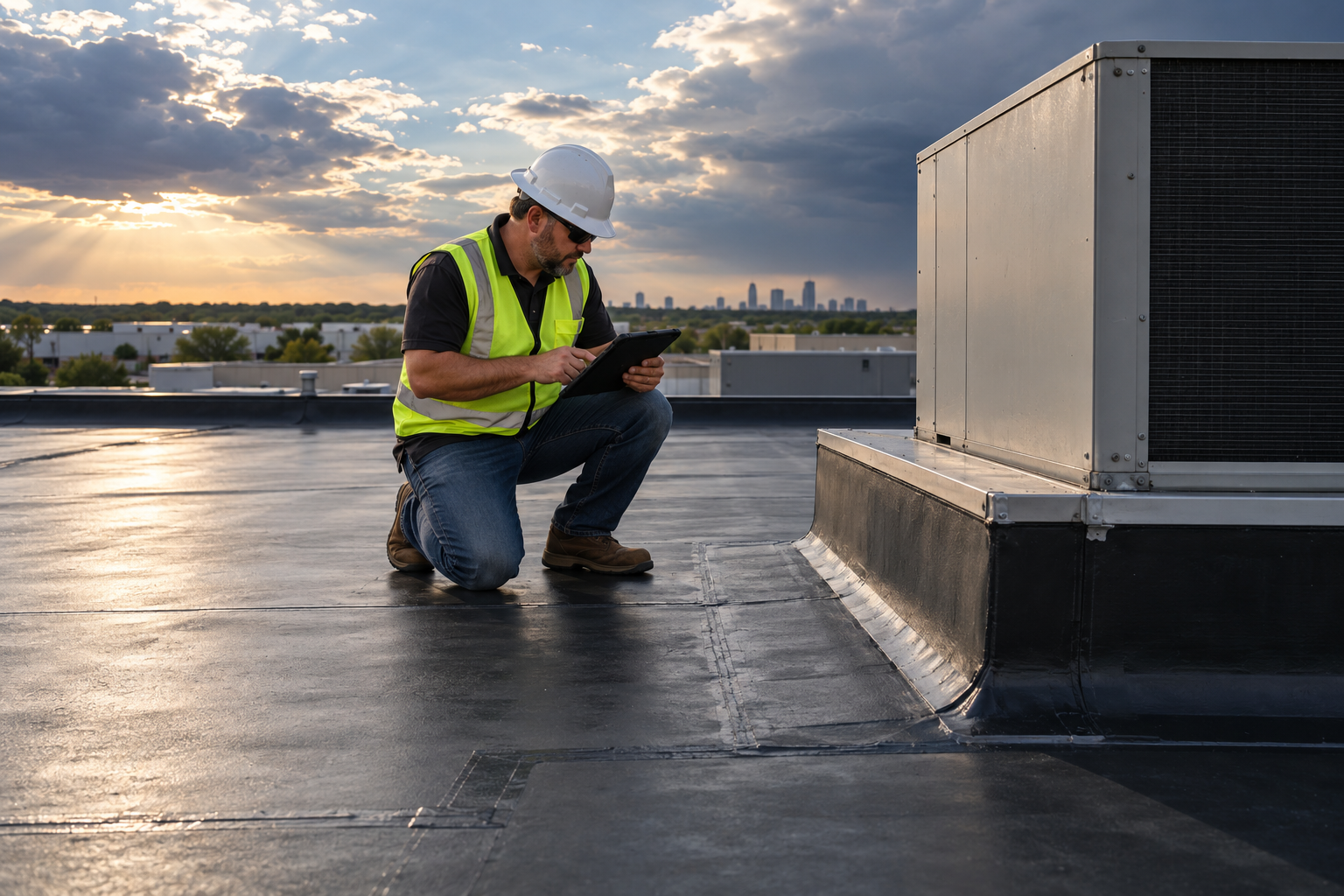
Technicians map interior water stains, active drips, and structural framing runs, correlating them with rooftop equipment, flashing lines, and membrane conditions.
2. Non-Destructive Moisture Detection
When water travels within hidden insulation layers, specialized non-destructive tools help isolate saturated insulation zones:
- Infrared Thermography: Detects thermal capacitance differences between wet and dry insulation during evening cooling cycles.
- Nuclear Moisture Gauge: Measures hydrogen density within insulation layers to map moisture saturation boundaries.
- Electrical Impedance Meters: Evaluates relative moisture content across low-slope membrane surfaces.
3. Core Sampling (When Authorized)
When structural deck corrosion or widespread insulation saturation is suspected, core sampling reveals the exact cross-section of the roof assembly, including deck condition, vapor barriers, cover boards, and insulation layers.
Showtime Exteriors
Commercial Roof Systems & Repair Methodologies
Different roofing materials require specific repair techniques and compatible chemical compounds. Applying incompatible mastics or sealants (e.g., standard asphalt roof cement on TPO or PVC) can dissolve membranes, void manufacturer warranties, and accelerate leaks.
Roof System TypePrimary Leak VulnerabilitiesRepair SolutionThermoplastic Polyolefin (TPO)Unwelded seams, membrane punctures, pipe boot degradationClean membrane surface, heat-weld TPO patch extending 2"+ beyond damage, treat seam edgesPolyvinyl Chloride (PVC)Plasticizer migration, physical punctures, chemical degradationClean and solvent-weld PVC membrane patch; install protective walk pads near high-traffic areasEthylene Propylene Diene Monomer (EPDM)Seam tape degradation, flashing pull-away, shrink stressClean surface with primer, apply seam tape or cured EPDM patch with lap sealant along perimeterModified Bitumen (MB)Granulate loss, edge lap unbonding, blister crackingScrape loose granules, torch or cold-process target MB membrane ply, re-granulate surfaceBuilt-Up Roofing (BUR)Blistering, ridging, gravel coat failure, flashing splitsSpud back gravel ballast, excavate damaged felts, build up tie-in plies with asphalt masticsMetal Roofing SystemsBack-pitched laps, backed-out fasteners, skylight curb failuresReplace failed fasteners with oversize neoprene washers, seal end-laps with elastomeric systems
Repair, Restore, Retrofit, or Replace: Choosing the Right Solution
A key service offered by Showtime Exteriors is evaluating whether a leaking commercial roof needs a targeted repair, a full-surface restoration, a metal retrofit, or a complete tear-off and replacement.
Showtime Exteriors
┌────────────────────────────────────────────────────────────────────────┐
│ Determine Roof Condition │
└───────────────────────────────────┬────────────────────────────────────┘
│
┌────────────────────────┼────────────────────────┐
▼ ▼ ▼
Localized Damage Widespread Surface Over 25-30% Wet Core/
(< 15% Wet) Aging (> 15% Wet) Structural Deck Decay
│ │ │
▼ ▼ ▼
┌────────────────────┐ ┌────────────────────┐ ┌────────────────────┐
│ Targeted Spot │ │ Fluid-Applied Roof │ │ Full Tear-Off & │
│ Commercial Repair │ │ Restoration │ │ System Replacement │
└────────────────────┘ └────────────────────┘ └────────────────────┘
Option A: Targeted Commercial Leak Repair
- When It Applies: The roof assembly is structurally sound, insulation is dry, and failures are confined to localized punctures, flashing splits, or isolated seams.
- Benefits: Minimal operational disruption, fast turnaround, and low immediate cost.
Option B: Fluid-Applied Coating & Restoration
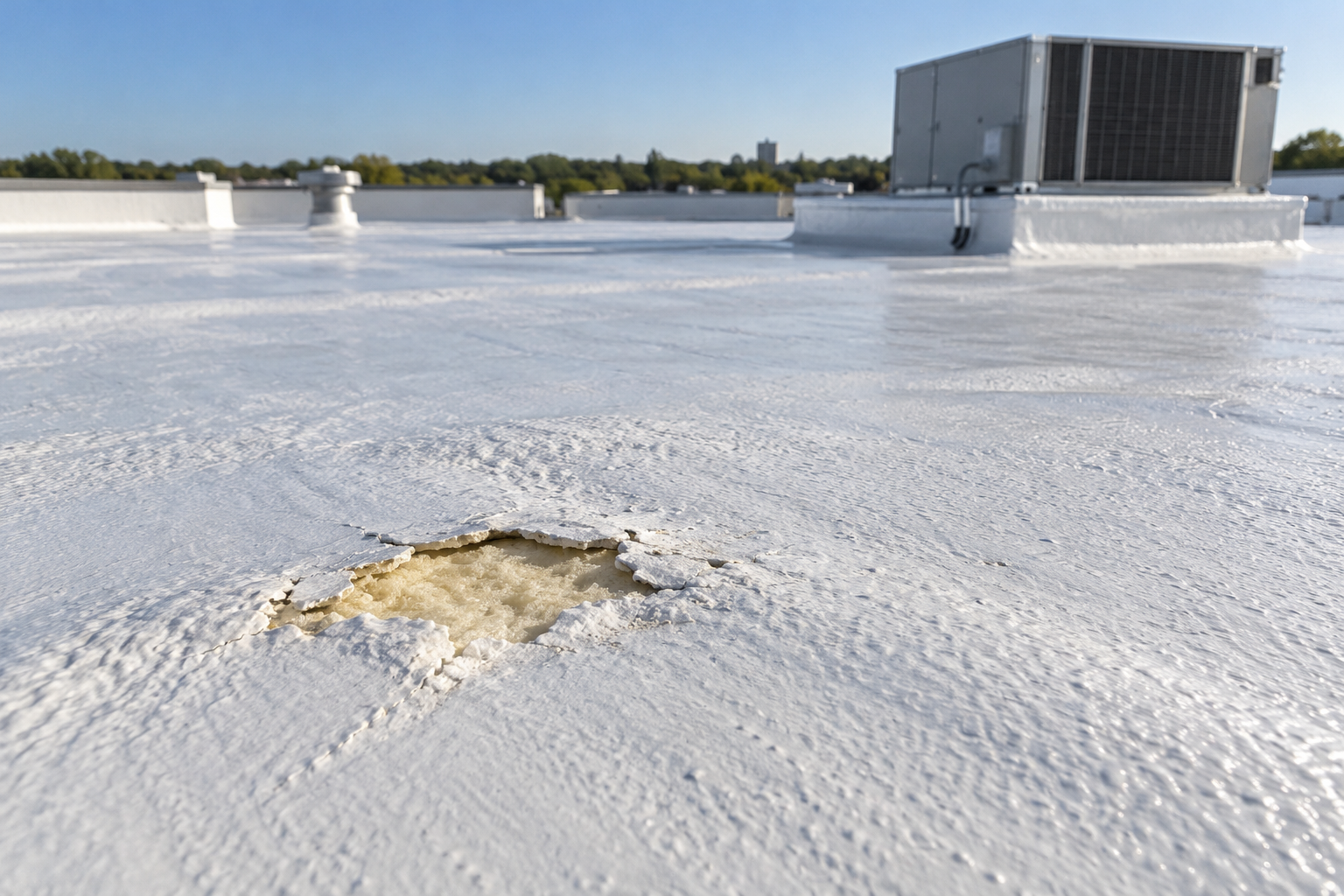
- When It Applies: The underlying insulation is dry, but the outer membrane is aging, chalking, or experiencing seam fatigue.
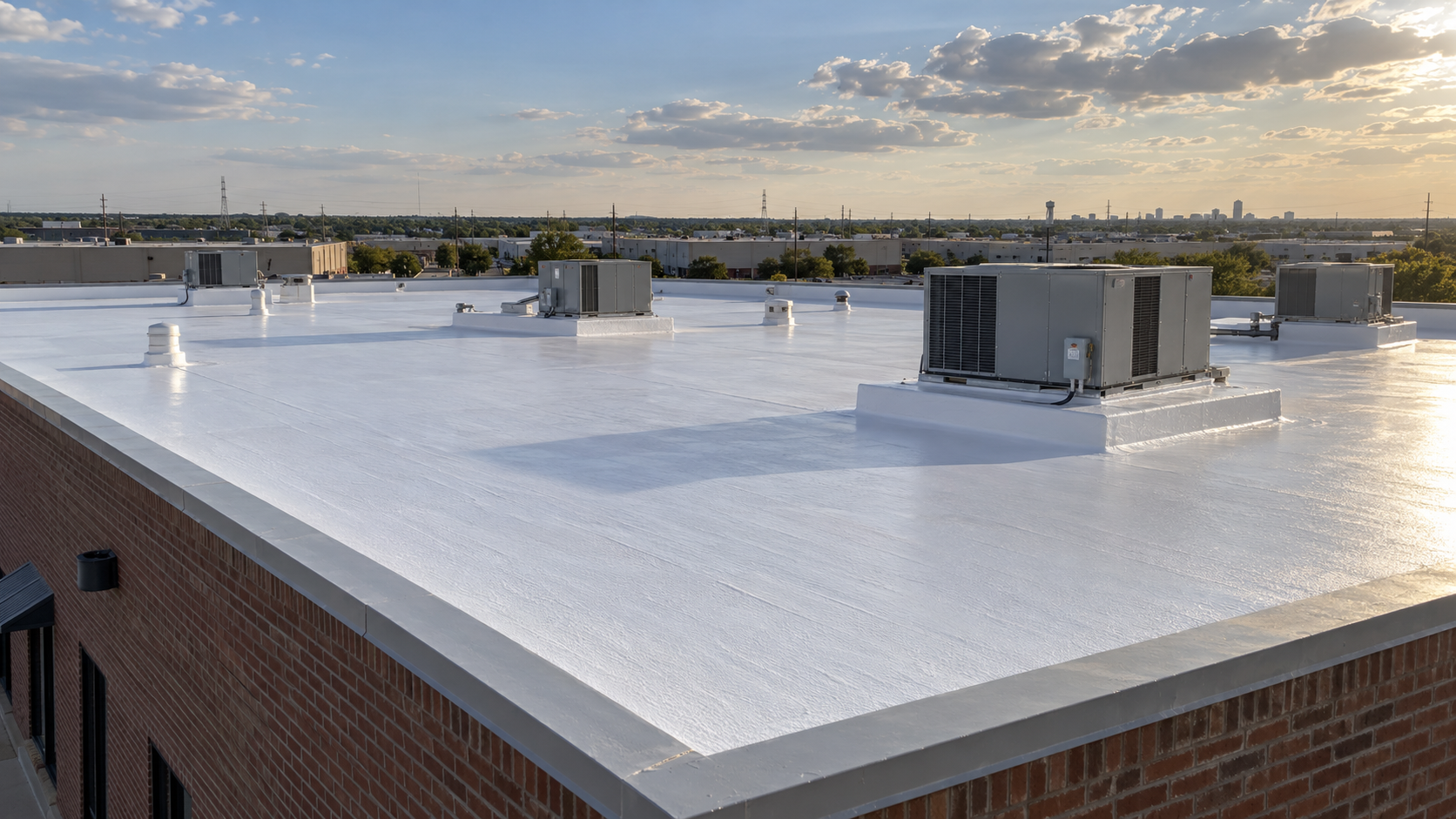
- Benefits: Seamless waterproof barrier, lower thermal absorption (reflective white surfaces reduce cooling loads), extends roof life by 10 to 20 years, and can be tax-deductible as maintenance.
Option C: Single-Ply Metal Retrofit
- When It Applies: An existing standing-seam or R-panel metal roof exhibits widespread fastener leaks, panel oxidation, or end-lap leaks.
- Benefits: Custom-cut flute fill insulation is installed over metal panels, followed by a continuous TPO or PVC membrane—eliminating tear-off costs and providing high thermal performance.
Option D: Complete Roof Replacement
- When It Applies: More than 25% to 30% of the insulation assembly is saturated, structural decking is compromised, or the roof has exceeded its functional service life.
- Benefits: Restores structural integrity, complies with current wind uplift codes, maximizes energy efficiency, and provides long-term manufacturer warranty coverage.
Commercial Roof Repair Process: Step-by-Step
When performing permanent commercial roof leak repairs in Houston, Showtime Exteriors follows structured quality control protocols:
1. Safety Setup & Debris Mitigation
├── Install OSHA perimeter flagging, warning lines, and fall protection gear
└── Clear roof surface debris, bio-growth, and standing water
2. Surface Substrate Preparation
├── Remove damaged or wet roofing plies, deteriorated mastics, or ballast
└── Solvent-clean target membrane surfaces to ensure full chemical adhesion
3. Core Insulation Evaluation
├── Inspect wood, metal, or concrete deck for rust, corrosion, or decay
└── Replace wet, degraded insulation board with matching polyiso or cover board
4. Application of System-Matched Patch Material
├── Heat-weld (TPO/PVC) or torch/cold-bond (Mod Bit) perimeter patch assemblies
└── Ensure a minimum 2-inch to 4-inch overlap past all damaged boundaries
5. Edge Termination & Counterflashing Tie-In
├── Install new termination bars, drive pins, and polyurethane sealants
└── Flash around pipe penetrations, equipment curbs, and wall joints
6. Quality Inspection & Documentation Closeout
├── Probe all welded seams with a blunt seam probe to verify structural bond
└── Provide detailed photo documentation and closeout reports for property records
Preventive Maintenance Programs: Stop Leaks Before They Start
Waiting for an active leak leads to emergency service calls, higher repair costs, interior property damage, and potential tenant disputes. A proactive commercial roof maintenance schedule helps extend the lifespan of your roof.
Bi-Annual Inspection Checklist (Spring & Autumn)
- Drainage Verification: Clear leaves, silt, and windborne debris from drains, scuppers, overflow drains, and downspouts.
- Seam Probing: Check single-ply field seams and wall flashings for micro-openings or wind pull-away.
- Penetration Sealants: Inspect pitch pocket filler, pourable sealer, and counterflashing caulk joints for drying, cracking, or shrinkage.
- Rooftop Equipment Integrity: Ensure HVAC door panels are secured, condensation drain lines discharge into roof drains (not directly onto the membrane), and grease traps at restaurant vents are functioning properly.
- Parapet Wall and Coping Caps: Check coping cap joints, metal standing seams, and masonry wall mortar for cracks that allow wind-driven water behind roof flashings.
Evaluating Houston Commercial Roofing Contractors
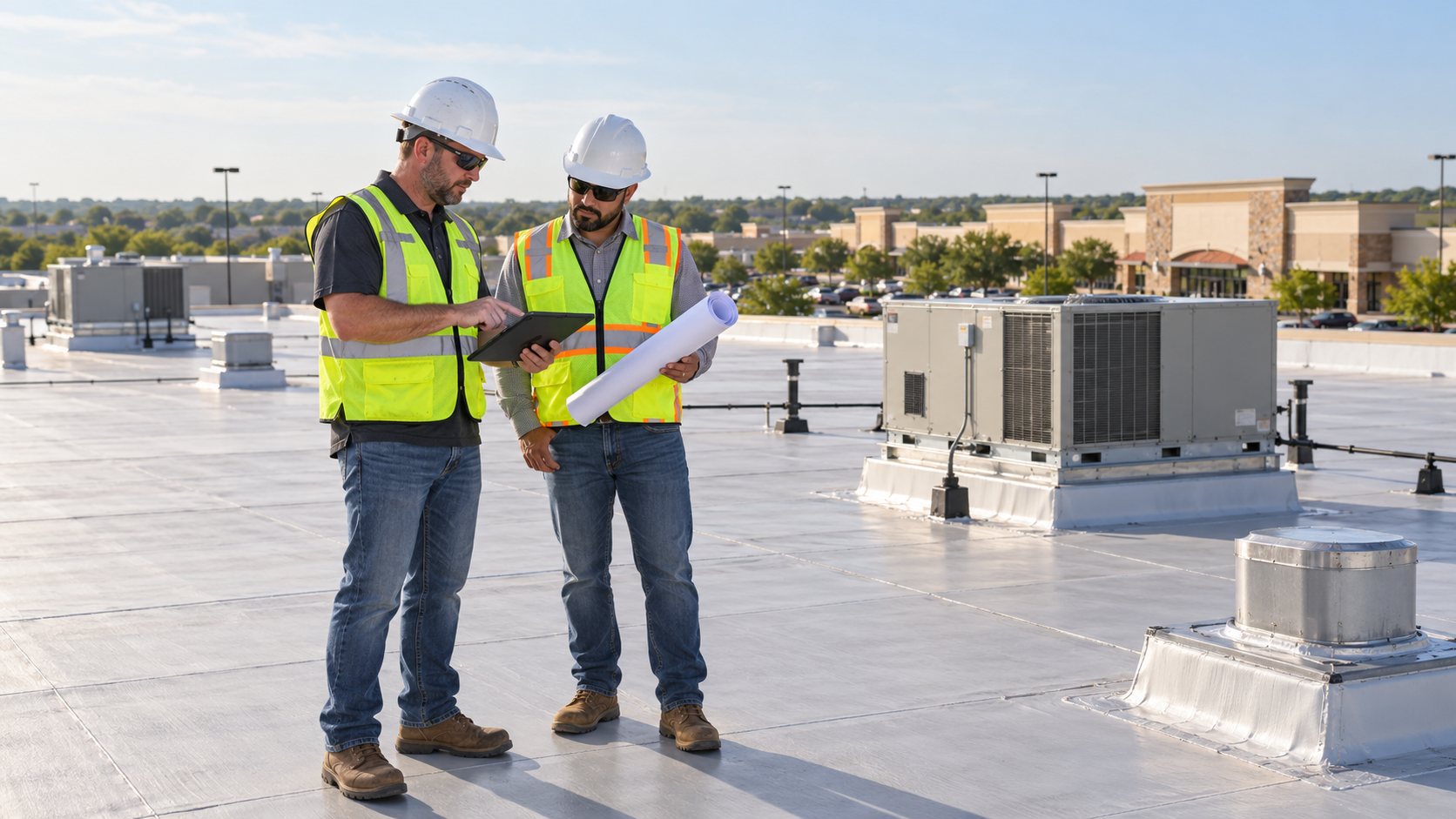
Selecting a qualified commercial roofing partner protects your asset, mitigates liability, and ensures repair compliance.
Showtime Exteriors
Key Criteria for Selection:
- Commercial-Specific Experience: Commercial low-slope roofing systems require specialized equipment, heat-welding machinery, and detailed engineering knowledge compared to residential sloped roofing.
- Comprehensive Insurance Coverage: Ensure the contractor carries General Liability (with no open-roof exclusion), Workers' Compensation, and Commercial Auto policies.
- Manufacturer Certifications: Certifications from major material manufacturers (e.g., GAF GoldElite Commercial Contractor) allow contractors to offer extended warranty coverage and verify proper installation practices.
- GAF Roofing
- Safety & OSHA Compliance: Confirm that field technicians follow strict safety guidelines, fall protection rules, and equipment safety standards.
- Detailed Written Scopes: Avoid vague quotes. Demanding written scopes that specify material manufacturer, thickness, attachment methods, surface preparation, tie-in details, and warranty terms ensures full transparency.
- Showtime Exteriors
Frequently Asked Questions (FAQ)
How do I locate a commercial roof leak when the water inside is far from the perimeter?
Water can enter through an open seam or flashing puncture and flow along the top of slope insulation or deck flutes for tens or hundreds of feet before finding a seam in the vapor barrier or a fastener hole to drip through. Commercial roofers use infrared thermal imaging during nighttime cooling cycles or electronic moisture impedance scanners to map the wet path back to the entry point.
Can a commercial roof leak be repaired in rainy weather?
Temporary emergency repairs can be made during rain events using specialized wet-surface mastics or temporary membranes designed to stop active water entry. However, permanent heat-welded single-ply patches or adhesive flashing systems require clean, dry substrates to ensure long-term performance.
What is the average lifespan of a commercial flat roof in Houston?
Depending on material selection, maintenance history, and storm exposure, typical lifespans in the Houston region are:
- TPO/PVC Single-Ply: 15 to 25+ years
- EPDM Rubber: 15 to 20 years
- Modified Bitumen: 15 to 20 years
- Built-Up Roof (BUR): 20 to 30 years
- Metal Roofing: 30 to 45+ years
Will insurance cover commercial roof leak repairs?
Property insurance policies generally cover sudden and accidental damage caused by covered perils (e.g., severe hail, wind uplift damage, tree impact, or storm-borne debris). Leaks resulting from age-related wear, deferred maintenance, or gradual degradation are typically excluded. Showtime Exteriors provides detailed inspection reporting and storm damage documentation to assist property owners during the evaluation process.
Showtime Exteriors
Partner with Showtime Exteriors for Commercial Roof Leak Repair
A leaking commercial roof requires an immediate, professional response. Showtime Exteriors delivers inspection-driven commercial roofing services designed to protect your building, maintain business continuity, and maximize roof service life across Houston and throughout Texas.
Showtime Exteriors
Whether you need emergency leak mitigation, a comprehensive non-destructive roof inspection, fluid-applied roof restoration, or a full system replacement, our team provides clear evaluations and quality workmanship.
Showtime Exteriors
- Direct Telephone Contact: 817-400-ROOF (7663)
- Showtime Exteriors
- Commercial Services: Inspections | Repairs | Maintenance | Restorations | Replacements
- Showtime Exteriors
- Website: Showtime Exteriors Commercial Roofing
- Showtime Exteriors
Essential Industry Resources & Further Reading
Explore these authoritative industry resources for additional insights on commercial roofing standards, maintenance practices, and property management guidelines:
- Learn about official low-slope roofing installation guidelines and technical manuals at the National Roofing Contractors Association (NRCA).
- Review single-ply roof membrane performance standards at the Single Ply Roofing Industry (SPRI).
- Access building envelope performance and insulation standards via the Oak Ridge National Laboratory Building Envelope Resource.
- Discover commercial facility management best practices and building operations strategies through the Building Owners and Managers Association (BOMA) International.
- Compare roof system testing, fire ratings, and wind uplift resistance classifications on UL Solutions.
- Understand commercial roof safety regulations, fall protection guidelines, and standards on the OSHA Commercial Construction Safety Portal.
Internal Links & Related Commercial Services
Explore additional commercial roofing resources and specialized service guides from Showtime Exteriors:
- Review our complete capabilities on the Commercial Roofing Texas Hub.
- Schedule a comprehensive evaluation via the Houston Commercial Roofing Overview.
- Learn about choosing local contractors on the Houston Commercial Roofing Contractors Guide.
- Explore energy-efficient reflective systems with TPO Roofing Solutions.
- Extend single-ply service life through specialized Membrane Coating Systems.
- Learn about durable waterproof coatings on the Fabric Reinforced Coating Page.
- Restore aging low-slope assemblies with Elastomeric Roof Coatings.
- Eliminate panel seam leaks using Metal Roof Restoration Services.
- Discover insights on roof maintenance and insurance planning at the Showtime Exteriors Commercial Blog.
- Request a thorough, professional evaluation via our Commercial Roof Inspection Request Page.