



What Evidence Do You Need After a Hail Claim Denial?
Learn what evidence to gather after a hail claim denial, including inspection findings, photographs, roof records, measurements, and a focused review request.

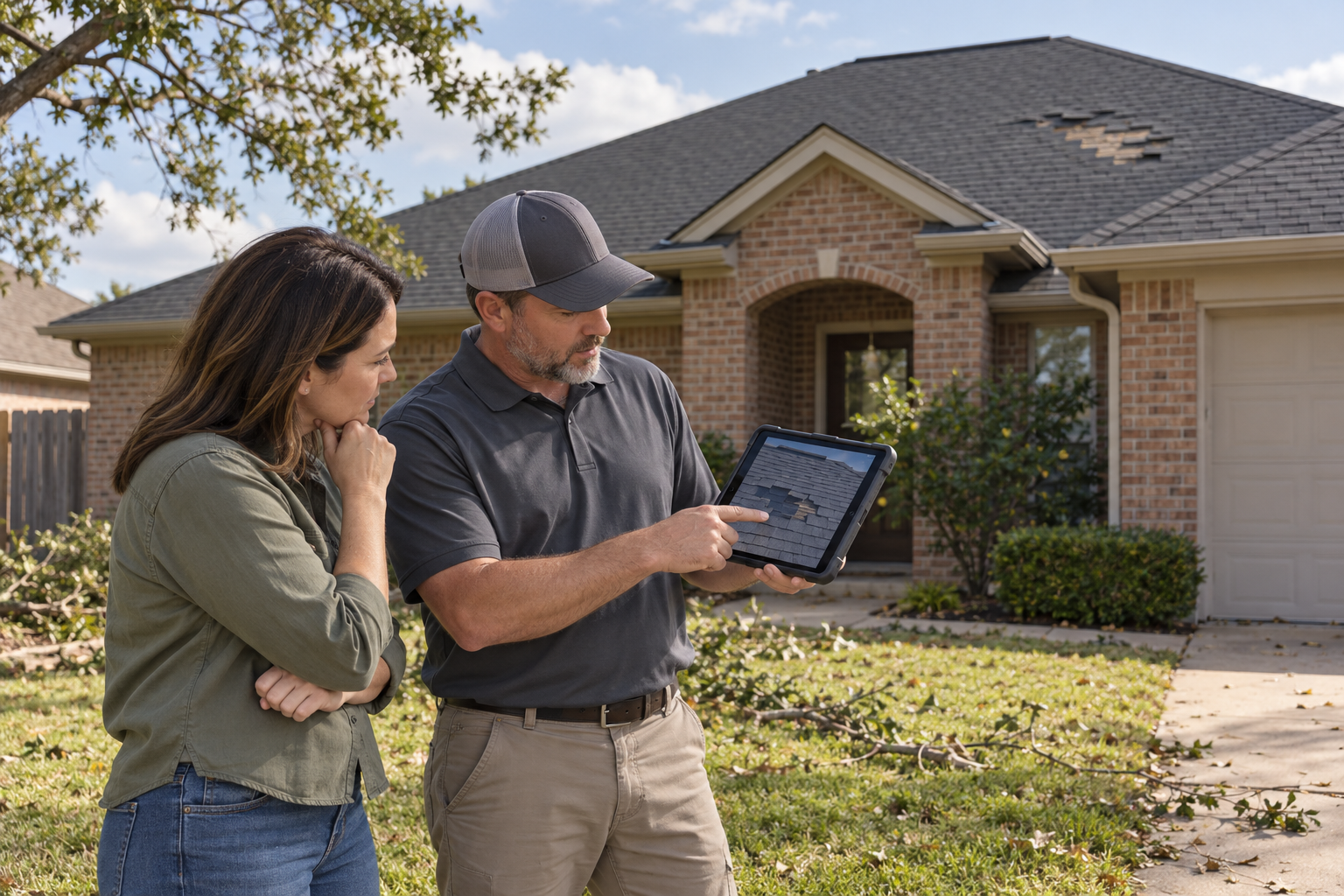
After a hail claim denial, the most useful next step is to understand the insurer’s stated reason and gather evidence that addresses it.
More photographs are not automatically better evidence. A higher roofing estimate does not, by itself, explain whether the disagreement concerns damage, timing, coverage, or construction scope.
A useful review package includes the written decision, relevant policy provisions, labeled property photographs, a documented roof assessment, roof history, and an explanation of the specific finding you want reconsidered.
The evidence should answer a clear question: What information supports reviewing the insurer’s conclusion?
For Texas property owners, that means keeping factual roof documentation separate from assumptions about coverage. A roofing contractor can explain observed conditions and proposed work. Insurance coverage and legal disputes require a different assessment.
First, Confirm What the Insurer Actually Decided
A claim with no payment is not necessarily the same as a complete coverage denial.
For example, the insurer may have identified covered damage but calculated an amount below the deductible. Alternatively, it may have declined particular roof damage while accepting another part of the claim.
Ask for clarification in writing.
Identify the Issue Before Gathering More Evidence
Stated issueInformation that may help clarify itNo hail damage identifiedLocation-specific inspection findings and photographsConditions attributed to wearRoof history and a reasoned assessment of observed conditionsDamage attributed to another timeInstallation, inspection, repair, and discovery recordsPolicy exclusion appliedExact provision and explanation of its applicationCovered damage below deductibleEstimate quantities, scope, pricing, and deductible calculationOnly part of the proposed work acceptedItemized comparison and construction explanation
These are organizational examples. They do not establish coverage or guarantee a revised decision.
1. Obtain the Written Decision and Referenced Documents
Start with the insurer’s correspondence.
Request a clear explanation of:
- Which damage or items were declined.
- The factual findings supporting the decision.
- Policy provisions relied upon.
- Whether other parts of the claim remain open.
- How to submit additional information.
- Applicable deadlines.
Ask for copies of inspection reports, photographs, estimates, and other materials the insurer can provide that explain its conclusion.
State Farm’s roof claim information provides an example of insurer-specific roof claim resources. Use your own insurer’s designated contact and review process. statefarm.com
Do not assume a phone conversation fully explains a written decision.
2. Match Your Evidence to the Denial Reason
A focused request addresses the actual disagreement.
If the insurer says the roof shows wear, a replacement estimate alone does not explain why the observed conditions should be attributed differently. If the dispute concerns a quantity, additional storm photographs may not resolve it.
Write a short issue statement before assembling documents:
“The requested review concerns the condition documented on roof section C, which the decision attributes to deterioration.”
Then identify the photographs, records, and findings relevant to that issue.
Showtime Exteriors’ guide to residential roof claim evidence explains how a broader claim file can be organized around the property’s actual conditions.
3. Collect Clear, Location-Specific Photographs
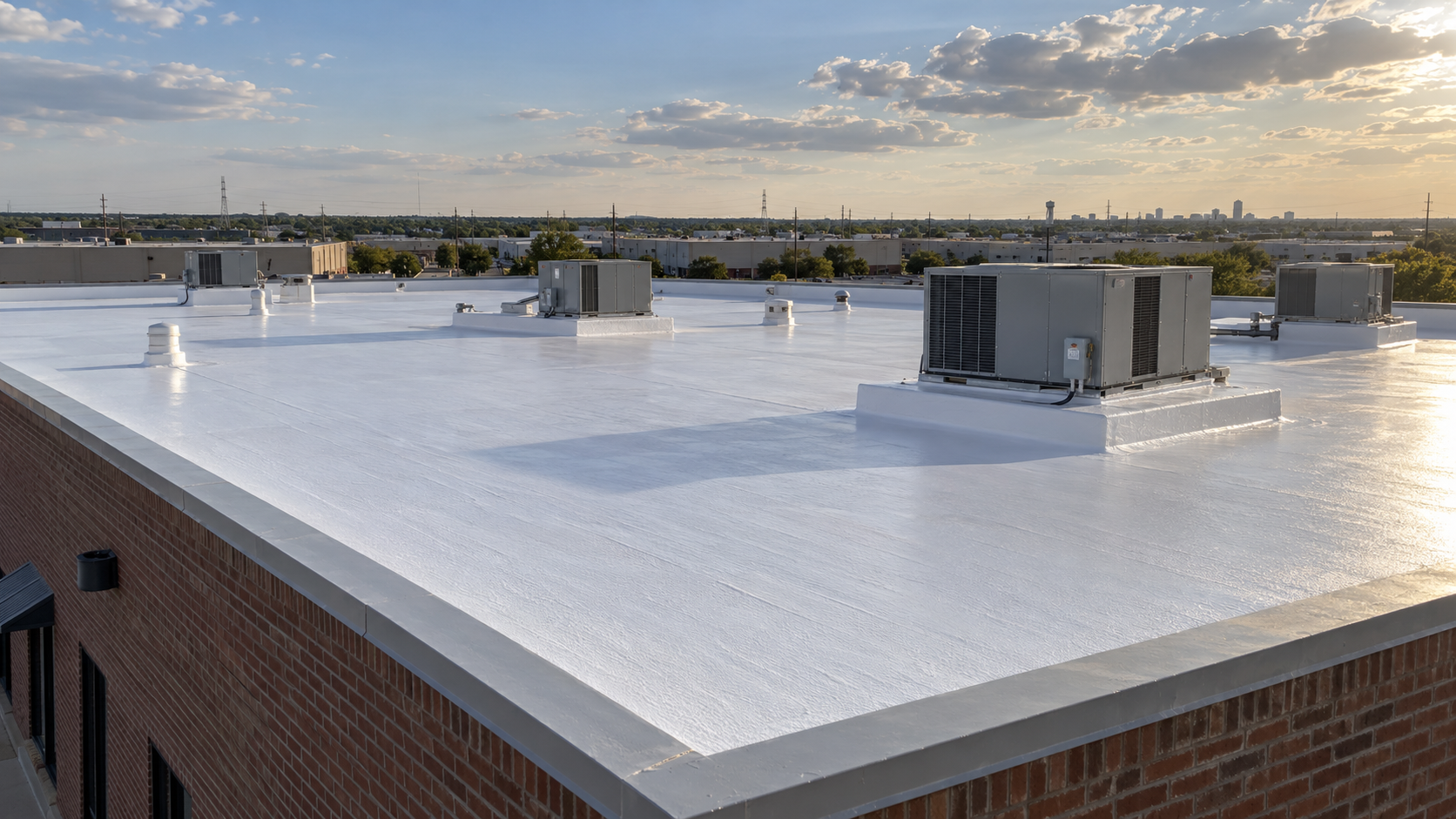
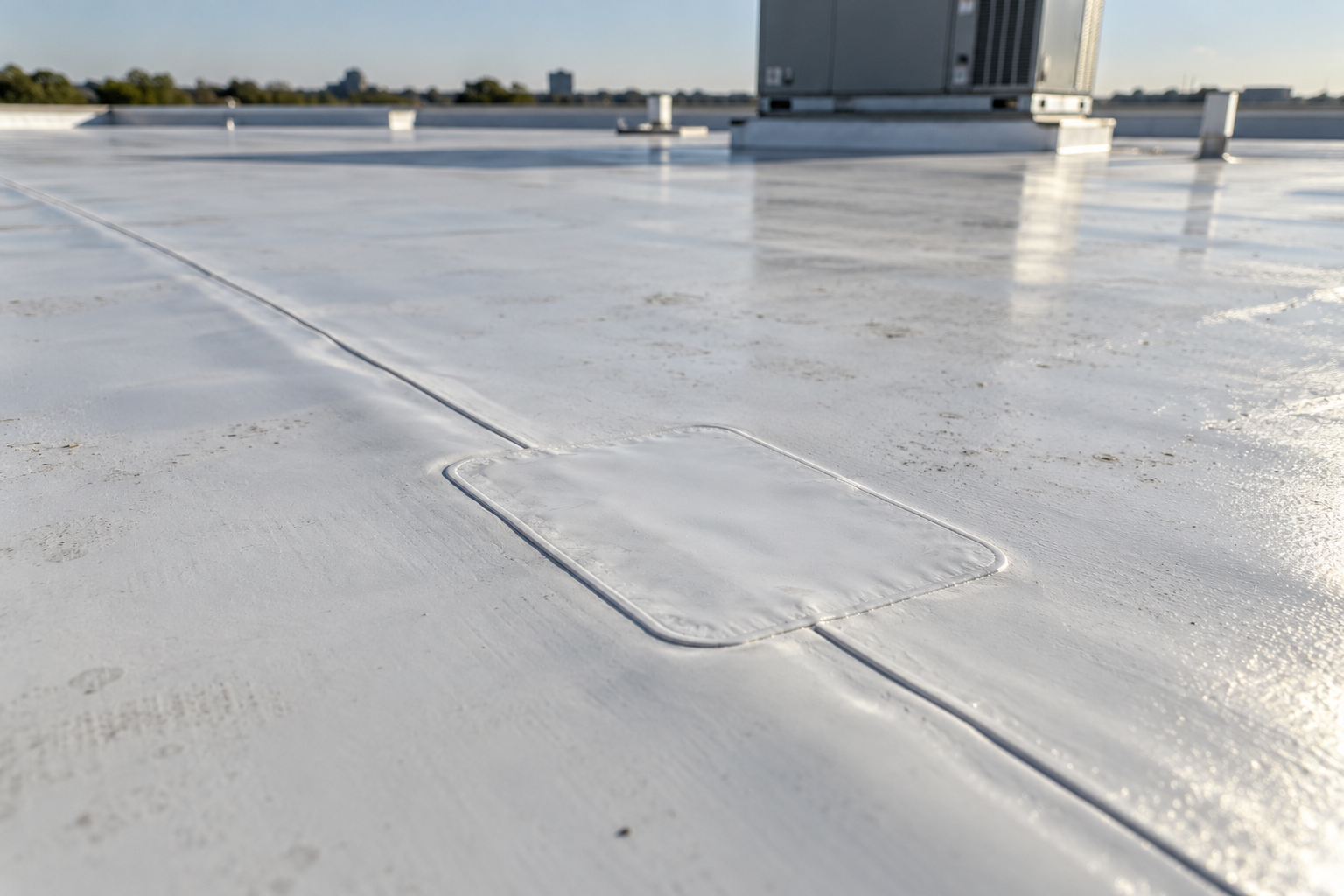
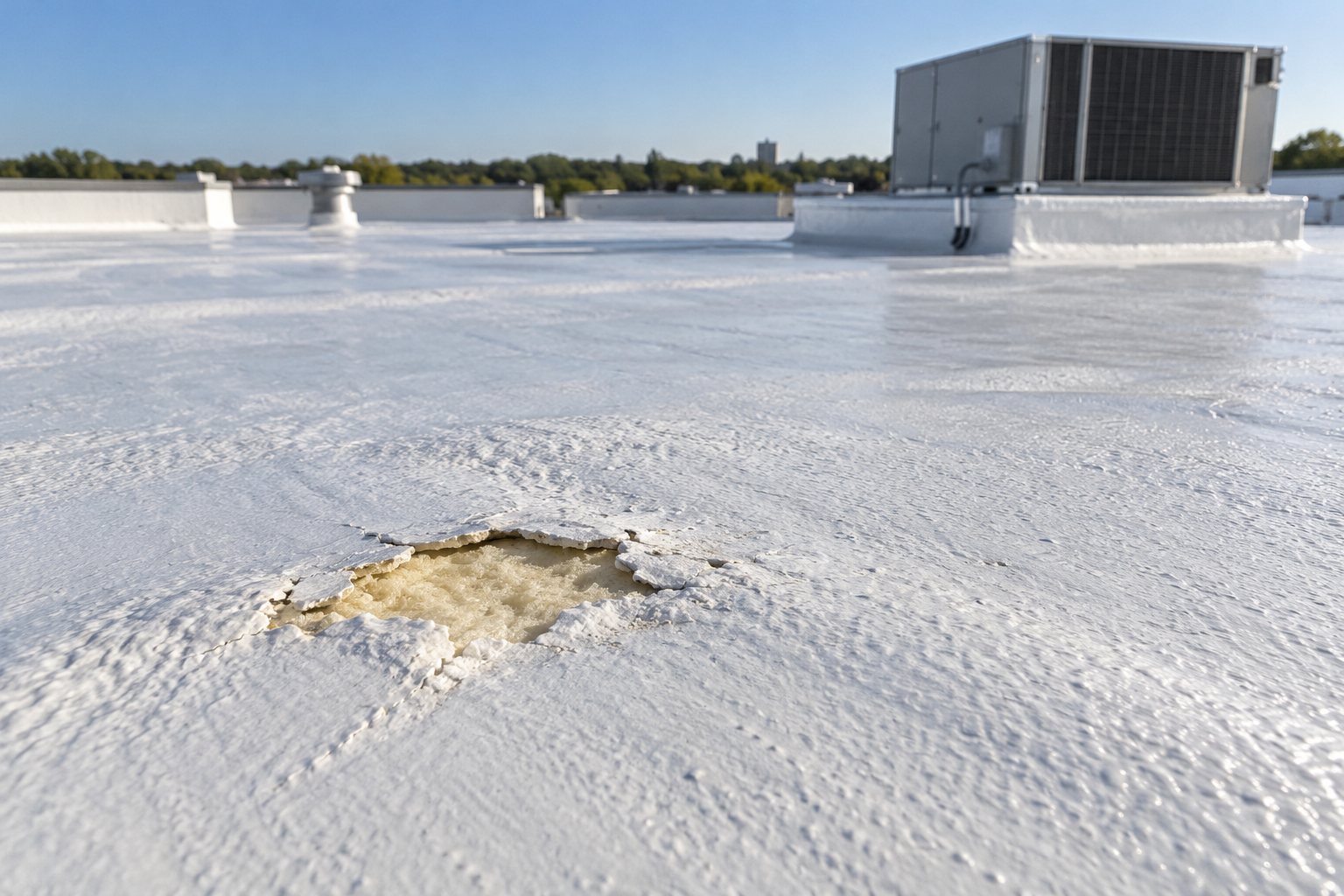
A reviewer should be able to identify where each photograph was taken and what it shows.
For important findings, include:
- An overview of the roof section.
- A context photograph showing nearby features.
- A close-up of the observed condition.
- A scale reference where useful.
- A caption identifying location and date.
Avoid a folder of unexplained close-ups.
Keep Original Files
Retain original photographs and create separate annotated copies.
Use arrows or labels to identify locations without changing the appearance of the condition. Record who took the photographs and when.
Describe What Is Visible
A caption should distinguish observation from interpretation.
For example:
“Rear roof section beside vent: localized surface condition photographed during the inspection.”
A qualified professional can provide an opinion about cause, but the report should explain the basis and limitations of that opinion.
Leave Roof Access to Professionals
GAF’s guidance after roof hail damage recommends leaving rooftop inspections to professionals and observing from the ground instead. gaf.com
Do not climb onto the roof to obtain additional evidence.
4. Request a Roof Assessment That Explains Its Findings
A report should do more than state, “The roof has hail damage.”
Ask the inspector to identify:
- Inspection date.
- Roof material and known installation history.
- Areas accessed.
- Observed conditions.
- Locations of relevant findings.
- Photographs supporting those findings.
- Methods used.
- Alternative explanations considered.
- Limitations and unresolved questions.
- Recommended next steps.
Showtime Exteriors’ roof inspection report guide explains how a documented assessment supports property decisions.
Ask for Reasoning, Not Certainty Beyond the Evidence
Useful findings distinguish direct observation from professional interpretation.
If the inspector cannot establish timing or cause, the report should say so. A carefully explained limitation is more credible than an unsupported conclusion.
5. Gather Records Showing the Roof’s History
Prior records may help establish what was known before the reported event.
Look for:
- Installation invoices.
- Product information.
- Previous inspection reports.
- Earlier roof photographs.
- Repair invoices.
- Real estate inspection records.
- Records of equipment work or additions.
These records may help clarify age, prior defects, or repairs.
They do not automatically prove that later damage came from a particular storm.
Build a Simple Timeline
DateRecord or observationInstallationInvoice identifies material and workEarlier inspectionReport documents accessible conditionsReported eventProperty observations recordedDiscoveryNew condition noticedTemporary workProtection installed and photographedClaim inspectionInsurer evaluates propertyDecisionWritten explanation received
Separate known dates from estimates and uncertain recollections.
6. Use Weather Information as Context
Weather information may help explain whether hail was reported near the property at a relevant time.
Keep the source, date, geographic coverage, and limitations with the report.
A nearby report does not independently establish the exact conditions at your roof or prove that every observed mark resulted from that event.
Document Property-Specific Observations
Contemporaneous photographs, videos, messages, or notes may add context.
Describe what the records actually show. Avoid adding measurements or timing details that were not recorded.
Allstate’s hail damage guidance discusses identifying potential damage and notes that coverage can have restrictions. Inspection findings and policy review remain separate parts of the process. allstate.com
7. Include Other Property Conditions Carefully
Photographs of gutters, downspouts, vents, siding, or other exterior components may be relevant to the overall assessment.
Label their locations and dates. Ask the inspector to explain whether and how those findings relate to the roof evaluation.
Do not assume a dent elsewhere proves functional roof damage or establishes its date.
Similarly, interior staining should be documented and investigated rather than automatically attributed to hail.
8. Provide Measurements and an Itemized Scope Where Relevant
When the disagreement concerns repair extent or pricing, submit construction documentation that explains the difference.
Useful records may include:
- A marked roof plan.
- Measurements and units.
- Locations of proposed repairs.
- Removal quantities.
- Flashing details.
- Product information.
- An itemized estimate.
Showtime Exteriors’ guide to roof insurance claim evidence explains how those materials connect observed conditions to proposed work.
Compare Individual Items
DifferenceSupporting recordRoof areaMeasurement reportAdditional flashingLocation photographs and detailRemoval scopeAssembly findings and quantitiesPrice differenceRelevant quote or explanationProposed replacementDocumented construction reasoning
A larger total without an explanation gives the reviewer little new information.
9. Keep Temporary Repair Records
Continue addressing necessary protection while the review proceeds.
Ask qualified professionals to document the condition and temporary work. Keep invoices, photographs, dates, and service descriptions.
Showtime Exteriors’ guide to documenting an emergency roof tarp provides a practical recordkeeping framework.
Ask the insurer whether it wants further inspection or preservation of particular materials. Coordinate those requests with appropriate protection of the property.
10. Submit a Focused Review Request
Confirm the insurer’s process before submitting documents.
Travelers’ property claim guidance includes resources for uploading documents and communicating with a claim professional. Procedures vary by insurer. travelers.com
A useful package can include:
- Cover note.
- Written decision being addressed.
- Numbered issue summary.
- Roof plan.
- Labeled photographs.
- Inspection findings.
- Relevant historical records.
- Measurements and estimate.
- Supporting invoices.
Sample Review Request
Please review the attached information for claim [number] at [address]. The decision dated [date] states [brief description]. The attached report and photographs address [specific issue], with locations identified on the roof plan. Please confirm receipt, advise whether a further inspection is needed, and provide a written response to the numbered items.
Use factual language and retain a copy of the submission.
Is This a Supplement or a Coverage Dispute?
Ask the insurer how it classifies the request.
A scope or pricing supplement may address additional construction information. A disagreement about a policy exclusion or coverage interpretation is a different issue.
Travelers’ additional-cost guidance describes providing estimates, photographs, and receipts for review while the insurer determines eligibility. It does not mean every denial is resolved through a supplement. travelers.com
Showtime Exteriors’ guide to questions before a roof claim supplement helps organize construction-related differences.
For coverage interpretation or legal rights, obtain appropriately qualified assistance.
Track Deadlines and Written Responses
Review the policy and claim correspondence for applicable deadlines.
Ask the insurer to clarify the deadlines relevant to your request. Do not assume that sending more documents automatically extends them.
Maintain a log of:
- Submission dates.
- Confirmation numbers.
- Contact names.
- Documents sent.
- Information requested.
- Responses received.
Allstate’s wind and hail claim resources provide an example of insurer-specific process information. Confirm the instructions applicable to your own claim. allstate.com
Frequently Asked Questions
Can a hail claim denial be reconsidered?
Ask the insurer about its review process. Additional relevant information may be evaluated, but submission does not guarantee a changed decision.
Does a contractor’s opinion prove coverage?
No. It can explain roof conditions and construction requirements. Coverage depends on the policy and claim evaluation.
Are weather reports enough?
Weather reports provide context. They should be considered alongside property-specific evidence and their stated limitations.
Does no payment always mean denial?
No. Ask whether damage was declined, valued below the deductible, or affected by another policy provision.
Should I obtain another inspection?
A further assessment may be useful if it addresses unresolved questions. Ask what it will investigate and how findings will be documented.
Can I repair the roof during review?
Coordinate necessary work, documentation, and inspection needs with the contractor and insurer. Obtain advice appropriate to any dispute before removing potentially important evidence.
Get a Documented Roof Assessment in Texas
After a hail claim denial, focus on the stated reason and the evidence needed to address it.
Organize accurate photographs, roof history, inspection findings, and construction documentation. Identify remaining uncertainty, follow submission instructions, and keep deadline questions separate from the ongoing review.
Contact Showtime Exteriors to discuss a documented roof assessment and property-specific repair options.
Call 817-400-ROOF (7663).