



How to Replace a School Roof Without Disrupting Operations
Plan school roof replacement around classes, campus access, noise, deliveries, and weather protection. A practical guide for Texas facility managers.

Replacing a school roof requires coordinating construction with the daily movement of students, teachers, staff, visitors, and deliveries. A successful project begins with understanding the campus schedule and identifying which activities cannot safely overlap with roofing work.
Many school roofing projects can be phased around operations, but uninterrupted occupancy should never be assumed. Some tasks may require temporary room closures, relocated activities, equipment shutdowns, or work outside teaching hours.
The goal is to establish those requirements before construction starts. A clear plan should define the roof sections, work sequence, access routes, material staging, communication process, and conditions that would require work to stop.
Showtime Exteriors provides commercial roofing services across North Texas. This guide explains how school owners and facility managers can prepare for roof replacement while limiting avoidable disruption.
Start With a Campus Operations Review
Before developing the construction schedule, the contractor needs to understand how the school uses its buildings and grounds.
Provide a calendar that includes:
- Teaching hours.
- Student arrival and dismissal.
- Bus and parent pickup periods.
- Examinations.
- Athletic events.
- Performances and assemblies.
- After-school programs.
- Summer activities.
- Staff workdays.
- Food and supply deliveries.
A school break may offer a useful construction window, but it does not necessarily mean the campus is empty.
GAF’s guidance on minimizing roofing disruption at schools and hospitals identifies noise, odors, equipment movement, and occupant safety as important planning concerns. gaf.com
Identify Sensitive Activities Early
Tell the contractor which spaces have particular scheduling or environmental needs.
Examples may include testing rooms, science laboratories, technology spaces, kitchens, libraries, early childhood classrooms, and areas serving students with specific needs.
The school’s responsible personnel should establish the requirements for those spaces. The contractor can then incorporate agreed controls into the project plan.
Confirm the Roof’s Condition Before Choosing the Scope
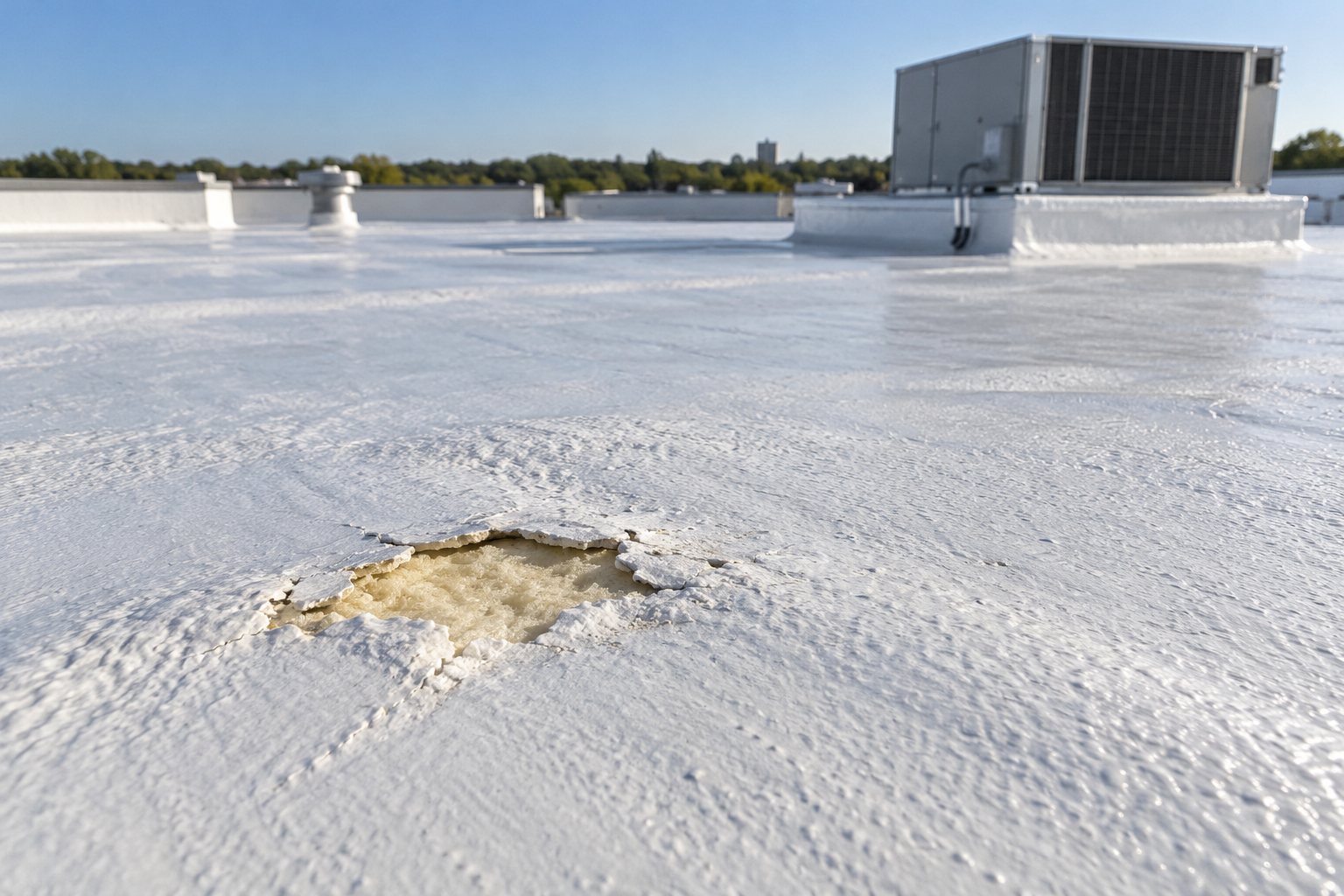
A replacement recommendation should follow an assessment of the existing roof.
Ask the contractor to identify the roofing system, installation history, previous repairs, drainage concerns, and any suspected concealed conditions.
The assessment should explain why replacement is appropriate and which questions need further investigation.
Map the Roof and the Rooms Below
Prepare a roof plan that identifies:
- Separate roof sections.
- Changes in elevation.
- Drains and scuppers.
- Rooftop equipment.
- Access points.
- Reported leak locations.
- Proposed work areas.
Connect that plan to the occupied spaces below. This allows the school to understand which activities may be affected during each phase.
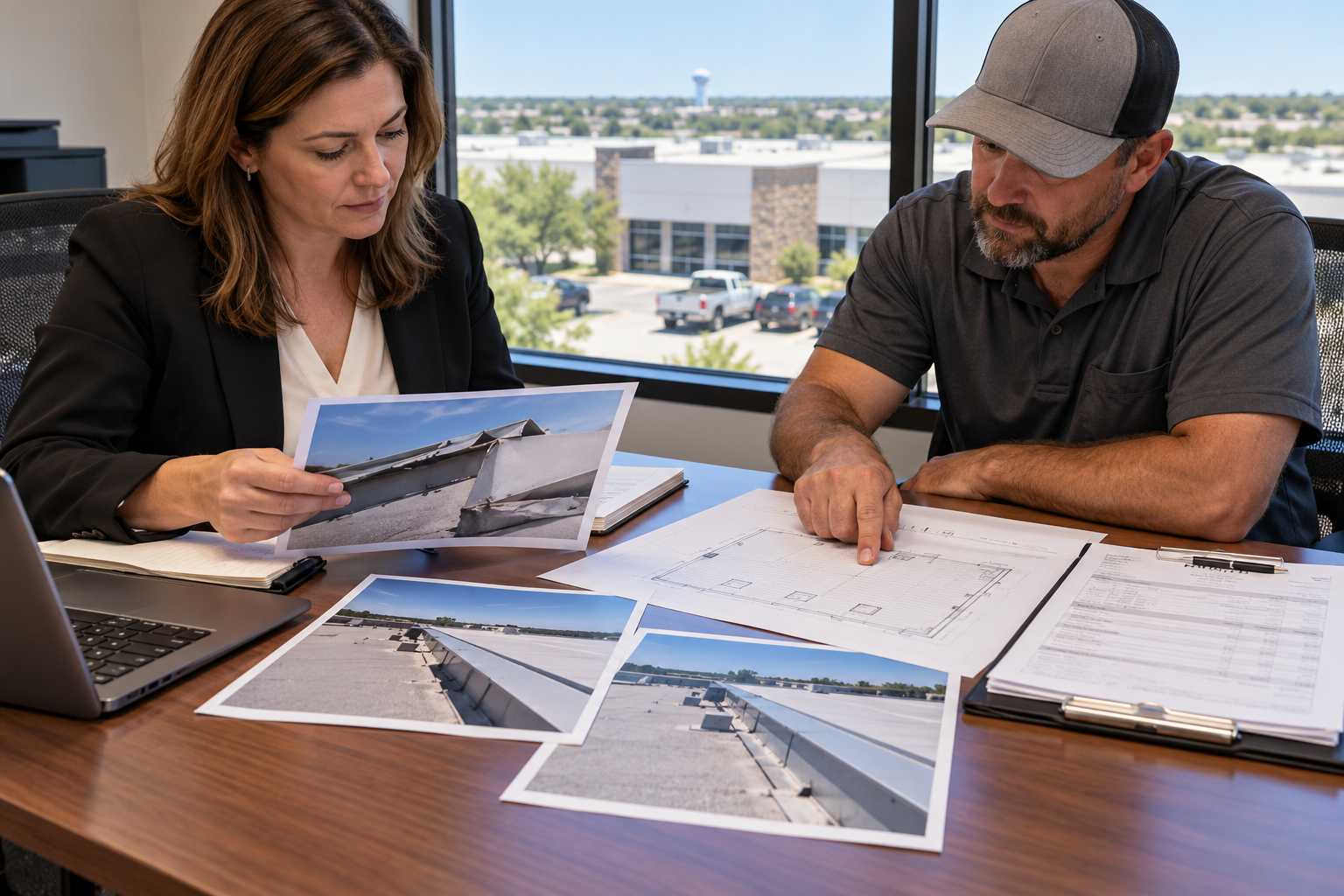
Showtime Exteriors’ guide to commercial roof inspection report evidence explains how roof plans, photographs, findings, and limitations support project decisions.
Resolve Important Unknowns Before Scheduling
If the existing assembly or moisture condition remains uncertain, ask whether additional investigation is needed.
Clarify the purpose, method, cost, authorization, and restoration of any disturbed areas.
Reducing uncertainty before construction helps the school develop a more dependable schedule.
Divide the Project Into Defined Phases
A phased plan can help coordinate construction with school activities.
Each phase should identify the work area, tasks, access arrangements, expected duration, and conditions required before the next phase begins.
Match Work Areas to Campus Needs
The sequence might prioritize a leaking wing, use an available holiday window, or avoid a classroom area during examinations.
The appropriate order depends on the roof’s condition and construction requirements. It should not be based solely on which area is most convenient to access.
Define Daily Work Boundaries
Ask how much roofing may be opened at one time and how the contractor will protect the building at the end of a work period.
The plan should also address changing weather and incomplete details between phases.
GAF’s school rooftop design resources provide system and planning information for educational buildings, including roofing assemblies and drainage design considerations. GAF
Separate Construction Access From Student Movement
Construction traffic should be planned around how people move through the campus.
Identify student entrances, accessible routes, emergency exits, bus lanes, parent pickup areas, playgrounds, athletic spaces, and delivery points before selecting staging locations.
Establish Controlled Work Areas
The project plan should define:
- Material storage.
- Equipment locations.
- Disposal areas.
- Roof access.
- Delivery routes.
- Lifting areas.
- Barriers and restricted zones.
The contractor and school should agree on who checks these arrangements and how changes are approved.
Schedule Deliveries Around Busy Periods
Discuss deliveries and equipment movement in advance.
Arrival, dismissal, and major events may require restrictions. A delivery plan should identify the route, timing, responsible contact, and what happens if the planned area becomes unavailable.
Maintain Emergency Access
Construction arrangements must preserve required access and exit routes. Any proposed changes need review through the school’s appropriate process.
Do not allow temporary staging decisions to become unreviewed changes to campus circulation.
Plan for Noise Before It Affects Classes
Roofing work can create noise and vibration. Ask the contractor to identify which tasks are likely to be most disruptive.
Then compare those tasks with teaching schedules and sensitive activities.
Establish Restricted Work Windows
The school may decide to schedule certain tasks before classes, after hours, on weekends, or during breaks.
Another option may involve relocating activities beneath a particular roof section.
These arrangements should be agreed upon and included in the scope and schedule.
Consider the Tradeoffs of Night Work
Night work may reduce interference with teaching, but it also requires planning for lighting, security, supervision, neighboring properties, and cleanup before occupants return.
GAF’s Northeast Middle School project profile describes a project that used nighttime installation and carefully timed material staging. It illustrates one approach rather than a universal solution for every campus. GAF
Address Dust, Odors, and Air Intakes
Product selection and installation methods can affect the occupied environment.
Before approval, ask the contractor to identify materials, relevant product information, expected installation conditions, and potential impacts on nearby spaces.
Coordinate With Facility Personnel
Review the location of outdoor air intakes, exhaust equipment, windows, doors, and other pathways relevant to the work.
Any equipment changes or shutdowns should be approved and handled by the responsible personnel or trade.
Avoid an improvised shutdown that creates another building problem.
Evaluate the Complete Installation Method
A product described as low odor does not, by itself, establish that all project conditions are acceptable.
Discuss removal work, preparation, adhesives, cleaning products, dust, equipment, and the building’s ventilation arrangements as part of one plan.
Showtime Exteriors’ overview of commercial roofing materials for Texas provides background for comparing system options with the project team.
Protect Interior Spaces and Equipment
Identify rooms and equipment below each work phase.
Discuss whether interior protection, temporary relocation, or restricted occupancy is needed during specific tasks.
Coordinate Work Above Sensitive Areas
Spaces containing computers, laboratory equipment, food preparation, records, or other vulnerable contents may need additional planning.
The school should identify its requirements before the contractor finalizes the work sequence.
Establish a Response Procedure
Agree on what happens if staff report water entry, falling debris, unusual odors, or another concern.
The procedure should identify:
- Who receives the report.
- Who can pause affected work.
- How the area is assessed.
- Who communicates with occupants.
- What must occur before work resumes.
Build Weather Planning Into Every Phase
A school roofing schedule needs flexibility for weather.
Ask the contractor to explain how forecasts influence removal, installation, deliveries, and daily protection.
Avoid Opening More Than Can Be Protected
The work plan should account for the contractor’s ability to protect the building if conditions change.
Discuss the transition between existing roofing, temporary protection, and completed areas.
Prepare for Schedule Changes
Identify which school activities can be moved and which dates are fixed.
Establish how the contractor will communicate a delay and how revised phases will be approved.
A schedule is more useful when it explains dependencies instead of promising completion without regard to site conditions.
Keep One Communication Structure
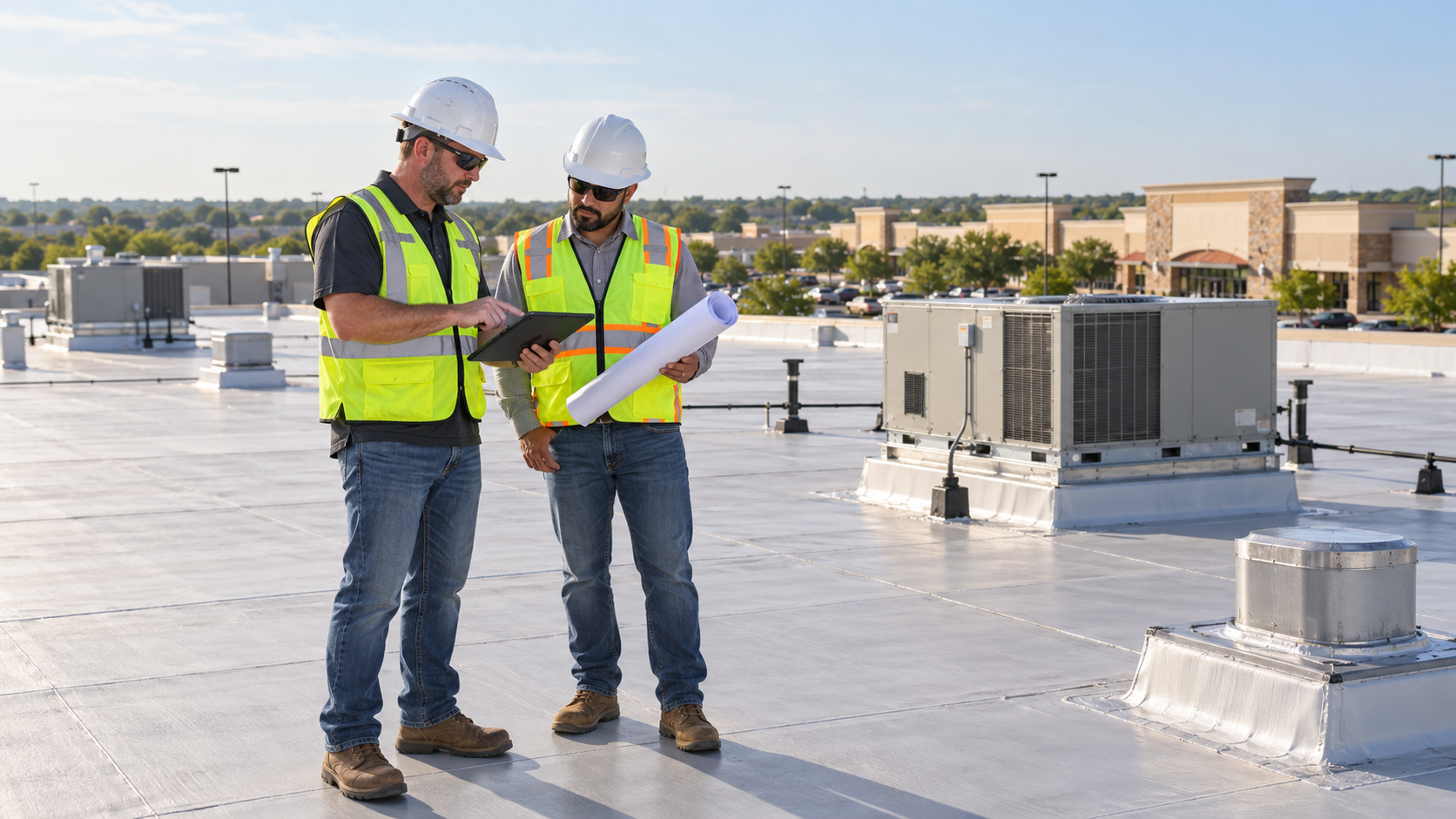
Assign a school representative and a contractor project manager.
These contacts should coordinate daily arrangements, schedule updates, reported concerns, and changes.
Hold a Preconstruction Meeting
Review:
- Work sequence.
- Campus calendar.
- Access and security.
- Deliveries and equipment.
- Occupancy restrictions.
- Noise and environmental concerns.
- Weather protection.
- Emergency contacts.
- Change authorization.
- Completion requirements.
Document the decisions and distribute them to the people responsible for carrying them out.
Provide Understandable Updates
Staff need practical information: where work will occur, what activity may be affected, and whom to contact.
Technical details should be included when they help someone make an operational decision.
GAF’s New Interdisciplinary School project profile describes coordination, material selection, and site organization on a year-round occupied campus. gaf.com
Compare Proposals on More Than Installation Price
Two bids may include different assumptions about phasing, work hours, protection, and site management.
Ask each contractor to describe those items explicitly.
Proposal itemWhat the school should confirmRoof scopeSections, measurements, materials, removalPhasingSequence and dependenciesOccupancyAreas affected during each taskWork hoursNormal, evening, weekend, or break periodsSite logisticsAccess, deliveries, storage, disposalEnvironmental planningDust, odors, ventilation coordinationWeather protectionDaily closure and contingency arrangementsChangesPricing, documentation, authorizationCommunicationNamed contacts and update processCloseoutInspection, records, warranty, maintenance
GAF’s guide to questions for commercial roofing contractors includes project precautions, costs, contingencies, and maintenance discussions. www.gaf.com
Review Replacement Alternatives Carefully
If a contractor proposes restoration or recover as a way to reduce disruption, ask how suitability will be established.
A less disruptive method still needs to address the roof’s actual condition.
Showtime Exteriors’ guide to commercial roof retrofit versus replacement provides additional background for evaluating alternatives.
The final decision should consider retained materials, unresolved conditions, compatibility, expected work, and applicable warranty requirements.
Finish With a Documented Closeout
Completion should include more than removing equipment from the campus.
Ask for a final review addressing remaining work, cleanup, drainage components, equipment coordination, and any required inspections.
Collect the Roof Records
Retain:
- Final project scope.
- Approved changes.
- Product information.
- Completion photographs.
- Inspection records.
- Warranty documents.
- Maintenance recommendations.
- Service contact information.
Establish an Ongoing Maintenance Plan
Agree on inspection and maintenance recommendations appropriate to the installed system.
GAF’s discussion of school roof maintenance explains the value of planning maintenance around the school calendar and addressing roof concerns before they create urgent scheduling problems. gaf.com
Frequently Asked Questions
Can a school remain open during roof replacement?
Sometimes. Occupancy depends on the scope, building conditions, work methods, and agreed controls. Some activities may require temporary relocation or closure.
Is summer always the best time?
Summer may offer useful scheduling windows, but many campuses remain active. Review the complete calendar before choosing dates.
Can the work happen after hours?
That may be an option, subject to project requirements, lighting, security, supervision, noise considerations, and cost.
Will a low-odor product eliminate disruption?
No single product description resolves every project concern. Evaluate the complete removal and installation process.
How should parents and staff be informed?
Use the school’s established communication channels to provide relevant access, scheduling, and contact information.
What if weather delays the project?
The contractor and school should revise the work sequence through the agreed communication and approval process.
Plan a School Roof Replacement in North Texas
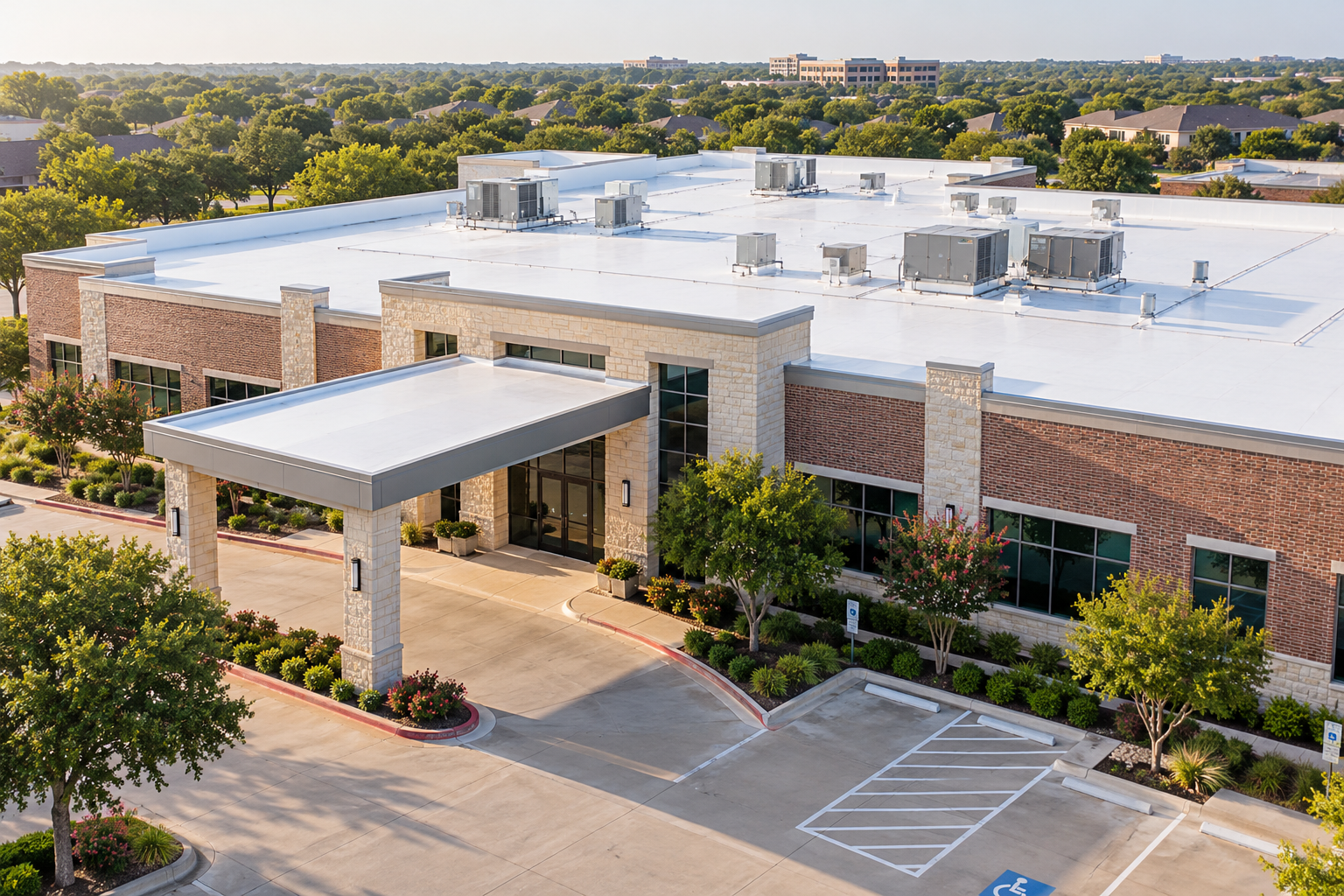
School roof replacement works best when the project plan reflects both the roof and the campus below it. Defined phases, controlled access, weather protection, and clear communication help limit avoidable disruption.
Showtime Exteriors provides commercial roofing assessment and project planning across North Texas.
Call 817-400-ROOF (7663) or contact Showtime Exteriors to discuss school roof inspection, replacement planning, and scheduling.