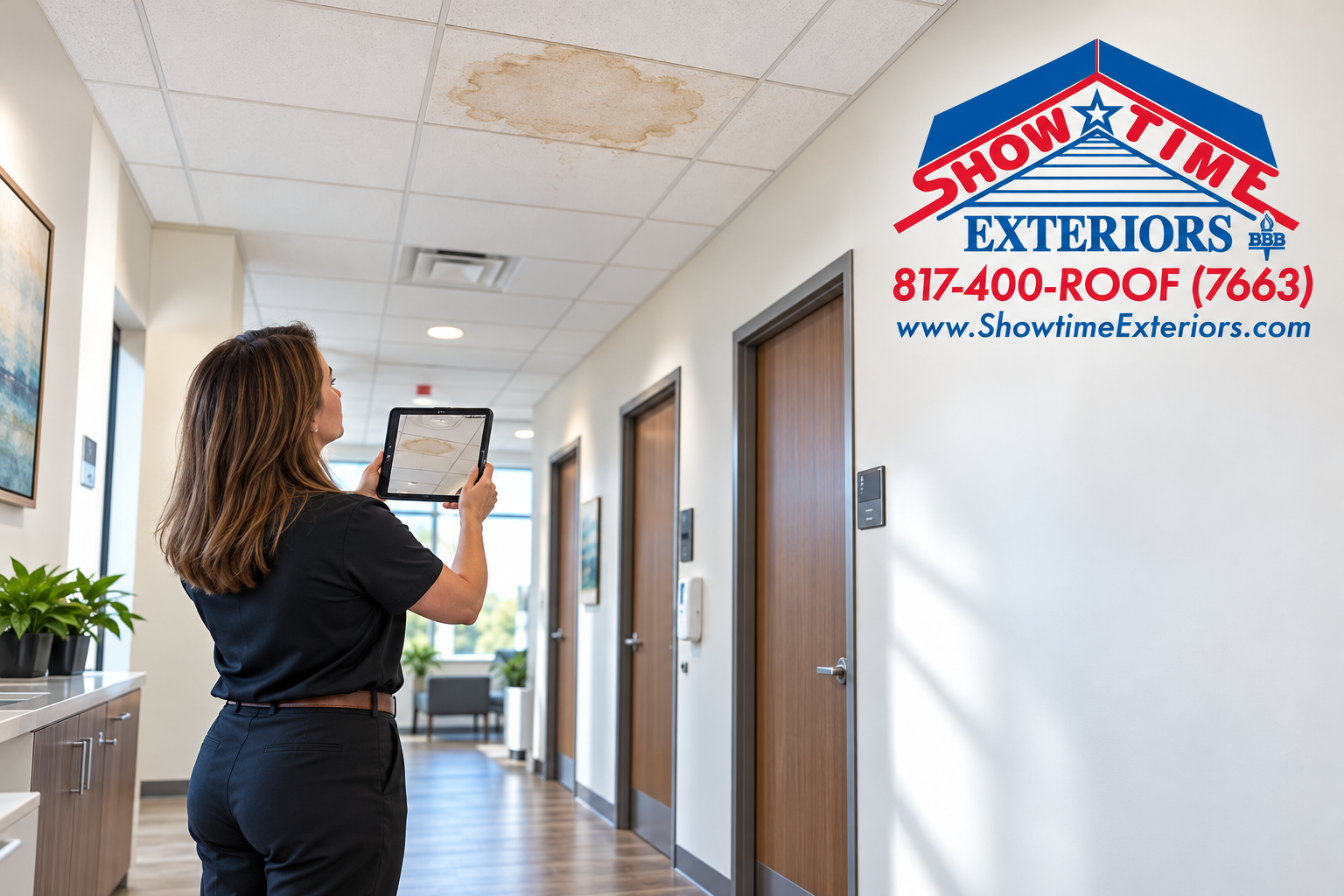




What Evidence Do You Need for a Residential Roof Claim?
Learn what evidence you need for a residential roof claim in Texas, including photos, inspection reports, repair estimates, receipts, and roof records.

A residential roof claim usually needs a clear event timeline, photographs of the property’s actual condition, a documented roof assessment, relevant maintenance records, repair estimates, and receipts for temporary protection or completed work. Your insurer may request additional information based on the policy, reported event, and conditions discovered.
The goal is to provide accurate evidence that explains what happened, what was observed, and what work is needed. A large collection of unlabeled photographs can be less useful than a smaller, organized package that connects each finding to a location and date.
For homeowners in Mansfield, Dallas, Fort Worth, Cleburne, Waxahachie, and surrounding North Texas communities, documentation begins before permanent repairs change the roof’s appearance.
However, evidence collection should never delay necessary emergency protection or put someone in danger. Photograph from safe locations, arrange qualified assistance, and ask your insurer about its requirements promptly.
Showtime Exteriors provides residential roofing services in North Texas. A roofing assessment can help document physical conditions and define construction needs, while the insurer evaluates coverage under the issued policy.
Residential Roof Claim Evidence Checklist
Start with the following categories and ask your insurer which additional records it requires.
Evidence CategoryWhat to CollectWhy It HelpsEvent timelineReported event, discovery date, observationsEstablishes the sequenceExterior photographsOverall views and visible conditionsShows property contextInterior photographsStains, affected finishes, damaged contentsRecords observed consequencesRoof assessmentFindings, locations, limitations, recommendationsExplains physical conditionsRoof historyInstallation, maintenance, and repair recordsProvides backgroundTemporary protectionBefore-and-after photographs and receiptsDocuments emergency workConstruction estimateMeasured quantities, materials, and scopeExplains proposed costsClaim correspondenceRequests, submissions, and written responsesTracks the processCompletion recordsInvoices, photographs, and payment documentsShows work performed
The Insurance Information Institute’s homeowners claim guidance recommends documenting damage, preparing for the adjuster’s visit, retaining receipts, and taking reasonable steps to protect the property. Triple-I®
1. Establish an Honest Event Timeline
Write down what you know while the details are fresh.
Record the date and approximate time of the reported event, when you first noticed a problem, and which parts of the home appeared affected.
Include observations such as hearing impacts, finding shingles in the yard, or discovering a ceiling stain the following morning.
Separate the Event Date From the Discovery Date
These dates may differ.
For example, a homeowner may discover a stain several days after a storm. That does not automatically establish when water first entered.
If you do not know the precise loss date, explain the uncertainty. Preserve relevant messages, photographs, and service records that may help establish the sequence.
Before opening a claim, review these questions to ask about a residential roof claim.
2. Photograph the Home From Safe Ground-Level Locations
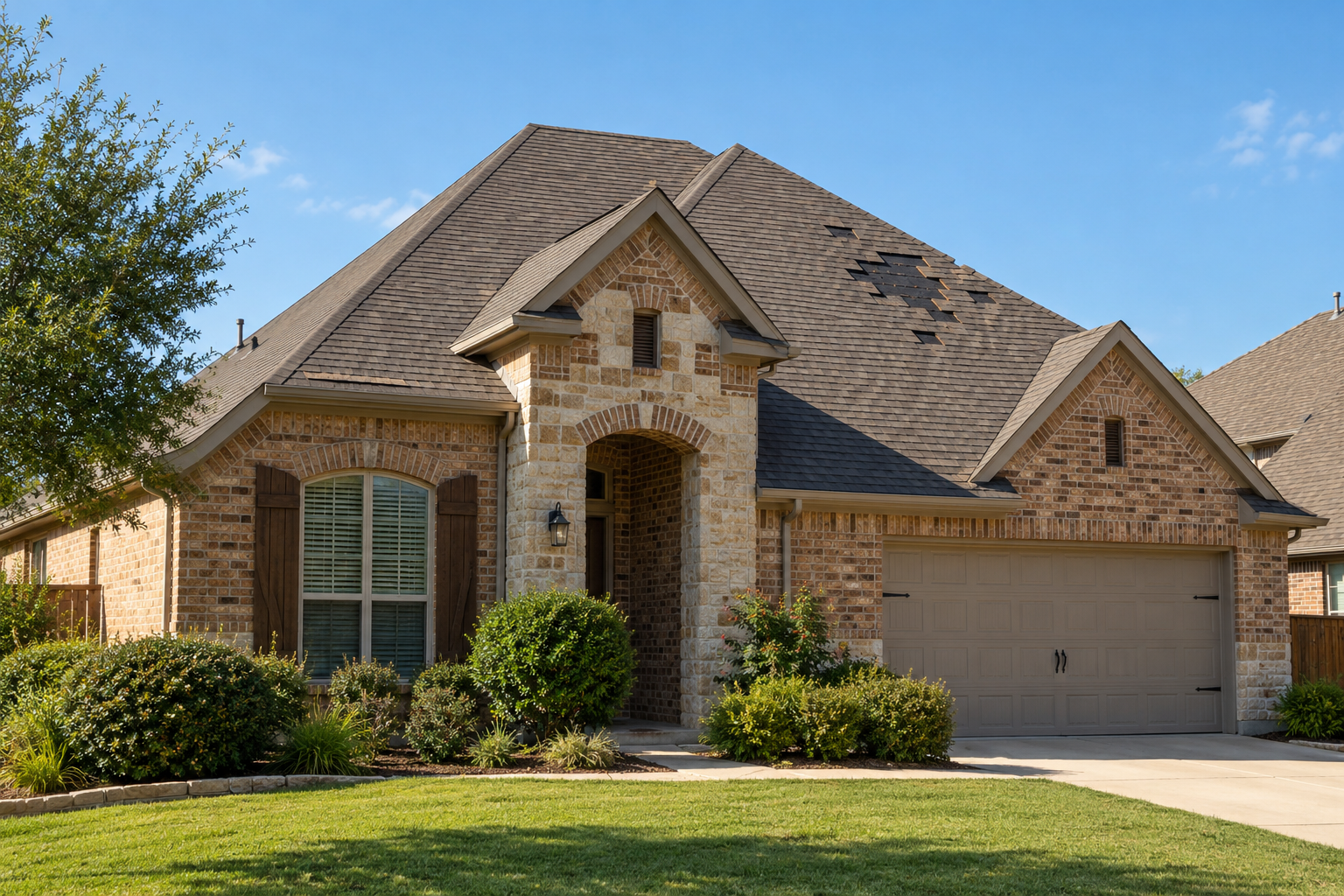
Begin with wide views showing the house and visible roof areas.
Photograph the front, rear, and accessible sides from your own property or another location where you have permission to stand.
Include detached structures if they appear affected and are relevant to the reported loss.
Then take closer views using your camera’s zoom where practical.
Capture Context Before Detail
A photograph of damaged material is easier to understand when another image establishes its location.
Do not climb onto a steep, wet, storm-damaged, or otherwise unsafe roof to improve your photographs.
Ground-level documentation can establish the initial record while a qualified professional evaluates areas that require roof access.
3. Keep Original Photographs and Videos
Save the original image and video files.
Avoid replacing them with screenshots, heavily compressed messages, filters, or edited collages. Those versions can lose detail or make the record harder to evaluate.
If you add arrows or captions for explanation, retain the original separately and identify the annotated version.
Allstate’s catastrophe claim guidance advises taking photographs before repairs and keeping relevant bills or invoices for the claims team’s consideration. allstate.com
Label Files Without Changing Their Meaning
Use descriptive labels such as “rear roof view” or “bedroom ceiling stain.”
Do not label an uncertain mark as confirmed hail damage before it has been evaluated. Describe what the image shows and let the assessment explain its significance.
4. Document Interior Damage Separately
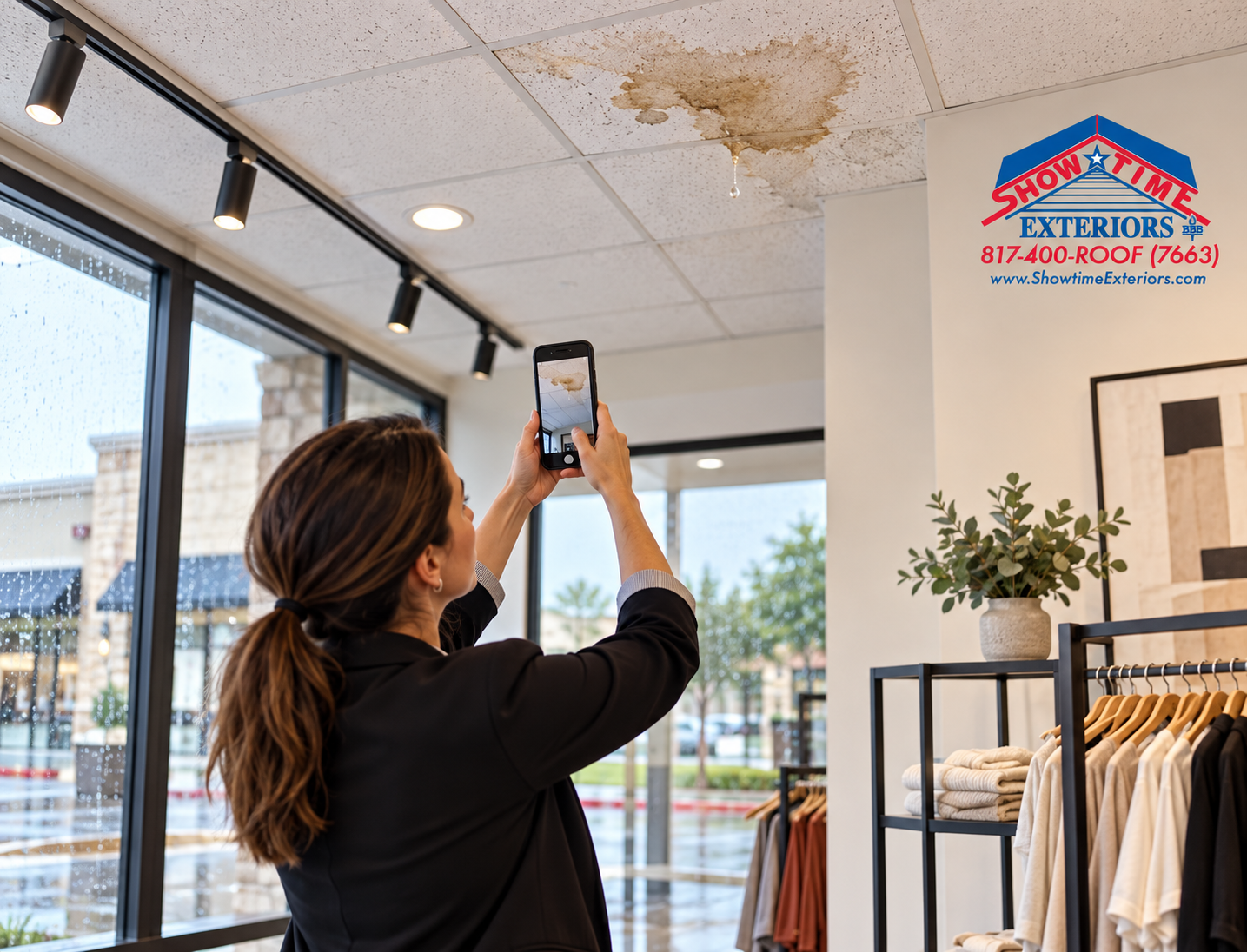
Roof-related concerns may be accompanied by ceiling stains, damaged paint, wet insulation, affected flooring, or damaged belongings.
Photograph the room first, then the affected area in closer detail.
Record when the condition appeared and whether it changed during subsequent rain.
A simple room sketch can help connect interior observations to the roofing assessment.
A Stain Does Not Establish the Entire Cause
The visible location may differ from the point where water entered. Water can follow concealed pathways before appearing inside.
The inspection should investigate that relationship rather than assuming the opening sits directly above the stain.
Keep people away from sagging ceilings, electrical hazards, or unstable materials. Documentation can wait until access is safe.
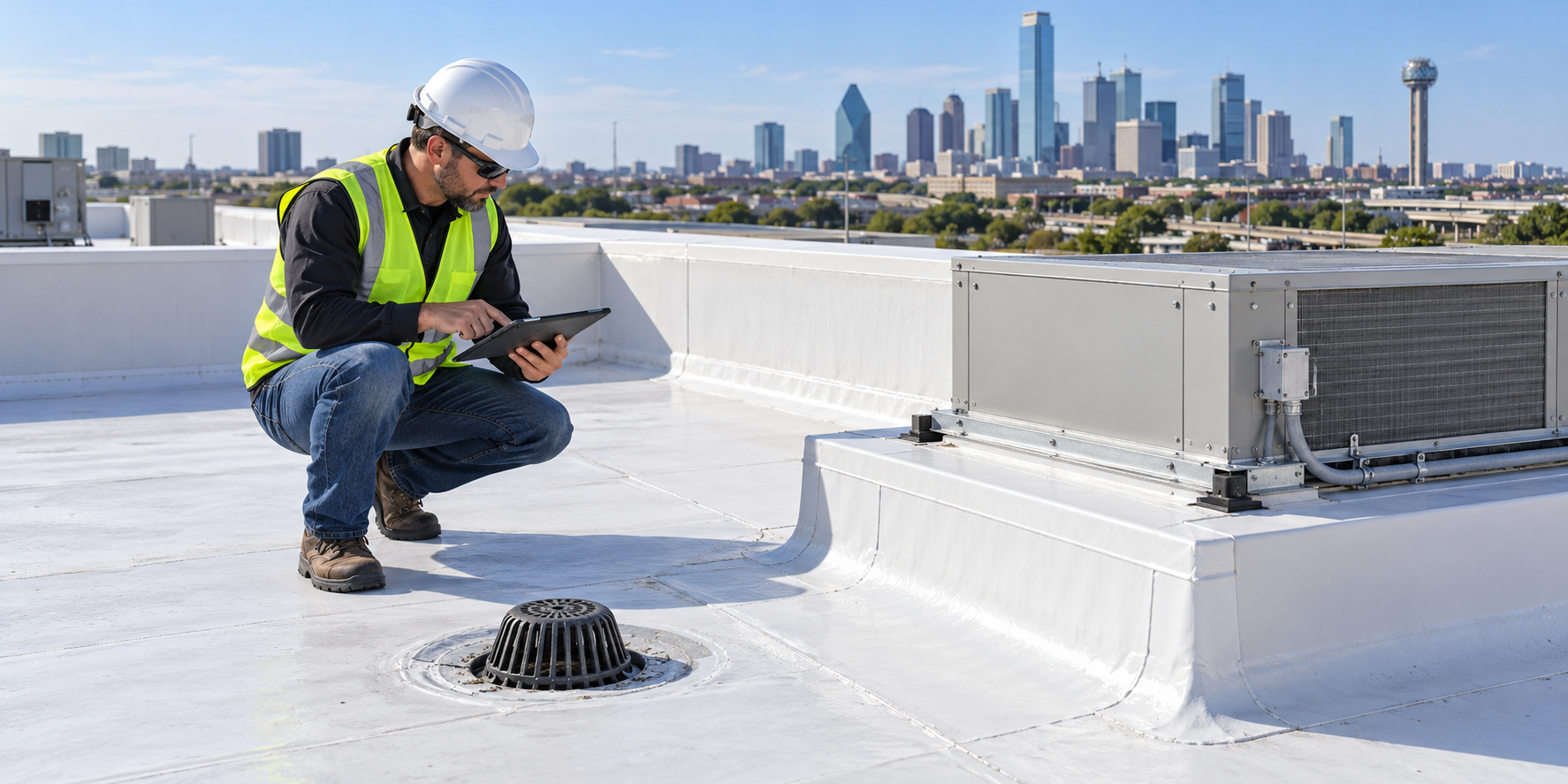
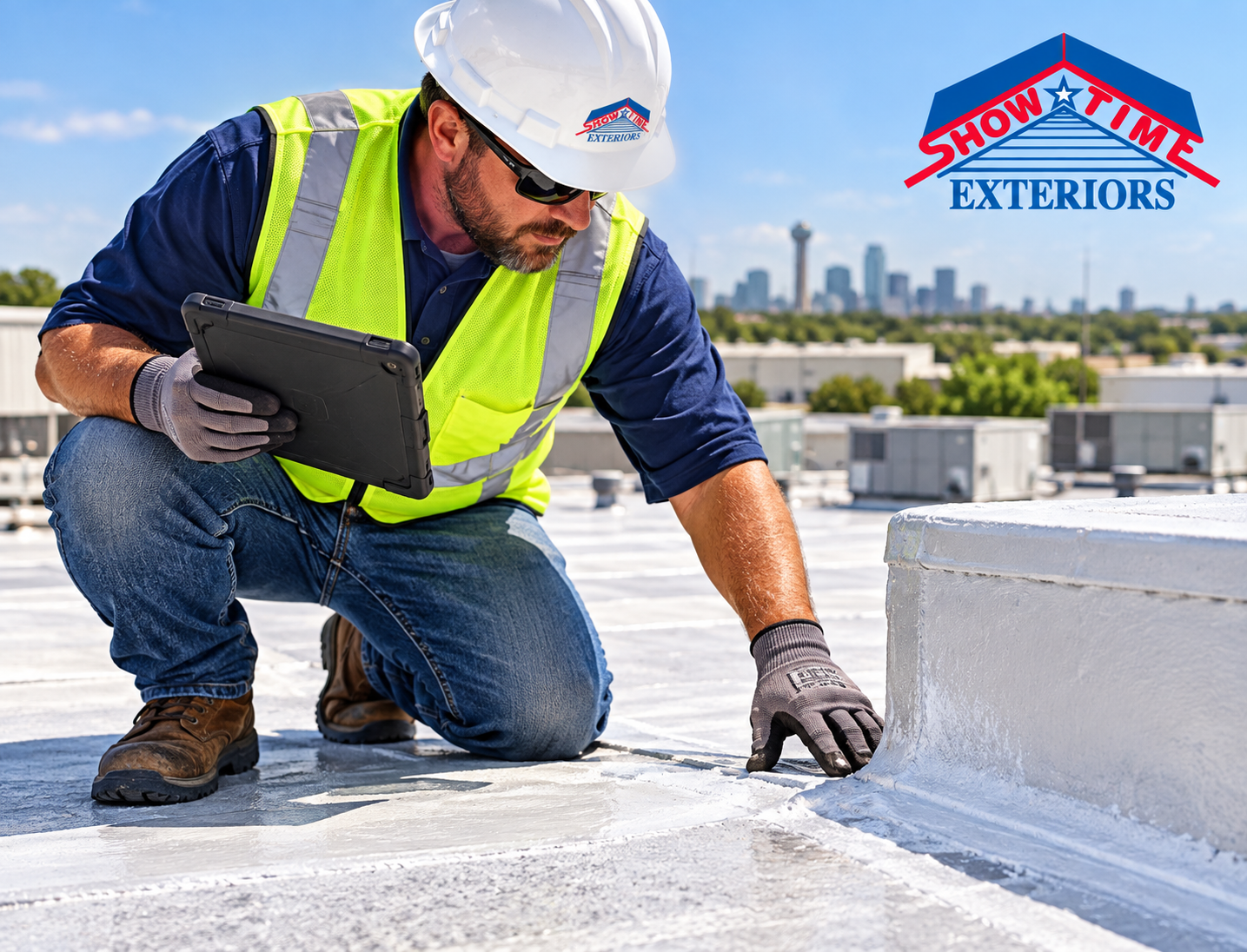
5. Obtain a Written Roof Assessment
A professional assessment should provide more than a statement that the roof “has damage.”
Ask for the inspection date, inspected areas, roof type, relevant observations, photographs, limitations, and recommended next steps.
Findings should identify locations consistently, using roof slopes, elevations, or a labeled plan.
Distinguish Observations From Opinions
“Several shingles are missing from the rear slope” is an observation.
“The reported wind event caused those shingles to detach” is a conclusion that needs supporting reasoning.
A useful report explains the basis for its conclusions and identifies questions that remain unresolved.
Showtime Exteriors’ roof inspection report guide explains how organized findings can support later decisions.
6. Gather Available Roof Installation Records
Installation records can help establish roof age, materials, and the extent of previous work.
Useful documents may include the original contract, final invoice, product information, warranty registration, and completion photographs.
If you purchased the home after installation, check documents provided during the sale or contact the previous installer when appropriate.
Record Partial Replacements Accurately
A house may contain roof sections installed at different times.
A porch addition, garage, or repaired slope should not automatically be assigned the same installation date as the rest of the roof.
If the age is estimated, identify it as an estimate. Avoid presenting a guessed date as a documented fact simply because an estimate form requires an entry.
7. Include Maintenance and Previous Repair History
Previous records help explain the condition before the reported event.
Gather inspection reports, service invoices, leak repairs, flashing work, gutter maintenance, and relevant photographs.
Include known pre-existing issues rather than omitting them because they seem unfavorable.
The purpose is an accurate history.
Explain What Changed
A useful comparison identifies whether a previously repaired area reopened, a different room began leaking, or new material displacement appeared.
If an old stain remained unchanged before the storm, distinguish it from newly observed staining.
Providing that context helps the inspector avoid combining unrelated conditions into one explanation and gives the insurer a clearer record to review.
8. Treat Weather Information as Supporting Context
Weather reports, alerts, and neighborhood observations may help establish that severe conditions occurred nearby.
They do not, by themselves, prove damage to a particular roof.
The property still needs an assessment documenting its actual condition.
If you retain weather information, preserve the source, relevant date, and location. Avoid treating a broad map as a precise measurement at your home.
Nationwide’s hail claim guidance describes a process that can include property inspection and estimating, emphasizing the importance of evaluating the home itself. Nationwide
A neighbor’s replacement project is also not proof that your roof requires the same work.
9. Photograph Other Visible Property Conditions
Where relevant and safe, document visible changes to gutters, downspouts, screens, siding, vents, fences, or outdoor items.
These photographs may provide context for the reported event.
However, do not assume every dent, scratch, or broken item occurred at the same time. Note what you observed and whether you have earlier photographs for comparison.
Keep Locations Specific
Identify the side of the house and the component shown.
For example, “west-facing downspout beside garage” is more useful than “storm damage.”
Ask the inspector whether the observed condition is relevant to the roofing investigation. The significance of nearby damage should be evaluated rather than presumed.
10. Preserve Emergency Protection Records
Emergency work may be needed before the full claim investigation is complete.
Document tarping, temporary sealing, water extraction, or other necessary protection with photographs and written service descriptions.
Keep the provider’s information, date, work locations, invoices, and payment records.
Identify Temporary Work Clearly
The record should distinguish a temporary measure from the final repair.
When practical, request photographs of the original condition before it is covered.
Ask the insurer about its documentation requirements and inspection opportunities, while arranging necessary protection promptly.
If damaged materials must be removed for safety or mitigation, discuss preservation or sampling needs when possible and record what was removed.
11. Organize Damaged Belongings and Related Expenses
If water affected furniture, electronics, clothing, or other belongings, create a separate inventory.
List each item, its location, approximate purchase date when known, and the observed condition.
Retain photographs, available receipts, and relevant product information.
Do not combine the cost of belongings with the roofing estimate without clearly separating the categories.
If the home cannot be occupied safely, ask the insurer about applicable coverage and documentation requirements for temporary accommodation or other expenses.
Keep receipts, but do not assume every expense will be reimbursed. Record the reason for the expense and obtain guidance about what the policy requires.
12. Obtain a Detailed Repair or Replacement Estimate
An estimate should explain the proposed work through quantities, materials, labor, and necessary details.
For roofing, that may involve removal, roof covering, underlayment, flashings, ventilation components, disposal, access, and other identified work.
Separate optional improvements from work proposed to address the observed conditions.
Explain Repairability
Missing or damaged shingles do not automatically establish that the entire roof must be replaced.
The assessment should explain the extent of the condition and any limitations affecting a repair.
Showtime Exteriors’ guide to repairing or replacing missing shingles after a storm provides additional questions to discuss with the contractor.
The roofing scope and coverage evaluation remain separate decisions.
13. Prepare for the Insurer’s Inspection
Ask who will inspect the property, what access is needed, and which documents should be provided beforehand.
Have your timeline, photographs, inspection findings, and emergency records organized.
Point out relevant areas without altering the roof to demonstrate a theory.
State Farm’s roof claims information offers an example of insurer-specific resources. Follow the instructions applicable to your own claim. www.statefarm.com
Keep Roles Clear
The contractor can explain observed conditions and construction requirements.
The insurer evaluates the claim under the policy.
Ask for clarification if different professionals use the same term differently, particularly when discussing damage, repairability, valuation, or the proposed scope.
14. Compare the Written Estimates Carefully
Once you receive the insurer’s estimate, compare it with the contractor’s proposal.
Look at roof areas, quantities, materials, removal assumptions, component details, and allowances.
A difference in total price may result from several smaller scope differences.
Travelers’ guide to understanding a property estimate explains common fields such as quantities, replacement cost, depreciation, and net claim amounts. Formats vary by insurer. www.travelers.com
Ask Specific Questions
Instead of saying only that an estimate is too low, identify the item requiring explanation.
Provide supporting photographs, measurements, or construction information when appropriate.
Keep written responses so you can track which questions were resolved and which remain open.
15. Document Conditions Discovered During Construction
Some conditions become visible only after materials are removed.
Ask the contractor to photograph those findings before they are concealed or discarded when practical.
The record should identify the location, observed condition, quantity, proposed correction, and associated cost.
Use written change orders and the agreed authorization process.
If the finding may affect the claim, ask the insurer about its review or inspection requirements.
Do not assume every concealed condition is related to the reported event or covered by the policy.
An accurate record distinguishes newly discovered facts from conclusions that still need evaluation.
16. Retain Completion and Payment Records
After the work, collect the final invoice, completion photographs, approved changes, warranties, and payment records.
Identify exactly which roof areas were repaired or replaced.
Ask the insurer whether additional records are needed for any remaining payment.
Travelers’ explanation of depreciation describes how replacement cost claims may involve later payments after qualifying work and documentation, subject to the applicable conditions. www.travelers.com
Keep the Transaction Accurate
Invoices should reflect the actual work and financial arrangement.
Do not submit altered receipts, inflated amounts, or statements that work is complete when it is not.
Retain copies of every submission and confirmation of receipt.
How to Organize Your Residential Roof Claim File
Use a simple folder structure that another person can understand without an explanation.
Policy and Claim Information
Keep the policy, endorsements, claim number, representative contacts, and written requirements together.
Timeline and Photographs
Store the event notes, original photographs, videos, and a short index identifying locations.
Inspection and Estimates
Include the contractor’s report, roof plan, proposals, insurer estimate, and supporting measurements.
Emergency and Construction Records
Retain temporary protection documents, contracts, changes, progress photographs, and invoices.
Completion and Correspondence
Keep final photographs, warranties, payment records, submissions, and written responses.
Back up the file somewhere accessible if the phone or computer containing the original records is lost or damaged.
Example: A Clear Evidence Package
Imagine a homeowner discovers a bedroom ceiling stain after a windy night and finds several shingles in the yard.
A useful initial record might contain:
- A dated note describing the reported wind and discovery.
- Ground-level views of each accessible roof side.
- Photographs of the loose shingles where found.
- A room overview and close-up of the stain.
- Previous roof installation or repair records.
- A written professional assessment.
- Temporary protection photographs and invoice.
- A measured proposal for the recommended work.
This package does not guarantee a particular claim outcome. It gives the insurer and contractor a clearer basis for asking questions and evaluating the situation.
If the inspection identifies an unrelated flashing concern, record that separately rather than forcing every finding into the same cause.
Common Evidence Mistakes to Avoid
Waiting for Perfect Documentation
Report the concern and ask about requirements promptly. Additional evidence can be organized as the investigation continues.
Sending Only Close-Up Photographs
Include location and context so the image can be understood.
Treating Every Mark as Storm Damage
Let the assessment explain the significance of observed conditions.
Discarding Everything Before Asking
Where safe and practical, ask about inspection or sampling needs before disposing of relevant material.
Editing the Original Evidence
Retain originals. Identify annotations as explanatory copies.
Forgetting Interior Conditions
Roof and interior observations may need to be considered together.
Losing Track of Submissions
Record what you sent, when you sent it, and who acknowledged receipt.
Assuming More Documents Guarantee Approval
Evidence supports evaluation. Coverage still depends on the policy and facts.
What If You Do Not Have Old Roof Records?
Missing records do not mean you should invent dates or abandon documentation.
Start with what is available.
Check purchase documents, prior inspection reports, warranties, invoices, photographs, and communications with previous contractors.
Ask the inspector which details can be reasonably identified from the roof and which remain uncertain.
Explain the limits honestly.
For example, “The prior owner reported installation around 2016; no invoice was provided” is clearer than presenting 2016 as confirmed.
Build a better record from this point forward. Accurate current photographs, completed-work documents, and maintenance logs can help future owners and inspectors understand the property.
Questions to Ask Your Insurer
Before the investigation progresses, ask:
- What documentation is required for this claim?
- Which deadlines apply?
- Should damaged materials or samples be retained?
- What temporary protection records are needed?
- How should additional findings be submitted?
- Which documents support any later payment?
- How will receipt of documents be confirmed?
- Who should receive questions about the written decision?
Request important explanations in writing.
Keep policy questions with the insurer or another appropriately qualified professional, and construction questions with the roofing contractor.
Frequently Asked Questions
Can I File a Roof Claim Without Rooftop Photographs?
Ask your insurer what it needs to begin the process. Ground-level photographs and your observations can establish an initial record while safe professional inspection is arranged.
Do I Need Three Roofing Estimates?
There is no single documentation package that applies to every claim. Ask your insurer what estimates it requires and compare contractors using scope, qualifications, and communication.
Does a Weather Report Prove Hail Damage?
No. Weather information provides context. The roof still needs an assessment showing the actual property conditions.
Should I Repair the Roof Before the Insurer Visits?
Necessary temporary protection may be urgent. When practical, coordinate inspection before permanent alteration and document conditions thoroughly. Do not leave the home exposed solely to preserve evidence.
What If I Discover More Damage Later?
Document the new finding and contact the insurer promptly about its submission process and applicable requirements.
Can Showtime Exteriors Guarantee Approval?
No roofing contractor can guarantee the insurer’s coverage decision. A contractor can provide roofing observations, construction documentation, and a defined repair or replacement scope.
Get a Residential Roof Assessment From Showtime Exteriors
A residential roof claim is easier to explain when the evidence is factual, organized, and connected to specific locations and dates.
Start with safe photographs and an honest timeline. Add a professional assessment, available roof history, temporary protection receipts, and a clear construction scope. Keep the record current through completion.
Showtime Exteriors provides residential insurance-related roofing services for homeowners seeking help with the roofing assessment and project side of the process.
For homes in Mansfield and surrounding Dallas–Fort Worth communities, call 817-400-ROOF (7663) or contact Showtime Exteriors to request a roof assessment.