

Is Metal Roof Retrofit Right for North Texas Heat, Hail, and Wind?
Is metal roof retrofit right for North Texas heat, hail, and wind? Compare systems, benefits, limitations, and inspection needs with Showtime Exteriors.

A metal roof retrofit can be a practical choice for a North Texas commercial building when the existing roof and supporting structure remain suitable for a new roofing assembly. It may reduce tear-off, create an opportunity to improve insulation, and provide a new weather-resistant surface. However, its success depends on the existing conditions, system design, attachment, drainage, and installation quality.
For commercial property owners in Mansfield, Dallas, Fort Worth, Cleburne, Waxahachie, and surrounding communities, the decision involves more than stopping the next leak. The roof must support the building’s operations through summer heat, temperature changes, heavy rain, hail, and strong wind.
A retrofit cannot restore missing metal, strengthen deteriorated structural members without corrective work, or automatically eliminate condensation. It also does not make a building stormproof.
The right starting point is a documented inspection followed by a comparison of repair, restoration, retrofit, and replacement. This guide explains how to evaluate those options and what to ask before investing in a commercial metal roof retrofit.
What Is a Commercial Metal Roof Retrofit?
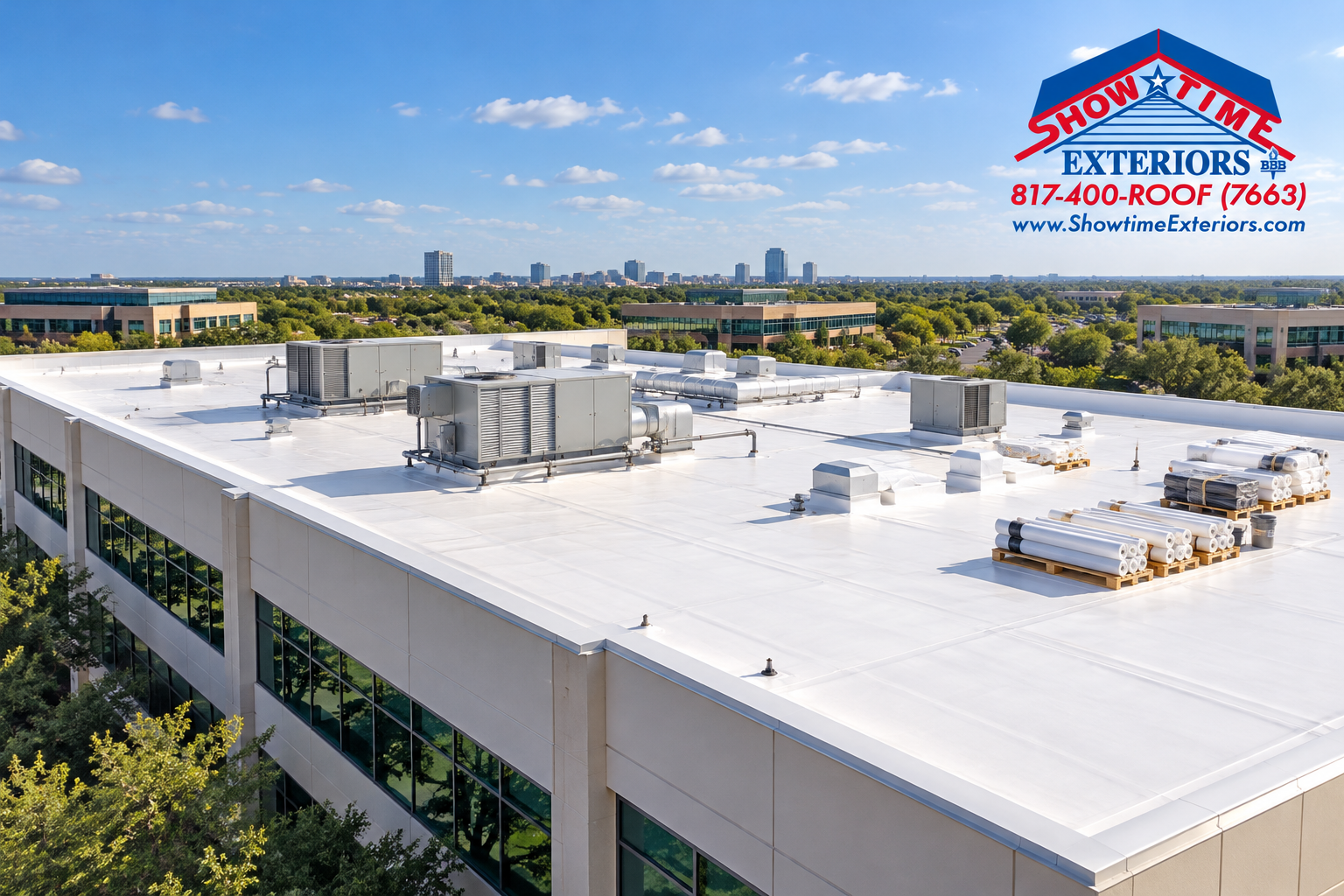
A metal roof retrofit installs a new roofing assembly over or above an eligible existing metal roof. Depending on the design, portions of the existing roof remain in place while new components provide the weathering surface.
The term can describe substantially different projects. A single-ply membrane installed over prepared metal panels is different from an engineered metal-over-metal system.
Property owners can explore the broader options in Showtime Exteriors’ metal roof retrofit guide for Texas commercial buildings.
Before comparing proposals, establish exactly what each contractor means by “retrofit.” Ask which existing components remain, what new materials are added, and how the completed assembly connects to the building.
Single-Ply Membrane Retrofit
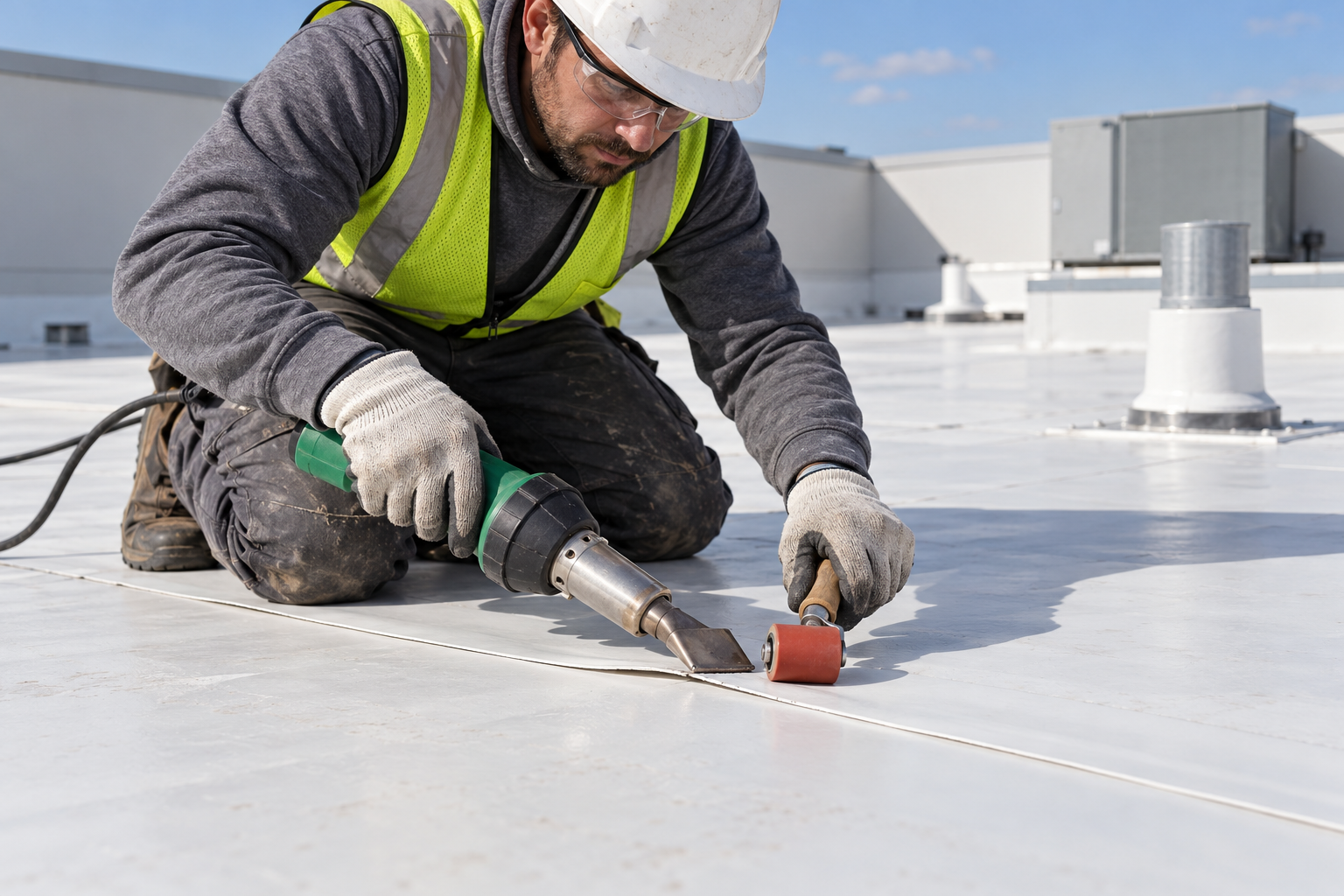
A membrane retrofit may incorporate insulation shaped to fit between the existing panel ribs, additional insulation, a suitable cover board, and a new membrane such as TPO or PVC.
The purpose is to create a compatible substrate and a properly detailed new roof covering. The attachment design must account for the existing building.
Johns Manville’s TPO roofing resources include fasteners specifically intended for certain metal roof retrofit applications involving structural purlins. This illustrates why retrofit attachment requires system-specific components rather than a generic fastening approach. Johns Manville
Metal-Over-Metal Retrofit
A metal-over-metal retrofit uses a designed support arrangement to receive new metal panels above the existing roof.
The project may involve new subframing, clips, insulation, panels, and coordinated flashings.
The design needs to address added weight, attachment, panel movement, roof geometry, drainage, and transitions. Existing gutters, curbs, and penetrations may require changes because the new roofing surface sits at a different elevation.
Coating Restoration
A coating restoration treats a suitable existing roof after necessary repairs and preparation.
It may include cleaning, corrosion treatment, fastener work, seam reinforcement, primers, and specified coating application.
A coating generally does not provide the same construction as a new membrane assembly or metal-over-metal system. Owners comparing these approaches should request separate scopes rather than treating them as interchangeable products.
Why North Texas Metal Roofs Need Careful Evaluation
A commercial roof operates as part of the building enclosure. Its performance depends on how panels, seams, fasteners, insulation, flashings, and drainage work together.
Temperature changes cause metal components to expand and contract. Existing details must accommodate that movement. A repair that rigidly bridges a moving joint may develop problems even when the surrounding panels remain serviceable.
Storm exposure introduces different concerns. Hail may affect panels, finishes, skylights, equipment, and flashings differently. Wind can expose weaknesses in attachment or perimeter details.
A building can also develop moisture problems unrelated to rainfall. Indoor humidity, air leakage, and cold surfaces may produce condensation beneath the roof.
These conditions require different corrections. A useful inspection identifies the likely mechanisms before recommending materials.
The goal is to determine whether the existing roof provides a suitable foundation for further investment.
Can a Metal Roof Retrofit Help With North Texas Heat?
A retrofit can create an opportunity to improve thermal performance, particularly when the existing roof has limited insulation or an unsuitable thermal arrangement.
However, reflective surfacing and insulation perform different functions. They should be evaluated separately.
Reflective Roof Surfaces
A reflective surface can absorb less solar energy than a less reflective surface under comparable conditions.
For an air-conditioned commercial building, that characteristic may influence cooling demand. Actual results depend on the building, insulation, operating schedule, equipment efficiency, and climate.
The Cool Roof Rating Council roof rating program provides measured radiative properties for roofing products. A rating helps compare those properties; it does not guarantee energy savings or establish that a product meets every project requirement. Cool Roof Rating Council
Request information for the actual proposed product. Color alone is not a complete performance specification.
Added Insulation
A retrofit may allow additional insulation to be incorporated into the assembly.
The proposal should identify insulation type, thickness, arrangement, and intended thermal performance.
Ask whether the estimate accounts for thermal bridges, transitions, and existing insulation conditions. Adding insulation above a roof does not automatically resolve every weakness elsewhere in the building enclosure.
For budgeting purposes, separate the cost of the waterproofing work from optional thermal improvements when practical. That makes the investment easier to evaluate.
Condensation Control
A new roof covering does not automatically stop condensation.
The contractor should investigate whether moisture follows rainfall, appears during particular indoor activities, or occurs during temperature changes.
Facilities with refrigeration, frequent washdowns, humid processes, or unusual temperature conditions may need additional building-science analysis.
The final assembly should address the identified moisture mechanism rather than simply covering the existing panels.
How Does a Metal Roof Retrofit Perform Against Hail?
Hail performance depends on the complete assembly and its condition.
A membrane’s thickness, the support beneath it, cover board selection, attachment, and installation details all deserve consideration.
No contractor should describe a retrofit as hailproof.
The Insurance Institute for Business & Home Safety roofing research overview emphasizes that roof selection involves factors such as geography, weather exposure, budget, and roof-cover performance over time. A product name alone cannot answer the question of which roof is best. ibhs.org
Ask About the Proposed Assembly
Request the documentation supporting any hail-resistance claim.
Useful questions include:
- Which exact assembly was tested?
- Does the proposed construction match that assembly?
- What supporting board and insulation are specified?
- Which limitations apply?
- Does the warranty include any hail coverage?
- Are accessories and rooftop equipment addressed separately?
These questions help distinguish documented performance from general marketing language.
Evaluate Existing Hail Damage First
An existing metal roof may have dents without obvious leakage. It may also have damaged seams, flashings, finishes, or accessories requiring attention.
Appearance alone does not establish the full condition of the roof.
Before retrofit, the inspection should document existing impacts and identify which components need repair or replacement.
A new covering should not conceal unresolved deterioration or attachment problems.
Protect Vulnerable Components
The roof field is only part of the exposure.
Skylights, vents, equipment, gutters, and other components may remain vulnerable after a retrofit.
Ask whether the project includes replacing deteriorated accessories and how the completed roof will accommodate future equipment service.
Storm resilience requires attention to the whole rooftop.
Is Metal Roof Retrofit Suitable for Strong North Texas Wind?
Potentially, but suitability depends on the design and supporting conditions.
The critical question is how wind forces transfer through the new assembly into appropriate building components.
A new membrane or panel surface cannot compensate for an inadequate connection beneath it.
GAF’s research on wind resistance of retrofit single-ply systems over metal roofs discusses physical testing of assemblies fastened directly into structural purlins. The research demonstrates the importance of evaluating the actual construction rather than assuming every retrofit behaves alike. gaf.com
Verify the Attachment Design
Ask what receives the new fasteners or supports.
The answer should identify the intended load path and the condition of the relevant existing components.
Depending on the building and system, testing, selective openings, or engineering review may be necessary.
The proposal should explain who is responsible for that evaluation and how any deficiencies will be corrected.
Review Corners, Perimeters, and Transitions
Attachment requirements may differ across roof areas.
Perimeters, corners, ridges, changes in elevation, and wall transitions deserve specific attention.
A proposal should describe edge details and terminations rather than focusing exclusively on the broad roof field.
Ask which existing components will remain and what evidence supports their reuse.
Separate Warranty Terms From Design Performance
A warranty wind provision is not a universal statement about everything a roof can withstand.
Read the written terms, including exclusions, conditions, covered components, and maintenance obligations.
Request the documentation for the proposed assembly separately from the warranty summary.
Both matter, but they answer different questions.
When Is an Existing Metal Roof a Good Retrofit Candidate?
A promising candidate usually has enough remaining integrity to support the proposed work after identified deficiencies are corrected.
That conclusion should follow inspection rather than a preliminary sales visit.
Serviceable Panels and Supports
The assessment should distinguish surface oxidation from significant corrosion, perforation, or loss of material.
Limited surface deterioration may have a repair path. More substantial deterioration can require component replacement or structural evaluation.
The same principle applies to accessible supports and connections. Their suitability cannot be assumed because the roof remains standing.
Manageable Moisture Conditions
Existing moisture needs investigation before it becomes concealed.
Where testing identifies wet or damaged materials, the proposal should explain removal and replacement.
If condensation remains active, adding another roof layer without addressing its cause may leave the owner with recurring problems.
Compatible Geometry
Roof slope, rib configuration, drainage, equipment curbs, and adjoining roof sections affect retrofit feasibility.
Changes in elevation can alter flashing heights and water flow.
Carlisle SynTec’s metal retrofit resources describe retrofit options for aging metal buildings. The practical choice still requires matching a system to the existing property. carlislesyntec.com
When Should You Consider Replacement Instead?
Replacement may be the more responsible investment when retaining the existing assembly would leave substantial deficiencies unresolved.
Potential warning signs include widespread corrosion, extensive moisture damage, unsuitable attachment, or structural problems requiring major correction.
Recurring leaks also deserve a broader investigation when previous repairs have not produced dependable results.
The question is not simply whether a new covering can be installed. It is whether keeping the existing materials creates a sound long-term project.
GAF’s commercial roof recover guidance presents recover as an option for suitable existing systems. Owners should treat eligibility as a necessary assessment, not an automatic benefit available to every roof. GAF
Selective removal may sometimes provide a workable middle path. Ask whether repairing specific areas makes the remaining assembly suitable or whether the deficiencies are too widespread.
Metal Roof Retrofit vs. Coating vs. Replacement
The best comparison starts with the roof’s condition and the owner’s objectives.
OptionPotential Starting ConditionMain ObjectiveImportant LimitationTargeted repairLocalized defect with serviceable surrounding materialsCorrect a specific failureDoes not renew the entire roofCoating restorationSuitable, repairable, stable substrateRestore a protective weathering surfaceDoes not rebuild deteriorated metal or structureMembrane retrofitEligible existing metal assemblyAdd a new membrane roofing systemRequires compatible preparation and attachmentMetal-over-metal retrofitSuitable existing building and engineered support approachAdd a new metal roof above the existing roofAdded loads and geometry need reviewFull replacementExtensive deterioration or unsuitable existing conditionsRemove deficient materials and construct a new assemblyUsually involves greater demolition and exposure
For a closer comparison, review Showtime Exteriors’ guide to metal roof retrofit versus roof coating.
Ask contractors to explain why an option suits the observed conditions. A proposal should connect the recommendation to evidence.
What Should a Metal Roof Retrofit Inspection Include?
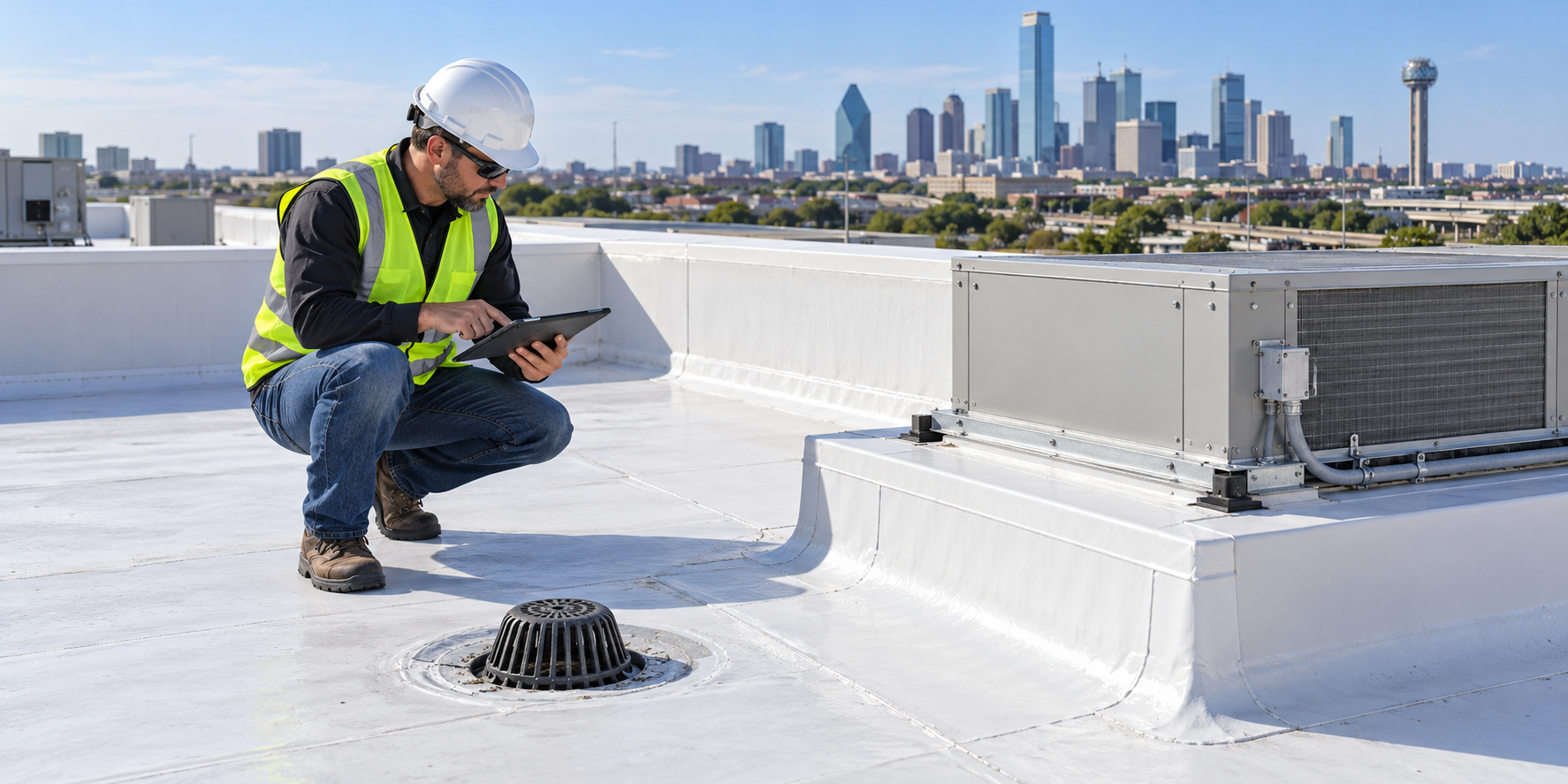
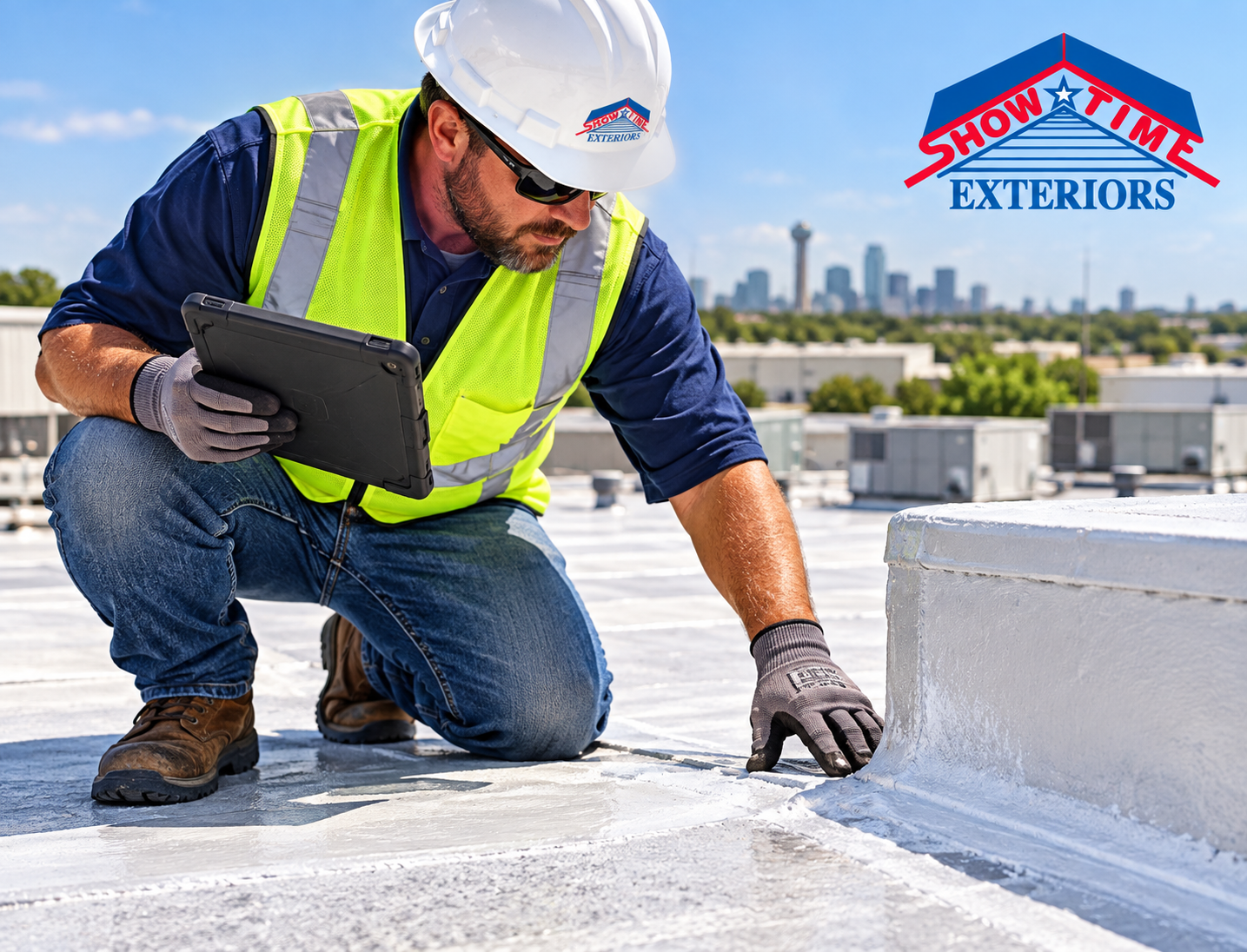
A useful inspection provides a record that supports estimating and decision-making.
Roof Identification
Document the roof type, panel profile, approximate age, known repairs, slope, and available construction records.
Existing warranties and previous inspection reports can help establish context.
Exterior and Interior Observations
Record panel condition, seams, fasteners, flashings, penetrations, roof edges, and drainage.
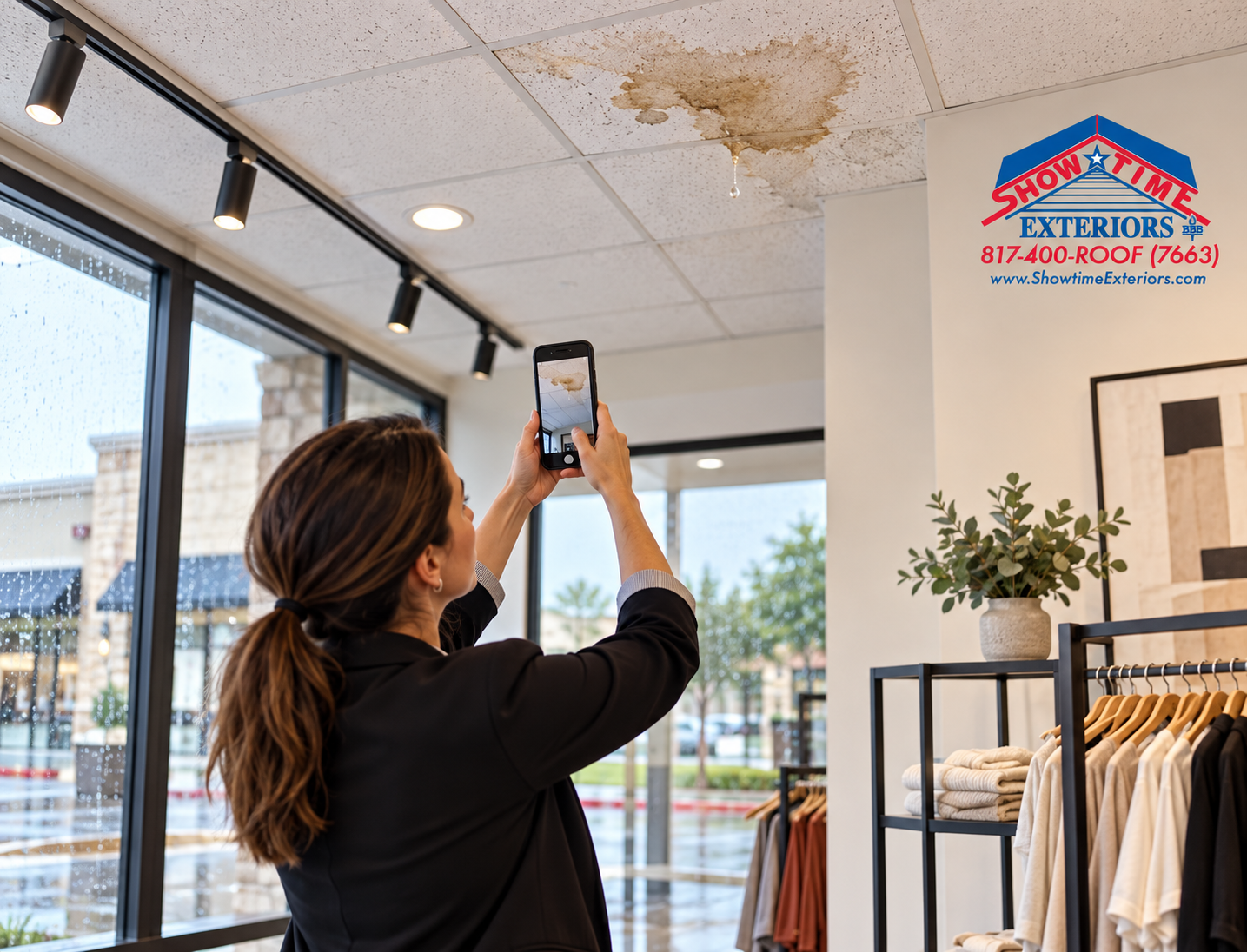
Interior observations should identify stains, visible corrosion, insulation concerns, and reported leak locations where accessible.
The report should distinguish observations from suspected causes.
Additional Investigation
Where uncertainty remains, ask what further evaluation is recommended.
Testing should have a stated purpose, such as checking attachment suitability or investigating concealed moisture.
The report should also explain areas that were inaccessible and the limits of the assessment.
Recommended Next Steps
A useful recommendation identifies urgent repairs, further investigation, viable project options, and any conditions that must be corrected before retrofit.
This allows the owner to move from a general concern to a defined scope.
Can Your Building Stay Open During Retrofit?
Many projects can be planned around occupied operations, but continued operation requires coordination.
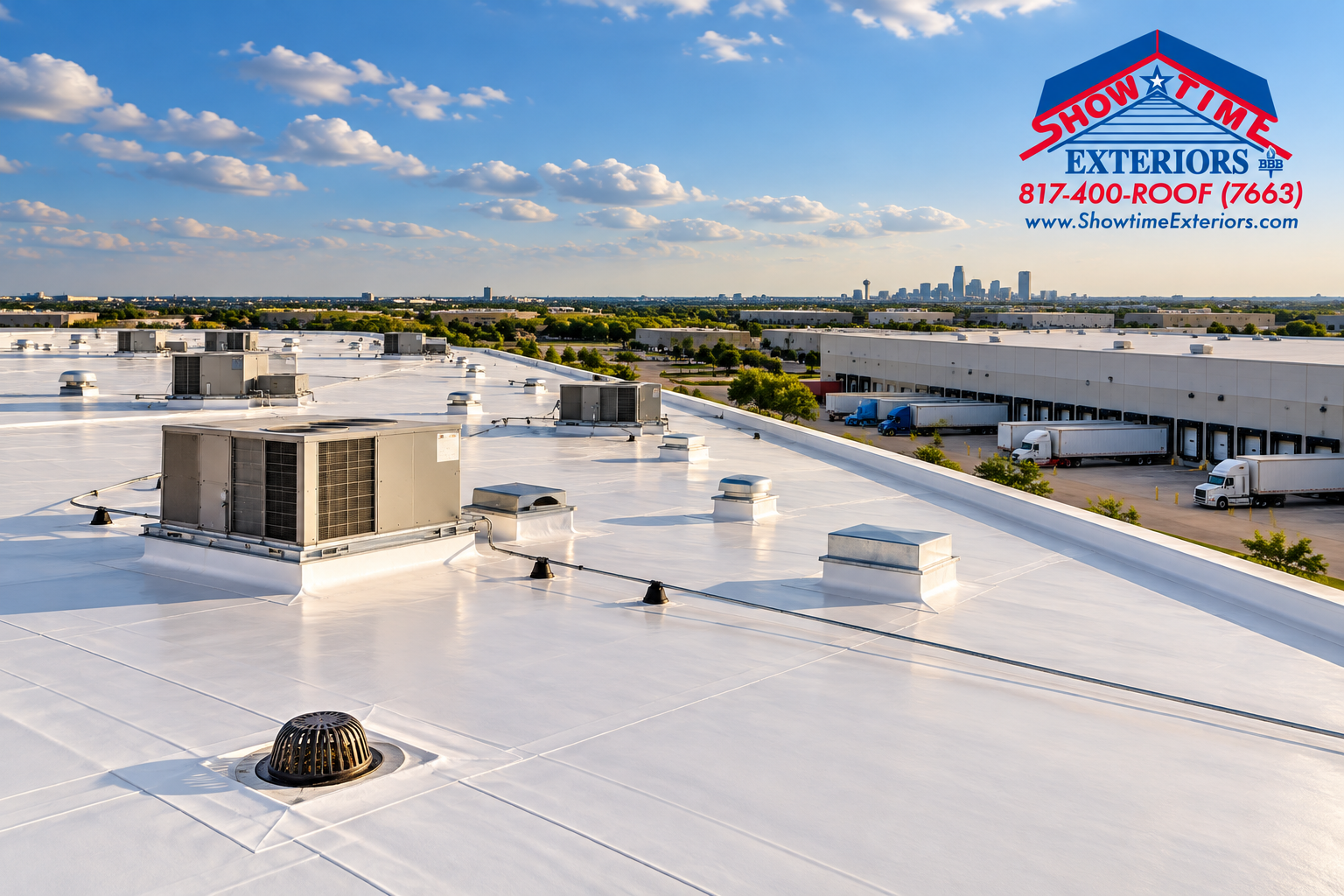
For warehouses, that may involve keeping loading docks accessible, protecting inventory, and scheduling deliveries around work zones.
For offices or medical buildings, noise, air intakes, access, and sensitive interior areas may require additional controls.
Owners can review considerations specific to metal retrofit roofing for Texas warehouses.
Ask the contractor to identify:
- Material staging and equipment locations.
- Restricted parking or access areas.
- Work phases and daily protection.
- Coordination around rooftop equipment.
- Weather shutdown procedures.
- Interior monitoring responsibilities.
- An emergency communication contact.
A retrofit may reduce tear-off, but some demolition and temporary openings can still be necessary. The schedule should account for them.
What Determines Metal Roof Retrofit Cost?
Pricing depends on the actual assembly and the conditions discovered.
Important variables include roof area, height, access, panel profile, insulation, cover board, membrane or panel selection, attachment, flashings, drainage work, and corrective repairs.
Engineering, testing, equipment handling, phasing, and warranty requirements can also affect the total.
Owners can explore these variables in Showtime Exteriors’ commercial metal roof retrofit cost guide.
Compare complete scopes rather than isolated square-foot prices.
One proposal may include moisture investigation, damaged-material removal, new edge components, and inspection fees. Another may omit them.
Ask for unit prices or allowances where concealed conditions cannot be fully measured before construction.
The most useful budget separates the base scope, optional improvements, and unresolved conditions requiring further investigation.
Questions to Ask Before Approving a Retrofit
A clear proposal should answer the following questions:
- What makes the existing roof suitable for retrofit?
- Which areas require removal or repair?
- Has concealed moisture been investigated?
- What assembly is proposed?
- How will it attach to the building?
- What supports its wind and hail performance claims?
- How will thermal movement and condensation be addressed?
- What changes are needed at gutters, curbs, and penetrations?
- How will operations be protected?
- What warranties and closeout documents are included?
Also ask who will approve changes and how additional work will be documented.
Written answers make it easier to compare contractors and reduce misunderstandings during construction.
Maintaining a Retrofitted Commercial Roof
A retrofit still needs ongoing care.
Establish an inspection schedule consistent with the roof’s condition, manufacturer requirements, and building operations.
Arrange additional evaluation after severe weather or significant rooftop work when appropriate.
Keep drains and gutters clear, monitor repaired areas, and require equipment contractors to protect the roof during service.
Retain installation photographs, product information, inspection records, warranty documents, and repair history.
If the building’s use changes, revisit the roof’s operating conditions. New exhaust equipment, added rooftop traffic, or changes in indoor humidity can affect maintenance and future work.
The owner should know whom to contact before anyone modifies the roof.
Frequently Asked Questions
Can Every Metal Roof Be Retrofitted?
No. Existing condition, structural suitability, moisture, attachment, geometry, and system requirements determine eligibility.
Will a Retrofit Stop Every Existing Leak?
A correctly scoped project should address identified water-entry problems. However, leaks originating at walls, equipment, or unrelated building components need their own corrections.
Does a White Membrane Guarantee Lower Energy Bills?
No. Reflectivity may influence heat absorption, but actual savings depend on the building and its operation. Use project-specific analysis where financial projections matter.
Is Metal-Over-Metal Always Better Than TPO?
No. They are different approaches with different design, maintenance, appearance, and cost considerations. The building’s condition and ownership objectives should guide selection.
Can Retrofit Work Be Completed Without Any Tear-Off?
Sometimes extensive tear-off can be avoided, but damaged materials and critical details may still require removal. The proposal should identify those areas.
Does Retrofit Eliminate Future Storm Damage?
No roofing system eliminates all storm risk. Select a suitable assembly, maintain it, and document its condition over time.
Schedule a Metal Roof Retrofit Evaluation With Showtime Exteriors
A metal roof retrofit can be right for North Texas heat, hail, and wind when the existing building is suitable and the new assembly addresses the property’s actual needs.
The next step is an inspection that explains what can remain, what requires correction, and which options deserve comparison.
Showtime Exteriors lists metal roof retrofits among its commercial roofing services, alongside other repair and replacement options. showtimeexteriors.com
Bring available drawings, leak records, maintenance history, and operating constraints to the discussion. Request a written recommendation with a defined scope and clear assumptions.
Call 817-400-ROOF (7663) or contact Showtime Exteriors to request a roof assessment.