



Questions to Ask Before Starting a Wind Damage Claim
Before starting a wind damage claim in Texas, ask about roof inspections, deductibles, evidence, temporary repairs, deadlines, and replacement costs.

Before starting a wind damage claim, ask whether the property is safe, what damage has been documented, which policy provisions apply, what deductible you face, and what evidence your insurer requires. Clear answers help you protect the building, understand your financial responsibilities, and avoid making decisions based on assumptions.
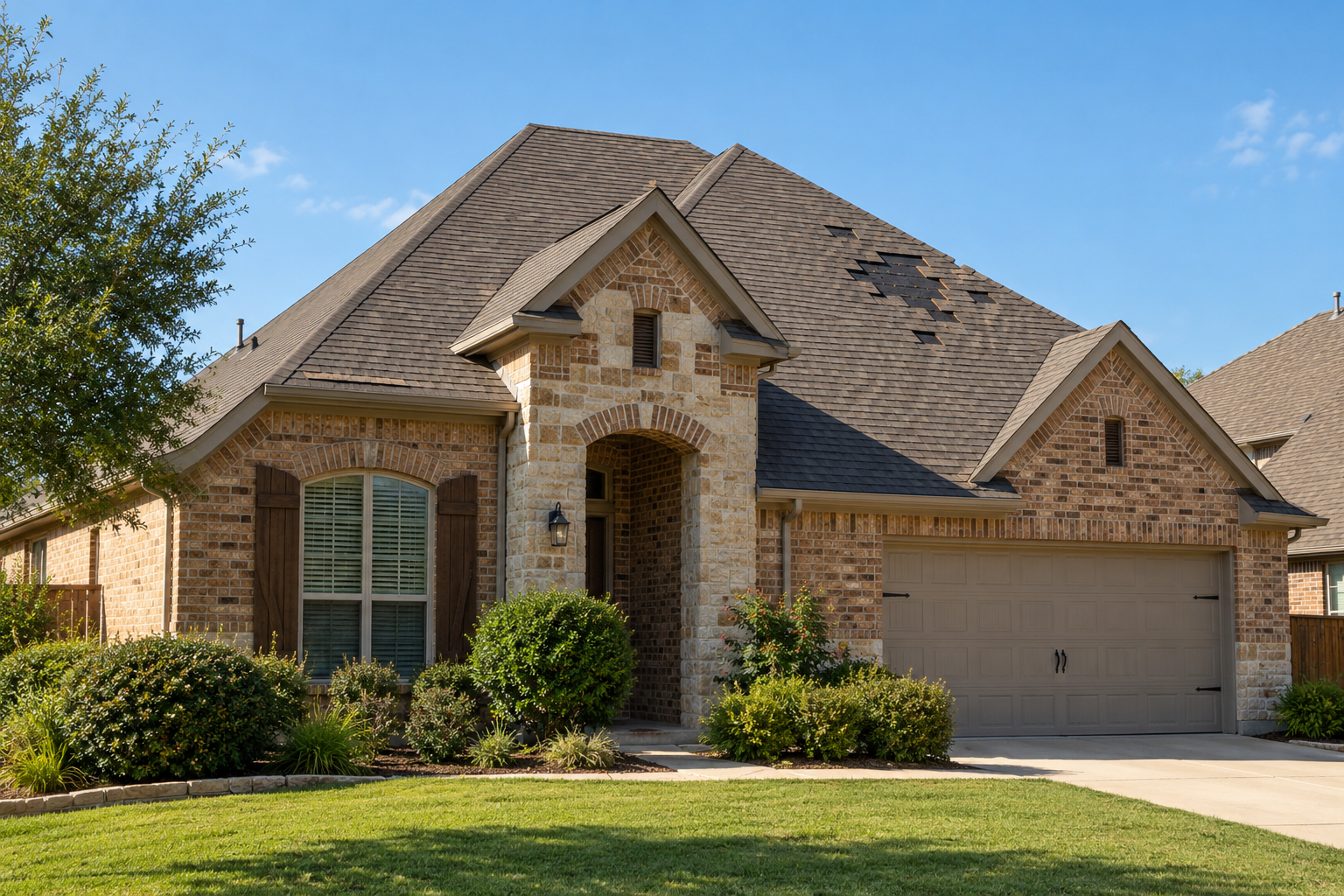
For Texas property owners, the first concern is often the roof. Missing shingles, displaced flashing, loose edge metal, or an opened membrane can require prompt attention. However, visible changes after a storm do not automatically establish the cause, extent, or insurance treatment of every condition.
A useful process connects three separate questions: What happened to the building? What work does it need? What does the insurance contract cover?
Showtime Exteriors provides commercial roofing services across Texas, including assessment and project planning for different roof systems. A roofing contractor can document physical conditions and construction needs. The insurer evaluates coverage, while qualified insurance or legal professionals address policy interpretation and disputes.
Use the following questions before and during the early stages of a wind damage claim.
1. Is the Property Safe to Occupy?
Start with people, not paperwork.
Look for immediate concerns such as unstable ceilings, broken glass, damaged electrical equipment, loose overhead materials, or structural movement. Restrict affected areas and obtain appropriate emergency assistance when necessary.
Do not send employees, tenants, or family members onto a storm-damaged roof to investigate.
Separate Interior Safety From Roof Access
A room may appear usable while conditions above it remain uncertain. Likewise, a roof that looks mostly intact from the ground may contain loose components.
Ask the relevant professionals which areas should remain restricted and what must happen before normal use resumes. Record those instructions so everyone managing the property receives the same information.
2. What Temporary Protection Is Needed Now?
A final repair scope may take time, but immediate protection may still be necessary.
Ask what can safely reduce additional damage, who should perform the work, and how temporary measures will be documented.
Travelers’ property mitigation guidance discusses temporary protection, professional assistance where necessary, photographs, and retaining emergency expense receipts. Travelers Insurance
Document Before and After
When practical, photograph the original condition before a tarp, patch, or other protection covers it.
Keep the provider’s details, service date, work description, and invoice. Identify temporary work clearly so it is not mistaken for the permanent correction.
Preserving evidence should support necessary protection, not leave the building exposed while everyone waits.
3. What Happened, and When Was It Discovered?
Write an event timeline while details are fresh.
Record the reported storm date, approximate time, first observation, affected areas, and emergency actions.
Separate direct observations from information supplied by others. Hearing strong wind is different from witnessing a component detach.
Be Honest About Uncertain Dates
A leak discovered on Monday does not automatically establish that damage occurred during the previous evening’s storm.
If the exact date is unknown, explain that uncertainty and preserve available photographs, messages, maintenance records, and other context.
Showtime Exteriors’ guide to what to do after discovering a wind-damaged roof provides additional roofing response considerations.
4. What Physical Conditions Support Further Investigation?
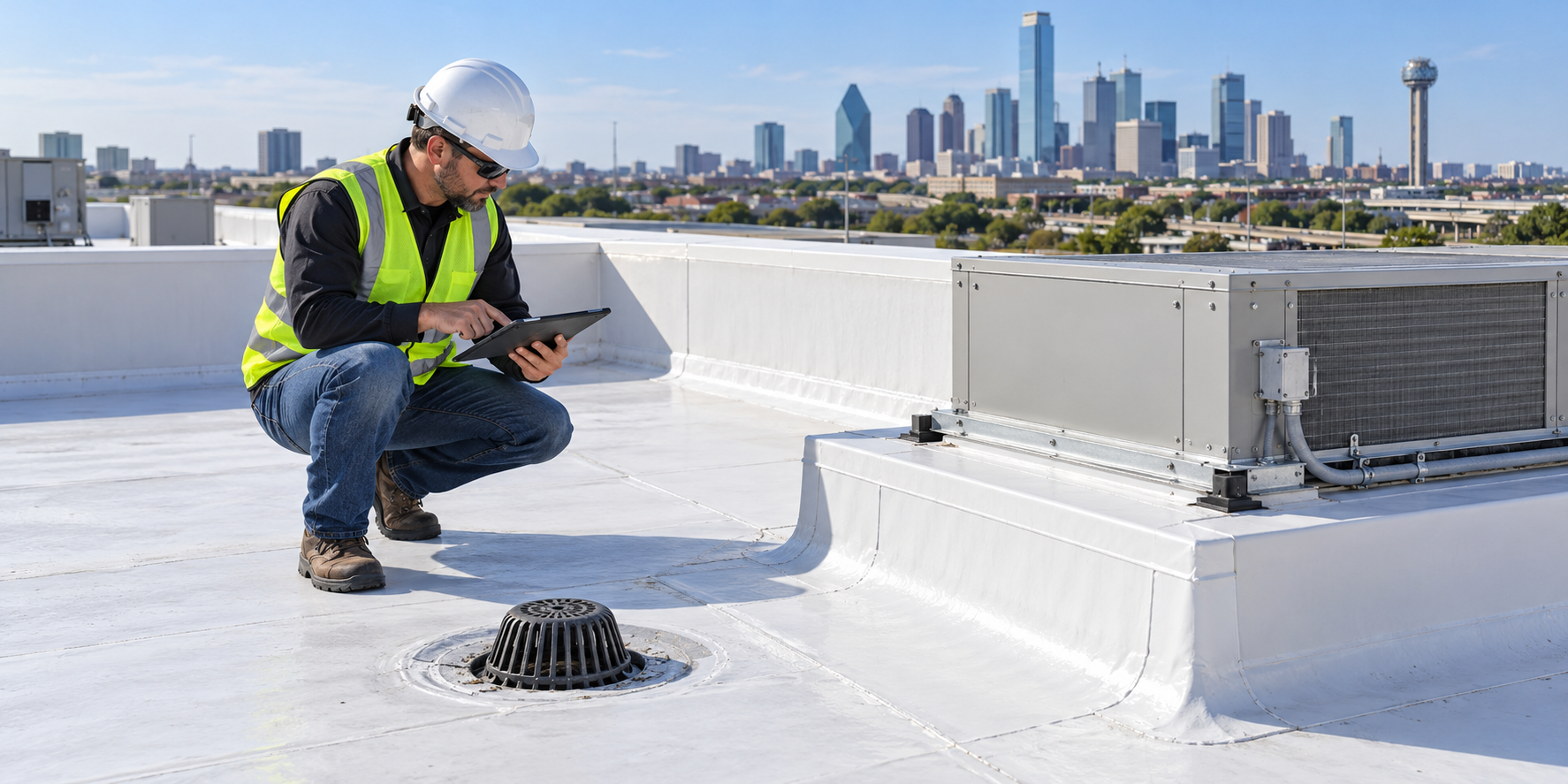
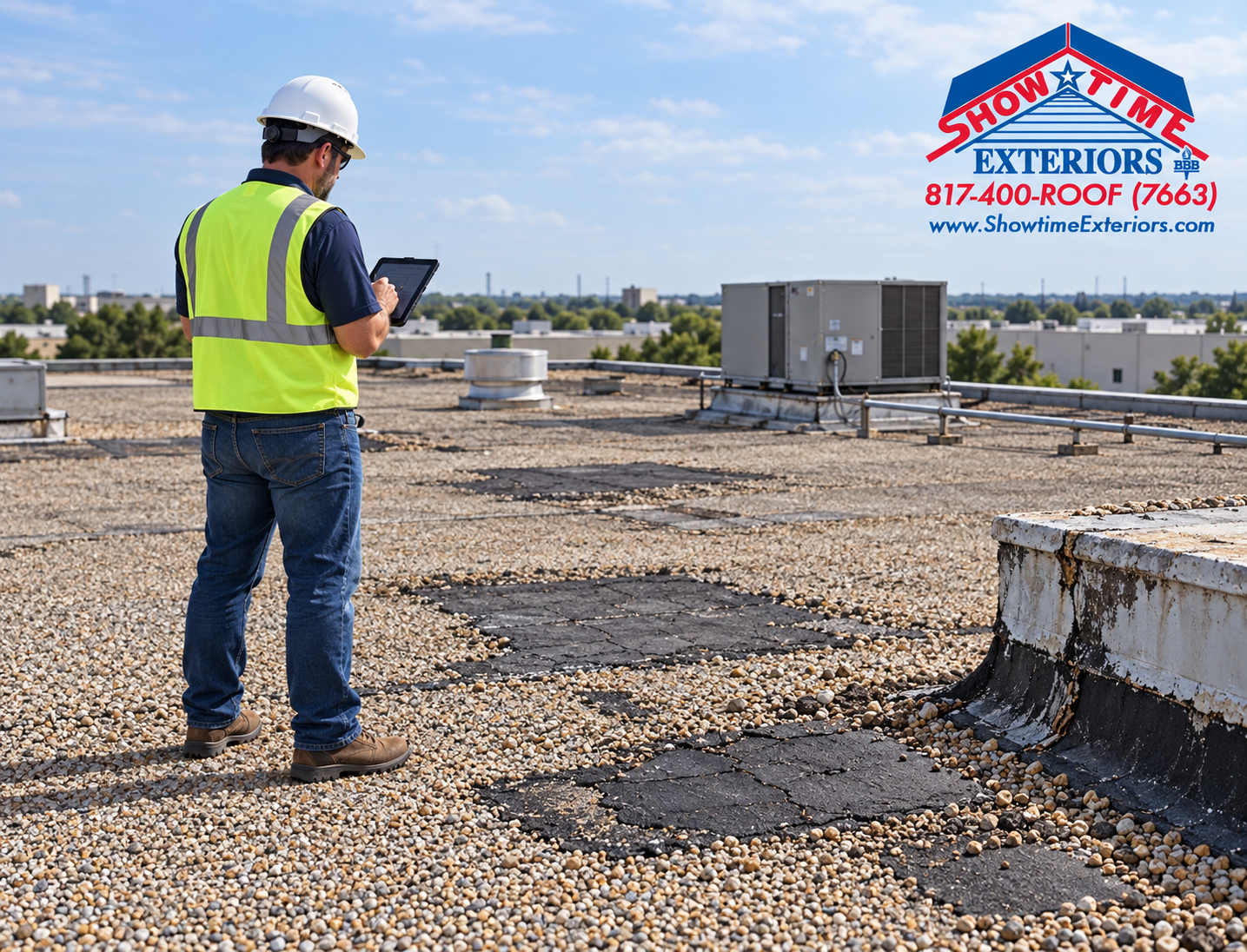
Ask the inspector to describe what was observed rather than simply labeling the roof “wind damaged.”
Relevant findings might involve missing materials, displaced components, open details, or other changes requiring assessment.
The report should explain locations, extent, and the basis for any conclusions.
A photograph of a defect establishes that the condition was present when photographed. Establishing its cause or timing may require additional information.
Ask whether previous repairs, deterioration, installation conditions, or equipment work could also be relevant.
The aim is a reliable diagnosis. A more precise explanation helps the owner understand both the immediate concern and the appropriate construction response.
5. What Does the Actual Policy Say About Wind?
Obtain the issued policy, declarations, applicable forms, and endorsements.
Ask the insurer or licensed agent to identify the provisions relevant to the reported event and property.
Do not assume that the word “storm” creates one coverage category covering every consequence. Wind, hail, water entry, flooding, and other conditions may raise different questions.
For commercial properties, confirm that the explanation addresses the scheduled building and its actual roof assembly.
Ask for important answers in writing, with references to the relevant wording.
A contractor’s statement that a condition should be covered is not a substitute for the insurer’s explanation under the contract.
6. What Deductible Applies?
Ask whether the applicable deductible is a fixed amount, a percentage, or another arrangement.
Confirm whether wind or hail has a separate deductible and what value is used to calculate it.
The Insurance Information Institute’s deductible guide explains that deductibles can be expressed as dollar amounts or percentages and are established by the coverage terms. www.iii.org
Request a Property-Specific Calculation
Ask for the actual dollar amount rather than relying on a percentage alone.
For properties with several buildings, ask how the deductible would apply to the reported event.
Knowing the owner contribution helps with planning, but it should not delay necessary protection or compliance with reporting requirements.
7. Is the Roof Valued at RCV, ACV, or Another Basis?
Ask how the roof is valued and whether any endorsement changes the settlement method.
Replacement cost value, actual cash value, and roof payment schedules can produce different financial outcomes.
Confirm which components the explanation covers. Roofing, insulation, equipment, gutters, and interior finishes may need separate consideration.
Also ask whether the initial payment differs from the amount potentially available after qualifying work.
Avoid assuming that a replacement cost label means every expense is paid in full or immediately.
Request a written example using your policy and the current claim estimate when available. That is more useful than a general description of another owner’s experience.
8. What Deadlines and Duties Apply?
Ask the insurer to identify all relevant requirements in writing.
These may concern reporting, requested information, inspection access, repair or replacement, or submission of documents supporting later payment.
Do not rely on a universal deadline found online. The applicable requirements need review for the actual policy and situation.
Maintain a Simple Calendar
Record each confirmed requirement, its due date, the responsible person, and where submissions should go.
If access, procurement, investigation, or weather could affect timing, raise the issue early.
Request any necessary extension and retain the written response. A contractor’s schedule or an informal conversation does not automatically change another party’s requirements.
9. What Evidence Should Be Preserved?
Ask which photographs, records, samples, and documents the insurer needs.
A practical file includes the event timeline, original images, inspection findings, roof history, emergency records, and estimates.
Photographs should show context as well as close detail. Use consistent roof-area names so findings can be located.
Do not alter conditions merely to strengthen an explanation. Preserve originals when adding captions or annotations.
Showtime Exteriors’ guide to evidence for a commercial roof wind-damage claim offers a roofing documentation checklist.
Ask about material retention before disposal when feasible, while prioritizing safety and necessary mitigation.
10. Will the Inspection Include Interior Conditions?
A roof assessment should have a defined scope.
Ask whether it includes accessible interior observations and comparison with the reported water-entry locations.
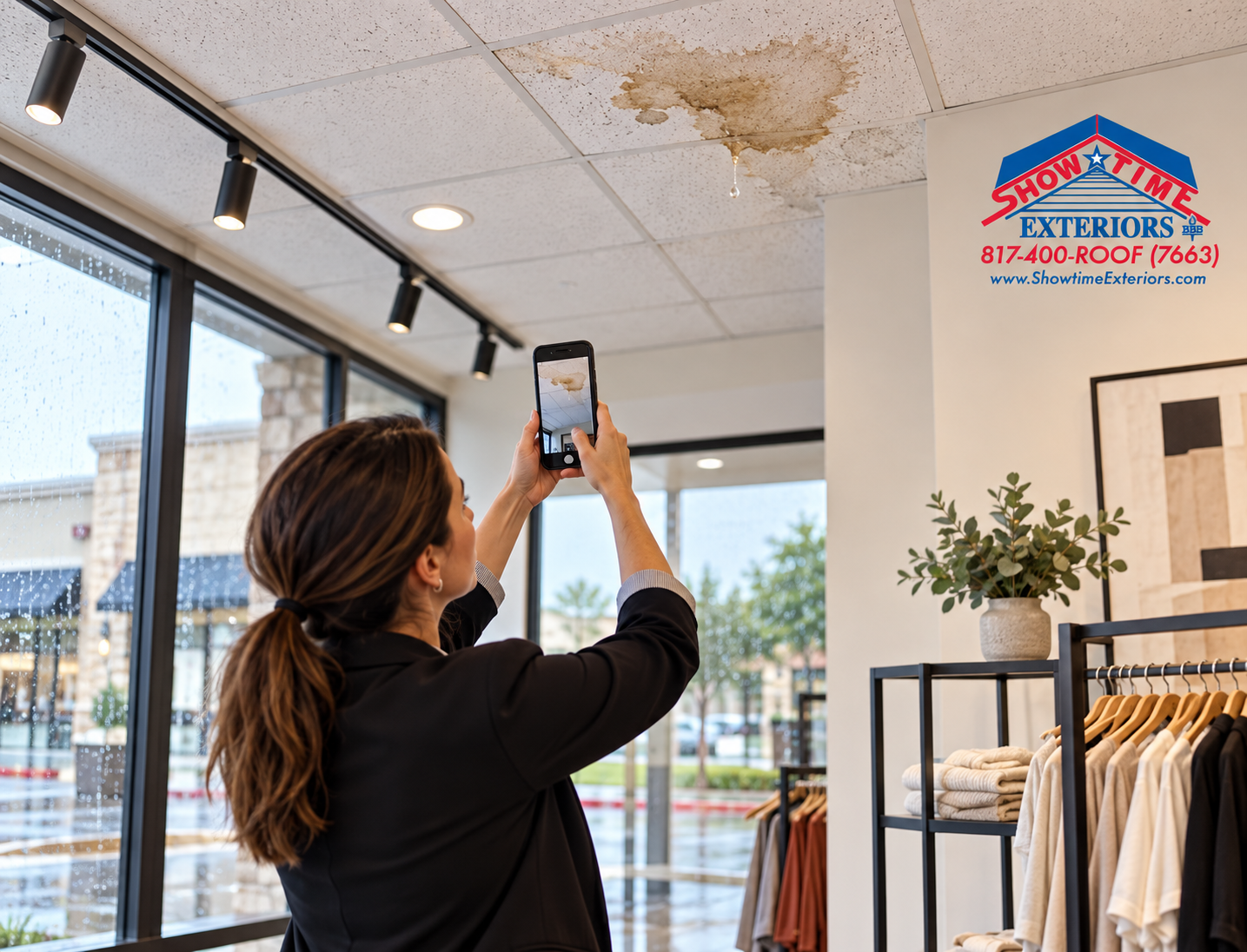
A ceiling stain may be important evidence, but its position does not necessarily identify the opening above. Water can travel before appearing inside.
Record whether the stain is new, changing, or previously documented.
Identify Other Possible Sources
Equipment, plumbing, condensation, walls, or other components may require separate investigation.
Showtime Exteriors’ guide to documenting a storm roof leak provides additional organizing questions.
The report should distinguish what was observed from what remains uncertain.
11. Is Specialized Testing Necessary?
Ask which unresolved question any proposed test is intended to answer.
Testing may be considered when concealed moisture, attachment, or another condition cannot be evaluated adequately through the agreed visual inspection.
Request the method, coverage, limitations, cost, and any required authorization.
An instrument reading is not automatically a complete explanation of the roof’s condition. Ask how findings will be interpreted and verified.
Where exploratory openings are proposed, establish who repairs them and whether warranty coordination is needed.
The report should explain what the investigation establishes, what it does not establish, and how the result affects the recommended work.
12. Who Will Inspect for the Insurer?
Ask whether the insurer will send an adjuster, an inspection vendor, or another representative.
Clarify who gathers evidence, who makes decisions, and who is your point of contact.
Allstate’s wind and hail claim guidance describes one process in which an inspection vendor documents the property and an adjuster reviews the information. Procedures vary by insurer and claim. Allstate
Ask what access is required and whether your contractor may attend to explain roofing observations.
Provide factual records in an organized package. Keep a dated note of the visit, participants, areas reviewed, and any additional information requested.
13. Does the Roof Need Repair or Broader Work?
A wind-related concern does not automatically justify complete replacement.
Ask the contractor to explain the affected area, surrounding condition, proposed repair, and any limitations.
If broader work is recommended, the report should explain why a localized repair would not adequately address the identified construction problem.
Separate event-related observations from unrelated maintenance or capital improvements.
For example, one displaced component and extensive pre-existing deterioration raise different questions even when both require attention.
The owner needs a technically supported construction recommendation. The insurer separately evaluates which proposed costs are payable under the policy.
14. What Should the Roofing Estimate Include?
Request a written scope with measured quantities, materials, preparation, removal, installation details, and exclusions.
Identify access, equipment coordination, temporary protection, drainage-related work, and disposal where relevant.
Ask which conditions are assumed and how concealed findings will be priced.
Compare Specific Items
A higher total does not, by itself, identify what differs between proposals.
Travelers’ property estimate guide explains common fields including quantities, unit costs, replacement cost, depreciation, and net claim amounts. www.travelers.com
Use those categories to ask focused questions. Keep responses and supporting evidence so unresolved differences remain visible.
15. What If Additional Conditions Are Found?
Establish a process before construction begins.
Ask who authorizes additional work, how it will be documented, and how the insurer should be notified when the finding may affect the claim.
Photograph relevant conditions before removal or concealment where practical. Record locations, quantities, proposed correction, and cost.
Distinguish necessary immediate stabilization from work that can reasonably wait for review.
A newly discovered condition is not automatically new damage or covered damage. The record should describe the facts and identify any further evaluation needed.
Written change orders help keep the construction agreement accurate even while the insurance review continues.
16. What Costs Might Remain the Owner’s Responsibility?
Discuss the deductible, optional upgrades, unrelated repairs, and any work not included in the insurer’s written determination.
Ask about expenses requiring separate review rather than assuming everything belongs in one roofing payment.
For a commercial facility, equipment handling, tenant coordination, operational protection, and project phasing may affect the construction budget.
Keep the financial categories clear.
An owner may choose an improvement because it benefits the building even when it is outside the claim. That decision should be documented separately so the contract, invoices, and insurance submissions accurately describe the work and payment arrangement.
17. How Will Recoverable Depreciation Be Requested?
If depreciation is potentially recoverable, ask which work, expenditures, and documents satisfy the conditions for additional payment.
Confirm the applicable timing directly with the insurer.
Travelers’ depreciation guidance describes a process involving repair or replacement and supporting records, with payment dependent on the relevant conditions and actual qualifying expenditures. www.travelers.com
Do not assume the amount is an automatic bonus above the replacement cost estimate.
Keep invoices, payment records, photographs, and completion information consistent with what actually occurred. Request confirmation that the submission was received and ask what remains outstanding.
18. Can the Property Continue Operating During Repairs?
For commercial buildings, discuss operations before finalizing the project schedule.
Ask how work affects deliveries, parking, customer access, tenants, sensitive equipment, and rooftop services.
Identify who communicates restrictions and who can approve changes.
The Insurance Information Institute’s business claim guidance discusses documenting losses and retaining records relevant to a business claim. Any business-income or extra-expense question still requires review under the applicable coverage. Triple-I®
A construction plan should address daily protection and emergency communication regardless of how an expense is ultimately classified.
Do not assume that remaining open is always possible or that closing automatically creates a payable insurance expense.
19. What Happens if There Is a Disagreement?
First identify the issue.
A measurement difference, disputed unit price, unexplained exclusion, and disagreement about cause are separate problems requiring different information.
Request written explanations and compare the relevant records.
Keep Questions With the Right Professional
Ask the contractor about construction quantities, materials, and methods.
Ask the insurer about its coverage position and calculation.
If a policy or legal dispute remains unresolved, obtain appropriately qualified advice before taking consequential steps.
Preserve deadlines while seeking clarification. Keep the discussion factual and identify the particular item requiring review rather than relying only on a broad statement that the claim is wrong.
20. What Documents Will We Receive at Completion?
Ask for the final invoice, completion photographs, approved changes, product information, warranties, and relevant payment records.
The documents should identify which roof areas were repaired or replaced.
If some work remains temporary or incomplete, state that clearly.
Record the completed system and installation date for future maintenance and insurance discussions.
Keep the final roof file accessible to whoever manages the property next.
Showtime Exteriors’ step-by-step wind damage claim guide provides a broader sequence for organizing the roofing response, documentation, and follow-up.
Wind Damage Claim Preparation Checklist
Use this table to identify what is ready and what still needs attention.
TopicQuestion to ResolveUseful RecordSafetyWhich areas need restriction?Professional instructions and site notesTemporary protectionWhat immediate work is necessary?Before-and-after photos and receiptsTimelineWhat happened and when was it discovered?Dated observationsPolicyWhich provisions apply?Issued forms and written explanationDeductibleWhat is the actual owner contribution?Property-specific calculationConditionWhat does the inspection establish?Report and location-based photographsScopeWhat permanent work is proposed?Detailed construction estimateTimingWhich requirements have deadlines?Calendar and correspondenceChangesHow will new findings be handled?Photos, approvals, and change ordersCompletionWhat remains to be submitted?Final records and receipt confirmation
A short, accurate checklist is more useful than an oversized file that no one can navigate.
A Practical Example: Displaced Edge Metal on a Warehouse
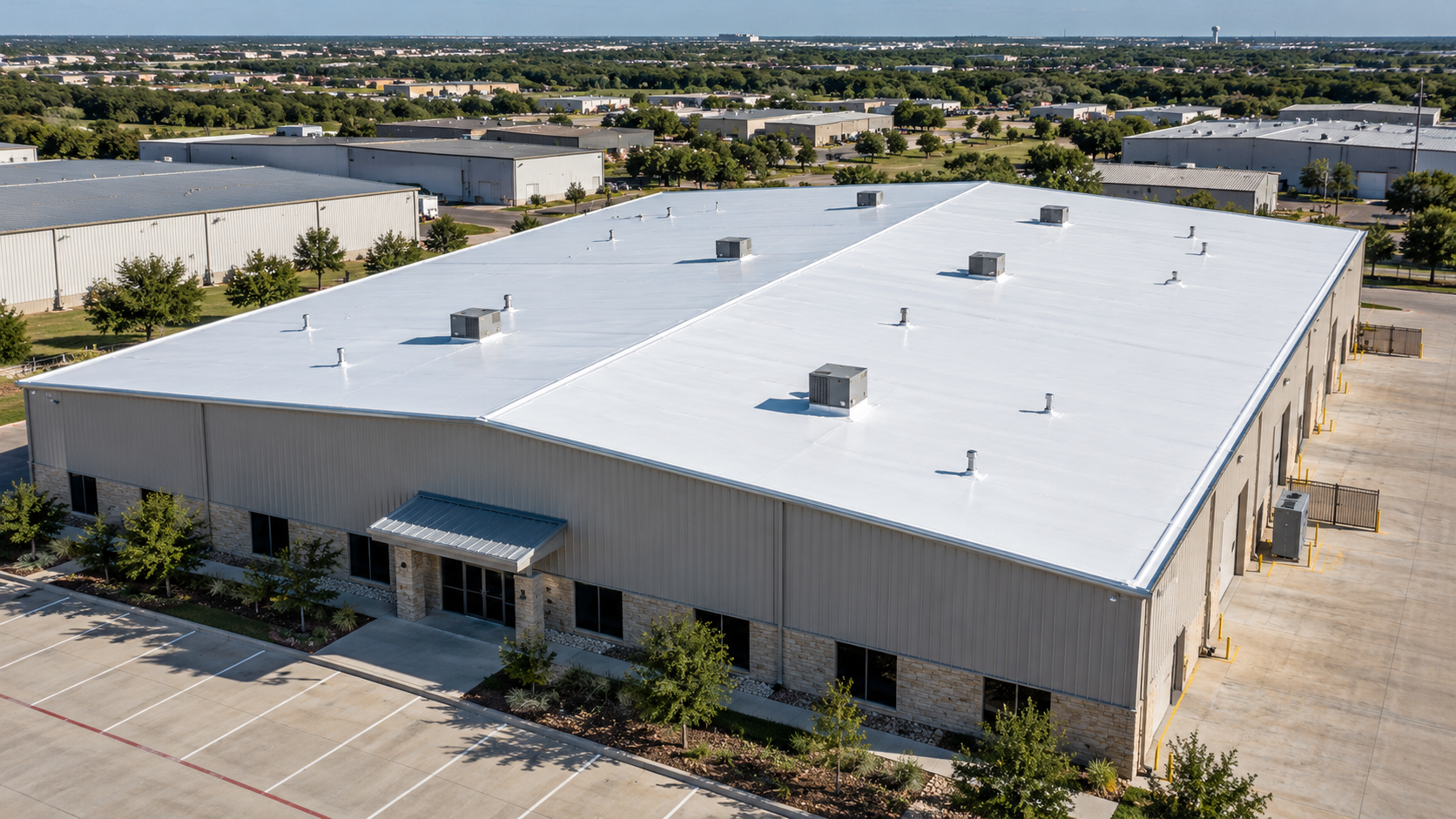
Suppose a facility manager discovers displaced perimeter metal and an interior leak after a reported wind event.
The immediate questions concern safety, loose materials, and temporary protection.
The next questions concern the existing roof, observed attachment condition, leak pathway, previous repairs, and any concealed moisture.
A useful assessment documents those findings without assuming that the entire roof needs replacement.
The owner then compares the construction recommendation with the insurer’s written review, confirms the deductible, and resolves scope differences.
If additional conditions appear during work, the team records them before concealment and follows the agreed review process.
This approach does not guarantee coverage. It creates a clearer basis for protecting the building and making decisions.
Common Mistakes Before Starting a Wind Damage Claim
Assuming Nearby Claims Prove Your Damage
A neighboring roof project does not establish the condition of your building.
Waiting for Perfect Evidence
Ask about requirements promptly while organizing records and arranging safe assessment.
Treating Every Existing Defect as Storm-Related
Document prior repairs and known concerns honestly.
Beginning Unnecessary Permanent Alterations Too Early
Coordinate inspection opportunities when practical, while completing necessary protection.
Signing an Unclear Contract
Understand the scope, payment obligations, change process, and exclusions before committing.
Assuming Insurance Payments Match Contractor Milestones
Plan cash flow using actual available funds and confirmed requirements.
Submitting Inaccurate Completion Records
Invoices, credits, discounts, photographs, and payment records should reflect the real transaction.
Frequently Asked Questions
Should I Contact a Roofer or the Insurer First?
The situation and policy requirements matter. Address emergencies, ask the insurer about reporting duties, and arrange a qualified roofing assessment. Do not miss requirements while waiting for an appointment.
Does Wind Damage Always Cause an Immediate Leak?
A visible leak is not the only reason to investigate reported roof changes. The assessment should evaluate actual conditions and explain any limitations.
Can a Weather Map Prove My Roof Was Damaged?
No. Weather information provides context. Property-specific evidence is still needed.
Is a Full Roof Replacement Guaranteed?
No. Repairability, extent of damage, construction conditions, and policy evaluation affect the outcome.
Can a Roofer Guarantee Claim Approval?
No. A contractor can document roofing conditions and construction needs but cannot guarantee the insurer’s decision.
Should I Keep Removed Materials?
Ask the insurer about preservation or sampling before disposal when feasible. Do not retain hazardous materials in an unsafe way.
Request a Wind Damage Roof Assessment From Showtime Exteriors
Before starting a wind damage claim, establish the facts, protect the property, understand the applicable requirements, and organize the roofing documentation.
A clear assessment should explain what was observed, what remains uncertain, and which construction options deserve consideration.
Showtime Exteriors serves Texas property owners seeking roofing assessment, repair, and project planning. For buildings in Mansfield, Dallas, Fort Worth, Cleburne, Waxahachie, and surrounding communities, begin with the roof’s actual condition.
Call 817-400-ROOF (7663) or contact Showtime Exteriors to request a roof assessment.