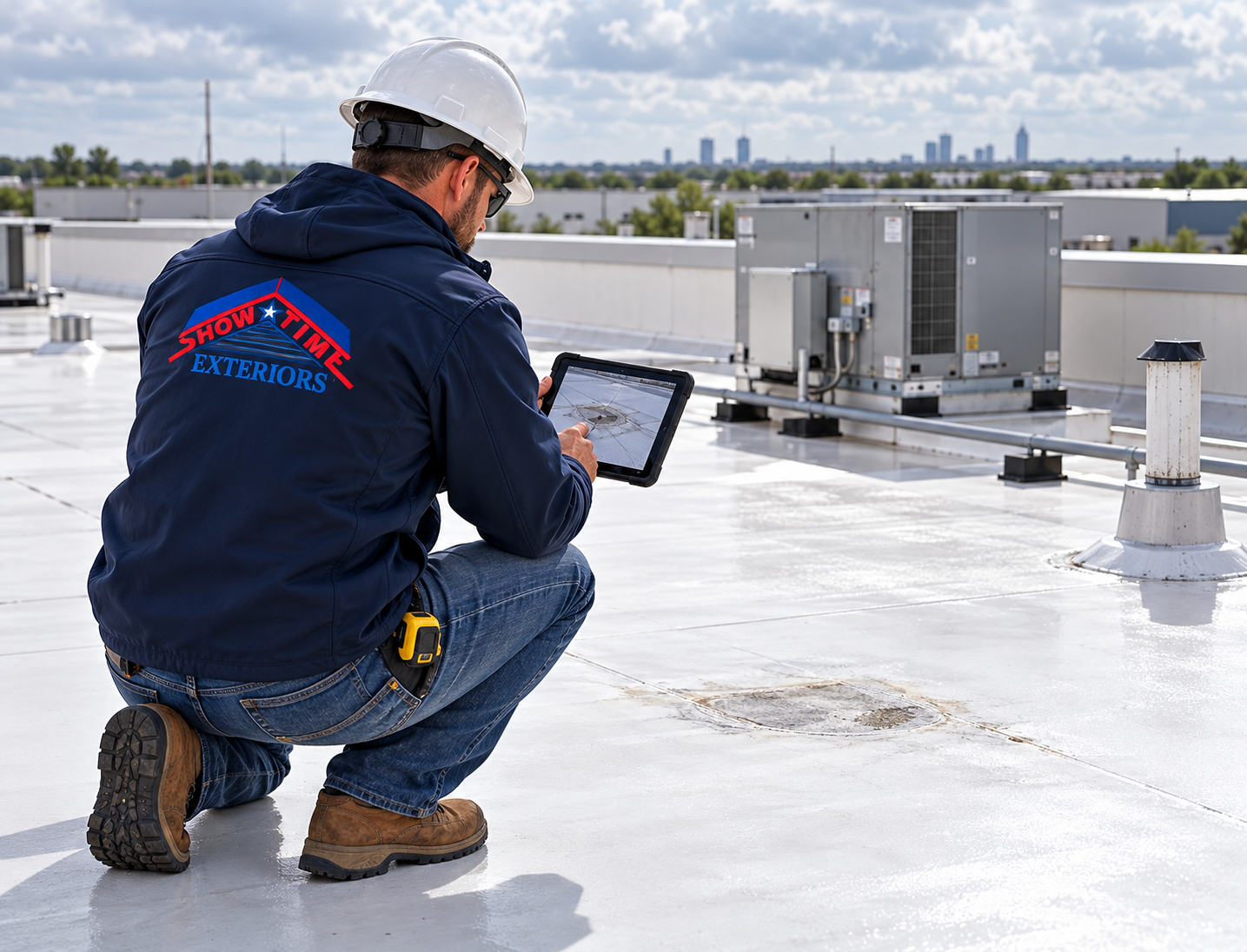




Is Modified Bitumen Roofing Right for North Texas Heat, Hail, and Wind?
A balanced guide to system selection, storm exposure, installation, maintenance, insurance documentation, and long-term value
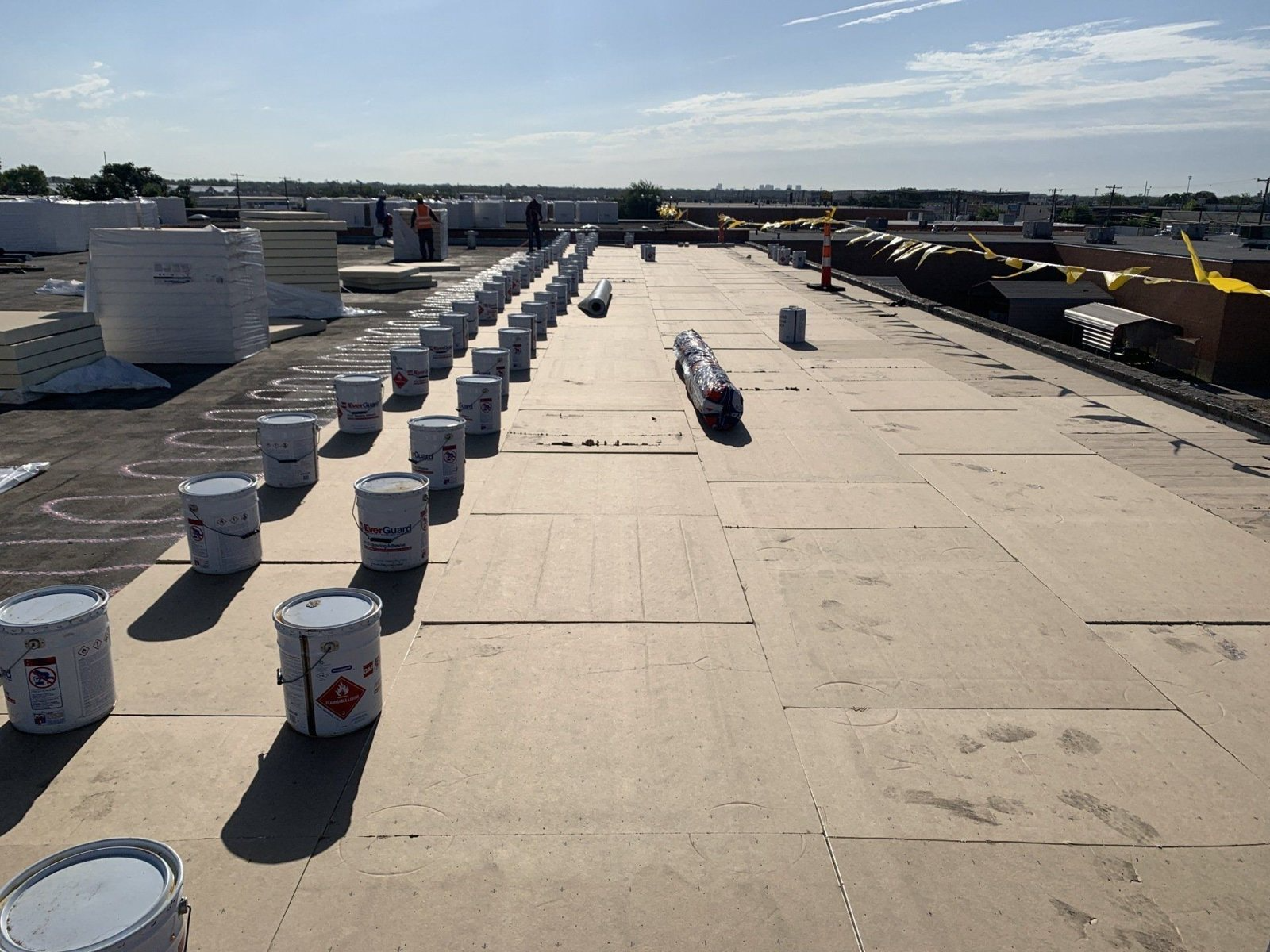
Quick answer: Modified bitumen can be a practical option for some North Texas commercial buildings because it can provide a reinforced, multi-ply roof assembly with several surfacing and installation choices. It is not automatically right for every property. Performance depends on the specific SBS or APP membrane, number of plies, reinforcement, surfacing, substrate, insulation, attachment, perimeter design, drainage, details, workmanship, and maintenance. Heat, hail, and wind must be addressed through the complete roof system—not by relying on the product name alone.
For owners, the most useful outcome is not a simple yes or no. It is a documented explanation of how the proposed assembly responds to the building’s actual exposures and why it is preferable to other feasible options. That explanation should identify retained and removed materials, moisture assumptions, wind attachment, hail and traffic protection, surfacing, drainage, installation controls, warranty requirements, and ongoing maintenance. If those details are missing, the system has not yet been specified well enough for a responsible investment decision.
What is modified bitumen roofing?
Modified bitumen is an asphalt-based low-slope roofing material enhanced with polymers and reinforced with carriers such as polyester, fiberglass, or composite reinforcement. It is commonly installed in sheets and may be used as part of a two-ply or multi-ply assembly. Depending on the system, cap sheets may have mineral granules, a smooth surface intended for coating, or another manufacturer-approved finish. Base sheets, interplies, insulation, cover board, attachment, flashings, and edge details complete the roof assembly.
The two broad modifier families are SBS and APP. SBS, or styrene-butadiene-styrene, is often described as giving asphalt rubber-like flexibility. APP, or atactic polypropylene, is associated with plastic-like characteristics and heat-welded applications. Those descriptions are only starting points. Individual products vary in thickness, reinforcement, surfacing, installation method, approvals, and intended use. A building owner should compare actual manufacturer systems rather than assume all modified bitumen performs the same way.
Modified bitumen is distinct from a traditional gravel-surfaced built-up roof. Both use asphaltic materials and may contain multiple layers, but modified bitumen uses factory-manufactured reinforced sheets with defined formulations and surfacing. This article does not reverse Showtime Exteriors’ campaign against aging gravel-covered BUR systems. The concern remains that gravel can conceal membrane condition, moisture, and prior repairs and can complicate inspection and insurance documentation.
Why North Texas demands a complete roof-system decision
North Texas commercial roofs can experience intense solar exposure, high surface temperatures, rapid weather changes, hail, straight-line winds, thunderstorms, heavy rain, and debris. The roof also faces nonweather stresses: HVAC service, foot traffic, grease or chemicals, equipment changes, blocked drains, and repeated penetrations. No membrane can be judged responsibly without considering those exposures and the building below.
A roof over an air-conditioned office, busy restaurant, warehouse, medical property, school, data-sensitive operation, or unconditioned storage building may need different insulation, surfacing, puncture resistance, installation controls, and maintenance. Ownership horizon matters as well. A long-term owner may prioritize redundancy, serviceability, and a stronger warranty, while a short-term capital plan may emphasize targeted correction. The right system follows the property, not a generic ranking.
The first step should be a commercial roof assessment. Document the existing system, number of layers, moisture, deck, drainage, roof geometry, perimeter, penetrations, interior operations, known leaks, repair history, warranty, and insurance deadlines. Then compare technically feasible repair, restoration, recover, overlay, and replacement options.
How modified bitumen performs in North Texas heat
Modified bitumen can function in hot climates, but heat performance depends heavily on formulation, surfacing, insulation, attachment, details, and installation. Dark roof surfaces absorb more solar energy and can reach high temperatures. Mineral granules, factory surfacing, reflective coatings, or other approved finishes may be used to protect the membrane and influence surface temperature. The chosen finish should be compatible with the membrane and maintained over time.
Heat can accelerate aging of exposed asphaltic materials, soften some surfaces, stress laps and flashings, and amplify movement at transitions. Rooftop equipment can discharge hot air or contaminants onto a roof. Ponding water and wet insulation can create additional thermal and moisture stresses. Designers and contractors should consider temperature range, roof color, thermal movement, equipment placement, and manufacturer requirements.
Insulation is part of the heat strategy. Roof reflectance can influence solar heat gain, while insulation reduces heat flow through the assembly. Actual energy savings depend on building use, HVAC performance, insulation, roof area, climate, energy rates, surface aging, and operating schedule. Avoid promising a fixed utility reduction from one membrane choice. If energy performance is important, evaluate the full building and roof assembly.
SBS versus APP in hot conditions
SBS and APP are both used successfully in modified bitumen systems, but they are not interchangeable labels. SBS products may be installed with hot asphalt, cold adhesive, mechanical attachment, self-adhered technology, or heat-welded seams depending on the product. APP membranes are frequently associated with heat-welded or torch-applied installation, although product-specific options vary. The manufacturer’s listing, instructions, substrate, code, safety constraints, and project environment govern the method.
A property owner should ask which product is proposed, why it fits the climate and building, how it will be attached, how seams and flashings will be completed, what surfacing protects the cap sheet, and what warranty is available. “SBS” or “APP” alone is not a specification. Reinforcement type, sheet thickness, ply configuration, cap-sheet finish, base sheet, insulation, cover board, and edge securement all influence performance.
Installation temperature and weather conditions matter. Cold adhesives and self-adhered products have application windows and storage requirements. Heat-welded systems require trained personnel, safe procedures, suitable substrates, and attention to fire prevention. A method that is technically sound may still be inappropriate for an occupied facility if odors, flames, smoke, equipment staging, or business disruption cannot be controlled.
Is modified bitumen hail resistant?
Modified bitumen’s reinforcement and multi-ply possibilities can make it attractive where impact and rooftop traffic are concerns. That does not make any assembly hail-proof. Hail effects depend on stone size, wind, impact angle, membrane age, temperature, reinforcement, number of plies, surfacing, substrate firmness, cover board, insulation, attachment, and prior condition. The same storm can produce different outcomes across one roof.
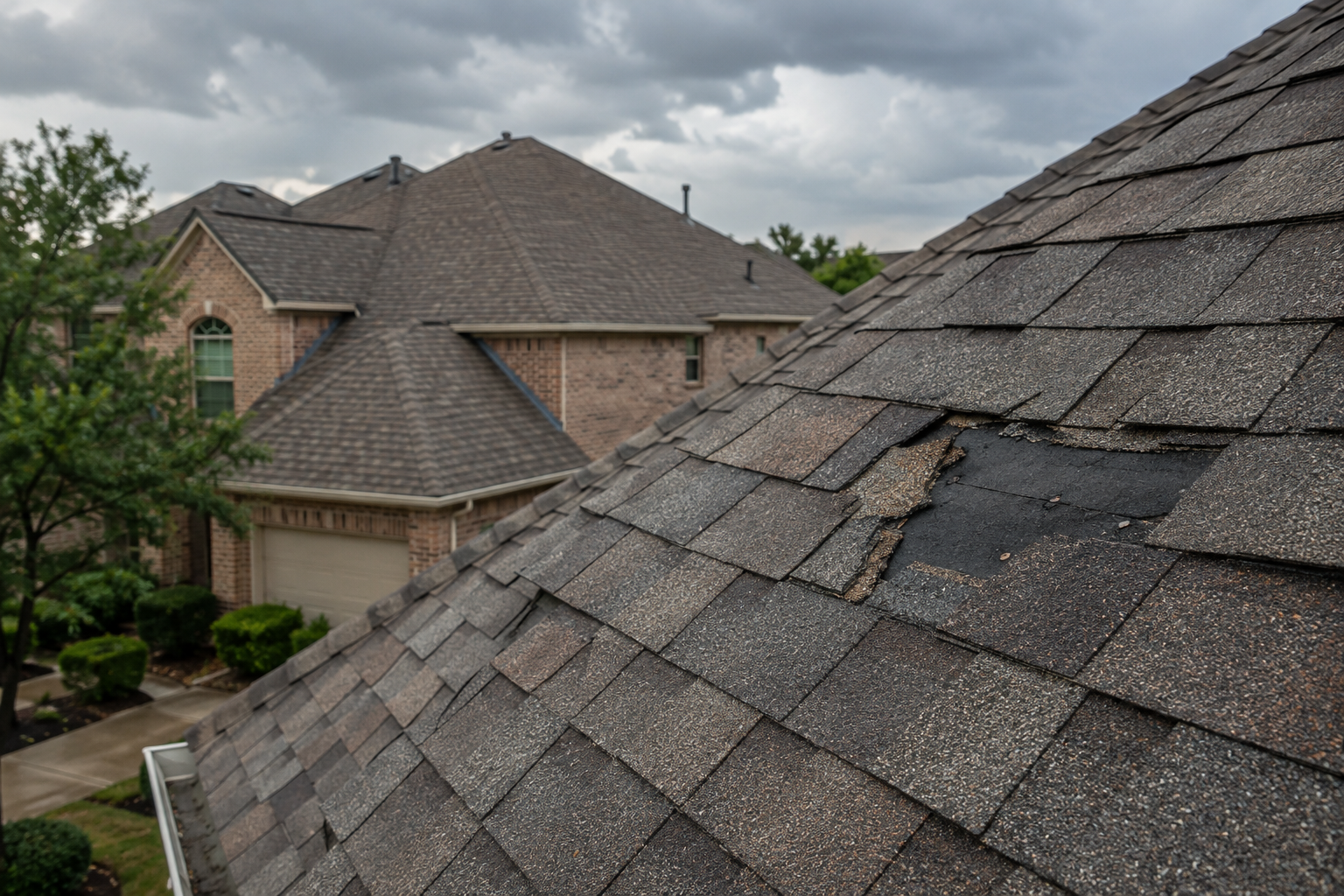
Potential hail damage includes displaced granules, surface bruising, fractures, splits, open laps, damaged flashing, punctures, and compression or fracture of cover board and insulation beneath the membrane. Granulated surfacing can make subtle impact areas harder to identify. Visible marks on metal equipment, coping, vents, or vehicles may help define the storm footprint but do not prove identical membrane damage.
After a significant hail event, inspect the whole system when safe: field membrane, seams, flashings, penetrations, perimeters, drains, expansion joints, rooftop units, walkway areas, and previous repairs. Additional testing may be appropriate where surface appearance does not answer whether reinforcement or substrate was affected. A contractor documents conditions; insurers and their representatives decide coverage.
Cover boards, reinforcement, and impact exposure
The material directly beneath a membrane influences how impact loads are distributed. A robust cover board may improve support, traffic resistance, and protection of insulation, while a softer substrate can allow greater deformation. The correct cover board type and thickness depend on system approvals, fire and wind requirements, attachment, moisture strategy, and manufacturer specifications. Adding a cover board is not a substitute for repairing a weak deck or wet insulation.
Reinforcement also matters. Polyester, fiberglass, and composite carriers have different characteristics. Multi-ply assemblies provide redundancy, but only when layers are properly bonded, laps are constructed correctly, and details tie into the field membrane. Ask the contractor to identify every ply and reinforcement rather than describe the roof only by the visible cap sheet.
High-traffic zones should receive intentional protection. Designated walkways, equipment service paths, and protection beneath recurring work reduce punctures and abrasion. Other trades should coordinate before cutting or fastening anything through the roof. Many roof failures attributed to weather begin with uncontrolled rooftop activity.
How modified bitumen responds to wind
Wind performance is an assembly issue. The membrane, insulation, cover board, fasteners or adhesive, deck, perimeter, coping, edge metal, curbs, penetrations, and transitions must work together. Corners and perimeters generally experience higher uplift pressures than interior roof zones. Building height, exposure, openings, parapets, roof geometry, location, and code requirements influence design pressures and attachment.
Modified bitumen can be fully adhered, mechanically attached at selected layers, hot-applied, cold-adhered, self-adhered, or heat-welded depending on the system. Each method needs a suitable substrate and tested or approved configuration. A strong field membrane cannot compensate for weak perimeter securement, loose edge metal, deteriorated deck, poorly attached insulation, or failed wall flashing.
After severe wind, look for displaced edge metal, loose coping, open laps, lifted membrane, wrinkles, blisters, flashing movement, punctures from debris, damaged equipment, and changes at expansion joints. Interior leaks may appear later or away from the entry point. Early documentation supports a more accurate repair scope and helps prevent a limited defect from growing during the next storm.
Wind-uplift design and attachment questions
Owners should ask what wind criteria govern the project, whether the assembly has applicable approvals, and how fastening or adhesion changes among field, perimeter, and corner zones. Existing deck type and pullout resistance may need verification. Recover or overlay work requires confirmation that retained layers and attachment can support the new assembly. Added dead load and existing moisture must also be considered.
Perimeter work should be clearly described. Edge metal, cleats, terminations, coping, fascia, parapet flashings, gutters, and downspouts are not decorative afterthoughts. Their dimensions, metal thickness, splice design, fasteners, spacing, substrate, and transitions affect resistance to wind and water. Proposals should identify whether existing components remain or are replaced.
Roof penetrations create localized stress. HVAC curbs, vents, pipes, ducts, conduits, skylights, hatches, and equipment supports require compatible flashing and securement. Abandoned penetrations should be removed and closed correctly. Equipment screens and signs can transfer wind loads into the roof or structure and should be coordinated with appropriate professionals.
Heavy rain, drainage, and ponding
North Texas thunderstorms can deliver intense rainfall in a short period. Drains, scuppers, gutters, downspouts, overflows, crickets, and slope must move that water safely. Modified bitumen is used on low-slope roofs, but prolonged ponding is still a condition to investigate. Standing water can concentrate dirt, mask small defects, increase load, stress laps and flashings, and complicate inspection.
A roof assessment should distinguish blocked drainage from structural deflection, settled insulation, inadequate taper, undersized components, or poor equipment placement. Cleaning may solve one problem; other conditions require tapered insulation, new crickets, drain or scupper changes, gutter replacement, structural work, or redesigned overflow. Repeating the old drainage configuration can repeat the old leaks.
Interior operations matter. A small leak above inventory, electrical systems, food preparation, medical spaces, or occupied offices may carry large consequences. Owners should map critical areas and include temporary protection, daily dry-in, weather monitoring, and emergency communication in the construction plan.
Installation methods and occupied-building safety
Modified bitumen offers several installation paths, which is useful but also requires careful selection. Torch-applied work can create fire risk and may be restricted by substrate, code, insurer, owner policy, or occupancy. Hot asphalt can involve heat, odors, equipment, and staging. Cold adhesives can produce odors and have temperature or curing requirements. Self-adhered products reduce some installation exposures but still require proper temperature, pressure, substrate preparation, and detailing.
For restaurants, healthcare, schools, offices, manufacturing, storage, and other occupied properties, the contractor should coordinate work hours, air intakes, odors, noise, flame restrictions, pedestrian routes, loading docks, emergency exits, and sensitive processes. An installation method should be chosen for both roof performance and safe execution around the building’s actual use.
Ask for fire-safety procedures, trained personnel, permits, hot-work controls, extinguishing equipment, monitoring, material storage, weather limitations, and end-of-day inspection where heat is used. Avoid assuming that a traditional installation method is automatically suitable for every site. The safest compatible method may justify a different product or schedule.
Common modified bitumen problems to monitor
Splits can develop from movement, stress concentration, substrate conditions, aging, or inadequate detailing. Blisters may be associated with trapped air or moisture and loss of adhesion between layers. Open laps can result from contamination, poor heating or adhesive application, movement, or weathering. Granule loss may occur from traffic, drainage concentration, aging, hail, or installation. Each condition requires diagnosis before repair.
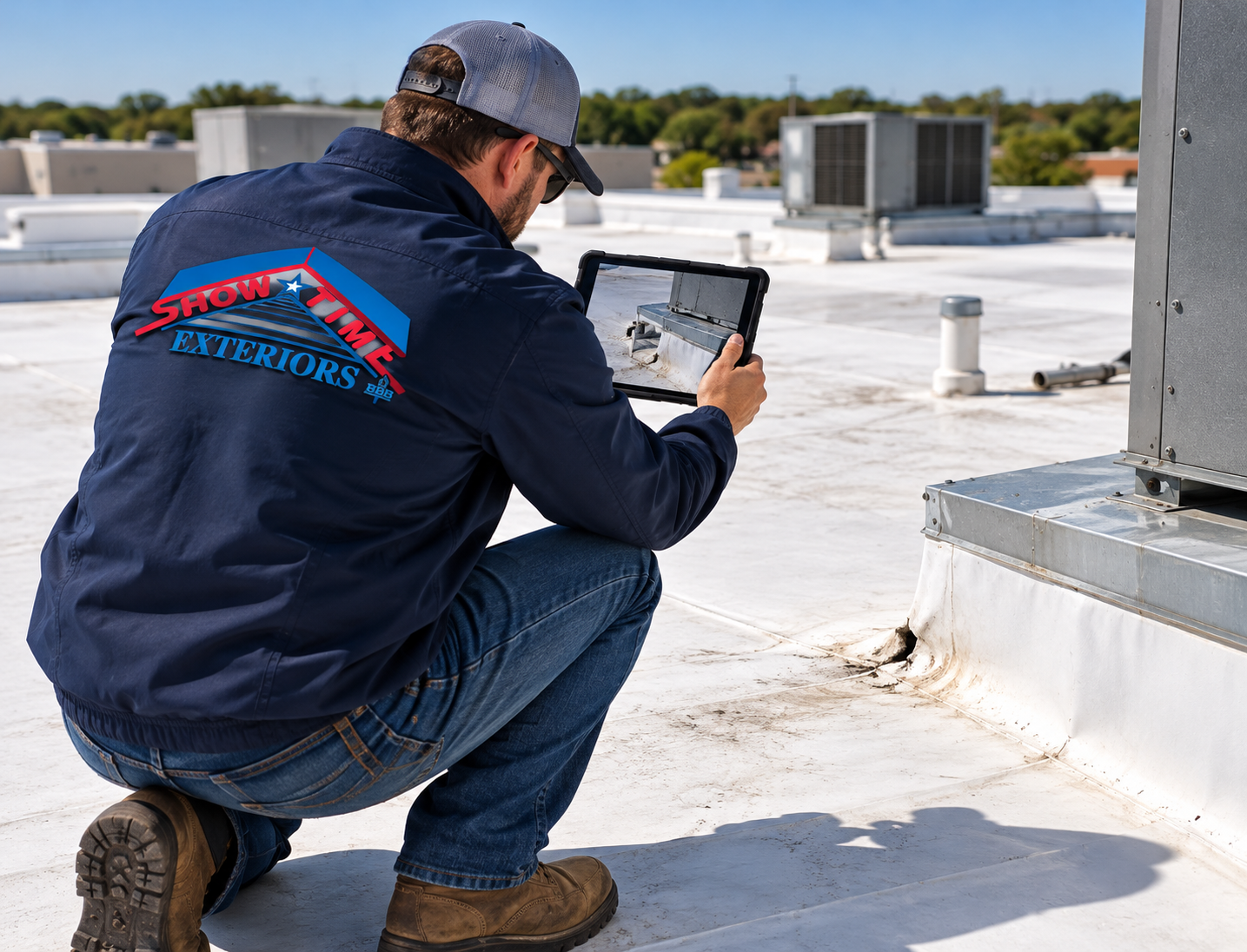
Flashings and penetrations often fail before the open field. Watch walls, curbs, corners, drains, scuppers, pipes, expansion joints, terminations, and transitions to other roof systems. Small surface cracks or exposed asphalt may justify maintenance, while widespread cracking, brittle material, repeated splits, extensive moisture, or broad adhesion loss may support restoration or replacement.
Previous repairs should be evaluated for compatibility and performance. Uncontrolled mastics, coatings, tapes, and patches can obscure the original defect or complicate future adhesion. A roof with many undocumented repairs may require test cuts and more conservative planning. Temporary work should be labeled and scheduled for permanent correction.
Repair, restoration, recover, or replacement?
Repair is appropriate when damage is localized and the surrounding roof remains serviceable. Examples include a small open lap, isolated split, puncture, flashing defect, drain detail, or storm-damaged area. Wet insulation and damaged substrate should be removed where necessary. A repair should address the cause and extend beyond unsound material rather than simply cover the visible symptom.
Restoration may make sense when the system is broadly stable but needs coordinated repairs, renewed flashings, seam work, surfacing, coating, drainage correction, and removal of limited wet areas. The retained roof must be suitable, and proposed coatings or materials must be compatible. Surface preparation, reinforcement, application rate, dry-film thickness, and warranty requirements should be explicit.
Recover or overlay may reduce demolition when code, layer count, moisture, deck, structure, attachment, fire classification, wind design, and manufacturer requirements permit. Replacement is generally stronger when moisture is widespread, the deck is deteriorated, failures are systemic, drainage requires major correction, multiple layers are unsuitable to retain, or recurring repairs no longer offer dependable value.
Modified bitumen versus TPO, PVC, EPDM, metal, and coatings
No system wins every comparison. Modified bitumen can offer reinforcement, multiple plies, familiar repair methods, and several surfacing and installation choices. TPO and PVC provide heat-welded single-ply assemblies with different chemical and performance characteristics. EPDM offers flexible rubber membrane systems. Metal can provide long-panel or standing-seam solutions for appropriate slopes and buildings. Coatings may restore certain serviceable roofs.
The decision should consider chemicals, grease, rooftop traffic, impact exposure, fire and wind requirements, drainage, existing substrate, insulation, reflectivity, penetrations, maintenance capability, installation around occupants, warranty, contractor expertise, and long-term ownership. A restaurant exhaust environment may influence membrane selection differently from a warehouse or office. A metal building may support different retrofit paths than a concrete-deck property.
If an aging gravel BUR is being replaced, do not assume modified bitumen is automatically the answer because both are asphaltic. Evaluate TPO, PVC, EPDM, modified bitumen, metal retrofit, coating, and other feasible systems based on the building. David’s campaign message remains intact: move owners away from hidden, difficult-to-document gravel conditions toward a roof that can be evaluated and maintained more clearly.
Insurance and insurability considerations
A new or restored modified bitumen roof may help an owner provide current documentation to a broker, insurer, lender, buyer, or facility team, but a roofing contractor cannot guarantee policy renewal, premiums, or coverage. Underwriting varies by carrier, property, location, roof age, system, attachment, condition, maintenance records, claims history, and market conditions. Ask for the carrier’s requirements in writing.
When insurance timing drives the project, work backward from the deadline. Allow time for inspection, moisture testing, design, proposal comparison, manufacturer or engineering review, permits, procurement, construction, final inspection, photographs, warranty issuance, invoices, and broker submission. Waiting until the last weeks may leave insufficient time to complete permanent work.
Keep installation records, product data, assembly information, roof plan, photographs, warranties, inspections, repairs, maintenance, storm reports, moisture scans, test cuts, and closeout documents. Organized evidence cannot force an insurance decision, but it helps replace uncertainty with observable facts and a documented plan.
How much does modified bitumen roofing cost?
Pricing depends on roof area, number of plies, membrane type and thickness, reinforcement, cap-sheet surfacing, insulation, cover board, attachment, tear-off, disposal, wet-area removal, deck repair, drainage, perimeters, penetrations, access, schedule, installation method, occupied-building controls, permits, engineering, warranty, and market conditions. A generic cost per square foot cannot substitute for a project-specific scope.
Repair has the lowest immediate cost when defects are truly isolated. Restoration or coating can fall below replacement when the roof is dry and stable enough to retain. Recover may reduce demolition but can require testing, engineering, additional insulation, and enhanced attachment. Replacement has the highest opening cost but may deliver better life-cycle value when concealed moisture, failed deck, multiple layers, or widespread defects make retention unreliable.
Compare proposals line by line. One contractor may include full tear-off, tapered insulation, cover board, new edge metal, equipment coordination, manufacturer warranty, and deck allowances while another excludes them. The totals do not represent the same project. Require quantities, unit prices, assumptions, exclusions, change-order procedures, and closeout deliverables.
How to inspect modified bitumen after a storm
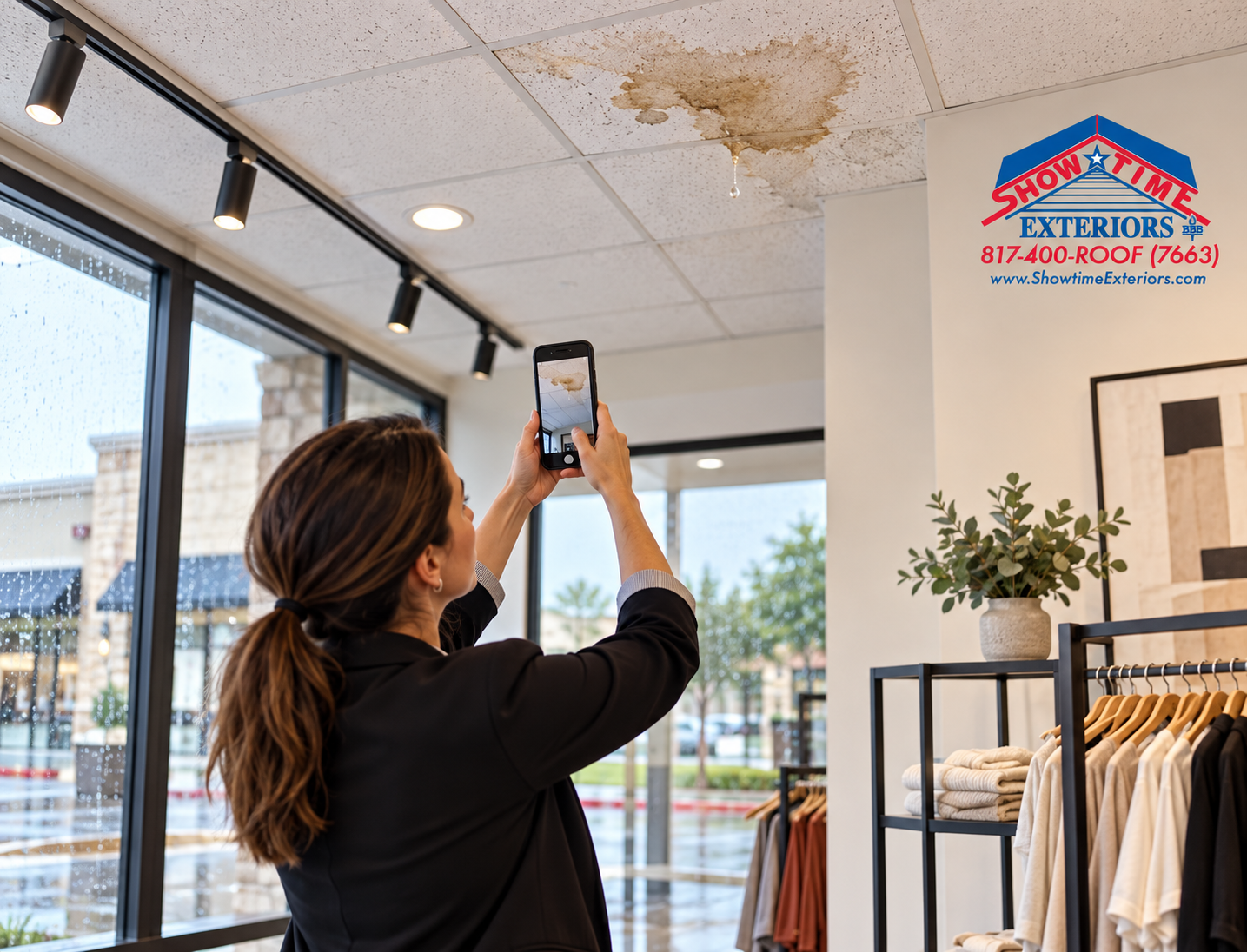
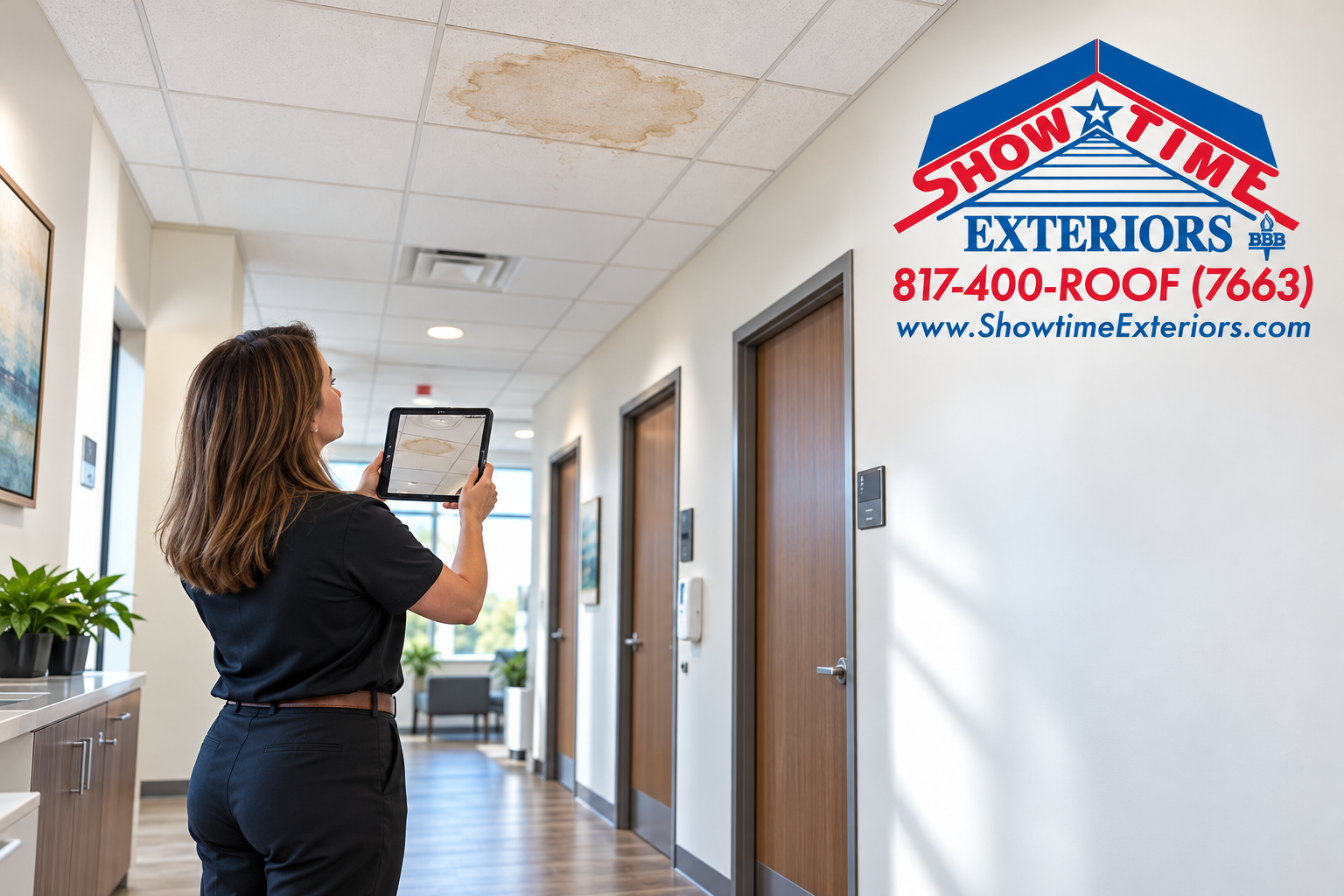
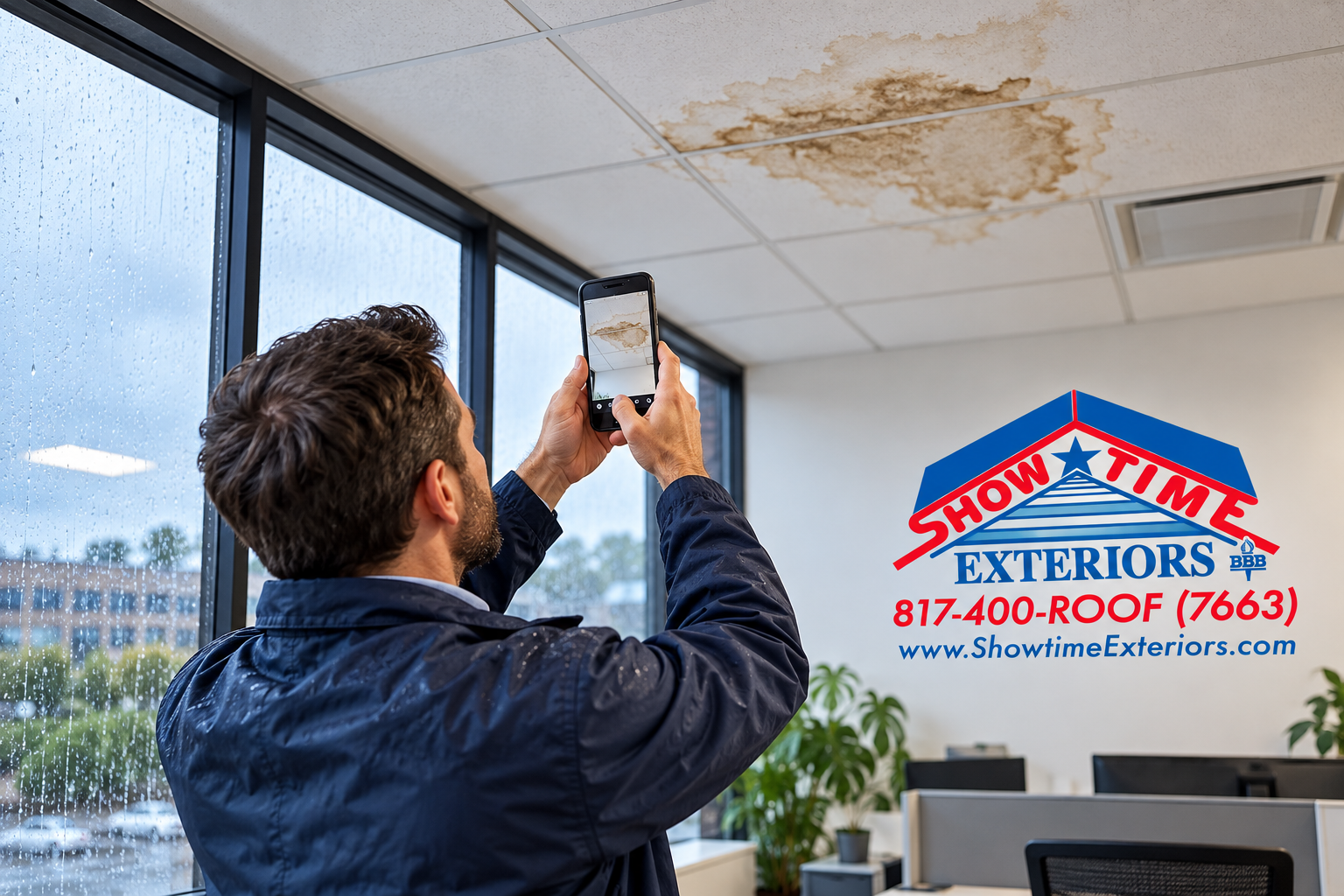
Begin from the ground and interior when weather conditions are unsafe. Record active leaks, ceiling stains, displaced metal, debris, damaged equipment, and areas affected below. Do not climb onto a wet, damaged, or wind-exposed roof without appropriate training and protection. Emergency work should stabilize the building while preserving evidence when possible.
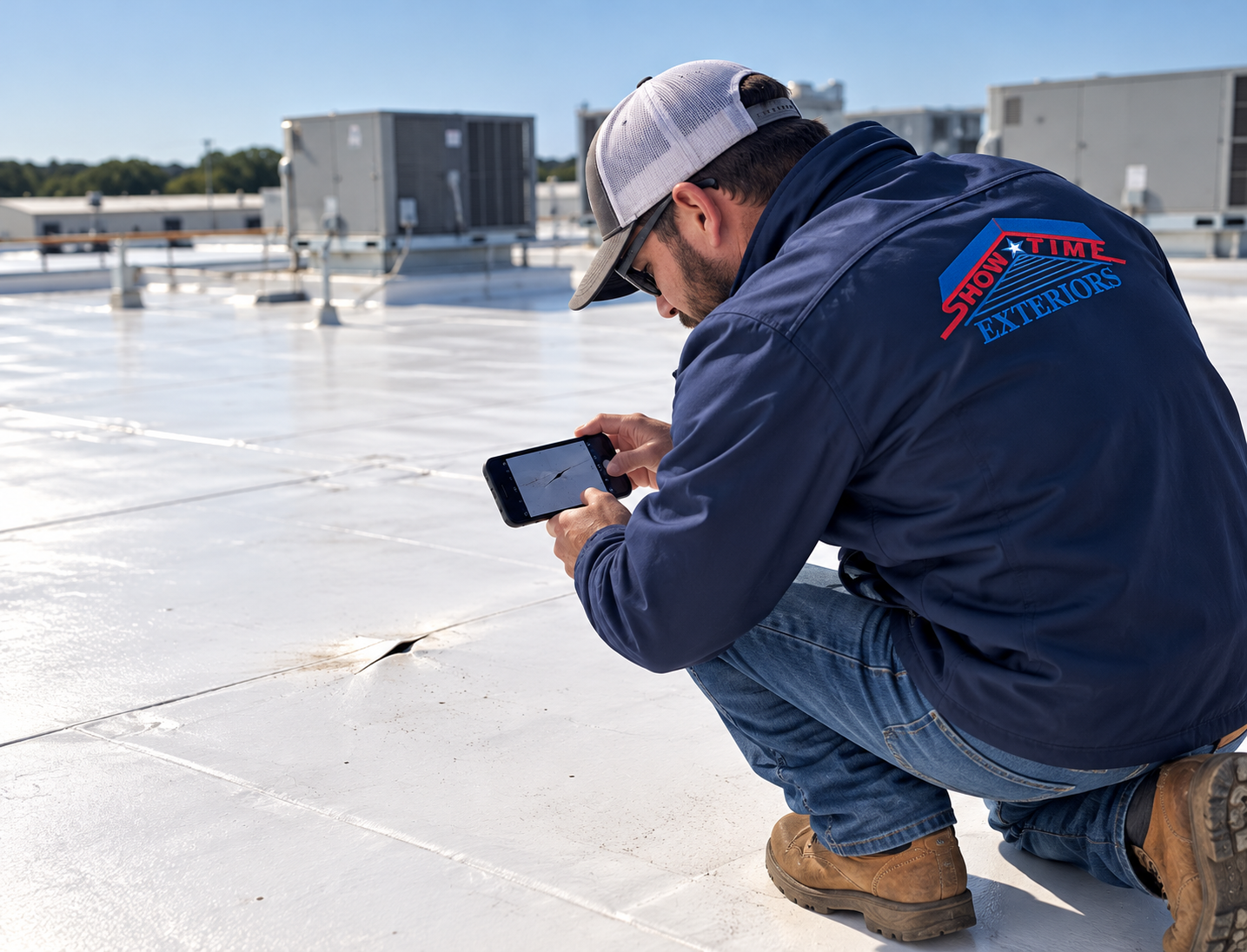
A professional roof inspection may evaluate cap-sheet surfacing, granules, splits, blisters, punctures, laps, seams, flashings, drains, scuppers, perimeters, edge metal, coping, curbs, penetrations, expansion joints, walkway areas, insulation, cover board, and deck where accessible or where testing is appropriate. The inspection should look beyond the most obvious mark or the location of an interior drip.
Photographs should include context and close-ups. Mark locations on a roof plan. Record test methods, limitations, temporary repairs, removed materials, and recommendations. If insurance coverage is involved, coordinate communication with the owner’s broker or insurer and avoid promising that a condition will be covered.
Maintenance in the North Texas climate
Inspect at appropriate intervals and after major hail, wind, debris, or equipment work. Keep drains, scuppers, gutters, downspouts, and overflows clear. Remove loose screws, sheet metal, wire, branches, and trash. Control rooftop traffic and provide walkways where service is frequent. Require other trades to coordinate penetrations and protect the roof.
Monitor granule loss, exposed asphalt, cracks, splits, blisters, open laps, loose edges, deteriorated flashing, ponding indicators, sealants, coatings, and previous repairs. Clean and repair using compatible materials and manufacturer guidance. A small defect found early may remain a repair; the same defect left through repeated storms can wet a much larger area.
Maintain a permanent roof file. NRCA identifies maintenance as a major factor in roof-system service life after proper installation. Records should include inspections, photographs, repair invoices, warranties, product data, roof plans, equipment changes, storm dates, and contact information. Documentation helps with budgeting, warranty service, transactions, and insurance conversations.
Frequently asked questions
Is modified bitumen too hot for Texas? Not automatically. Modified bitumen systems can be designed for hot climates, but surfacing, formulation, insulation, attachment, ventilation or air movement, equipment discharge, drainage, and maintenance matter. Reflective or coated options may be available. The complete assembly should be reviewed rather than judging only the asphalt content.
Is modified bitumen hail-proof? No. Reinforcement, multiple plies, cover board, and surfacing may provide useful impact resistance, but hail can still bruise, fracture, split, puncture, displace granules, open laps, or damage underlying materials. Storm severity, age, temperature, substrate, and condition affect results.
Can modified bitumen withstand strong wind? A properly designed and installed assembly can meet specified wind requirements, but performance depends on deck, attachment, zone fastening, adhesion, perimeters, edge metal, flashings, penetrations, and approved configuration. The membrane name alone does not establish wind resistance.
Can it be installed without a torch? Yes, depending on the product and system. Options may include self-adhered membranes, cold adhesives, hot asphalt, mechanical attachment, or hot-air seam work. Each method has product-specific requirements. The contractor should select an approved method compatible with the substrate, occupancy, code, safety rules, and warranty.
Can modified bitumen be coated? Some serviceable systems can receive compatible coatings after repairs and preparation. Adhesion testing, cleaning, primer, reinforcement, application rate, dry-film thickness, weather, and manufacturer requirements matter. A coating should not be used to conceal widespread moisture, unstable membrane, failed deck, or systemic splits.
How long does modified bitumen last? There is no responsible universal number. Service depends on product, plies, reinforcement, surfacing, design, installation, climate, drainage, maintenance, traffic, and repairs. Current condition and remaining serviceability are more useful than a generic lifespan promise.
Is it better than TPO? Not universally. Modified bitumen and TPO have different construction, seams, surfacing, installation, maintenance, and exposure considerations. The stronger choice depends on the building, substrate, operations, chemicals, traffic, storm design, contractor capability, warranty, and long-term plan.
North Texas suitability checklist
Confirm whether SBS, APP, or another specific modified bitumen assembly is proposed.
Identify every ply, reinforcement, thickness, surfacing, insulation, cover board, and attachment method.
Review wind-uplift criteria and field, perimeter, and corner attachment zones.
Evaluate hail exposure, substrate firmness, cover board, reinforcement, and roof age.
Confirm heat and UV strategy, including granules, reflective surfacing, or compatible coating where appropriate.
Correct drainage, ponding, gutters, scuppers, drains, overflows, and crickets.
Choose an installation method compatible with occupancy, odors, flame restrictions, substrate, and weather.
Investigate wet insulation, deck condition, number of layers, and recover eligibility.
Ask the broker or carrier for insurance requirements in writing when coverage is a project driver.
Require a maintenance plan, warranty documents, photographs, product data, and complete closeout records.
817-400-ROOF (7663) • showtimeexteriors.com
SHOWTIME EXTERIORS | TEXAS COMMERCIAL ROOFING
Heat, hail, and wind: decision table
Exposure
Potential strength
What can go wrong
What to specify
Heat
Polymer-modified sheets and multiple surfacing choices.
Dark surface heat, aging, softening, flashing or lap stress.
Product, surfacing, insulation, equipment coordination, maintenance.
Hail
Reinforcement, multiple plies, and optional cover board.
Bruising, fractures, splits, granule loss, substrate damage.
Reinforcement, plies, cover board, inspection and repair plan.
Wind
Several approved attachment options and adhered assemblies.
Weak perimeters, deck, edge metal, laps, or zone attachment.
Design pressures, approvals, field/perimeter/corner attachment, edges.
Why work with Showtime Exteriors?
Showtime Exteriors serves commercial property owners across Texas and the North Texas-DFW area. The company evaluates modified bitumen, TPO, PVC, EPDM, metal systems, coatings, overlays, and aging built-up roofs. Services include commercial roof inspections, roof-grade assessments, leak investigation, storm-damage evaluation, repair, restoration, recover, retrofit, replacement planning, and occupied-building coordination.
The goal is not to declare one roof type universally best. It is to document the actual property, compare technically suitable options, and develop a scope that addresses insulation, drainage, attachment, edges, penetrations, traffic, equipment, operations, and maintenance. That approach is aligned with David’s direction and keeps the campaign focused on replacing uncertainty—especially aging gravel-covered roofs—with a documented, maintainable commercial roof plan.
Considering modified bitumen for a North Texas commercial building? Call Showtime Exteriors at 817-400-ROOF (7663), or schedule a commercial roof assessment.
Helpful Showtime Exteriors resources
Commercial roofing services
North Texas post-storm roof inspection
Texas hail-damaged roof guide
Texas wind-damaged roof guide
Texas hidden hail damage guide
Commercial roof inspection for insurance renewal
How to replace a warehouse roof without disrupting operations
817-400-ROOF (7663) • showtimeexteriors.com
SHOWTIME EXTERIORS | TEXAS COMMERCIAL ROOFING
Independent technical resources
Asphalt Roofing Manufacturers Association: weather-extreme modified bitumen guidance
Asphalt Roofing Manufacturers Association: multi-ply systems
NRCA technical resources
NRCA roof repair and maintenance education
FEMA Building Science resources
Texas Department of Insurance commercial resources
U.S. Department of Energy cool-roof guidance