



How Quickly Should You Schedule a Post-Storm Roof Inspection?
Learn when to schedule a post-storm roof inspection, which warning signs need urgent attention, and what Texas property owners should document.

Contact a roofing professional promptly after a significant storm when you suspect damage. Active leaks, exposed roofing, loose materials, or visible building damage deserve urgent attention. The inspection itself should take place when weather, access, and building conditions allow safe evaluation.
There is no universal number of hours that makes every roof safe to wait. A warehouse with water entering above electrical equipment needs a different response from a home with no interior symptoms and a few suspected gutter dents.
The practical approach is to report what you have observed, explain any immediate risks, and let the contractor assess the appropriate response. Scheduling an inspection does not mean committing to replacement. It establishes a path toward understanding the roof’s condition.
Showtime Exteriors provides residential and commercial roofing services across North Texas. This guide explains how to prioritize a post-storm roof inspection, prepare useful records, and understand what should happen after the assessment.
How Urgent Is Your Roof Inspection?
The urgency depends on what the storm left behind and what is happening inside the building.
Use the following framework to describe the situation when contacting a contractor. These are practical priorities, not guaranteed service times.
Observed conditionAppropriate next stepWater near electrical equipment, unstable ceilings, or suspected structural damageKeep people clear and seek appropriate emergency assistanceActive water entry or a visible roof openingContact a contractor urgently and discuss temporary protectionLoose roofing, displaced flashing, or significant debrisReport the condition promptly and arrange professional assessmentSuspected hail effects without an active leakSchedule an inspection once safe access is availableNo visible symptoms after a significant stormDiscuss whether a condition assessment is appropriate for the property
GAF’s storm restoration guidance recommends contacting a roofing professional following potentially damaging weather to assess the roof and determine whether restoration work is necessary. gaf.com
Do Not Wait for Every Symptom to Become Obvious
Some storm effects are easy to see from the ground. Others require closer inspection.
At the same time, a storm passing through the neighborhood does not establish that every roof was damaged. An assessment should evaluate your property individually.
Conditions That Deserve Immediate Attention
When a building has an active problem, the first concern is protecting people and controlling access to affected areas.
Water Entering Occupied Spaces
Report where water is appearing, whether it is increasing, and what is below it.
A small drip over a clear storage area and water entering above a busy checkout line create different operational concerns. Tell the contractor about sensitive equipment, inventory, patients, customers, or employees in the affected space.
GAF’s resource on roof leaks and repair provides information for owners arranging leak assessment and emergency roofing assistance. GAF
Exposed or Displaced Roofing Materials
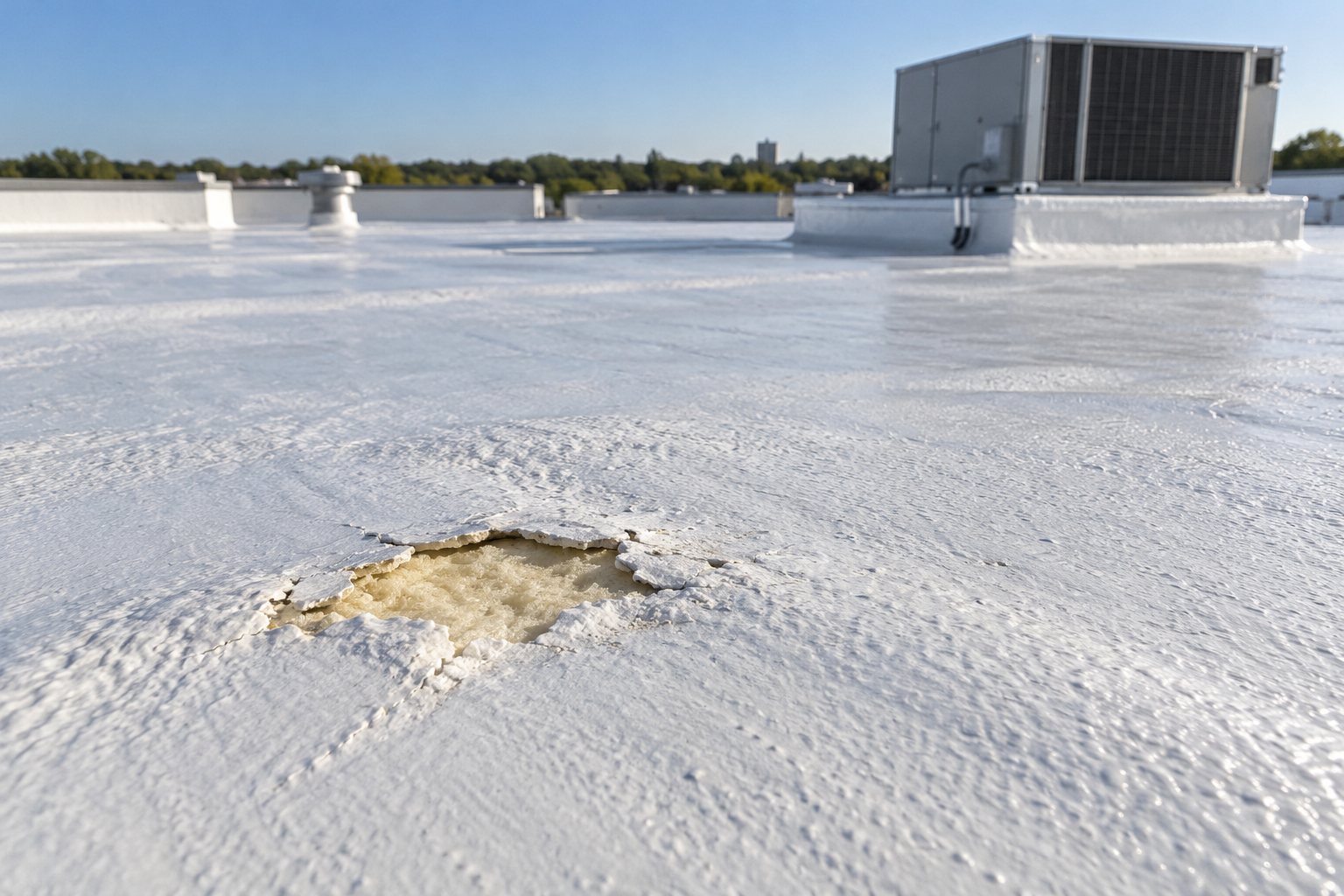
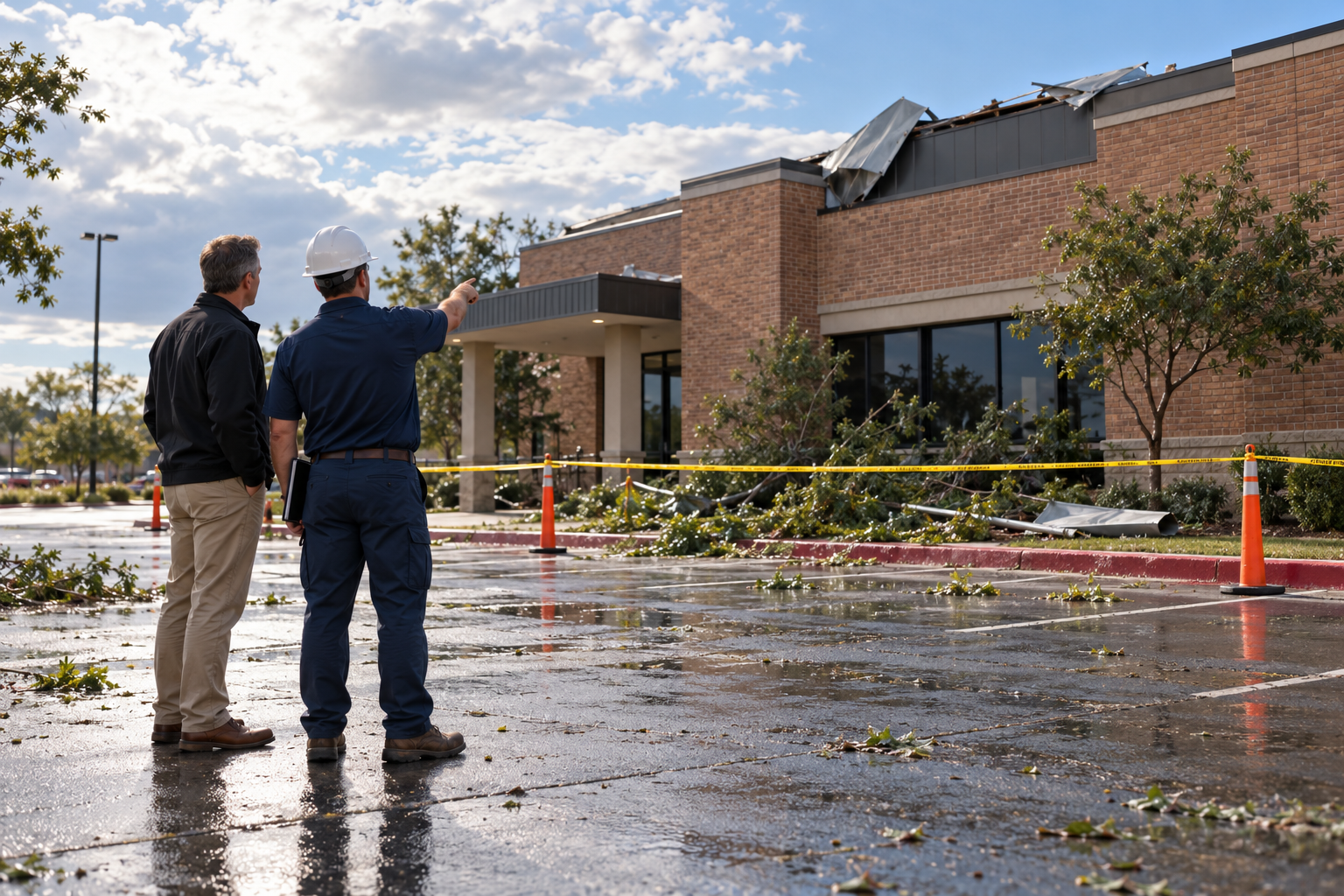
Missing shingles, lifted metal, or an opening in a commercial membrane should be reported promptly.
Do not pull, reposition, or remove materials to improve a photograph. Describe what you can safely observe and request professional evaluation.
Showtime Exteriors’ guide to missing shingles after a storm explains additional considerations for assessing exposed roof areas.
Suspected Structural Problems
Sagging, unusual movement, falling ceiling materials, or major impact damage requires attention beyond a routine roofing appointment.
Keep people away from the affected area. Appropriate emergency or structural professionals may need to assess the building before roof access can occur.
Why Safe Access Determines Inspection Timing
Calling quickly and accessing the roof quickly are separate decisions.
Wet surfaces, lightning, gusting wind, loose materials, damaged access equipment, and unstable building components can prevent a safe inspection.
CertainTeed’s post-storm damage guidance advises owners to observe from the ground and leave rooftop inspection to professionals. CertainTeed
Explain Access Restrictions When Scheduling
Tell the contractor about:
- Locked gates or roof hatches.
- Restricted tenant areas.
- Downed branches or damaged access routes.
- Rooftop equipment.
- Building security requirements.
- Areas where interior access needs an escort.
For commercial properties, identify who can authorize entry and who can approve emergency work.
Providing this information early helps the contractor plan the visit.
What to Do While Waiting for the Inspection
You can prepare useful information without accessing the roof.
Photograph Visible Conditions
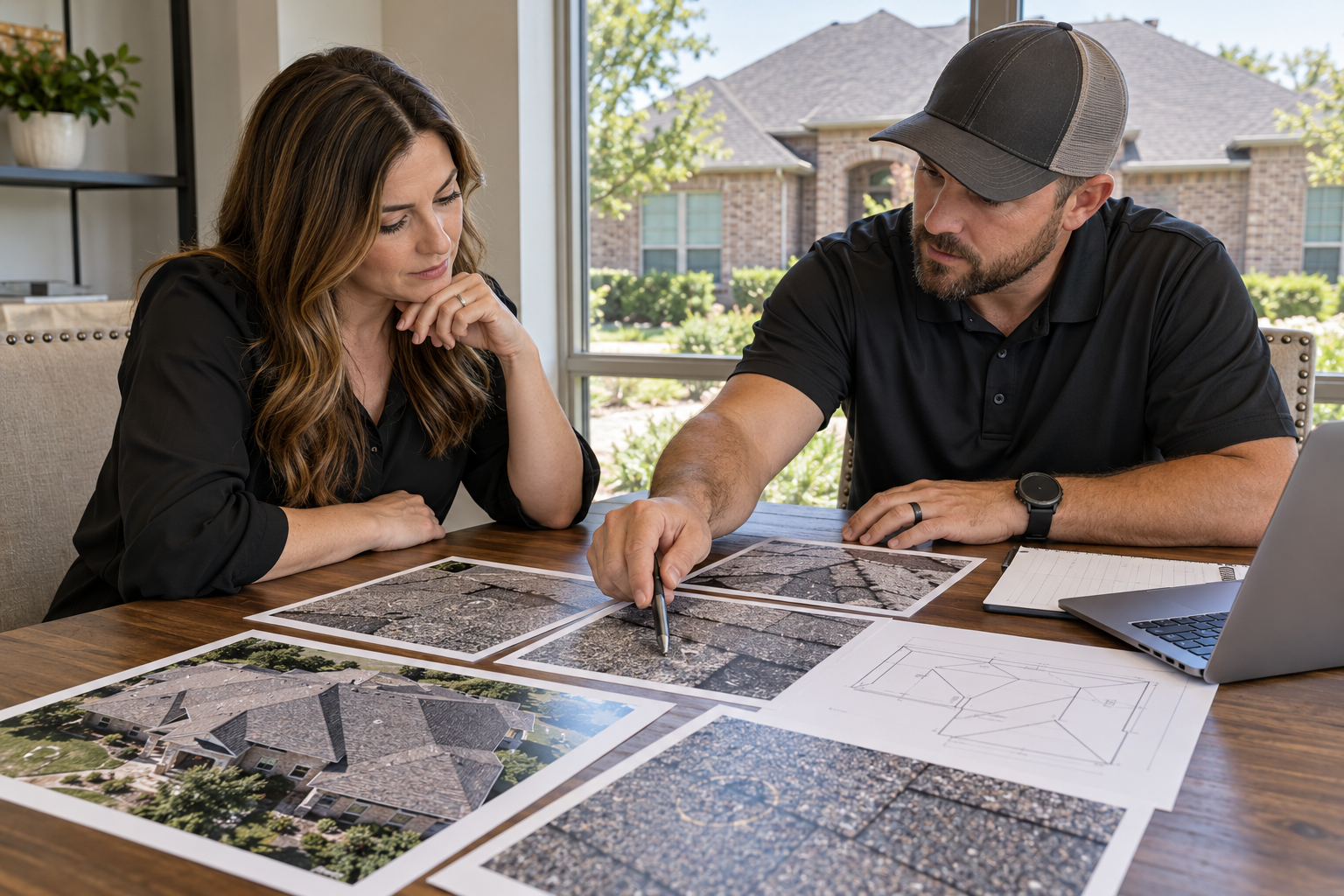
From safe locations, photograph exterior changes, debris, interior water entry, and affected belongings or equipment.
Take wider photographs that establish location as well as closer images of specific conditions. Preserve the original files.
GAF’s storm damage resources recommend documenting visible storm effects from a safe vantage point, including physical damage and water intrusion. gaf.com
Write a Brief Timeline
Record:
- When the storm occurred, if known.
- What you observed during it.
- When you first discovered the problem.
- Where water or damage appeared.
- Any action taken afterward.
Separate direct observations from assumptions.
For example, “ceiling stain discovered Thursday morning” is more precise than assigning a storm date to damage you did not see occur.
Gather Earlier Roof Records
Locate installation invoices, warranty documents, previous inspection reports, repair receipts, and maintenance logs.
Older photographs can provide useful context, particularly when the contractor needs to distinguish a newly reported condition from an earlier problem.
Should You Schedule an Inspection If the Roof Is Not Leaking?
An inspection may still be useful when the property experienced significant hail, wind, or debris impact.
The absence of a leak does not provide a complete assessment. Likewise, visible damage to a fence, gutter, or neighboring building does not establish the condition of your roof.
Tell the contractor why you are concerned and ask what inspection scope is appropriate.
GAF’s explanation of storm damage signs and assessment discusses how visible and less obvious conditions can inform a professional investigation. gaf.com
Consider the Roof’s Existing Condition
Mention recurring leaks, previous patches, aging materials, or known drainage issues.
A storm assessment may identify both suspected storm effects and preexisting maintenance concerns. The report should distinguish them where the evidence supports doing so.
What Should a Post-Storm Roof Inspection Include?
The inspection should reflect the building, installed roof system, reported symptoms, and safe access.
Review of the Property History
Expect questions about roof age, repairs, maintenance, warranties, and previous water entry.
For buildings with additions, identify roof sections installed at different times.
Examination of Accessible Roof Areas
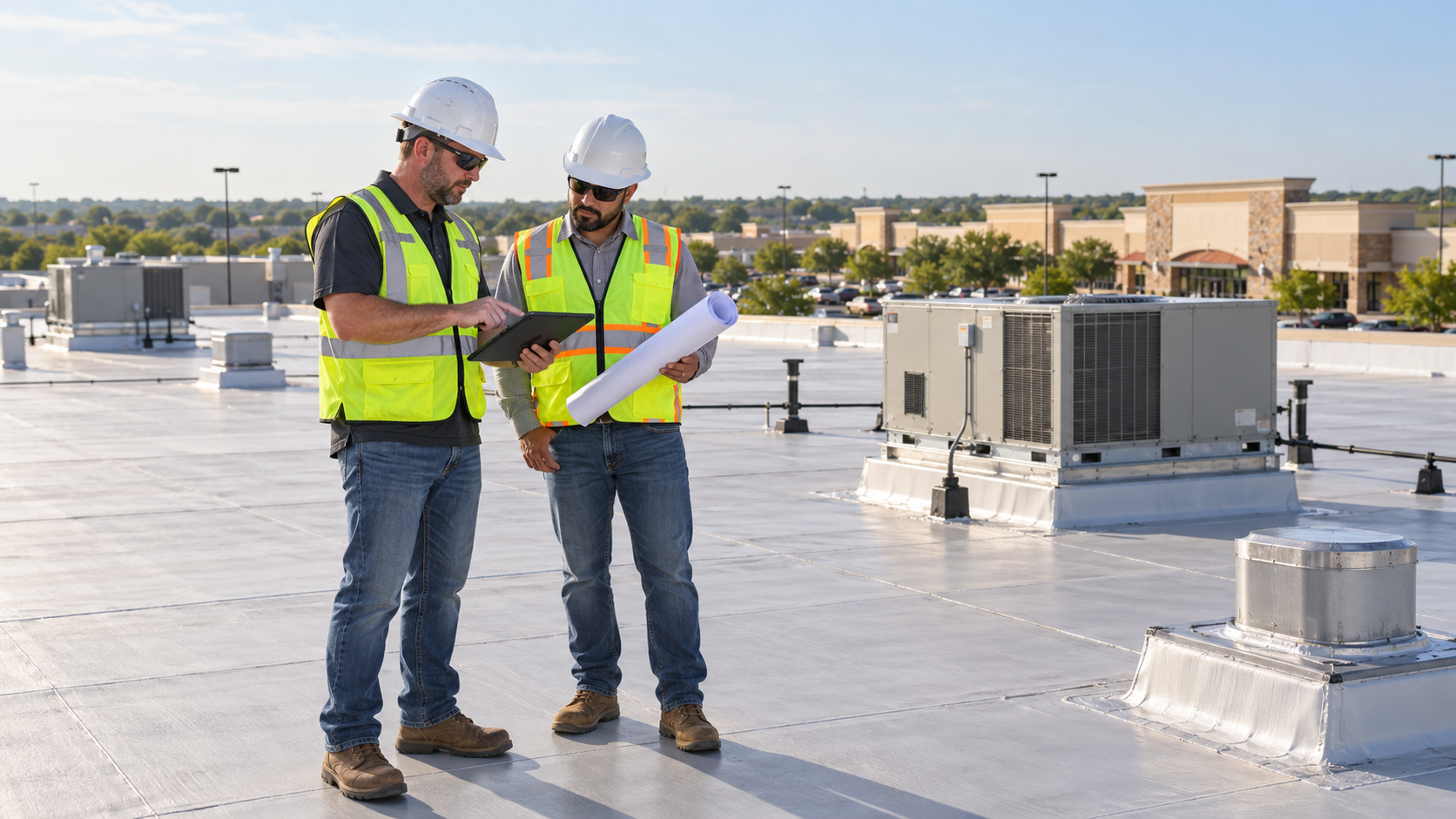
The contractor should evaluate relevant materials and details, explain the findings, and record inaccessible areas.
For a home, this may involve shingles, flashing, vents, skylights, and roof-to-wall transitions.
For a commercial property, it may also include membrane seams, equipment curbs, perimeter metal, drains, scuppers, and accessible interior areas.
Photographs and Written Findings
A useful report connects close-up details to their location and explains their significance.
Ask the contractor to identify:
- What was observed.
- What the owner reported.
- What conclusions are supported.
- What remains uncertain.
- What additional investigation is recommended.
Showtime Exteriors’ guide to commercial roof inspection documentation provides a framework for organizing these records.
Commercial Buildings Need an Operational Assessment Too
For commercial owners, inspection urgency depends partly on what the roof protects.
Water above medical equipment, production machinery, food preparation, or sensitive inventory can create consequences that extend beyond the roofing work.
Identify Sensitive Areas
Provide the contractor with the location of reported leaks and the activities below them.
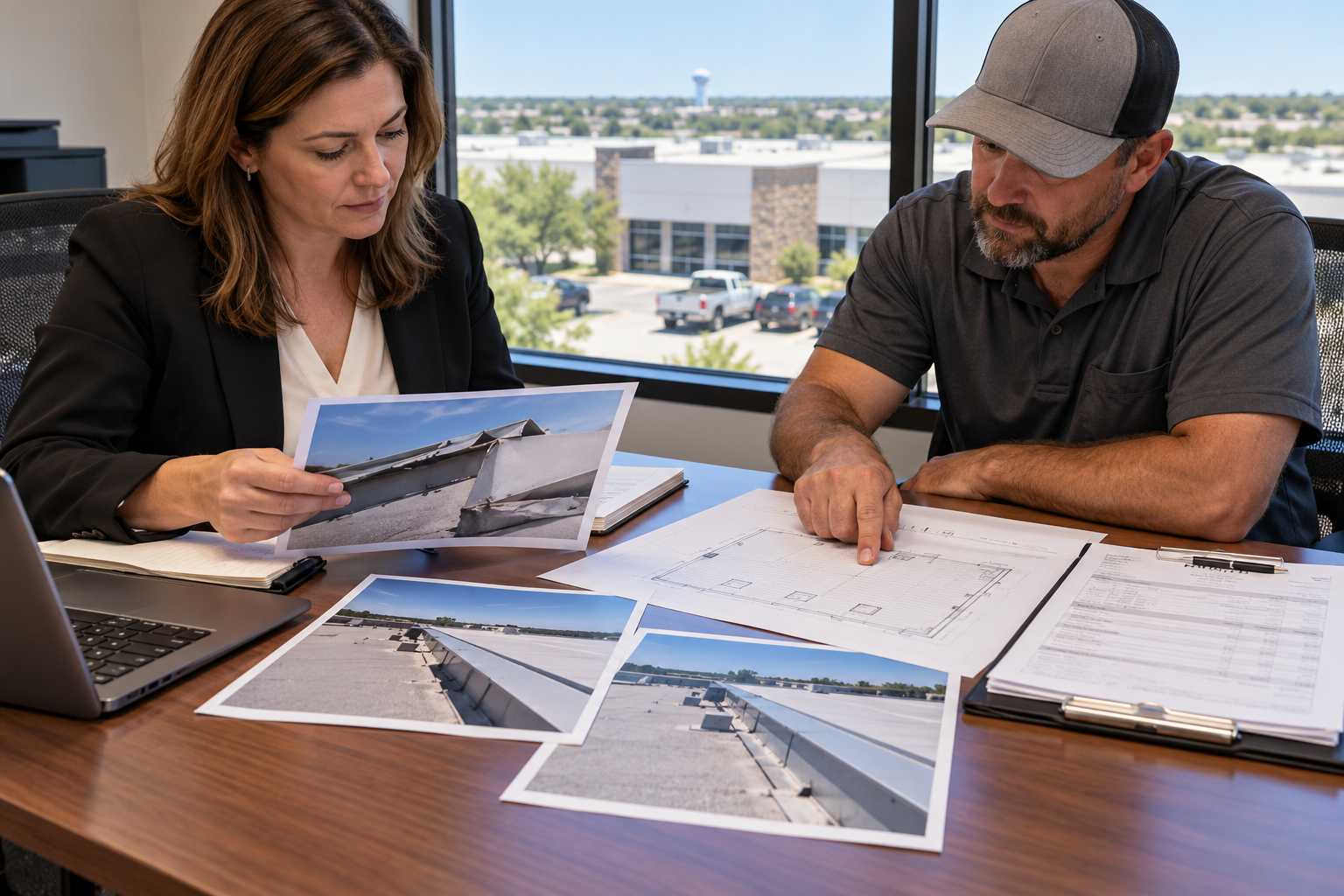
A roof plan or marked floor plan can help connect interior symptoms with roof sections, although the source still requires investigation.
Coordinate With Other Trades
A reported leak near rooftop equipment may require input from mechanical, plumbing, or other specialists.
Clarify who will assess each component and who can authorize shutdowns, disconnections, or testing.
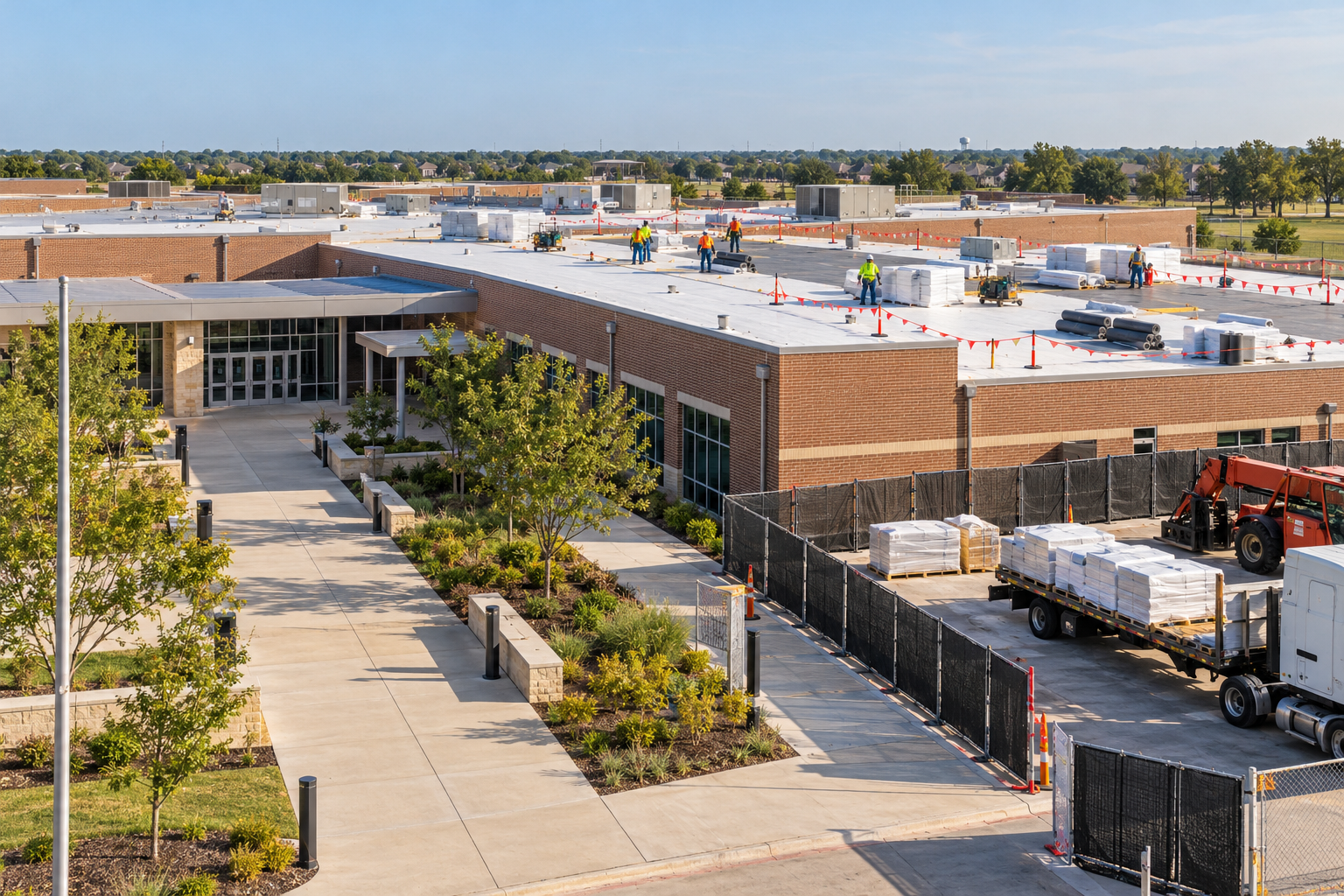
Showtime Exteriors’ commercial roofing services cover assessment and project planning for North Texas commercial properties.
Temporary Protection Should Have a Follow-Up Plan
Emergency measures may help control water entry while permanent work is being evaluated.
Ask the contractor to document:
- The temporary work performed.
- The areas addressed.
- Remaining limitations.
- Recommended permanent repairs.
- The proposed follow-up.
A temporary measure should not disappear from your records once the visible leak stops.
Showtime Exteriors’ guide to emergency roof tarp follow-up explains why temporary protection needs further assessment.
What Happens After the Inspection?
The findings should lead to a clear next step.
Possible outcomes include:
- Keeping the report as a condition record.
- Completing maintenance.
- Repairing localized defects.
- Conducting additional investigation.
- Preparing a restoration or replacement proposal.
Ask for Priorities
The contractor should explain which items need prompt action and which can be scheduled.
If replacement is recommended, ask why a more limited repair would be inadequate. If repair is proposed, ask what it is expected to resolve and what remains outside the scope.
Request a Defined Proposal
Before authorizing permanent work, review the repair locations, materials, preparation, exclusions, schedule, warranty, and procedure for additional findings.
An inspection appointment and a construction agreement should each have a clear scope.
How Does Inspection Timing Relate to Insurance?
Keep the inspection report, original photographs, estimates, temporary repair records, and correspondence together.
For policy-specific reporting requirements, contact your insurer or agent promptly. A contractor’s inspection does not establish coverage or guarantee claim approval.
Do not assume that you need a completed roofing estimate before notifying your insurer of a potentially covered loss. Ask the insurer what information it needs and when.
Avoid These Common Delays
Waiting Until the Next Heavy Rain
If you already see an opening or suspect significant damage, contact a professional rather than using another rainstorm as a test.
Assuming Neighboring Roofs Tell the Whole Story
Nearby repairs can provide context, but your roof requires its own evaluation.
Losing Earlier Documentation
Keep original photographs and records of temporary work. A simple dated folder can make later discussions easier.
Approving Work Without Understanding It
Ask for an explanation of the findings and proposed scope. Urgency should not prevent clear documentation.
Forgetting Routine Maintenance Afterward
A post-storm visit addresses a particular event. The roof still needs an ongoing maintenance plan.
CertainTeed’s guidance on roof maintenance discusses the importance of inspections and attention after major weather events. CertainTeed
Frequently Asked Questions
Should a roof inspection happen within 24 hours?
There is no universal 24-hour rule for every property. Contact a contractor promptly when damage is suspected, explain urgent symptoms, and arrange assessment when conditions permit safe access.
Can I wait if there is no leak?
Describe the storm exposure and any visible changes to a contractor. An assessment may be appropriate even without an active leak.
Should I climb onto the roof?
Leave roof access to appropriately equipped professionals. Document what you can observe safely from the ground or accessible interior areas.
Does an inspection mean I need replacement?
No. The findings may support maintenance, localized repair, further investigation, or replacement planning.
What if the contractor cannot inspect every area?
Ask the report to identify those limitations and explain whether a return visit or another assessment method is recommended.
Should I arrange a follow-up after temporary repairs?
Yes. Ask what permanent work or further evaluation remains necessary and keep that recommendation in your service records.
Schedule a Post-Storm Roof Inspection in Texas
When you suspect storm damage, contact a roofing professional promptly, report what you have observed, and explain any immediate interior risks.
A useful assessment should document the roof’s condition, identify limitations, and provide priorities for the next steps.
Call Showtime Exteriors at 817-400-ROOF (7663) or request a roof inspection for your North Texas home or commercial property.