How to Choose a Roofing Contractor in Dallas, TX
Learn how to choose a roofing contractor in Dallas, TX. Compare experience, inspections, insurance, estimates, warranties, and project management.
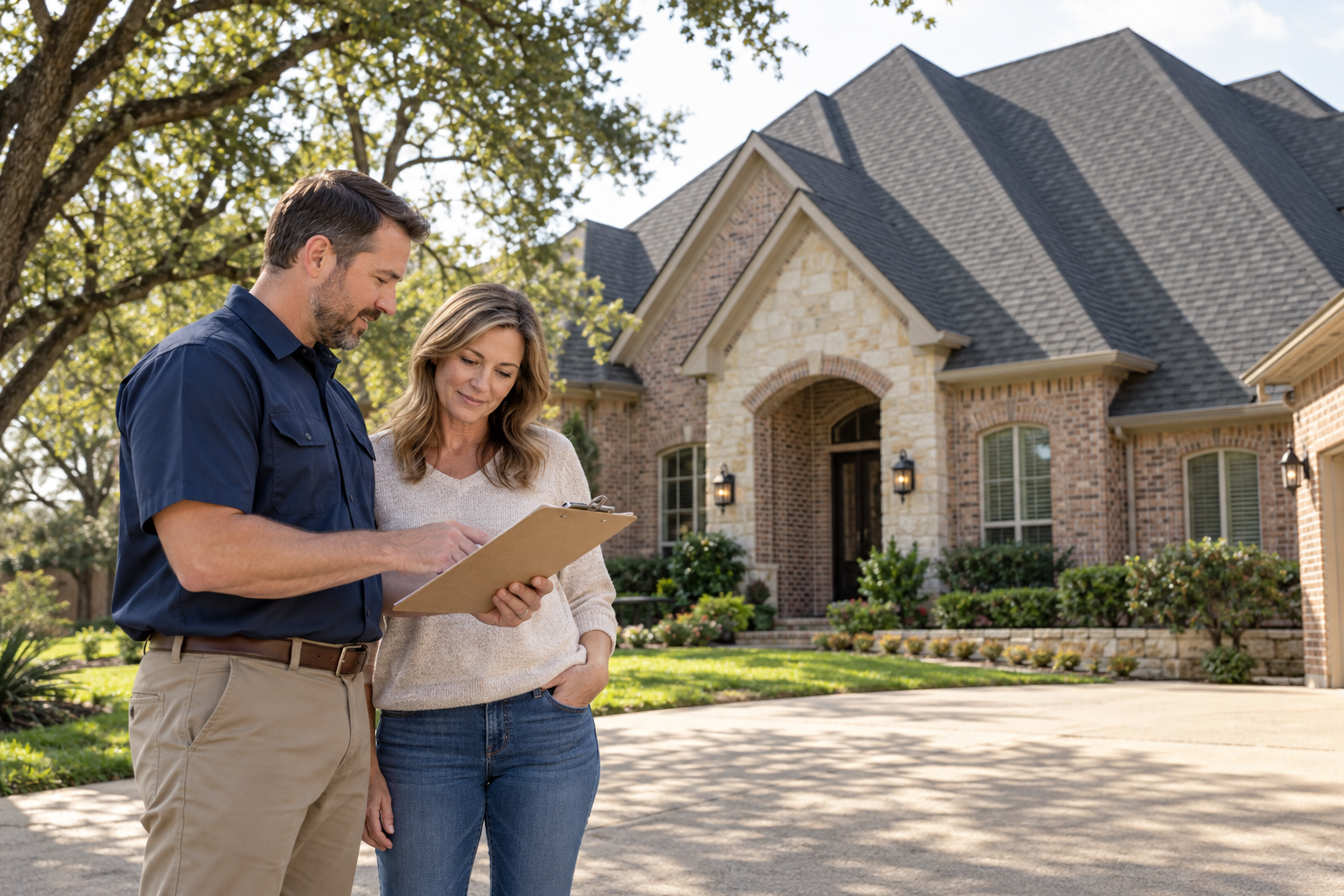
Hiring a roofing contractor is a decision that affects your property long after the crew leaves. The company you choose will investigate roof conditions, recommend a scope of work, manage installation, and explain what happens if a problem develops later.
In Dallas, homeowners and commercial building owners have many roofing companies to consider. Comparing them requires more than collecting prices. You need to understand what each contractor inspected, what the estimate includes, who will supervise the work, and which warranties apply.
The strongest proposal connects the condition of your roof to a clearly explained solution. It gives you enough information to make a decision without pressure or unanswered questions.
Showtime Exteriors provides residential and commercial roofing services across North Texas from its Mansfield location. Whether you are evaluating a repair or planning replacement, the following steps can help you compare contractors and prepare for a productive consultation. www.showtimeexteriors.com
Identify Your Roofing Needs Before Comparing Companies
Start by describing the problem or decision you need help with.
Are you dealing with an active leak, missing roofing materials, recurring repairs, or a roof approaching replacement? Do you need a condition assessment before buying a property? Are you managing a commercial building that must remain occupied during construction?
These situations require different inspection and project capabilities.
Residential Roofing Projects
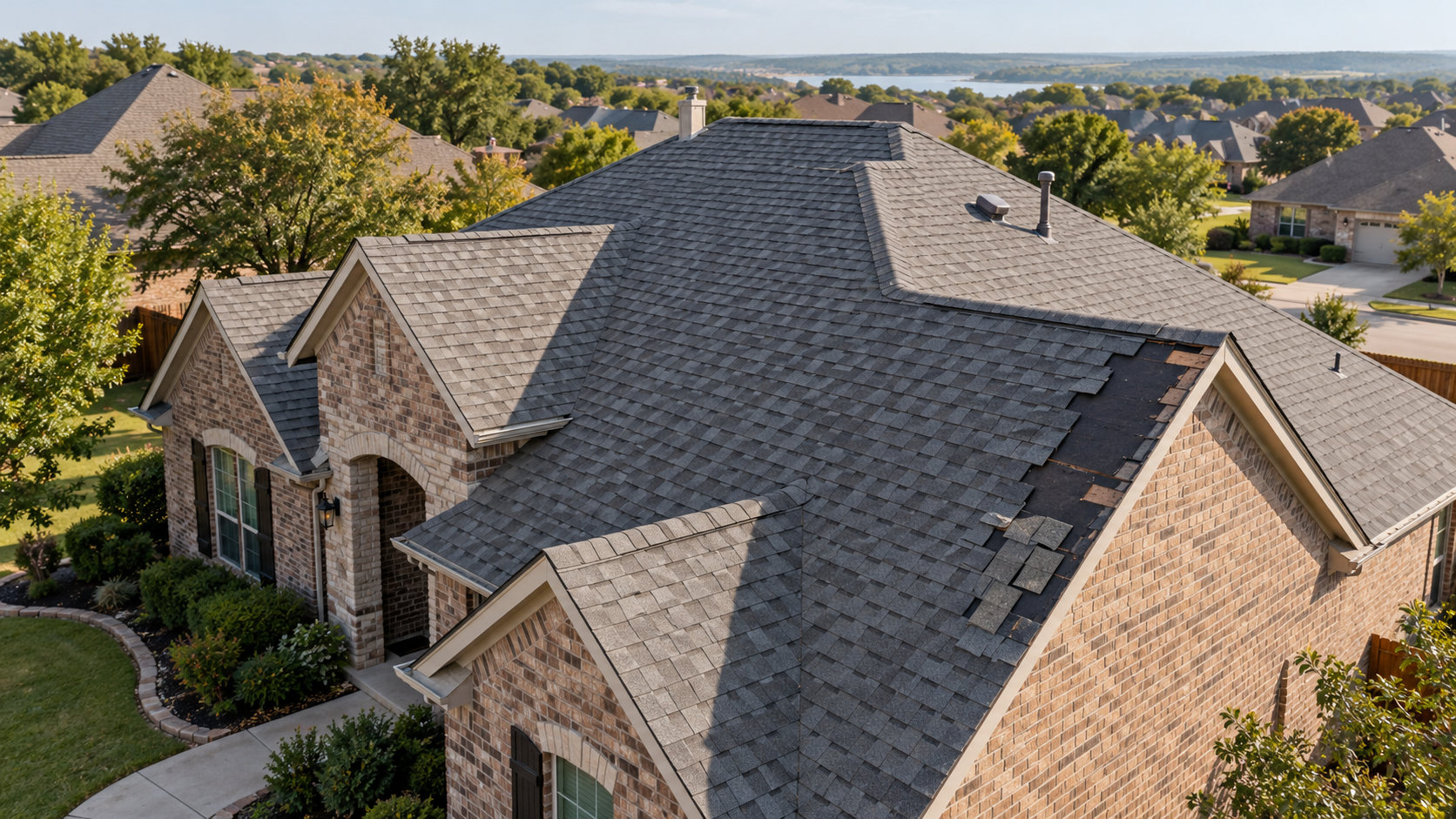
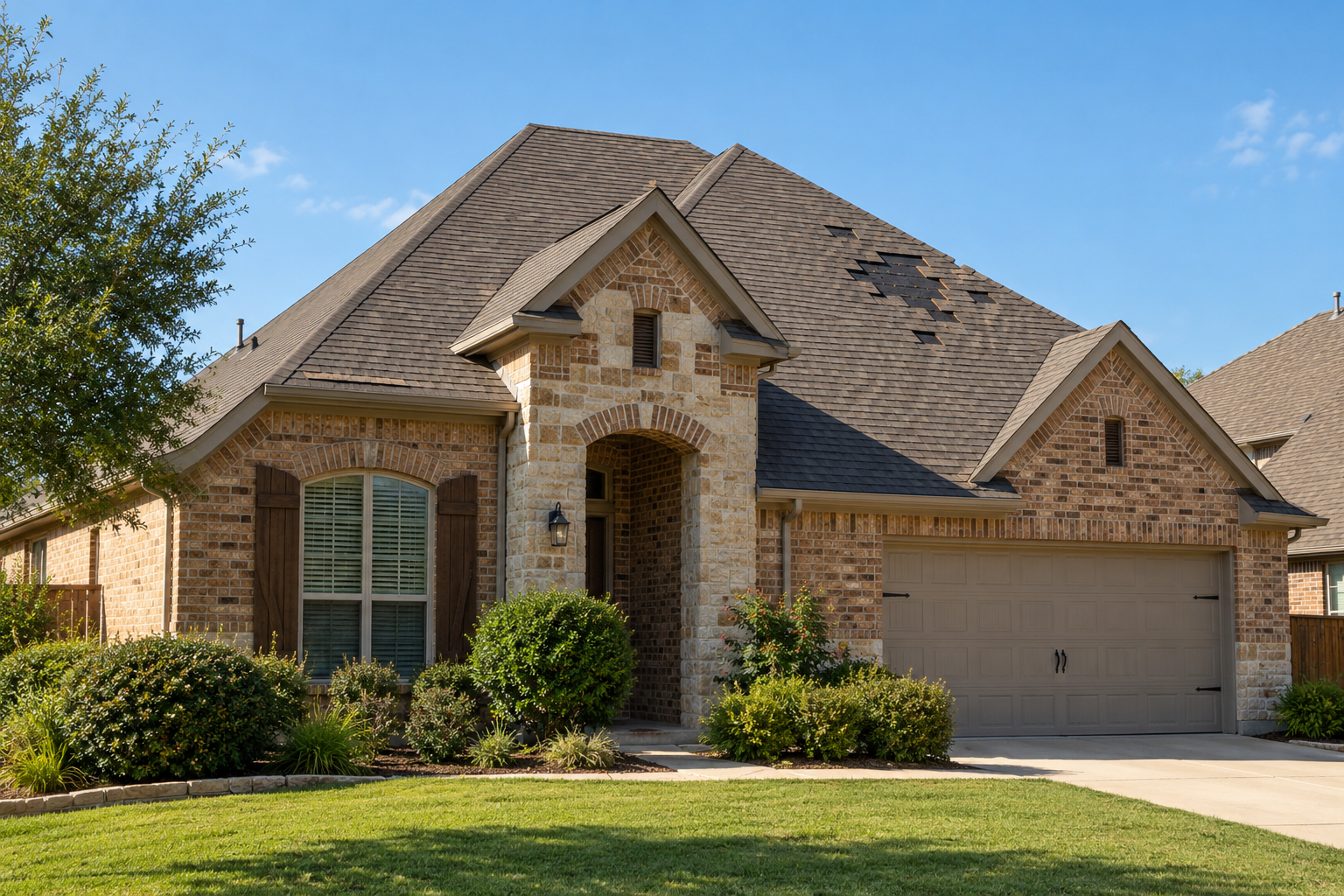
For a home, the discussion may involve shingles, metal roofing, flashing, ventilation, decking, and protection of landscaping and outdoor areas.
Ask whether the contractor regularly works on homes with a similar roof slope, material, and architectural complexity.
Commercial Roofing Projects
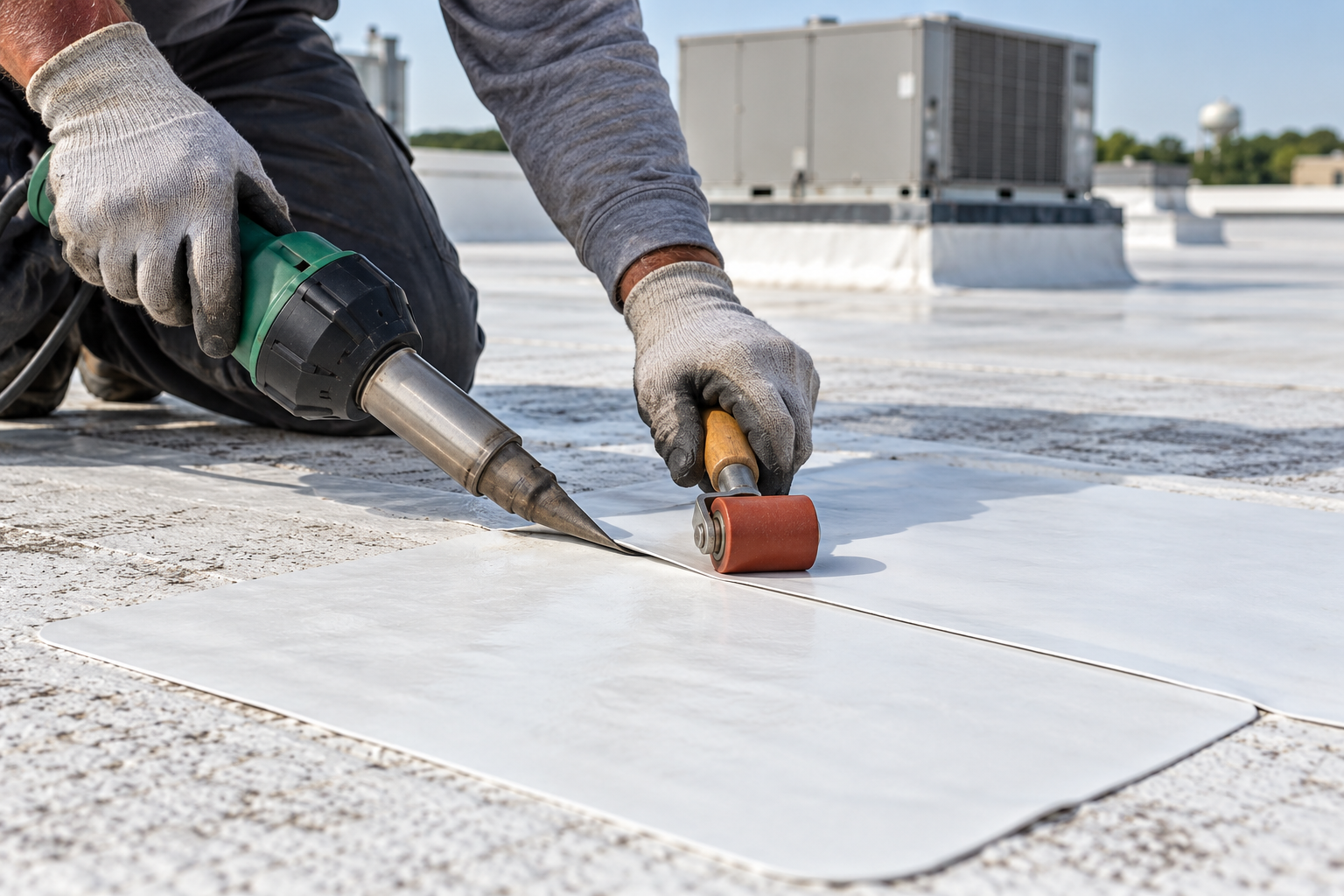
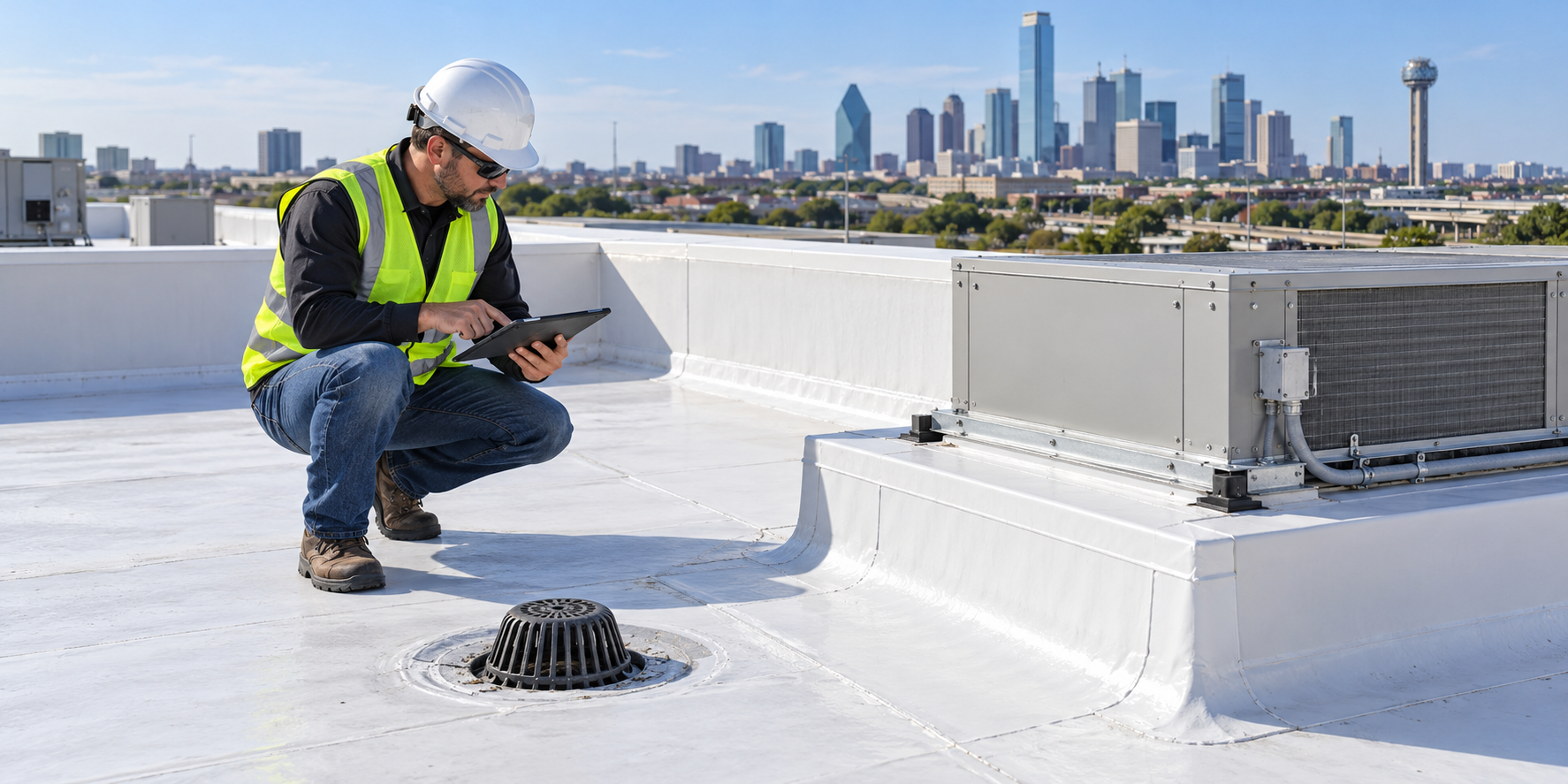
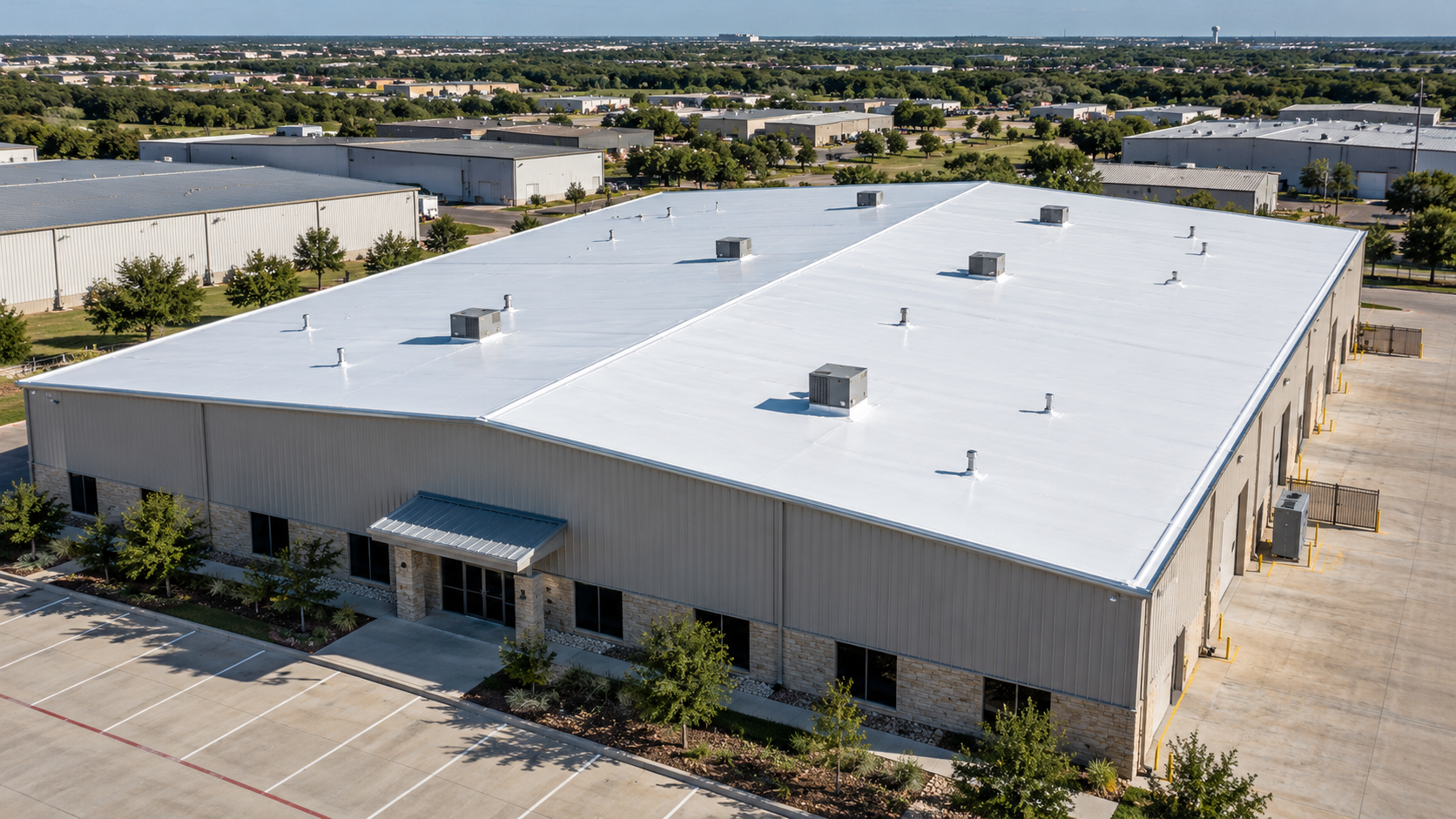
For a commercial property, relevant experience may include membrane systems, metal roofs, drainage, insulation, rooftop equipment, and coordination with tenants or facility staff.
A warehouse with loading docks and an occupied medical office have different operational requirements. Your contractor should ask about those differences before developing the work plan.
Look for Experience With Your Specific Roof
A company’s years in business provide context, but relevant experience deserves closer attention.
Ask about projects involving your roofing system and the type of work you need. Installing a new roof, investigating a difficult leak, and restoring an existing assembly involve different tasks.
Useful questions include:
- Which roofing systems do you install and repair regularly?
- Have you completed projects with similar access and occupancy requirements?
- Can you explain a comparable problem you investigated?
- Who supervised that work?
- What documentation did the owner receive?
CertainTeed’s guidance on choosing a roofing contractor recommends evaluating references, insurance, business history, credentials, and warranty information. These checks help you assess the company beyond its advertising.
Request Comparable References
Ask for references who have agreed to discuss their experience.
Choose examples that resemble your project where possible. A reference for a residential shingle replacement may tell you little about managing a large commercial roof with numerous equipment penetrations.
Ask previous customers how the company handled scheduling, unexpected conditions, communication, cleanup, and follow-up concerns.
Confirm Business Information and Accountability
Before signing, confirm the company’s legal name, address, phone number, and project contact.
The business named in the agreement should match the company you understand you are hiring. If another entity will perform or warrant part of the work, ask for an explanation.
Find Out Who Will Manage the Project
The person presenting your estimate may not supervise construction.
Ask:
- Who schedules the work?
- Who supervises the crew?
- Who checks installation quality?
- Who approves material substitutions?
- Who receives questions during construction?
- Who handles service calls after completion?
A named contact and a clear communication process make it easier to resolve issues.
Understand How the Company Serves Dallas
A regional contractor can serve Dallas effectively without having an office in every neighborhood. What matters is whether the company can explain its scheduling, supervision, and follow-up process for your property.
Ask where the crew and project manager operate and how service requests are handled.
Request Current Insurance Documentation
Ask for current insurance information relevant to the proposed work.
Confirm that the named business matches your agreement and request clarification when coverage information is unclear. Where appropriate, verify information through the insurance representative.
An advertisement stating that a company is insured does not replace reviewing current documentation.
Ask About Employees and Subcontractors
Find out whether employees, subcontractors, or both will work on the project.
Then clarify who supervises them, reviews qualifications, coordinates work, and addresses damage or incomplete installation.
GAF’s guide to selecting a roofing contractor encourages owners to consider insurance, experience, reputation, and warranties alongside price.
Verify Manufacturer Credentials
Manufacturer credentials can help you understand a contractor’s participation in training or certification programs.
Ask for the exact designation and verify it through the manufacturer. Also confirm whether it applies to residential roofing, commercial roofing, or the particular system being proposed.
Understand What the Credential Provides
Ask whether the designation affects:
- Eligibility for an enhanced warranty.
- Required products or accessories.
- Installation requirements.
- Manufacturer inspections.
- Registration and documentation.
GAF’s information about certified roofing contractors explains its programs and related considerations. A credential is useful information, but you should still evaluate the actual scope, supervision, and warranty terms.
Expect an Inspection That Supports the Recommendation
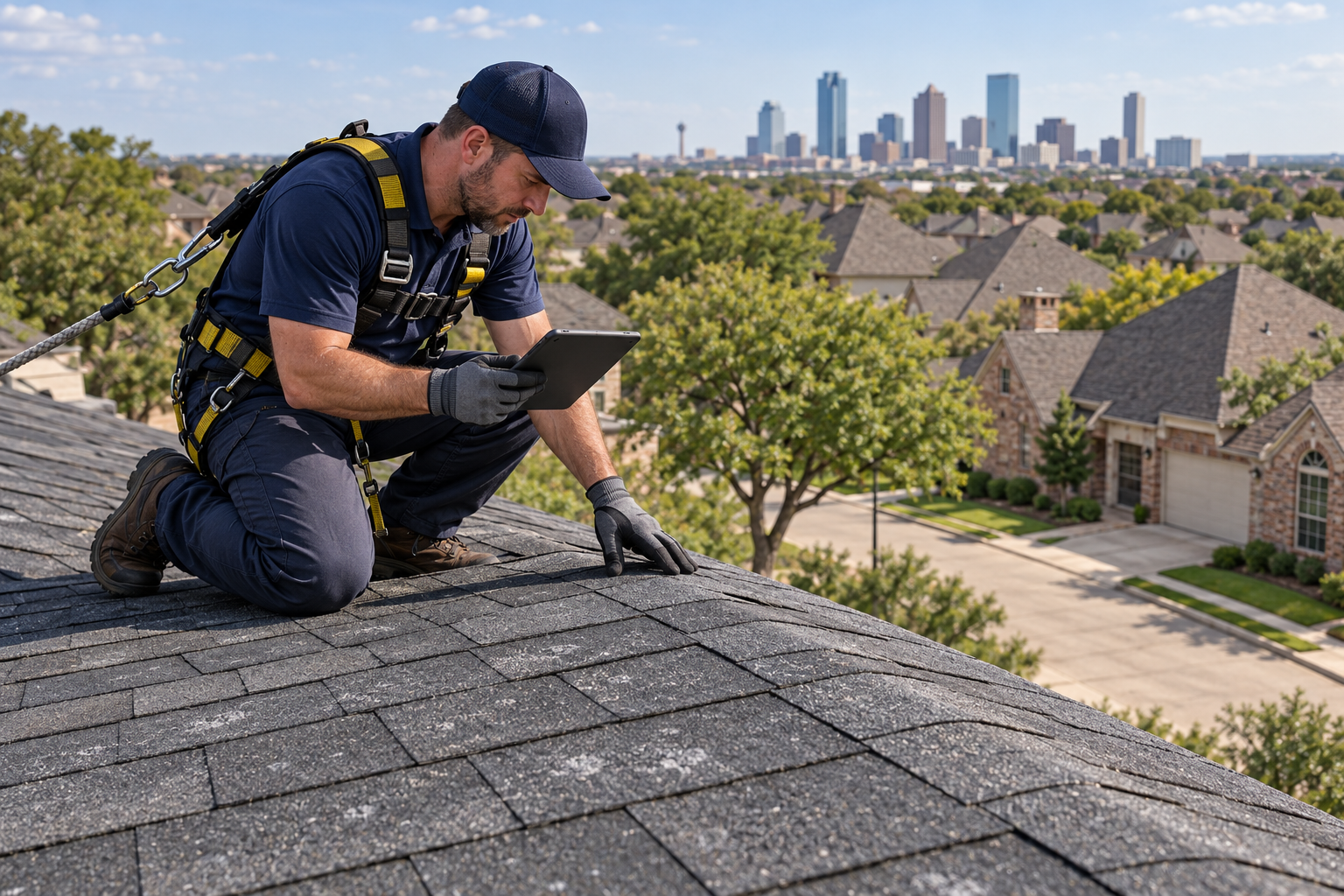
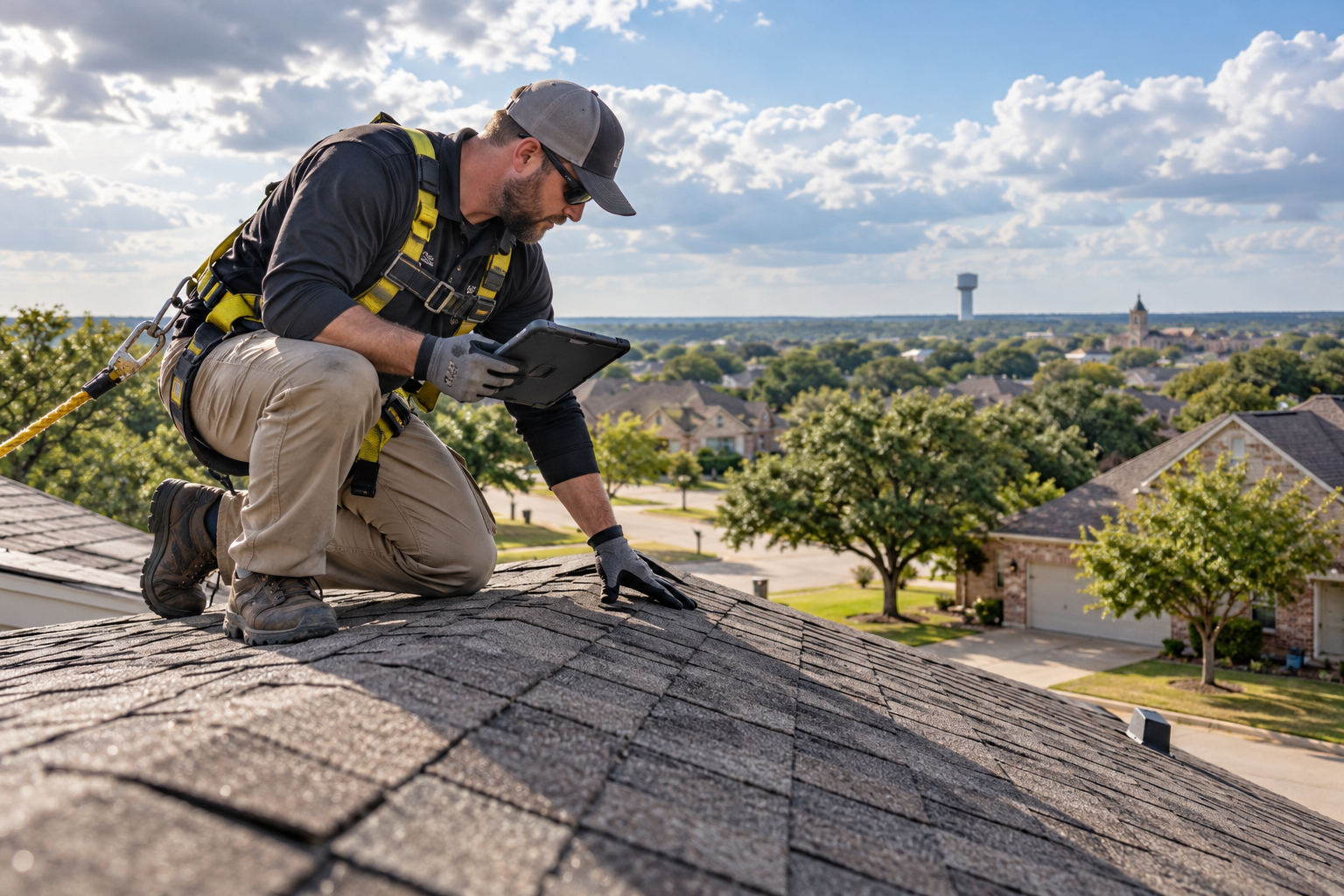
A contractor should explain how the proposed work follows from the inspection findings.
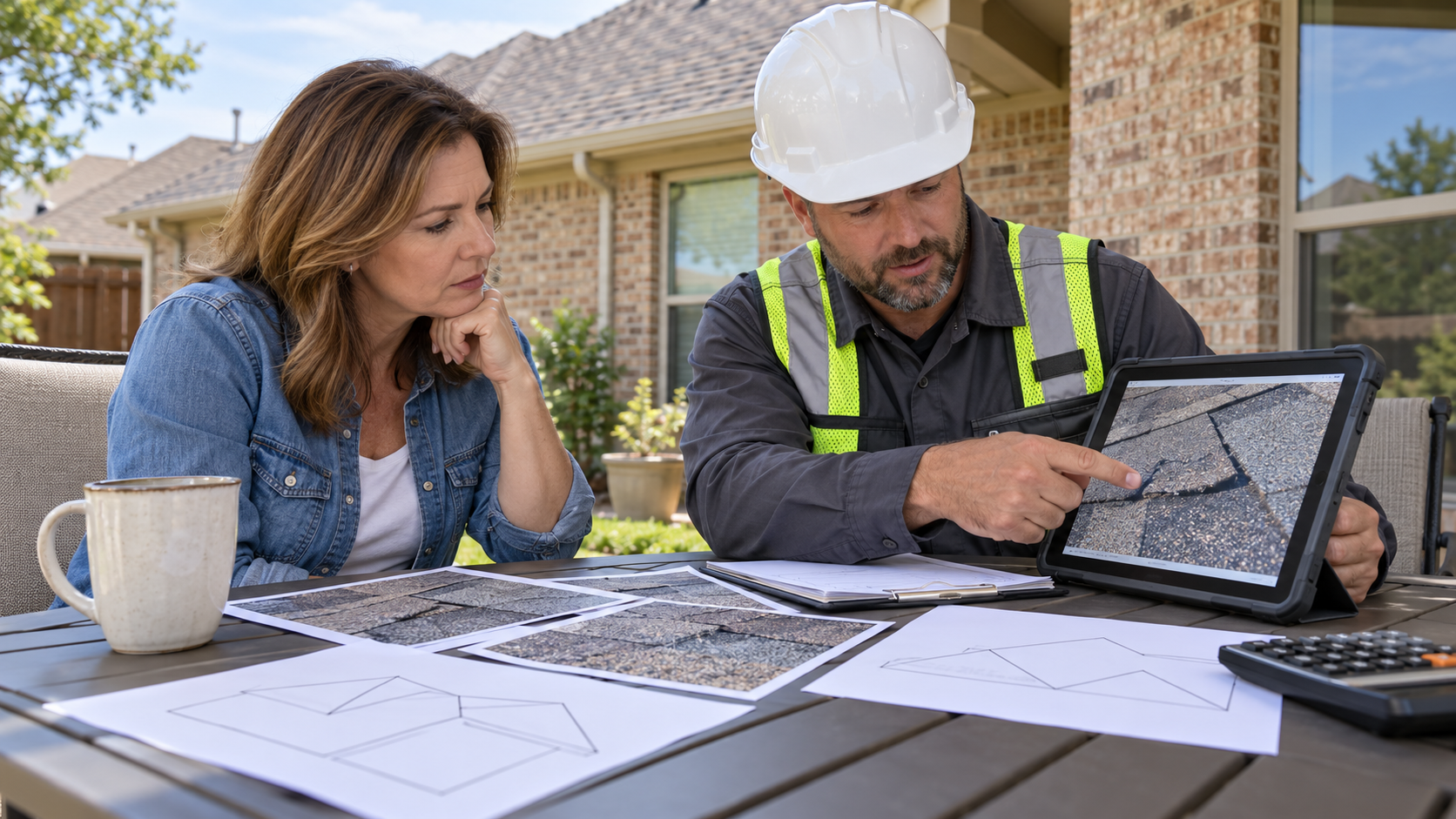
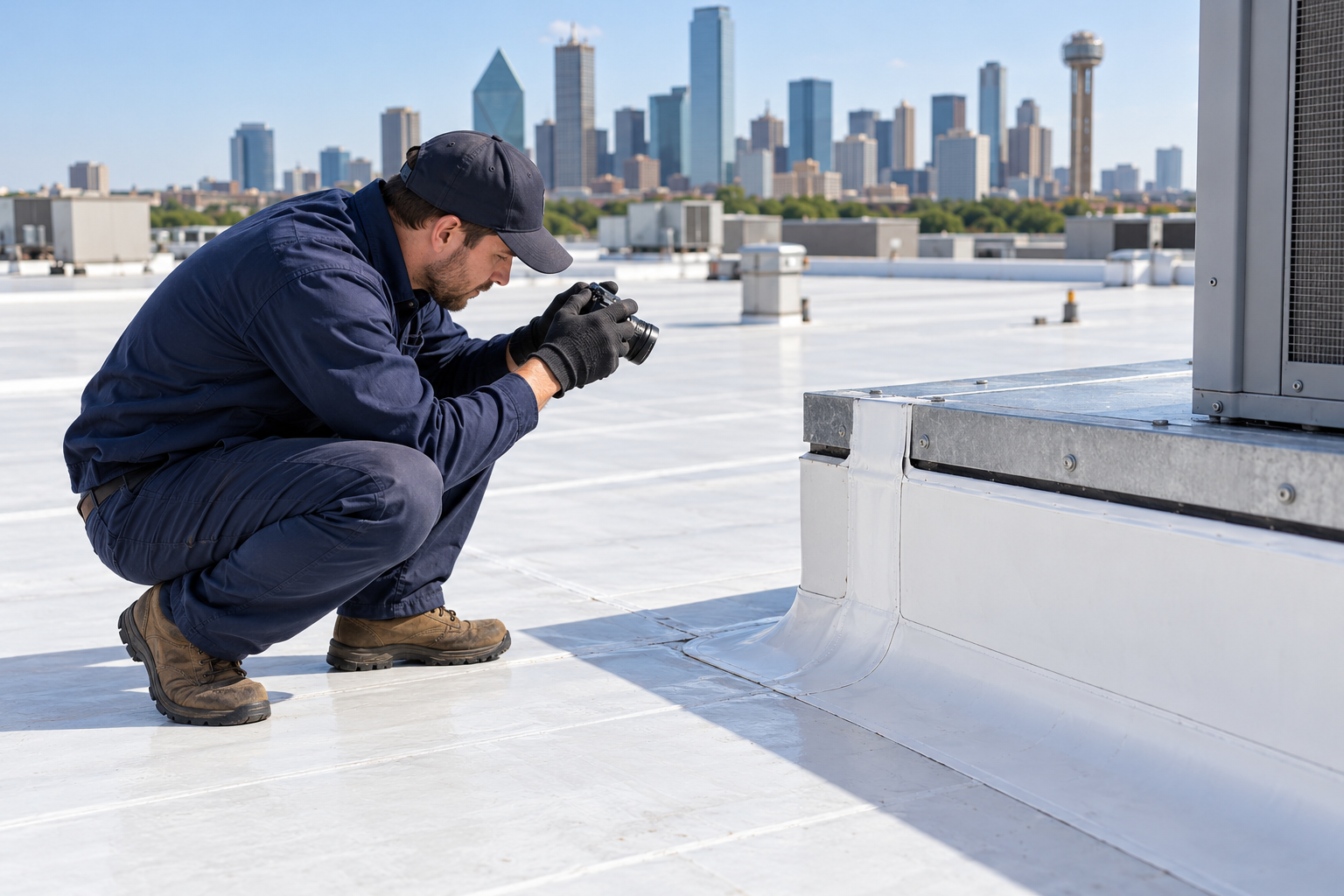
Ask what was examined, which areas were inaccessible, and whether further investigation is needed. Photographs should show the location and context of the conditions being discussed.
A useful inspection record may include:
- Roof-system identification.
- Overview and close-up photographs.
- Reported leak history.
- Previous repair observations.
- Flashing and drainage concerns.
- Inspection limitations.
- Prioritized recommendations.
Showtime Exteriors’ guide to commercial roof inspection documentation explains how organized evidence supports property decisions.
Ask Questions About the Findings
If a photograph shows an opening, ask where it is located and how it relates to the reported problem.
If replacement is recommended, ask which findings support that scope. If the cause remains uncertain, ask what additional investigation would help.
Clear documentation should distinguish observed conditions from conclusions and unresolved questions.
Authorize Additional Testing Separately
If testing or sampling is recommended, discuss its purpose, cost, limitations, and any work needed to restore disturbed areas.
You should understand what the investigation is intended to establish before authorizing it.
Compare Written Scopes Before Comparing Totals
Different prices can reflect different projects.
One contractor may include replacement flashing, ventilation work, and documented decking allowances. Another may exclude those items or leave them undefined.
GAF’s guide to comparing roofing quotes discusses reviewing materials, labor, removal, disposal, cleanup, and applicable project fees.
Residential Proposal Details
Look for clear descriptions of:
- Measured roof area.
- Exact roofing product.
- Removal scope and assumptions.
- Underlayment.
- Starter and ridge components.
- Flashing and penetrations.
- Ventilation.
- Decking allowances or unit prices.
- Property protection and cleanup.
Commercial Proposal Details
A commercial scope may also need to address insulation, cover board, attachment, drainage, equipment coordination, occupied-building protection, testing, and closeout.
Ask the contractor to explain any unfamiliar terms. You should be able to understand what the agreement authorizes.
Ask Why Repair, Restoration, or Replacement Is Appropriate
The recommendation should reflect your roof’s condition and the problem being addressed.
For a repair, ask what the work is expected to resolve and which areas remain outside the scope.
For restoration, ask how the existing assembly will be evaluated for suitability and compatibility.
For replacement, ask why a more limited approach would be inadequate.
Showtime Exteriors’ discussion of commercial roof retrofit versus replacement provides additional background for evaluating broader options.
Include Your Ownership Plans
Tell the contractor whether you expect to hold the property long term, sell it, renovate it, or change its use.
Those plans can help frame alternatives, but they should not replace an assessment of current conditions.
Ask for the practical implications of each option, including maintenance needs and unresolved limitations.
Review Materials and Substitutions
A familiar product name does not describe the entire roofing assembly.
Ask how the roof covering, accessories, preparation, and transitions fit together. Request exact product information rather than accepting broad descriptions such as “premium materials.”
Owners comparing systems can review Showtime Exteriors’ guide to commercial roofing materials for Texas.
If materials change after signing, request written confirmation explaining any effect on appearance, compatibility, price, or warranty eligibility.
Understand the Warranty Before Signing
Request the actual warranty documents associated with the proposed work.
Owens Corning’s explanation of roofing warranty types distinguishes manufacturer product coverage, contractor workmanship coverage, and enhanced manufacturer protection. Review each separately.
Ask:
- Who provides the coverage?
- What work or materials are covered?
- What exclusions apply?
- Is registration required?
- What maintenance obligations apply?
- How do you request service?
- Are there transfer conditions?
Clarify the Service Process
Ask whom to contact if water enters after completion and how the company evaluates the concern.
Understanding the process helps you distinguish a service commitment from a general promise.
Establish How Additional Costs Will Be Approved
Concealed conditions can affect the scope once existing materials are removed.
Before signing, ask how the contractor will document findings, price additional work, and obtain authorization.
Where practical, request unit prices for anticipated items such as decking replacement.
A written change procedure should identify who can approve work and how that approval will be recorded. This is especially important when the owner or decision-maker will not be on site.
Discuss Property Protection and Scheduling
Ask how the company will manage materials, debris, access, weather changes, and cleanup.
For a home, discuss vehicles, landscaping, outdoor furniture, children, pets, and access to the driveway.
For a commercial building, identify customer entrances, loading areas, emergency routes, sensitive equipment, and operating-hour restrictions.
Coordinate Other Trades Early
If mechanical, electrical, or other equipment needs to be moved or disconnected, establish who performs that work.
Define responsibility for reconnection, testing, and scheduling before construction begins.
Agree on Communication
Confirm your project contact, preferred communication method, scheduling updates, and procedure for reporting concerns.
For multi-tenant buildings, decide who will notify occupants and how much notice they need.
Use Reviews and References Together
Online reviews can help identify patterns in communication and service. Comparable references provide an opportunity to ask more specific questions.
CertainTeed’s resource on finding a roofing contractor discusses recommendations and manufacturer locator tools as ways to build a shortlist.
Focus on how companies respond to problems as well as how customers describe completed installations.
Warning Signs to Resolve Before Hiring
Pause and request clarification when you encounter:
- A recommendation without supporting findings.
- Unclear business identity.
- Missing insurance documentation.
- Vague product or repair descriptions.
- Pressure to sign before reviewing the agreement.
- Verbal promises missing from the written scope.
- No procedure for additional costs.
- Unclear warranty responsibility.
- No identified project manager.
A missing detail may be easy to correct. Repeated evasive answers deserve closer attention.
Dallas Roofing Contractor Comparison Checklist
Evaluation areaWhat to confirmExperienceComparable systems, buildings, and project typesBusiness informationConsistent company identity and contact detailsInsuranceCurrent documentation relevant to the workCredentialsVerified designation and project relevanceInspectionFindings, photographs, limitations, recommendationsScopeMaterials, methods, quantities, and exclusionsChangesWritten pricing and authorization processSupervisionNamed project manager and quality checksProtectionAccess, staging, cleanup, operational coordinationWarrantyWritten terms and service procedureCompletionFinal review and closeout documents
Frequently Asked Questions
Should I hire the lowest-priced roofing contractor?
Compare included work and exclusions first. A lower total may describe a smaller scope or different materials.
Does certification guarantee a successful project?
No. Verify the credential, then review the company’s inspection, contract, project management, and warranty terms.
Should I receive photographs?
Photographs are useful when they identify locations and support an explanation of the findings. Ask for any inspection limitations as well.
Can my commercial building remain open during roofing work?
That depends on the scope and building operations. Discuss occupancy, access, equipment, and protection requirements before scheduling.
What should I receive after completion?
Request the final invoice, approved changes, completion documentation, warranty information, and agreed maintenance recommendations.
Choose a Dallas Roofing Contractor With a Clear Plan
A well-supported roofing proposal explains the roof’s condition, the recommended work, and who is accountable for delivering it.
Showtime Exteriors offers residential and commercial roofing services across North Texas. Bring your roof history, current concerns, and operational requirements to the first conversation so the assessment addresses your property.
Call 817-400-ROOF (7663) or contact Showtime Exteriors to discuss a roofing inspection, repair, or replacement for your Dallas property.