



Hail Damage Roof Inspection in Fort Worth: What to Expect
Learn what to expect during a hail damage roof inspection in Fort Worth, including roof checks, photographs, reports, repair options, and next steps.

After a hailstorm, the condition of your roof can be difficult to judge from the driveway. Dents in a gutter may be easy to see, while changes to shingles, flashing, or a commercial roofing membrane require closer evaluation.
A professional hail damage roof inspection in Fort Worth helps you understand what happened to the roof, which conditions need attention, and what remains uncertain. The inspection should produce more than a recommendation to replace the roof. It should provide photographs, explain the findings, and identify practical next steps.
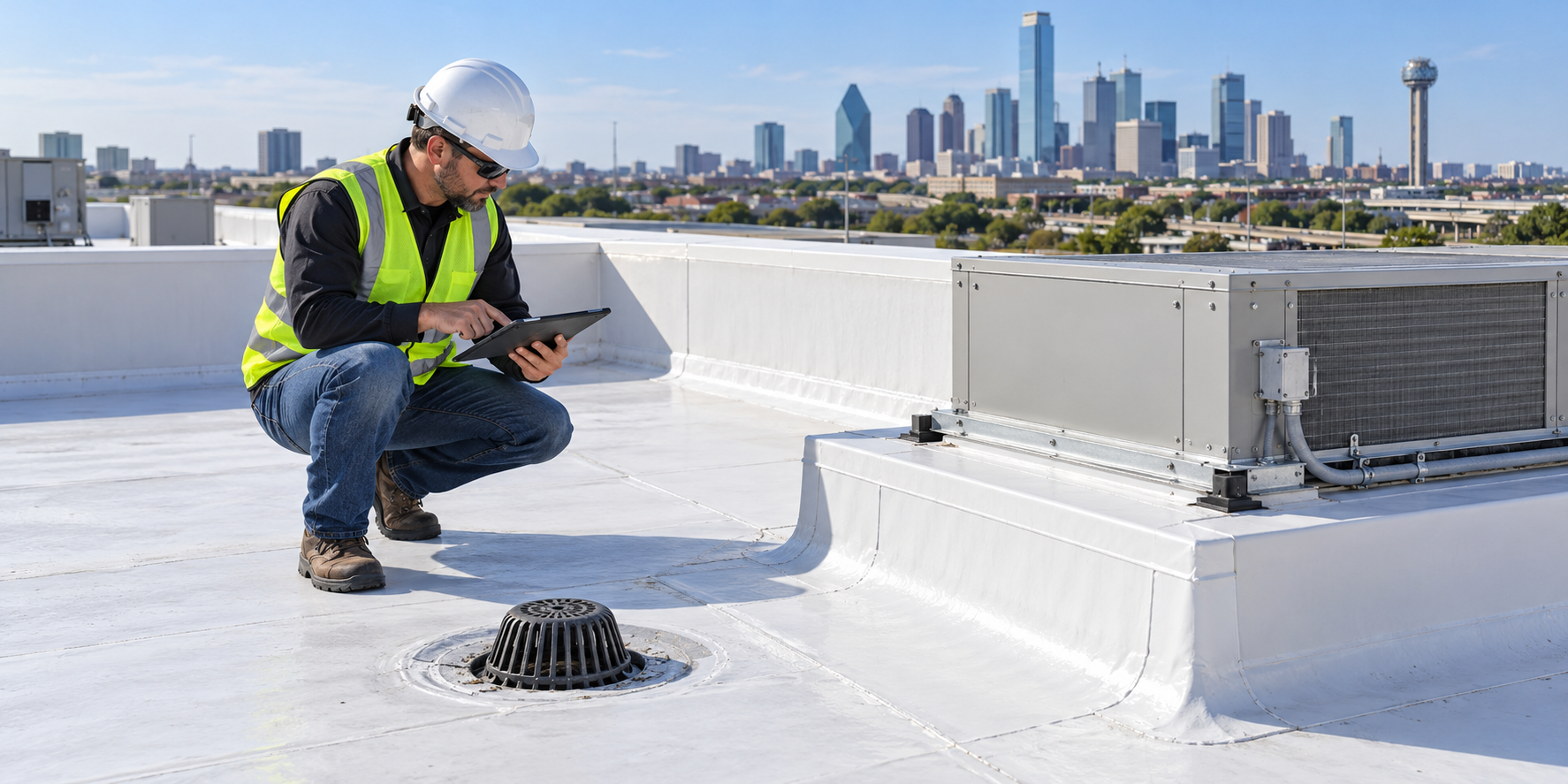
For homeowners, the assessment may involve shingles, vents, flashing, gutters, and accessible attic areas. For commercial building owners, it may also include membrane seams, equipment curbs, perimeter details, drainage, and reported interior leaks.
Showtime Exteriors provides residential and commercial roofing services throughout North Texas. A property-specific inspection is the starting point for evaluating storm concerns and deciding whether repairs, further investigation, or replacement planning are appropriate. www.showtimeexteriors.com
Why Schedule a Roof Inspection After Hail?
The absence of an active leak does not establish that a roof escaped damage. At the same time, a hailstorm in the neighborhood does not prove that every nearby roof needs replacement.
Each property requires its own evaluation.
GAF’s guidance on what to do after suspected hail damage recommends documenting visible conditions and arranging a professional inspection when damage is suspected. It also advises leaving roof access to professionals. gaf.com
An inspection can help answer:
- Are there observable conditions consistent with hail impact?
- Did wind or debris affect the roof during the same storm?
- Are there openings that require prompt attention?
- Which findings appear related to aging or maintenance?
- Is additional investigation needed?
- What work, if any, is supported by the findings?
The value lies in the explanation and documentation behind the recommendation.
What You Can Check Safely Before the Appointment
You do not need to climb onto the roof to prepare for an inspection.
Once conditions are safe, record what you can observe from the ground and inside accessible areas of the building. Avoid walking beneath unstable branches, loose materials, or damaged exterior components.
Look for Changes Around the Property
Visible conditions worth reporting include:
- Dented gutters or downspouts.
- Damaged window screens.
- Shingle pieces on the ground.
- Bent or displaced exterior metal.
- Broken skylight material.
- New ceiling stains.
- Water entering around vents or equipment.
- Debris resting on the roof.
These observations provide context. They do not establish the condition of every roof component.
GAF’s guide to observing a roof from the ground explains how visible changes can help owners recognize when professional evaluation is needed. gaf.com
Record What You Know About the Storm
Write down the approximate date, what you observed, and when you first noticed any damage or water intrusion.
Keep original photographs where possible. If you photographed hail after the storm, preserve those files alongside your property records.
Be clear about uncertainty. If you discovered a dent several days later, report when you found it rather than assuming you know exactly when it occurred.
How to Prepare for a Hail Damage Roof Inspection
A little preparation can make the appointment more useful.
Gather Roof Records
Provide any available:
- Installation invoices.
- Earlier inspection reports.
- Repair receipts.
- Warranty documents.
- Photographs taken before the storm.
- Maintenance records.
- Information about recent equipment work.
For a commercial building, identify roof sections installed at different times and provide a roof plan if one is available.
Explain Previous Problems
Tell the contractor about recurring leaks, earlier patches, drainage concerns, or areas that have needed repeated attention.
This history helps the inspector distinguish a newly reported concern from an ongoing building issue.
Arrange Access
Discuss locked gates, roof hatches, pets, attic access, tenant restrictions, and any areas requiring an escort.
Commercial owners should identify sensitive operations, loading areas, customer entrances, and equipment that could affect inspection access.
If water is actively entering the building, mention it when scheduling so the contractor can assess the urgency.
What Happens During the Inspection?
The process depends on roof type, building size, weather, and safe access. A thorough assessment generally involves several connected steps.
1. Reviewing Your Concerns
The contractor should begin by understanding why you requested the inspection.
Expect questions about roof age, previous repairs, storm observations, leak locations, and changes you have noticed.
This conversation guides the investigation without limiting it to a single stain or visible mark.
2. Examining Accessible Exterior Components
The inspector may review gutters, downspouts, flashing, vents, screens, and other exterior surfaces.
Marks on these components can provide context for storm exposure. However, a dented gutter does not automatically establish damage to the roof covering.
Each finding should be described on its own merits.
3. Evaluating the Roof Covering
The contractor examines accessible roofing materials using methods appropriate to the system.
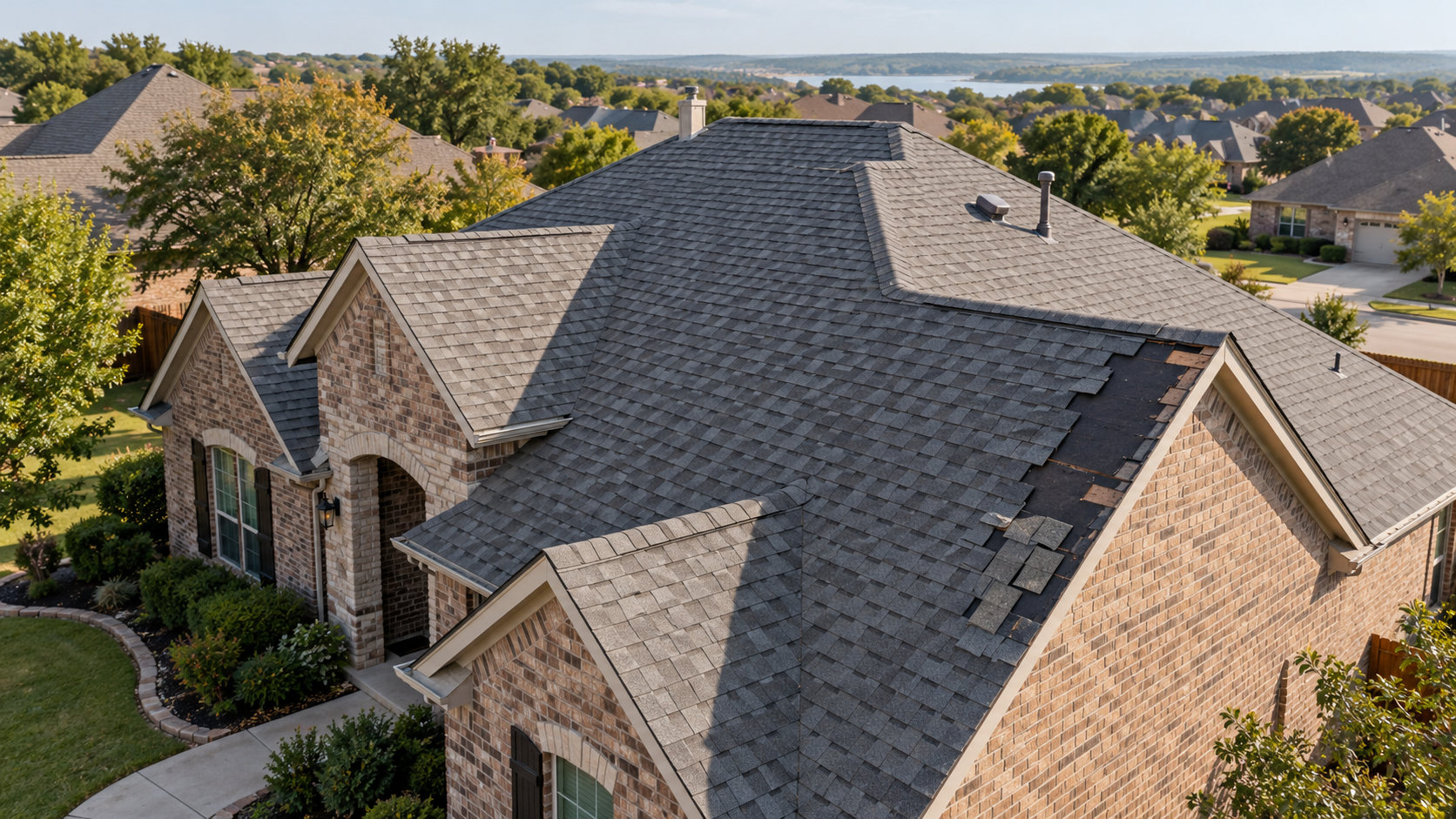
For shingles, this may involve reviewing localized surface changes, fractures, displaced materials, and earlier repairs. Metal and membrane roofs require different assessment methods.
The inspector should avoid unnecessary disturbance. Any investigation that could damage or open the assembly should be discussed and authorized separately.
4. Checking Roof Details
A useful inspection considers more than the main roof surface.
Accessible areas around walls, skylights, pipes, chimneys, equipment curbs, edges, and changes in elevation deserve attention.
GAF’s storm damage resources identify potential warning signs such as missing or cracked shingles, leaks, water stains, and displaced flashing. These symptoms help guide an assessment but still require interpretation. gaf.com
5. Reviewing Interior Evidence
When leaks are reported, the contractor may inspect accessible interior or attic areas.
Water stains should be documented and connected to the roof investigation where possible. A stain alone does not establish the entry point, cause, or date of damage.
Ask which areas were reviewed and whether access limitations affect the conclusions.
What Inspectors Look for on Shingle Roofs
Hail damage assessment requires more than finding a few loose granules.
The inspector should evaluate the pattern, location, and character of observed conditions while considering the roof’s age, existing wear, and maintenance history.
Granule Loss Needs Context
Granules can be displaced for several reasons. The presence of granules in a gutter, by itself, does not establish hail damage.
Ask the contractor to explain what makes a particular area significant and whether other explanations remain possible.
GAF’s technical bulletin on shingle damage caused by hail discusses observations such as indentations, fractures, and localized granule loss. It also explains that outward effects may not always be immediately apparent. documents.gaf.com
Different Slopes May Have Different Findings
Ask which roof sections were examined and where concerning conditions were found.
An organized report should help you understand whether the findings are isolated, repeated across several areas, or limited by access.
Avoid relying on one close-up photograph to represent the entire roof.
What Changes for Commercial Roof Inspections?
A commercial hail damage inspection in Fort Worth should reflect the actual roof system and building use.
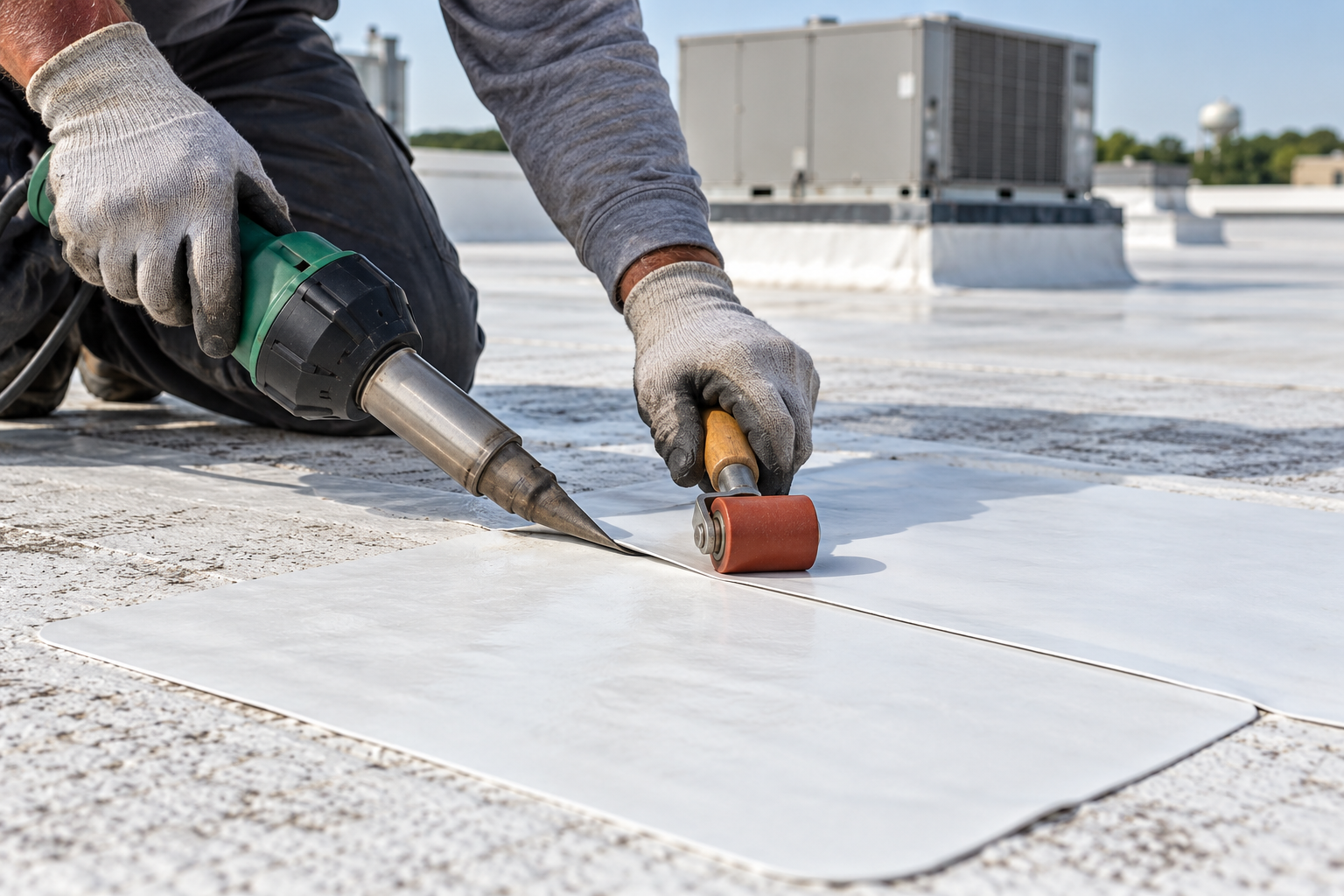
For TPO, PVC, EPDM, modified bitumen, and metal roofs, the contractor should identify the installed material before interpreting findings or selecting repair methods.
Include Equipment and Drainage Details
Ask whether the inspection includes:
- Membrane seams.
- Existing patches.
- Equipment curbs.
- Penetrations.
- Perimeter metal.
- Wall transitions.
- Drains and scuppers.
- Reported interior leak areas.
The condition of the surrounding assembly can affect what a localized repair needs to include.
Understand the Limits of a Visual Inspection
A visual assessment does not establish the condition of every concealed layer.
If the findings raise questions about moisture, insulation, attachment, or the deck, ask what additional investigation would help and how it would be authorized.
Showtime Exteriors’ guide to commercial roof inspection report evidence explains how roof plans, photographs, limitations, and testing records can support a more useful assessment.
What Should the Inspection Report Include?
A useful report should remain understandable after the appointment ends.
Property and Scope Information
Look for the property address, inspection date, roofing system, areas examined, and important access limitations.
Ask whether the assessment covered the entire accessible roof or a defined problem area.
Photographs With Locations
The report should connect detailed images to the larger roof.
A helpful photo set includes overview images, context photographs, and close-ups with descriptions.
Findings and Their Significance
Ask the contractor to distinguish:
- What was directly observed.
- What the owner reported.
- What the contractor concludes.
- What remains uncertain.
That distinction makes the report easier to use when discussing repairs or seeking another professional opinion.
Prioritized Recommendations
The recommendations should identify urgent concerns separately from maintenance and longer-term planning.
For homeowners organizing supporting records, Showtime Exteriors’ guide to evidence for a residential roof claim provides additional documentation considerations.
Does Hail Damage Mean the Roof Must Be Replaced?
Not automatically.
The appropriate next step depends on the findings, extent of the problem, surrounding roof condition, and feasibility of suitable repairs.
Possible outcomes include:
- Keeping a condition record.
- Completing maintenance.
- Repairing localized defects.
- Investigating concealed conditions.
- Developing a replacement proposal.
GAF’s discussion of repairing versus replacing a roof emphasizes evaluating the individual roof and consulting a roofing professional when problems appear. gaf.com
Ask Why the Proposed Scope Is Appropriate
If replacement is recommended, request an explanation of why a more limited repair would be inadequate.
If repair is recommended, ask what it is expected to resolve and what remains outside the work.
The recommendation should become clearer as the evidence is discussed.
How to Use the Inspection When Considering a Claim
Keep the contractor’s inspection report, original photographs, estimates, repair records, and related correspondence together.
A roofing assessment documents physical conditions and proposed construction work. It does not guarantee insurance coverage or approval.
For policy-specific questions, contact your insurer or agent. Ask about relevant coverage, reporting requirements, deductibles, and the documentation they need.
Do not assume that a neighboring property’s claim outcome determines yours.
Keep Emergency Work Documented
If temporary protection is necessary, request photographs and a written description of what was done.
Record which conditions remain unresolved and what permanent work is recommended.
Preserving this history helps explain the roof’s condition before and after the temporary work.
Choosing an Inspector in Fort Worth
Select a contractor who can explain the assessment process and provide clear findings.
Ask about experience with your roofing system, current insurance information, documentation, inspection charges, and any separate testing costs.
CertainTeed’s roofing contractor selection guide discusses evaluating references, credentials, business information, insurance, and warranty terms.
Useful questions include:
- Which areas will you inspect?
- Will I receive photographs and written findings?
- How will inaccessible areas be documented?
- Will any testing disturb the roof?
- How will you separate maintenance concerns from suspected storm effects?
- What happens if you find an active opening?
- What additional investigation might be necessary?
Frequently Asked Questions
Should I request an inspection if the roof is not leaking?
An inspection can be useful when the property experienced hail or shows changes afterward. A leak is one symptom, but its absence does not provide a complete assessment.
Does damage to my neighbor’s roof mean mine is damaged?
No. Your roof needs its own evaluation. Materials, condition, exposure, and the storm’s effects can vary between properties.
How long does a hail damage roof inspection take?
The appointment length depends on building size, roof complexity, access, and reported problems. Ask for an estimate when scheduling and confirm when written findings will be available.
Can an inspector determine the exact date of every mark?
Not necessarily. Some conditions may be consistent with impact, but establishing when each occurred can require additional evidence and may remain uncertain.
Should I climb onto the roof for photographs?
Leave roof access to appropriately equipped professionals. Document what you can safely observe from the ground or inside accessible building areas.
What if the inspection finds only maintenance issues?
Request a clear explanation and prioritize the recommended work. Identifying a maintenance concern can still help you plan and protect the property.
Schedule a Hail Damage Roof Inspection in Fort Worth
A professional inspection should leave you with a clear record of what was examined, what was found, and which steps are supported by the evidence.
Showtime Exteriors offers Fort Worth residential roofing assessments and broader residential and commercial roofing services across North Texas.
Call 817-400-ROOF (7663) or contact Showtime Exteriors to request a hail damage roof inspection for your Fort Worth property.
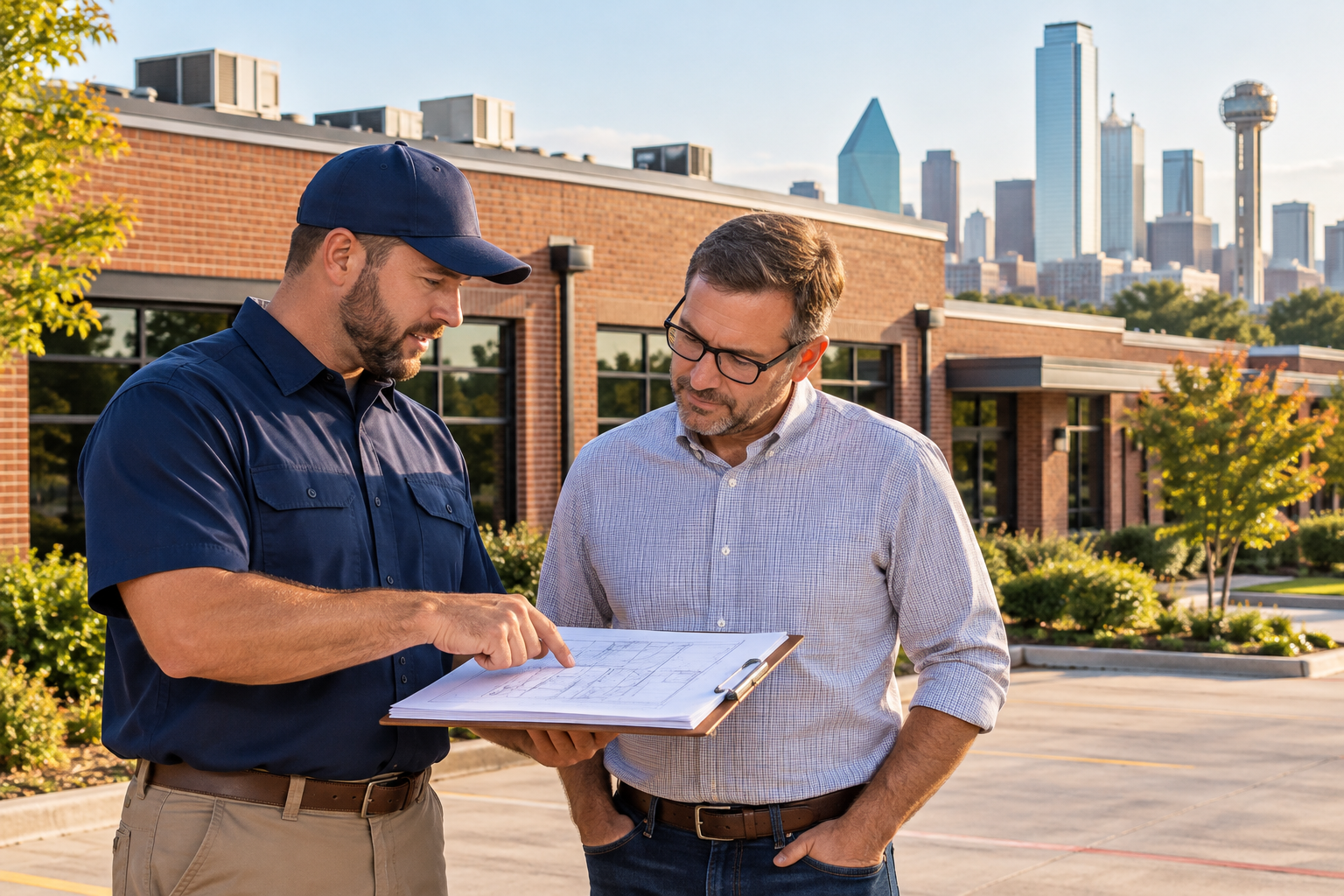
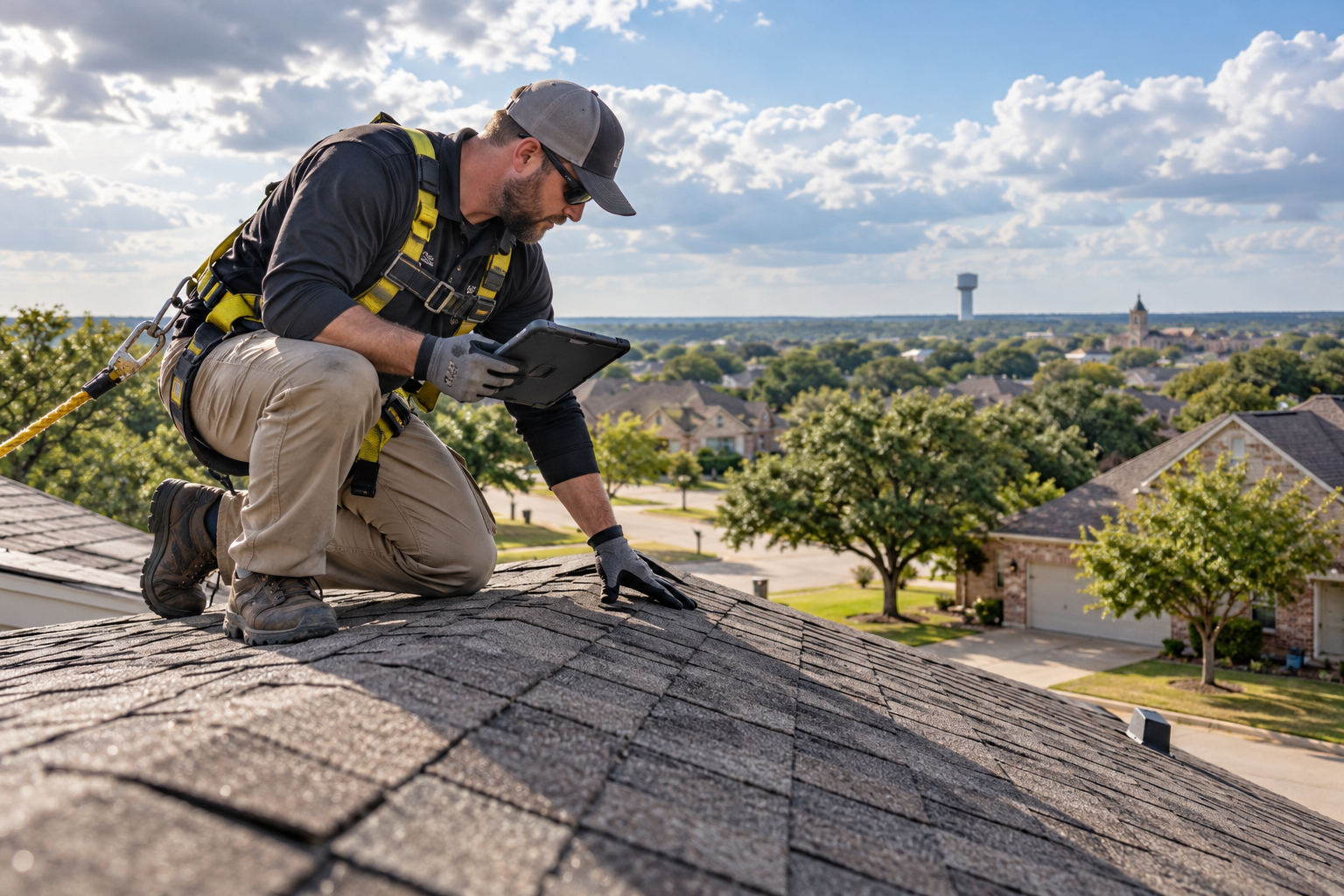
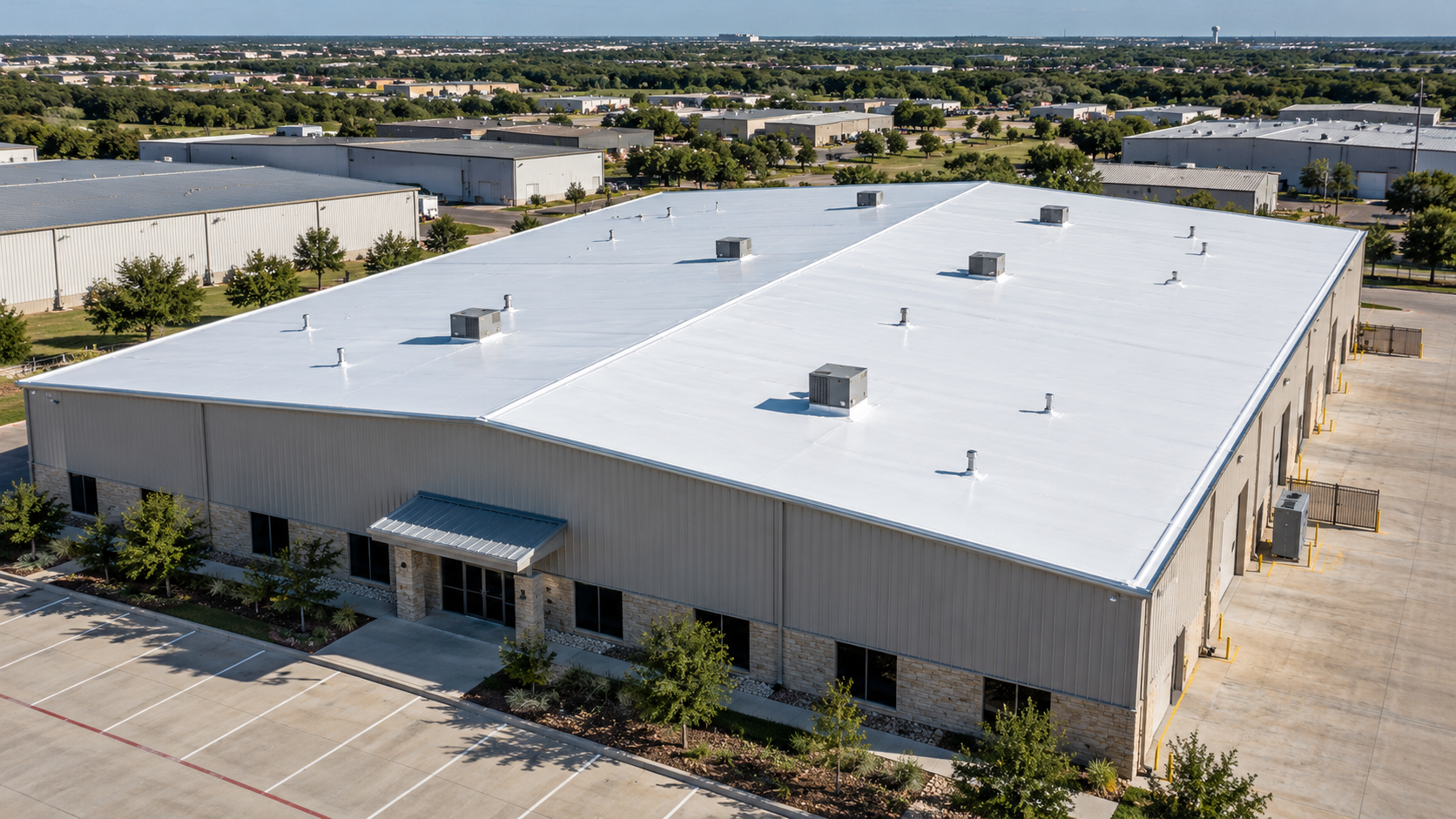
The two accompanying images are AI-generated illustrations of a roof inspection and a homeowner reviewing inspection findings.