



How Much Does a Clay Tile Roof Cost in DFW?
Compare clay tile roof cost in DFW, including national price references, roof area, tile profiles, structural review, underlayment, labor, and estimates.
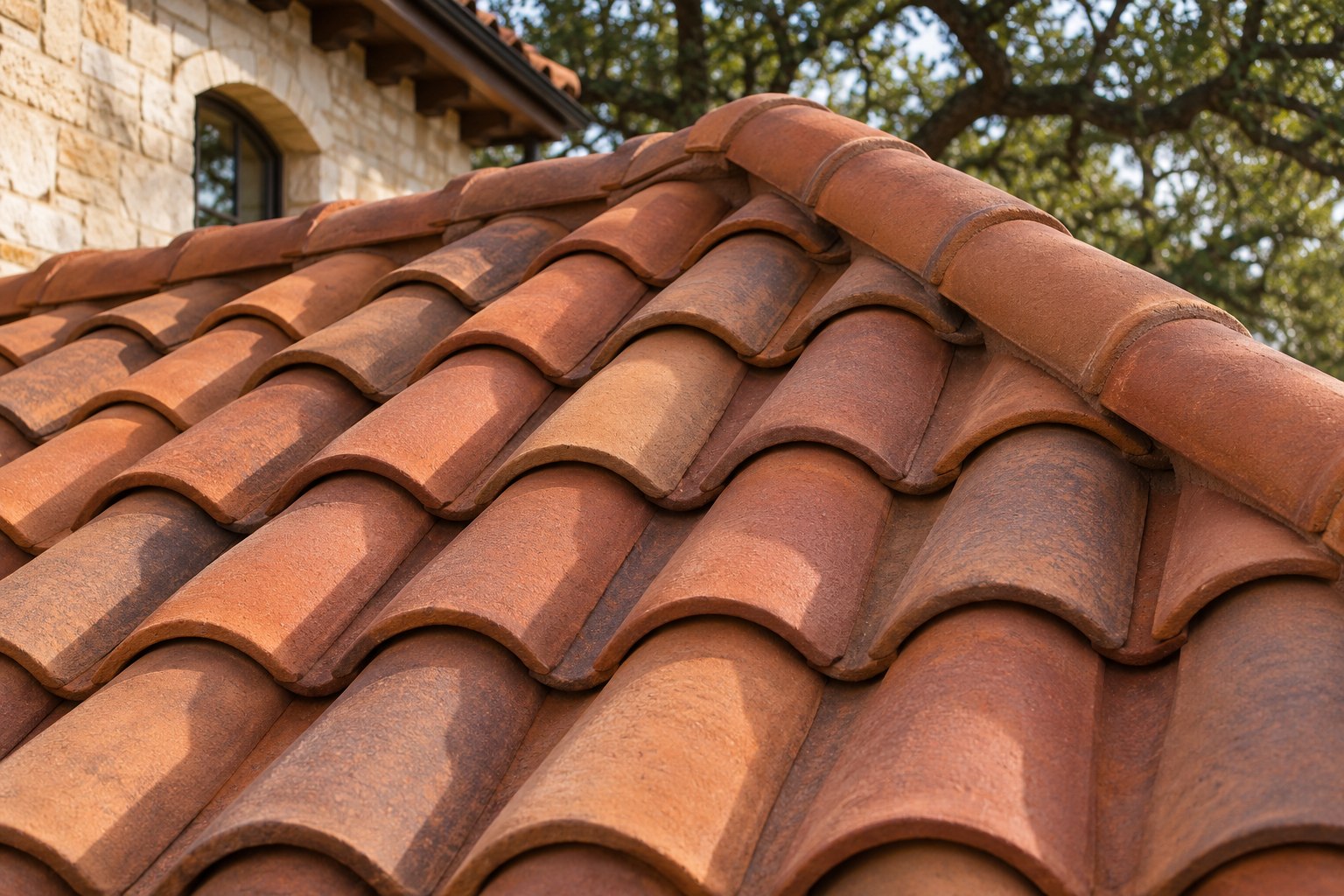
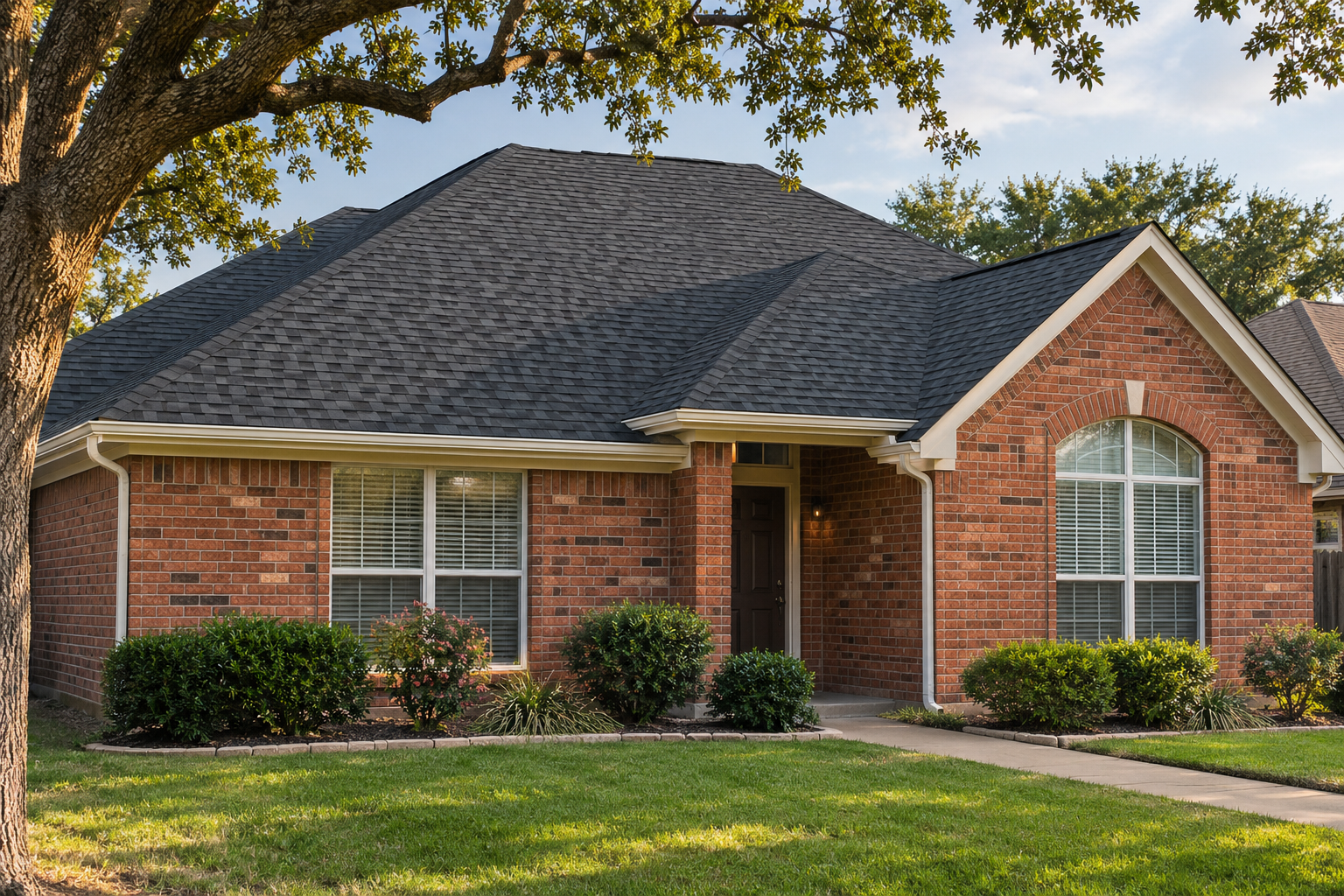
Clay tile roof cost in DFW depends on the selected product, measured roof area, existing construction, installation details, and project scope. The tiles are a major purchase, but freight, underlayment, flashings, attachment, removal, and any necessary structural work also affect the completed price. A quote for tile alone is not a roof replacement budget.
As a broad national reference, Angi’s tile roof cost guide lists clay tile at approximately $8 to $25 per square foot installed. That range is not a verified DFW average or a Showtime Exteriors offer. Premium products, complex roofs, structural alterations, and other project-specific work may fall outside it.
For arithmetic context, applying that published range to 2,000 square feet of measured roof surface produces $16,000 to $50,000. This is a calculation using a national reference, not a local quotation. A property-specific assessment is needed to establish what belongs in your project and whether the building suits the proposed system.
Begin With the Project Type
New construction, full replacement, conversion from shingles, and reuse of existing tile are different projects. Each starts with different conditions and requires its own estimate. Tell the contractor which situation applies before comparing a price with an online example.
A new building may incorporate tile loads and details into its original design. An existing shingle-roofed house needs evaluation before a heavier assembly is selected. A home already covered with clay tile may still need investigation of its deck, underlayment, flashings, and attachment.
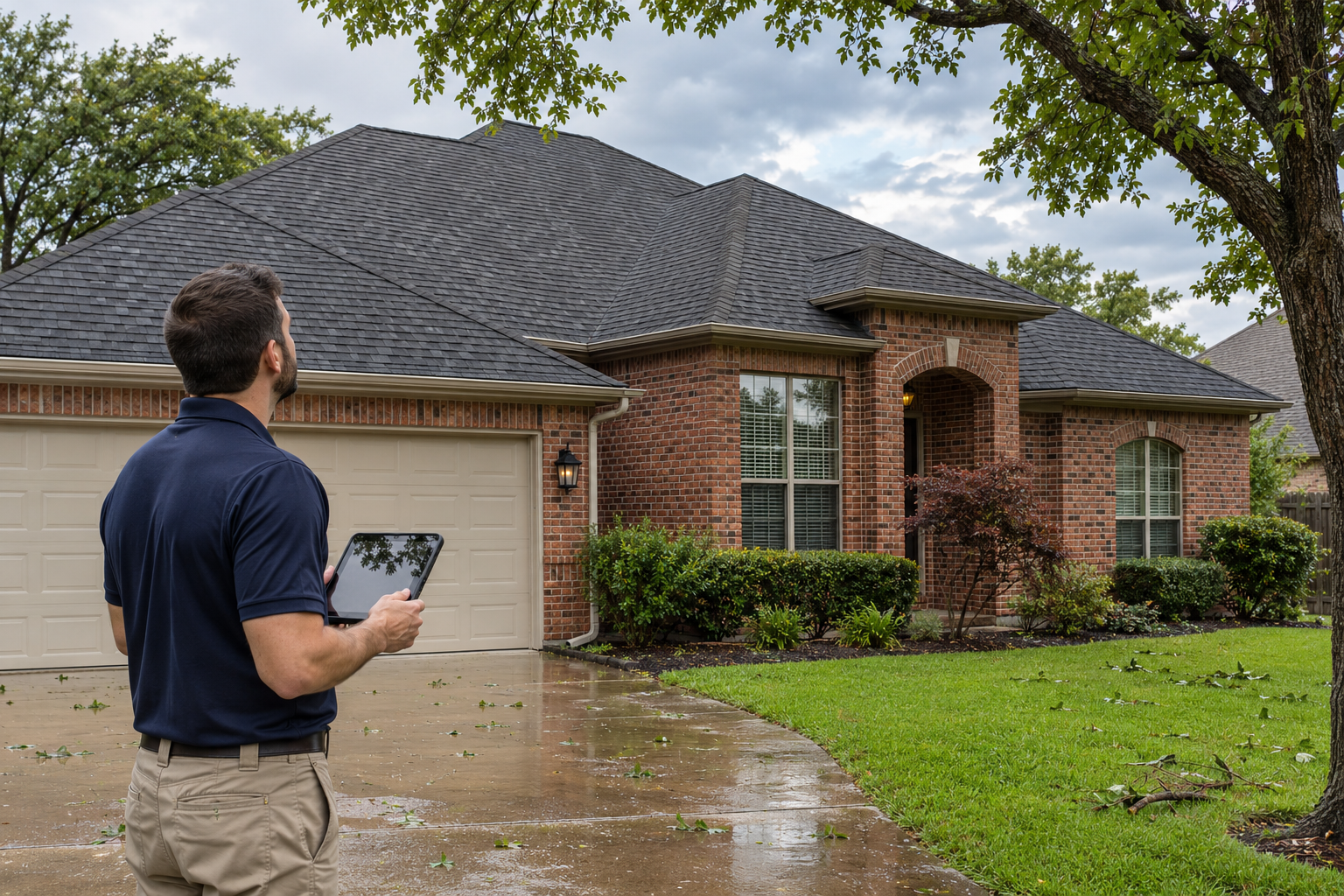
Showtime Exteriors works with North Texas owners evaluating roofing needs. Share the current roof type, available plans, known leaks, and intended appearance so the assessment can establish a useful starting scope instead of assuming that every tile project involves the same work.
Measure Roof Surface Rather Than Interior Space
A house’s advertised square footage describes living area. Roof surface depends on footprint, slope, overhangs, garages, porches, and additions. A multi-story house can have a different roof area from a single-story home with similar interior space.
Ask for the measurement summary used in the estimate. Roofers commonly express quantities in squares, with one square representing 100 square feet. A measured 2,500-square-foot roof contains 25 squares before purchasing quantities and allowances are established.
Clay tile orders also need allowances for cutting, handling, and the roof layout. The proposal should distinguish measured area from ordered quantities and explain how accessories are counted. Comparing unexplained square counts can obscure differences in measurement or the products included.
Treat Price Tables as Planning Tools
The table below uses hypothetical quoted rates selected only to demonstrate budgeting arithmetic. They are not published market averages, DFW bids, or Showtime Exteriors offers. Each row assumes the same measured roof area so you can see how a different quoted rate changes the base calculation.
Measured roof surfaceHypothetical installed rateCalculated base amount2,000 square feet$12 per square foot$24,0002,000 square feet$18 per square foot$36,0002,000 square feet$24 per square foot$48,000
Use the calculation to understand an actual proposal after its scope has been established. Verify whether the total includes tear-off, disposal, substrate repairs, specialty details, structural evaluation, approvals, and taxes where applicable. Separately priced work and approved changes affect the final commitment.
Specify Genuine Clay Tile Clearly
Clay tile is a fired ceramic roofing product. Concrete tile, metal tile-look panels, and synthetic products are different materials, even when their appearance resembles clay. Ask the contractor to identify the manufacturer and exact product rather than describing every curved roof as a clay tile roof.
Profile, finish, color blend, size, and accessories affect the order. Specify the field tile together with hip and ridge pieces, terminals, edge treatments, and other required components. A sample of one tile does not establish the entire roof package.
If alternatives are offered, compare them as separate assemblies. Different weight, attachment, maintenance, appearance, and warranty considerations may apply. A lower material price should be understood in the context of the complete installed system and your design goals.
Profile and Color Influence the Purchase
Spanish-style profiles, barrel configurations, interlocking designs, and flatter clay products can require different quantities and installation arrangements. Custom blends, finishes, or specialty shapes may also affect procurement. Request a written product schedule for the selections you are seriously considering.
Ludowici’s clay tile FAQs illustrate the variety of product and specification questions that can arise, including profile-specific weight information. Use the actual manufacturer’s data for your chosen tile rather than assigning one weight or specification to all clay products.
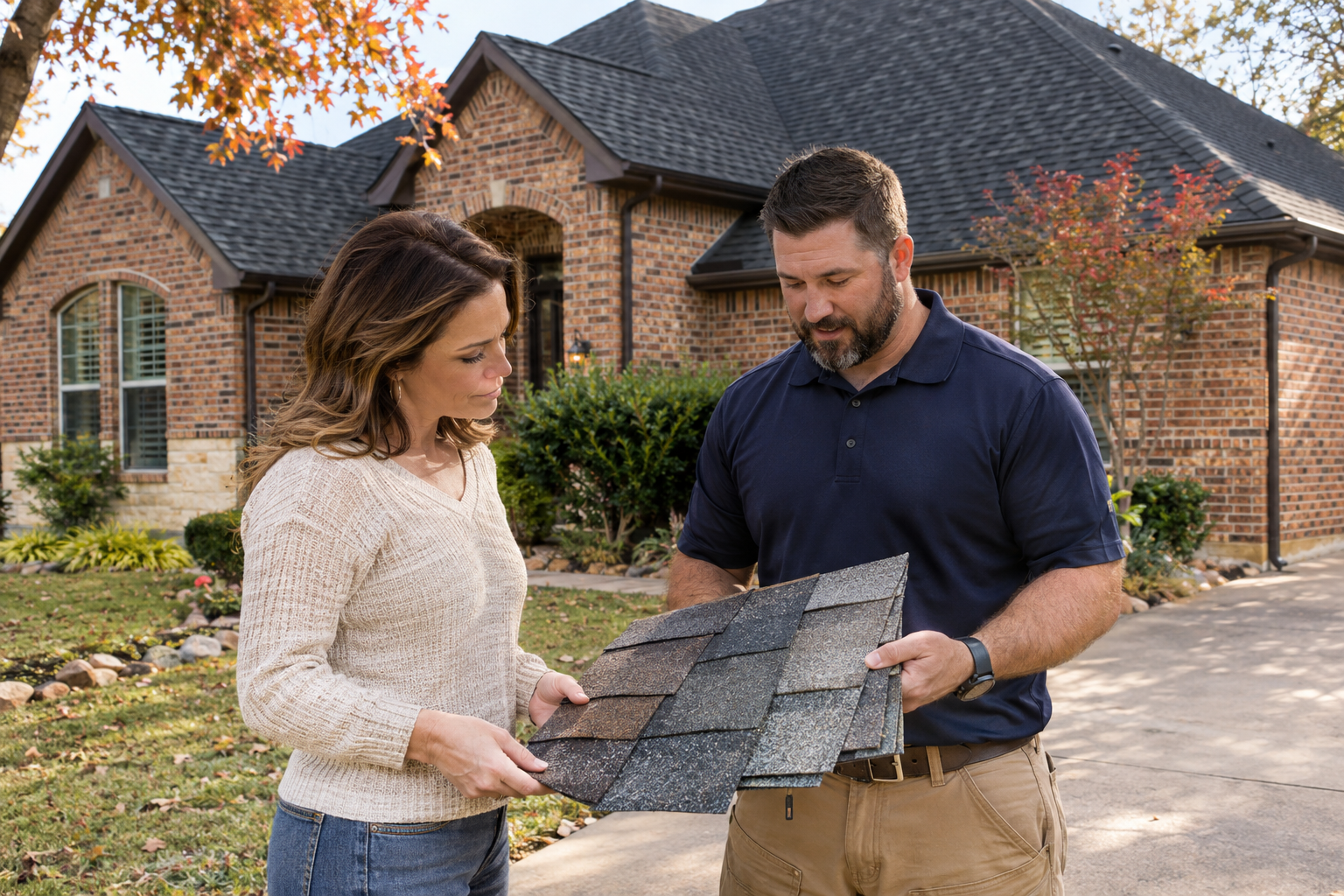
Review samples in suitable light and ask how the color blend will be supplied and installed. Confirm the selected appearance before placing a special order. Understand approval deadlines, change costs, and any return limitations relevant to the purchase.
Structural Suitability Comes Before Ordering
The building must be evaluated for the proposed assembly. Do not assume that an existing roof can support clay tile because the footprint or slope looks appropriate. Conversely, do not assume every conversion requires the same reinforcement. The actual construction and selected loads govern the assessment.
Ask who is responsible for determining whether a design professional is needed and what evaluation is included. Obtain the selected product’s weight and information about the complete assembly. Any necessary reinforcement should have a defined design, price, and approval process.
Separate structural evaluation from installation sales claims. A roofer’s visual observation is not automatically a structural certification. If support conditions remain uncertain, resolve them before ordering tile or accepting a fixed construction schedule based on unverified assumptions.
The Underlayment and Details Need Their Own Budget
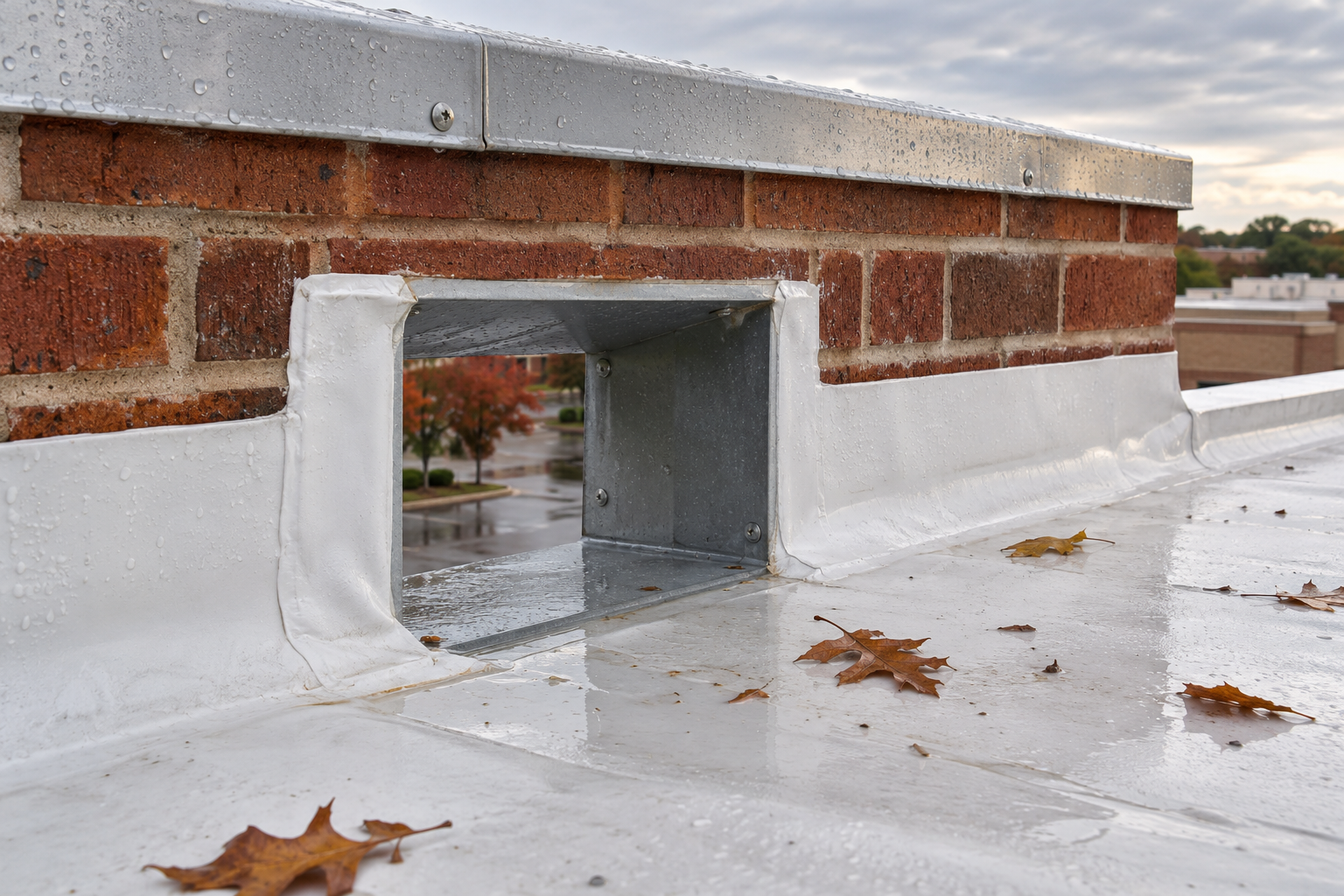
The visible tile covering is only part of the roof. Underlayment, flashings, penetrations, and transitions need defined materials and procedures. An estimate should explain the complete assembly rather than treating those components as unspecified extras beneath the tile price.
The Tile Roofing Industry Alliance’s concrete and clay tile installation manual provides professional guidance on installation and detailing. The applicable design must also follow the selected product’s instructions and local requirements. This is work for qualified personnel, not a generic installation recipe.
Ask how the proposal addresses valleys, roof-to-wall connections, chimneys, skylights, and eaves. Keep substitutions controlled through written approval. A carefully selected tile should be supported by equally clear decisions about the components and details underneath it.
Roof Geometry Changes Labor and Accessories
Hips, valleys, dormers, intersections, and short roof sections can increase cutting, fitting, and accessory needs. Two roofs with the same surface area may therefore have different installed prices. Ask the contractor to explain the labor and product implications of your layout.
Height, slope, and access also affect material movement and site planning. Tile deliveries, lifting arrangements, and temporary storage require coordination. The contractor should establish suitable handling and loading plans rather than treating roof staging as an improvised installation-day decision.
Review complex details before comparing rates. A price per square for an open roof field may not explain the cost of specialty pieces and difficult transitions. Request a complete scope so those items remain visible in the project comparison.
Attachment Must Match the Product and Building
Tile attachment is a system-specific decision. The selected assembly and site conditions determine the appropriate design and installation requirements. Ask the contractor which documents support the proposal and whether additional design or approval is needed.
The Building America Solution Center’s clay and concrete tile roof guide discusses attachment and roof-detail considerations, with a particular focus on coastal high-wind conditions. Its regional context matters; it should not be copied wholesale into a DFW specification.
For your property, request a design suited to the applicable local requirements and manufacturer instructions. Avoid comparing attachment prices without understanding whether the proposed systems are equivalent. A general promise that tiles will be secured does not define the work.
Freight, Handling, and Storage Can Affect Cost
Ask whether the price includes delivery, unloading, lifting, staging, and movement around the property. Access constraints can change these arrangements. A narrow driveway or limited working area may require a different plan from an open new-construction site.
Confirm who is responsible for protecting materials and identifying delivery damage. Tile quantities and handling allowances should be explained in the order. If specialty pieces require replacement, understand how availability could affect completion.
Ask about lead times before scheduling removal of the existing covering. A confirmed product order, suitable storage, and coordinated installation window reduce uncertainty. Record whether the quoted price is valid through delivery or subject to specified changes before the order is placed.
Removal and Deck Work Depend on Existing Conditions
A full replacement proposal should define the existing materials to be removed and how disposal is handled. Existing tile, shingles, older underlayment, and previous repairs can create different tasks. Do not assume all tear-off work is included in a product-and-installation quote.
Decking and other substrate conditions may become clearer after removal. Request a process for documenting concealed problems and approving additional work. Unit prices are useful when their material specifications, labor, removal, and disposal inclusions are clear.
If framing work is identified, separate it from ordinary decking repairs. It may involve different design and approval responsibilities. The owner should be able to trace each change from the observed condition to the proposed work and revised total.
Reusing Existing Tile Is a Different Comparison
Some owners ask about removing and reinstalling suitable existing tiles while renewing underlying components. Whether that approach is practical depends on tile condition, removal feasibility, matching supply, assembly needs, and the contractor’s assessment. Reuse should not be promised before those questions are addressed.
Ask how tiles will be evaluated and handled, what breakage allowance is assumed, and how unusable pieces will be replaced. The proposal should also explain the scope beneath the retained tiles. Reusing the covering does not mean every concealed component can remain.
Compare reuse and new-tile proposals on equivalent underlying work. A lower covering purchase can still involve substantial labor. Understand the appearance, availability, warranty, and repair implications of the retained material before deciding which approach offers better value.
DFW Permits Depend on the Actual Jurisdiction
Dallas-Fort Worth contains many municipalities with different approval processes. Confirm the building’s jurisdiction and proposed scope before assuming which permit or review applies. Structural changes and historic or architectural restrictions may add separate requirements.
The City of Dallas’s residential permitting information is an official starting point for Dallas properties. Owners elsewhere should use their own building department. A neighboring city’s procedure does not establish the requirements for your address.
The contract should assign applications, fees, inspections, and completion records. Include review time in the schedule, particularly if the project changes the roof material or structural design. Confirm approvals before committing to special-order products that may be difficult to return.
Compare Complete Clay Tile Proposals
Provide bidders with the same project history and desired product information. Request separate pricing for material alternatives or optional upgrades. That makes it easier to see whether a price difference reflects a different roof or a different approach to the same work.
Proposal categoryWhat to establishTile selectionManufacturer, profile, finish, blend, accessoriesQuantitiesMeasured roof area, ordered quantities, allowancesSupportStructural review and any designed alterationsAssemblyUnderlayment, deck preparation, attachment, flashingsLogisticsRemoval, disposal, delivery, lifting, protectionApprovalsJurisdiction, permits, inspections, review responsibilitiesChangesConcealed-condition pricing and authorization processCompletionCleanup, photographs, warranties, spare material
Showtime Exteriors’ residential roofing services provide a starting point for discussing property-specific needs. Ask for written clarification wherever a proposal leaves a required task or material undefined.
Separate Warranty Length From Roof Service Life
A tile material warranty and a roof’s maintenance needs answer different questions. Review the actual coverage for manufacturing defects, installation, accessory materials, and contractor workmanship. A long material warranty does not establish that the entire assembly can be ignored for the same period.
For example, Ludowici’s warranty program describes product coverage and exclusions involving installation, impacts, storms, and underlying materials. Those are manufacturer-specific terms, not a warranty description for every clay tile product.
Request the documents proposed for your project and identify who registers or issues them. Ask how a future concern is reported and what maintenance records are required. Keep coverage statements precise when comparing tile products and installation proposals.
Budget for Maintenance and Future Trade Access
Discuss inspection, debris removal, damaged-tile response, and access procedures before installation. Future work involving chimneys, antennas, gutters, solar, or equipment can affect a tile roof. The owner should know how to arrange access without treating the covering as an ordinary walking surface.
Ask whether a reserve of matching tile is appropriate and how it should be stored. Record the product and blend for future reference. Availability and appearance can become important when a small area needs attention years after installation.
Showtime Exteriors’ guide to roof maintenance records offers an organizational framework that can inform residential recordkeeping. Retain the product schedule, installed details, approved changes, photographs, and service history together so future work begins with useful information.
Compare Clay With Alternatives on the Same Basis
Concrete tile, metal, synthetic products, and shingles may offer different appearances, installed costs, and maintenance considerations. Request complete proposals using the actual property rather than comparing a clay tile installation with another material’s supply-only price.
Showtime Exteriors’ guide to roofing materials and selection factors for Texas can help organize the discussion. Ask how each option fits the existing structure, slope, details, and ownership plans.
Avoid assuming an expensive covering guarantees a financial return. Resale value and insurance pricing depend on factors beyond the tile purchase. Verify any proposed discount or other benefit directly with the relevant provider before subtracting it from the project budget.
Put Product Substitutions in Writing
If the specified tile becomes unavailable, request a revised product schedule before accepting a substitute. Compare the profile, finish, weight, accessory package, installation requirements, and warranty rather than approving a change based on a similar color photograph.
A substitution can also affect delivery and approvals. Identify any revised cost and schedule before materials are ordered, and retain the approval with the contract. The completed roof should match an agreed specification that future service providers can identify.
Plan Payments Around a Defined Scope
Review the deposit, product-order commitment, progress payments, and final payment requirements. Custom or specialty orders may have different cancellation and return terms. Understand what becomes nonrefundable and when before approving the purchase.
Maintain a contingency linked to identified uncertainty, especially where substrate or structural conditions remain unresolved. Ask how changes will be supported and authorized. Keep optional selections separate so necessary corrective work is not lost in an upgrade discussion.
If financing is involved, compare the total borrowing cost, fees, term, and promotional conditions independently of the roofing proposal. The installation contract and finance agreement create different obligations. Read both before treating a monthly payment as the complete cost of the roof.
Commercial and Institutional Tile Projects Need Separate Planning
A church, office, school, or hospitality property may have clay tile on portions of a larger roof. Transitions to low-slope sections, equipment, public entrances, and occupied-building logistics can affect the scope. A residential price reference is not a quotation for those conditions.
Showtime Exteriors’ commercial roofing services support discussions about assessments and larger projects. Request evaluation of the actual building, its operating constraints, and the interfaces between different roof areas.
Separate installation work from design, equipment modifications, and other-trade responsibilities. The owner needs a plan for who handles each connection and how the project will be completed around occupants. Those requirements belong in the budget before pricing is compared.
Frequently Asked Questions About Clay Tile Roof Cost in DFW
Is the $8-to-$25 reference a DFW price guarantee?
No. It is a published national installed reference used for initial context. The actual product, property, assembly, labor, approvals, and corrective work determine your quotation. Premium selections and difficult projects can fall outside that range.
Can I replace asphalt shingles with clay tile?
That requires assessment of the building and proposed assembly, including structural suitability and local requirements. Do not order tile based only on roof appearance or a product’s stated weight. Identify any necessary design and construction work first.
Are terracotta and clay completely different roofing materials?
Terracotta commonly refers to fired clay, often associated with an earthy appearance. Product labels vary. Compare the actual manufacturer, profile, composition, finish, and assembly rather than assuming the names alone establish a different material category or price.
Does a clay tile roof eliminate maintenance?
No roof should be purchased on that assumption. Tiles, underlying components, flashings, drainage, and access need appropriate care. Request the maintenance instructions for the installed assembly and arrange professional assessment when damage or leakage is reported.
Can the existing tiles be reused?
Possibly, if the assessment supports it. Condition, handling, matching availability, breakage, and the necessary work below affect feasibility and cost. Compare a defined reuse proposal with the new-material option rather than assuming reuse always costs less.
What should I bring to the first consultation?
Provide the address, current roof type, approximate age if known, plans or prior reports, photographs, leak history, and preferred appearance. Explain whether this is new construction, replacement, conversion, or a potential reuse project so the estimate starts with the correct assumptions.
Request a Clay Tile Roof Assessment in DFW
A useful clay tile roof cost in DFW starts with a specified product, verified measurements, and an assessment of the building. Price the complete assembly, resolve important structural questions, and compare removal, delivery, installation, approvals, and future care together.
Contact Showtime Exteriors or call 817-400-7663 to discuss your property and roofing plans. Request an assessment and written scope that explains the recommended materials, required preparation, pricing assumptions, and next steps for your project.