



Wind-Damaged Roof: Inspection Checklist for Home and Building Owners
Use this wind-damaged roof checklist to document safe observations, arrange a professional inspection, compare repair scopes, and keep useful storm records.
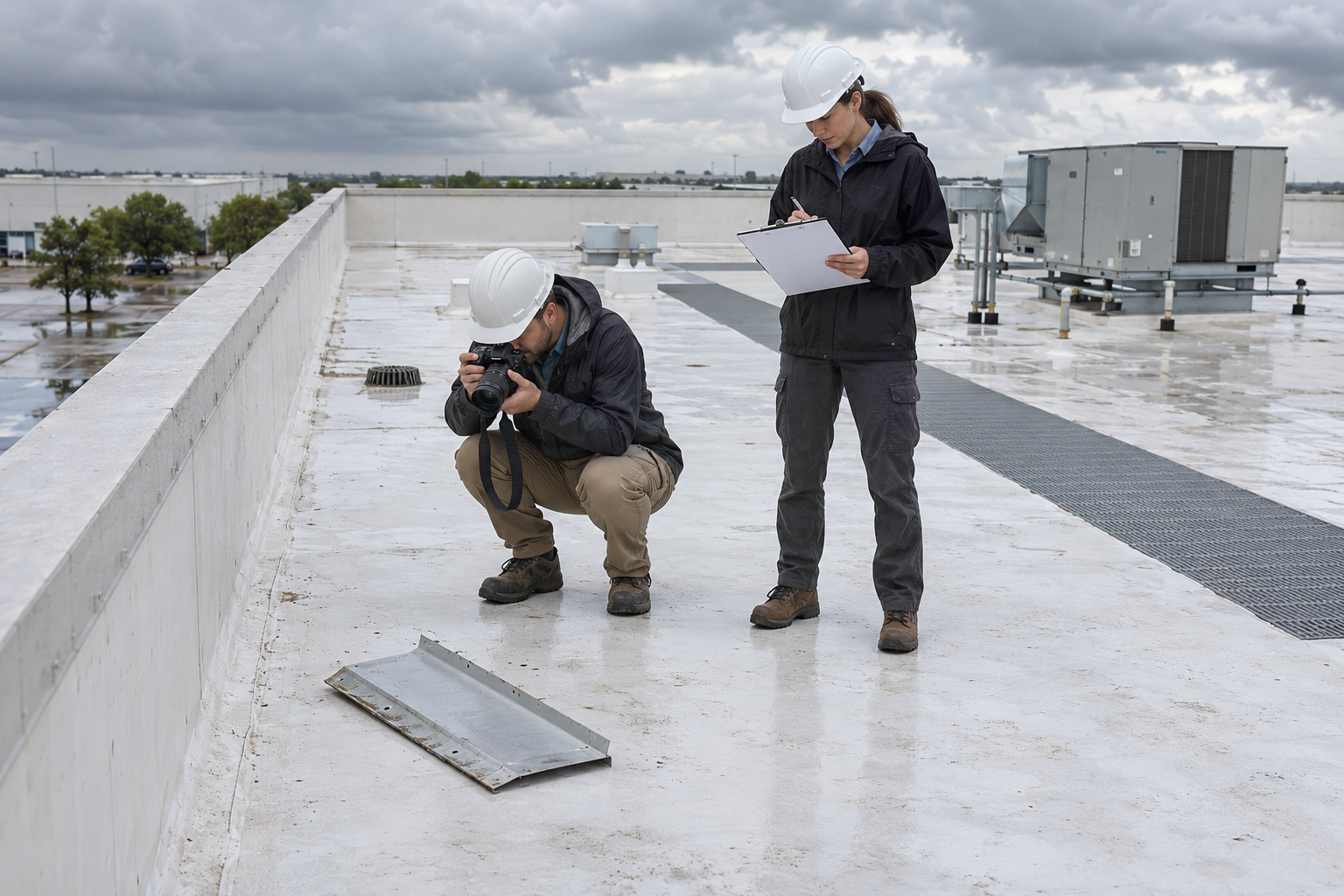
After strong winds, a roof can need attention even when the building remains occupied and no water is visible indoors. Missing shingles, displaced edge metal, debris, or a changed roof detail may justify assessment. None of those observations, by itself, determines the full repair scope or an insurance outcome.
A useful wind-damaged roof inspection checklist separates safe owner observations from professional evaluation. It also connects findings with locations, urgent protection needs, and clearly authorized next steps.
Showtime Exteriors can discuss your property's conditions and inspection needs. This guide covers homes and commercial buildings in Texas. Use it to organize information and service requests, not as instructions to climb onto a roof or perform specialized tests.
First Confirm That Conditions Permit Assessment
Stay aware of continuing weather threats. The National Weather Service's after-storm guidance advises assessing property after the severe weather threat has ended and avoiding hazards such as damaged structures and power lines.
Do not approach loose overhead components, fallen wires, unstable trees, or a building that appears structurally damaged. Keep occupants and visitors away from affected areas and obtain appropriate emergency assistance where needed.
A break in rainfall is not enough reason to access a roof. Wet surfaces, concealed damage, electrical equipment, and unstable materials may remain hazardous.
Owner documentation should begin from safe ground-level or indoor locations. Let qualified personnel determine the access and protection needed for a professional roof assessment.
The Initial Owner Checklist
InformationWhat to record safelyWhy it helpsEvent historyApproximate date and time of reported strong windsEstablishes the inspection contextDiscoveryWhen the concern was first noticedSeparates event timing from later observationsExterior concernsVisible missing pieces, displaced components, or debrisHelps plan the assessmentInterior symptomsRoom, location, time, and active water entryHelps prioritize protection and investigationPrevious conditionsEarlier repairs, stains, and known leaksProvides an accurate baselineProperty accessGates, contacts, restrictions, and occupied areasSupports safe service planningUrgent concernsOpen areas, loose parts, or hazardous conditionsIdentifies the appropriate response
Record facts without trying to diagnose every condition. A clear observation is more useful than an unsupported claim that the whole roof failed during the storm.
Photograph the Property Without Creating Risk
Take wide photographs that establish the building and closer views from safe positions where practical. Record which side or roof section is shown. Keep original files with their dates.
Do not climb a ladder, lean from an opening, or enter a damaged attic for a better angle. Binoculars may help with ground observations, but they do not replace a professional inspection.
Owens Corning's storm damage guidance describes missing shingles and less obvious wind-related concerns, while recommending safe observation and professional help.
If an annotated photograph helps identify a location, retain the original alongside it. Avoid altering images in ways that change the condition they show. An organized factual record is useful whether the eventual recommendation is a small repair or broader work.
Understand What Shingle Symptoms Can Mean
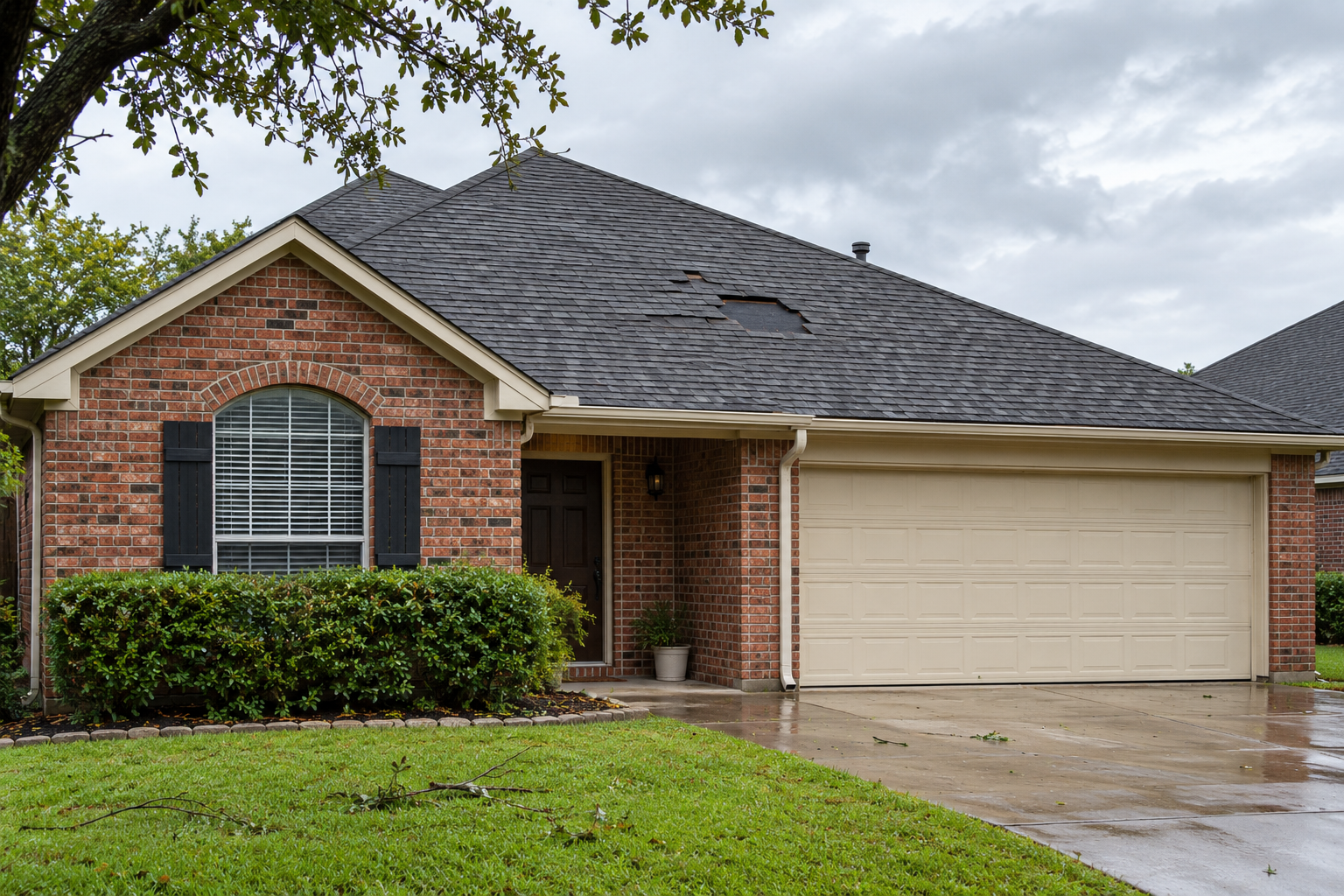
On asphalt shingle roofs, wind-related conditions may include missing shingles, lifted or creased pieces, and damage associated with flying debris. A visible gap deserves assessment, but the number of missing pieces does not establish the entire scope.
GAF's technical bulletin on wind-event shingle damage discusses several forms of damage and the need to evaluate actual conditions. Its information applies within the context of the manufacturer's products and guidance.
Owners should not lift shingles to test seal bonds or bend pieces to look for creases. Those actions can change the roof and complicate evaluation.
Ask the roofer to distinguish observed damage from other conditions and explain the basis for the recommendation. Age, product, installation, exposure, and previous repairs may all be relevant.
Look Beyond the Main Roof Surface
Wind assessment should include related components rather than focus only on shingles or membrane. Ridge areas, flashings, penetrations, edges, copings, gutters, and wall transitions can deserve attention.
From the ground, an owner may notice a changed roofline, a displaced downspout, or a loose metal piece. Report the location and keep people away from potential falling objects.
A damaged gutter does not automatically mean the roof covering needs replacement. Likewise, an intact-looking roof surface does not establish that every edge or flashing remains serviceable.
Ask the inspection report to identify each affected component and the trade responsible for its evaluation or repair. That avoids leaving a building interface unresolved because the roofer and another contractor each assumed the other would handle it.
Commercial Roofs Need a System-Specific Assessment
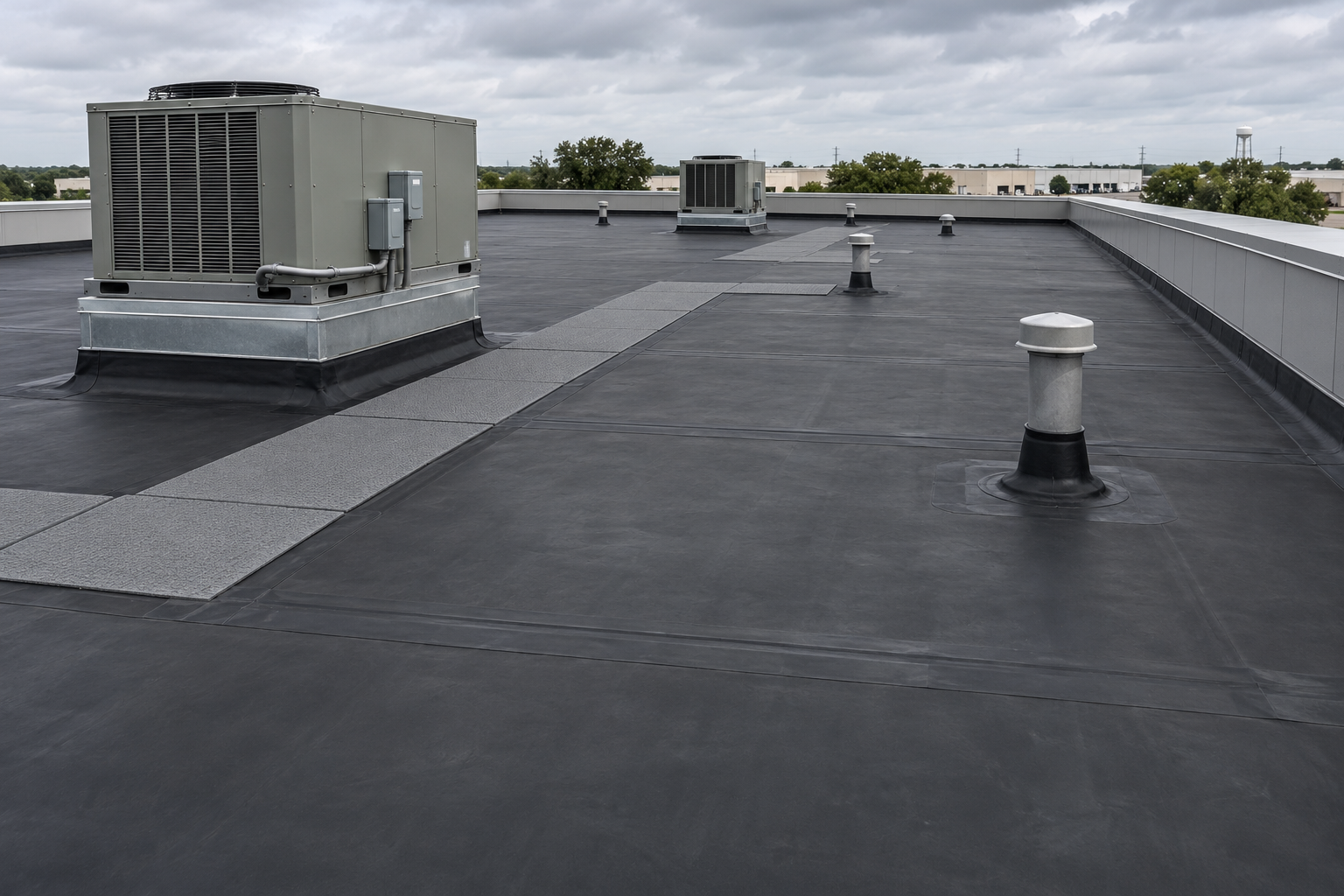
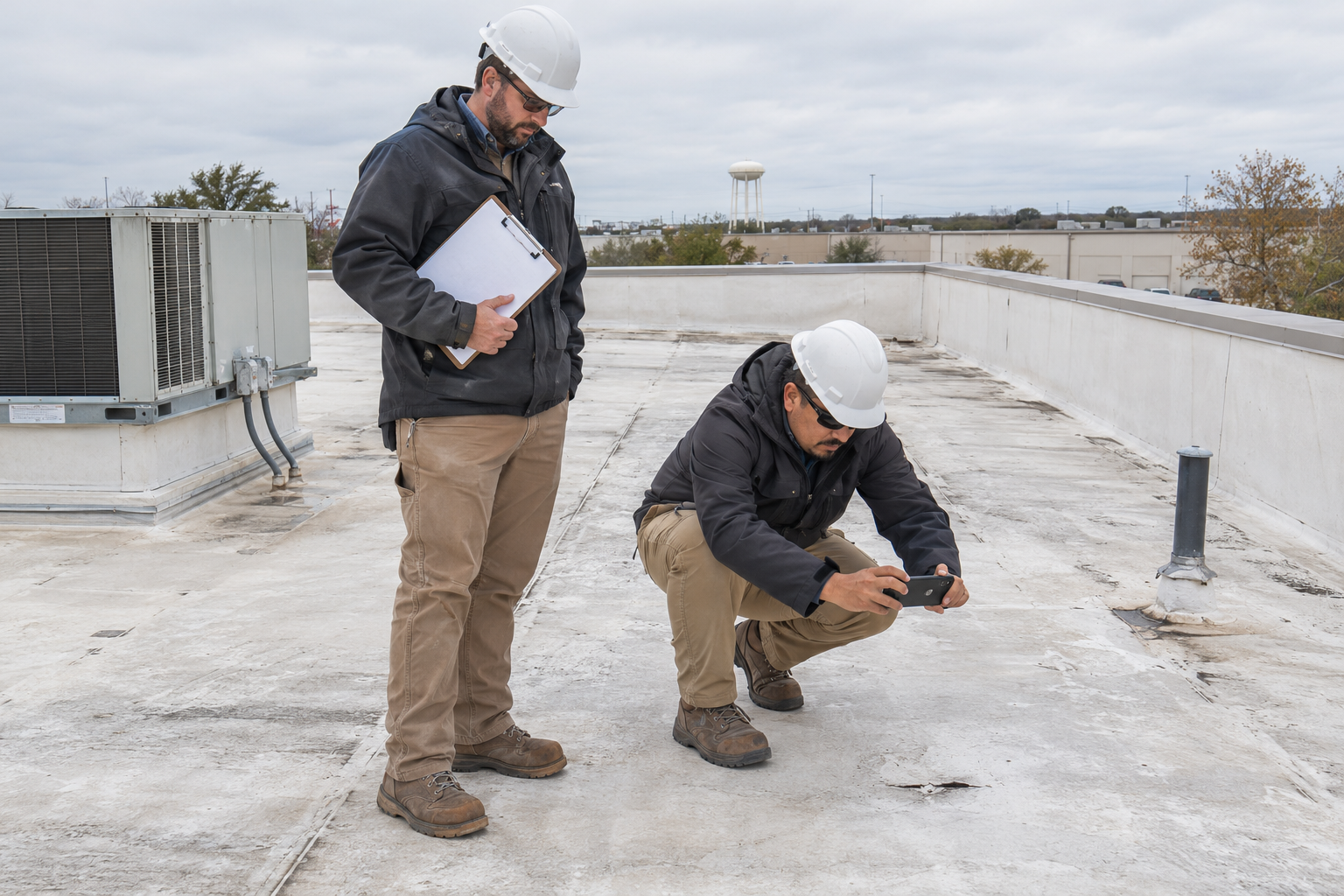
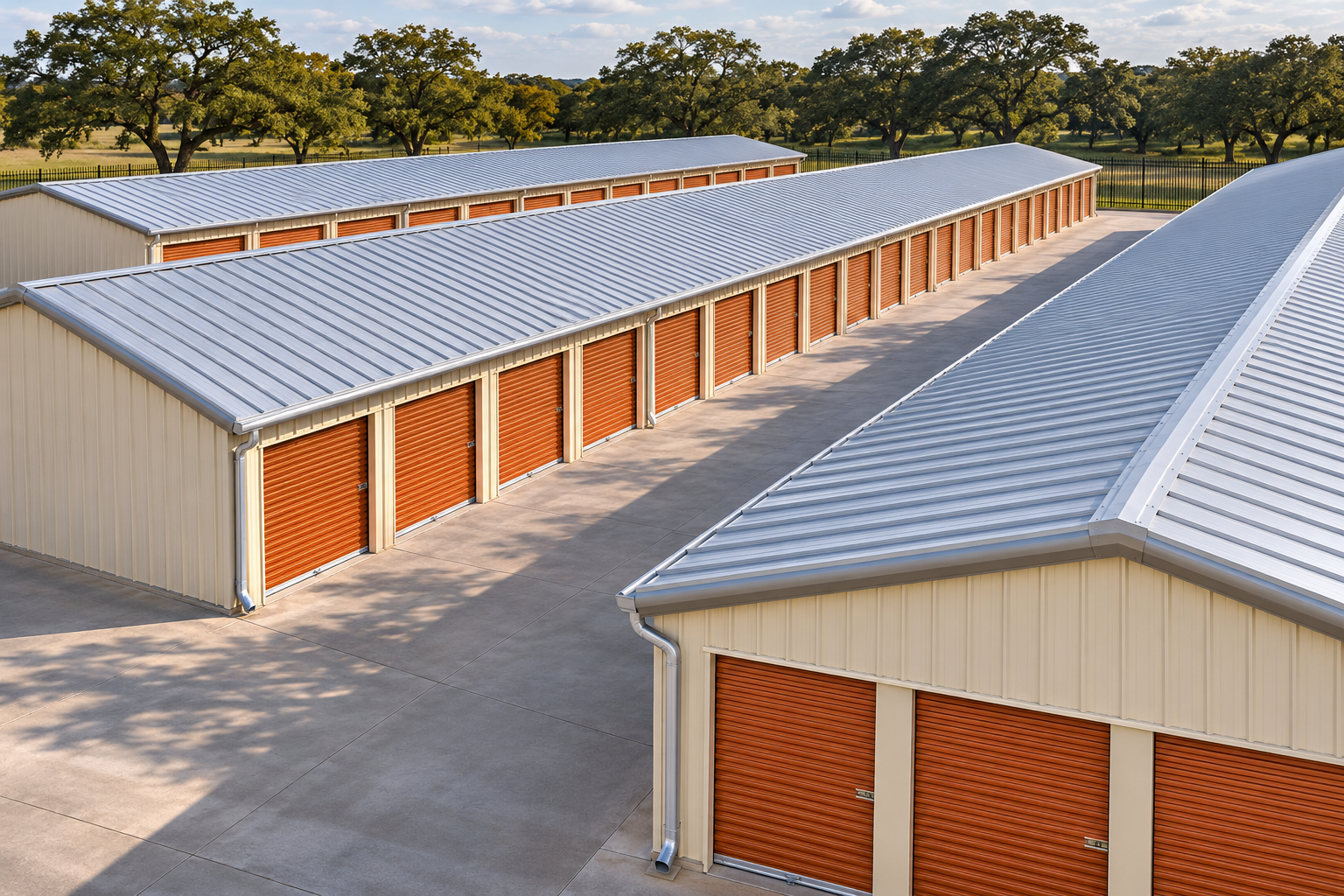
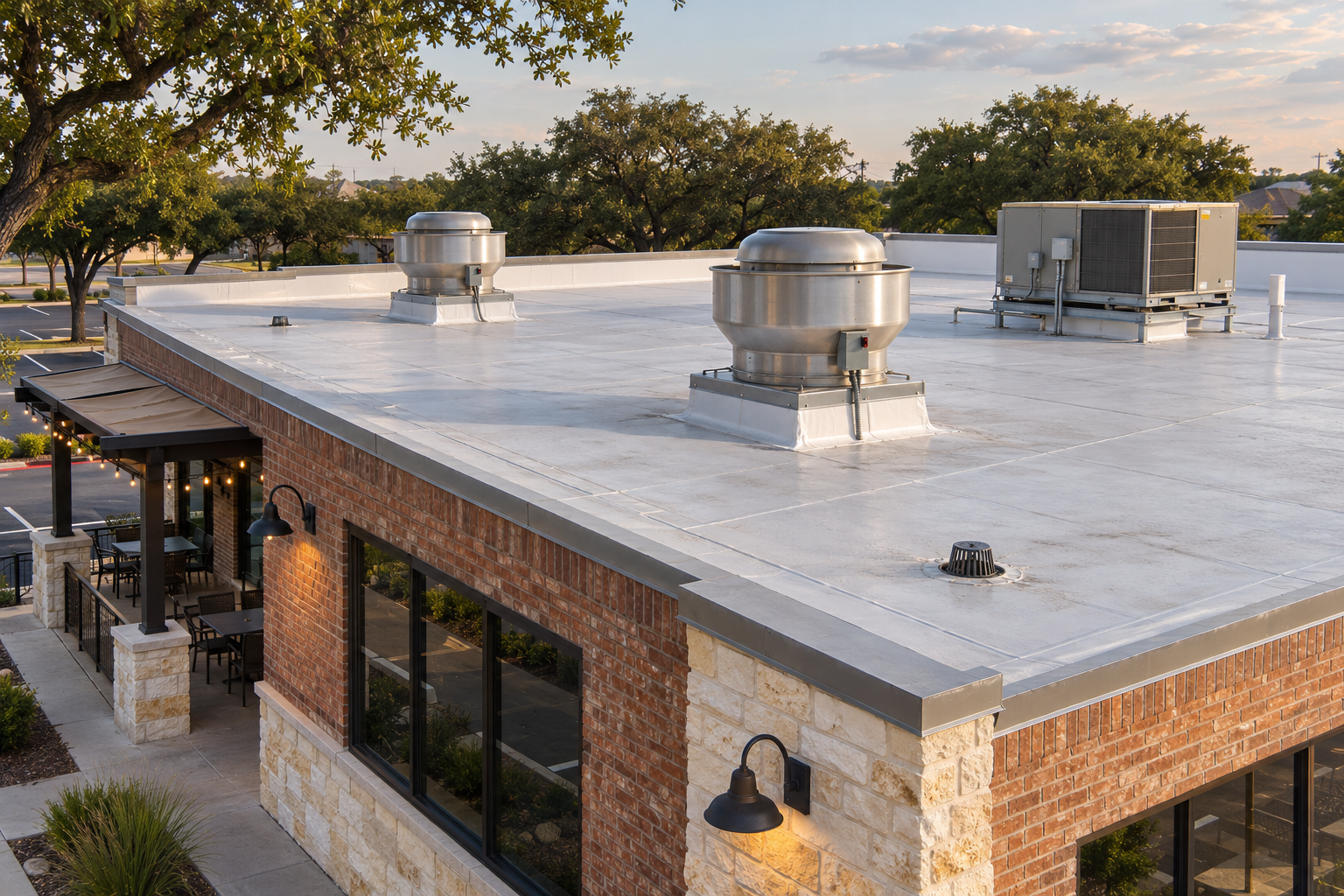
Low-slope membranes, metal roofs, coatings, and asphaltic assemblies have different details. A wind assessment should reflect the installed system rather than apply a residential shingle checklist to every building.
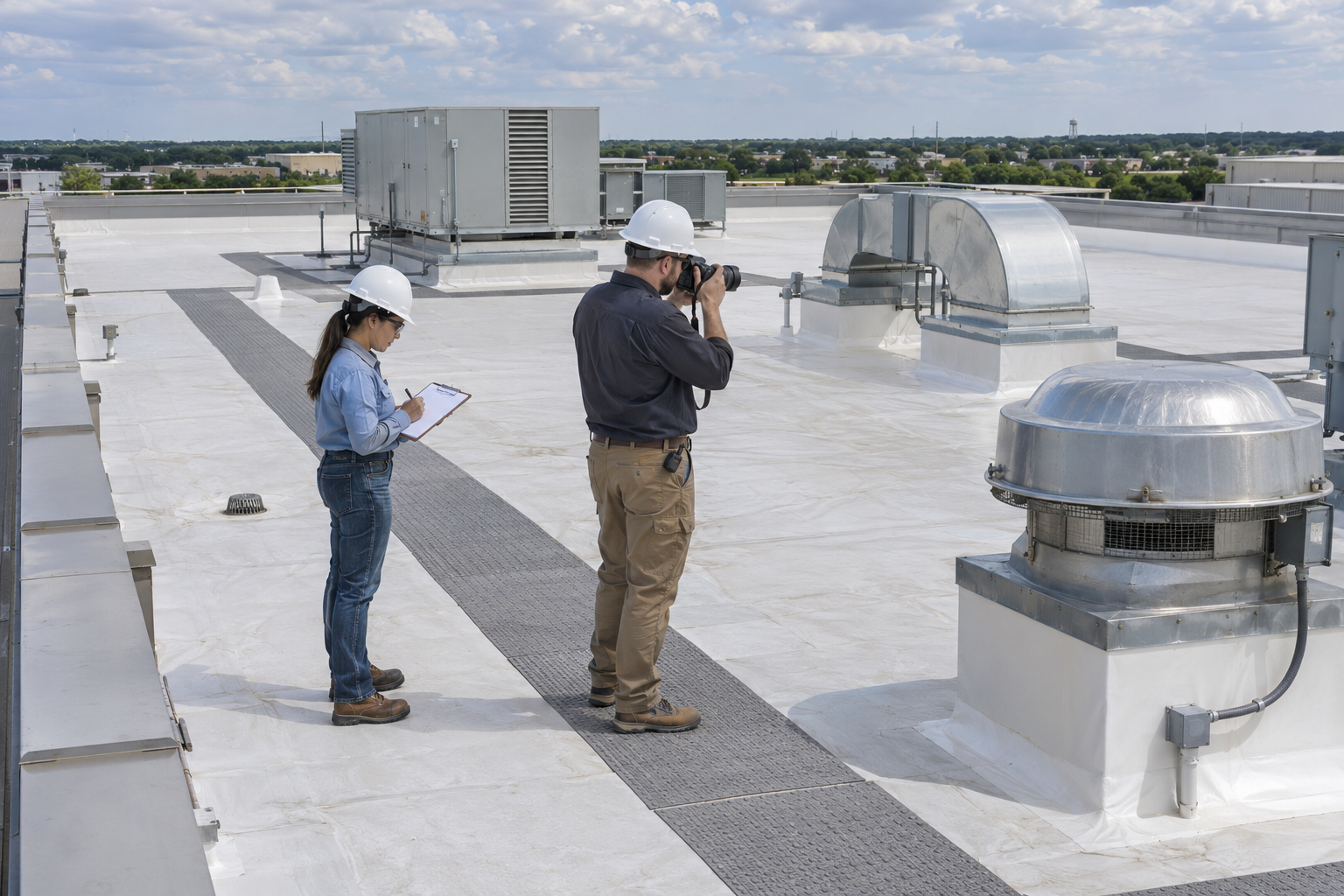
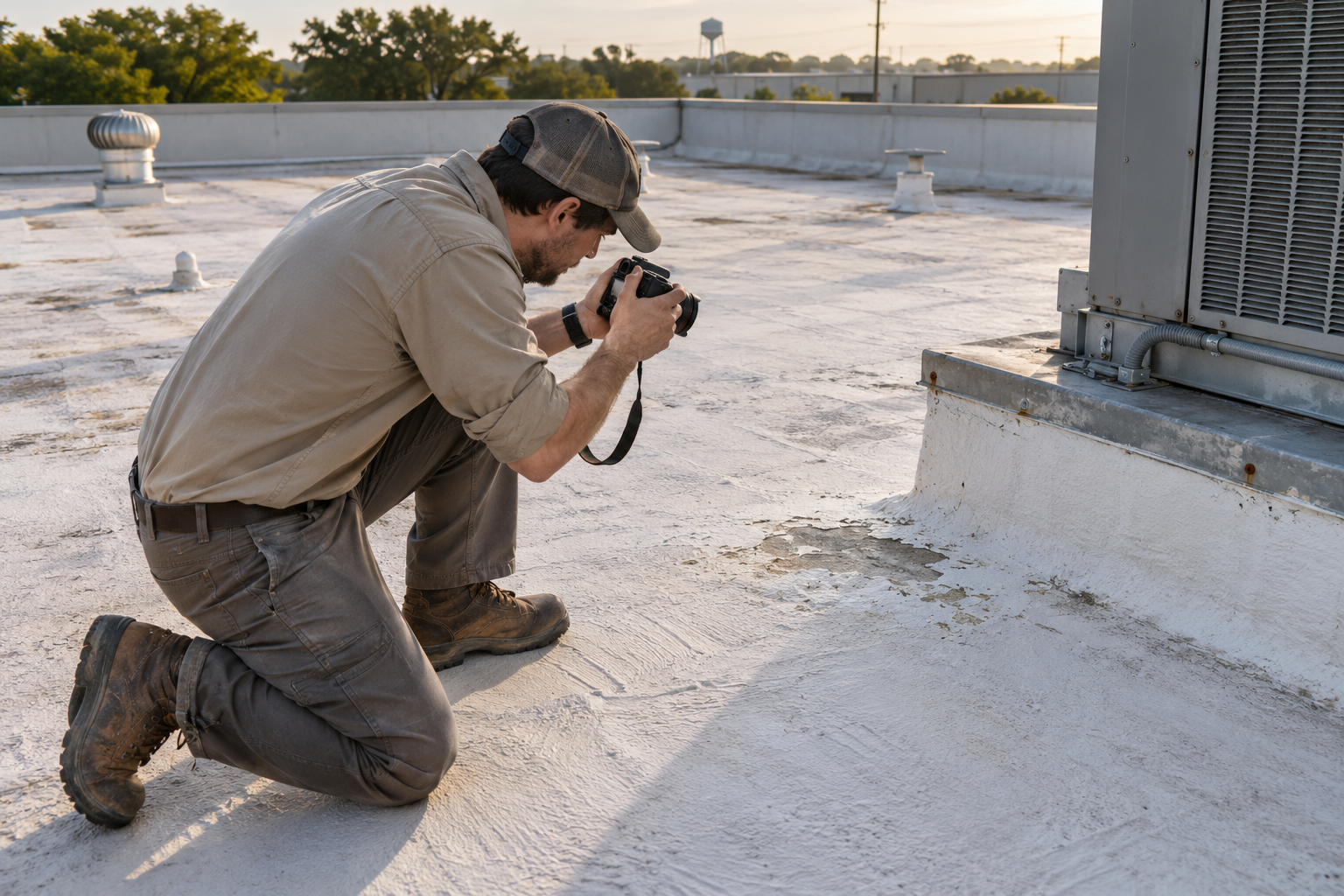
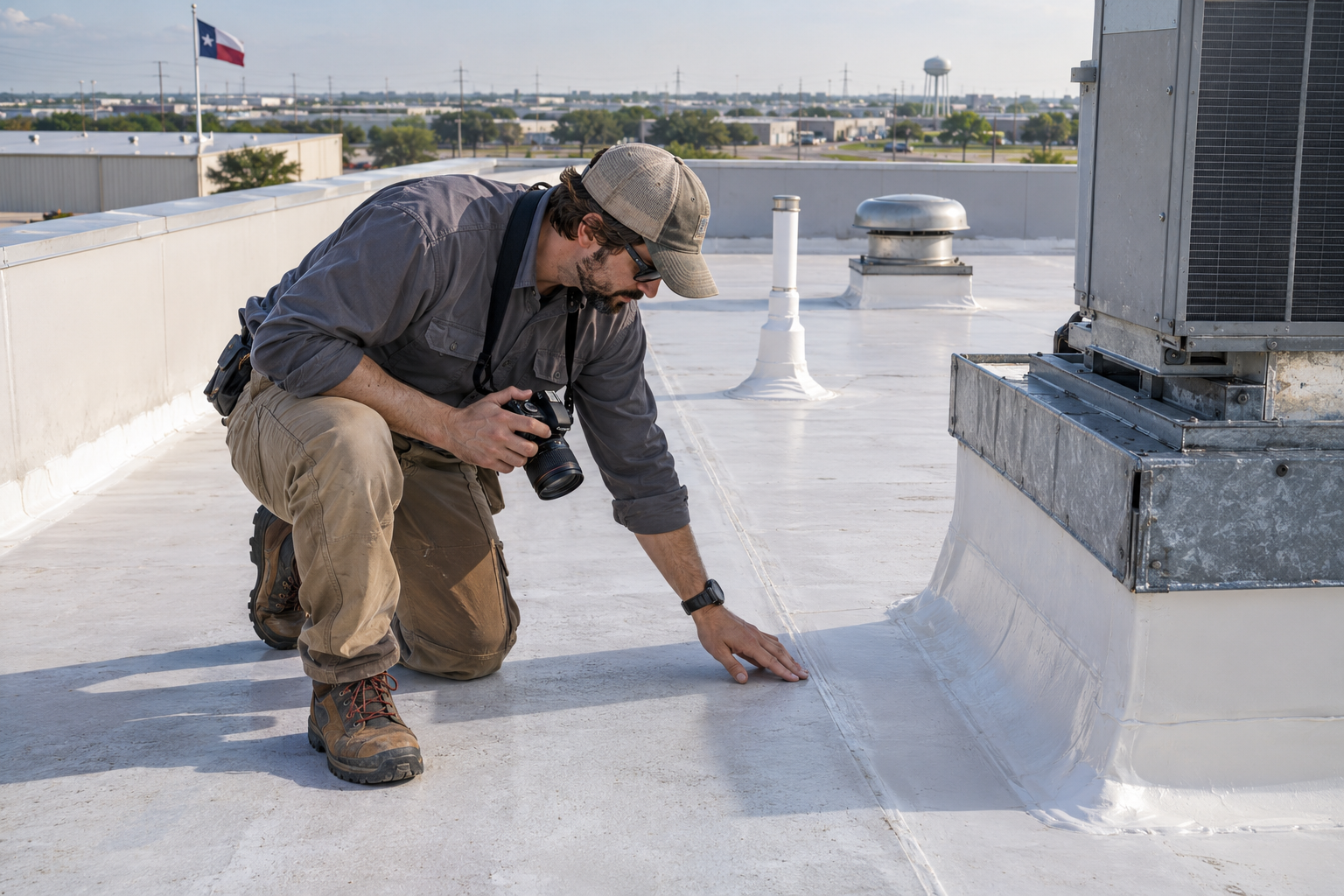
Ask the professional to evaluate accessible membrane or panel conditions, seams or joints, attachment concerns, flashings, perimeters, equipment interfaces, and displaced debris. Specialized testing or concealed-condition investigation may require separate authorization.
GAF's roof asset management resources provide owner information about commercial roof care. Use the guidance for the actual installed system when planning service.
For a business property, commercial roofing support should also account for tenant access, equipment operation, loading areas, and any spaces that need immediate protection.
Record Interior Symptoms Precisely
New stains, damp materials, dripping, or changed ceiling conditions can help guide investigation. Record the room, approximate location, discovery time, and whether water is still entering.
Water can travel before becoming visible. The interior symptom is therefore a starting point rather than proof that the roof opening sits directly above it.
Plumbing, equipment, walls, or condensation may also be involved. Give the roofer the relevant history without assuming the source before assessment.
Avoid areas with electrical, structural, or ceiling hazards. Protect occupants and property through appropriate procedures and qualified assistance. Do not enter a questionable attic or ceiling space simply to complete the checklist.
Request a Defined Professional Inspection
Before scheduling, explain the visible concerns, property type, active leakage, and access restrictions. Ask what the visit includes and what may require additional investigation.
A useful scope identifies roof sections to be assessed, interior access where authorized, documentation, and any limitations. A visual inspection does not establish the condition of every concealed layer.
For a home, residential roofing services should connect the recommendation with the actual roof product and condition. For a multi-building property, provide a site plan and consistent building names.
Clarify whether temporary protection or repairs can be performed during the visit and what approval is required. An appointment to inspect should not be confused with authorization for an undefined construction project.
What the Inspection Report Should Include
Report elementUseful detailProperty identificationAddress, building, roof section, and inspection dateScopeAreas assessed and access limitationsPhotographsOverview and detail views tied to locationsConditionsSpecific observations separated from assumptionsUrgencyProtection needs and reasons for priorityRecommended workDefined repair or further investigation scopeUncertaintyConcealed conditions or questions not yet resolvedFollow-upResponsible party and next decision
Ask for an explanation you can compare with the photographs and estimate. A statement that the roof has storm damage, without identifying locations and conditions, offers little basis for evaluating work.
Distinguish Observations from Conclusions About Cause
A roof assessment can document conditions and explain a professional opinion about them. Establishing timing and cause may require history, prior photographs, product information, or additional investigation.
A storm occurred nearby is context; it is not proof that every deterioration or previous patch came from that event. Similarly, a component found on the ground may need identification before it can be tied to a particular building.
Request language that distinguishes verified findings from uncertainty. If the contractor cannot determine a concealed condition without opening an area, the report should say so.
Accurate limitations help the owner make better decisions. They are preferable to a confident replacement recommendation that depends on assumptions no one has checked.
Arrange Temporary Protection When Needed
An opening or active leak may call for professional temporary protection before the permanent scope is settled. Ask what measure is proposed, how long it is intended to serve, and what limitations apply.
Temporary work should be authorized and documented. Where safe and practical, retain condition photographs before work and records of materials, labor, and cost.
Do not climb onto a damaged roof to install a tarp yourself. Access and installation can introduce hazards and additional damage.
A temporary measure does not establish insurance coverage or eliminate the need for permanent follow-up. Keep the unresolved repair visible on the action list, with a contact and target date for the next decision.
Keep Insurance and Roofing Responsibilities Clear
If a claim is being considered or filed, report the concern to the insurer and follow its instructions for documentation and inspection coordination. TDI's storm recovery guidance provides information about reporting, records, and preventing additional damage.
Keep the roofing estimate separate from the insurer's coverage decision. A contractor can describe observed conditions and proposed construction work; that does not guarantee payment under the policy.
Save correspondence, photographs, temporary-work receipts, inspection reports, and estimates. Ask the insurer about handling damaged materials or permanent work when inspection is still pending.
Coverage depends on policy terms and the facts of the claim. Seek appropriate independent advice for disputed policy or legal questions rather than treating a roofing recommendation as a coverage determination.
Understand Texas Contractor Boundaries
TDI's roofing and insurance law guidance explains that contractors cannot act as public adjusters for properties where they provide or may provide contracting services. Texas also prohibits offers to waive, rebate, or absorb the deductible.
Ask the roofer to define its construction services clearly. Technical documentation and estimates should not be confused with representing the owner in insurance settlement negotiations.
Keep contracts, invoices, payment records, and completion statements accurate. Question an arrangement intended to conceal what the owner actually paid.
This distinction helps owners select the right professional for each issue: roofing assessment and construction, insurance adjusting where appropriately retained, or legal advice when needed.
Compare Repair and Replacement Through the Findings
A limited repair may be appropriate where the damage is localized and the surrounding roof supports a suitable repair. Broader work may be justified by other verified conditions. Neither decision should be based only on the existence of a storm.
Ask how the proposed work addresses compatibility, surrounding materials, details, and concealed uncertainty. If replacement is recommended, request the basis for rejecting a more limited scope.
The roof material and system selection guide can help organize questions when broader options are being compared. Keep elective upgrades distinct from work needed to address documented concerns.
Compare proposals with equivalent assumptions. One price may include flashing reconstruction or substrate repairs that another excludes, making the totals difficult to evaluate without clarification.
Review the Written Construction Scope
A repair proposal should identify locations, materials, preparation, details, price, exclusions, and payment terms. It should explain how additional discoveries will be documented and approved.
Ask whether the work is temporary or intended as a permanent repair. Confirm who will coordinate equipment, gutters, wall interfaces, or other related trades.
For commercial properties, address work hours, tenant communication, staging, and access. For homes, discuss property protection, debris removal, and any areas the crew needs to enter.
Do not sign a document based only on a verbal summary. Understand what it authorizes and obtain appropriate advice if its obligations are unclear. The inspection report and construction agreement serve different purposes.
Preserve a Useful Roof History
Keep the event information together with previous service records. Earlier photographs and repair reports can help the next professional understand what changed and what was already present.
Use consistent names for buildings, roof sections, and interior spaces. Save original photographs and completion records for authorized work.
The guide to commercial roof maintenance records insurers may request offers an organizing framework that can also be adapted for a homeowner's file.
Good records support more than claims. They help identify recurring symptoms, compare future inspection findings, plan budgets, and provide continuity when a property manager or service contractor changes.
Close Out Repairs and Arrange Follow-Up
At completion, request photographs, invoices, approved changes, and applicable warranty or workmanship information. Confirm that any remaining recommendations are still assigned to someone.
Do not sign a completion statement for work that has not been performed. If deficiencies remain, document them with the expected correction and date.
Where interior leakage occurred, keep a reporting process for later rainfall. An old stain may remain after a repair, while fresh moisture or an expanding affected area deserves prompt attention.
A follow-up report should describe what changed and when. It should not require the owner to climb onto the roof to decide whether the repair worked. Arrange further professional assessment when symptoms continue.
Reduce Future Uncertainty with Planned Maintenance
Once urgent issues are resolved, establish a maintenance schedule suited to the roof and manufacturer requirements. Inspect after significant events and rooftop work where appropriate.
Control roof access and coordinate equipment service. Dropped tools, dragged panels, or improvised repairs can create concerns unrelated to the original storm.
Keep drainage paths serviceable through qualified maintenance and investigate repeated accumulation. Record small findings and complete approved actions before they disappear into an unused report archive.
A maintenance plan cannot guarantee freedom from future wind damage. It can give the owner a better baseline, clearer reporting, and a practical way to address conditions as they are identified.
Prepare a Clear Inspection Request
A short written request can make the first service conversation more useful. Identify the property, describe what was noticed, and state whether the concern is active or has changed. Include the dates as accurately as you can without guessing.
For example, a useful description is that a shingle fragment was found beside the west driveway the morning after strong winds and that no indoor water has been observed. That is more informative than declaring that the west roof needs replacement before anyone has inspected it.
For a commercial building, identify the affected tenant or room and any operational restrictions. Note whether roof access requires a facility representative, whether equipment is continuously operating, and who can approve temporary work. Provide a site map if building numbers are difficult to identify from the street.
Ask the contractor to confirm the inspection scope, expected documentation, and authorization process. If additional testing may be needed, request an explanation before approving it. The owner should know what information the visit can provide and which questions may remain unresolved.
Questions to Resolve Before the Next Rain
If the assessment identifies an urgent concern, ask who will arrange protection and how its completion will be documented. Confirm the contact to use if symptoms change after hours. A written plan is particularly useful when several owners, tenants, or facility shifts are involved.
Distinguish outstanding construction decisions from unanswered insurance questions. The building may need monitoring or temporary protection while coverage discussions continue. Assign responsibility for each item rather than leaving a general instruction to wait for someone else.
Keep an accessible list of affected areas and any restrictions on use. Share relevant information with occupants through the property's normal communication process. Do not invite tenants or employees to inspect the roof themselves.
After work, update the original action list. Mark what was completed, what remains temporary, and what requires another appointment. This closes the gap between receiving a report and having a reviewable outcome. It also gives a different contractor or property manager a reliable starting point if the same concern is reported later.
Frequently Asked Questions
Can I inspect a wind-damaged roof myself?
Keep owner observations at safe ground-level or indoor locations. Qualified professionals should handle roof access and specialized evaluation. Do not lift shingles or probe seams.
Does missing roofing mean the whole roof needs replacement?
No. The appropriate scope depends on the verified condition, repair feasibility, product requirements, and surrounding assembly. Request the reasoning behind the recommendation.
Can a roof be damaged without an indoor leak?
Yes, an absence of visible indoor water does not verify every roof detail. Arrange assessment when observations or circumstances justify it.
Does my neighbor's replacement prove my roof is damaged?
No. Materials, installation, exposure, age, and condition differ. Your recommendation should follow findings at your property.
Can a roofer guarantee insurance approval?
No. Coverage decisions belong to the insurer under the policy. A roofing contractor's documentation and estimate do not establish payment.
What should I send when requesting service?
Provide the address, contact, reported event date, discovery details, safe photographs, active-leak information, prior repairs, and access restrictions. Identify urgent hazards so the response can be planned appropriately.
Arrange a Wind-Damage Roof Assessment
A useful wind-damaged roof inspection checklist leads from safe observations to documented findings, authorized protection, and a defined repair decision. Keep the roof's technical condition, construction scope, and insurance questions clear throughout the process.
Contact Showtime Exteriors or call 817-400-7663 to discuss your home or commercial building. Share visible concerns, storm history, and any active leakage so the assessment can focus on the property's needs.