



What a Roofing Contractor Can and Cannot Do During an RCV Roof Policy Claim
Understand a roofer’s role in an RCV roof claim, including estimates, depreciation documentation, deductible rules, repairs, and Texas insurance boundaries.
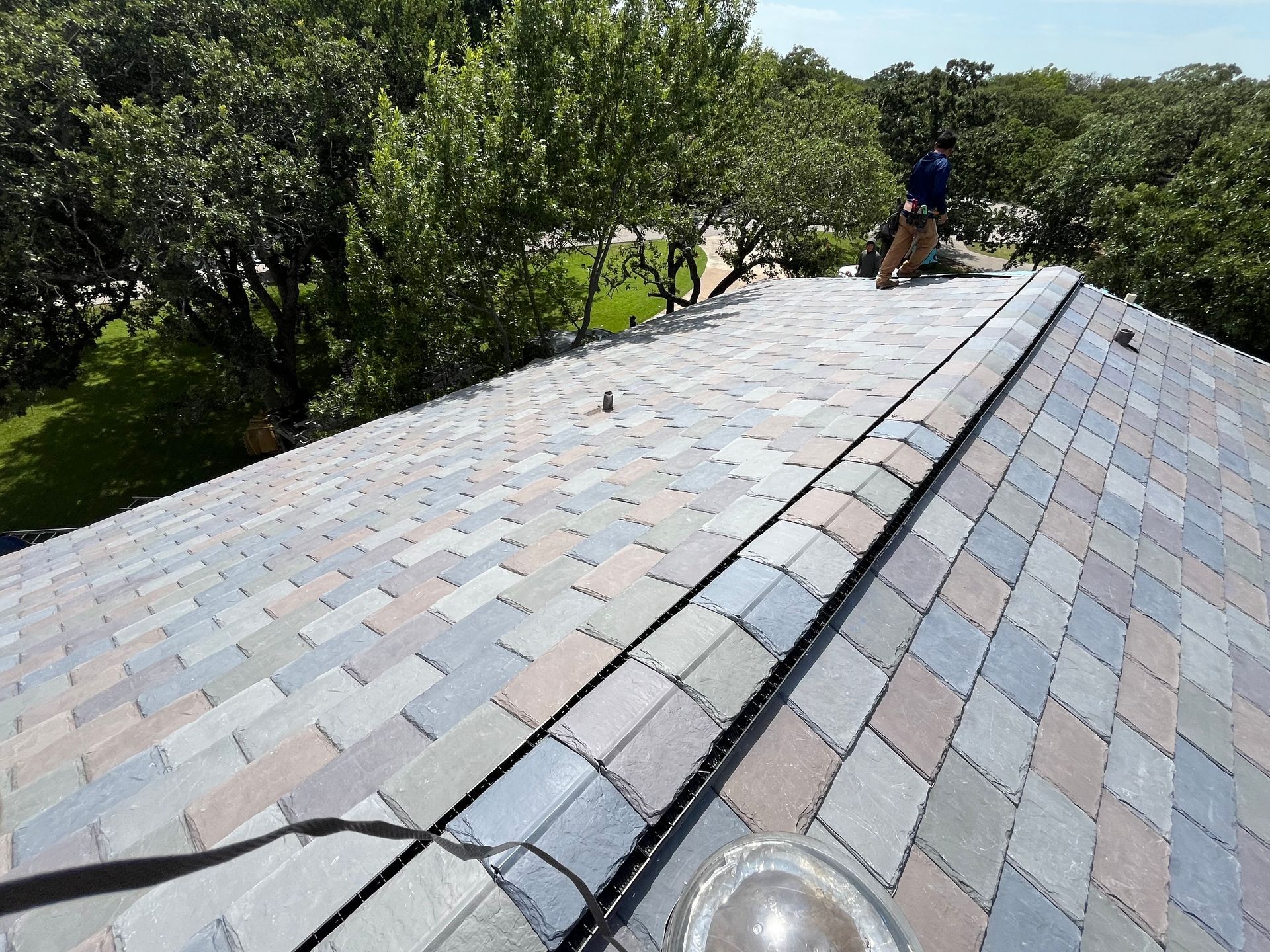
Replacement cost coverage can make a roof claim easier to misunderstand. An owner sees an estimated replacement value, receives an initial payment, and assumes the remaining money will automatically arrive when the roofer sends an invoice. The actual process depends on the policy, covered scope, required work, and insurer instructions.
A roofing contractor contributes construction expertise: assessing conditions, pricing work, explaining technical details, performing authorized repairs, and documenting completion. The contractor does not decide policy coverage or guarantee release of withheld amounts.
Showtime Exteriors can discuss roof conditions and construction needs. This Texas-focused guide explains the role boundaries around an RCV roof policy claim. It provides general information, not legal advice or a determination about an individual policy.
RCV Describes Valuation, Not Automatic Approval
RCV means replacement cost value. Owners often use “RCV roof policy” as shorthand for replacement cost coverage applying to the roof. It does not mean every loss is covered, every roof needs replacement, or every proposed upgrade is included.
TDI’s replacement cost and actual cash value comparison explains the broad distinction. Actual cash value generally accounts for depreciation; replacement cost coverage uses current repair or replacement costs subject to the applicable policy terms.
Read the policy and endorsements, and request clarification about roof-specific provisions. Coverage shown elsewhere in the policy should not be assumed to establish identical treatment for the roof.
The contractor’s estimate helps describe construction. The insurer’s coverage explanation addresses a different question. Keep those documents and responsibilities distinct throughout the claim.
Understand the Payment Terms Before Scheduling Work
Some replacement cost claims involve an initial payment with depreciation withheld and possible additional payment after required work and documentation. Do not assume a single procedure applies to every insurer, endorsement, or commercial policy.
TDI’s home insurance guide describes common payment concepts and lender involvement. Your policy and insurer instructions control the requirements for your claim.
Ask what documentation is needed, what deadlines apply, and how any additional payment is calculated. Confirm whether a lender or other party must participate in disbursement.
A roofing contractor can prepare an accurate construction payment schedule. It cannot promise that insurer funds will arrive in time to satisfy every milestone. Clarify available funds and owner obligations before signing rather than relying on an assumed future check.
A Simplified Example of the Distinction
Suppose, for illustration only, an insurer’s covered replacement cost estimate is $20,000, the deductible is $2,000, and $5,000 is withheld as potentially recoverable depreciation. An initial payment might be $13,000 under those assumptions.
That arithmetic does not establish that the owner can automatically collect another $5,000 in every circumstance. Actual payment remains subject to the policy, completed or incurred work requirements, accepted costs, and other applicable conditions.
The contractor’s responsibility is to describe and invoice the actual work accurately. The owner should obtain the insurer’s explanation of what additional payment may be available and how to request it.
Do not treat this example as a quote, a claim valuation, or a universal payment formula. Its purpose is to distinguish a construction bill from a decision about benefits.
What the Roofer Can and Cannot Do
Claim-related activityAppropriate construction contributionSeparate insurance responsibilityInitial assessmentDocument accessible conditions and limitationsDetermine whether the loss is coveredEstimateExplain scope, quantities, products, and pricesDetermine payable benefitsSite meetingDiscuss observations and technical estimate questionsRepresent the owner in settlement negotiationsNew discoveriesDocument additional construction conditionsApprove additional insurance paymentCompletionProvide accurate invoices and project recordsDecide whether policy conditions for further payment are metMaterial selectionExplain suitable products and upgrade costsDecide whether a particular upgrade is covered
Use this table when arranging service. An RCV valuation provision does not change the contractor’s role into insurance adjusting.
The Contractor Can Assess the Roof
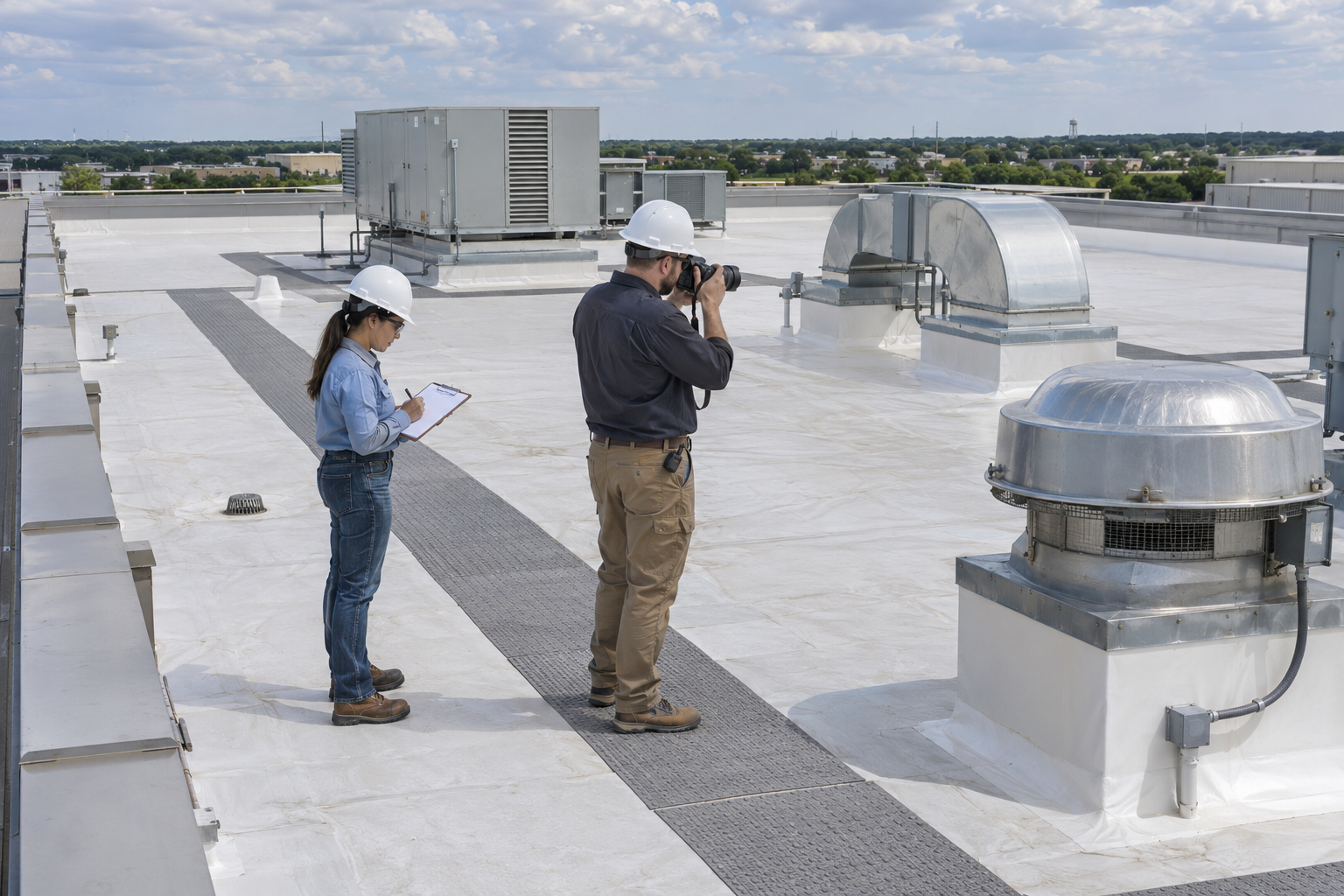
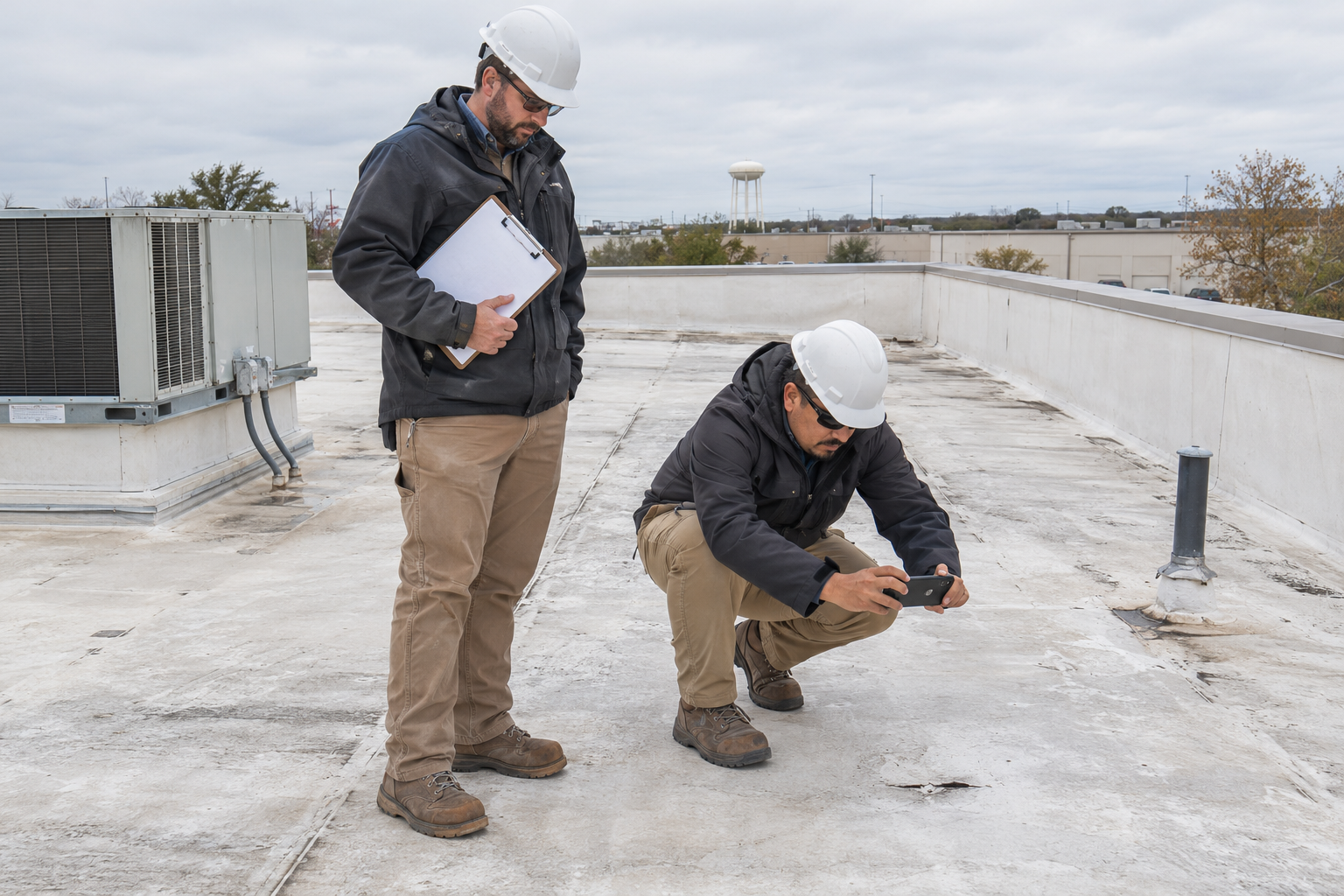
A roofer can inspect accessible areas, identify observed conditions, and recommend repair, further investigation, or broader work when supported by the findings.
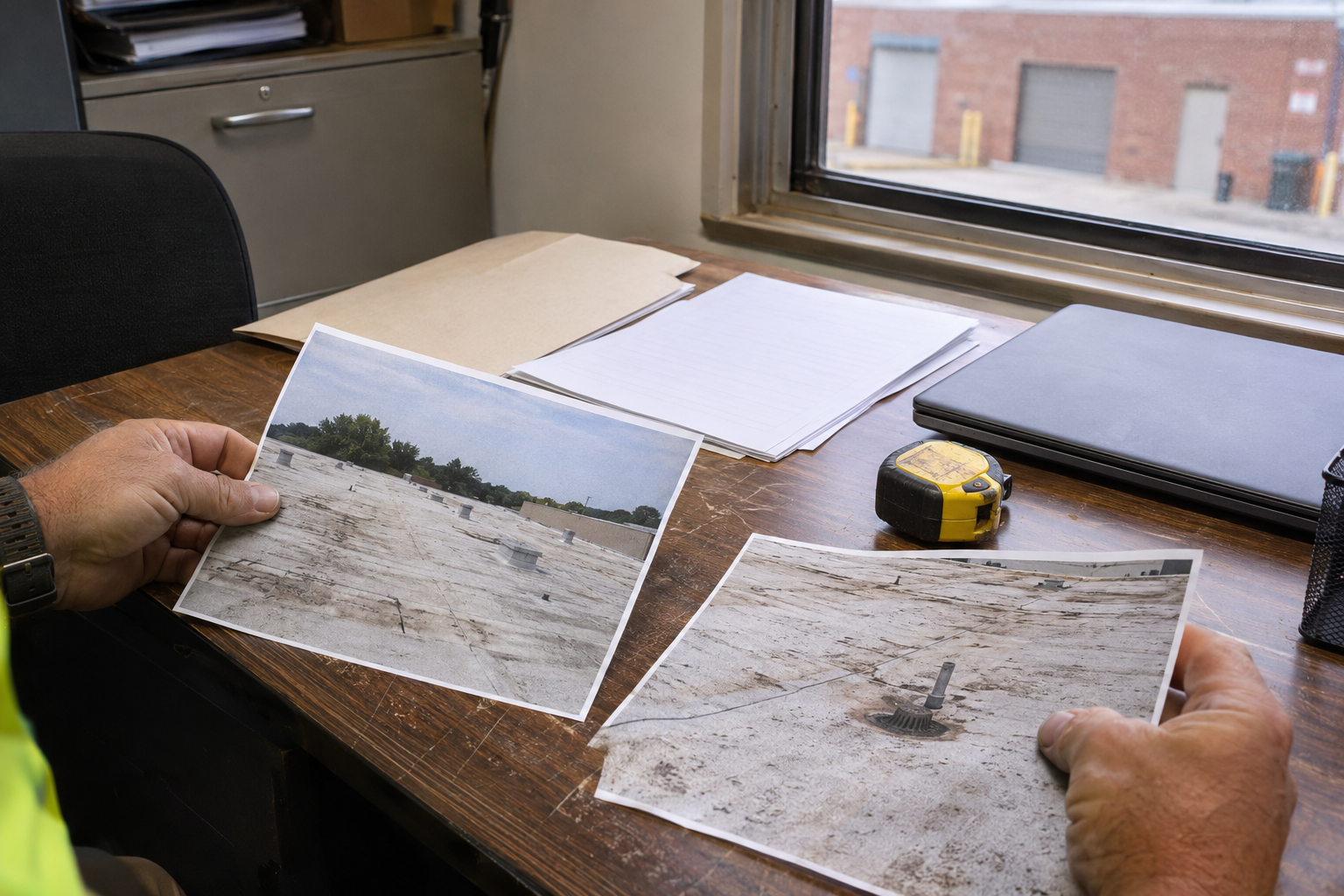
Request dated photographs tied to locations. The report should state which areas were assessed and which concealed or inaccessible conditions were not verified.
A storm report or neighboring replacement provides context, not a diagnosis for your property. Ask the recommendation to follow the actual roof’s materials, condition, and repair feasibility.
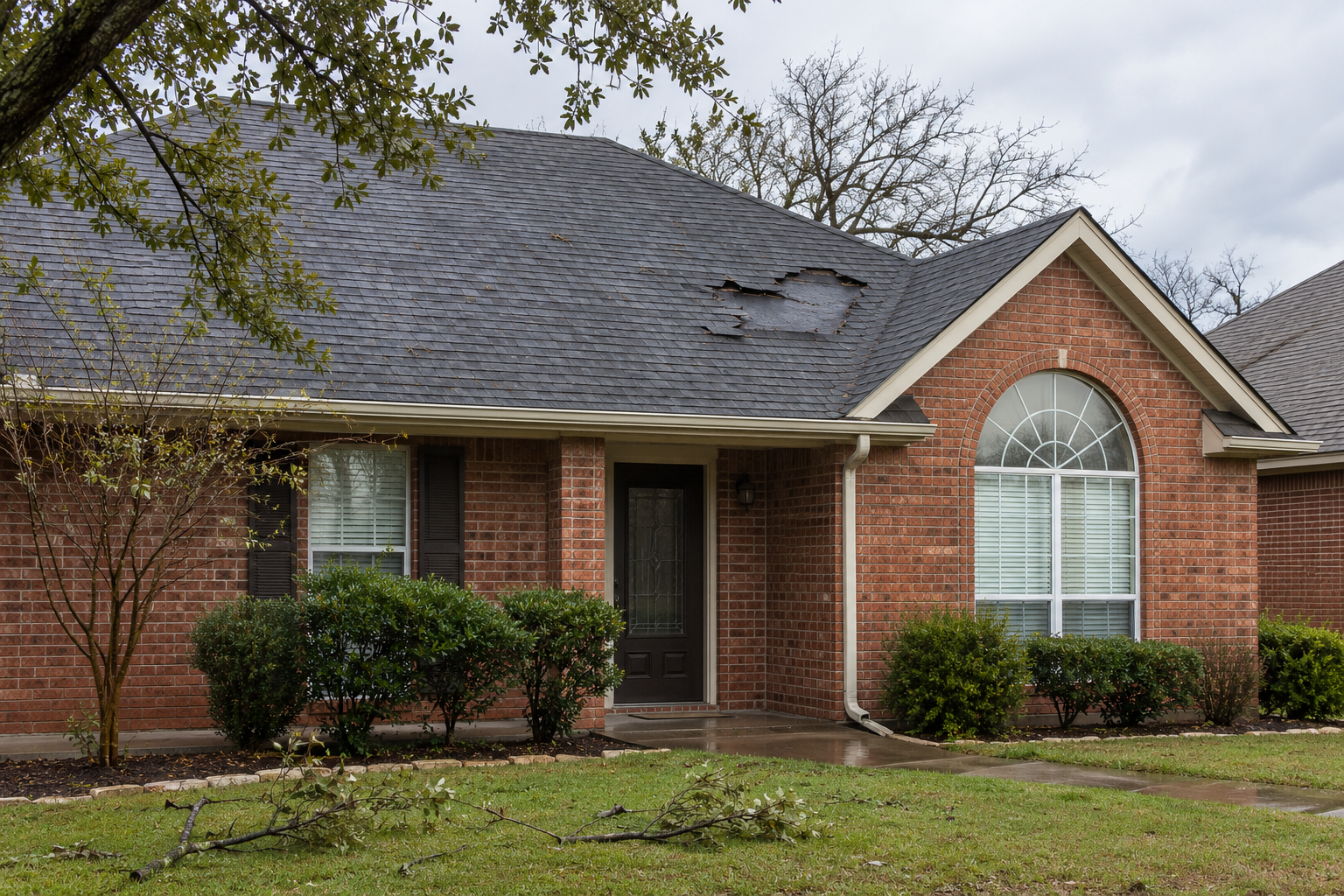
For residential roofing work, that may involve shingles, flashings, penetrations, and related components. The contractor should explain the construction basis without presenting an inspection as a guarantee of insurance approval.
The Contractor Can Prepare a Defined Estimate
The proposal should identify the work to be performed and its price. Relevant categories may include removal, disposal, preparation, roof covering, underlayment or insulation as applicable, flashings, edges, drainage interfaces, and property protection.
Request assumptions and exclusions. If concealed deck damage is not included, establish how it will be photographed, measured, priced, and authorized if discovered.
Avoid an agreement described only as “all insurance proceeds.” Owners need to understand the actual scope, payment terms, and obligations if the insurer’s position differs.
Compare equivalent construction scopes. A lower price may omit important detail work, while a higher price may include elective items. Identify those differences before deciding what represents a suitable project.
The Contractor Can Explain Technical Differences
A roofer can discuss its measurements, construction methods, materials, and estimate with the insurer or adjuster. TDI recognizes that distinction in its bulletin addressing adjusters and repairs.
For example, the contractor can explain why a flashing detail needs reconstruction or identify a quantity omitted from its earlier estimate. Those are technical construction matters.
The contractor should not turn that discussion into representing the owner on policy rights or negotiating claim settlement benefits. Texas restricts adjusting claims for property where the contractor provides or may provide roofing services.
After a technical meeting, record requested information and remaining questions. Attendance does not establish acceptance of the scope, approval of coverage, or owner authorization to begin construction.
The Roofer Cannot Decide That Depreciation Is Recoverable
The label “recoverable depreciation” can describe a possible additional payment, but the roofer does not determine entitlement. The insurer evaluates the applicable policy conditions and documentation.
Ask the insurer whether any amounts are nonrecoverable, what work is required, and how actual costs affect the calculation. Request the explanation in writing if the estimate is unclear.
A contractor should not promise to recover the full withheld amount simply because it intends to complete a roof. Its invoice can support the record without controlling the insurance result.
Keep a clear distinction between the insurer’s current estimate and the contractor’s contract price. They may differ for reasons that need technical clarification, a coverage explanation, or separate owner approval.
RCV Does Not Mean a New Roof for Ordinary Wear
Replacement cost valuation does not remove exclusions or other policy conditions. An aging roof does not become a covered replacement simply because the owner prefers new materials.
TDI’s roof insurance guidance explains that roof coverage can vary and that age or wear alone does not establish payment for replacement.
Ask the roofer to distinguish observed concerns from assumptions about their cause. Previous leaks, repairs, and equipment changes may be relevant to the assessment.
If the insurer questions coverage, seek its written position and appropriate independent advice. Another construction estimate may clarify a quantity, but it will not necessarily answer a disputed interpretation of the policy.
Deductibles Must Remain Accurate and Visible
A contractor cannot offer to waive, rebate, or absorb the insurance deductible in Texas. TDI’s roofing and insurance law guidance explains that prohibition alongside the adjusting conflict rules.
Do not accept an inflated invoice or disguised credit intended to make the insurer believe the owner paid an amount that was never paid. The actual transaction and submitted records should agree.
Discuss legitimate construction changes openly. If work is removed or substituted, document the resulting scope and price accurately rather than preserving a false figure for the claim.
The owner’s costs may also include elective upgrades or other amounts outside the insurer’s payment. Keep those items separate from the deductible so the financial picture remains understandable.
Upgrades Need Separate Pricing
An owner may prefer a different shingle, additional insulation, improved details, or another roofing option. Those choices can be worthwhile without being automatically covered by an RCV provision.
Ask the contractor to identify the base scope and price any elective changes clearly. Request the insurer’s position on coverage rather than relying on a contractor’s promise.
Use the roof materials and system selection guide to organize construction comparisons. Consider suitability, maintenance, appearance, and operating goals alongside price.
An upgrade decision should not obscure necessary work or unresolved conditions. Keep each category visible so the owner can approve choices with a clear understanding of its construction obligation and the claim’s current status.
Additional Discoveries Require a Change Process
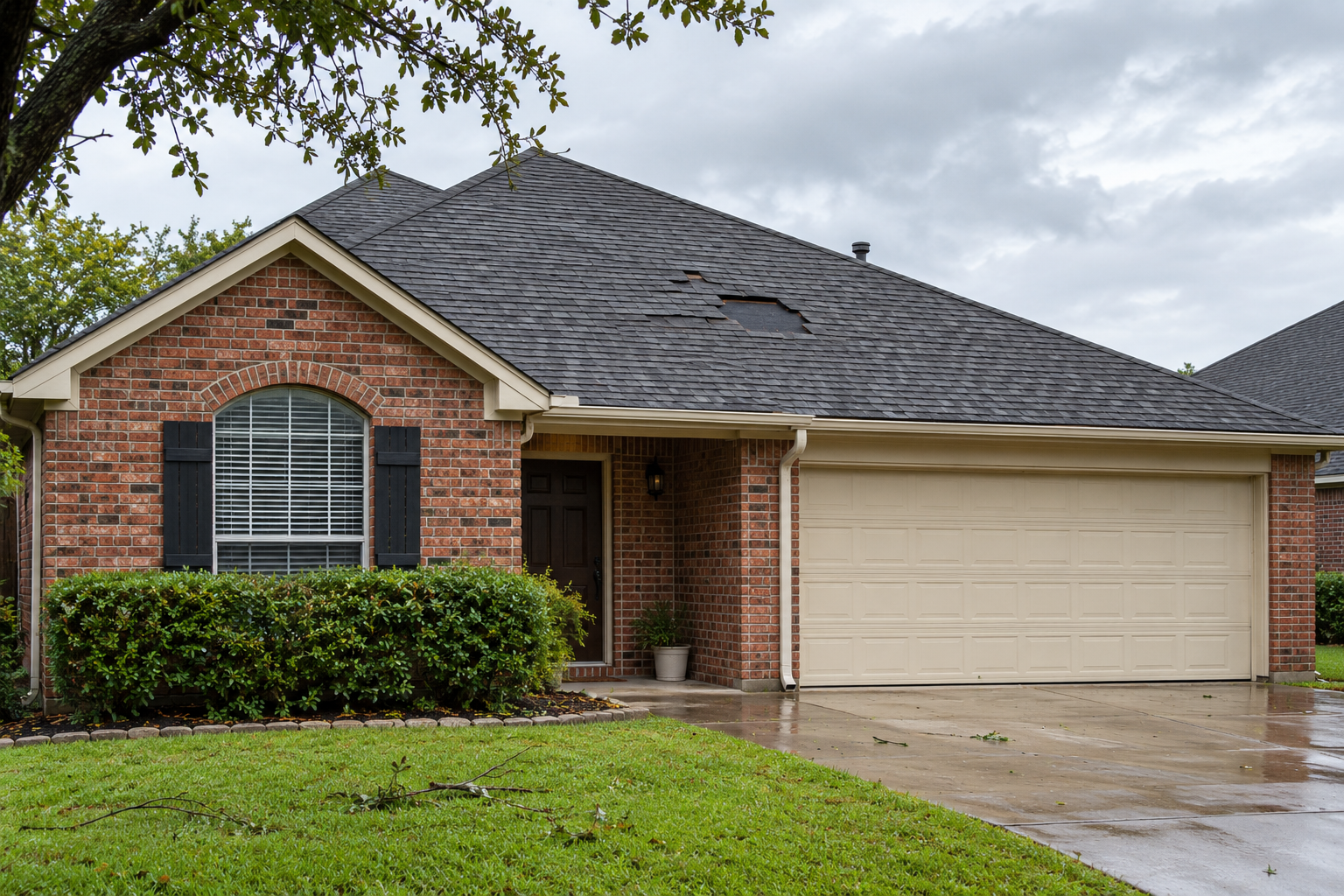
Roof removal may reveal conditions that were not visible during inspection. A contractor should document their location and extent, explain their effect on the work, and provide a revised scope or change order.
Clarify who can approve changes and how urgent conditions will be handled when the roof cannot safely remain open. Where practical, coordinate any requested insurer inspection before covering disputed conditions.
The roofer may explain the additional construction cost. That does not make it the owner’s adjuster or guarantee a supplemental payment.
Do not assume possible future reimbursement substitutes for written authorization. The owner should know what work it is approving and what payment questions remain unresolved.
Temporary Protection Is a Separate Scope
An opening or active leak may require professional temporary work before the permanent RCV claim questions are resolved. Request the proposed measure, price, limitations, and follow-up plan.
Preserve photographs and receipts where safe and practical. Keep temporary work distinguishable from permanent repairs in the file.
Do not send occupants onto a roof to install a tarp or test a concern. Access and specialized work should be handled by qualified personnel with appropriate protection.
Temporary measures do not establish coverage or satisfy every permanent repair requirement. Assign responsibility for the next decision so the temporary condition does not remain in place simply because claim discussions continue.
Completion Records Must Match Completed Work
The contractor can provide invoices, photographs, approved changes, product information, and applicable warranty documents. Those records should describe the work actually performed.
Do not sign a completion statement for unfinished activities merely because someone says it will release depreciation. Identify outstanding work and agree on correction or follow-up.
If the insurer requests specific documents, confirm the submission requirements and retain acknowledgment. An invoice sent to the owner is not necessarily an invoice received through the insurer’s required channel.
The roofing contractor can supply its construction records. The owner or properly authorized representative remains responsible for the claim submission and insurance decisions rather than assuming the crew’s departure closes the claim.
Commercial Owners Need Their Own Policy Review
Commercial replacement cost coverage should not be managed using a residential example alone. Policy conditions, ownership structures, lenders, property schedules, and other provisions can differ.
Designate a contact who can coordinate insurer requests and owner approvals. Identify which buildings and roof sections are involved, especially on multi-building sites.
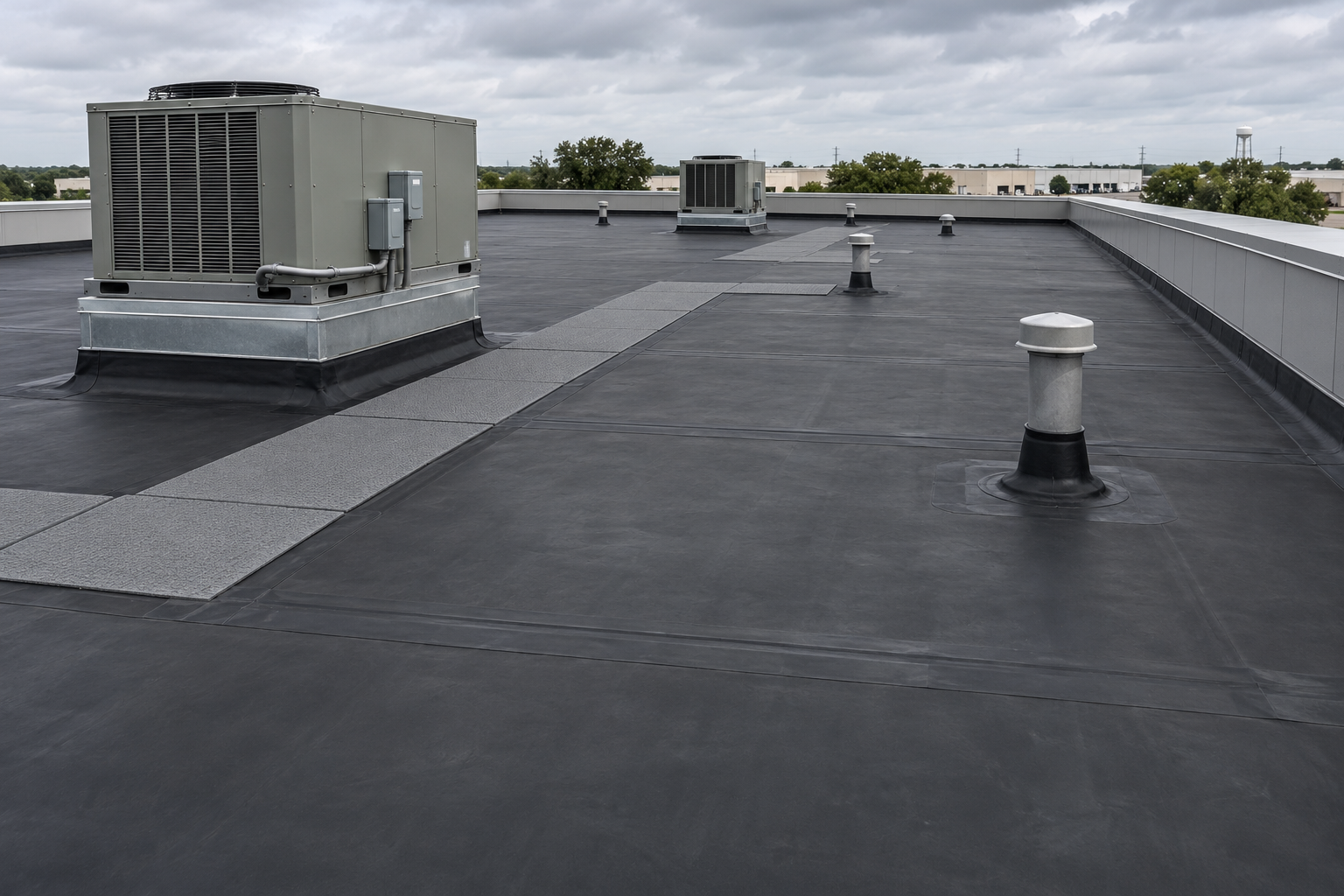
Commercial roofing services should also address operational access, tenants, critical equipment, and work phasing. Those construction needs remain relevant even when insurance funding is unresolved.
Keep business-income, contents, and other claimed categories distinguishable from the roofing scope where relevant. The roofer’s invoice does not establish every category of loss or the policy’s treatment of it.
Separate Claim Representation from Construction
If the owner wants someone to negotiate the claim on its behalf, that is a different service from having a roofer explain its estimate. A separately retained licensed public adjuster may be an option depending on the circumstances.
TDI’s public adjuster guidance describes that role and restrictions on combining adjusting with contracting. Verify licensing and review the agreement and compensation before hiring.
A public adjuster is not a substitute for legal counsel. Disputed policy interpretation or legal rights may warrant a Texas attorney with relevant experience.
Not every claim needs additional representation. What matters is assigning the actual task to an appropriately authorized professional and keeping the owner informed throughout the process.
Keep One Current Construction and Claim Record
Store the policy correspondence, insurer estimates, roof report, photographs, construction agreement, revisions, invoices, payments, and completion records together. Use dates and consistent location references.
Maintain one clearly identified current construction scope while retaining earlier versions as history. Explain what changed when a revised estimate is submitted.
The guide to commercial roof maintenance records insurers may request provides an organizing framework that can also help homeowners preserve a roof history.
Track unresolved questions with a responsible contact and target date. A useful record tells the next participant what has been completed, what was submitted, and what still requires a decision.
Questions for the Owner Before Approving Work
Ask the insurer which roof valuation terms apply, what documentation is requested, and what deadlines or other conditions need attention. Confirm lender procedures where relevant.
Ask the contractor what the scope includes, which conditions remain unverified, and how changes will be approved. Clarify construction payment milestones independently of assumed insurance proceeds.
Identify any elective improvements and ask who is paying for them. Keep technical disagreements separate from coverage questions so each receives the appropriate response.
Finally, establish the closeout process. The owner should know what records the contractor will provide and who will submit requested information. That review makes the project concrete without treating an RCV estimate as a guarantee.
Review a Proposed Payment Schedule Carefully
Consider a hypothetical owner who has received an initial insurance payment and wants to schedule a roof replacement. The contractor proposes construction payment milestones, but the owner expects the insurer to release additional funds before the final milestone. Those expectations should be discussed before work begins.
The owner asks the insurer what information is required for further consideration and whether another party is involved in releasing funds. The contractor explains the work schedule and the records it can provide. Neither party should describe a possible future payment as money already available.
If the timing does not align, address the issue in the construction agreement and the owner's financial plan. Do not solve it by signing an inaccurate completion form or submitting a bill that misstates what has happened. Obtain appropriate advice about unfamiliar contract terms rather than relying on an informal assurance.
This example is about coordination, not a prediction of claim payment. Every project needs a clear understanding of the owner's actual obligations and the insurer's current position.
Use a Document Checklist at Each Milestone
At inspection, retain the report, located photographs, and limitations. At contract approval, keep the signed scope, selected materials, price, payment terms, and change process. During work, preserve authorized revisions and records of significant discoveries.
At completion, compare the invoice and photographs with the approved scope. Confirm which activities are finished and which remain outstanding. Keep warranties and maintenance instructions available to the person who will manage the roof after installation.
For claim submissions, identify the current document version and the purpose of each attachment. Record the submission date, required channel, acknowledgment, and any request still awaiting a response. This helps prevent a revised estimate from being mistaken for a completed-work invoice.
A brief owner review can catch practical errors such as the wrong property address, an outdated total, or photographs with no location references. Correct those accurately rather than asking another participant to infer the intended information.
Finally, keep the action list active until remaining questions receive decisions. Construction completion and insurance claim closure are separate milestones. A usable record should show both clearly, with the responsible contact for follow-up. This makes a later service visit, lender question, or property transfer easier to manage without reconstructing the entire project from scattered messages.
Frequently Asked Questions
Does RCV mean the insurer pays the contractor’s entire bill?
No. Replacement cost is a valuation concept within the policy. Coverage, limits, deductibles, applicable costs, and other conditions still affect payment.
Can a roofer guarantee release of depreciation?
No. The roofer can provide accurate construction records, but the insurer determines payment under the policy and claim requirements.
Can the contractor discuss its estimate with the adjuster?
Yes, technical roofing information and estimate explanations are distinct from representing the owner in settlement negotiations. Keep the role clearly defined.
Can we submit an invoice before the listed work is complete?
Documents must accurately describe actual work, incurred costs, and status. Do not represent unfinished work as complete to obtain payment.
Will insurance cover a material upgrade?
Do not assume so. Ask the insurer about the particular item and have the contractor price elective changes clearly.
What should we do if the estimate and contract price differ?
Identify the specific differences. Technical quantities may need contractor explanation, while policy questions require the insurer or an appropriate adviser. Understand the owner’s obligations before approval.
Get a Clear Roofing Scope for Your RCV Claim
An RCV roof policy claim works better when construction documentation, policy conditions, and owner approvals remain clear. Use the roofer for assessments, estimates, technical explanations, authorized work, and accurate closeout records.
Contact Showtime Exteriors or call 817-400-7663 to discuss your roof’s conditions and construction needs. Share the property history, active concerns, and available records so the next step can focus on the actual building.