



PVC Roofing Maintenance Checklist for Texas Building Owners
Plan PVC roof maintenance in Texas with a checklist for drains, seams, flashings, cleaning, rooftop traffic, repairs, warranty records, and seasonal inspections.
A PVC commercial roof needs a maintenance plan that follows its actual condition, manufacturer requirements, and building use. The membrane's performance depends on more than a clean white surface. Drains, welded seams, flashings, equipment supports, and service traffic all deserve attention.
For Texas owners, maintenance also means preparing for changing weather and keeping useful records between inspections. A small puncture near an HVAC unit or debris around a drain may be easier to address when discovered during a planned visit rather than after water appears indoors.
Showtime Exteriors can discuss commercial roof inspection and maintenance needs. This checklist helps owners organize the work, understand inspection findings, and decide what requires follow-up. It is a planning framework; the installed system's instructions and site-specific professional assessment should guide actual procedures.
Confirm That the Roof Is PVC
Do not identify a membrane solely by its color. TPO, PVC, coated assemblies, and other systems may look similar from a distance. Repair products and cleaning methods are not automatically interchangeable.
Collect installation records, manufacturer information, warranties, and earlier inspection reports. Identify any roof sections installed at different times or repaired with different materials.
Record whether a coating or another treatment covers the original membrane. If the assembly is uncertain, have a qualified contractor investigate before choosing repair products or cleaning chemicals.
Johns Manville's PVC roofing resources illustrate the range of system components available within one manufacturer's offerings. The specific product and assembly at your building still need to be verified rather than inferred from a generic material description.
Establish a Baseline Roof Map
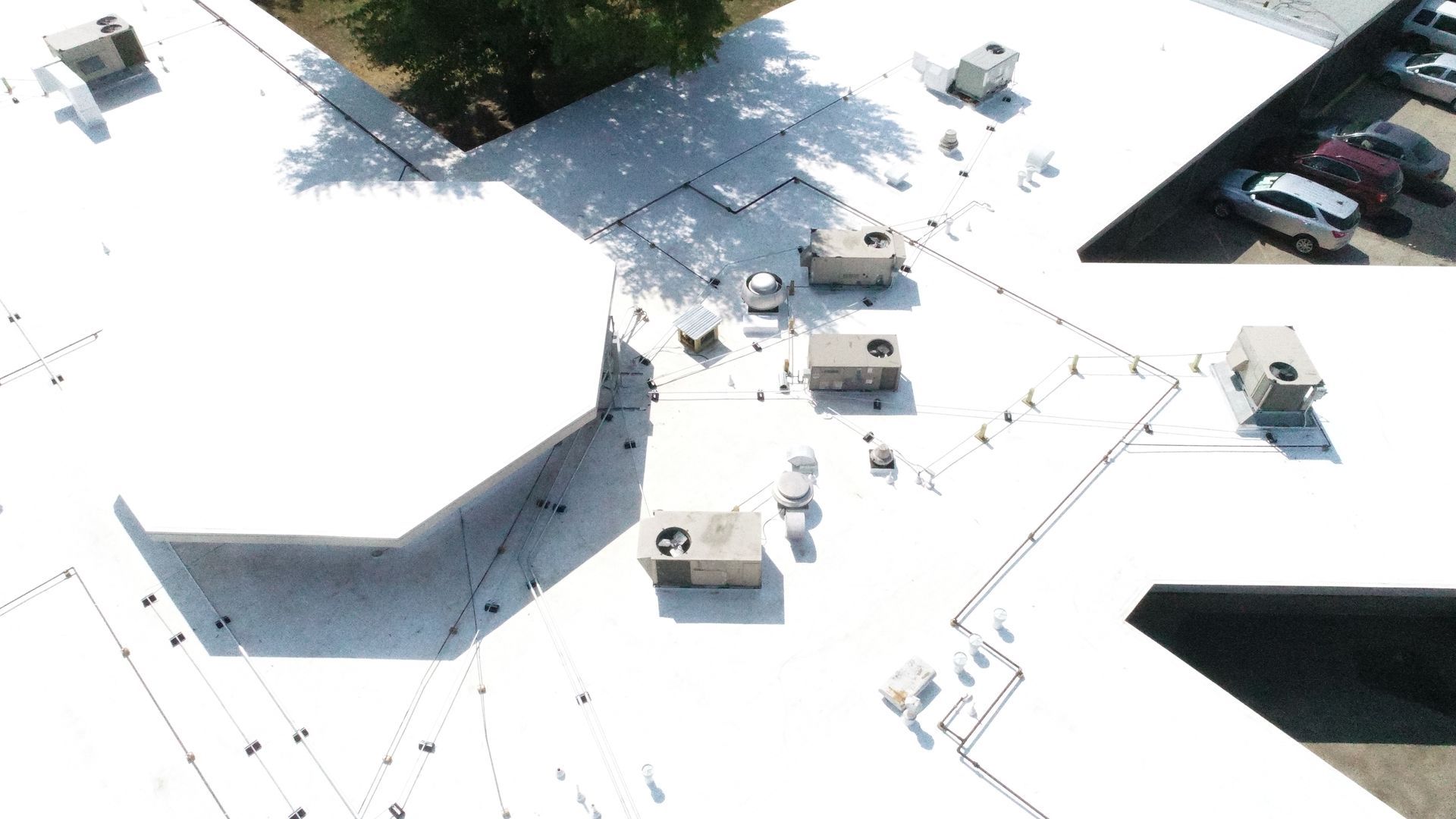
Divide the roof into identifiable sections and mark access points, drains, scuppers, equipment, penetrations, expansion joints, and transitions. Use names that can also appear in work orders and photographs.
Connect interior leak reports to room or suite locations without assuming the water entered directly overhead. A consistent map makes it easier to compare findings over time.
Record the installation date where known, membrane description, attachment method where verified, repair history, and existing concerns. Clearly separate missing information from confirmed facts.
Ask the contractor to document areas that could not be accessed or fully evaluated. A baseline report should explain its limits so the next inspector does not mistake an unexamined area for a verified sound condition.
Set a Schedule Around the Building
Begin planning with professional inspections in spring and fall, then adjust for manufacturer requirements, roof condition, tree cover, equipment activity, and building use. Significant weather or rooftop work may justify additional checks.
A roof with repeated leaks or frequent service access may need more attention than a lightly accessed roof with complete records. Inspection frequency should be a considered decision rather than an assumption that every building is identical.
Sika's roof maintenance resources provide manufacturer background for organizing a program. Review the instructions for the system actually installed at your building.
TimingMain purposeRecord to keepProgram startupIdentify the assembly and current concernsBaseline map and condition reportSpringReview winter effects and drainage readinessFindings, photos, repair prioritiesFallCheck debris and summer exposureUpdated inspection reportAfter major rooftop serviceInspect work areas and travel routesAccess log and condition notesAfter significant weatherEvaluate reported changes when safeEvent notes and inspection findingsDuring normal operationsTrack accessible interior observationsLeak and maintenance reports
Control Access Before Maintenance Begins
Roof maintenance should be performed by qualified personnel with appropriate access and safety arrangements. Owners and office staff should not climb onto an unfamiliar roof to complete this checklist themselves.
Keep access points secured and maintain a log of contractors, work areas, and service dates. Require visitors to report accidental damage or displaced components immediately.
Identify designated routes to equipment and discuss roof-compatible protection with the contractor. A low parapet does not eliminate fall hazards, and a walk pad does not establish that every nearby surface is safe.
Plan weather limitations, equipment isolation where needed, and emergency communication before work begins. Wet surfaces, lightning, wind, heat exposure, and other site conditions can change whether a planned visit should proceed.
Drainage Checklist: Follow the Water Path
Have qualified personnel inspect drains, strainers, gutters, scuppers, downspouts, and visible discharge routes. Record debris, vegetation, damaged components, and evidence that water has traveled outside its intended path.
Check whether cables, service panels, replacement parts, or added equipment block drainage. Roof changes can alter water movement even when the membrane itself appears intact.
Do not permanently remove a drain strainer or modify an overflow to simplify cleaning. Drainage alterations require appropriate review rather than an improvised field decision.
If water repeatedly accumulates in the same area, document the location and conditions. The issue may involve slope, insulation, deck conditions, or a blocked component. Cleaning and membrane repair may be separate tasks.
Surface Checklist: Look Beyond Dirt
An inspection should distinguish ordinary soiling from damage or deterioration. A dark spot may be debris or staining; a small opening may require repair even when the rest of the roof looks clean.
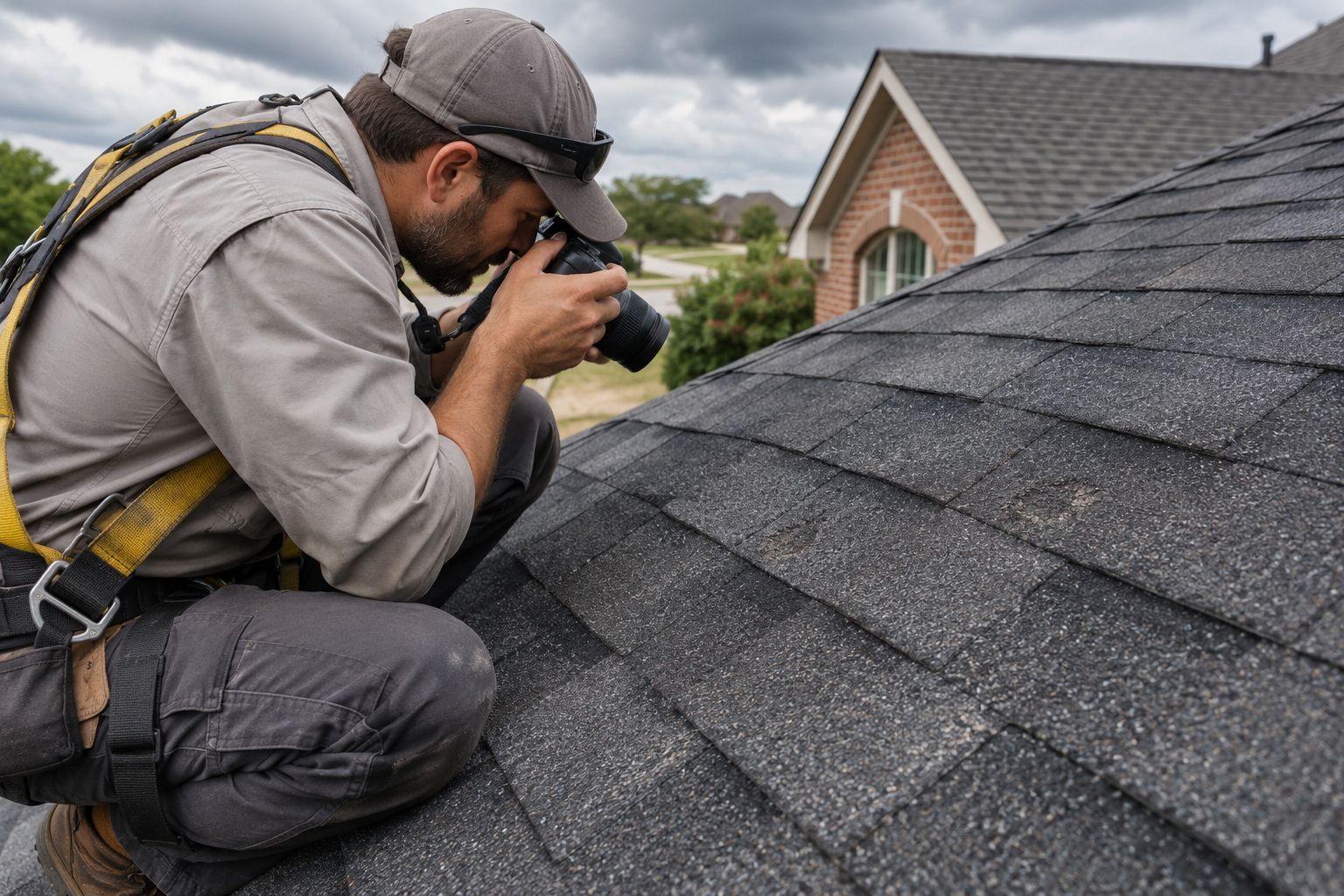
Document punctures, cuts, abrasion, suspect blisters, displaced areas, and changes around equipment. Record location, approximate size, and surrounding conditions without enlarging a defect to demonstrate it.
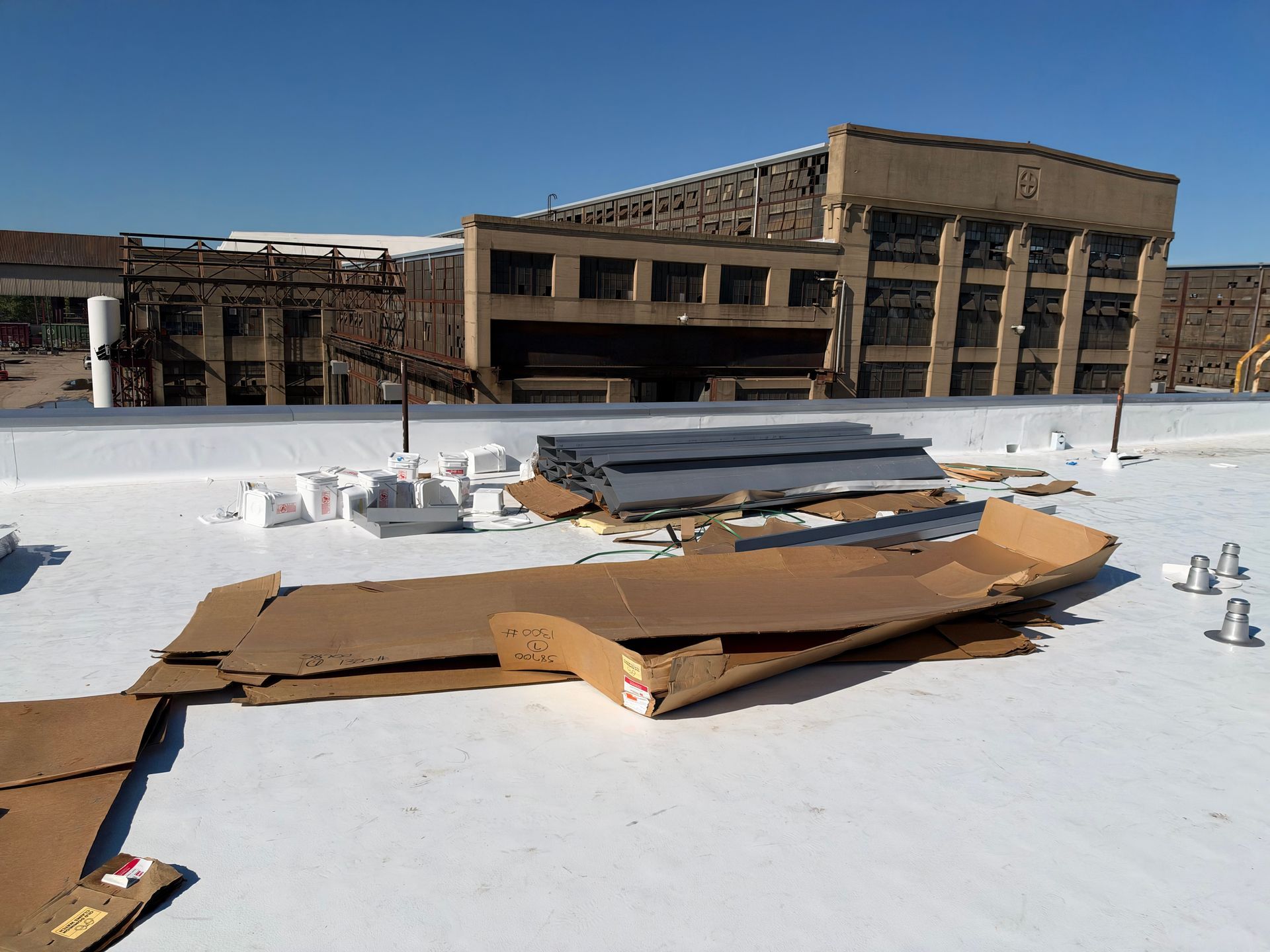
Check service routes and staging areas for dropped screws, sharp objects, and damaged walk pads. Photograph relevant debris before safe removal when practical.
A visual assessment may not establish whether insulation or decking below is wet. Ask the contractor to explain whether further investigation is warranted and what information it would provide.
Seam Checklist: Use Appropriate Inspection Methods
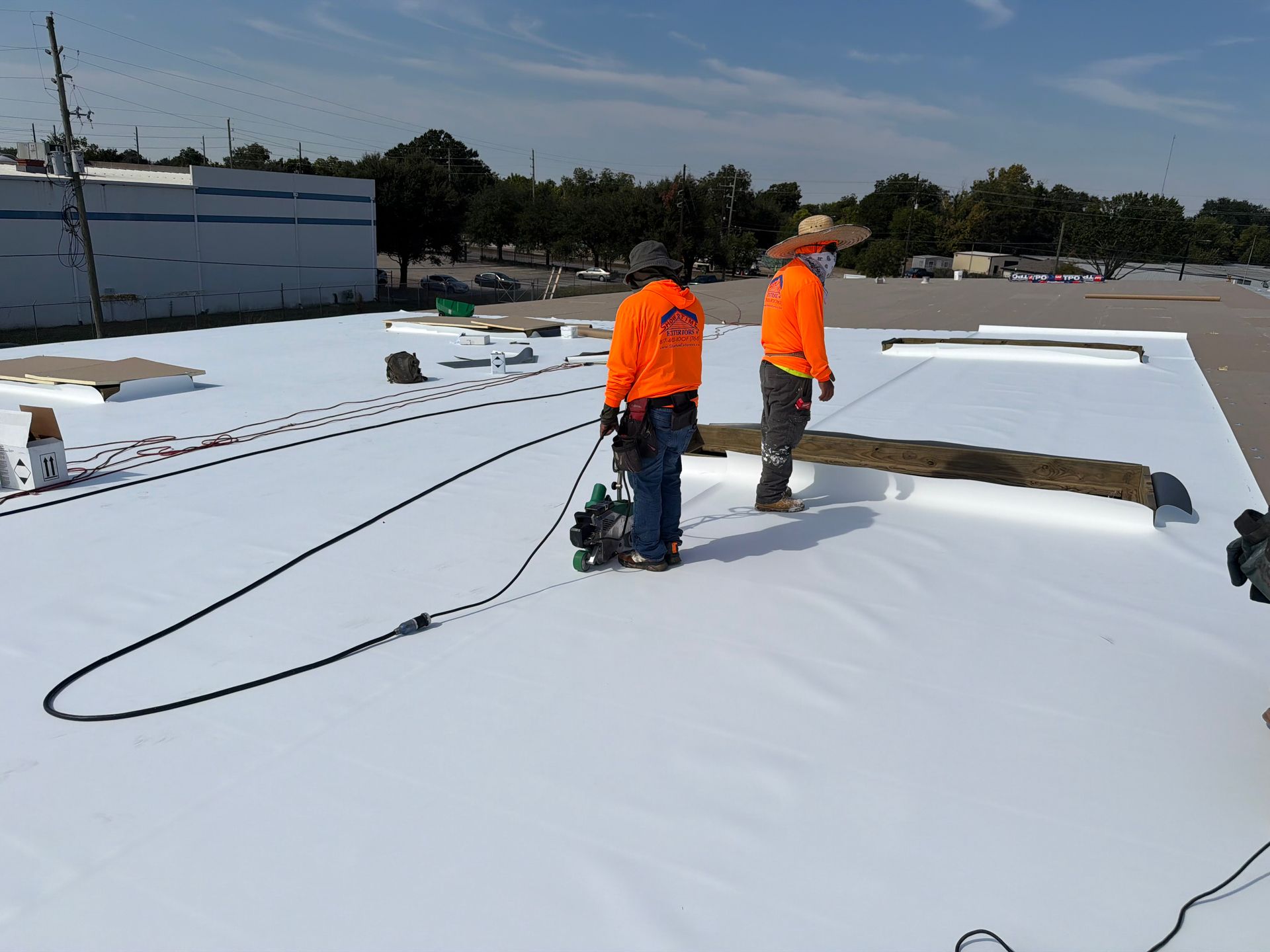
PVC seams are commonly heat-welded, but their condition cannot be established simply by looking at a clean surface from several feet away. Qualified personnel should evaluate suspect areas using methods appropriate to the installed system.
Record visible openings, lifting edges, changes at intersections, and conditions around previous repairs. Identify the exact location rather than describing the entire roof as having a seam problem.
Do not let untrained staff probe seams with sharp tools. An inspection method applied incorrectly can create damage or give misleading results.
If repair welding is proposed on aged membrane, ask how preparation and suitability will be evaluated under current manufacturer requirements. The contractor should explain the system-specific process rather than promising that every old surface can accept the same patch.
Flashing Checklist: Inspect Every Transition
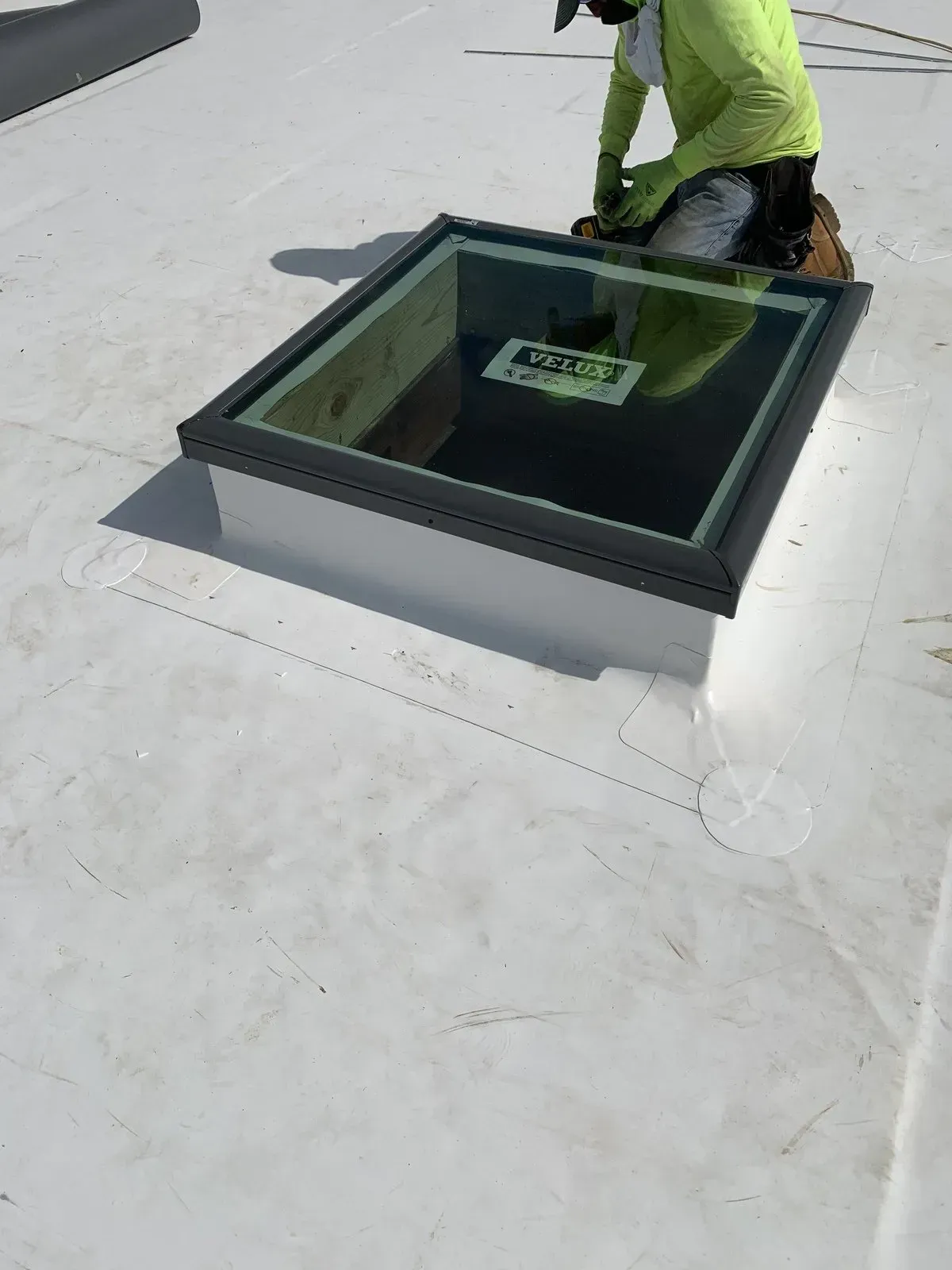
Review pipe boots, HVAC curbs, wall flashings, terminations, expansion joints, corners, and transitions to other materials. These details must accommodate building movement and water exposure while remaining properly integrated with the roof.
Look for displaced components, suspect openings, damaged attachment, and changes around recent equipment work. Describe sealant conditions where relevant without assuming sealant alone is the waterproofing solution.
Pay attention to areas where other trades have added pipes, conduits, supports, or service platforms. A new penetration should have a planned roofing detail and documented responsibility for completing it.
Showtime Exteriors' commercial roofing information provides context for discussing an assessment. Ask the report to connect findings with specific repair recommendations and any need for further investigation.
Rooftop Equipment Checklist: Coordinate the Trades
HVAC and other service contractors can affect the membrane through foot traffic, tools, removed panels, and altered penetrations. Include roof protection in the work plan before service begins.
Require panels and sharp objects to be placed on appropriate protection rather than directly on the membrane. Do not allow equipment to be dragged across the roof.
Inspect condensate arrangements, support locations, and the area around equipment with the appropriate trades. Water near a unit may involve roofing, equipment, or more than one contributor.
After substantial work, check the access route and service area. Record new conditions promptly so the building does not discover a dropped fastener or damaged flashing only after the next rain.
Cleaning Checklist: Start with the Manufacturer
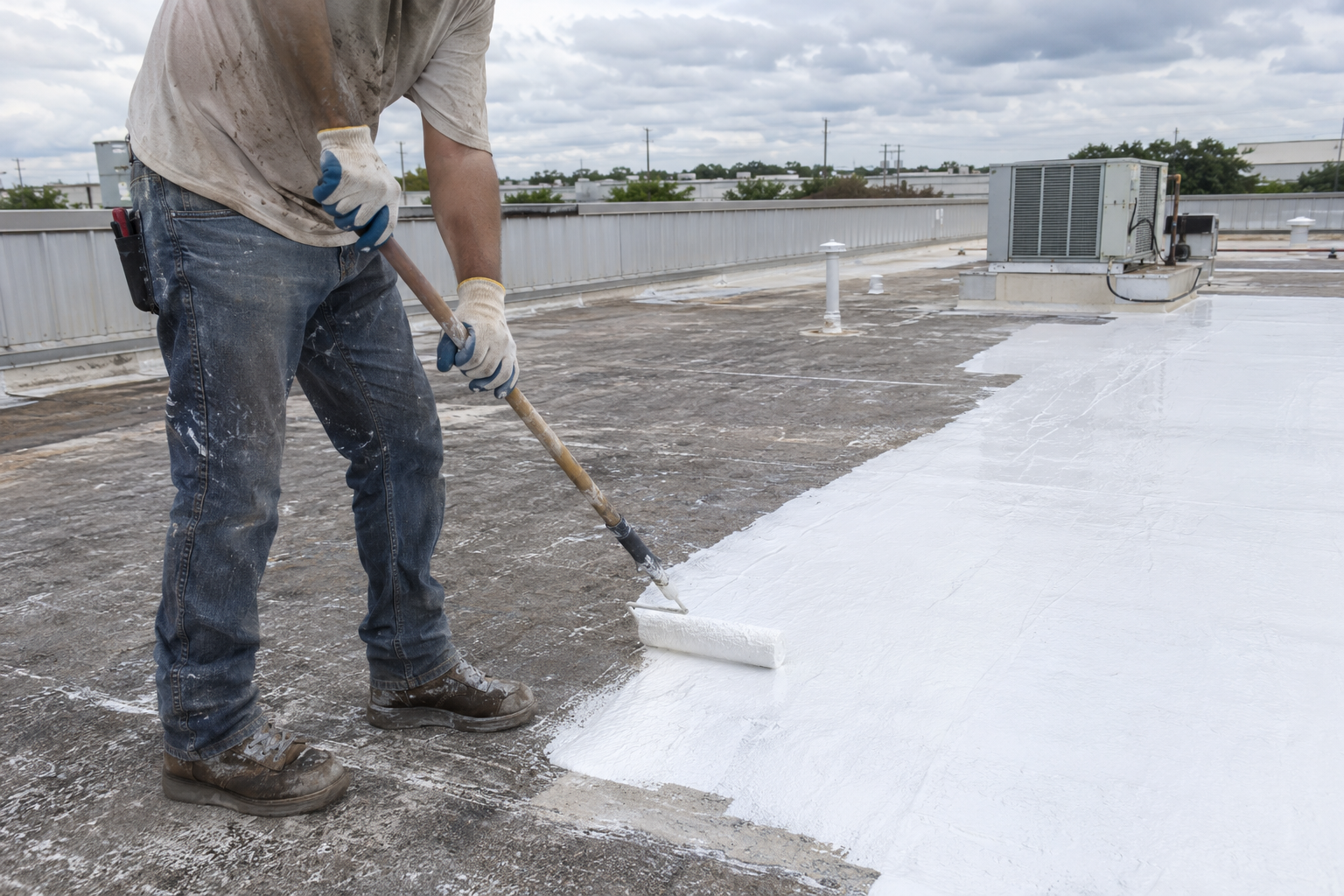
Routine cleaning should address a defined need using a method approved for the actual membrane. More aggressive cleaning is not automatically better, and a uniformly bright surface is not proof of a healthy roof.
GAF's EverGuard cleaning recommendations recommend professional cleaning because of safety concerns and potential membrane damage. The bulletin is product guidance, not permission to apply the same method to every PVC assembly.
Before approval, identify the proposed cleaner, application method, rinse requirements, runoff management, and protection of adjacent components. Check current instructions rather than selecting a chemical by its familiar household name.
Do not assume a pressure washer, solvent, abrasive tool, or concentrated cleaner is suitable. Cleaning near vulnerable seams, flashings, equipment, or drains requires particular care.
Chemical Exposure Checklist: Identify the Actual Substance
PVC is often considered where building operations create particular exposure concerns, but no general material description establishes compatibility with every chemical, concentration, temperature, or duration of contact.
Record known spills, exhaust deposits, maintenance chemicals, and other unusual contamination. Identify the substance when possible and consult the roof manufacturer before choosing a cleaning or repair response.
Sika's roof surface cleaning guidance is an example of the technical information owners should obtain for their installed system. Keep the relevant current instructions in the maintenance file.
If operations change, review the effect on the roof before new discharges or equipment are introduced. A material that performed well under the previous use should not be assumed suitable for every new exposure.
Repair Checklist: Avoid Generic Patchwork
A repair should use compatible materials and the preparation, detailing, and verification required for the system. Ask the contractor to identify the defect and explain why the proposed method addresses it.
Do not treat roof cement, generic tape, or a coating as a universal PVC repair. An unsuitable product can obscure the condition and complicate later work.
Where moisture or damaged underlying material is suspected, clarify what has been verified and whether additional investigation is needed. A surface patch does not automatically resolve wet insulation or a deteriorated substrate.
Separate temporary stabilization from permanent work. Record the temporary material, location, limitations, and follow-up date so an emergency measure does not become an undocumented long-term repair.
Texas Weather Checklist: Inspect Changes, Not Assumptions
Heat, wind, hail, intense rain, and freezing conditions can affect Texas buildings in different ways. A maintenance program should define how significant events trigger communication and a safe condition review.
Do not send staff onto the roof during a storm. Collect safe interior observations and arrange roof access when qualified personnel determine conditions are appropriate.
After the event, compare new findings with earlier photographs. Weather information can provide context, but it does not independently establish that every observed mark or leak resulted from that event.
Document edge metal, flashings, equipment, drainage, and membrane conditions together. The goal is a useful account of changes and needed work rather than a broad claim that the material is either stormproof or automatically damaged.
Leak Response Checklist: Protect the Building
Create a reporting procedure that records the time, location, visible symptoms, weather, and changes in water entry. Keep occupants away from unstable ceilings, wet electrical equipment, and other hazards.
Coordinate appropriate roofing, electrical, restoration, or building expertise as needed. Staff should not open ceiling cavities or improvise electrical work to investigate a stain.
A leak may involve a puncture, seam, flashing, equipment, wall condition, or another source. Water can travel before becoming visible, so the inspection should follow evidence rather than only the interior location.
Keep temporary protection, roof repair, and interior recovery as distinct work items. Completion of one does not establish that the others are finished.
Warranty Checklist: Read the Actual Terms
Locate the membrane warranty, any system guarantee, and contractor workmanship coverage. These may describe different responsibilities, exclusions, notification procedures, and maintenance requirements.
Ask the relevant provider how repairs, equipment changes, and new penetrations should be coordinated. Do not assume an invoice from any contractor automatically preserves every warranty provision.
Sika's owner resource center illustrates the manufacturer information available to building owners. Use the documents for your own system and contact the appropriate provider when a requirement is unclear.
Keep notice dates and responses with the roof file. A useful maintenance program supports documentation, but it does not guarantee coverage under a warranty or insurance policy.
Records Checklist: Make Each Visit Reviewable
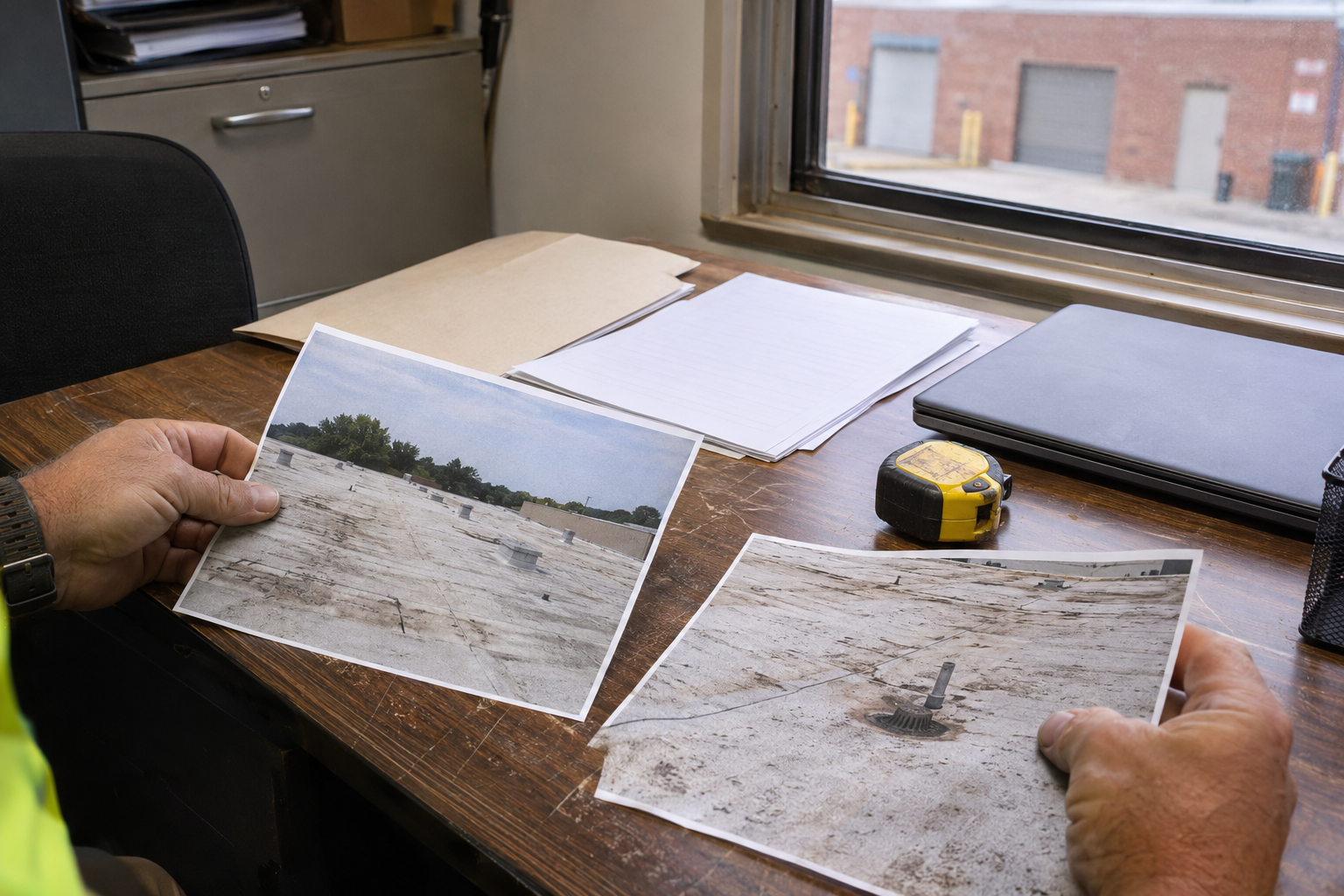
Every report should include the inspection date, roof sections reviewed, access limitations, photographs, findings, recommendations, and unresolved items. Repairs should have their own completion records.
Use the same location identifiers over time. A curb named C-03 should retain that reference through inspection, proposal, repair, and follow-up.
Showtime Exteriors' guide to commercial roof maintenance records insurers may request offers additional organization ideas. Keep the file available to the owner or manager rather than relying on one technician's phone.
Record what was actually verified. If an area needs investigation, state that plainly and assign the next action instead of allowing a tentative observation to become a confirmed fact in later reports.
Prioritize Work and Confirm Completion
FindingPractical next stepCompletion evidenceActive water entryPrompt assessment and appropriate protectionWork record and follow-up planSuspected puncture or open detailQualified inspection and compatible repair scopeBefore-and-after photosBlocked drainageSafe cleaning and assessment of contributing conditionsDrainage notes and photosUncertain underlying moistureAppropriate investigation proposalFindings and stated limitationsRepeated failure at one locationReview the cause and previous repairsRevised recommendationWidespread deteriorationBroader repair or capital assessmentDocumented alternatives
Assign an owner and target date to each action. An inspection report is only the beginning; the program works when findings lead to decisions and completed work.
Know When Maintenance Needs a Broader Review
A single localized defect does not prove replacement is necessary. Conversely, repeated patching should not substitute indefinitely for understanding widespread deterioration or recurring failure.
Ask the contractor to explain repairability, underlying conditions, drainage, attachment, and the expected purpose of proposed work. Compare options based on verified findings and building needs.
The Texas roofing materials and system selection guide provides broader questions for capital planning. A restoration or replacement proposal should address the assembly rather than only the visible surface.
If the property includes pitched residential-style sections, Showtime Exteriors' residential roofing information provides additional service context. Keep those areas on a separate maintenance scope where materials and methods differ.
Review the Program with the Property Manager
At an agreed interval, review inspection completion, unresolved findings, repeat leaks, and overdue repairs. This keeps attention on conditions that need action rather than the number of reports collected.
Compare repeat findings with earlier recommendations. If a drain is repeatedly blocked, consider whether debris sources or service practices need to change. If damage appears along one equipment route, review protection and access arrangements with the trades using it.
Keep routine maintenance spending separate from corrective repairs and capital investigation. That distinction helps an owner understand whether the program is maintaining performance or repeatedly addressing the same unresolved issue.
GAF's roof asset management resources provide additional manufacturer context for connecting inspections and ongoing roof care. Adapt the management process to the installed system and the property's operational needs.
Update the roof map when equipment, penetrations, or building use changes. Give incoming managers access to the current documents and explain any open items during the handoff. A change in personnel should not erase the repair history or leave a temporary measure without follow-up.
Finally, confirm the next inspection date and the person responsible for arranging it. A short, current action list is more useful than a detailed checklist that nobody owns after the inspection visit ends.
Frequently Asked Questions
How often should a PVC roof be inspected?
Start planning around spring and fall inspections, then adjust for the installed system, warranty, condition, exposure, and rooftop activity. Significant weather or service work may call for additional checks.
Can our staff pressure wash the roof?
Do not assume that is appropriate. Have qualified personnel review the manufacturer's current cleaning instructions and site conditions. Pressure, chemicals, tools, runoff, and access all need to be considered.
Is a dirty PVC roof necessarily failing?
No. Surface dirt alone does not establish failure. The inspection should evaluate membrane condition, seams, flashings, drainage, and other relevant details rather than judging the roof by color alone.
Can the same repair product be used on PVC and TPO?
Do not assume interchangeability. The contractor should identify the membrane and use compatible materials and procedures specified for that system.
Does a new patch mean the leak is resolved?
The repair should be verified and any remaining concerns documented. If symptoms continue, further investigation may be needed. A roof opening and interior moisture can have more than one contributor.
Put the Checklist into a Working Plan
PVC roof maintenance works best when the owner knows the system, controls access, schedules inspections, keeps drainage clear, and follows through on documented findings. Compatible repairs and clear records make the program easier to manage over time.
To discuss a Texas property's PVC roof inspection or maintenance needs, contact Showtime Exteriors or call 817-400-7663. Share available installation records, repair history, and current concerns so the assessment can address the roof you actually have.