



Preventive Maintenance Plan for a Retail Center Roof
Build a retail roof maintenance plan covering tenant coordination, inspections, drainage, HVAC access, leak reports, repairs, records, and capital budgeting.
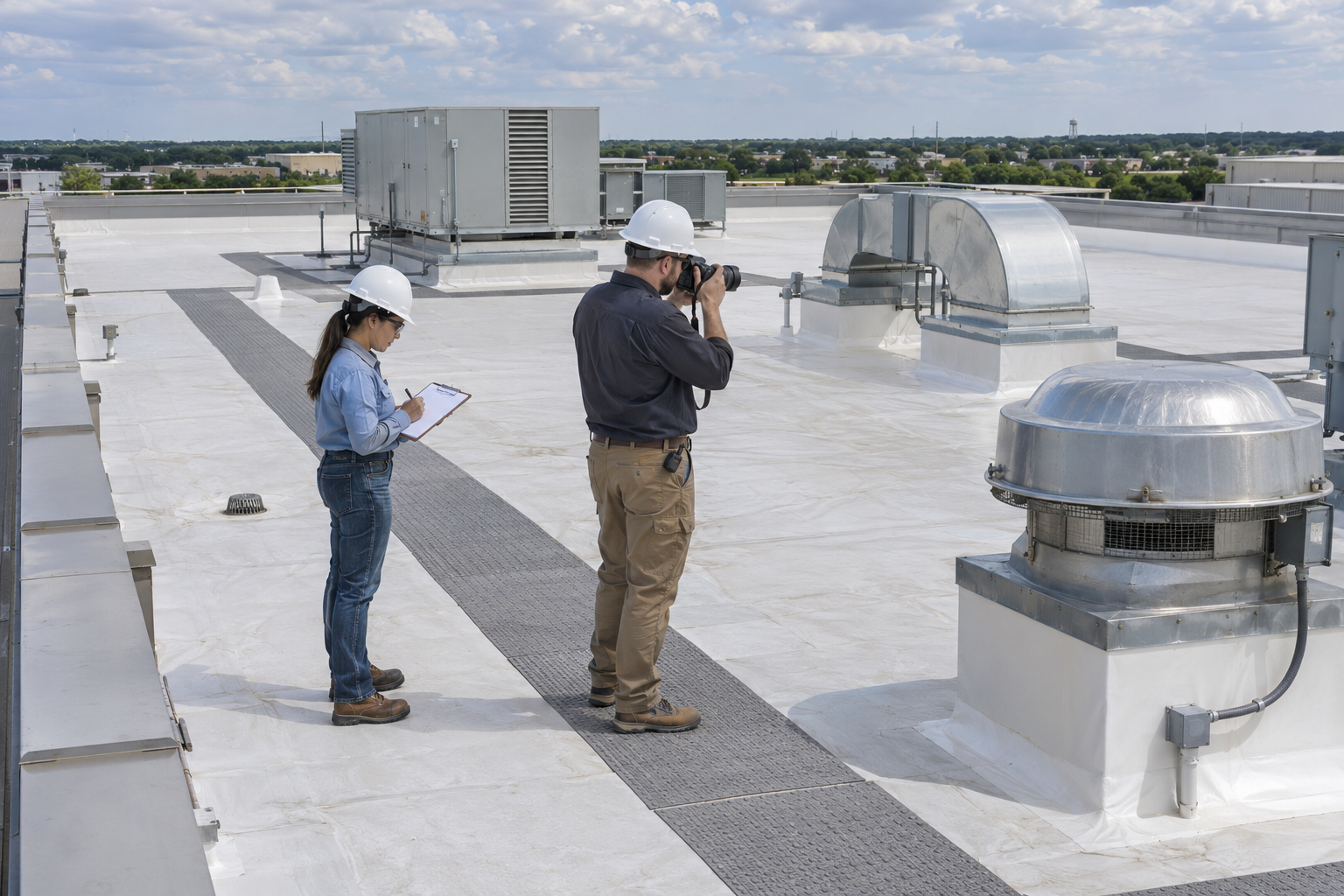
A retail center roof serves several businesses at once. One section may sit above merchandise, another above a restaurant kitchen, and another above offices or storage. Rooftop equipment may belong to different tenants, while water can travel beyond the point where it enters the building.
An effective maintenance plan connects professional roofing work with property management, tenant reporting, equipment service, and clear approvals. It should explain who acts when a concern appears and how the owner verifies that the response is complete.
Showtime Exteriors can discuss your building's roof conditions and service needs. This guide provides a practical framework for a Texas retail center roof maintenance plan. Adapt it to the actual systems, manufacturer requirements, property procedures, and operating conditions.
Map the Roof Before Scheduling Service
Create a site plan identifying buildings, roof sections, elevations, access points, drains, scuppers, and major equipment. Relate roof areas to tenant suite numbers without assuming that a suite wall is also a drainage boundary.
Record known materials, installation dates, warranties, and repair history. A center developed in phases may contain several roof systems that require different service procedures.
Keep uncertain information visible. Do not identify every white surface as TPO or assume that a coating over an older roof establishes the underlying assembly.
Manufacturer resources such as Johns Manville's building owner information can help locate service guidance. Use the documents applicable to the actual installed system rather than applying one manufacturer's requirements to an unidentified roof.
Assign Property and Tenant Responsibilities
Identify one owner-side coordinator and a backup. Establish who schedules inspections, receives leak reports, approves work, maintains records, and communicates with tenants.
Equipment responsibility may vary among leases and management arrangements. Have the appropriate property professionals determine those obligations; the roof contractor should not decide lease interpretation.
TaskContact to identifyResult to expectScheduled roof visitsProperty managerConfirmed inspection and service datesTenant water reportsManagement contact and backupConsistent log and timely triageRooftop equipmentResponsible tenant or mechanical contactCoordinated service and source correctionSpending approvalAuthorized owner representativeDefined scope and authorizationSite accessManagement or security contactSafe, controlled entryFollow-upAssigned coordinatorCompleted work and updated records
A clear responsibility list prevents a report from moving between tenants and vendors without a decision.
Set a Schedule That Fits the Center
Use the manufacturer's requirements, warranties, roof condition, and site exposure to establish frequency. Spring and fall can be useful planning points, with additional assessment after significant weather, equipment work, or new symptoms.
GAF's roof asset management resources provide maintenance information for owners. The center still needs its own schedule and a defined contractor scope.
Consider tree cover, nearby construction, restaurant exhaust, equipment density, and frequent roof visits. Those factors may justify more focused attention in certain sections.
Put appointments on the property calendar and assign responsibility for booking them. Record the next due date when each visit closes. A plan that depends on someone remembering the last inspection is difficult to sustain through management changes.
Define What Each Maintenance Visit Includes
Ask the contractor to identify inspection areas, reporting, limitations, and included services. Debris removal, cleaning, repairs, testing, and manufacturer coordination may require separate approval.
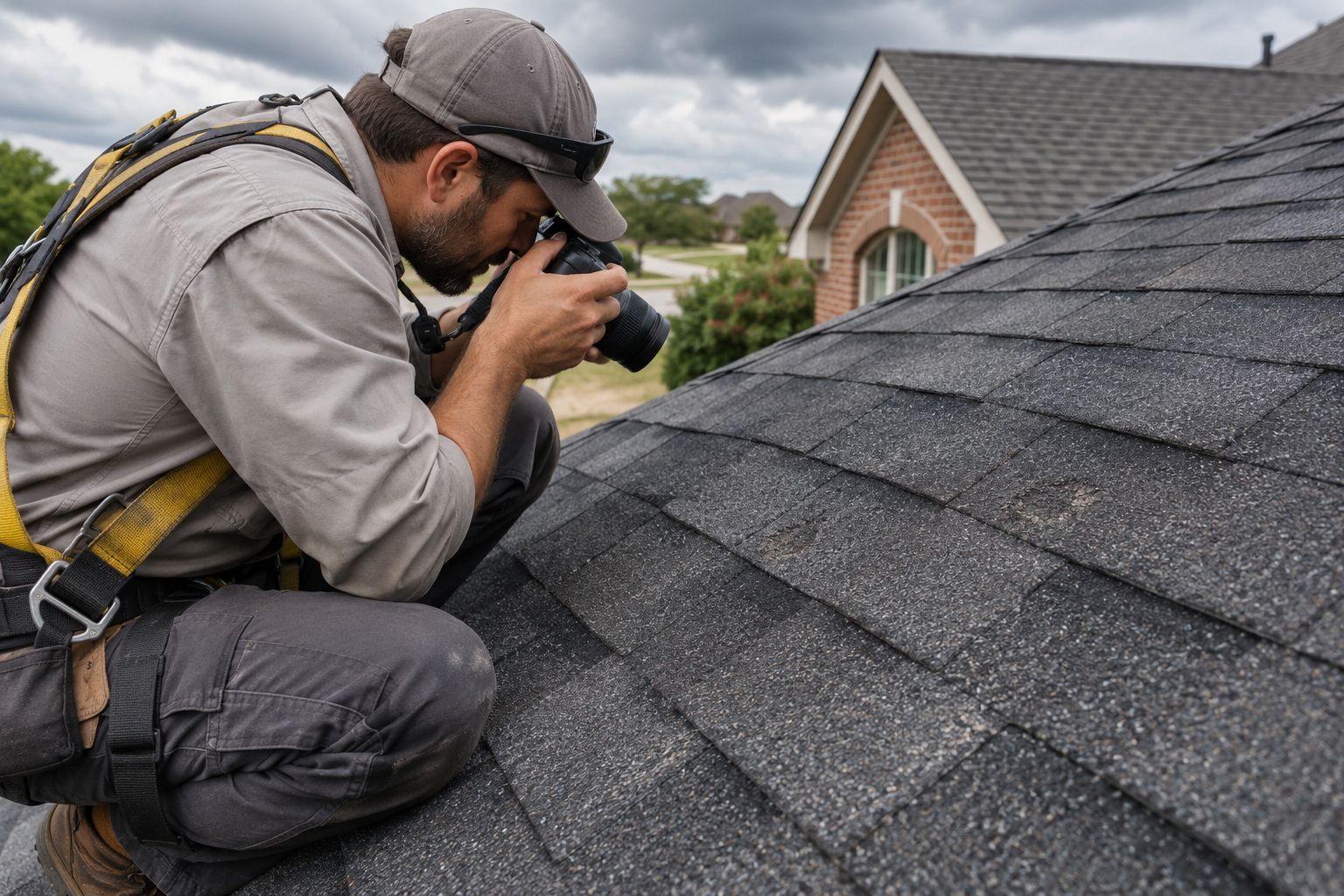
The professional assessment should address relevant field conditions, seams or joints, flashings, edges, drainage, equipment interfaces, previous repairs, and access routes.
Inaccessible or concealed conditions should be identified in the report. A visual visit does not verify every layer beneath the surface or every detail behind equipment.
Commercial roofing services should give the owner a readable scope and a way to authorize additional findings. Confirm spending limits before work starts rather than resolving them while an urgent condition is waiting for a decision.
Keep Roof Access Controlled
Retail tenants may use different HVAC, sign, internet, and equipment vendors. Without access control, the owner can lose track of who worked on the roof and what changed.
Maintain a log with the company, date, purpose, tenant, and work location. Require relevant site and roofing information to be shared before work begins.
Roof access should remain with appropriately qualified and equipped personnel. ARMA's low-slope inspection and maintenance guidance emphasizes trained professionals for roof access. Edges, openings, electrical equipment, weather, and surface conditions still require attention on a low-slope roof.
Do not ask store employees to investigate roof concerns themselves. They can provide useful interior observations and access information without climbing up to test a suspected problem.
Give Every Tenant One Leak-Reporting Process
Provide a reporting contact that works during business hours and an appropriate after-hours process. Ask tenants to identify the suite, room, time, weather conditions, and whether water is still entering.
Safe interior photographs can help establish location and change. Ask staff to avoid electrical, structural, or ceiling hazards and follow the center's safety procedures.
A ceiling stain is a starting point for investigation rather than a guaranteed roof repair location. Water can travel, and equipment, plumbing, walls, or condensation may be involved.
Keep repeat reports connected to the original history. If several tenants report nearby symptoms, use the roof plan to evaluate the relationship rather than opening unrelated service requests that never get compared.
Drainage Is a Shared Building Concern
A roof drain may serve an area extending across several suites. Blockage or recurring accumulation can therefore matter beyond the tenant who first reports water.
Have drains, scuppers, gutters, and drainage paths assessed and serviced using appropriate procedures. Leaves, packaging, dirt, and loose service materials can accumulate near outlets.
Document recurring water accumulation with location and relevant timing where available. Do not send staff onto a wet roof to check how long water remains.
If the concern recurs, request investigation beyond clearing debris. Slope, settlement, outlet configuration, or equipment discharge may be relevant. A local patch does not correct every drainage problem, and a tenant-specific repair may not address the wider area served by the outlet.
Coordinate HVAC Service with Roofing
Multiple rooftop units can mean frequent visits and several contractors working on the same surface. Establish procedures for protecting the roof during service.
Ask technicians to control screws, tools, panels, and replacement parts. Equipment components should not be dragged across the roofing or left where wind can move them.
Condensate, housing, duct, and piping concerns belong with the relevant equipment professional, while roof flashings need appropriate roofing evaluation. Keep those responsibilities coordinated.
Before a unit is replaced, share the plan with the roofing contact. A curb modification, support change, or new penetration may affect details and warranty requirements. Do not let an improvised patch become the only plan for connecting new equipment to the existing roof.
Address Restaurant and Specialty-Tenant Exposure
Restaurants and certain specialty businesses can introduce oils, grease, chemicals, or unusual discharge near equipment. Identify the actual source and ask the appropriate manufacturer or roofing professional about compatibility.
Do not assume every roof material tolerates the same contamination. Avoid experimental cleaning or a repair product chosen only because it matches the surface color.
Coordinate correction at the source where feasible. Repeated cleanup without addressing equipment discharge may leave the same problem recurring.
Record the responsible contact and next action. The purpose is to protect the building and establish facts, not assign tenant responsibility before the relevant evidence and property agreements have been reviewed.
Inspect Flashings, Curbs, and Penetrations
Ask the professional to document concerns at equipment curbs, pipes, walls, corners, and other transitions. These interfaces deserve attention alongside the broad roof field.
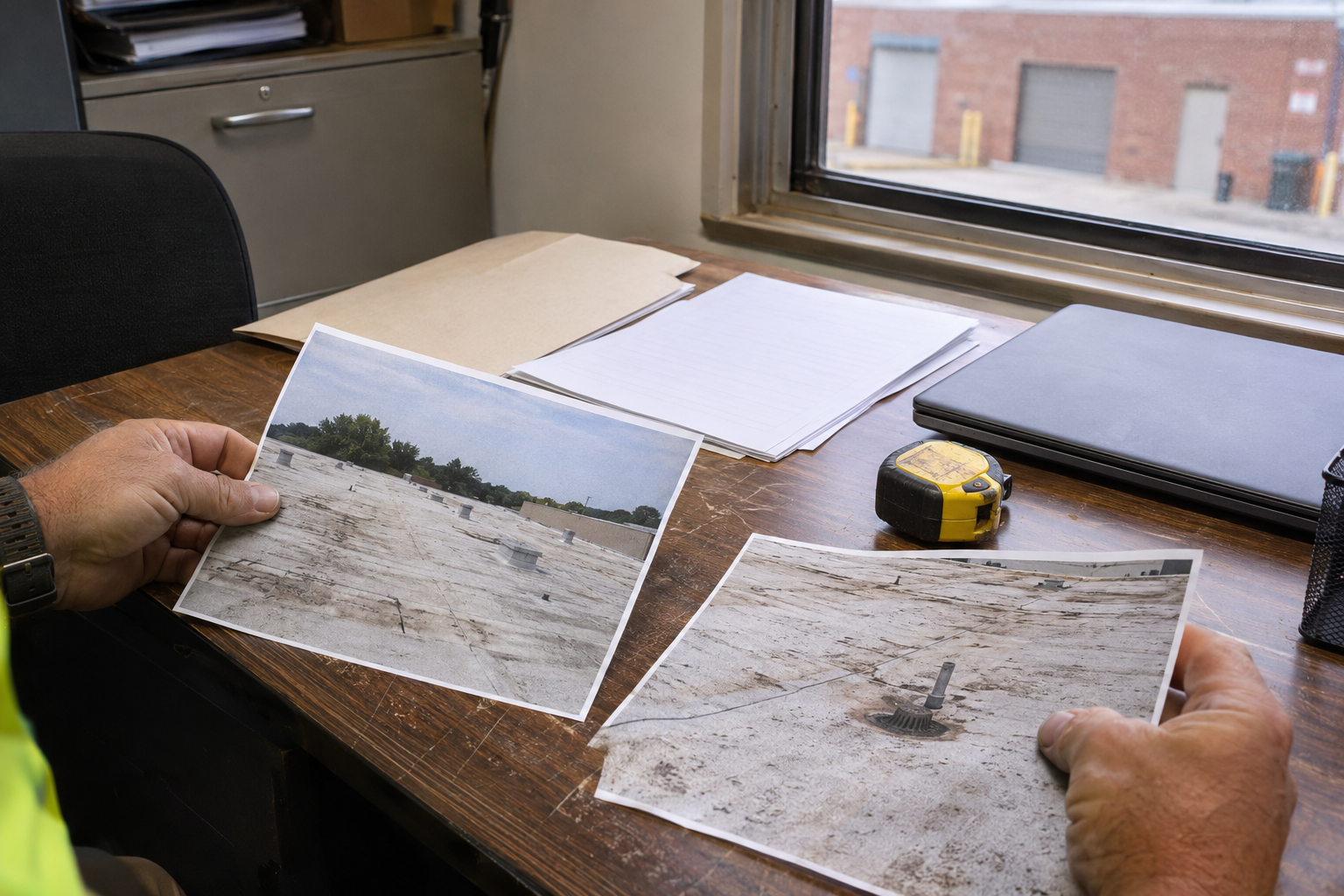
A useful report identifies the location, observed condition, proposed response, and any related trade needed. Photographs should connect the close-up with an overview.
Changes in tenant use can introduce new equipment and openings. Include roofing coordination in the tenant-improvement process rather than discovering unreviewed alterations during the next leak investigation.
For repairs, confirm the materials and procedures match the installed assembly. GAF's commercial maintenance and repair resources illustrate why system-specific service matters. Manufacturer examples should not be treated as instructions for every roof.
Review Storefront, Parapet, and Edge Interfaces
Retail centers often have prominent parapets, sign bands, canopies, and changes in building height. Water symptoms near those features may involve roofing or another part of the exterior.
Have visible concerns documented and coordinate the appropriate evaluation. A serviceable membrane does not establish that adjacent walls, copings, or metal interfaces remain watertight.
Loose or displaced components may also create a falling-object concern. Keep people away from affected areas and arrange suitable assistance rather than waiting for the routine maintenance cycle.
Ask contractors to explain where one scope ends and another begins. The owner should receive a coordinated response rather than a gap left by two vendors each assuming the other will address the interface.
Protect Service Routes and Work Areas
Discuss designated routes and compatible traffic protection where equipment requires regular attention. Review routes when units or access points change.
Walkways do not make the rest of the roof immune to damage. Workers still need to manage tools, loads, and staging appropriately.
For larger work, identify where materials can be placed and how deliveries will avoid customer and tenant conflicts. The roof should not become a storage area without an approved plan.
Use repeat findings to improve the process. If one route continually needs repair, ask whether service practices or protection need revision. Preventive maintenance should address the pattern as well as the individual damaged area.
Plan Work Around Retail Operations
Coordinate access, noise, parking, deliveries, and work zones with the actual tenant schedule. Early morning may suit one business and conflict with another's receiving operations.
Provide a clear notice identifying the affected area, expected activity, contact, and any access changes. Confirm information with the contractor before circulating it.
Work near entrances, outdoor seating, or loading areas may need additional coordination. Protect customers and staff through the property's established procedures and qualified contractor planning.
If weather changes the schedule, update the relevant contacts. Do not let an outdated notice become the only information tenants have. A short accurate update is more useful than a detailed schedule no longer reflecting the work.
Add a Post-Storm Response Plan
Identify who receives weather-related reports, who can approve temporary protection, and which contractor contacts are available. Keep a backup when the usual manager is unavailable.
The National Weather Service's after-storm guidance recommends continued awareness and assessment after the severe weather threat has ended. Avoid damaged structures and electrical hazards.
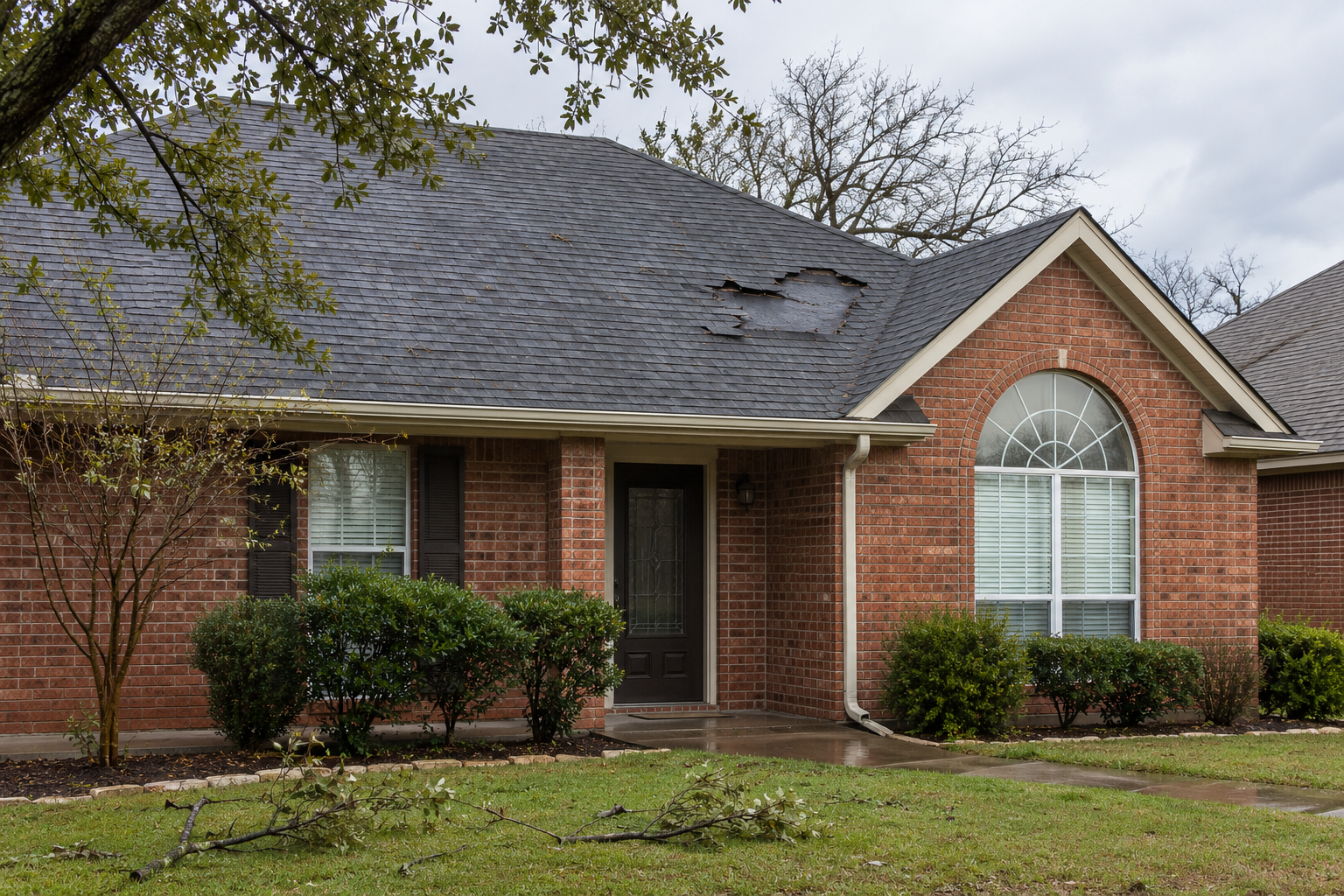
Record the reported event date, discovery information, safe photographs, and interior symptoms. A nearby storm does not prove that every existing condition is new.
Arrange a qualified roof assessment when warranted. Ground observations can provide context but cannot verify every roof detail. Keep temporary work, permanent recommendations, and any insurance questions distinct so each receives the appropriate follow-up.
Prioritize Findings with Clear Next Actions
CategoryDecision neededRecord to keepUrgent protectionWho responds and what is authorized?Conditions, scope, limitations, completionScheduled repairWhat work is needed and when?Estimate, approval, located photographsFurther investigationWhat uncertainty needs resolving?Proposed method, limitations, findingsMonitoringWhat will be compared and on what date?Baseline and escalation triggerCapital planningWhich broader options need review?Comparable scopes and assumptions
A priority rating should explain what the owner should do. Consider technical condition and the consequence below the roof, including occupied areas, merchandise, and critical equipment, without replacing professional assessment with a business-risk score alone.
Keep Warranty and Alteration Procedures Available
Locate issued warranties and workmanship documents. Identify maintenance, reporting, repair, and alteration requirements for each system.
Carlisle's building owner resources provide an example of manufacturer owner support and qualified applicator information. Use the resources corresponding to the actual installed roof.
Before tenant equipment changes or proposed restoration, confirm whether manufacturer notification or approval is needed. Retain written responses with the roof record.
A manufacturer's name in an old proposal does not establish the coverage currently in force. Give management access to the final documents and reporting contacts rather than relying on a verbal statement that the roof is under warranty.
Preserve Records Across Tenant Turnover
Keep roof plans, installation information, inspection reports, photographs, repairs, equipment changes, and access logs under owner management. A tenant's departure should not remove the only copy of a relevant service history.
The guide to commercial roof maintenance records insurers may request provides an organizing framework. Use consistent building and suite identifiers while preserving the roof-section references needed for technical work.
Maintain a current unresolved-items list with responsibility and due dates. Separate completed repairs from recommendations still awaiting approval.
For owners managing other property types, keep system-specific plans. A residential roofing service plan should reflect its own materials and access requirements rather than copy retail-center procedures unchanged.
Budget for Service and Capital Work Separately
Separate recurring inspection and maintenance from testing, major repairs, and longer-term replacement or restoration planning. Each category needs a clear purpose and approval process.
Compare service agreements using equivalent scopes. Cleaning, minor repairs, emergency response, and manufacturer coordination may not be included in a basic inspection price.
For broader recommendations, request verified condition, alternatives, assumptions, and operating impacts. The roof materials and system selection guide can help organize those construction questions.
Do not rely only on roof age or repeated patch spending. Ask what the evidence says about repair feasibility and the underlying assembly. A practical capital plan should explain why the proposed work fits the actual property.
Close the Loop After Every Visit
Review the report with the person who approves spending. Confirm what was inspected, what was repaired, and which conditions remain uncertain or unresolved.
Schedule approved work and communicate relevant impacts to tenants. Obtain completion photographs tied to the original locations and retain accurate invoices.
If temporary protection remains, keep the permanent follow-up visible. A completed emergency work order does not necessarily mean the overall concern is resolved.
Update the next inspection date, contacts, and action list. This review turns the service visit into a usable management process rather than another document stored without a decision.
Use Tenant Changes as a Maintenance Checkpoint
When a suite changes occupants, review planned equipment, signage, communications services, and any proposed roof penetrations. Share the roof requirements with the tenant-improvement team before installation begins.
Confirm which existing units and supports will remain and who will remove abandoned materials. Unused equipment should not be assumed harmless simply because the former tenant no longer operates it. Appropriate professionals should determine the necessary scope and restoration details.
Update contacts and reporting instructions when the new tenant opens. The incoming manager needs to know how to report water, arrange vendor access, and request approval for changes. Keep the roof information under property management so it remains available through the next turnover.
Review Patterns Across the Whole Center
During the property's regular planning cycle, compare findings by roof section rather than only by tenant complaint. Several reports near one drainage area may justify a coordinated investigation. Repeated repair costs beside one equipment group may suggest that service practices need attention.
Keep the analysis factual. A pattern identifies a question to evaluate; it does not automatically establish cause or responsibility. Ask the contractor what further evidence would support a reliable recommendation.
Use those findings to adjust inspection focus, approved service routes, or the scope of routine work. If a broader project is warranted, retain the condition evidence supporting it and compare practical alternatives.
Finally, check that the maintenance budget and contact list match the current center. A plan written before several new restaurants opened may no longer reflect today's exposure or access needs. Updating the plan makes it useful for the property as it operates now, rather than preserving a schedule designed for an earlier tenant mix.
Frequently Asked Questions
How often should a retail center roof be inspected?
Use manufacturer requirements, warranties, condition, and site exposure. Spring and fall can be practical planning points, with additional assessment after significant events or rooftop work.
Should tenants inspect the roof themselves?
No routine tenant access should be assumed. Keep roof work with appropriately qualified personnel and have tenants report symptoms safely through management.
Who is responsible for a leak near tenant equipment?
The source needs investigation, and responsibility depends on the actual facts and relevant property agreements. Coordinate roofing and equipment professionals without assuming the answer from location alone.
Does one roof system cover the whole center?
Not necessarily. Additions, partial replacements, and previous restoration can create different assemblies. Keep an accurate roof inventory.
Should every leak lead to replacement?
No. Base the response on documented condition, repair feasibility, and further investigation where needed. A local symptom does not establish the entire scope.
What should a maintenance agreement include?
Define inspected areas, documentation, included services, exclusions, approval limits, reporting, and follow-up. State whether cleaning and repairs need separate authorization.
Establish Your Retail Center Roof Maintenance Plan
A practical preventive maintenance plan connects roof assessment with tenant communication, controlled access, drainage care, equipment coordination, compatible repairs, and reliable records. Every visit should lead to clear next actions.
Contact Showtime Exteriors or call 817-400-7663 to discuss your retail center roof. Share the site layout, known systems, active concerns, service history, and operating restrictions so the next step fits the property.