

How to Choose a Roofing Contractor in Grand Prairie, TX
Choosing a roofing contractor in Grand Prairie? Compare experience, registration, insurance, permits, written estimates, warranties, and project supervision.

Three roofing proposals arrive with three different prices. One promises a quick replacement. Another recommends repairs. The third lists a new roof system without explaining what happens to the materials underneath it.
Which contractor should you trust?
Choosing a roofing contractor in Grand Prairie starts with understanding those differences. A useful proposal explains the roof’s condition, the recommended work, the products involved, and who takes responsibility for the project.
For homeowners and commercial building owners, the following checks make that decision easier.
Start With Experience That Matches Your Roof
Ask about projects involving the same roof material, building type, and construction challenges as yours.
A contractor experienced with residential shingles may have a different background from one handling occupied warehouses, low-slope membranes, or complex metal roof transitions.
For a commercial property, ask about:
- The installed roof system.
- Similar repair or replacement projects.
- Work around rooftop equipment.
- Drainage and perimeter details.
- Interior protection.
- Tenant and business coordination.
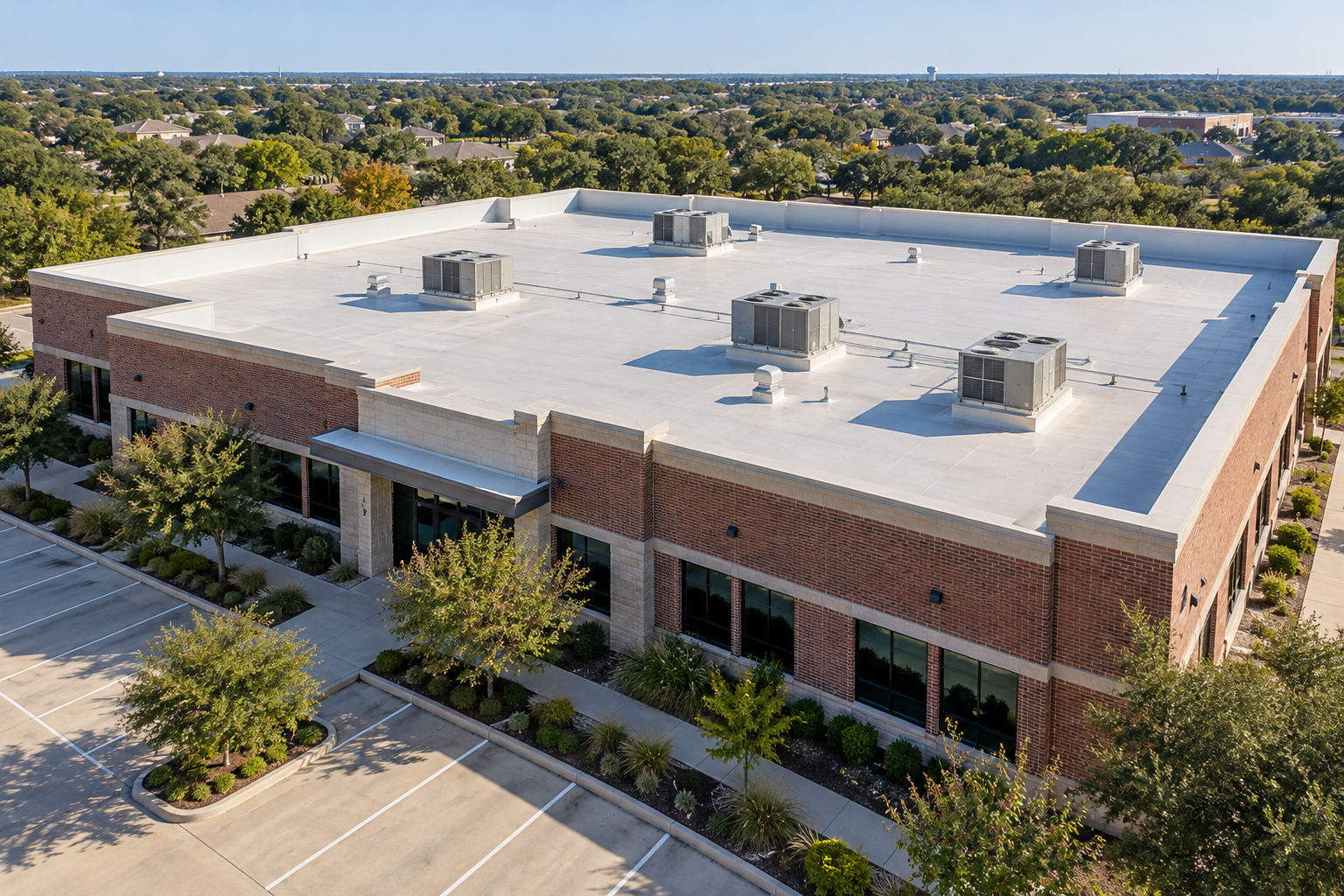
Showtime Exteriors provides commercial roofing services for owners evaluating repair, restoration, retrofit, and replacement options.
Ask each prospective contractor to explain why its recommendation fits the actual roof.
Verify the Business Behind the Proposal
Confirm the company’s legal name, business address, telephone number, and the person responsible for your project.
The name on the contract should be consistent with the business you investigated and the payment instructions you receive.
Ask for current insurance information and verify relevant details with the issuing agent or insurer. Discuss whether the coverage is appropriate for your project, rather than relying only on a logo or an emailed certificate.
The Texas Department of Insurance contractor-selection guidance recommends checking references, obtaining multiple written bids, and keeping agreements and warranty terms. It also warns against signing documents presented misleadingly as simple estimates or inspection releases.
Check Grand Prairie Registration and Permits
A professional proposal should identify who will obtain required permits and coordinate inspections.
For residential projects, the city’s Residential Re-Roof Permit guidance states that roof replacement, recovering, and repair require a permit. It also identifies general-contractor registration as part of the process.
For commercial properties, Grand Prairie’s permit and contractor-registration information states that commercial reroofing requires an approved permit and contractors must register with Building Inspections. Confirm the requirements for your particular scope before work begins.
Ask the contractor to provide the relevant permit information when issued.
Registration is one verification step. It does not replace checking experience, workmanship, insurance, or contract terms.
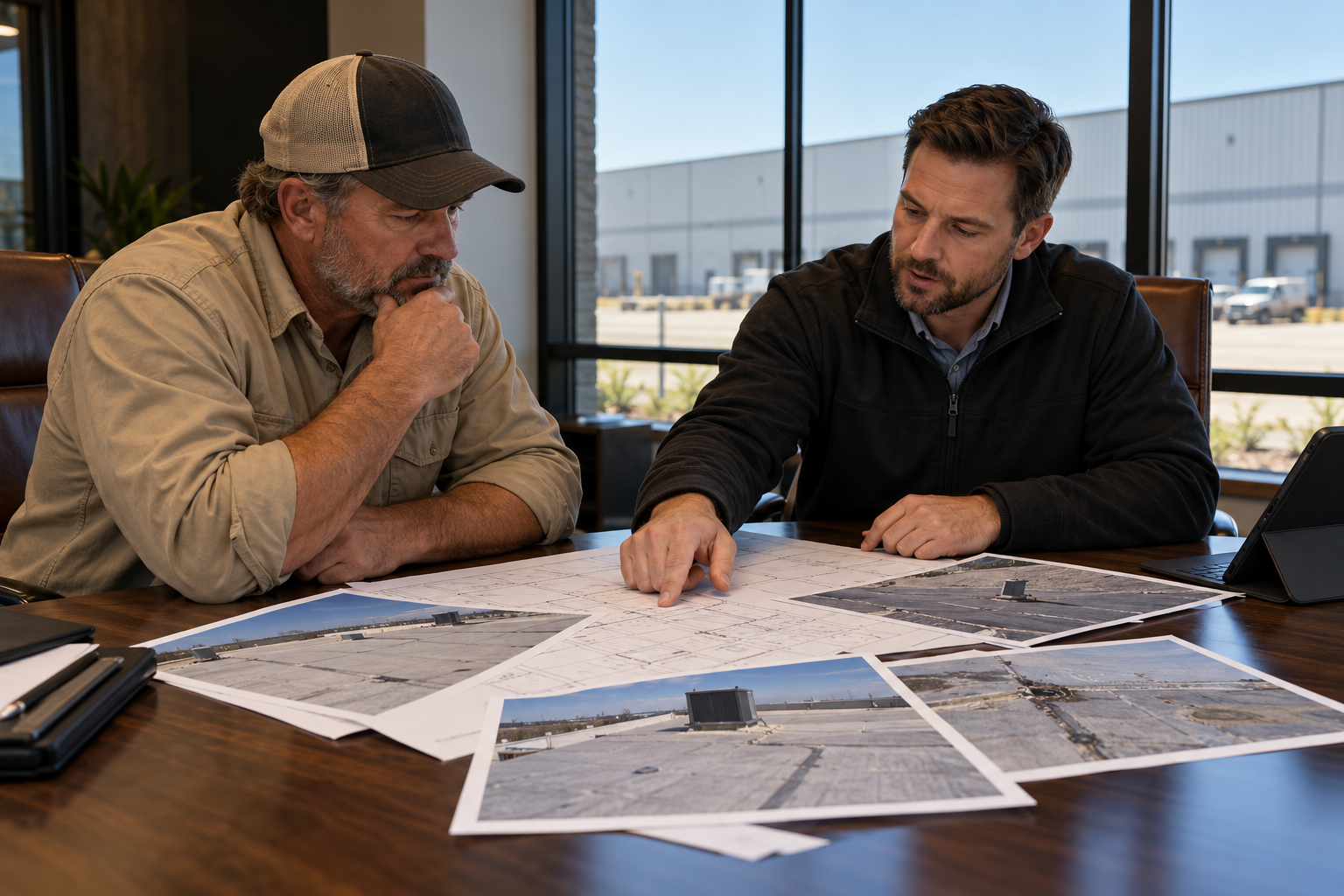
Image 1: Discussing the Building and Roof
Place the first generated image here.
Alt text: Roofing professional discussing a commercial building’s roof with a property owner.
Caption: A productive consultation connects the proposed roofing work to the building’s condition and operational needs.
Ask What the Inspection Actually Found
Before discussing colors or financing, ask for the findings.
A useful inspection should distinguish:
- Observed defects.
- Existing deterioration.
- Earlier repairs.
- Suspected concealed conditions.
- Areas that could not be accessed.
- Further investigation needed.
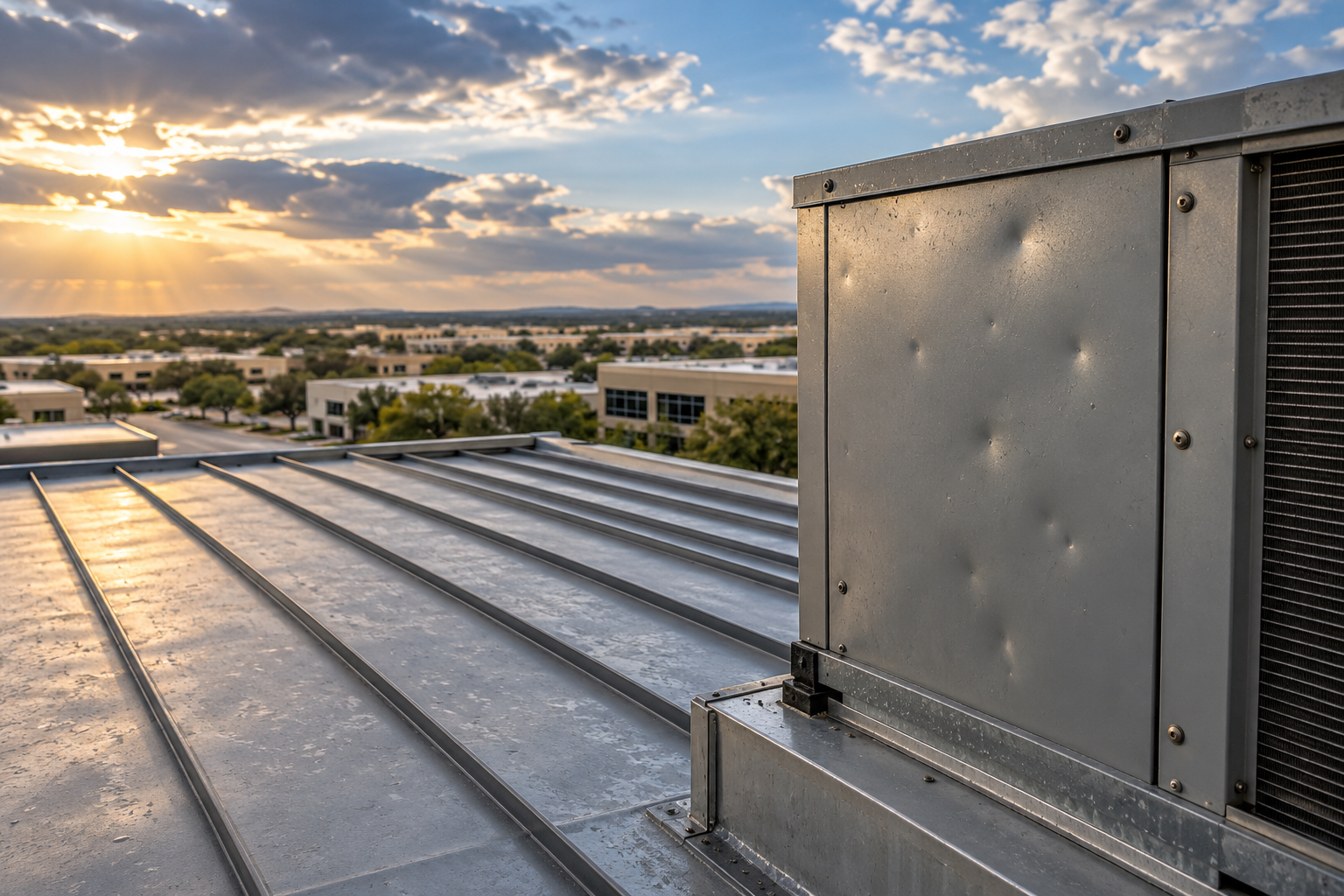
Photographs should identify locations. “Open flashing at the east equipment curb” is more useful than an unlabeled close-up described only as roof damage.
Be cautious when a contractor recommends a complete replacement without explaining why repair or another approach is unsuitable.
For a single-ply roof, Showtime Exteriors’ guide to repairing, restoring, or replacing TPO roofing provides questions that can help evaluate the recommendation.
Compare the Scope Before Comparing the Price
Two roofing estimates can look similar while describing different projects.
Use the following comparison:
Proposal itemWhat to askRoof areaWhich sections and quantities are included?RemovalWhat materials and existing layers will be removed?New materialsWhich manufacturer, product, and specifications apply?Deck or substrateHow will concealed damage be documented and priced?FlashingsWhich details will be replaced, repaired, or retained?DrainageWhat work addresses drains, scuppers, gutters, or related concerns?ProtectionHow will people, property, and interiors be protected?PermitsWho obtains permits and coordinates inspections?CleanupWhat removal and final cleanup are included?WarrantyWho provides coverage, and what does it exclude?
The Texas Attorney General’s contractor and home-improvement guidance recommends detailed written bids, references, and contracts that include the promises made during the sales process.
When a price is substantially lower, ask which assumptions or exclusions explain the difference.
Find Out Who Will Supervise the Work
The salesperson may not be the person managing construction.
Ask:
- Who is the project supervisor?
- Will subcontractors perform any work?
- Who checks the completed details?
- Who can authorize a change?
- Who responds if weather interrupts the project?
- How will the owner receive updates?
For occupied buildings, the supervisor should understand access restrictions, tenant communication, delivery routes, and sensitive areas below the work.
Ask how the contractor will maintain weather protection at the end of each work period and when unexpected conditions arise.
A specific answer is more useful than a general promise to “take care of everything.”
Discuss Safety and Property Protection
Roofing requires a plan for workers, occupants, and people passing nearby.
Ask how the contractor will manage roof access, fall hazards, falling debris, material storage, and protected entrances.
The OSHA construction fall-protection resources provide information on the hazards and protective systems involved in roofing work.
For commercial facilities, also discuss rooftop equipment, air intakes, noise, dust, odors, and any necessary coordination with other trades.
For residential properties, identify landscaping, exterior equipment, vehicles, and outdoor areas that need protection.
Read the Payment and Change-Order Terms
The contract should explain the price, payment schedule, and conditions for additional work.
Ask what happens if the crew discovers damaged decking or another concealed problem. Agree on how the contractor will document it and obtain approval.
Useful provisions identify:
- The original included scope.
- Any stated allowances.
- Unit prices where appropriate.
- Who approves additional work.
- How changes affect the schedule.
- When payments become due.
Keep a copy of everything you sign. Do not sign incomplete documents or rely on verbal promises to correct the contract later.
Image 2: Comparing Roofing Materials and Proposals
Place the second generated image here.
Alt text: Property owner comparing shingle, metal, and membrane roofing samples with a written proposal.
Caption: Named products and a detailed scope make roofing proposals easier to compare.
Understand the Warranty Before You Choose
Ask for the actual warranty documents or proposed terms.
Distinguish between manufacturer coverage and the contractor’s workmanship warranty. Confirm:
- What each warranty covers.
- The duration and applicable limitations.
- Maintenance obligations.
- Reporting requirements.
- Transfer provisions, if relevant.
- Responsibility for service calls.
A longer advertised term does not necessarily mean broader coverage.
For commercial owners, Showtime Exteriors’ roof maintenance guide explains how inspection and repair records can support ongoing roof management.
Be Careful With Insurance Promises
A roofing contractor can document conditions and explain its construction proposal. Claim coverage and settlement questions require the appropriate insurance or legal expertise.
The TDI roofing and insurance law guidance explains that contractors cannot act as public adjusters on claims where they will perform the work. It also addresses the prohibition on waiving, rebating, or absorbing a policyholder’s deductible.
Be cautious about promises of guaranteed approval, a specific settlement, or a roof with no deductible contribution.
If a contractor’s proposal differs from an insurer’s estimate, ask for a documented comparison. Showtime Exteriors’ roof claim supplement questions can help organize that discussion.
Ask References About the Whole Project
A finished roof photograph cannot tell you how the contractor handled communication or problems.
When contacting references, ask:
- Was the scope explained clearly?
- Were changes documented?
- Was the property protected?
- Did the contractor communicate delays?
- Were inspection and warranty records provided?
- How were follow-up concerns handled?
References involving a similar building and roof system are especially useful.
Choose a Contractor Who Can Explain the Work
A dependable roofing contractor in Grand Prairie should be able to explain the recommendation, document the scope, identify project responsibilities, and provide clear contract terms.
Based in Mansfield, Showtime Exteriors serves the Dallas–Fort Worth area with residential and commercial roofing assessments.
To discuss your Grand Prairie property, contact Showtime Exteriors or call 817-400-ROOF (7663).