



Commercial Roof Maintenance Houston
A Practical Maintenance Plan for Houston Commercial Buildings

Commercial roof maintenance protects more than the roof surface. A disciplined program helps Houston property owners manage leaks, drainage, rooftop traffic, storm exposure, warranties, insurance documentation, repair budgets, tenant disruption, and long-term replacement planning. Maintenance works best when it follows a documented inspection and closes every open item with a responsible person, completion date, photograph, and follow-up plan.
Houston roofs experience intense sunlight, heat, humidity, heavy rain, hail, straight-line wind, tropical weather, airborne debris, mechanical-service traffic, and fast weather changes. Small openings at seams, fasteners, flashings, penetrations, edges, or drains can become larger interior losses when they remain unnoticed. Regular service cannot make any roof permanent, but it can identify correctable conditions before emergency work becomes the only option.
Showtime Exteriors provides commercial roof inspections, maintenance, repair, restoration, recover, retrofit, and replacement services in Houston and across Texas. The team works with TPO, PVC, EPDM, metal, modified bitumen, coatings, asphaltic systems, and aging gravel-surfaced built-up roofs. Gravel BUR requires a distinctly cautious approach because aggregate can conceal moisture, deteriorated felts, cracks, blisters, failed patches, and blocked drainage. Repeated surface patching should not be used to postpone a necessary replacement indefinitely.
Call Showtime Exteriors at 817-400-ROOF (7663) to schedule a Houston commercial roof inspection and maintenance assessment.
What Commercial Roof Maintenance Includes
Commercial roof maintenance combines scheduled inspection, cleaning, minor repairs, documentation, and planning. Typical work includes clearing drains, removing debris, checking seams and fasteners, repairing punctures, resealing compatible details, securing loose components, reviewing flashings, controlling rooftop traffic, and recording changes. The scope must match the roof system because materials and repair methods are not interchangeable.
Every task should identify the roof area, condition, compatible method, responsible party, target date, and completion evidence. This turns maintenance from an informal promise into a measurable building-management process. It also allows the next inspector to see whether the condition was repaired, monitored, deferred, or replaced.
Why Houston Roofs Need a Maintenance Program
Houston heat and ultraviolet exposure age surfaces and sealants, while humidity and rain test every opening and drainage path. Hail and wind can damage roof components, rooftop equipment, edges, gutters, and accessories. Trades servicing HVAC, electrical, solar, communications, or plumbing can also create punctures or unsealed penetrations. A maintenance program organizes these recurring risks instead of waiting for an interior leak.
Safety remains part of maintenance. Wet surfaces, heat, lightning, fragile skylights, unprotected edges, electrical equipment, chemicals, and restricted access can change what work is safe. Trained personnel should use an appropriate access and fall-protection plan, and limitations should be documented instead of encouraging building staff to take avoidable risks.
How Often Should a Commercial Roof Be Maintained
Frequency should reflect roof type, age, condition, manufacturer guidance, warranty requirements, exposure, occupancy, leak history, drainage, and rooftop activity. Many owners plan spring and fall service plus additional inspections after severe storms, construction, equipment work, or reported leakage. A fixed calendar is only the starting point; a vulnerable or heavily trafficked roof may need closer attention.
Avoid repairs based only on the visible symptom. Water can travel through insulation, along decks and structural members, or around penetrations before appearing indoors. The maintenance team should investigate likely pathways and confirm whether the surrounding assembly is dry, attached, and compatible with the proposed material.
Build a Roof Asset File First
Collect plans, specifications, warranties, inspection reports, repair invoices, leak logs, claim records, photographs, product data, equipment changes, and contact information. Create a roof plan that divides large roofs into named areas. A complete file helps the maintenance team identify compatible materials, recurring leaks, previous repairs, warranty procedures, and the difference between a new condition and an old unresolved problem.
Manufacturers, roof systems, warranties, and building conditions differ. Product data and project-specific testing should control primers, cleaners, patches, coatings, sealants, fasteners, temperatures, cure windows, and application rates. A generic material chosen for convenience can make the next permanent repair more difficult.
Use a Written Maintenance Checklist
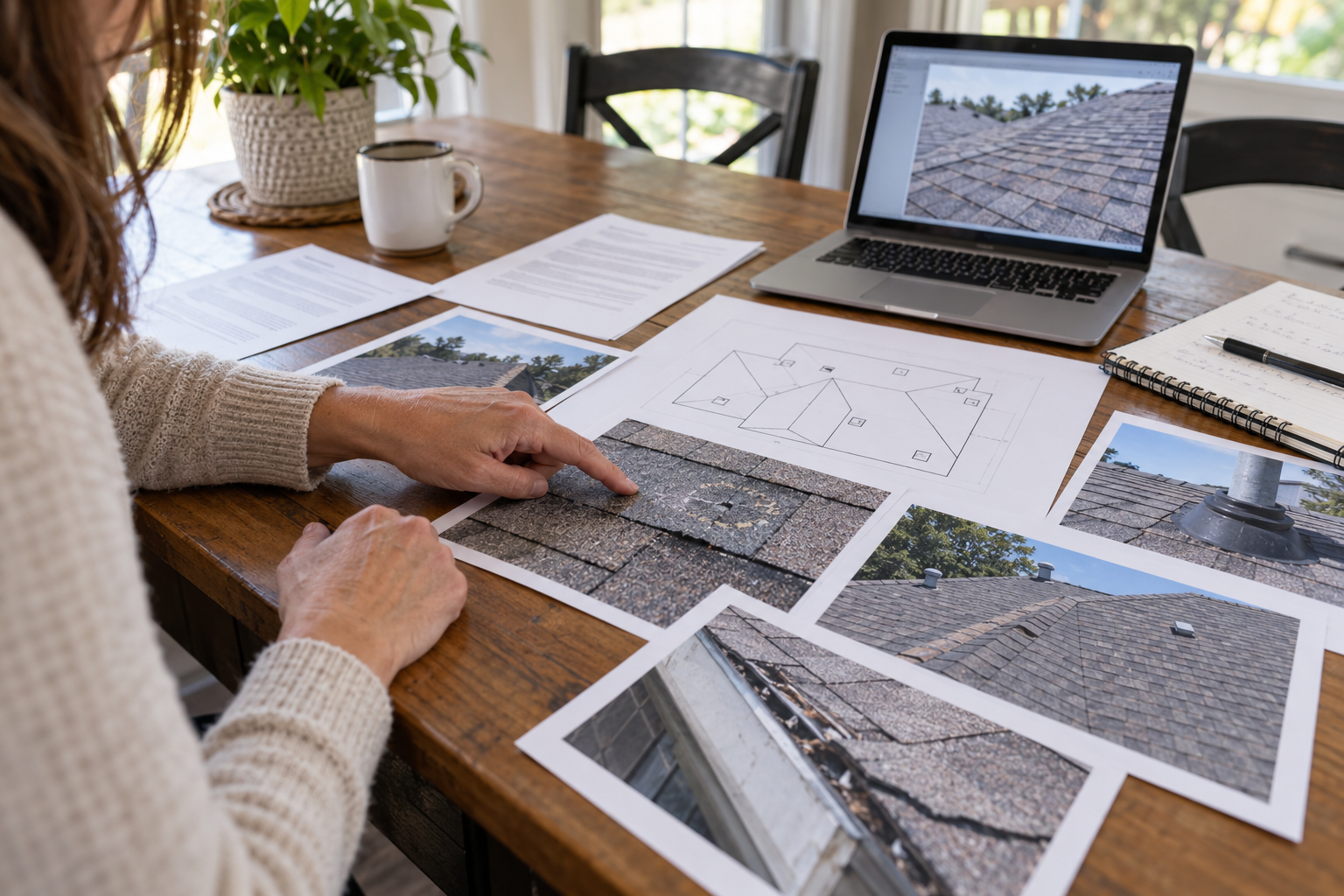
A written checklist creates consistency across visits. It should cover access, safety, roof field, seams, fasteners, flashings, curbs, pipes, drains, scuppers, gutters, edges, parapets, coping, expansion joints, skylights, hatches, traffic paths, equipment, debris, ponding evidence, previous repairs, and interior conditions. Add system-specific items and record areas that could not be accessed safely.
Maintenance records support decisions but do not erase age or deterioration. When evidence shows that the roof can no longer be kept serviceable through proportionate repairs, the plan should say so directly. Owners need enough lead time to obtain bids, coordinate operations, consult insurers, and fund a responsible capital project.
Keep Drains Scuppers and Gutters Clear
Drainage maintenance is one of the highest-value routine tasks. Remove leaves, trash, sediment, loose materials, biological growth, and displaced surfacing without damaging the roof. Check strainers, downspouts, scuppers, gutters, overflow provisions, and discharge locations. Persistent ponding may indicate slope, insulation, deck, outlet, or structural problems that cleaning alone cannot correct.
Every task should identify the roof area, condition, compatible method, responsible party, target date, and completion evidence. This turns maintenance from an informal promise into a measurable building-management process. It also allows the next inspector to see whether the condition was repaired, monitored, deferred, or replaced.
Control Rooftop Traffic
Uncontrolled foot traffic can puncture membranes, crush insulation, damage seams, displace gravel, scratch metal finishes, and create debris around equipment. Limit access to authorized personnel, maintain a sign-in process, define walk paths, use compatible protective pads where appropriate, and require contractors to report damage. Inspect the route to and from serviced equipment after every trade visit.
Safety remains part of maintenance. Wet surfaces, heat, lightning, fragile skylights, unprotected edges, electrical equipment, chemicals, and restricted access can change what work is safe. Trained personnel should use an appropriate access and fall-protection plan, and limitations should be documented instead of encouraging building staff to take avoidable risks.
Coordinate HVAC and Mechanical Work
Rooftop equipment service often creates roofing problems indirectly. Technicians may remove panels, cut openings, move supports, spill oils, abandon fasteners, route condensate incorrectly, or place heavy parts on the membrane. Require advance notice, protect work areas, coordinate penetrations and curbs with a roofer, and perform a documented closeout inspection before the mechanical contractor leaves.
Avoid repairs based only on the visible symptom. Water can travel through insulation, along decks and structural members, or around penetrations before appearing indoors. The maintenance team should investigate likely pathways and confirm whether the surrounding assembly is dry, attached, and compatible with the proposed material.
Maintain Seams Flashings and Penetrations
Field seams, transitions, curbs, pipes, pitch pans, counterflashings, terminations, and expansion joints move differently from the roof field. Inspect for openings, cracks, bridging, loose fasteners, failed sealant, incompatible materials, corrosion, and water entry. Repair the detail with a system-compatible method rather than applying generic caulk over movement, contamination, or trapped moisture.
Manufacturers, roof systems, warranties, and building conditions differ. Product data and project-specific testing should control primers, cleaners, patches, coatings, sealants, fasteners, temperatures, cure windows, and application rates. A generic material chosen for convenience can make the next permanent repair more difficult.
Maintain Roof Edges and Wind Sensitive Areas
Corners, perimeters, ridges, rakes, eaves, coping, fascia, gravel stops, and roof-to-wall transitions deserve close attention because wind pressures and water entry can concentrate there. Secure loose metal, replace missing fasteners with approved components, rebuild failed terminations, and remove abandoned materials. An edge repair should address attachment and movement, not merely hide an opening with sealant.
Maintenance records support decisions but do not erase age or deterioration. When evidence shows that the roof can no longer be kept serviceable through proportionate repairs, the plan should say so directly. Owners need enough lead time to obtain bids, coordinate operations, consult insurers, and fund a responsible capital project.
TPO Roof Maintenance
TPO maintenance should review heat-welded seams, patches, flashings, terminations, fasteners and plates where visible, membrane weathering, punctures, cuts, contamination, wrinkles, bridging, drains, edges, and traffic paths. Clean and repair with manufacturer-compatible materials and methods. A white membrane can look acceptable from a distance while a small opening at a curb or drain remains active.
Every task should identify the roof area, condition, compatible method, responsible party, target date, and completion evidence. This turns maintenance from an informal promise into a measurable building-management process. It also allows the next inspector to see whether the condition was repaired, monitored, deferred, or replaced.
PVC Roof Maintenance
PVC roofs require identification and compatible repair products. Inspect welded seams, flashings, terminations, shrinkage, punctures, surface condition, chemical exposure, grease, rooftop exhaust, drains, and prior patches. Restaurants, industrial facilities, and laboratories may expose roofs to materials that influence membrane performance. Cleaning and repair procedures should follow the installed system and current manufacturer guidance.
Safety remains part of maintenance. Wet surfaces, heat, lightning, fragile skylights, unprotected edges, electrical equipment, chemicals, and restricted access can change what work is safe. Trained personnel should use an appropriate access and fall-protection plan, and limitations should be documented instead of encouraging building staff to take avoidable risks.
EPDM Roof Maintenance
EPDM maintenance should examine seams, tapes, adhesives, flashings, terminations, shrinkage, membrane tension, punctures, patches, ballast where present, drains, edges, and penetrations. Black membrane can reach high temperatures in Houston sunlight, and old details may lose adhesion. Clean, prime, and repair with compatible EPDM materials rather than mixing unsupported mastics or coating products.
Avoid repairs based only on the visible symptom. Water can travel through insulation, along decks and structural members, or around penetrations before appearing indoors. The maintenance team should investigate likely pathways and confirm whether the surrounding assembly is dry, attached, and compatible with the proposed material.
Commercial Metal Roof Maintenance
Metal roof maintenance includes panels, seams, clips where accessible, exposed fasteners, washers, laps, closures, sealants, coatings, corrosion, finish loss, penetrations, gutters, ridges, rakes, and transitions. Thermal movement can loosen fasteners or stress seals. Repeatedly coating screws with sealant may not correct elongated holes, corroded metal, loose panels, or movement at long panel runs.
Manufacturers, roof systems, warranties, and building conditions differ. Product data and project-specific testing should control primers, cleaners, patches, coatings, sealants, fasteners, temperatures, cure windows, and application rates. A generic material chosen for convenience can make the next permanent repair more difficult.
Modified Bitumen Maintenance
Inspect modified bitumen for open laps, splits, ridges, blisters, exposed reinforcement, granule loss, asphalt movement, punctures, incompatible patches, flashings, drains, edges, and ponding. Remove loose debris and repair with approved materials. Widespread surface deterioration, moisture, or repeated failures may indicate that restoration, recover, or replacement should replace routine patching as the capital strategy.
Maintenance records support decisions but do not erase age or deterioration. When evidence shows that the roof can no longer be kept serviceable through proportionate repairs, the plan should say so directly. Owners need enough lead time to obtain bids, coordinate operations, consult insurers, and fund a responsible capital project.
Roof Coating Maintenance
Coated roofs need cleaning, damage repair, and periodic review of thickness, cracks, pinholes, delamination, reinforcement, seams, penetrations, transitions, ponding areas, and previous repairs. Identify the coating chemistry before selecting repair material. Dirt, foot traffic, mechanical work, and standing water can affect performance. Preserve original product data and application records for future recoating decisions.
Every task should identify the roof area, condition, compatible method, responsible party, target date, and completion evidence. This turns maintenance from an informal promise into a measurable building-management process. It also allows the next inspector to see whether the condition was repaired, monitored, deferred, or replaced.
Why Gravel Surfaced BUR Is Maintenance Intensive
Aging gravel-surfaced built-up roofing creates persistent uncertainty because the aggregate hides the weathering surface. Cracks, blisters, deteriorated felts, old patches, moisture pathways, and irregular asphalt may remain concealed until leakage appears. Gravel can also migrate into drains and low areas. Routine surface observation is not enough to prove the underlying assembly remains dry or repairable.
Safety remains part of maintenance. Wet surfaces, heat, lightning, fragile skylights, unprotected edges, electrical equipment, chemicals, and restricted access can change what work is safe. Trained personnel should use an appropriate access and fall-protection plan, and limitations should be documented instead of encouraging building staff to take avoidable risks.
Aging gravel surfaced BUR can conceal deterioration and demand recurring maintenance without resolving underlying failure.
When Gravel BUR Maintenance Is No Longer Enough
Repeated leaks, extensive patching, widespread moisture, failed flashings, poor drainage, unstable surfacing, deck concerns, or insurer restrictions may make replacement or an engineered recover more rational than continued maintenance. Loose gravel is not a dependable coating substrate. Any restoration proposal requires controlled investigation, preparation, testing, and manufacturer acceptance rather than a promise to coat over the problem.
Avoid repairs based only on the visible symptom. Water can travel through insulation, along decks and structural members, or around penetrations before appearing indoors. The maintenance team should investigate likely pathways and confirm whether the surrounding assembly is dry, attached, and compatible with the proposed material.
Maintenance After Hail Wind or Tropical Weather
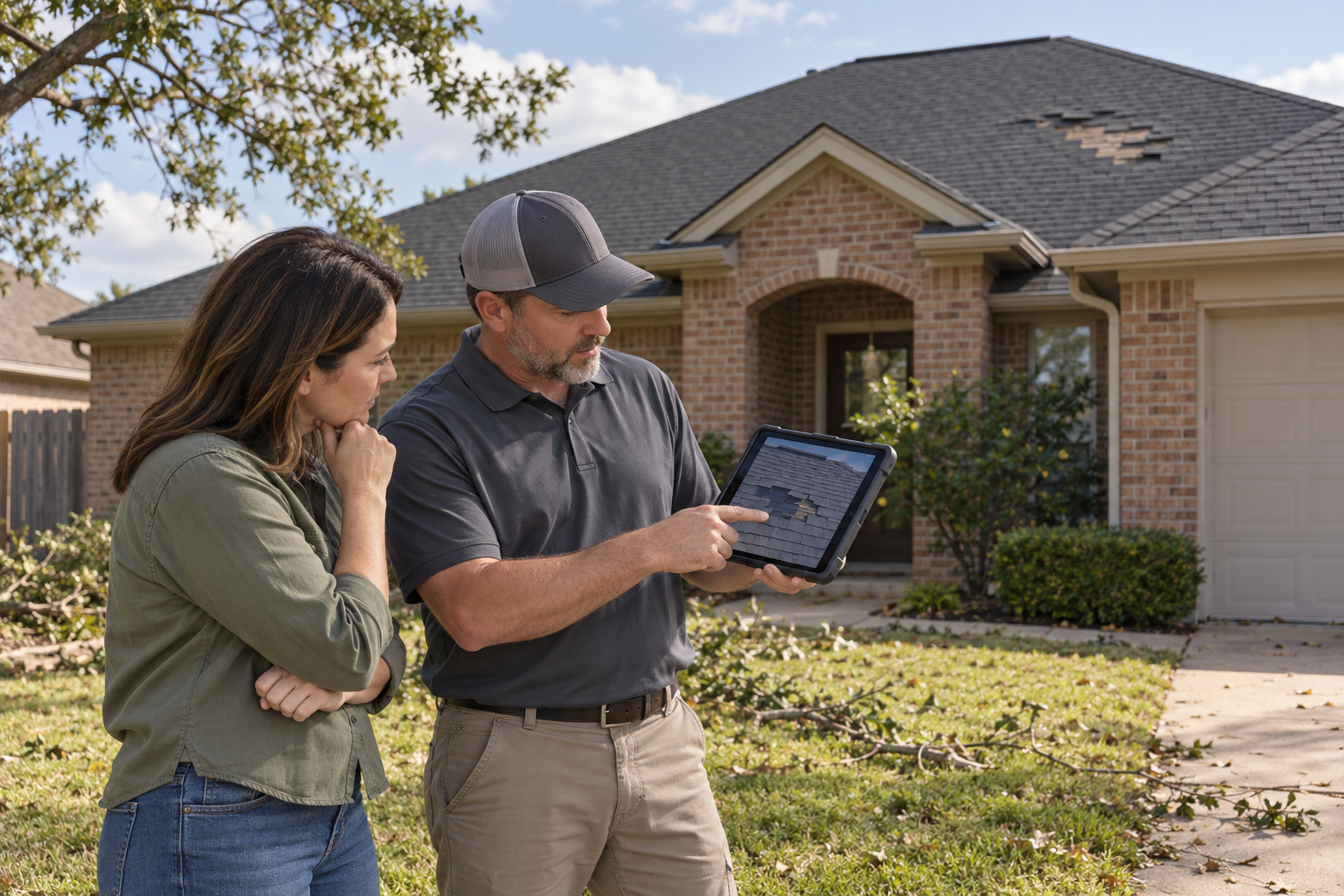
After severe weather, document the event date, reported leaks, roof areas, elevations, edges, drains, gutters, rooftop equipment, metal components, membranes, flashings, and interior evidence. Temporary protection should prevent further water entry without destroying evidence or becoming permanent by neglect. A post-storm report should separate observed conditions, prior deterioration, maintenance items, and possible storm-related concerns.
Manufacturers, roof systems, warranties, and building conditions differ. Product data and project-specific testing should control primers, cleaners, patches, coatings, sealants, fasteners, temperatures, cure windows, and application rates. A generic material chosen for convenience can make the next permanent repair more difficult.
Emergency Repairs and Temporary Patches
Emergency work can protect the building and contents, but temporary materials have limits. Record location, date, cause, materials, photographs, weather, and the permanent action required. Review temporary patches promptly after the event. Problems grow when tarps, tape, generic sealant, or incompatible coatings become an unexamined long-term solution and obscure the original failure.
Maintenance records support decisions but do not erase age or deterioration. When evidence shows that the roof can no longer be kept serviceable through proportionate repairs, the plan should say so directly. Owners need enough lead time to obtain bids, coordinate operations, consult insurers, and fund a responsible capital project.
Track Leaks as Data
A useful leak log records date, time, weather, wind direction, interior location, photographs, affected operations, temporary protection, roof investigation, entry point if confirmed, repair, and follow-up. Recurring leaks in one room may come from different roof sources, while one roof opening may produce symptoms in several locations. Mapping patterns helps prioritize testing and capital work.
Every task should identify the roof area, condition, compatible method, responsible party, target date, and completion evidence. This turns maintenance from an informal promise into a measurable building-management process. It also allows the next inspector to see whether the condition was repaired, monitored, deferred, or replaced.
Protect Warranties and Guarantees
Read the actual warranty or guarantee and follow its notification, inspection, maintenance, repair, documentation, and approved-contractor requirements. Coverage and exclusions vary. Unauthorized alterations or incompatible repairs may create problems. Maintenance does not guarantee that a future condition is covered, but organized records help demonstrate that the owner followed required procedures and responded to known issues.
Safety remains part of maintenance. Wet surfaces, heat, lightning, fragile skylights, unprotected edges, electrical equipment, chemicals, and restricted access can change what work is safe. Trained personnel should use an appropriate access and fall-protection plan, and limitations should be documented instead of encouraging building staff to take avoidable risks.
Maintenance Documentation for Insurance
Keep dated inspection reports, roof plans, photographs, invoices, completion records, warranties, product data, leak logs, storm reports, and communication with the carrier or broker. A contractor can document conditions and repairs but cannot guarantee renewal, coverage, premiums, deductibles, depreciation, or claim outcomes. Obtain underwriting requirements in writing and address them before renewal deadlines.
Avoid repairs based only on the visible symptom. Water can travel through insulation, along decks and structural members, or around penetrations before appearing indoors. The maintenance team should investigate likely pathways and confirm whether the surrounding assembly is dry, attached, and compatible with the proposed material.
Maintain Roof Access Ladders and Hatches
Roof access is part of the maintenance system. Check fixed ladders, locks, gates, hatches, curbs, seals, hinges, hold-open devices, lighting, warning signs, and the landing area for deterioration or hazards. Control keys and document who enters the roof. Damaged access components can expose workers, allow unauthorized traffic, or admit water around the hatch even when the roof field remains serviceable.
Manufacturers, roof systems, warranties, and building conditions differ. Product data and project-specific testing should control primers, cleaners, patches, coatings, sealants, fasteners, temperatures, cure windows, and application rates. A generic material chosen for convenience can make the next permanent repair more difficult.
Create a Severe Weather Response Plan
Assign contacts for leak reporting, emergency access, temporary protection, inventory movement, electrical or mechanical shutdowns, photography, insurer notification, and permanent repair. Keep the roof plan, contractor number, policy information, and approved emergency procedures available off site. After the event, inspect safely, preserve evidence, and document the transition from emergency work to permanent correction.
Maintenance records support decisions but do not erase age or deterioration. When evidence shows that the roof can no longer be kept serviceable through proportionate repairs, the plan should say so directly. Owners need enough lead time to obtain bids, coordinate operations, consult insurers, and fund a responsible capital project.
Review the Roof Before Lease or Tenant Changes
New tenants may add exhaust fans, condensers, satellite equipment, signs, pipes, grease discharge, or service traffic. Review proposed rooftop work before construction, define approved penetrations and supports, protect drainage, and require roofing closeout. A tenant improvement should not silently transfer future leak and warranty risk to the building owner through uncoordinated cuts or incompatible repairs.
Every task should identify the roof area, condition, compatible method, responsible party, target date, and completion evidence. This turns maintenance from an informal promise into a measurable building-management process. It also allows the next inspector to see whether the condition was repaired, monitored, deferred, or replaced.
Budgeting for Planned Roof Maintenance
Budget for inspections, cleaning, routine repairs, storm response, testing, access, safety, interior protection, and capital reserves. Separate predictable service items from concealed-condition allowances. The lowest annual budget is not always the lowest ownership cost if deferred repairs damage insulation, deck, finishes, equipment, inventory, or tenant operations. Use inspection findings to update the budget each year.
Safety remains part of maintenance. Wet surfaces, heat, lightning, fragile skylights, unprotected edges, electrical equipment, chemicals, and restricted access can change what work is safe. Trained personnel should use an appropriate access and fall-protection plan, and limitations should be documented instead of encouraging building staff to take avoidable risks.
When Maintenance Should Become Restoration
Coating restoration may be considered when the roof is structurally sound, sufficiently dry, compatible, securely attached, repairable, and accepted by the manufacturer. Maintenance history helps identify recurring details and wet areas that must be corrected. Restoration should follow adhesion tests, moisture investigation, repairs, preparation, reinforcement, specified coverage, quality control, and a written maintenance plan.
Avoid repairs based only on the visible symptom. Water can travel through insulation, along decks and structural members, or around penetrations before appearing indoors. The maintenance team should investigate likely pathways and confirm whether the surrounding assembly is dry, attached, and compatible with the proposed material.
When Maintenance Should Become Replacement
Replacement should enter the plan when moisture is widespread, structural or deck conditions are compromised, attachment is unreliable, details repeatedly fail, the substrate is unsuitable for restoration, repairs consume increasing resources, or insurer requirements cannot be addressed responsibly through patching. Replacement also creates an opportunity to correct insulation, drainage, edges, penetrations, equipment coordination, and traffic routes.
Manufacturers, roof systems, warranties, and building conditions differ. Product data and project-specific testing should control primers, cleaners, patches, coatings, sealants, fasteners, temperatures, cure windows, and application rates. A generic material chosen for convenience can make the next permanent repair more difficult.
How Showtime Exteriors Builds a Maintenance Plan
Showtime Exteriors begins with roof history, system identification, documented conditions, drainage, details, interior evidence, access, operations, insurer questions, and owner goals. The resulting plan identifies immediate protection, repair priorities, cleaning, testing, inspection frequency, documentation, and capital triggers. Recommendations may include maintenance, restoration, recover, retrofit, or replacement rather than forcing every roof into one solution.
Maintenance records support decisions but do not erase age or deterioration. When evidence shows that the roof can no longer be kept serviceable through proportionate repairs, the plan should say so directly. Owners need enough lead time to obtain bids, coordinate operations, consult insurers, and fund a responsible capital project.
Commercial Roofing Resources for Houston Property Owners
Learn about Showtime Exteriors, its commercial roofing services, and the company's commercial roofing resources. Houston owners can also review commercial roofing in Houston, commercial roof inspection in Houston, and commercial roof coatings in Houston.
Authoritative references include the NRCA roof repair and maintenance program, GAF's roof asset management and maintenance resources, FEMA's low-slope roof systems fact sheet, OSHA's fall protection overview, and GAF's commercial roof warranty and guarantee information.
Frequently Asked Questions About Commercial Roof Maintenance Houston
How often should a Houston commercial roof receive maintenance
Frequency depends on the system, age, condition, warranty, exposure, drainage, occupancy, rooftop traffic, and history. Many owners schedule spring and fall service plus post-storm and post-construction inspections.
What is included in commercial roof maintenance
Typical service includes inspection, drain cleaning, debris removal, minor compatible repairs, seam and flashing review, edge and equipment checks, photographs, priorities, and follow-up. The exact scope should be written and system-specific.
Can maintenance stop every roof leak
No. Maintenance can correct many isolated conditions and reduce unmanaged risk, but widespread moisture, structural damage, failed attachment, unsuitable substrate, or advanced deterioration may require restoration, recover, retrofit, or replacement.
Is gravel BUR easy to maintain
No. Aggregate can conceal cracks, moisture, deteriorated felts, blisters, old patches, and drainage defects. Gravel can migrate, and repairs may require controlled removal and investigation. Persistent problems may justify replacement rather than repeated patching.
Can a gravel roof simply be coated
Not directly over loose gravel. Any proposed restoration requires substrate qualification, aggregate removal or preparation as specified, moisture and adhesion testing, repairs, and manufacturer acceptance. Some aging gravel roofs are not suitable candidates.
Does maintenance guarantee insurance renewal
No. A contractor can document inspections and completed work but cannot guarantee coverage, renewal, premiums, deductibles, depreciation, or claims. Owners should obtain written requirements from their insurer or broker.
Should drains be cleaned by building staff
Only when access and work can be performed safely without damaging the roof. Many roofs involve fall, electrical, heat, slippery-surface, or fragile-skylight hazards. A professional maintenance plan should assign responsibilities clearly.
What should happen after another contractor works on the roof
Inspect the access route, work area, penetrations, curbs, supports, seams, membrane or panels, debris, and drainage. Document damage immediately and require compatible repairs before project closeout.
Are temporary patches part of maintenance
They can be part of emergency protection, but each temporary patch needs a location, date, material record, photographs, and permanent-repair deadline. Temporary work should not disappear into the roof history.
How should maintenance costs be compared
Compare inspection frequency, cleaning, repair labor, materials, testing, documentation, emergency response, exclusions, warranty requirements, and concealed-condition pricing. A low price may omit the work that prevents recurring failures.
When should the roof be replaced instead of maintained
Consider replacement when moisture, deck damage, attachment failure, deterioration, recurring leaks, incompatible repairs, poor drainage, or underwriting requirements make continued patching unreliable or disproportionate.
What is the first step
Gather roof records and leak history, obtain insurer requirements when relevant, and schedule a documented inspection. Use the findings to create maintenance priorities, responsibilities, dates, and capital triggers.
Schedule Commercial Roof Maintenance in Houston
Showtime Exteriors can inspect the roof, document current conditions, complete compatible repairs, establish maintenance priorities, and help determine when restoration, recover, retrofit, or replacement is more appropriate than continued patching.
Call 817-400-ROOF (7663) to schedule a Houston commercial roof inspection and maintenance assessment.
Call Showtime Exteriors at 817-400-ROOF (7663) for a Houston commercial roof inspection and maintenance assessment
Showtime Exteriors 817-400-ROOF (7663) Texas Statewide Commercial Roofing