

Can Fallen Tree Roof Damage Be Repaired, or Is Replacement Necessary?
Can roof damage from a fallen tree be repaired? Learn what determines the scope, when structural evaluation is needed, and how to document the damage.
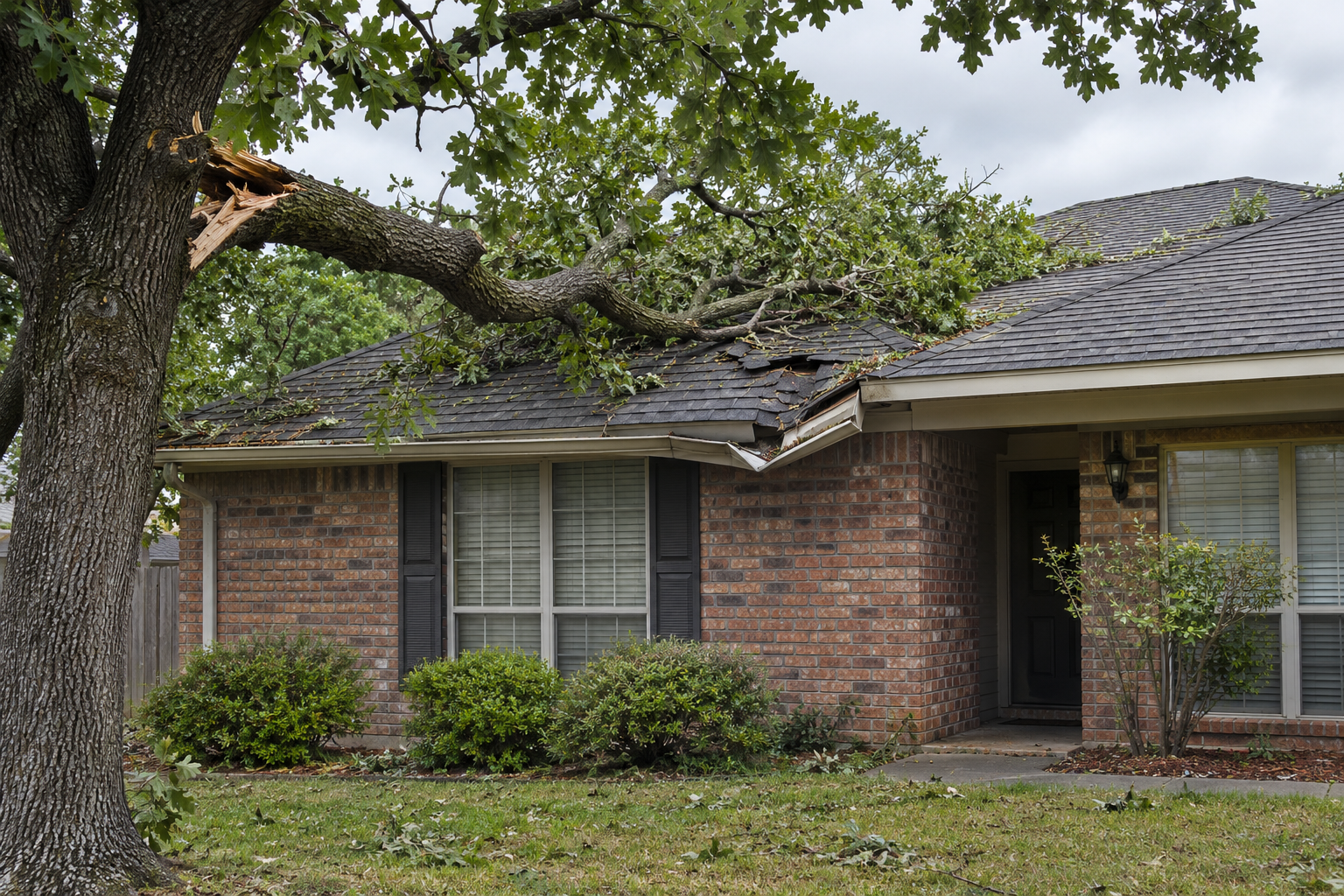
A tree limb lands across your roof. Several shingles are broken, the gutter is bent, and you can see an opening beneath the branches.
Does that mean you need a completely new roof?
Fallen tree roof damage can sometimes be repaired when the affected area is limited and the surrounding assembly remains suitable. More extensive damage may require replacement of a roof section, structural repairs, or a larger roofing project.
The decision depends on what the impact damaged—not simply the size of the tree or the appearance of the roof from the driveway.
For North Texas property owners, the right sequence is to secure the area, arrange professional removal, investigate the assembly, and define the repair scope.
First, Keep Clear of the Tree and Damaged Area
A tree resting on a building can move unexpectedly. Do not climb onto the roof, walk beneath hanging limbs, or attempt to cut away branches yourself.
If power lines are involved, stay away and contact the utility or emergency services. OSHA’s guidance on downed electrical wires warns that fallen lines can remain energized and can energize nearby trees, structures, and other objects.
Keep occupants away from rooms beneath suspected structural damage. Sagging ceilings, displaced framing, or an apparent change in the roofline warrant prompt professional evaluation.
The International Society of Arboriculture’s storm-damage response guidance recommends safety precautions, resisting do-it-yourself removal, and consulting a qualified arborist.
Tree removal and roofing repair are separate tasks that should be coordinated.
What Should Happen Before the Tree Is Removed?
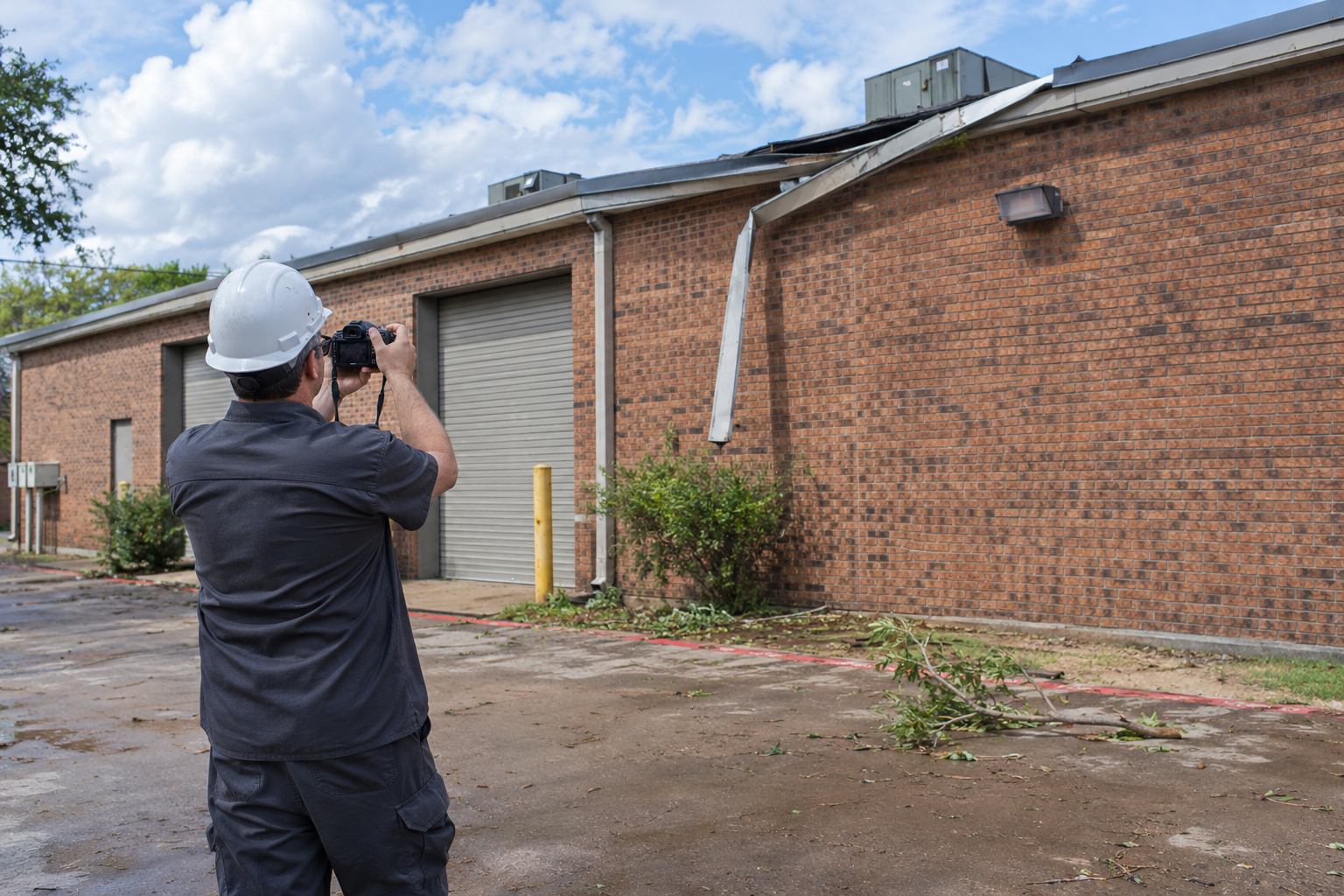
Document visible conditions from a safe location when possible.
Take overview photographs showing the tree’s position, the affected building elevation, and surrounding damage. Preserve interior photographs if those areas can be accessed safely.
Do not delay necessary emergency work to obtain a perfect photo package. Ask the removal professional to document the work and identify any additional damage discovered.
Retain:
- Tree-removal estimates and invoices.
- Photographs before, during, and after removal.
- The date and time the damage was discovered.
- Temporary protection records.
- Relevant communications with the insurer.
The Texas Department of Insurance fallen-tree guidance recommends photographs, prompt insurer contact, temporary protection, and saved receipts. Coverage for building damage and tree removal depends on the policy and circumstances.
Image 1: Tree Limb Resting on the Roof
Place the first generated image here.
Alt text: Large broken tree limb resting across a damaged shingle roof on a North Texas brick home.
Caption: Keep people clear while qualified professionals assess the tree, utilities, and affected building area.
Inspect Below the Visible Roof Covering
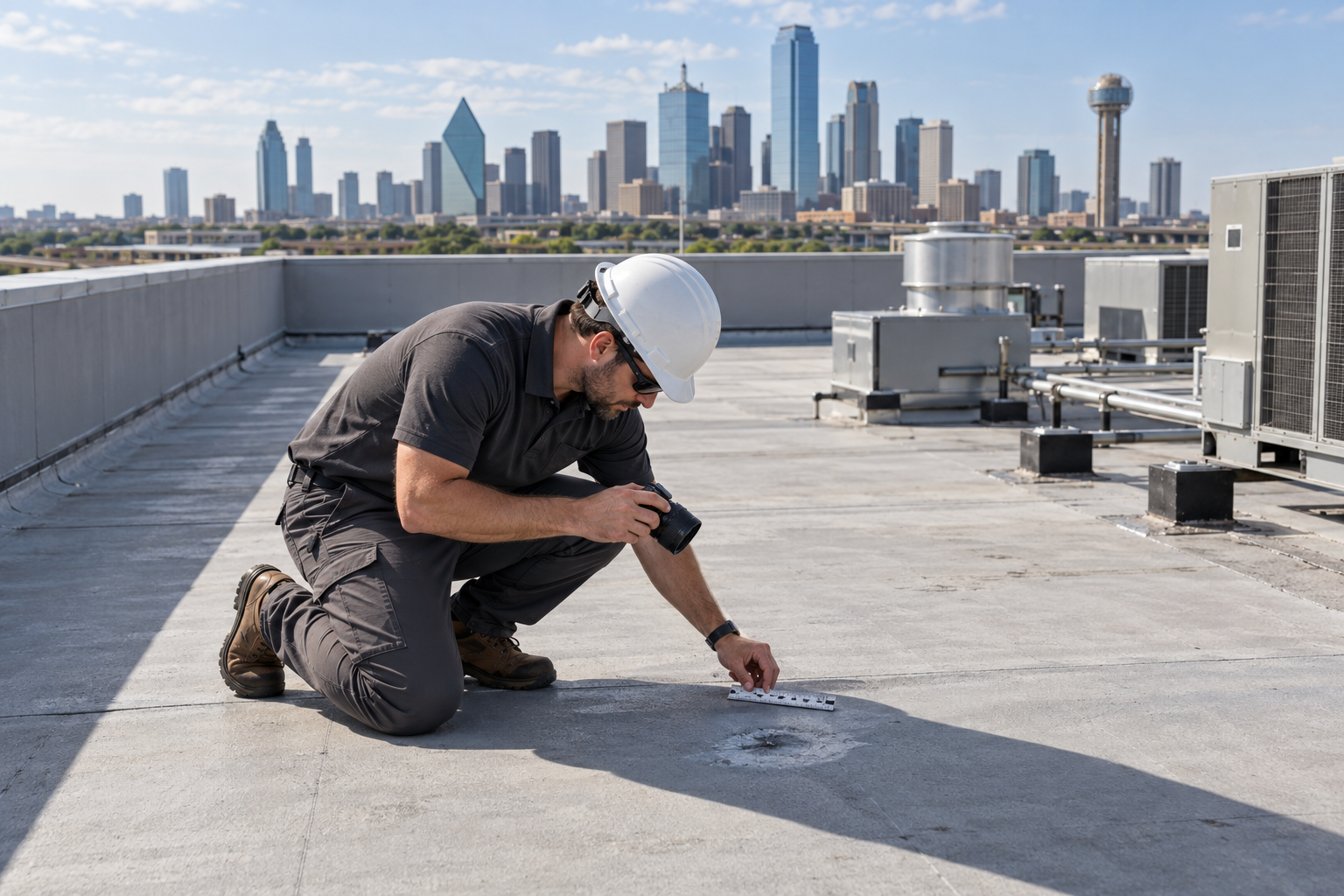
A tree impact can affect several components. Replacing broken shingles alone may leave other damage unresolved.
The inspection should address the relevant parts of the assembly:
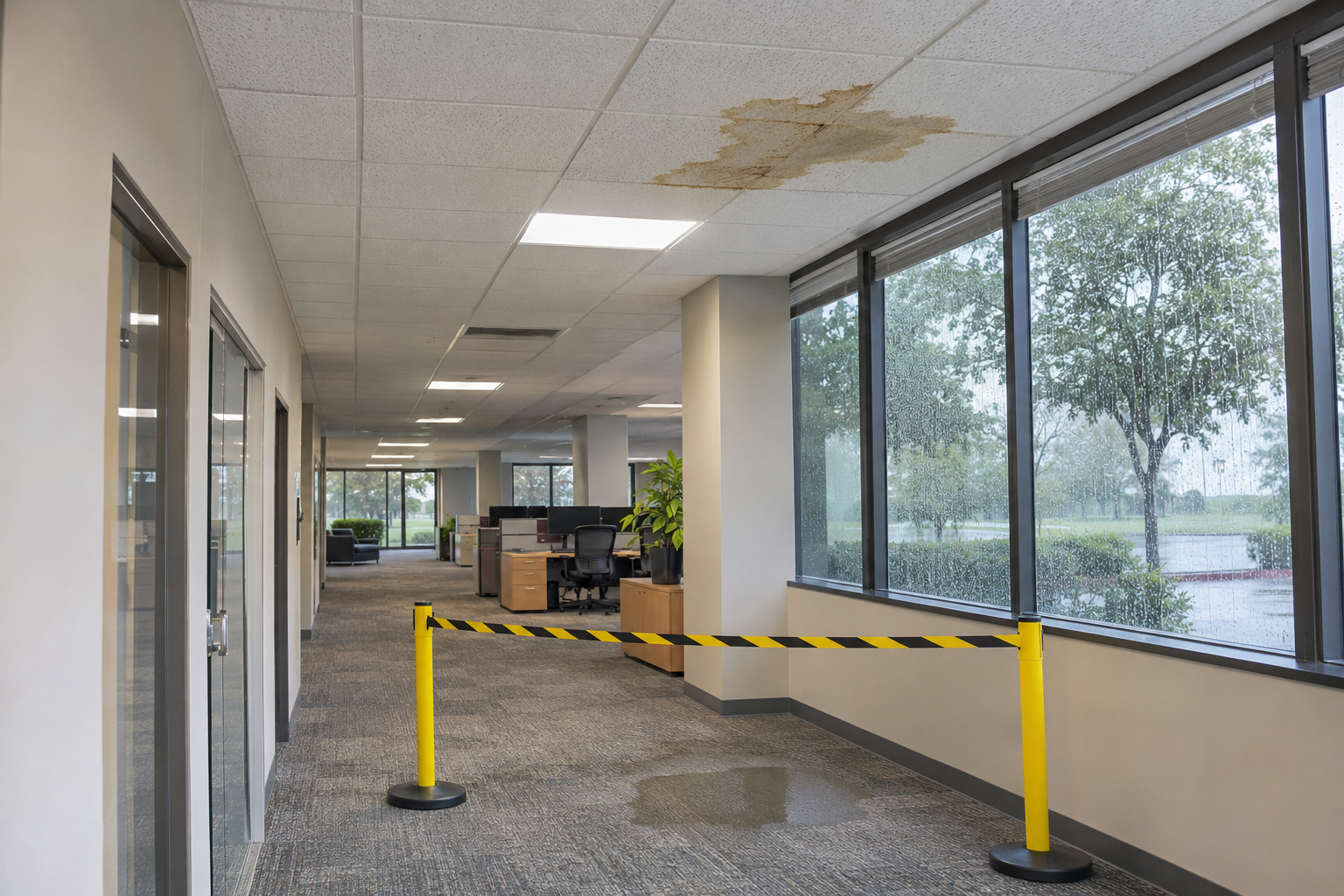
ComponentQuestions to investigateRoof coveringAre shingles, tiles, panels, or membranes broken, displaced, or punctured?UnderlaymentWas the protective layer beneath the covering damaged?DeckingIs sheathing cracked, broken, displaced, or deteriorated?Structural framingAre rafters, trusses, connections, or supports affected?FlashingsWere roof-to-wall details, valleys, or penetrations disturbed?DrainageAre gutters, drains, scuppers, or downspouts damaged or obstructed?InteriorHas water affected insulation, ceilings, finishes, or contents?
Where structural damage is suspected, an appropriately qualified structural professional should determine the necessary evaluation and repair design.
Showtime Exteriors provides residential roofing assessments to help homeowners identify roofing work and coordinate the next steps.
When Might a Localized Repair Be Appropriate?
A limited repair may be reasonable when the investigation establishes that:
- Damage is confined to an identifiable area.
- Structural concerns have been addressed.
- Damaged decking and underlying components can be properly repaired.
- Surrounding roofing can support the proposed work.
- Compatible materials and appropriate details are available.
- The repair meets applicable installation and local requirements.
For example, a branch may puncture one section while leaving the surrounding assembly in serviceable condition. The scope could include replacement of affected decking, underlayment, covering, and disturbed details.
That conclusion should follow inspection. A small visible opening does not establish that the underlying damage is equally small.
When Could a Larger Project Be Necessary?
A larger repair or replacement may be appropriate when the impact affects several roof sections, extensive framing, or a broad area of the assembly.
Other considerations include:
Damage Extending Beyond the Impact Point
The visible contact area may not show the full extent of displacement, cracking, or water intrusion.
Surrounding Materials That Cannot Support the Repair
A proposed repair needs sound materials and workable transitions around it. Existing deterioration may complicate integration.
Multiple Damaged Details
Valleys, walls, chimneys, skylights, or equipment curbs may require coordinated reconstruction.
Widespread Existing Problems
A roof with extensive deterioration or repeated failures may warrant a broader replacement discussion. Those earlier conditions should be documented separately from the tree impact.
For business properties, Showtime Exteriors’ commercial roofing services include evaluating the assembly and project options around building operations.
Can You Replace Just One Roof Section?
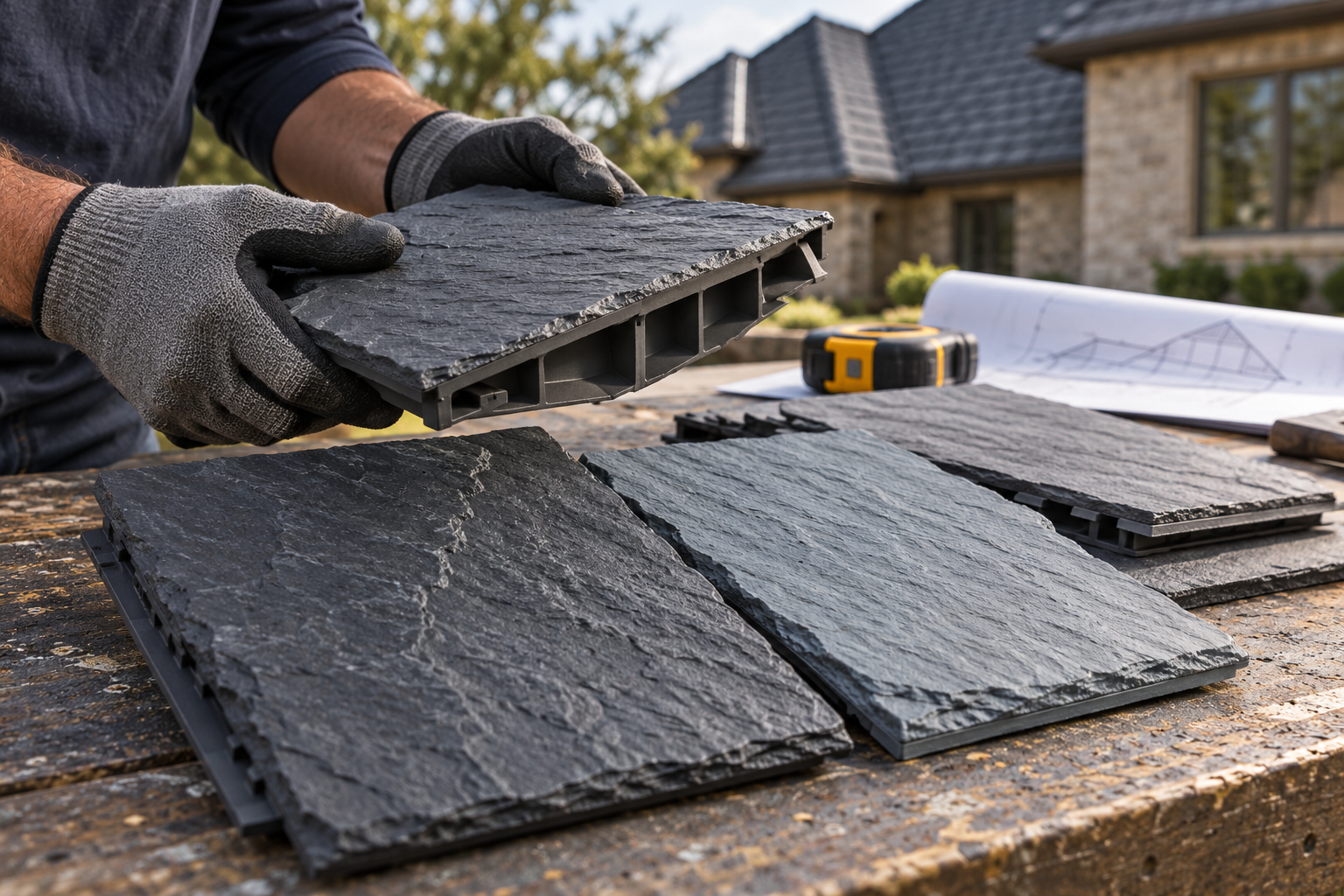
Sometimes. A section replacement can be an option between a small repair and complete replacement.
Ask the contractor to explain:
- Where the work begins and ends.
- How new materials connect to retained areas.
- Whether drainage or ventilation will be affected.
- What flashings require replacement.
- Whether permits or design review are needed.
- What warranty applies to the completed work.
Also distinguish appearance concerns from technical repair requirements. A color difference may matter to the owner, but it does not independently establish that every roof section requires replacement or qualifies for insurance payment.
Image 2: Damage Beneath the Shingles
Place the second generated image here.
Alt text: Localized opening in a shingle roof exposing broken roof decking after an impact.
Caption: A roofing scope should address damaged underlying components as well as the visible covering.
Protect the Interior While the Scope Is Developed
After safe removal and stabilization, arrange appropriate temporary weather protection.
Record what was installed and its limitations. A temporary cover is an interim measure, and the building may still need monitoring until permanent work is complete.
Showtime Exteriors’ emergency roof repair guide explains response planning and documentation for affected buildings.
Water-damaged interior materials also need attention. The EPA’s commercial-building water-damage guidance describes material-specific response strategies within 24–48 hours to help prevent mold growth. The appropriate response depends on the affected materials and conditions.
What Affects the Repair or Replacement Cost?
The cost depends on more than the number of broken shingles.
Relevant factors can include tree removal, access equipment, structural evaluation, temporary protection, decking, flashings, disposal, and interior repairs.
GAF’s roof replacement cost guide identifies roof size, complexity, materials, labor, permitting, and disposal among the factors influencing a project estimate.
Request an itemized proposal. Ask how concealed conditions will be documented and how additional work will be priced and approved.
If the contractor cannot inspect an area until the tree is removed or materials are opened, the proposal should identify that limitation.
Will Insurance Pay for a Complete Roof Replacement?
A tree impact does not automatically establish entitlement to a new roof.
The insurer evaluates the reported loss under the policy. The contractor should document physical conditions and explain the construction scope.
Texas also restricts contractors from acting as public adjusters on claims where they will perform the work. The TDI roofing and insurance law guidance explains that distinction and the prohibition on contractors waiving or absorbing deductibles.
If additional damage is discovered during authorized work, preserve photographs and notify the insurer promptly. Showtime Exteriors’ roof claim supplement questions can help organize a review of newly documented construction items.
Questions to Ask Before Approving the Work
- What damage has been confirmed?
- Is structural evaluation required?
- Which components will be removed and replaced?
- Why is the proposed repair boundary appropriate?
- What remains uncertain or excluded?
- Who handles permits and required inspections?
- How will changes be authorized?
- What completion records and warranty will I receive?
Clear answers help you compare repair and replacement proposals on the same basis.
Schedule an Assessment for Fallen Tree Roof Damage
Fallen tree roof damage may be repairable, but the scope should follow a safe investigation of the covering, underlying components, structure, and affected details.
Based in Mansfield, Showtime Exteriors serves North Texas homeowners and commercial property owners with roofing assessments and documented proposals.
To arrange an evaluation, contact Showtime Exteriors or call 817-400-ROOF (7663).