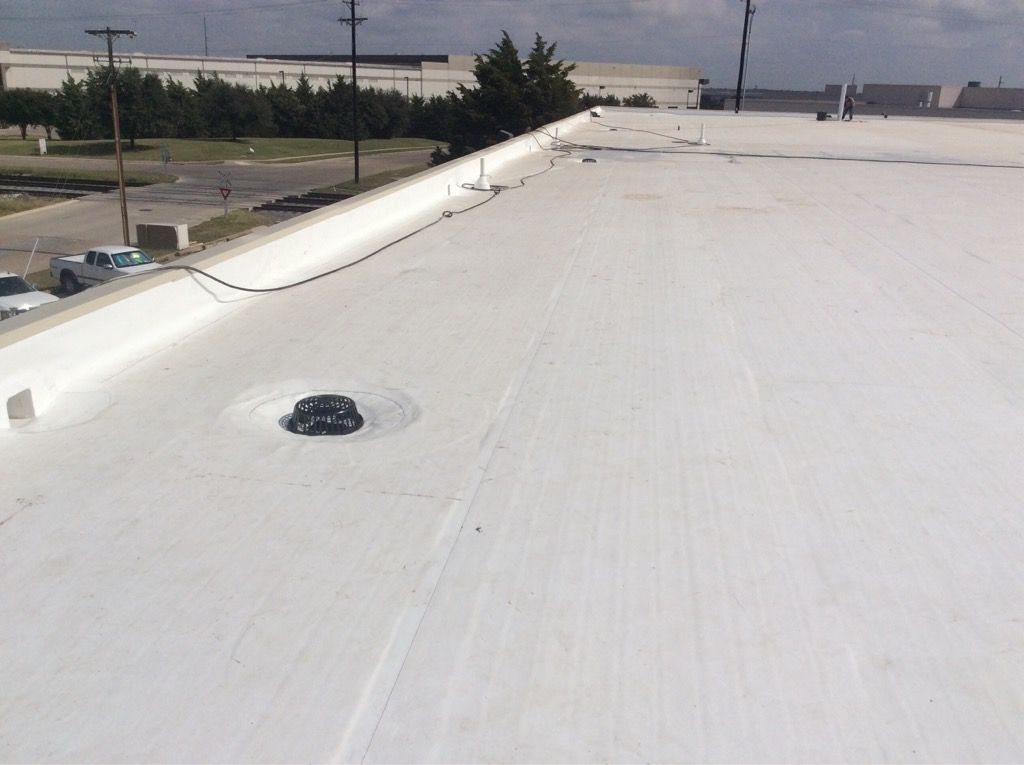




What Causes a Cracked Pipe Boot, and How Is It Fixed?
Learn what causes a cracked roof pipe boot, how roofers diagnose penetration leaks, and when a compatible repair collar or complete flashing replacement makes sense.
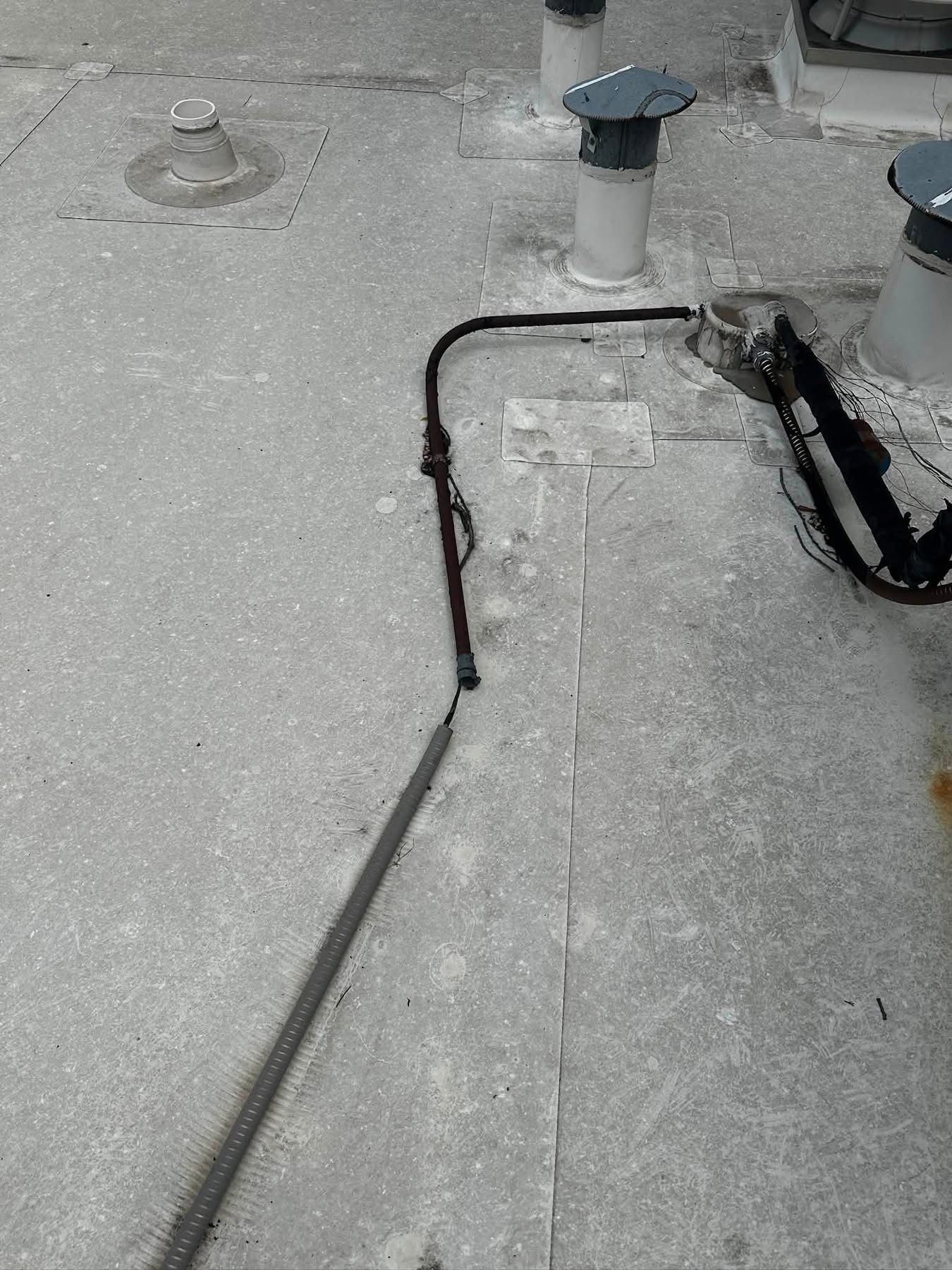
A cracked pipe boot can leave a gap where a plumbing vent passes through the roof. Weathering, movement, installation problems, or damage can compromise the seal, allowing water into the roof assembly. The appropriate fix depends on which component failed and whether the surrounding flashing and roofing remain serviceable.
Some conditions can be addressed with a compatible, manufacturer-approved repair accessory. Others require replacement of the flashing assembly and work on nearby roofing or damaged supporting materials. A smear of sealant should not be treated as a universal permanent repair.
Showtime Exteriors can discuss roof leak and penetration concerns for North Texas properties. This guide explains what a pipe boot does, why it can fail, and what to ask before approving a repair.
What Is a Roof Pipe Boot?
A pipe boot is a flashing component used where a pipe penetrates the roof. In a common residential arrangement, a flexible collar seals around a plumbing vent pipe and connects to a flashing base integrated with the roof covering.
Products vary. Some use a flexible collar with a metal or plastic base; others have different protective designs. Commercial membrane and metal roofs require details appropriate to their own systems.
Oatey's roof flashing guidance explains product selection considerations, including measuring the pipe's outside diameter. The visible pipe size should be verified rather than guessed when choosing a replacement.
The boot seals the transition around the pipe. It should not obstruct the intended function of a plumbing vent, and a component intended for plumbing vents should not be assumed suitable for every exhaust or hot flue.
Why a Small Crack Matters
A crack can create an opening where water should be directed away from the penetration. Even when the damaged area is small, repeated exposure may affect insulation, decking, or interior finishes.
The severity depends on the crack's location, the surrounding assembly, and actual water entry. A photograph may show visible deterioration without establishing the full extent of concealed damage.
Ask the contractor whether the finding is a surface condition, an open gap, or part of a larger flashing failure. The answer should connect observations to the recommended repair.
Do not assume the absence of a ceiling stain means the boot is sound. Water can affect concealed materials before a visible interior symptom develops, while an old stain may also remain after an unrelated leak has stopped.
Weathering Can Affect Flexible Components
Outdoor exposure can change the condition of some flexible collars over time. Sunlight, temperature cycles, and ordinary aging may contribute to loss of flexibility or visible cracking, depending on the product.
GAF's discussion of pipe boot flashing and roof leak repairs describes this penetration as a location that deserves attention when investigating leaks.
A specific lifespan should not be assigned solely from appearance or the age of the shingles. Products, exposure, installation, and maintenance differ.
Ask whether the condition appears consistent with general weathering or whether a localized installation or movement issue needs investigation. Replacing a worn component should also address any other defect that contributed to its failure.
Movement Can Stress the Seal
The pipe, roofing, and supporting construction may not move in exactly the same way. A collar installed under excessive tension or at an unsuitable angle can be stressed around the pipe.
Ask whether the pipe is properly supported and whether the flashing is appropriate for the roof slope and penetration arrangement. Plumbing-related concerns may require a plumber in addition to the roofer.
A replacement should accommodate the conditions intended by its manufacturer. Forcing a component into an unsuitable configuration can repeat the original problem.
Avoid assuming that every gap is solved by choosing a tighter boot. Correct fit, support, compatibility, and installation matter together; an overly stretched collar is not automatically a better seal.
Incorrect Sizing or Installation Can Cause Problems
A boot that is poorly fitted, damaged during installation, or incompatible with the pipe and roof may fail prematurely. The surrounding flashing arrangement also affects water management.
On shingle roofs, the base needs to be integrated with the roof covering and underlayment according to the applicable instructions. Incorrect laps can direct water toward the opening even when the collar itself appears intact.
GAF's Pivot pipe boot installation instructions show how one specific product has defined compatibility and installation conditions. Those details should not be copied indiscriminately to a different boot.
Ask the contractor which current instructions apply to the proposed product. A general statement that all pipe flashings install the same way is not an adequate explanation.
Damage and Previous Repairs Can Complicate the Detail
A boot may be affected by physical damage, nearby roofing work, or an earlier repair. Existing sealant, patches, and coatings can conceal the original condition or affect compatibility with new materials.
Ask whether the contractor can identify the prior repair products and whether they need removal. A new accessory should not rely on an unsuitable or deteriorated layer remaining beneath it.
Photographs before and during the work help explain what was found. Request documentation if the condition changes the scope from a collar repair to complete replacement.
Do not assume a recent repair proves the penetration is sound. If leaking continues, the cause and the adequacy of the previous work need reassessment rather than another application of unspecified material.
Confirm That the Boot Is the Leak Source
A stain near a plumbing vent can be a useful clue, but it does not prove that the boot is the only source. Water can travel along components before appearing indoors.
The inspection should consider the collar, base flashing, adjacent roofing, fasteners, and relevant uphill details. Depending on the symptom, plumbing leaks or condensation may also need evaluation by the appropriate trade.
Tell the contractor when the problem occurs, which rooms are affected, and whether the stain changes during particular weather conditions. Share existing photographs and repair records.
A sound recommendation explains the evidence supporting the diagnosis and its limitations. Ask what additional investigation is proposed when the first visit cannot reliably identify the water-entry path.
Know What the Inspection Should Document
Request photographs showing the entire penetration and close views of the defect. The report should identify the location, visible condition, surrounding materials, and proposed correction.
Ask whether adjacent shingles or membrane details remain suitable for reuse. If access below the roof is needed, it should be arranged safely and within the contractor's scope.
For residential roof leak assessment, distinguish roofing observations from a diagnosis of plumbing or structural conditions. Additional expertise may be necessary when the symptoms extend beyond the flashing.
A description such as “bad boot” is less useful than a clear account of a split collar, damaged base, incorrect lap, or another specific finding. Better documentation makes the repair easier to review.
When a Repair Collar May Be Appropriate
Some manufacturers offer repair accessories intended for defined conditions. Such an option may deserve consideration when the underlying assembly remains serviceable and the accessory fits the pipe and application.
Ask what condition the accessory corrects and which components it leaves in place. Confirm that it does not simply cover an unresolved base-flashing or roofing defect.
Request the product name, intended use, installation requirements, and any relevant warranty information. A generic ring or improvised patch should not be represented as equivalent to an evaluated repair product.
The decision should follow the inspection. A compatible accessory can be a targeted solution, but it should not become the default answer for every cracked boot regardless of the surrounding condition.
When Complete Flashing Replacement Makes Sense
Replacement may be appropriate when the base is damaged, installation is incorrect, multiple components have deteriorated, or the repair accessory cannot address the actual defect.
The proposal should explain how adjacent roofing will be removed or handled and whether any materials need replacement. Brittle or damaged shingles can affect the scope even when the flashing itself is a small component.
Ask how the new assembly will be integrated with the roof's water-shedding layers. Correcting the collar without addressing an improperly installed base can leave the leak path unresolved.
If damaged decking or wet insulation is discovered, document it separately and obtain approval for the necessary work. A flashing replacement does not automatically include every concealed repair beneath the penetration.
Why Sealant Alone May Be Inadequate
Sealant can be part of a specified detail or a limited temporary measure. Its role depends on the product, substrate, preparation, and location.
A surface bead does not restore a deteriorated collar or correct improper shingle integration by itself. It may also make later inspection harder if it obscures the defect.
Ask whether the proposed work is temporary or permanent and what manufacturer documentation supports it. Confirm the expected limitations and follow-up plan.
Avoid selecting a repair because it uses the most sealant or creates the thickest patch. The objective is an appropriate transition between the pipe and the roof, with compatible materials and a defined installation method.
Metal Roofs Need a System-Specific Approach
A boot on profiled metal roofing must fit the penetration and roof configuration. Its base, sealants, attachment, and accommodation of movement require attention.
Ask whether the location near a panel seam or rib complicates the detail. The contractor should evaluate the existing installation rather than assume a shingle-roof product is interchangeable with a metal-roof accessory.
The condition of the panel and supporting attachment also matters. A new boot should not conceal corrosion, damaged metal, or another unresolved defect around the opening.
A broader Texas roof material comparison can help organize system questions. The actual penetration repair still needs to follow the requirements for the existing roof and selected product.
Commercial Membrane Roofs Have Different Details
On a low-slope single-ply roof, a pipe flashing may be a prefabricated or field-fabricated component integrated with the membrane using the approved system method.
Ask about compatibility with the membrane, the condition of existing seams, the pipe termination, and any required accessory components. A residential rubber-collar repair should not be assumed appropriate.
For commercial roofing repairs, check whether an existing warranty requires notification, authorized service, or specific materials. Confirm the applicable process before work begins.
The inspection should also consider rooftop equipment, drainage, and service traffic near the penetration. If another trade moved or altered the pipe, coordinate the correction so the new flashing is not stressed by an unresolved condition.
Do Not Treat Every Rooftop Pipe as a Plumbing Vent
A pipe or termination may serve plumbing, mechanical exhaust, combustion equipment, or another purpose. The correct flashing and clearances depend on that function.
Ask the contractor to identify the penetration before selecting a product. Where equipment or plumbing requirements are involved, coordinate with the appropriate qualified trade.
Do not cap a plumbing vent or alter a hot flue to make a boot fit. Product temperature claims and compatibility should be verified for the actual application rather than inferred from the accessory's appearance.
If the purpose of the pipe is uncertain, resolve that uncertainty before construction. A neat-looking roof repair can still be inappropriate if it interferes with the system the penetration serves.
Respond Promptly to Active Water Entry
Arrange professional assessment when a crack is visible or a penetration leak is suspected. An active leak deserves prompt attention even if the exterior defect appears small.
EPA's moisture and mold guidance recommends drying water-damaged areas and items within 24–48 hours to help prevent mold growth. Drying affected materials does not replace correcting the source.
Keep clear of water near electrical equipment, sagging ceilings, or other unsafe conditions. Obtain appropriate emergency assistance if the situation presents an immediate hazard.
Ask whether temporary protection is needed while permanent materials or access are arranged. Document the limited work and confirm when the penetration and affected interior areas will be reassessed.
Leave Roof Access to Qualified Personnel
A small repair can still involve steep slopes, fragile materials, hidden deterioration, or wet surfaces. The size of the boot does not determine the access risk.
OSHA's fall-protection and working-surface requirements address safe conditions for workers. Appropriate access and protection are part of the service, even for a short visit.
Homeowners can provide information without climbing onto the roof. Share safe ground-level photographs, interior observations, and existing documents with the contractor.
Do not test a suspected weak area by walking near the penetration. If the assessment identifies deteriorated decking or other support concerns, the work plan must account for them before personnel enter the affected area.
Compare Repair Scopes Rather Than Component Prices
A store price for a boot does not represent the complete installed repair. Access, diagnosis, adjacent roofing, preparation, disposal, and concealed conditions affect the job.
Ask whether the estimate covers a collar accessory, full flashing replacement, nearby material replacement, or additional leak investigation. Those are different services.
The FTC's home improvement guidance encourages researching contractors and obtaining written estimates. Apply that approach even when the repair seems minor.
A useful proposal identifies the product, work area, installation scope, exclusions, payment terms, and approval process for additional findings. Do not assume the lowest price includes the same correction as a more detailed alternative.
Use a Simple Decision Table
Inspection findingQuestion to resolvePossible direction after assessmentCollar crack with otherwise serviceable flashingIs an approved accessory suitable for this exact assembly?Compatible targeted repair or replacementDamaged base or incorrect roofing integrationCan the water-shedding detail be corrected without full replacement?Rebuild the affected flashing detailBrittle surrounding shinglesWhat nearby roofing must be replaced during access?Expanded localized roofing scopeWet or deteriorated material belowWhat investigation and removal are required?Roof repair plus documented concealed workRepeated leak after prior patchingIs the diagnosed source correct and the repair compatible?Reassessment before further patchingUnidentified hot or mechanical penetrationWhat system does it serve and which requirements apply?Coordinate with the appropriate trade
The table supports discussion; it does not diagnose a roof from a photograph.
Prevent Repeat Problems with Inspection Records
After repair, request photographs of the completed detail and the installed product information. Record the location, date, scope, and any remaining recommendations.
Consistent roof maintenance documentation helps owners track changes and explain earlier work to future contractors. Include equipment or plumbing alterations that affect the penetration.
Ask whether other boots should be inspected because of similar age or condition. Inspection does not automatically mean every component must be replaced, but it can clarify whether the finding is isolated.
Follow the applicable maintenance instructions and report new symptoms. A completed repair should create a clearer history of the roof rather than another undocumented patch.
Questions to Settle Before Scheduling
Confirm whether the first visit includes diagnosis only or authorization for a defined repair. If minor work can be completed during the visit, agree on the price or approval limit before it begins.
Ask how the contractor will handle unexpected damage found beneath the flashing. Photographs and a clear change description should support additional work rather than an unexplained increase on the final invoice.
Identify who will check affected interior materials and who will perform any cosmetic restoration. The roofing repair and interior work may involve different providers, so the sequence should be understood.
Finally, ask how completion will be verified and how to report a recurring symptom. Keep the contractor's contact information with the project record. A clear follow-up process makes it easier to distinguish a remaining leak from an old stain or an unrelated issue.
Frequently Asked Questions
Does a cracked boot always mean the whole roof needs replacement?
No. A localized repair may be appropriate when the surrounding roof and supporting materials are serviceable. Ask what evidence supports any recommendation for broader replacement.
Can a repair collar be permanent?
That depends on the product, condition, and intended application. Request the manufacturer's requirements and confirm that the accessory addresses the actual defect without leaving other flashing problems unresolved.
Will caulk fix the crack?
Sealant may be part of a defined repair or temporary measure, but it is not a universal substitute for a sound boot and correctly integrated flashing. Ask what the proposed work actually corrects.
How long should a new boot last?
Service life varies with product, exposure, installation, movement, and maintenance. Review the actual warranty and avoid treating a quoted duration as a guarantee that no future attention will be needed.
Who fixes a pipe that moves excessively?
The roofer can identify the roofing concern, but pipe support or plumbing defects may need a qualified plumber or another appropriate trade. Coordinate those corrections before completing the flashing repair.
What if the ceiling stain remains after repair?
A stain can remain after drying, but continued moisture or a changing stain needs reassessment. Confirm the source is controlled before cosmetic restoration and consider other possible water sources if symptoms persist.
Fix the Failed Detail, Not Just the Visible Crack
A cracked pipe boot deserves an assessment of the collar, base, surrounding roof, and relevant concealed conditions. The right repair uses compatible materials, correct integration, and a scope that addresses the diagnosed source.
For a North Texas roof leak or penetration assessment, contact Showtime Exteriors or call 817-400-7663. Share safe observations and repair history so the discussion can focus on a clear, appropriate correction