



Texas Wind-Damaged Roof: What Property Owners Should Do Next
Texas Wind-Damaged Roof | What Property Owners Should Do Next
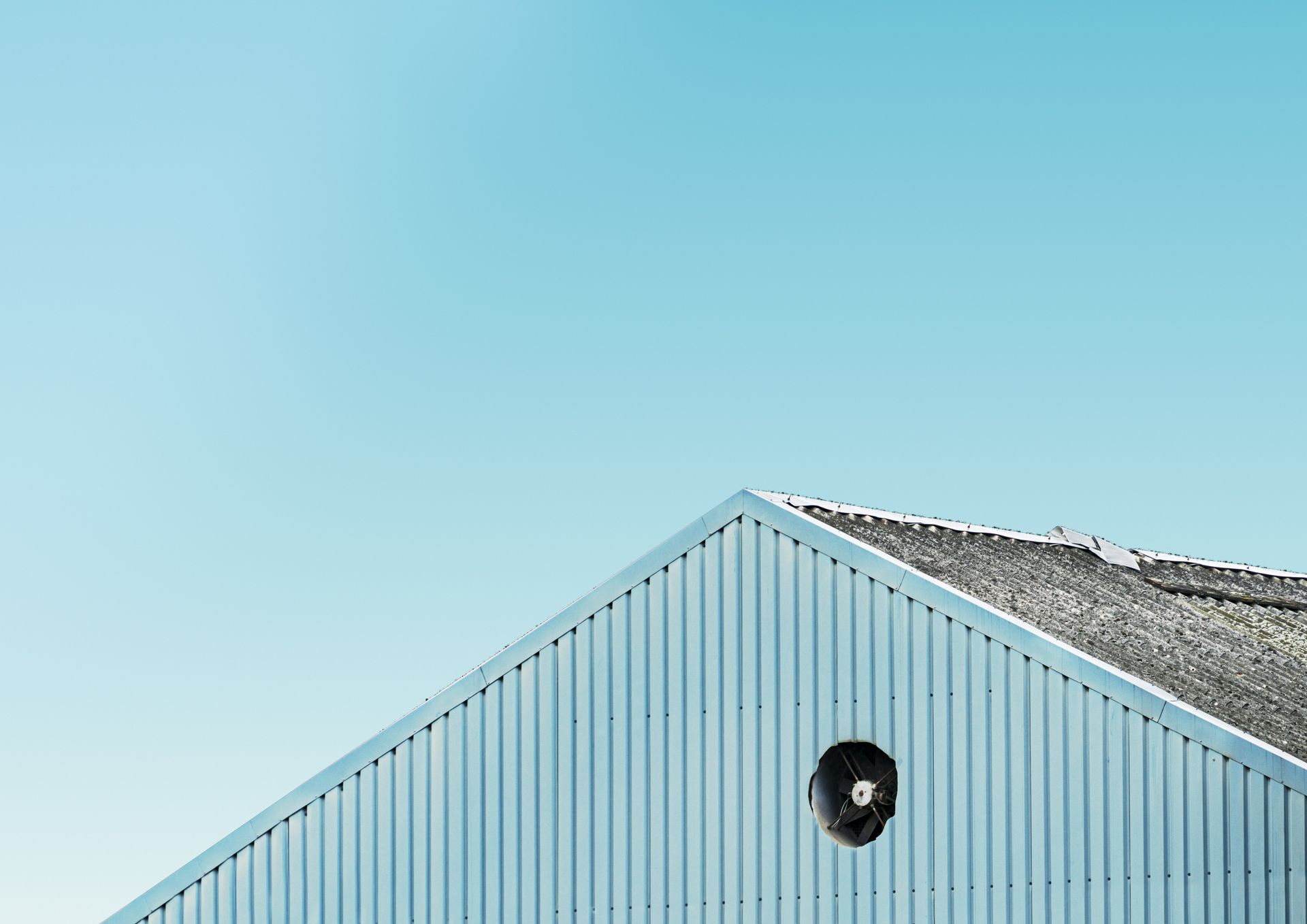
High winds can damage a Texas commercial roof without removing the entire system or creating an immediate interior leak. Wind may lift a membrane, open a seam, loosen perimeter metal, displace panels, pull flashing away from a wall, shift rooftop equipment, or weaken fasteners beneath a surface that later settles back into place.
From the parking lot, the roof may appear mostly intact. The most visible sign might be a strip of metal on the ground, loose material near a corner, or water entering only during wind-driven rain. Yet the storm may have compromised attachment and left the building more vulnerable to the next weather event.
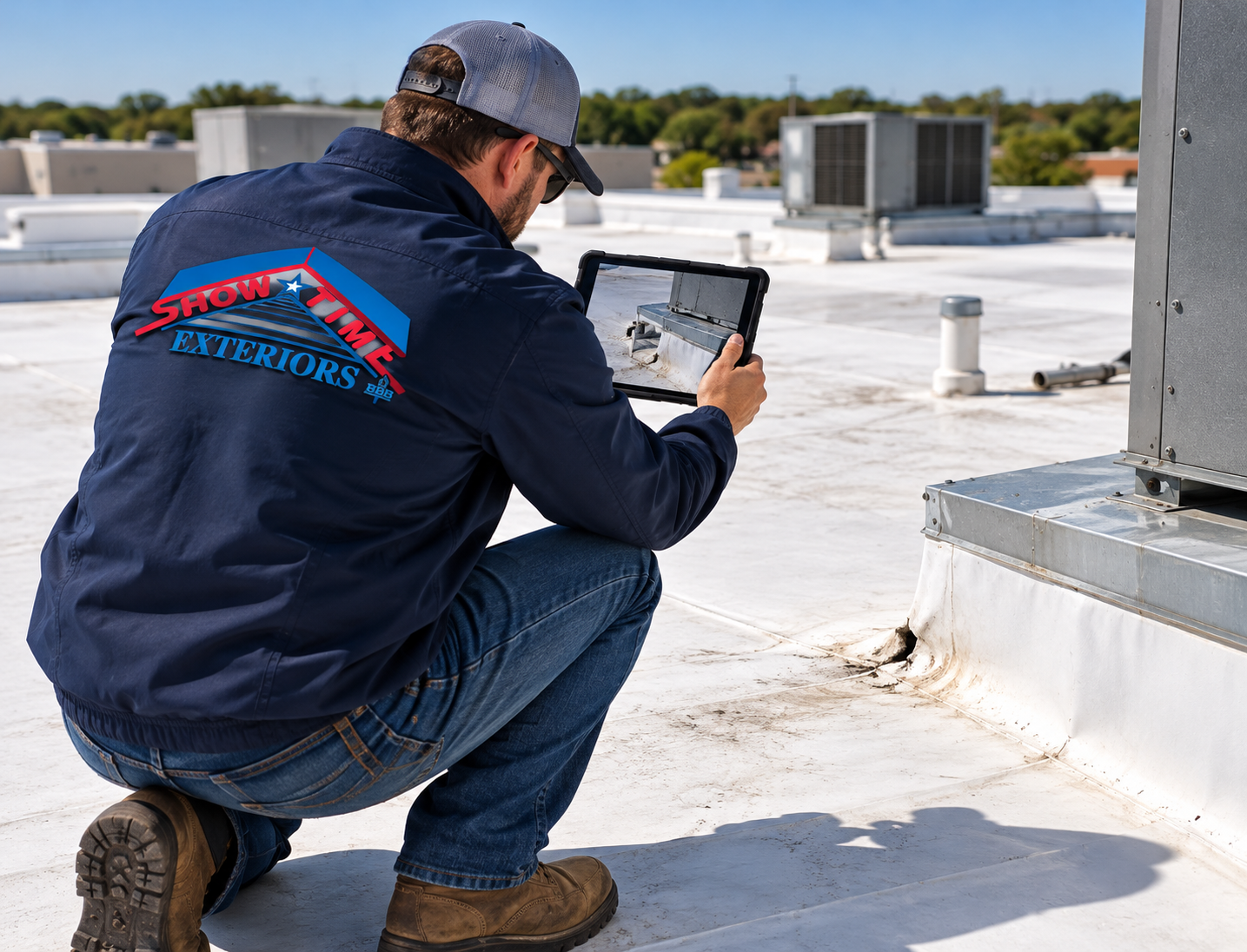
When a property has a Texas wind-damaged roof, owners should prioritize safety, document conditions, restrict roof access, and arrange a complete professional inspection. The goal is to determine what moved, what opened, whether water entered the assembly, and whether the roof can be repaired or requires a broader restoration or replacement scope.
This guide explains what commercial property owners, facility managers, property managers, and real estate professionals should do after damaging winds affect a building in Texas, North Texas, or DFW.
Why Wind Damage Is Often Hard to See
Wind does not apply equal pressure across a roof. Corners, perimeters, ridges, transitions, parapets, and roof edges often experience different forces from the main roof field. Air can move over and around the building while pressure builds beneath materials through open walls, doors, vents, or damaged components.
Damage may be concentrated in one small area even when the rest of the roof appears normal. A membrane can lift and settle. A metal panel can shift at its clips. A seam can partially open. Perimeter flashing can loosen without falling to the ground.
The result is a roof that appears serviceable but may no longer have the same attachment, watertightness, or wind resistance it had before the storm.
Step 1: Confirm the Immediate Weather Threat Has Passed
Do not approach damaged areas or allow rooftop access while high winds, lightning, hail, heavy rain, or tornado warnings remain. Texas severe weather may arrive in repeated rounds, and loose materials can become airborne during later gusts.
Before approaching the building, look for:
- Downed electrical lines
- Loose coping, fascia, flashing, panels, or gutters
- Damaged signs, canopies, and exterior fixtures
- Fallen trees and branches
- Broken glass
- Floodwater around entrances or utility systems
- Fire, smoke, sparks, or a gas odor
- Visible wall, parapet, roof, or structural movement
- Additional debris that may fall
Contact emergency services, the utility provider, or other qualified professionals when immediate fire, electrical, gas, structural, flooding, or life-safety hazards exist.
Step 2: Establish Restricted Areas
Wind-damaged roofing components may remain partially attached to the building. Coping, sheet metal, wall panels, gutters, equipment covers, signs, and branches can fall or become airborne after the main storm has passed.
Restrict access:
- Below visibly loose roof edges
- Near damaged exterior walls or parapets
- Around fallen roofing materials
- Beneath shifted signs and canopies
- Inside rooms with leaks or ceiling movement
- Near damaged electrical or mechanical equipment
For multi-tenant buildings, communicate which entrances, sidewalks, parking areas, loading zones, and suites are closed. Assign one person to coordinate updates so tenants, employees, vendors, and contractors receive consistent information.
Step 3: Protect Occupants From Interior Hazards
Wind-driven rain may enter through roof openings, wall transitions, broken windows, damaged flashing, and rooftop equipment.
Watch for:
- Water dripping through light fixtures
- Wet electrical panels, outlets, cords, or equipment
- Sagging or bulging ceilings
- Falling ceiling-grid components
- Slippery floors
- Standing water near machinery or technology
- Damaged exits, alarms, or fire-protection systems
Move people away from affected areas. Do not touch wet electrical equipment or stand in water while operating switches or plugs. Contact a qualified electrician or emergency professional when water may have reached electrical systems.
When safe, contain drips, protect portable inventory, and use barriers and wet-floor signs. Do not puncture a sagging ceiling unless qualified professionals determine that it can be done safely.
Step 4: Document Conditions From Safe Locations
Create a record before cleanup, temporary protection, or permanent repairs begin whenever it is safe.
Photograph and record:
- Every building elevation
- Loose or missing roof-edge materials
- Membrane, metal, shingles, or panels found on the ground
- Damaged gutters and downspouts
- Shifted HVAC units, vents, screens, or equipment covers
- Broken windows, skylights, signs, and canopies
- Fallen trees and storm debris
- Interior leaks, stains, and ceiling damage
- Wet inventory, equipment, flooring, and finishes
- Temporary barriers and containment measures
Include wide photographs that show location and close photographs that show detail. Record the date, time, property address, photographer, and approximate storm conditions.
Create an incident log containing:
- When damaging winds occurred
- Weather alerts received
- When damage was discovered
- Tenant and employee observations
- Leak locations and timing
- Areas closed to access
- Emergency and utility calls
- Contractors contacted
- Temporary mitigation performed
- Expenses and receipts
Preserve roof warranties, installation records, pre-storm photographs, previous inspections, repair invoices, and maintenance history.
Step 5: Keep Untrained Personnel Off the Roof
A wind-damaged commercial roof may contain hidden weak areas, loose materials, broken skylights, displaced equipment, open seams, and unstable perimeter components. Wet membranes and metal panels are also slippery.
Do not send employees or general maintenance personnel onto the roof simply to take photographs or press loose materials back into place.
Walking on the roof may:
- Expose someone to a fall
- Disturb loosened materials
- Enlarge a tear or open seam
- Cause a weakened deck area to fail
- Alter storm evidence
- Damage a membrane lifted from its substrate
- Interfere with warranty requirements
Use qualified commercial roofing professionals following appropriate access and fall-protection procedures.
Step 6: Schedule a Complete Commercial Roof Inspection
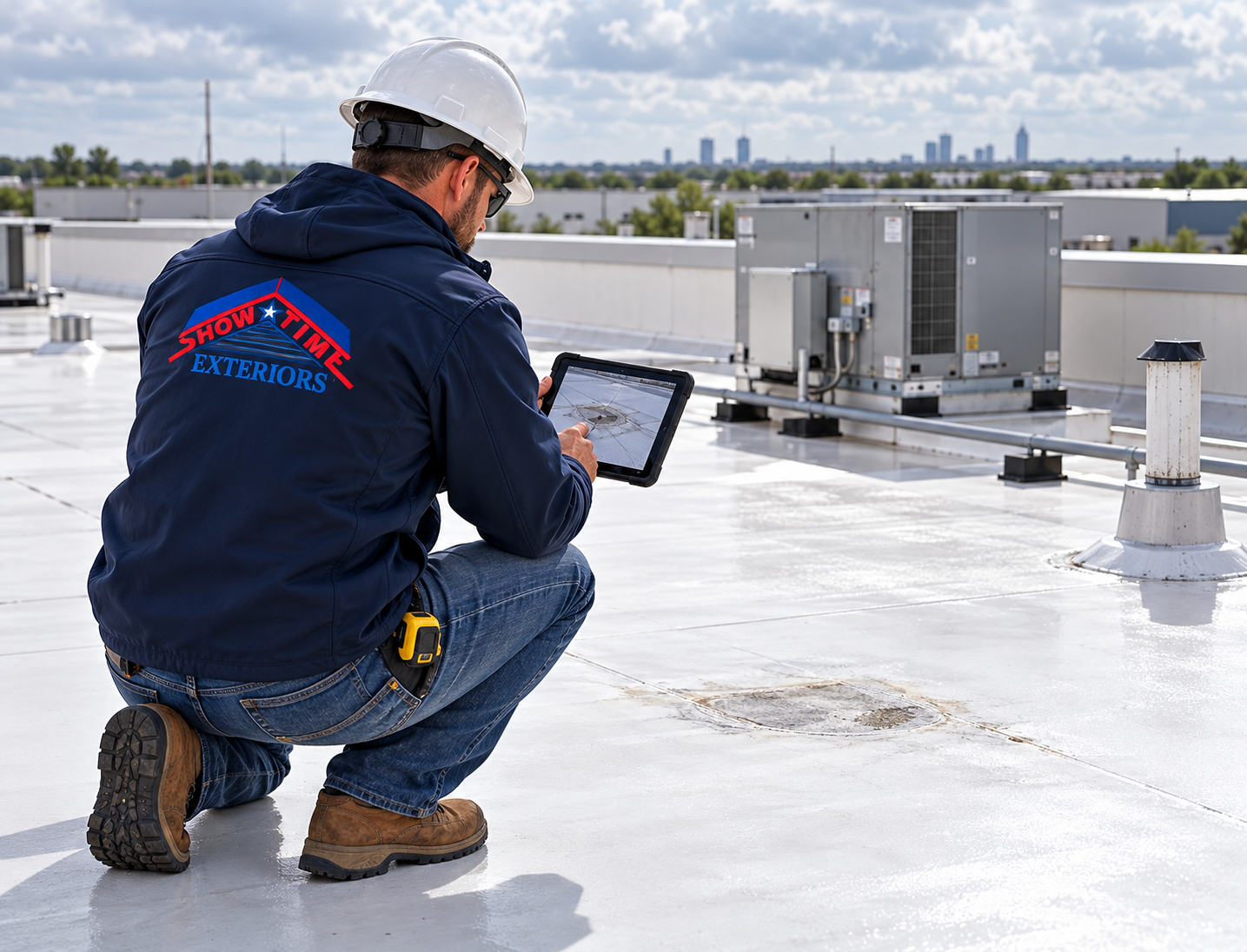
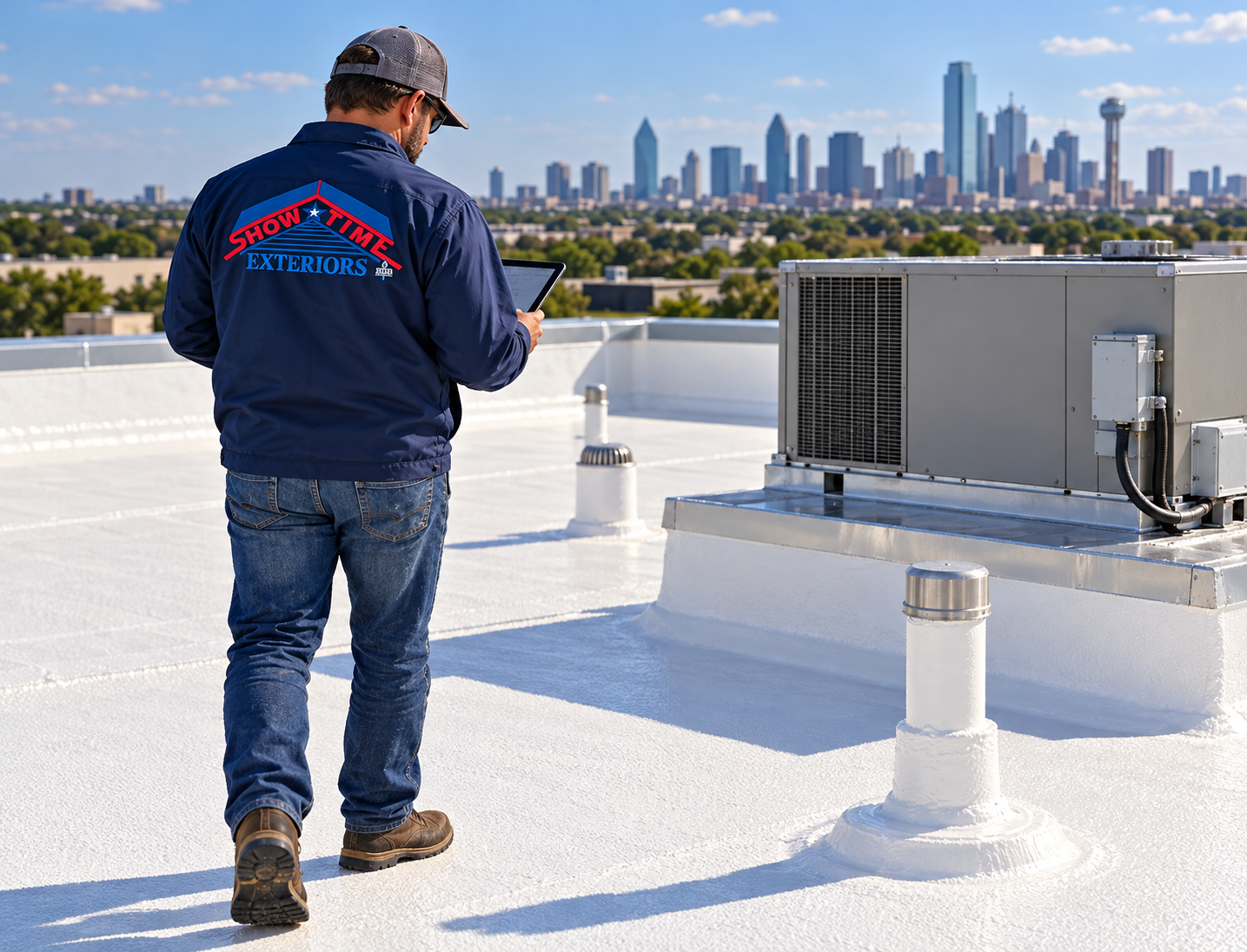
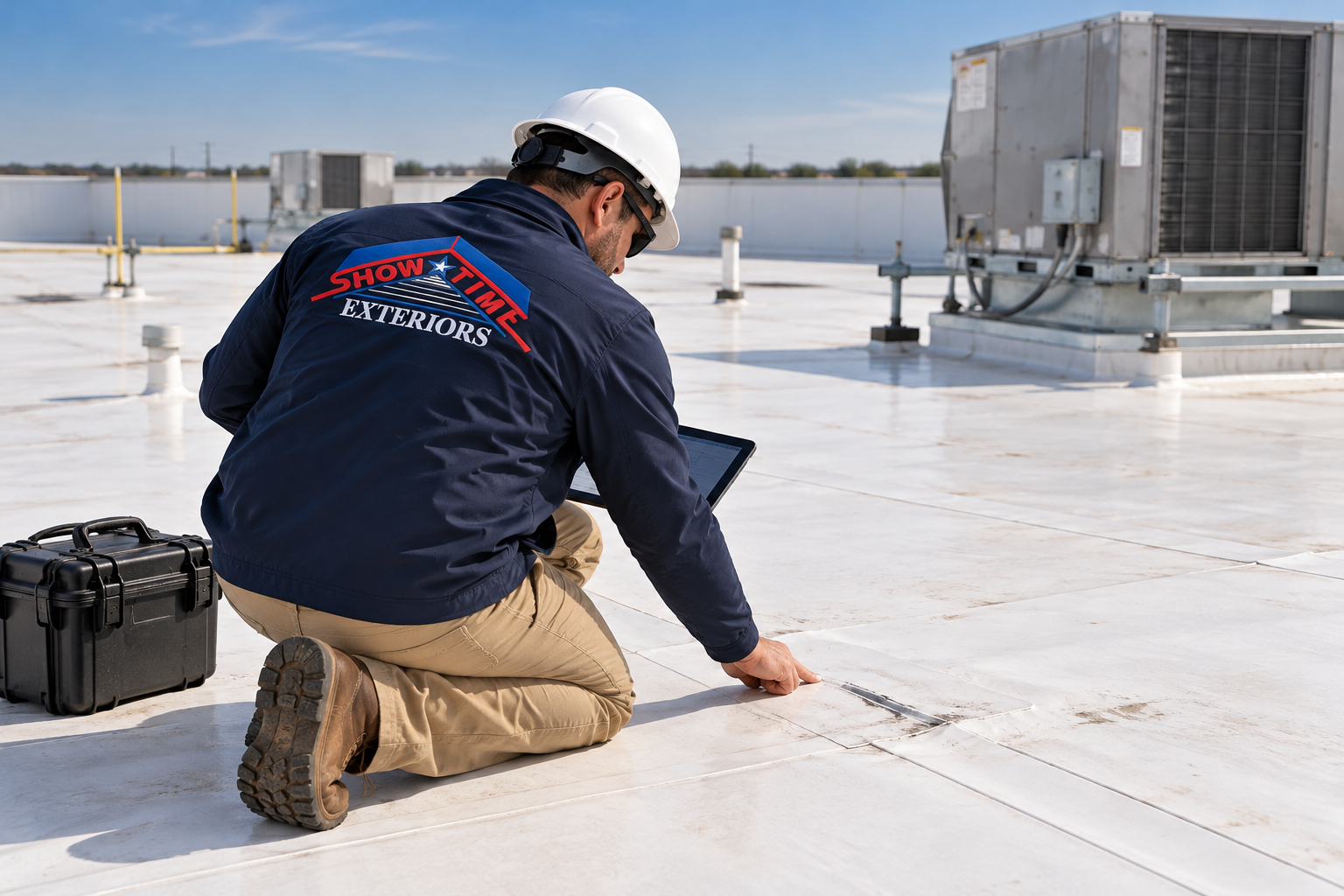
A professional inspection should evaluate the entire system, with special attention to corners, perimeters, transitions, penetrations, and the storm-facing areas.
The contractor may inspect:
- Single-ply membranes, coatings, metal panels, modified bitumen, built-up roofing, shingles, or tiles
- Seams, welds, laps, fasteners, plates, clips, and adhesives
- Coping, fascia, edge metal, parapets, and terminations
- Wall transitions and expansion joints
- HVAC curbs, vents, pipes, conduit, ducts, and supports
- Skylights, hatches, smoke vents, and daylighting systems
- Drains, scuppers, gutters, downspouts, and overflow systems
- Roof deck conditions visible or accessible during inspection
- Interior areas beneath reported leaks
- Previous repairs and maintenance conditions
The inspection should answer:
- What roof components lifted, moved, opened, or detached?
- Is the roof still securely attached?
- Did wind-driven rain enter the assembly?
- Are the deck or structural supports affected?
- What conditions require immediate stabilization?
- Can the damage be repaired locally?
- Is partial or full replacement justified?
Common Types of Wind Damage on Commercial Roofs
Membrane uplift
Single-ply or other membrane sections may billow, wrinkle, shift, or detach from fasteners, adhesives, or the substrate. The material may settle after the storm, leaving attachment problems that are not obvious from the ground.
Open seams and laps
Wind movement can stress welded, adhered, taped, or asphaltic seams. A partially opened seam may allow wind-driven rain into the assembly.
Perimeter and corner failure
Corners and roof edges often experience significant wind pressure. Coping, fascia, termination bars, edge metal, and flashing may loosen, bend, or detach.
Metal panel movement
Metal roofing may experience shifted panels, open seams, damaged clips, loosened fasteners, distorted transitions, or disengaged edges. Panels can remain in place while their attachment has been compromised.
Shingle and tile displacement
Wind can remove, lift, crease, crack, or break shingles and tiles. Adjacent materials may lose their seals even when they settle back into position.
Damaged flashing
Flashing at walls, curbs, penetrations, and changes in elevation may pull away or split. Water can enter at these details while the main roof field appears intact.
Displaced rooftop equipment
HVAC units, exhaust fans, vents, satellite equipment, screens, and covers may shift. Damage can involve curbs, flashing, ductwork, power, gas connections, and structural supports.
Debris punctures
Branches, signs, gravel, sheet metal, and construction debris can puncture or tear the roof during high winds.
Drainage damage
Gutters and downspouts may detach, while debris blocks drains and scuppers. Wind damage or deck movement can also change drainage patterns.
Hidden Wind Damage That May Not Leak Immediately
The absence of an interior leak does not confirm that the roof escaped damage.
Hidden or delayed conditions may include:
- Broken membrane attachment beneath the surface
- Fasteners pulled partly through the membrane or insulation
- Adhesive separation
- Metal clips that moved without releasing the panel
- Seams that opened and then settled
- Flashing loosened behind visible materials
- Small debris punctures
- Water entering insulation without reaching the ceiling
- Deck damage beneath apparently intact roofing
Another wind event, thermal movement, or routine rooftop traffic can turn a weakened area into an active failure.
Why Wind-Driven Rain Is Different From a Normal Roof Leak
Some leaks appear only when rain is pushed horizontally or upward by strong wind. Water may enter at a detail that remains dry during ordinary vertical rainfall.
Potential entry points include:
- Parapet and coping joints
- Wall panels and roof-to-wall transitions
- HVAC louvers and curbs
- Vents and exhaust systems
- Skylight and hatch frames
- Open seams and lifted edges
- Door and window assemblies
- Damaged gutters and exterior wall systems
The interior stain may be far from the exterior opening because water can travel along decking, framing, insulation, conduit, ducts, or ceiling systems.
Step 7: Stabilize Urgent Damage
If the inspection identifies an active opening, loose materials, or immediate vulnerability, emergency work may be necessary.
Possible measures include:
- Securing or removing loose components
- Temporarily sealing documented openings
- Protecting exposed roof sections
- Stabilizing damaged flashing or perimeter materials
- Installing compatible temporary covering
- Clearing drainage pathways when safe
- Containing interior water
Emergency work should be completed by qualified professionals under safe conditions. Improvised repairs can create new punctures, trap moisture, damage the existing roof, or detach during later wind.
Ask the contractor to photograph conditions before and after temporary work and describe the materials, limitations, monitoring needs, and permanent repairs still required.
Step 8: Evaluate Moisture Inside the Assembly
Wind damage frequently occurs with heavy rain. Water may enter through open seams, displaced flashing, punctures, or damaged equipment and spread beneath the surface.
Potential signs include:
- Recurring ceiling stains
- Musty odors
- Damp insulation
- Soft or swollen ceiling materials
- Rust or corrosion
- Peeling paint or wall coverings
- Unusual indoor humidity
- Leaks that occur only in wind-driven rain
- Water appearing far from visible roof damage
Depending on the system and findings, the contractor may recommend moisture evaluation or selective investigation. Interior restoration professionals may also be needed.
Hidden moisture can reduce insulation performance, corrode metal components, deteriorate decking and finishes, create indoor environmental concerns, and enlarge the eventual repair area.
Step 9: Determine Whether Repair, Restoration, or Replacement Is Appropriate
Wind damage does not automatically require full roof replacement. The correct scope depends on damage extent, attachment, deck condition, moisture, roof type, system age, material availability, code requirements, warranty, and repairability.
Targeted repair
Localized open seams, punctures, flashing damage, or perimeter issues may be repairable when the surrounding system remains secure and serviceable.
Sectional or partial replacement
A defined corner, elevation, slope, or roof section may require replacement when uplift or attachment damage is concentrated.
Roof restoration
Certain systems may qualify for restoration after damaged and wet materials are addressed, provided the remaining assembly is a suitable substrate.
Full replacement
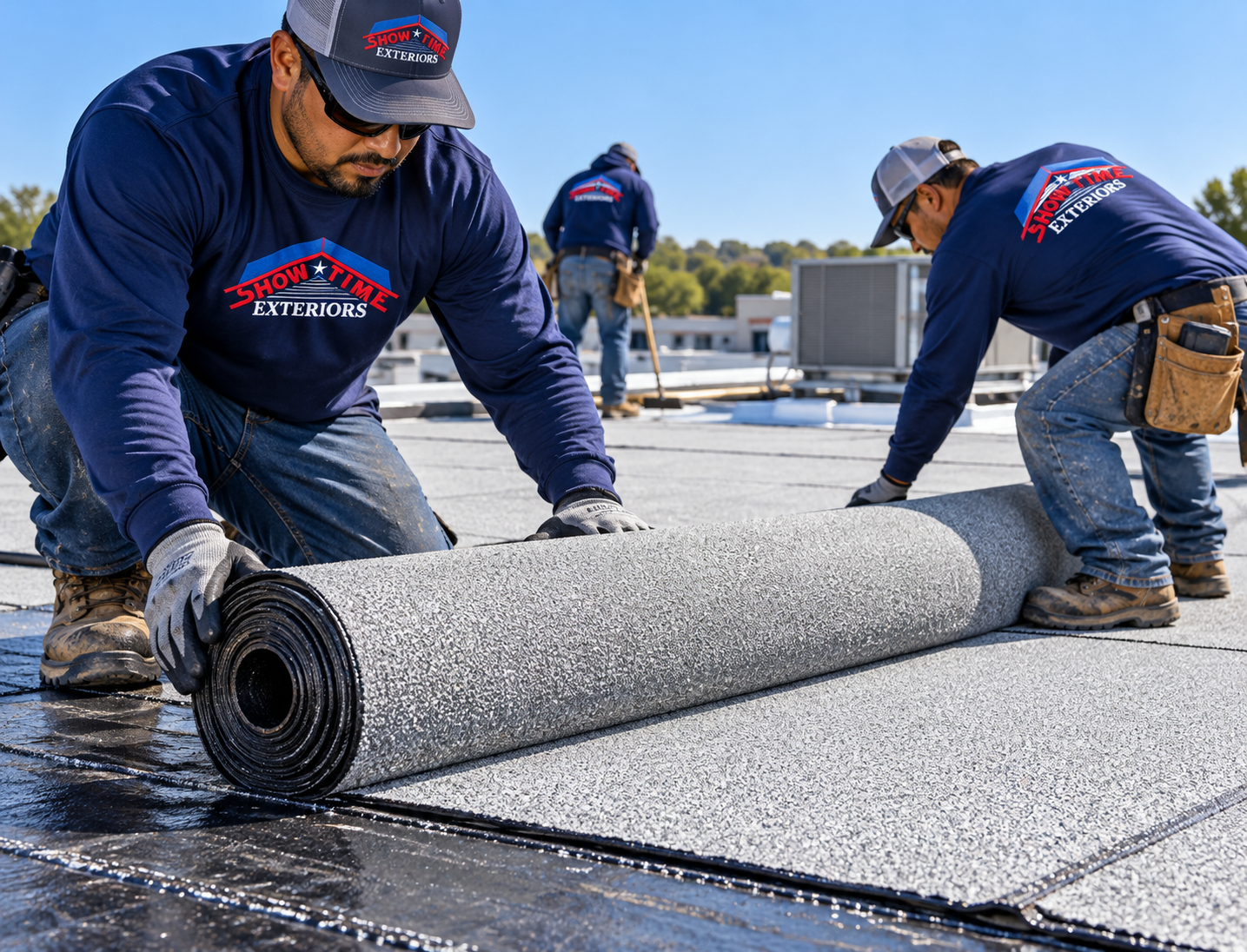
Replacement may be justified when uplift is widespread, attachment is compromised across large areas, moisture is extensive, multiple components failed, or the existing system cannot be repaired reliably.
Structural reconstruction
If wind damaged the deck, framing, parapets, walls, or equipment supports, structural work may need to occur before the permanent roof is installed.
A written scope should separate:
- Immediate safety concerns
- Emergency stabilization
- Confirmed wind damage
- Hail or debris damage from the same storm
- Pre-existing maintenance conditions
- Moisture-related work
- Permanent repair options
- Replacement considerations
- Optional wind-resilience improvements
Step 10: Review Warranty Requirements
If the roof is under a manufacturer or installer warranty, review notice and authorized-repair requirements.
Gather:
- Manufacturer and system information
- Installation date
- Warranty number
- Approved contractor requirements
- Prior inspection and repair records
- Storm and damage documentation
Unauthorized sealants, fasteners, coatings, patches, or alterations may affect coverage. Ask whether manufacturer involvement is required before permanent work begins.
Step 11: Organize Insurance Documentation
Commercial property policies vary. Review the policy and contact your licensed insurance agent, broker, or carrier for guidance about notice deadlines, deductibles, exclusions, emergency mitigation, documentation, and claim procedures.
The roofing contractor documents roof conditions and prepares scopes or estimates. Coverage decisions belong to the insurer, while policy and legal questions should be directed to qualified insurance or legal professionals.
Maintain:
- Policy and claim contact information
- Storm date and approximate time
- Weather alerts and available wind reports
- Exterior and interior photographs
- Tenant and employee reports
- Roof inspection findings
- Emergency-repair documentation
- Moisture and restoration records
- Repair, restoration, or replacement estimates
- Prior inspections and maintenance history
- Warranty documents
- Damaged inventory and equipment lists
- Receipts and business-interruption records when relevant
Do not discard detached roofing components before documenting them unless they create a safety hazard.
What Property Owners Should Not Do
Do not climb onto a wind-damaged roof
Loose materials, wet surfaces, broken skylights, hidden deck damage, and unstable edges can create serious fall hazards.
Do not assume the roof is fine because it looks flat again
A lifted membrane or panel may settle while attachment remains compromised.
Do not wait for a visible leak
Water may remain in insulation, and weakened components may fail during the next storm.
Do not press loose materials back into place
This does not restore fasteners, adhesives, seams, clips, or flashing details.
Do not apply random sealants
Incompatible materials can hide damage, trap moisture, affect warranties, and complicate permanent work.
Do not block drains with temporary coverings
Poorly placed tarps can create ponding water and additional loading.
Do not inspect only the storm-facing side
Pressure patterns are complex. Corners, leeward edges, transitions, and internal pressure can cause damage elsewhere.
Do not approve replacement without documentation
Ask for photographs, locations, attachment findings, moisture information, and a written explanation of repairability.
Do not accept guaranteed insurance outcomes
Contractors document roofing conditions; insurers determine coverage.
Special Considerations by Commercial Roof Type
TPO and PVC roofs
Inspectors may evaluate membrane billowing, wrinkles, open welds, fastener movement, plate pull-through, flashing displacement, and damage to cover board or insulation.
EPDM roofing
Potential concerns include adhesive separation, seam opening, flashing movement, tears, punctures, and perimeter detachment.
Metal roofing
Evaluation should include panels, seams, clips, fasteners, eaves, ridges, transitions, penetrations, and underlying structural supports.
Modified bitumen and built-up roofing
Wind may lift sheets or plies, open laps, displace surfacing, damage flashing, and stress perimeter details.
Coated roof systems
The coating and substrate may crack, tear, separate, or move at seams and transitions. Temporary and permanent materials must be compatible.
Shingle roofs
Wind may remove shingles, break seals, create creases, expose fasteners, and damage ridge caps, hips, eaves, and flashing.
Mixed-system properties
Commercial buildings often combine low-slope roofing, metal canopies, steep-slope sections, wall panels, and additions. Transitions between systems deserve close attention.
Questions to Ask After the Wind-Damage Inspection
- What components lifted, moved, opened, or detached?
- Is the roof attachment still secure?
- Were corners, perimeters, seams, and penetrations inspected?
- Did wind-driven rain enter the assembly?
- Is moisture testing or selective investigation appropriate?
- Was the deck or structure affected?
- Which findings appear to predate the storm?
- Did hail or debris cause additional damage?
- Is emergency stabilization required?
- Can damage be repaired locally?
- What evidence supports partial or full replacement?
- Could the proposed work affect the warranty?
- What should be monitored during the next wind and rain event?
- What photographs and written documentation will we receive?
- When can permanent work be completed?
How Soon Should a Wind-Damaged Roof Be Inspected?
Active leaks, loose perimeter materials, shifted equipment, large openings, or structural and electrical hazards require prompt professional response once conditions allow.
When there is no visible leak, schedule a timely inspection if the property experienced damaging winds or if roofing materials were found on the ground. Early documentation can identify attachment and seam problems before another storm enlarges them.
Strengthen the Property Before the Next Windstorm
After repairs, update the roof-management and storm-response plan.
Maintain:
- Current roof plans and warranties
- Routine inspection and maintenance records
- Pre-storm photographs
- A map of roof sections, penetrations, drains, and equipment
- Approved roof-access procedures
- Emergency roofing and restoration contacts
- Tenant and employee reporting instructions
- Secure backups of property records
Ask the contractor whether the repair or replacement scope presents opportunities to improve perimeter details, attachment, drainage, or other system-specific vulnerabilities within applicable requirements.
Choosing a Texas Commercial Wind-Damage Contractor
Look for a contractor that:
- Has experience with commercial roofing systems
- Understands uplift, attachment, perimeter, and wind-driven-rain damage
- Serves North Texas and DFW
- Uses appropriate access and safety procedures
- Documents findings with photographs and locations
- Separates wind damage from pre-existing maintenance
- Explains repair, restoration, and replacement options plainly
- Uses compatible, system-specific materials
- Coordinates with manufacturers and structural, mechanical, or restoration professionals
- Works around tenants and business operations
- Provides a defined scope and communication process
The right contractor should support recommendations with evidence rather than pressure.
Frequently Asked Questions About Texas Wind-Damaged Roofs
Can wind damage a commercial roof without removing it?
Yes. Wind can weaken attachment, lift and settle membranes, open seams, move metal panels, and loosen flashing without removing the full roof.
Can wind damage exist without a leak?
Yes. The roof may remain temporarily watertight while attachment or seam conditions have been compromised.
Why does the building leak only during strong wind?
Wind-driven rain can enter through loosened flashing, parapets, wall transitions, equipment, seams, and openings that remain dry during ordinary rainfall.
Does wind damage require full roof replacement?
Not always. Localized damage may be repairable. Widespread uplift, compromised attachment, moisture, or poor repairability may justify a larger scope.
Can a drone identify all wind damage?
No. A drone can show visible displacement but may not reveal seam adhesion, fastener movement, clip damage, underlying moisture, or a membrane that lifted and settled.
Should I tarp a wind-damaged roof?
A qualified contractor may recommend temporary protection. DIY tarping on a wet or damaged commercial roof creates serious fall and wind hazards.
Should the manufacturer be notified?
Review the warranty. Some systems require prompt notice and repairs by authorized contractors.
What should the inspection report include?
A useful report should identify roof type, inspected areas, uplift and attachment findings, seam and perimeter conditions, moisture concerns, photographs, inaccessible sections, and recommended next steps.
Schedule a Texas Commercial Wind-Damage Roof Inspection
Wind damage is not always dramatic. A roof can settle back into place while seams, fasteners, clips, adhesives, perimeter components, and flashing remain compromised. Waiting for an interior leak may allow a repairable issue to spread into insulation, deck, ceilings, inventory, and occupied spaces.
Showtime Exteriors Commercial Roofing helps property owners, facility managers, property managers, and real estate professionals across North Texas and DFW evaluate roofs after high winds and severe weather. Our team documents visible conditions, identifies urgent vulnerabilities, evaluates repairability, and explains practical repair or replacement options based on the actual roof.
Call Showtime Exteriors at 817-400-7663 or visit ShowtimeExteriors.com to book a free commercial roof inspection and roof-grade assessment.
Do not wait for the next Texas windstorm to expose weakened attachment or opened seams. Schedule a professional inspection and protect the property, its occupants, and its operations.