

Hail Damage Roof Inspection in Burleson: What to Expect
Prepare for a hail damage roof inspection in Burleson. Learn what inspectors evaluate, which records help, and what to expect from the inspection report.
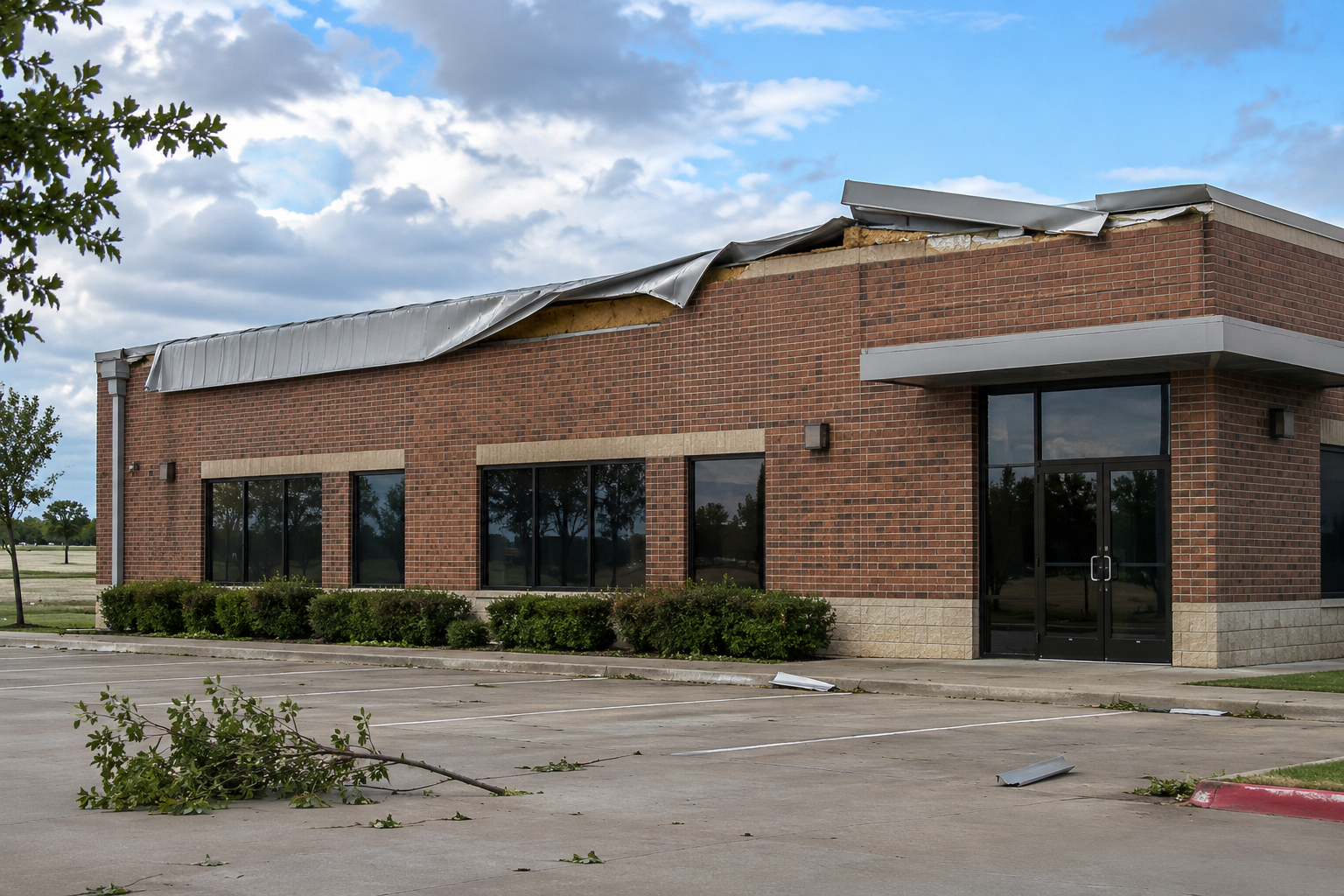
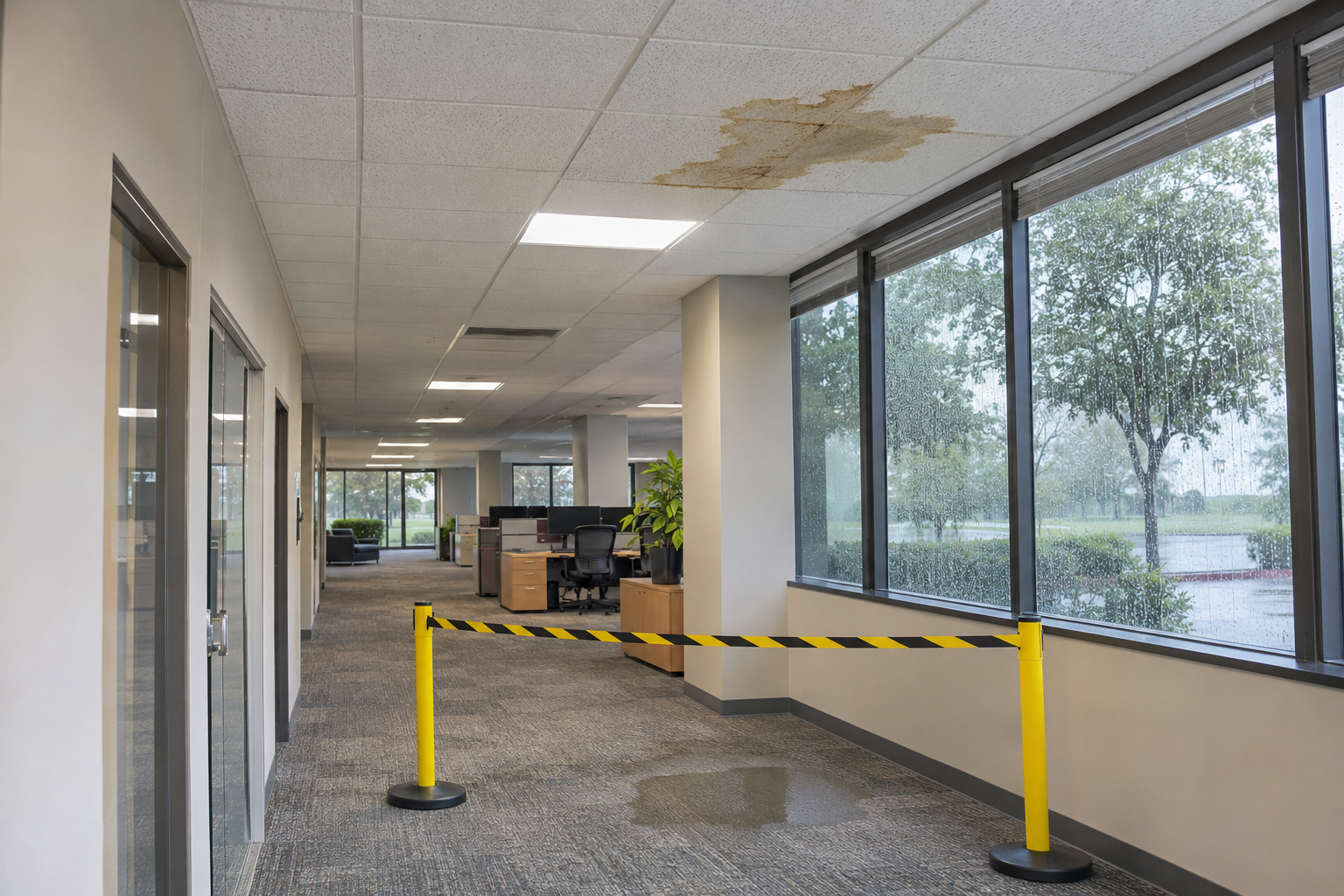
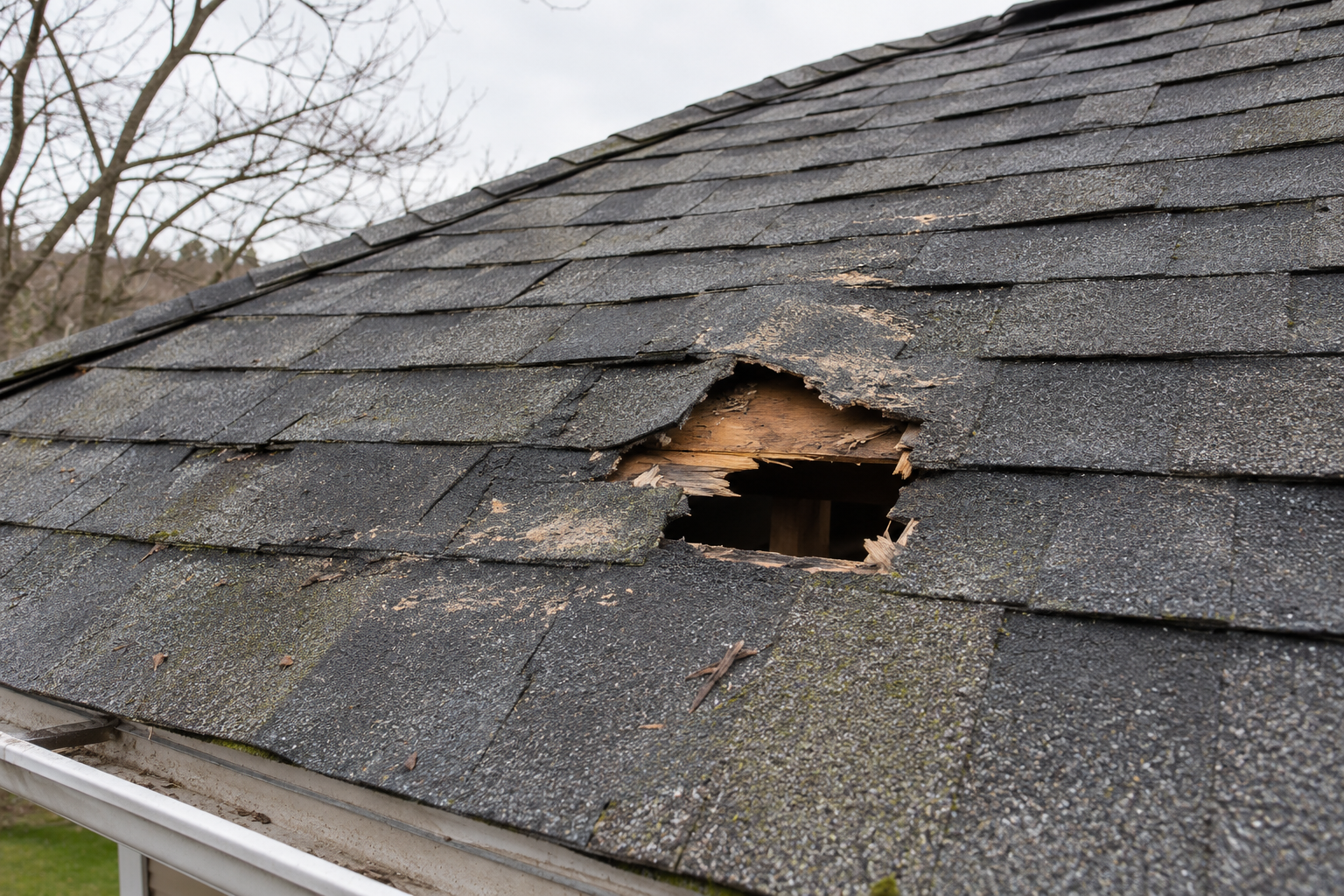
After hail moves through Burleson, you may notice dents on a gutter, scattered granules near a downspout, or a new ceiling stain. Those observations deserve attention, but they do not answer every question about the roof.
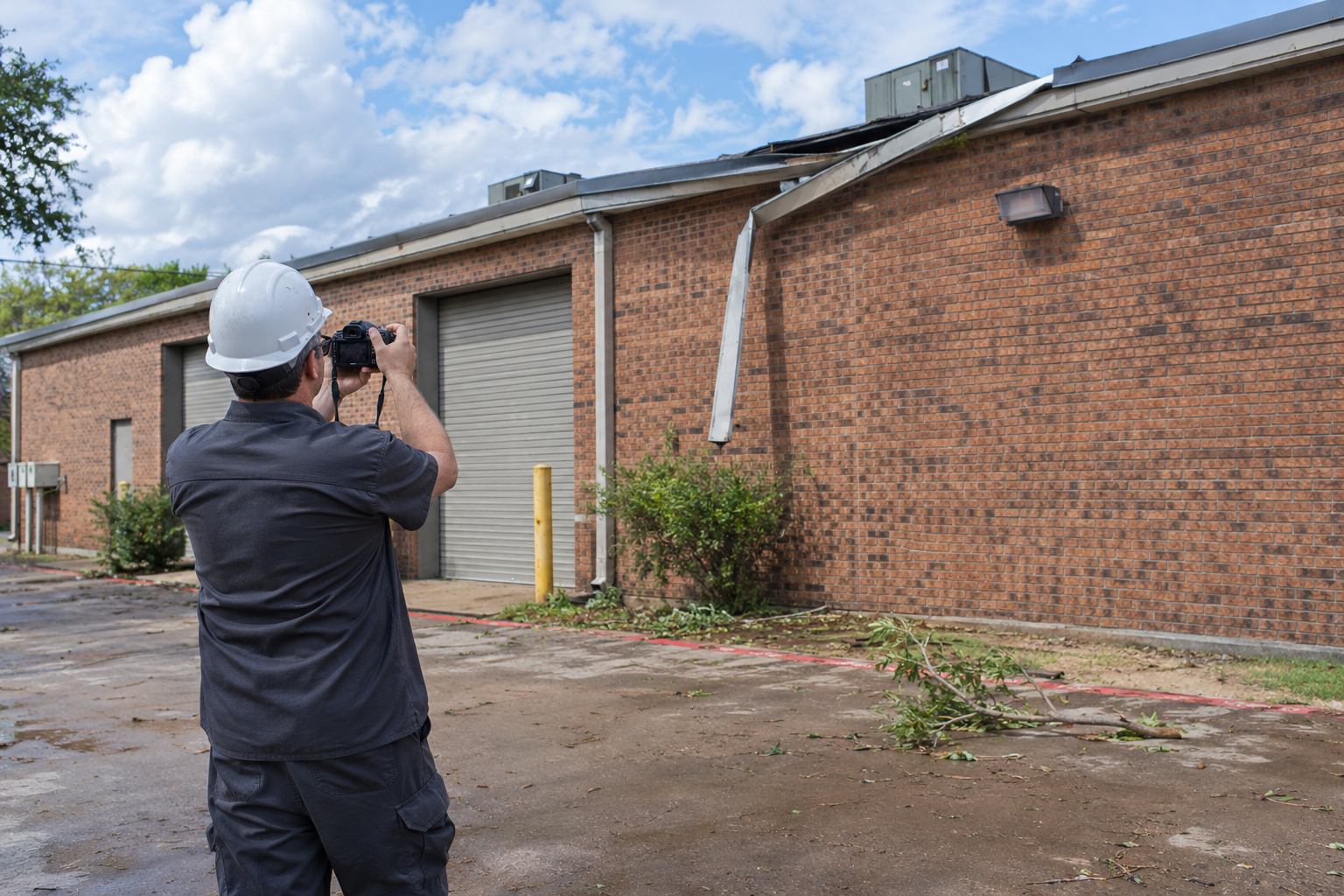
A hail damage roof inspection in Burleson should establish what the inspector observed, where those conditions are located, and what further evaluation or repair may be appropriate.
You should leave the process with a useful record—not simply a verbal statement that the roof is “good” or “needs replacing.”
Here is how to prepare and what to expect.
Before Booking: Explain What Changed
Tell the contractor what prompted your call.
Was hail observed at the property? Did water begin entering during the storm? Did you discover displaced material afterward? Has the same area leaked before?
Give the contractor the approximate event date, property type, known roof material, and any immediate hazards.
If water is near electrical equipment, a ceiling is sagging, or structural damage is suspected, keep people clear and seek appropriate professional assistance.
Showtime Exteriors’ emergency roof repair guide explains how to organize temporary protection and documentation while the permanent scope is investigated.
Gather Records That Help Identify the Roof
You do not need a perfect file to schedule an inspection. However, available records can help the inspector understand the assembly and its history.
Prepare:
- Installation invoices or an approximate installation date.
- Warranty information.
- Earlier inspection photographs.
- Maintenance and repair records.
- A list of current and previous leaks.
- Photographs taken immediately after the storm.
- Details of temporary work already performed.
For commercial buildings, identify separate roof sections and any restrictions around equipment, tenants, or sensitive operations.
Showtime Exteriors provides commercial roofing assessments and residential roofing services for North Texas property owners.
Confirm the Inspection Scope
Ask what the appointment includes before authorizing work.
Will the contractor provide photographs? A written report? A roof diagram? An estimate if repairs are recommended?
Also establish whether the appointment covers accessible visual observations only or includes another agreed investigation.
Inspection authorization should be clear about fees and services. Read any document before signing, including forms described as access permissions.
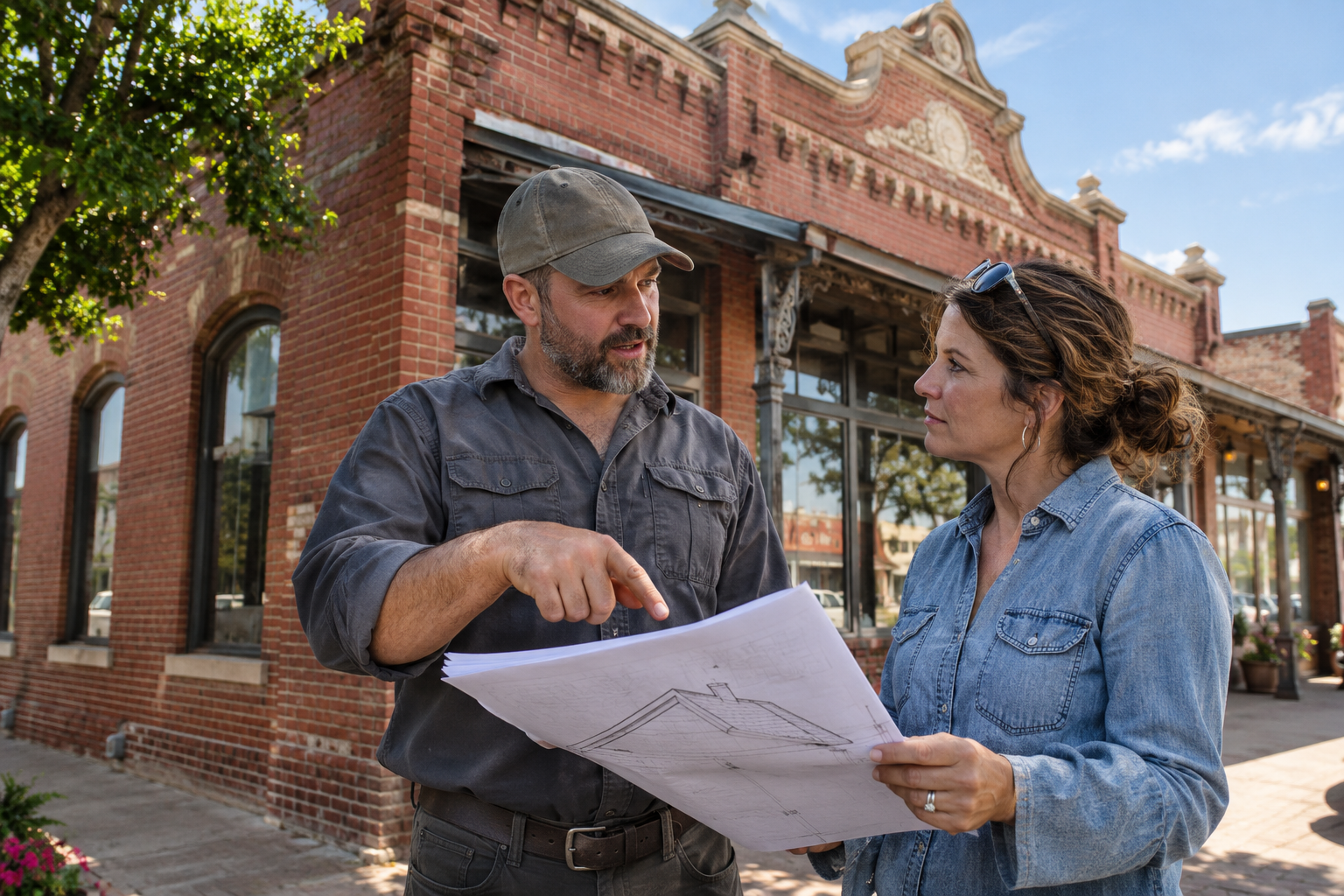
Image 1: Reviewing Inspection Findings
Place the first generated image here.
Alt text: Roofing professional reviewing roof photographs with a homeowner outside a Burleson-area brick home.
Caption: Ask the inspector to connect photographs to specific locations and explain what the findings support.
Expect a Safety and Access Review
The inspector should consider weather, roof condition, access, and hazards before going onto the roof.
Wet surfaces, damaged decking, skylights, and unprotected edges can limit access. A postponed roof walk may be appropriate when conditions are unsafe.
The OSHA construction fall-protection resources explain hazards and protective measures relevant to roofing work.
Property owners should remain off the roof and let the professional explain which areas can be evaluated safely.
If part of the roof cannot be inspected, that limitation belongs in the report.
What Will the Inspector Examine?
The inspection should consider the roof covering and associated details.
AreaWhat the record should addressRoof fieldAccessible surface conditions and locations of concernSeams and transitionsVisible separation or other deficienciesFlashingsConditions around walls, curbs, chimneys, and penetrationsPerimeterRoof edges, coping, gutters, and related componentsDrainageObstructions and observed drainage concernsRooftop equipmentVisible damage requiring evaluation by the appropriate tradeEarlier repairsExisting patches and relevant repair historyInteriorReported leak locations and accessible signs of water entry
A dent in thin metal can support documenting that component. It does not independently establish damage to adjacent shingles or membrane.
Each material requires its own evaluation.
How Do Inspectors Distinguish Hail From Other Conditions?
A useful assessment considers possible causes rather than labeling every mark as hail damage.
Roofing can show wear, installation issues, foot traffic, earlier repairs, or other damage. The inspector should explain which observations support the proposed conclusion and where uncertainty remains.
Haag’s roofing evaluation resources describe investigations addressing weather events, construction deficiencies, mechanical damage, maintenance issues, and repair-versus-replacement questions.
Ask the contractor to distinguish:
- What was directly observed.
- What the owner reported.
- What appears unrelated to the reported event.
- What requires further investigation.
Avoid assuming that every condition discovered after a storm developed during that storm.
Can Hidden Damage Require Further Testing?
Sometimes a visual review leaves unanswered questions.
The contractor may recommend additional evaluation when concealed moisture, underlying components, or the nature of a surface condition cannot be established through accessible observations.
For granule-surfaced commercial membranes, GAF’s hail-damage technical bulletin explains that some situations may require sampling and analysis. Its guidance distinguishes surface effects from more severe membrane damage.
Before authorizing testing, ask:
- Which question will it answer?
- What method is proposed?
- Who performs and interprets it?
- Will materials be disturbed?
- How will openings be restored?
- What documentation will be supplied?
Further testing should have a defined purpose.
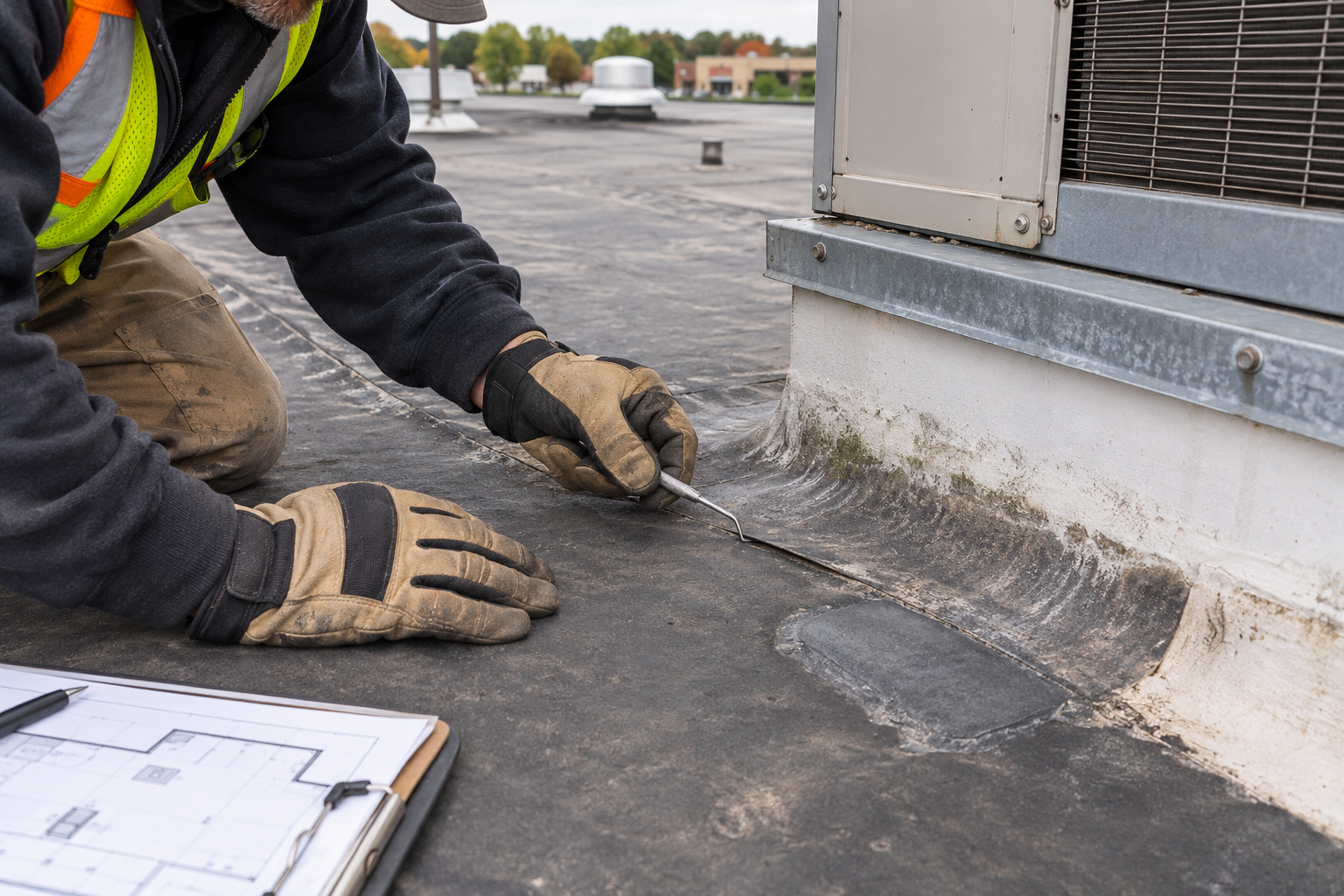
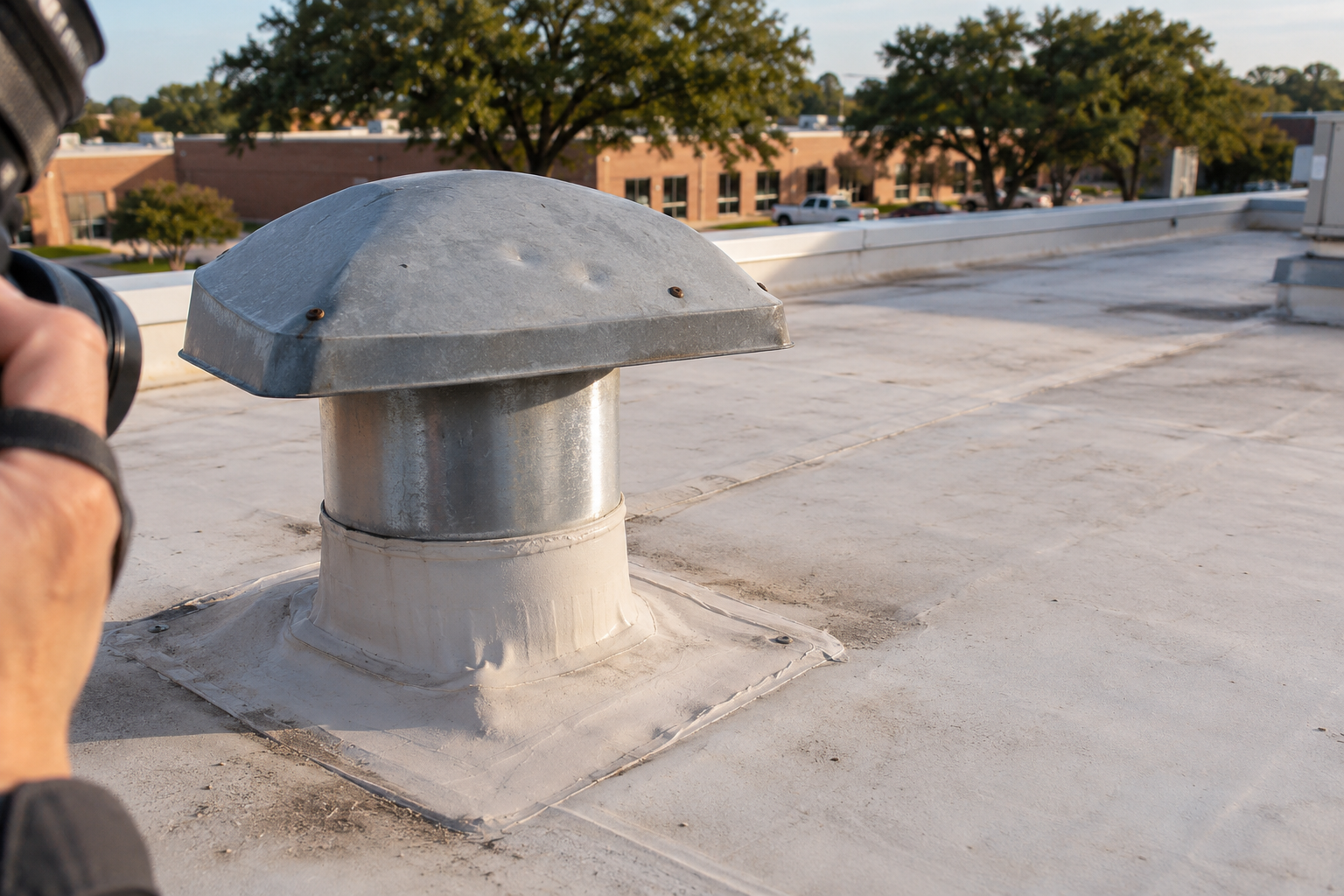
Image 2: Rooftop Component Documentation
Place the second generated image here.
Alt text: Camera documenting a metal vent cover and surrounding commercial roof membrane.
Caption: Record metal components and roof coverings separately so the report explains the condition of each.
What Role Do Burleson-Area Weather Records Play?
Weather reports can help establish the timing and location of reported hail.
The National Weather Service Fort Worth resources provide links to local storm reports, event information, and storm-survey resources.
Use these records as supporting context.
A nearby hail report does not prove damage to an individual property. The absence of a report at the exact address also does not establish that the roof is undamaged.
The inspection must still evaluate the building itself.
What Should the Written Report Contain?
A useful hail damage roof inspection report should identify:
- Property address and inspection date.
- Roof materials and sections evaluated.
- Relevant information supplied by the owner.
- Areas that could not be accessed.
- Labeled overview and detail photographs.
- Observed conditions and unresolved questions.
- Immediate protection needs.
- Recommended next steps.
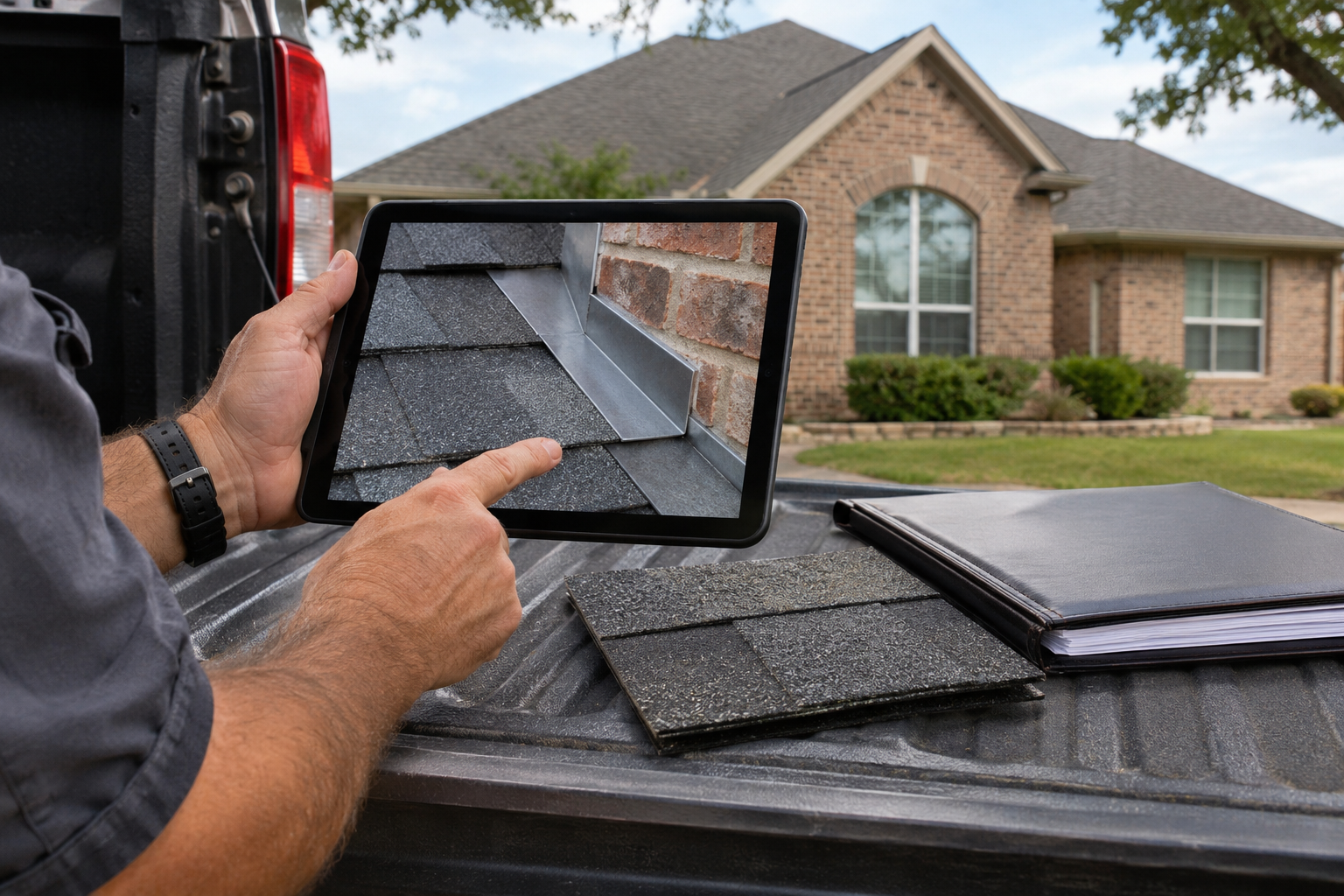
Photographs should be understandable to someone who has never visited the property. A roof diagram or clear location references make them easier to follow.
Ask whether the report describes a condition assessment, a construction proposal, or both. Those deliverables serve different purposes.
Does the Inspection Determine Insurance Coverage?
The inspection documents roofing conditions. The insurer evaluates coverage under the policy.
The Texas Department of Insurance hail and windstorm guidance recommends prompt reporting, photographs, temporary protection, retained receipts, and communication with the insurer. Follow applicable policy requirements while documentation is being gathered.
A contractor should explain its observations and estimate without promising approval or a particular payment.
The TDI roofing and insurance law guidance explains Texas restrictions on contractors acting as public adjusters on claims where they will perform the work.
What Happens After the Inspection?
The recommendation should follow the documented findings.
A defined defect may support a localized repair. Uncertain concealed conditions may justify further investigation. More extensive damage or deterioration may require evaluating a larger project.
Request an itemized proposal identifying materials, quantities, included details, exclusions, and the procedure for additional work.
Keep maintenance findings even if they are unrelated to the reported storm. Showtime Exteriors’ commercial roof maintenance guide explains how inspection records support ongoing building care.
Schedule a Hail Damage Roof Inspection in Burleson
A useful hail damage roof inspection in Burleson gives you documented observations, clear limitations, and an explanation of the recommended next step.
Based in Mansfield, Showtime Exteriors serves Burleson and surrounding North Texas communities with residential and commercial roofing assessments.
To arrange an evaluation, contact Showtime Exteriors or call 817-400-ROOF (7663).