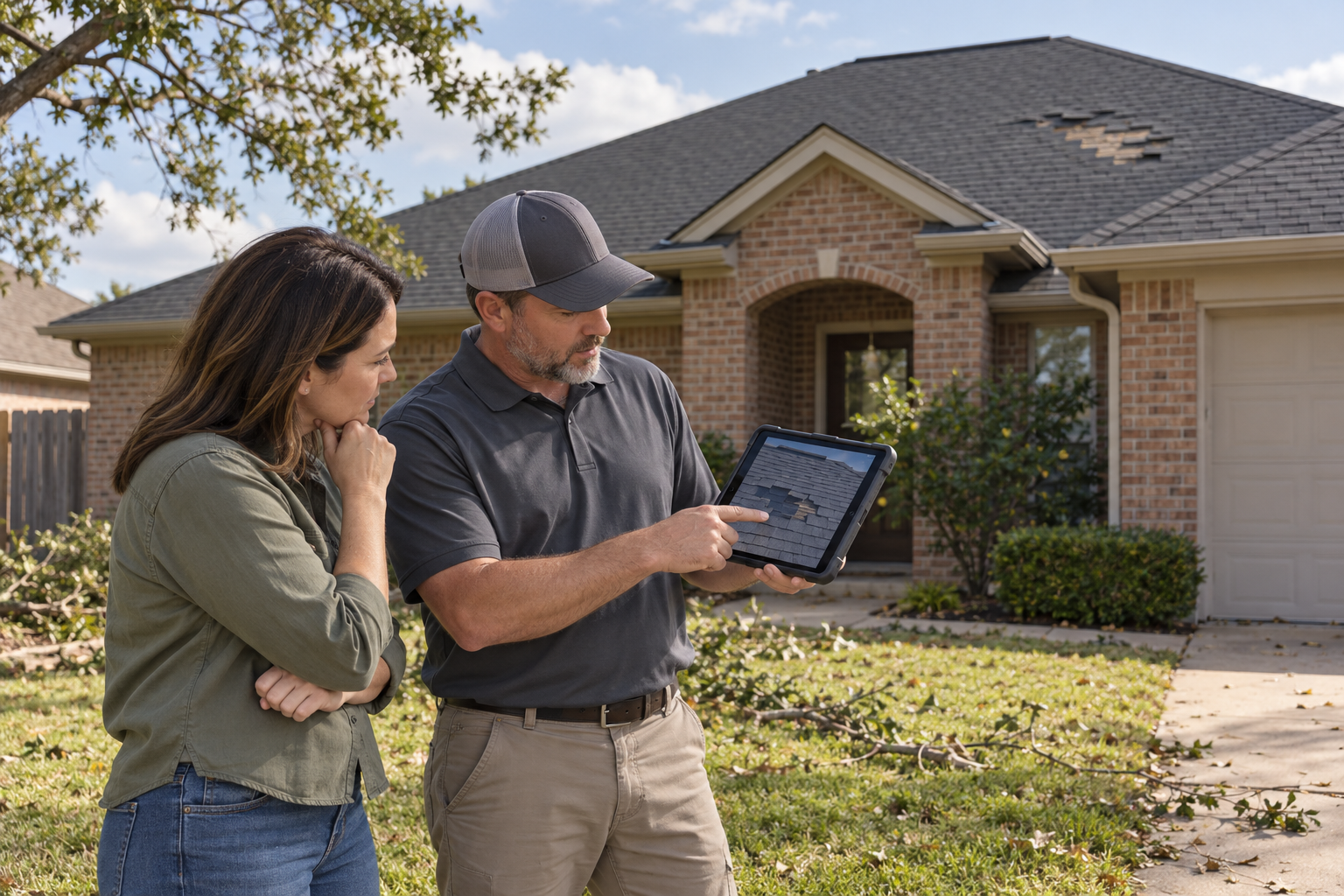




Can a Storm-Damaged Roof Be Repaired, or Is Replacement Necessary?
Learn what a post-storm roof inspection reveals, when roof damage may be repaired, and when replacement may be necessary in North Texas.

A storm can leave property owners with an urgent question: Can the roof be repaired, or does it need to be replaced?
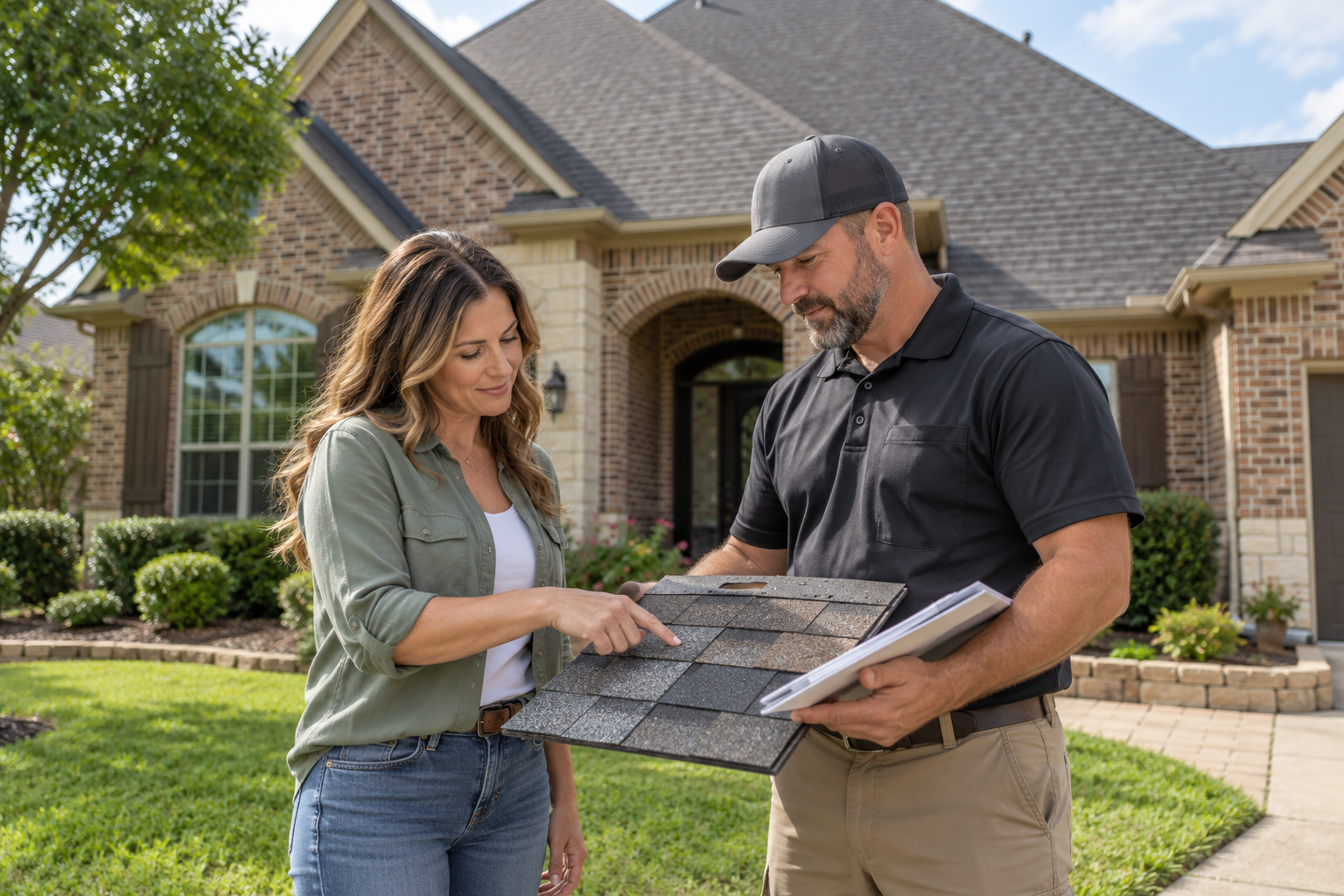
The answer depends on what the post-storm inspection finds. A few damaged shingles, an isolated membrane puncture, or a localized flashing issue may be repairable. Widespread damage, compromised underlying materials, or a roof that cannot support a reliable repair may call for a larger solution.
The inspection itself does not need repair or replacement—it provides the information needed to make that decision about the roof. A useful inspection identifies the type, location, and extent of damage, evaluates the surrounding materials, and explains what remains uncertain.
Showtime Exteriors helps residential and commercial property owners assess storm-related roofing concerns across North Texas. Its guide to hail-damaged roof repair and replacement explains why the scope of damage matters more than the storm alone.
Does Storm Damage Always Mean You Need a New Roof?
No. A storm-damaged roof does not automatically need replacement.
For example, a falling branch may damage a small section of a roof while the surrounding materials remain in good condition. In another situation, high winds may affect several roof slopes, loosen edge components, and expose the underlayment. Those two properties may need very different responses.
A professional inspection helps answer questions such as:
- Where is the damage located?
- Is it limited to the visible roof covering?
- Are the surrounding materials still serviceable?
- Has water entered the roofing assembly?
- Can the damaged area be repaired with compatible materials?
- Would a repair meet applicable requirements and manufacturer instructions?
- Is a larger section or full replacement more appropriate?
The goal is a repair or replacement scope that addresses the actual condition of the roof.
What Should You Do Immediately After a Storm?
Start by protecting people and avoiding unsafe areas. Once the storm has passed and conditions are safe, look for visible concerns from the ground or from inside the building.
1. Keep People Away From Hazards
Avoid areas with fallen power lines, hanging roof materials, unstable walls, broken glass, or suspected structural damage. If there is an immediate danger, contact the appropriate emergency or utility service.
Do not climb onto a wet or damaged roof. Loose materials, weakened decking, steep slopes, and unstable access points can make rooftop inspection dangerous.
2. Look for Water Entry
From a safe location, check for:
- Water dripping from ceilings.
- New ceiling or wall stains.
- Wet insulation or materials.
- Water near windows, doors, or roof penetrations.
- Damp areas around rooftop equipment inside a commercial building.
If water is near electrical equipment, keep people away and seek appropriate professional assistance.
3. Document What You Can Safely See
Take photographs or video from the ground and inside the property. Record when the storm occurred, when you first noticed the damage, and any steps taken to protect the property.
The Insurance Information Institute’s claim guidance recommends documenting damage and taking reasonable temporary measures to prevent further loss. Keep receipts and records of any protective work. Triple-I®
4. Arrange an Inspection
Contact a qualified roofing professional and describe any active leak or exposed opening when scheduling. An urgent problem may require temporary protection before a complete inspection or permanent repair can take place.
For more detail, see Showtime Exteriors’ guide to how quickly to address a hail-damaged roof.
What Happens During a Post-Storm Roof Inspection?
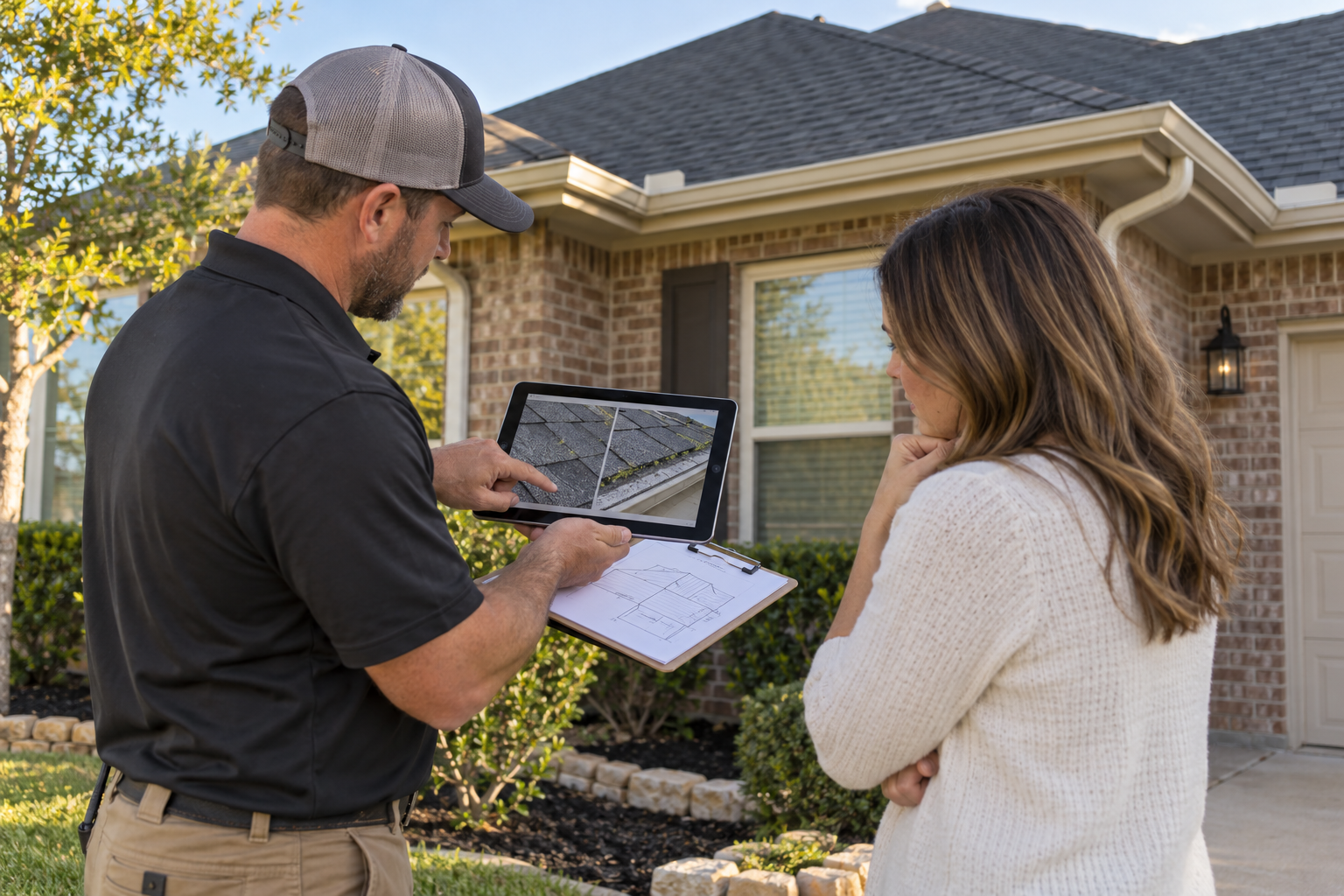
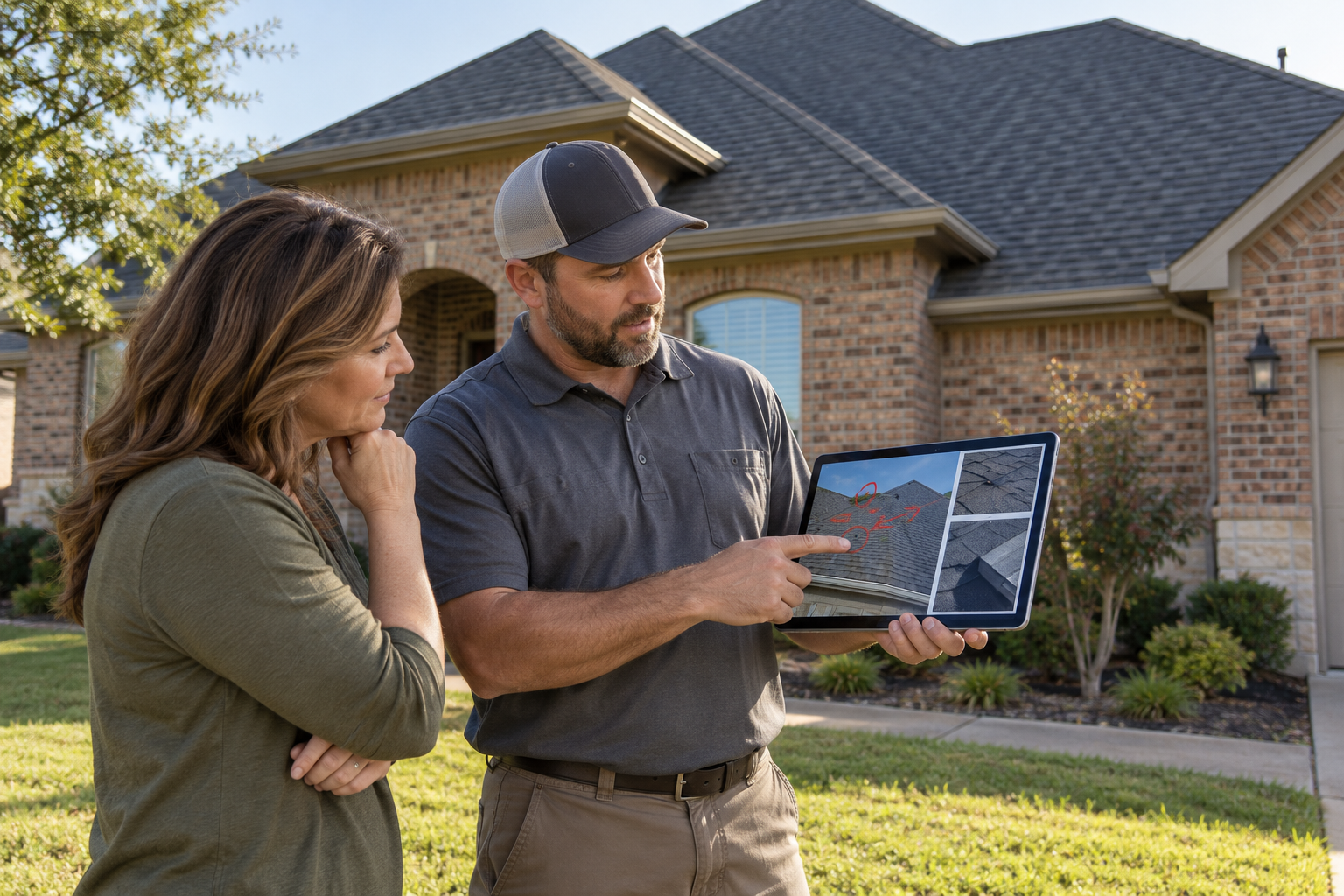
A post-storm inspection should examine the property’s specific conditions rather than assume that every mark or leak has the same cause.
Depending on the roof and safe access, the inspection may include the following.
A Review of the Property’s History
The inspector may ask about:
- The approximate age of the roof.
- Previous leaks and repairs.
- The date and type of storm.
- When damage was first observed.
- Existing warranties.
- Previous inspection reports.
- Any changes to rooftop equipment.
This information provides context. A nearby storm report can help establish timing, but it does not prove what happened to a particular roof.
An Examination of the Roof Covering
The inspector looks for conditions appropriate to the roofing material. Examples include:
- Missing, lifted, creased, or damaged shingles.
- Cracked or displaced roof tiles.
- Loose or damaged metal panels.
- Punctures or tears in a commercial membrane.
- Open seams and damaged flashings.
- Damage near roof edges, walls, and penetrations.
The Insurance Institute for Business & Home Safety’s roof survey guidance discusses evaluating roof conditions and distinguishing event-related damage from aging and other causes. ibhs.org
A Review of Roof Details and Drainage
Roof problems do not occur only in the middle of a roof surface. The inspector should consider areas such as:
- Valleys and ridges.
- Gutters, drains, and scuppers.
- Skylights and roof hatches.
- HVAC curbs and equipment supports.
- Pipes and vents.
- Parapets and roof edges.
- Wall transitions and flashing.
A blocked drain or damaged flashing may contribute to water entry even when the roof covering appears mostly intact.
A Review of Interior Evidence
The location of a ceiling stain can help identify an investigation area, but water can travel before it becomes visible. A stain does not necessarily identify the exact point where water entered the roof.
The inspector should connect interior observations with roof construction and explain whether additional investigation is needed.
Documentation and Recommendations
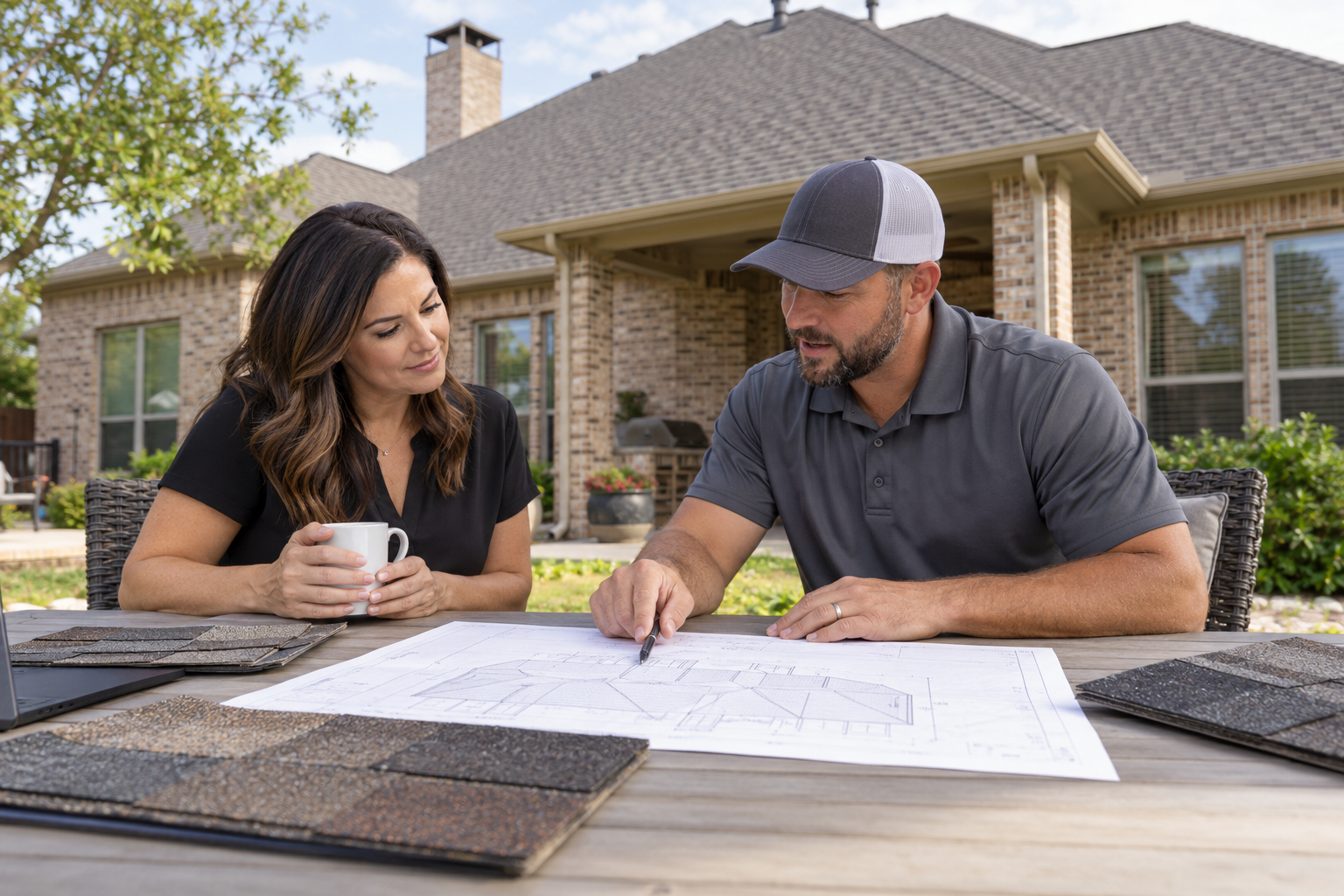
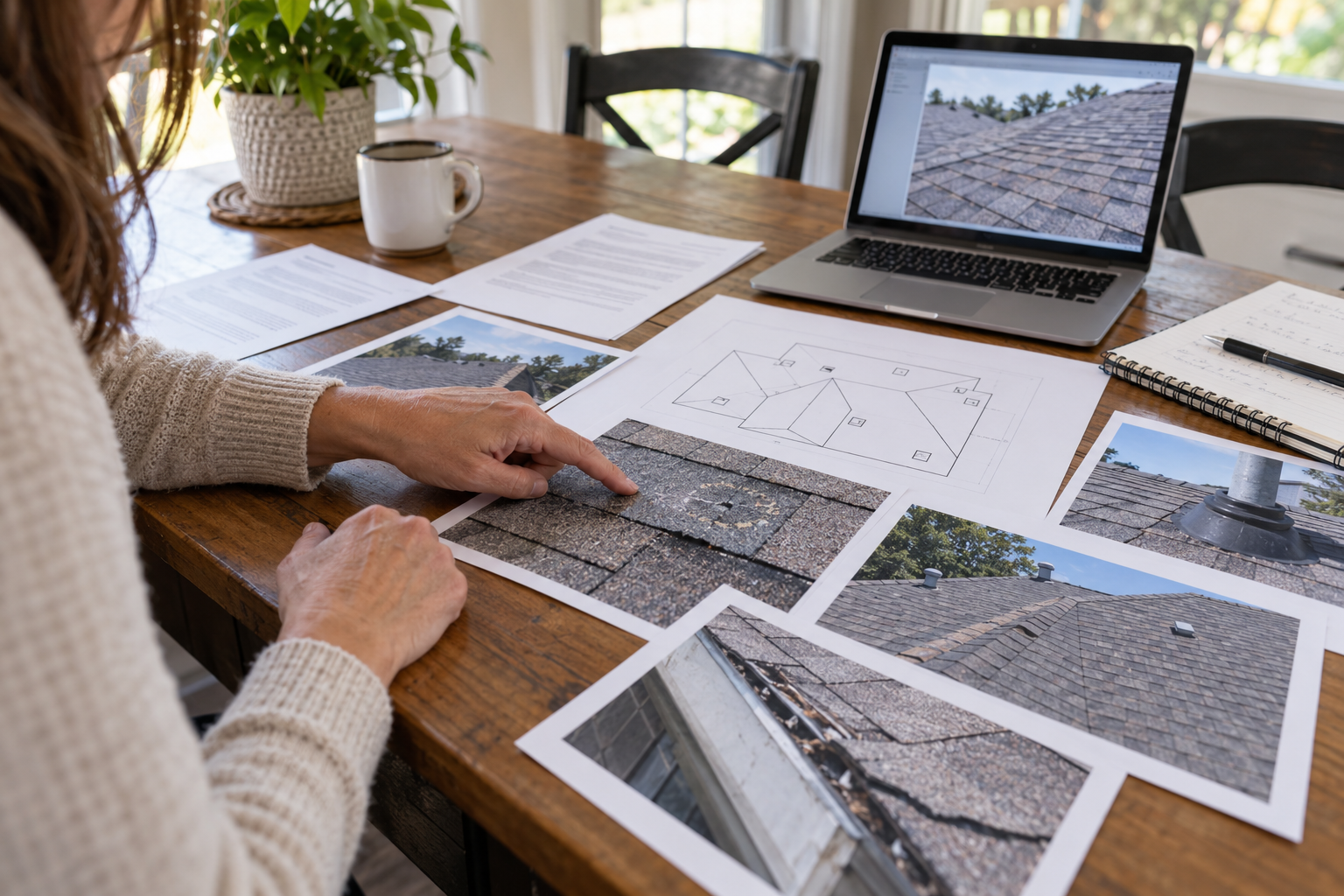
A useful report should identify the areas reviewed, include photographs where appropriate, describe observed conditions, and note inspection limitations.
It should also explain the recommended next step: monitoring, temporary protection, repair, further testing, sectional work, or replacement.
When Can a Storm-Damaged Roof Be Repaired?
A repair may be appropriate when the damage is limited and the rest of the roofing system can support a durable solution.
For example:
- A small number of shingles are damaged, and the surrounding roof remains serviceable.
- A localized membrane puncture can be repaired with compatible materials.
- A damaged flashing detail can be corrected without disturbing a large roof area.
- A few tile pieces can be replaced, and the underlayment is in suitable condition.
- A roof edge component can be repaired while maintaining the integrity of the system.
The GAF guide to roof repairs explains that repair needs depend on the damage, location, and roofing materials. GAF
A good repair proposal should describe the affected area, materials, installation method, and any limitations. It should also address the cause of the problem—not just the visible symptom.
When Might Roof Replacement Be Necessary?
A full or sectional replacement becomes more reasonable when a reliable repair cannot address the conditions found during the inspection.
Examples include:
- Damage spread across multiple roof areas.
- Widespread missing, creased, or unsealed shingles.
- Extensive membrane damage or compromised seams.
- Wet insulation or damaged decking over a significant area.
- Repeated leaks that indicate a broader system problem.
- Materials that are too deteriorated to support a dependable repair.
- Incompatible or unavailable materials.
- Structural or attachment concerns requiring a larger scope.
The inspector should explain why the recommended replacement area is appropriate. A clear report identifies the specific conditions behind the recommendation instead of simply stating that the roof is old or that a storm occurred.
Repair, Sectional Replacement, or Full Replacement?
OptionWhen it may be consideredWhat to confirmLocalized repairDamage is isolated and surrounding materials are serviceableCompatibility, attachment, flashing, and workmanshipSectional replacementDamage is concentrated on one roof area or slopeTransitions to the existing roof and condition of adjacent areasFull replacementDamage or deterioration affects a broad area, or a reliable smaller scope is not practicalDeck, insulation, drainage, attachment, and complete system designFurther investigationThe condition beneath the surface is uncertainWhat testing is proposed, where, and how openings will be restored
The appropriate choice depends on the roof’s condition and the building’s needs. A residential roof plane and a large commercial roof section have different details, so the scope should be tailored to the property.
How Roof Material Affects the Decision
Asphalt Shingle Roofs
A few damaged shingles may be replaceable when the surrounding roof is in good condition. The inspector should also evaluate whether nearby shingles have been lifted, creased, or otherwise affected.
GAF’s technical guidance on replacing storm-damaged shingles notes that individual shingles can be replaced while also recognizing that damage to surrounding shingles may be difficult to assess. documents.gaf.com
A repair should not create additional damage to brittle or deteriorated shingles. The contractor should explain whether the proposed repair can be completed reliably.
Concrete or Clay Tile Roofs
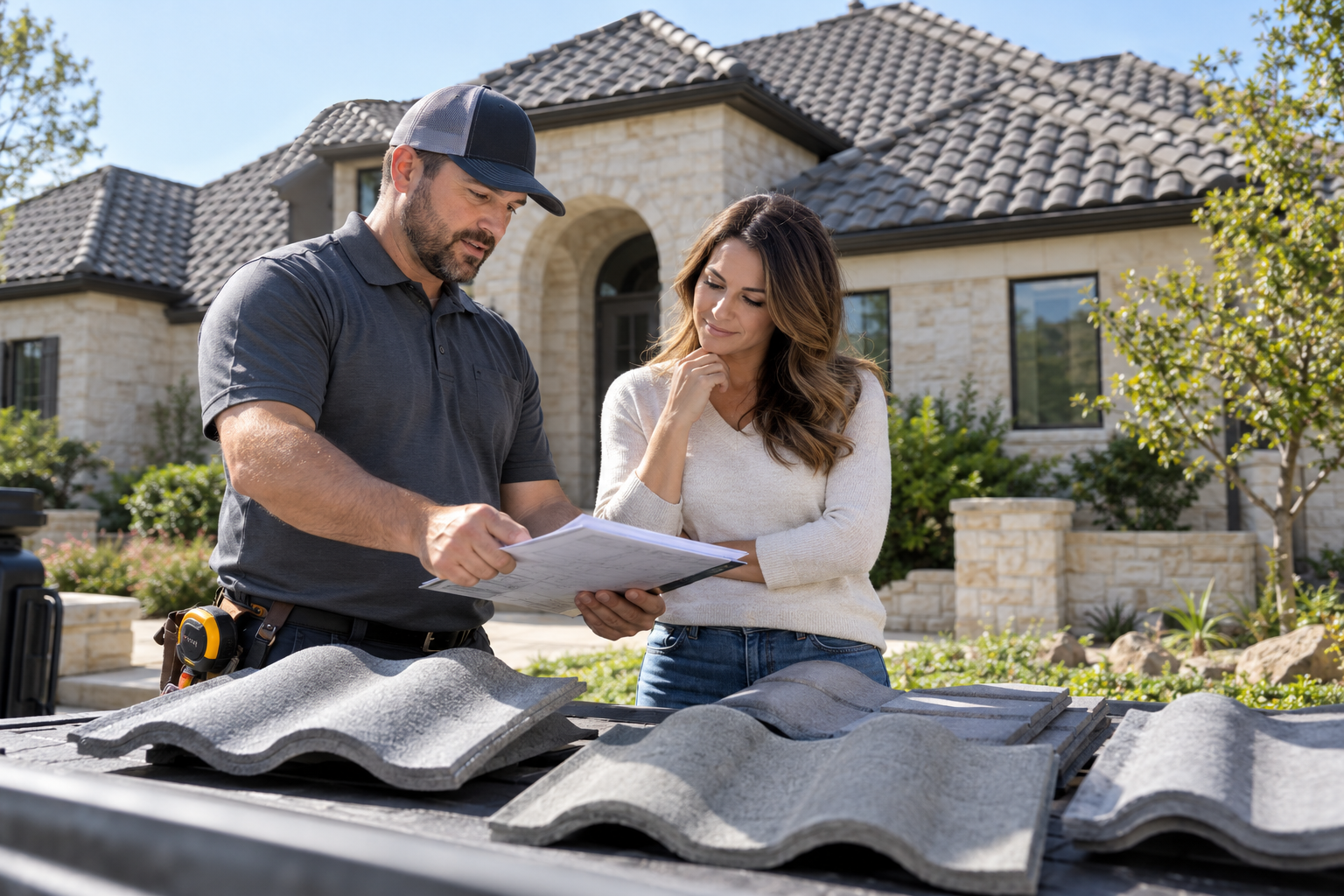
Broken or displaced tiles may be replaceable, but the condition of the underlayment and surrounding assembly matters.
A tile roofing repair resource recommends evaluating the underlayment when considering post-storm tile repairs. Matching the tile’s size, profile, and attachment method is also important. www.floridaroof.com
Metal Roofs
A metal roof assessment should consider panels, seams, fasteners, edges, flashing, and penetrations. A visible dent does not by itself establish whether the roof has lost its ability to perform.
The inspector should explain the observed condition and whether it affects drainage, attachment, seams, or the protective finish.
Commercial Membrane Roofs
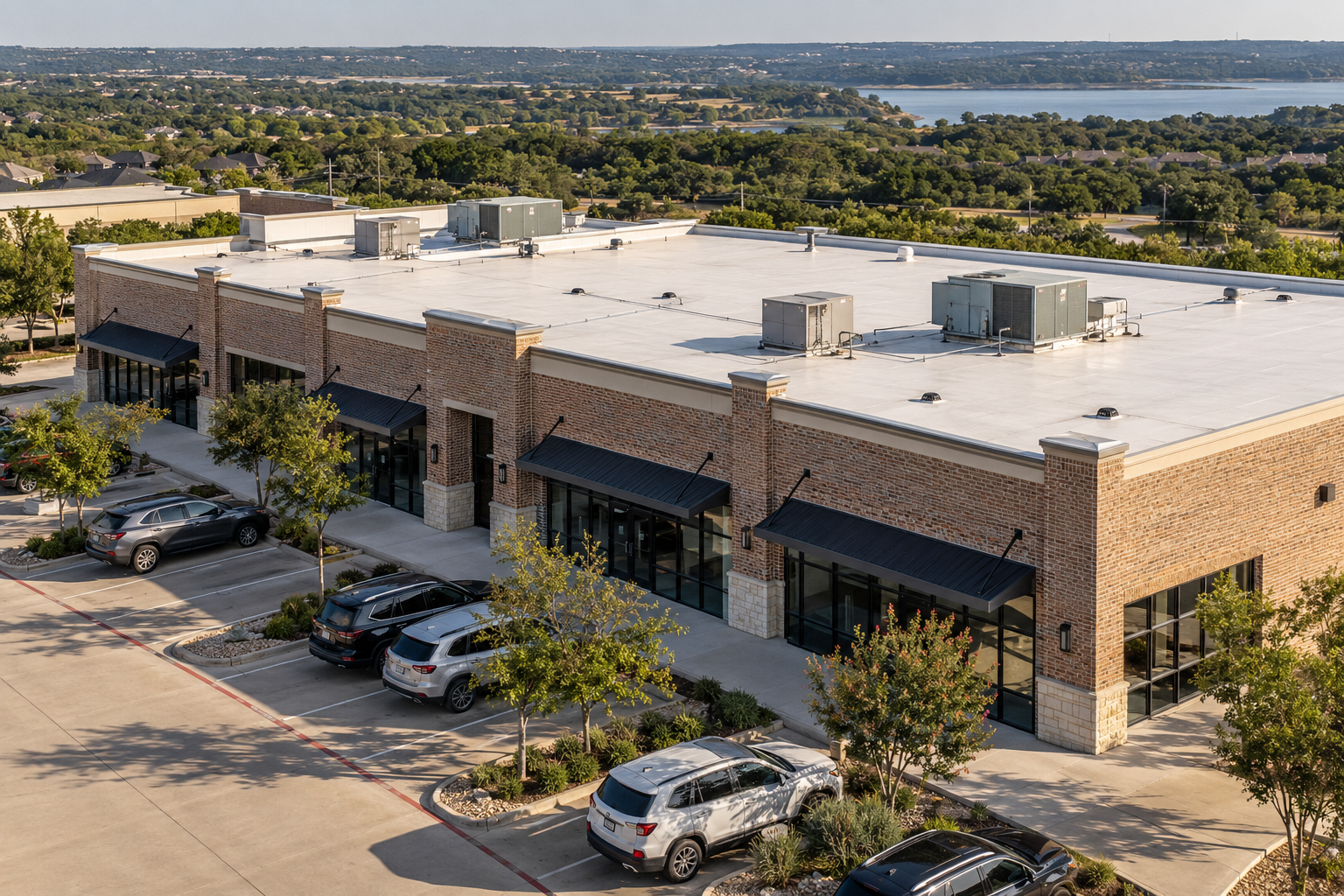
TPO, PVC, and EPDM roofs may be repairable when a puncture or damaged area is limited and compatible repair materials can be used.
A commercial inspection should also consider:
- Seam condition.
- Insulation beneath the membrane.
- Roof edges and flashing.
- Drains and ponding areas.
- Rooftop equipment.
- Existing repair history.
If moisture may have entered the assembly, additional investigation may be needed before choosing a repair or replacement scope.
Spray Foam Roofs
A spray polyurethane foam roof has different inspection needs from a membrane or shingle roof. Surface damage, coatings, penetrations, and the condition of the foam should be evaluated together.
The IBHS spray foam roof guide discusses the system and points readers to further inspection and repair resources. ibhs.org
Built-Up Roofs With Gravel Surfacing
Gravel surfacing can make it harder to observe the roof surface and locate damage or moisture concerns. A professional assessment may require additional investigation to understand the underlying layers.
If replacement is being considered, ask the contractor to explain the condition of the existing assembly and whether a more readily inspectable system would suit the building.
For a closer look at commercial membrane decisions, read Showtime Exteriors’ guide to repairing, restoring, or replacing EPDM roofing.
What If There Is No Visible Leak?
A lack of a visible leak does not prove that a roof is undamaged. Some damage may not be obvious from the ground, and water may not appear inside immediately.
At the same time, a nearby hailstorm or a dented gutter does not prove that the roof requires replacement. The condition of the roof itself must be assessed.
A professional inspection can document what is visible, identify areas that need attention, and explain whether further investigation is warranted.
Should You File an Insurance Claim?
That decision depends on the damage, your policy, deductible, and circumstances. Review your policy and contact your insurance company or agent with coverage questions.
Before filing, it can be helpful to gather:
- Photographs and videos.
- The storm date and date damage was discovered.
- Inspection findings.
- Previous roof records.
- Estimates for necessary work.
- Receipts for temporary protection.
- Notes from conversations with your insurer and contractor.
Showtime Exteriors’ guide to questions to ask before starting a residential roof claim can help homeowners organize the information.
A roofing contractor can document conditions and prepare a repair or replacement scope. The insurer determines coverage under the policy. An inspection or estimate does not guarantee that a claim will be approved or that a particular scope will be funded.
Questions to Ask After Your Roof Inspection
Before authorizing permanent work, ask your contractor:
- What damage did you find, and where is it located?
- Which areas could not be inspected?
- Is the damage isolated or widespread?
- Are the surrounding materials in suitable condition for repair?
- Is there evidence that water entered the assembly?
- Is further testing needed?
- What materials and methods are proposed?
- Why is repair, sectional replacement, or full replacement recommended?
- What is included in the written estimate?
- What warranty applies to the proposed work?
For commercial buildings, also ask how the work may affect building access, tenants, equipment, deliveries, and operations.
Frequently Asked Questions
Can a roof be repaired after hail damage?
Sometimes. A repair may be possible when damage is limited and the surrounding roof remains serviceable. Widespread damage or underlying moisture may require a larger scope.
Does a leaking roof always need replacement?
No. A leak may result from a localized issue such as damaged flashing, a puncture, or missing shingles. An inspection is needed to determine the source and extent of the problem.
Can a commercial roof membrane be patched after a storm?
A localized puncture may be repairable with a compatible method. The membrane, seams, insulation, and surrounding area should be assessed before a permanent repair is selected.
Should I wait for the insurance adjuster before protecting a leaking roof?
Take reasonable steps to protect the property when it is safe to do so, and contact your insurer about its requirements. Photograph the damage when possible and keep receipts for temporary work.
Is a temporary tarp a permanent repair?
No. A tarp can provide temporary protection, but it does not restore the roof system. Arrange a permanent solution and monitor the protected area in the meantime.
Can an inspection determine whether all damage was caused by one storm?
An inspection can document observed conditions and consider available evidence. Some conditions may have multiple possible causes, and concealed areas may require further investigation. A report should distinguish observations from conclusions and identify uncertainty.
Schedule a Post-Storm Roof Inspection in North Texas
A clear inspection gives you a starting point for deciding whether your roof needs a targeted repair, a larger section of work, or replacement. It also helps you document damage and prioritize urgent protection.
Showtime Exteriors provides residential and commercial roofing services across North Texas. If your property has experienced hail, wind, falling debris, or a storm-related leak, contact Showtime Exteriors to request an assessment.
Call: 817-400-ROOF (7663)